Tethered Cord Syndrome
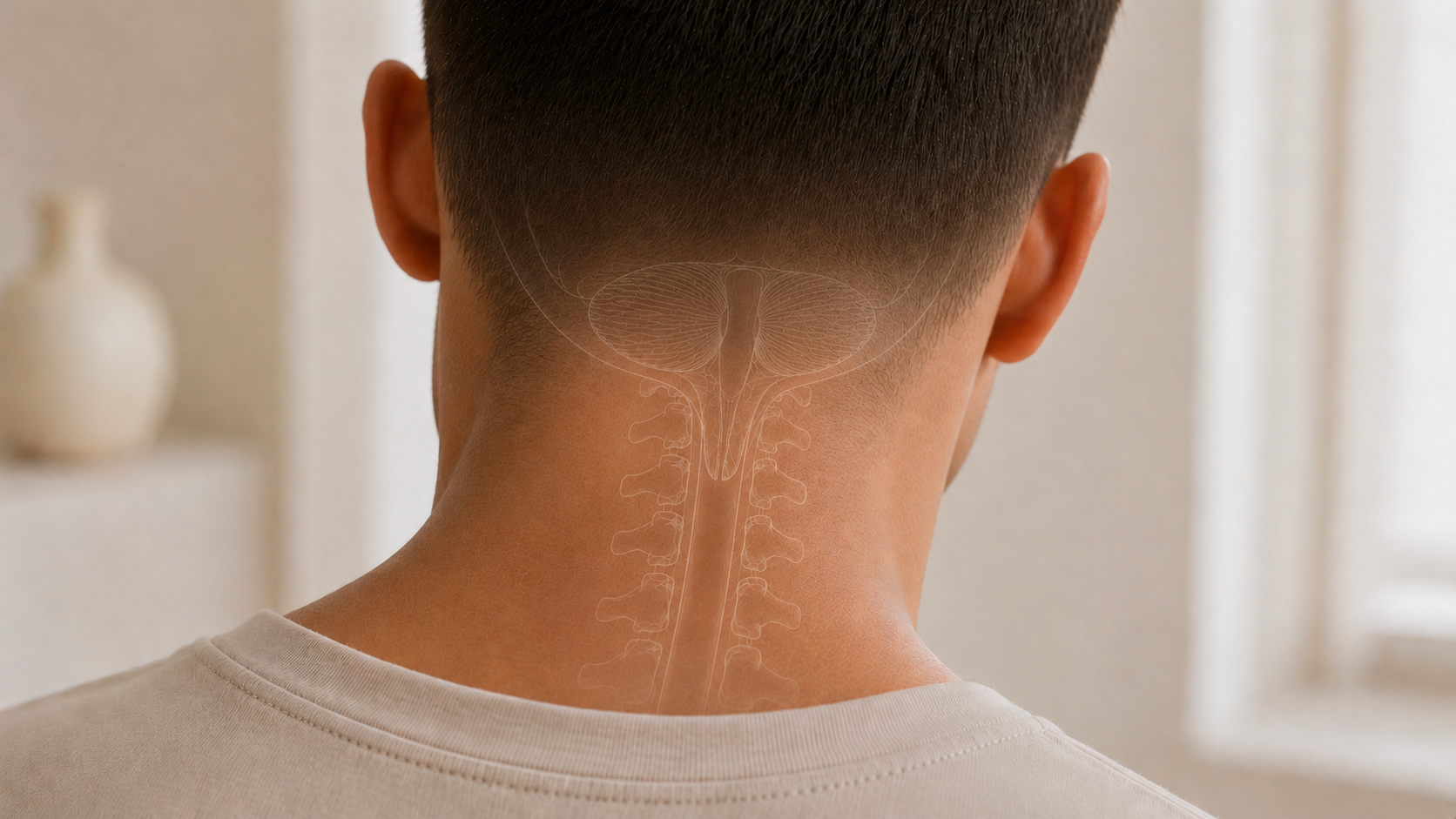
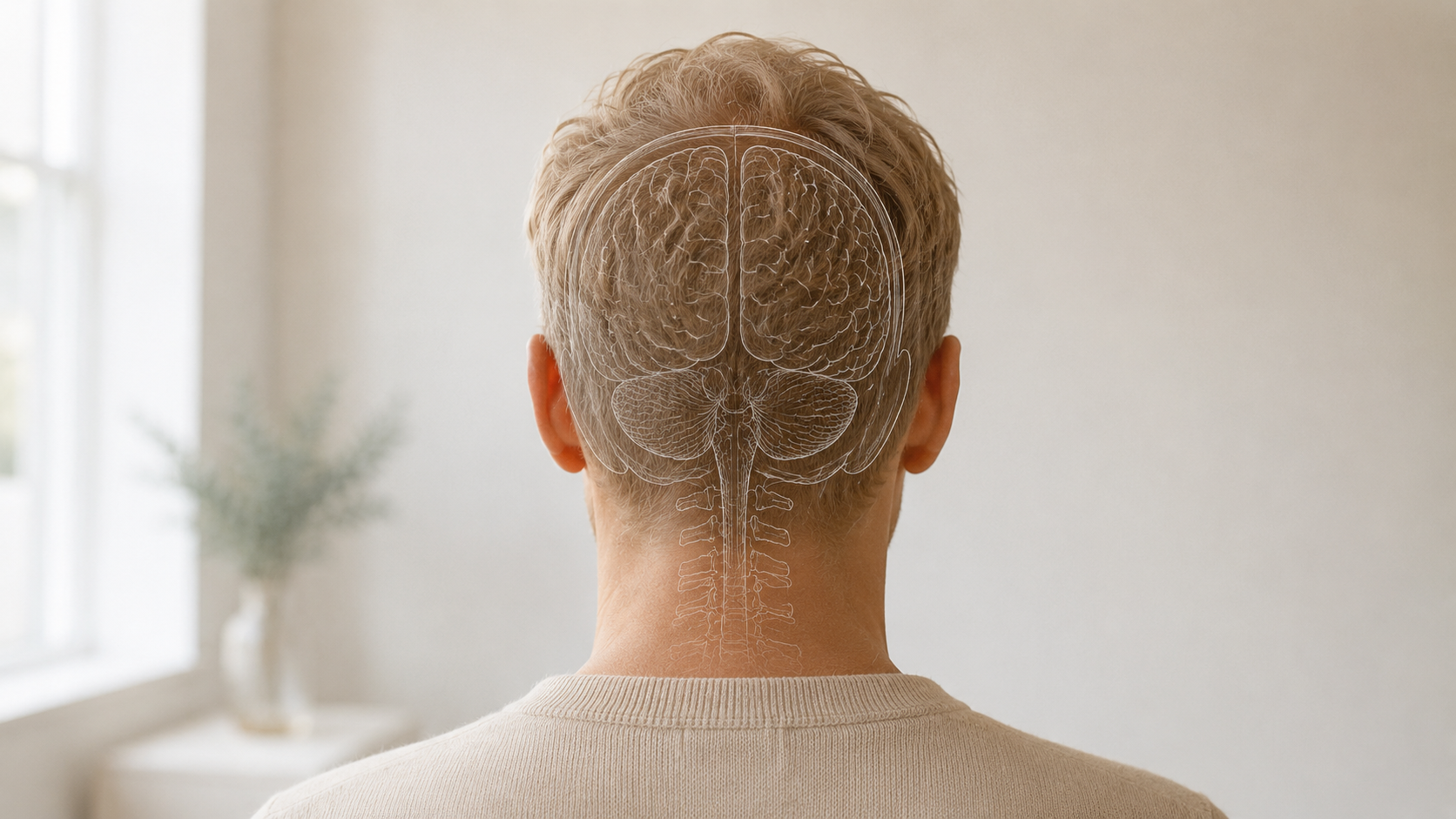
Tethered cord syndrome occurs when the spinal cord is abnormally attached or restricted, limiting the normal movement of the spinal cord within the spinal canal. This restriction can place tension on the spinal cord and nerve roots. In some patients, that tension may contribute to pain, sensory changes, motor symptoms, gait changes, bladder symptoms, bowel symptoms, or pelvic pain.
Tethered cord is often discussed in pediatric neurosurgery, but adults can also have symptoms. Some adults may have had a congenital tethered cord that was not recognized earlier. Others may develop symptoms after prior spinal surgery, scar tissue, trauma, or other acquired causes.
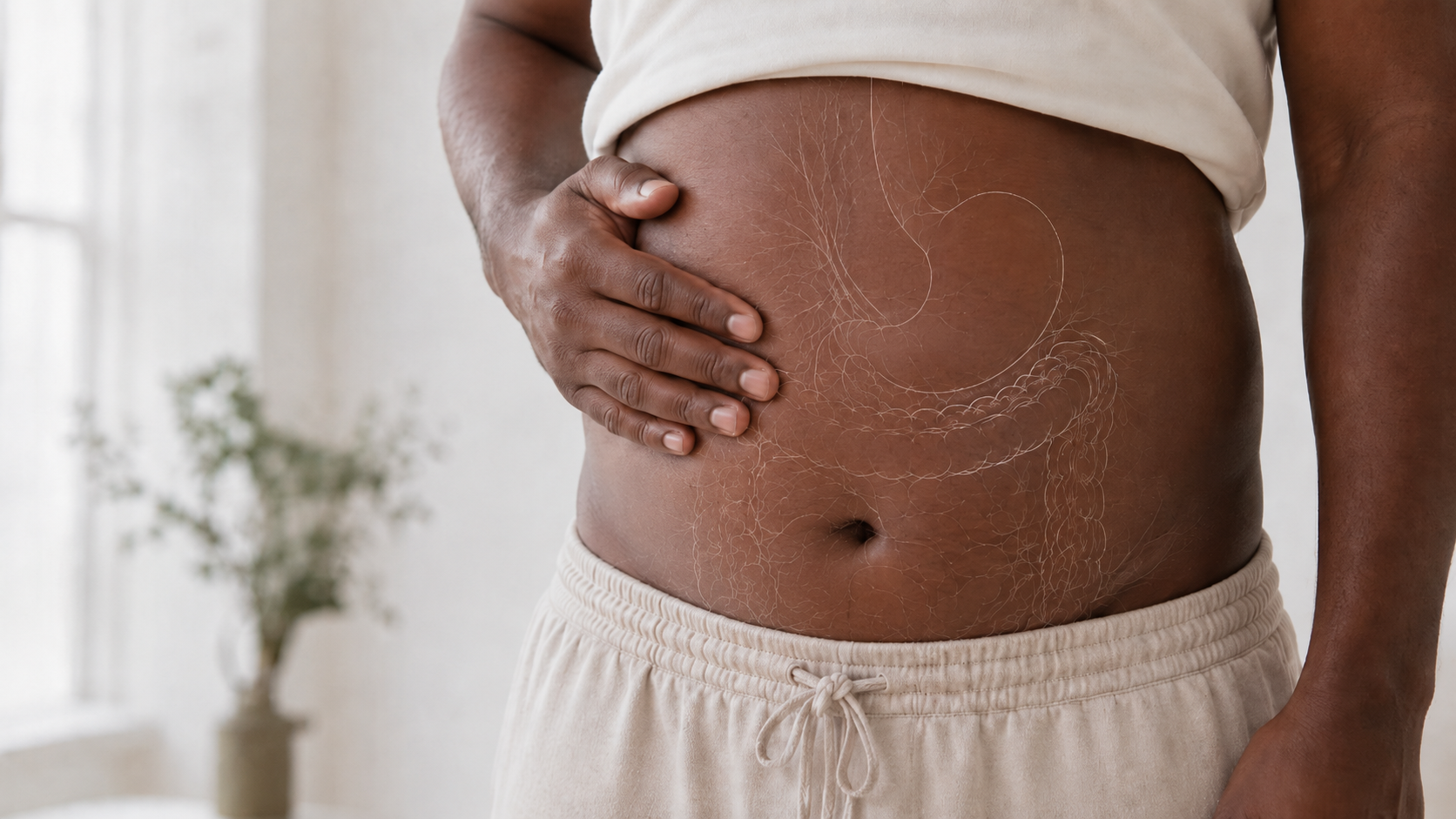
Symptoms vary widely. Some patients experience low back pain, sacral pain, leg pain, pelvic pain, genital or rectal pain, numbness, tingling, weakness, gait changes, foot symptoms, scoliosis, bladder urgency, urinary retention, incomplete emptying, incontinence, constipation, or bowel control changes.
Why Tethered Cord Can Be Difficult to Interpret
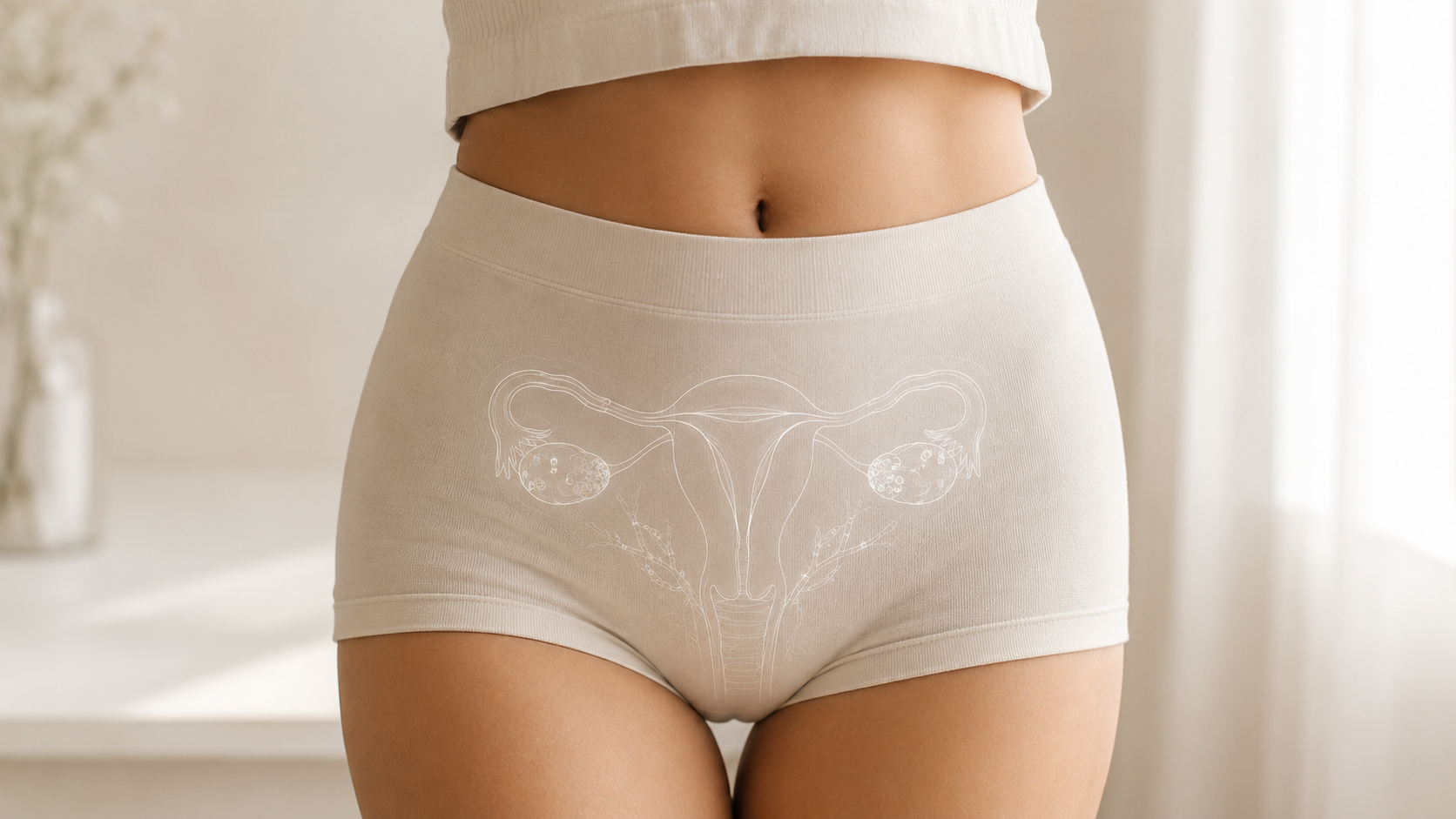
Tethered cord symptoms can overlap with many other conditions. Low back and leg pain may resemble sciatica, lumbar disc disease, spinal stenosis, peripheral neuropathy, piriformis syndrome, or peroneal nerve entrapment. Pelvic and genital pain may resemble pudendal neuralgia, pelvic floor dysfunction, endometriosis, SI joint dysfunction, hip pathology, or Tarlov cyst-related symptoms. Bladder and bowel symptoms may require urology, GI, pelvic floor, neurologic, or spine evaluation.
This overlap can make diagnosis difficult. A patient may have real symptoms but multiple possible explanations. Some patients may also have imaging findings that are difficult to interpret, especially when there is concern for occult tethered cord, Tarlov cysts, EDS, hypermobility, Chiari malformation, CCI, intracranial hypertension, or CSF-related conditions.
MPM’s role is to help organize this complexity. The goal is to understand whether symptoms are more consistent with tethered cord, another spine or nerve condition, pelvic floor dysfunction, musculoskeletal pain, autonomic dysfunction, central sensitization, or a mixed pain pattern.
Adult Tethered Cord Syndrome
In adults, tethered cord symptoms may develop slowly and may be mistaken for more common spine, pelvic, orthopedic, or neurologic conditions. Back pain may radiate into the legs, hips, genital area, or rectal region. Numbness, weakness, walking difficulty, muscle changes, bladder dysfunction, or bowel dysfunction may appear over time.
Adult tethered cord concerns should be evaluated carefully because treatment decisions can be complex. Surgery may be considered in selected cases, but not every patient with symptoms or imaging findings needs surgery. Clinical pattern, neurologic findings, imaging, progression, urologic symptoms, prior treatment response, and specialist assessment all matter.
Tethered Cord, EDS, Hypermobility, and CCI
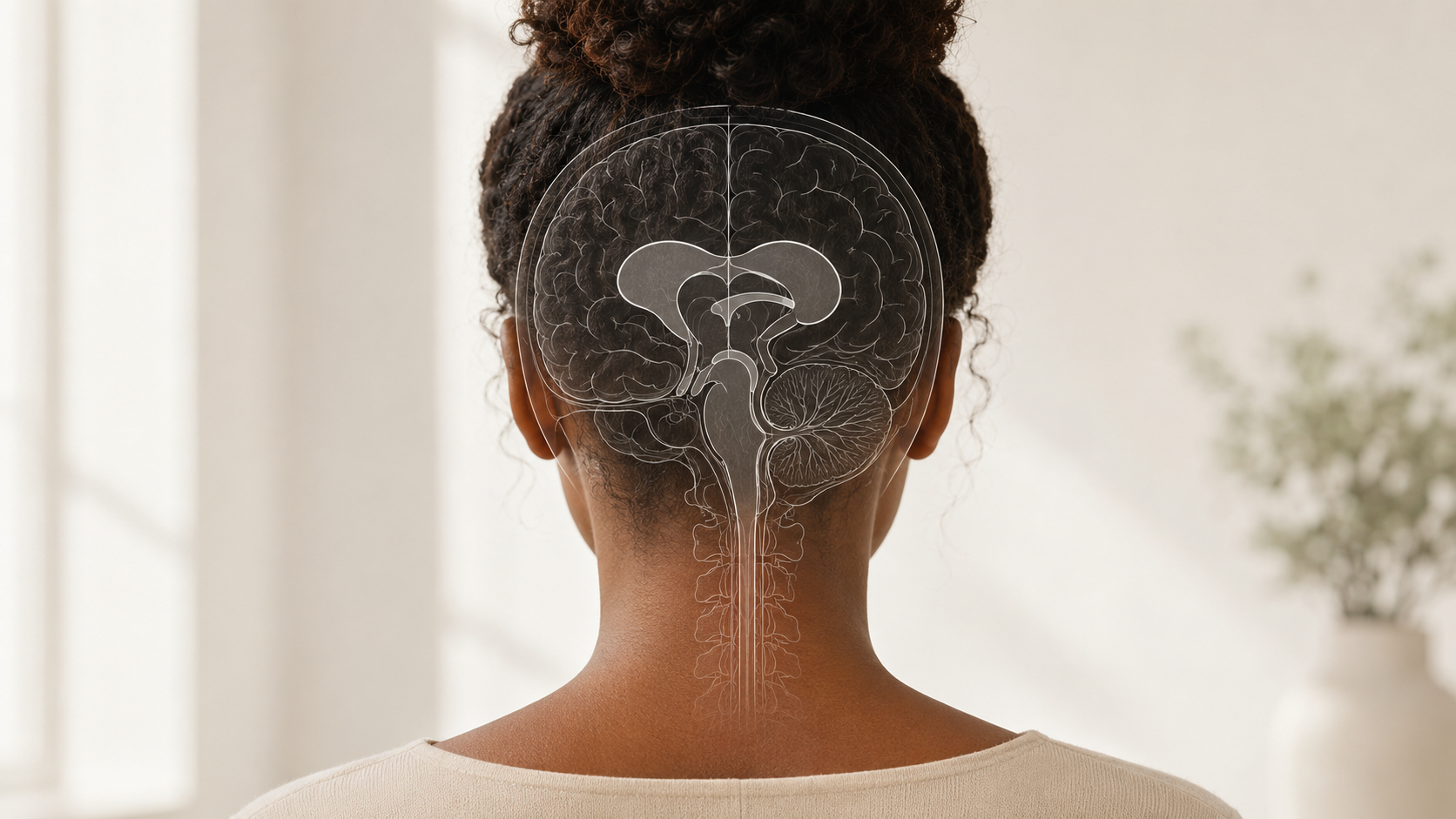
Some patients with EDS or hypermobility spectrum disorder report complex symptoms involving the spine, pelvis, nerves, autonomic function, and headaches. Tethered cord, CCI, Chiari malformation, intracranial hypertension, CSF flow concerns, POTS, MCAS-like symptoms, Tarlov cysts, and chronic pelvic pain may all be part of the discussion in complex hypermobility cases.
These relationships should be approached with caution. Hypermobility does not automatically mean tethered cord is present. Tethered cord should not be diagnosed from symptoms alone. At the same time, patients with EDS or HSD may need a more careful and coordinated evaluation because symptoms can involve multiple systems and standard imaging may not fully explain functional impairment.
Tethered Cord vs Tarlov Cyst, Sciatica, and Pelvic Floor Dysfunction
Tarlov cysts, also called perineural cysts, can occur around spinal nerve roots and may sometimes overlap with sacral pain, pelvic pain, sciatica-like symptoms, numbness, tingling, or bowel and bladder concerns. Some cysts are incidental, while others may be symptomatic when imaging and symptoms align.
Sciatica and lumbar radiculopathy can cause leg pain, numbness, tingling, weakness, or radiating pain from the spine into the leg. Pelvic floor dysfunction can cause pelvic pain, urinary symptoms, bowel symptoms, sexual pain, sitting pain, and muscle guarding. Pudendal neuralgia can cause pelvic, perineal, genital, or rectal nerve pain, often worse with sitting.
MPM evaluates these overlapping patterns to help determine whether the symptoms are most consistent with tethered cord, sacral nerve irritation, lumbar spine pathology, pelvic floor dysfunction, pudendal neuralgia, Tarlov cyst-related symptoms, SI joint dysfunction, hip-related pelvic pain, or chronic pain sensitization.
How MPM Evaluates Suspected Tethered Cord-Related Pain
MPM begins with a detailed history and symptom map. This includes pain location, neurologic symptoms, bladder and bowel symptoms, pelvic symptoms, sexual function changes, gait changes, weakness, numbness, prior injuries, prior surgery, EDS or hypermobility history, headache or CCI symptoms, autonomic symptoms, and prior treatment response.
The evaluation may include review of imaging reports, MRI findings, neurosurgical notes, neurologic evaluation, urology testing, pelvic floor therapy notes, spine workups, and prior pain procedures. MPM may also assess musculoskeletal contributors such as SI joint dysfunction, hip mechanics, pelvic floor-related pain, trigger points, joint instability, or peripheral nerve irritation.
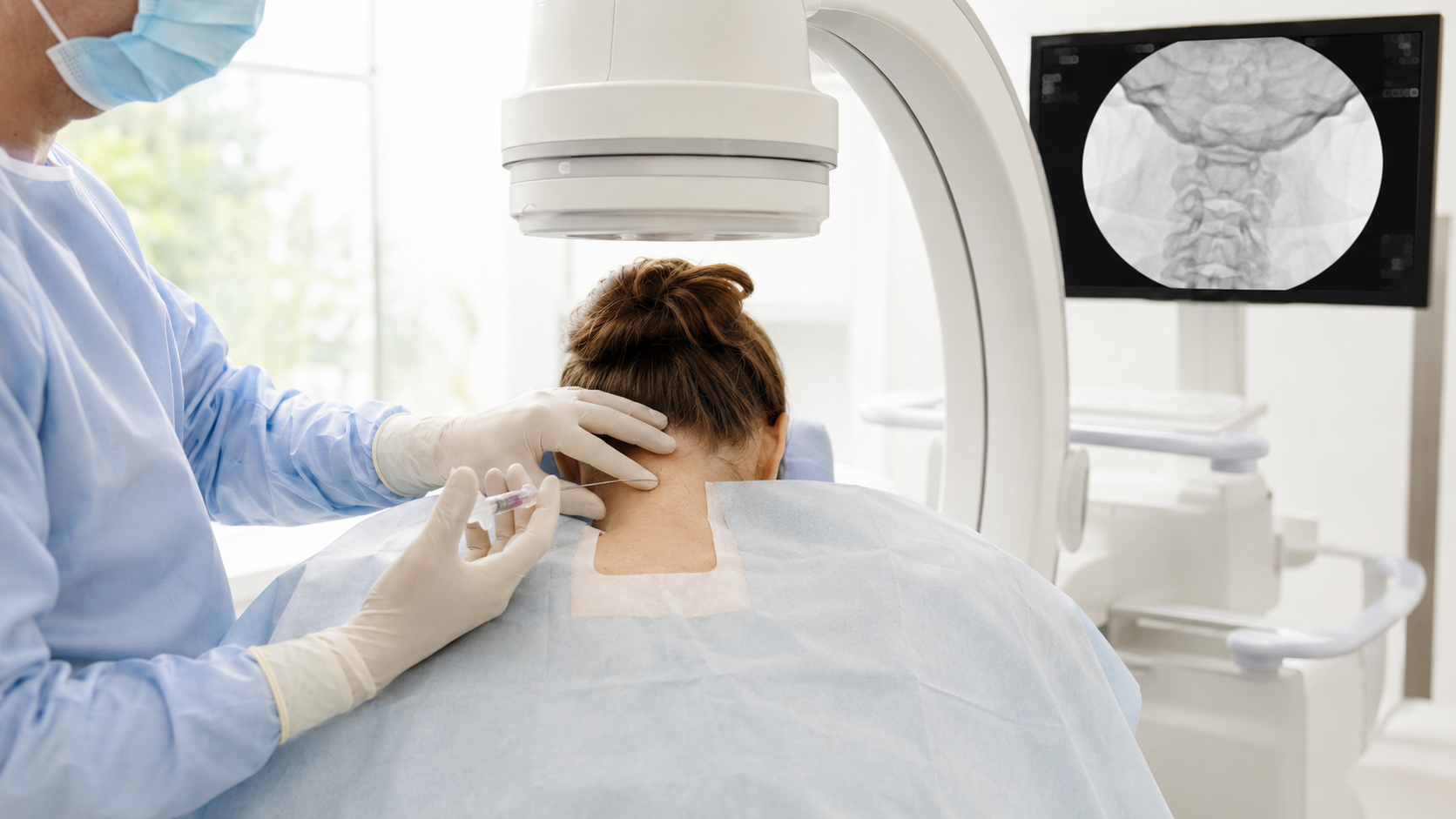
If tethered cord-specific evaluation is needed, MPM may coordinate with neurosurgery, neurology, urology, pelvic specialists, spine specialists, or imaging specialists. If overlapping pain generators are identified, MPM may help develop a stepwise pain-focused plan.
Treatment Options and Referral Pathways
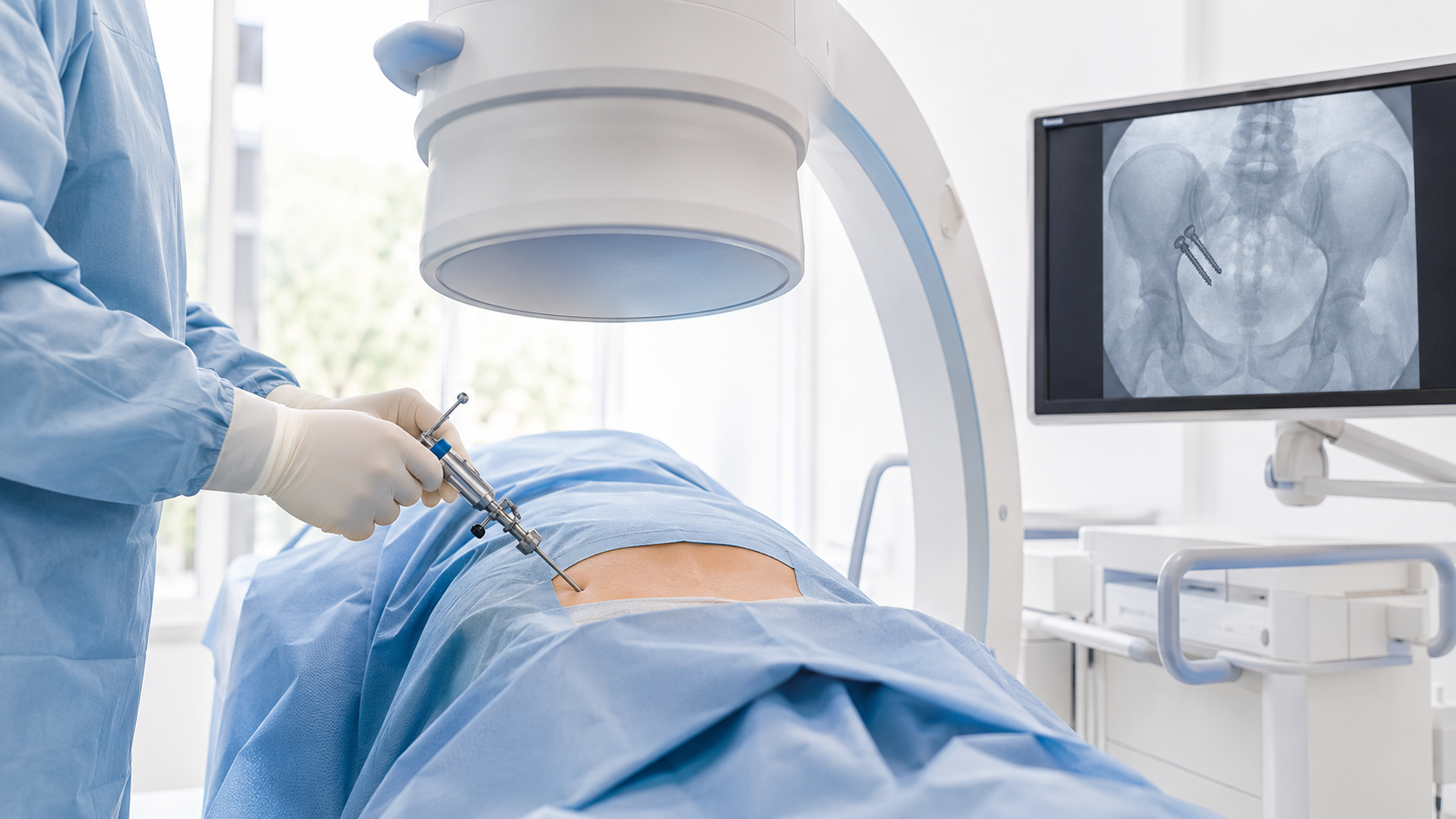
Treatment depends on the diagnosis. If symptoms, imaging, and specialist evaluation support tethered cord syndrome, neurosurgical evaluation may be appropriate. Detethering surgery may be considered in selected cases, particularly when symptoms are progressive or neurologic, bladder, or bowel dysfunction is present. Surgical decisions require careful specialist evaluation and risk discussion.
MPM does not present surgery, injections, regenerative medicine, or any single procedure as a universal solution for tethered cord symptoms. Pain care may be helpful when symptoms are mixed, surgery is not appropriate, symptoms persist after prior treatment, or overlapping pain generators are present.
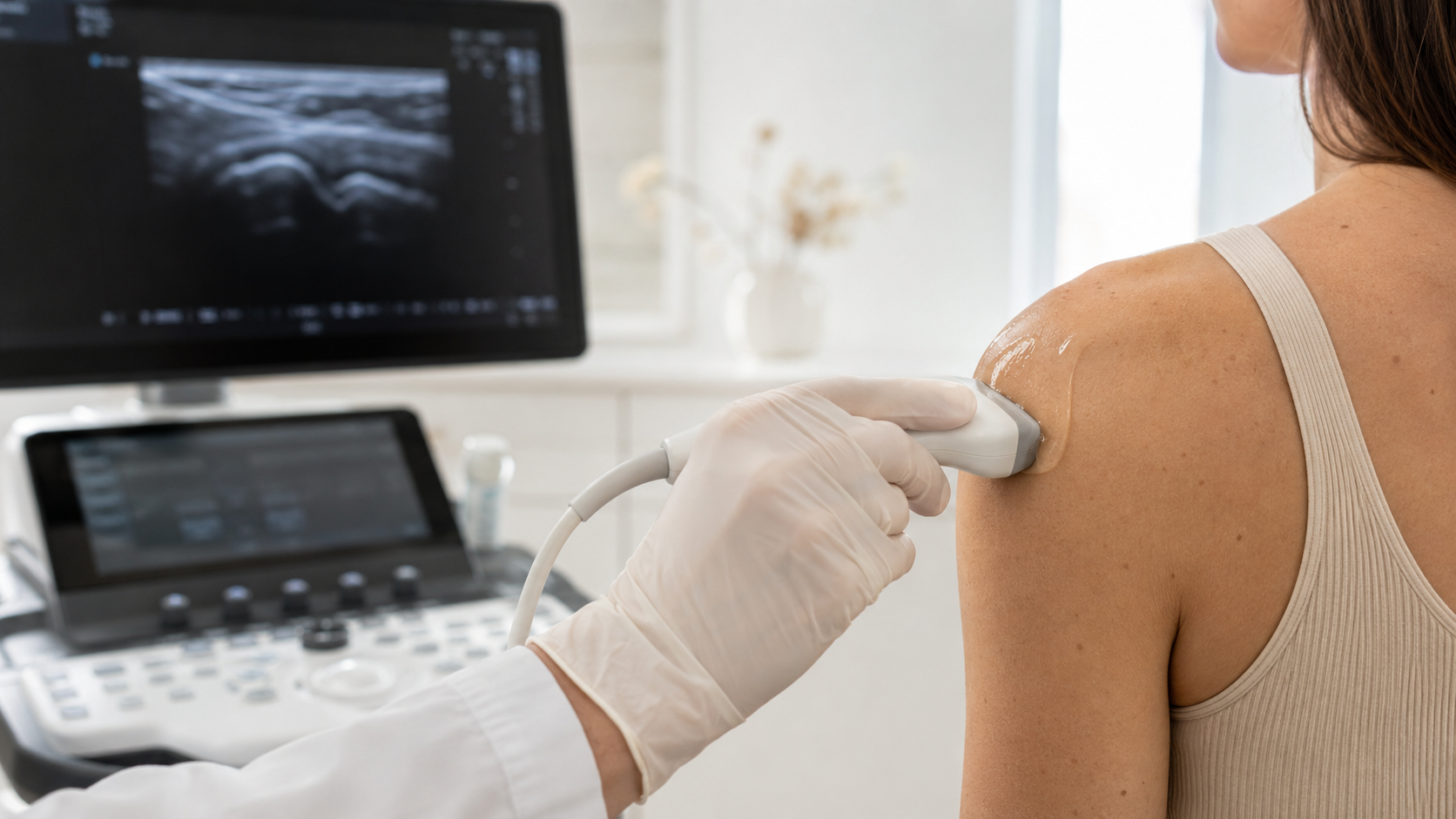
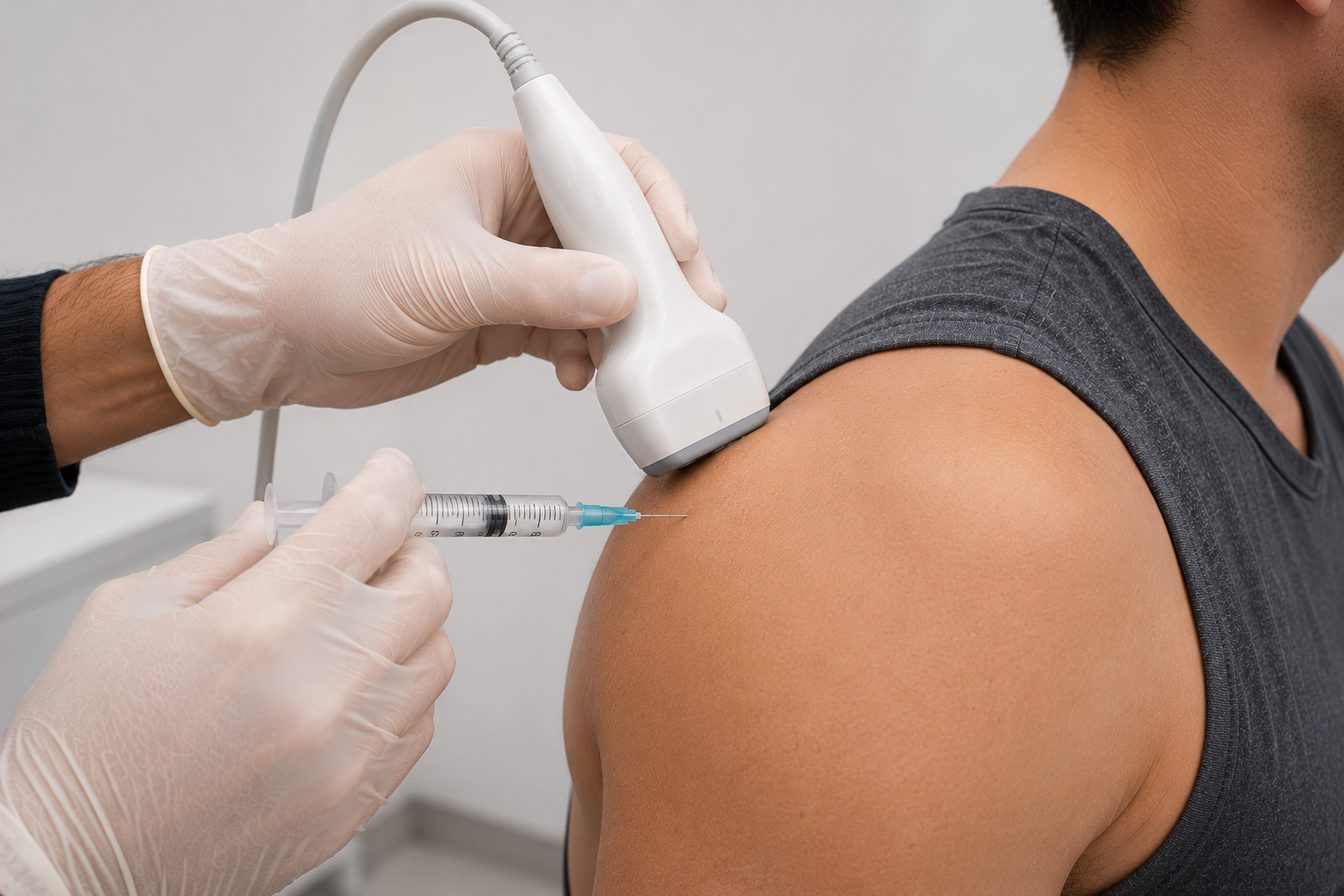
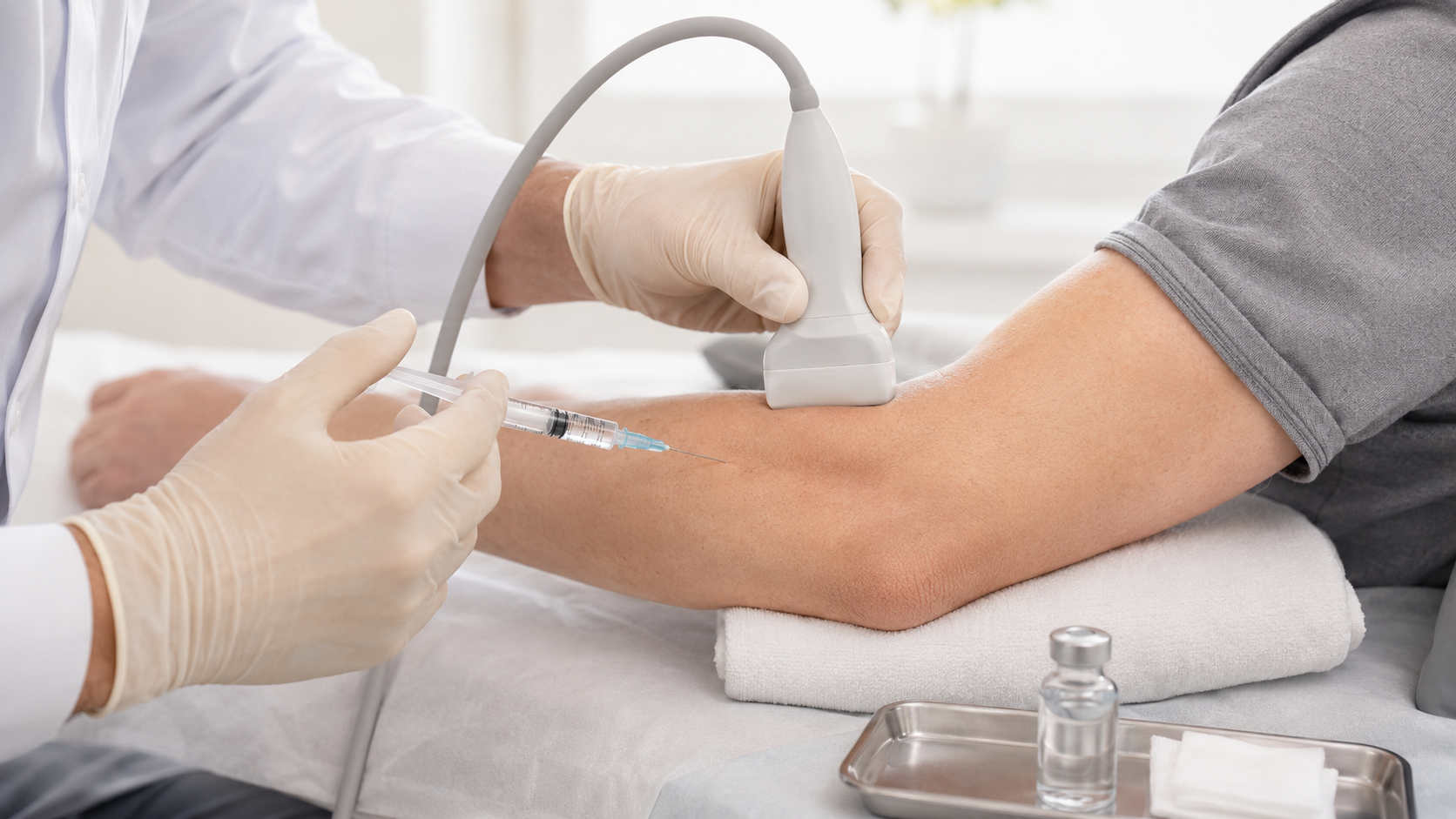
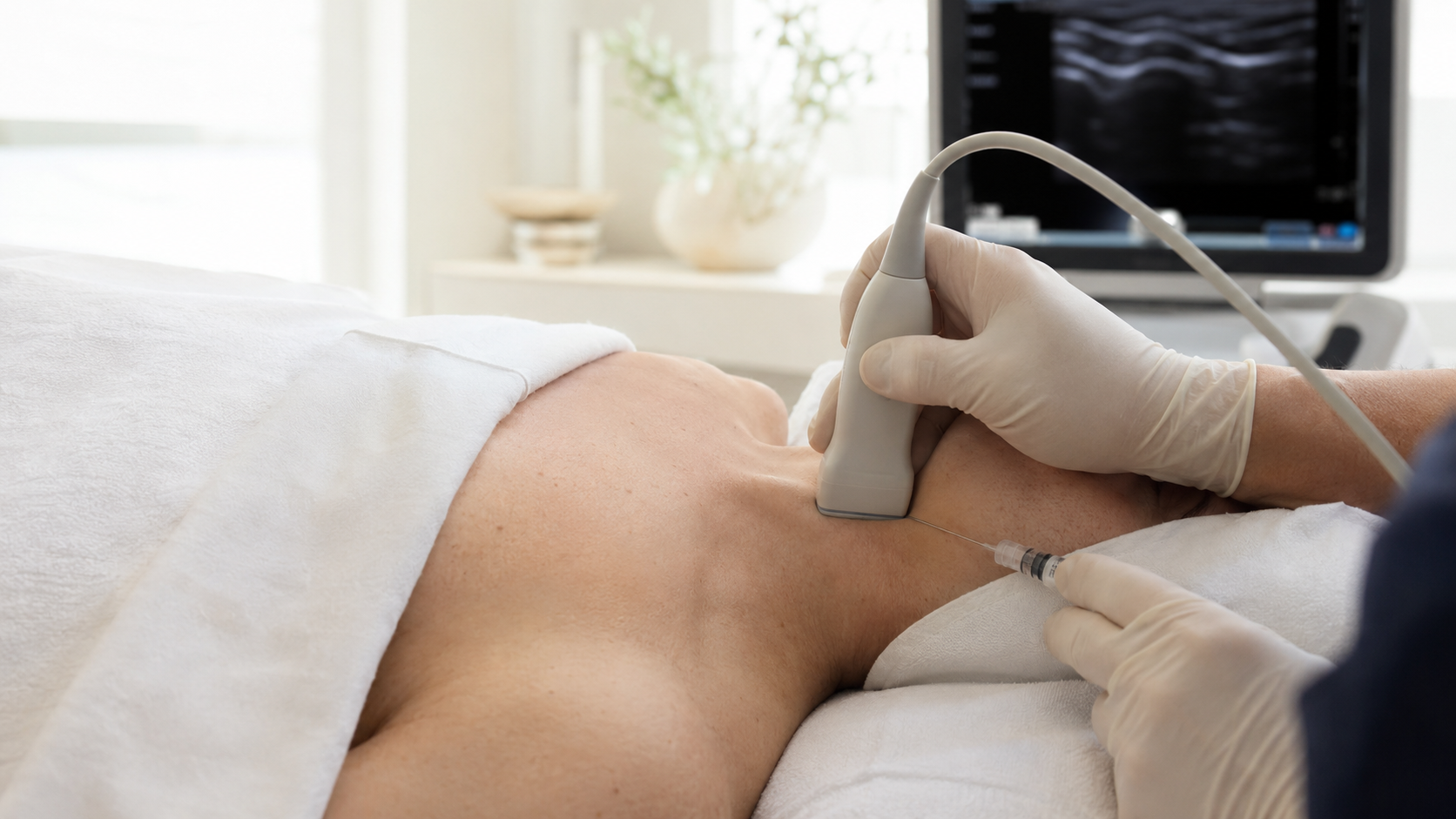
Depending on the diagnosed pain pattern, care may include medication management, pain psychology, biofeedback, Feldenkrais, acupuncture, pelvic pain coordination, trigger point injections, ultrasound-guided injections for selected musculoskeletal sources, peripheral joint injections when appropriate, and referral coordination.
Pain psychology and biofeedback can support patients dealing with chronic symptoms, medical trauma, fear of movement, sleep disruption, symptom vigilance, or functional limitation. These tools do not mean symptoms are imagined. They can help regulate the nervous system and improve coping while appropriate medical care continues.
When Symptoms Require Urgent Evaluation
Tethered cord-like symptoms should be treated carefully when neurologic or bladder and bowel symptoms are present. Patients should seek urgent evaluation for new or worsening leg weakness, saddle anesthesia, new bowel or bladder dysfunction, inability to urinate, progressive numbness, fever, severe back pain after trauma, sudden severe headache, new neurologic deficits, trouble walking, or rapidly worsening symptoms.
These symptoms can reflect tethered cord progression, cauda equina syndrome, spinal cord compression, infection, trauma-related injury, inflammatory disease, or another serious neurologic condition.
How MPM Approaches Tethered Cord-Related Care
MPM approaches suspected tethered cord through a diagnosis-first and coordinated model. The goal is to clarify the symptom pattern, review prior imaging and workups, identify pain generators, and determine which specialists should be involved.
For patients looking for tethered cord syndrome treatment in NYC, MPM provides a pain medicine perspective focused on low back pain, leg pain, pelvic pain, nerve symptoms, bladder and bowel overlap, hypermobility-related complexity, CCI and Chiari overlap, autonomic symptoms, medical trauma, and complex chronic pain.
The goal is to help patients understand what may be contributing to their symptoms, avoid premature assumptions, and build a safe, coordinated plan that supports evaluation, function, and appropriate next steps.