
Conditions We Treat
At Manhattan Pain Medicine, conditions are not treated as isolated labels. Our team uses a diagnosis-first, protocol-driven approach to understand what is generating the pain, how it developed, and why it has not resolved, then selects care based on the underlying drivers.
What Are Zones of Expertise?
Our team organizes conditions and treatments into related zones of expertise to make it easier to explore the care paths most relevant to your symptoms and goals.
Use the zone tags above to browse dedicated pages for each focus area, including services, providers, and what to expect during treatment.
Expertise Built for Complex Pain
Explore the Zones of Expertise by clicking or tapping on a circle.


A Diagnosis-First Approach to Complex Conditions
Many pain conditions develop in layers. A primary driver may lead to compensation, guarding, nervous system sensitization, inflammation, or emotional distress over time. Our role is to separate those layers carefully, so treatment is guided by what is actually driving the pain rather than the symptom alone.
How We Evaluate Conditions
-
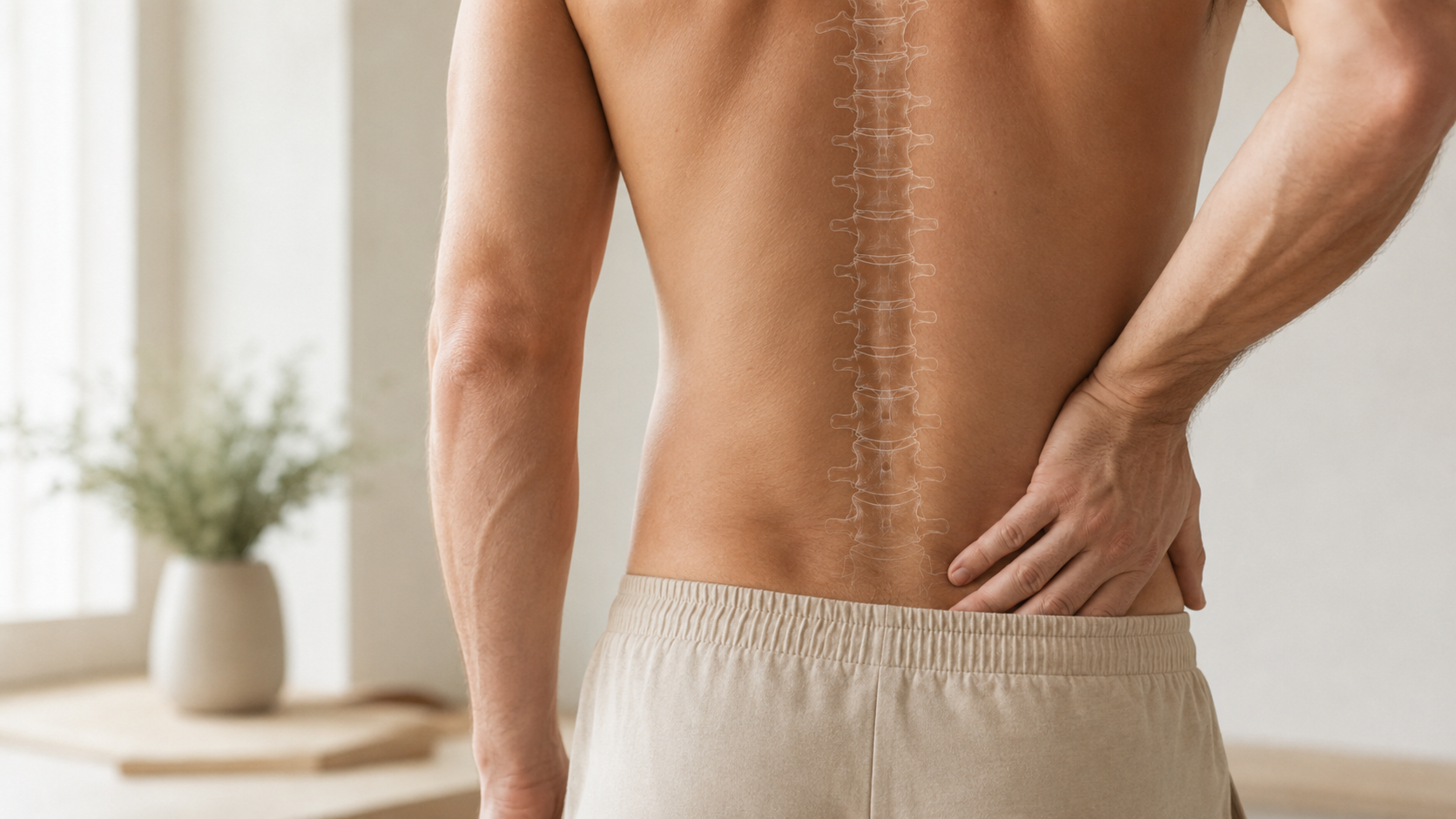
Seronegative Spondyloarthritis
Seronegative spondyloarthritis can cause inflammatory back or SI joint pain, morning stiffness, and pain where tendons attach to bone. We assess the pattern of fatigue, stiffness, and inflammation even when standard rheumatoid arthritis markers are negative.
-
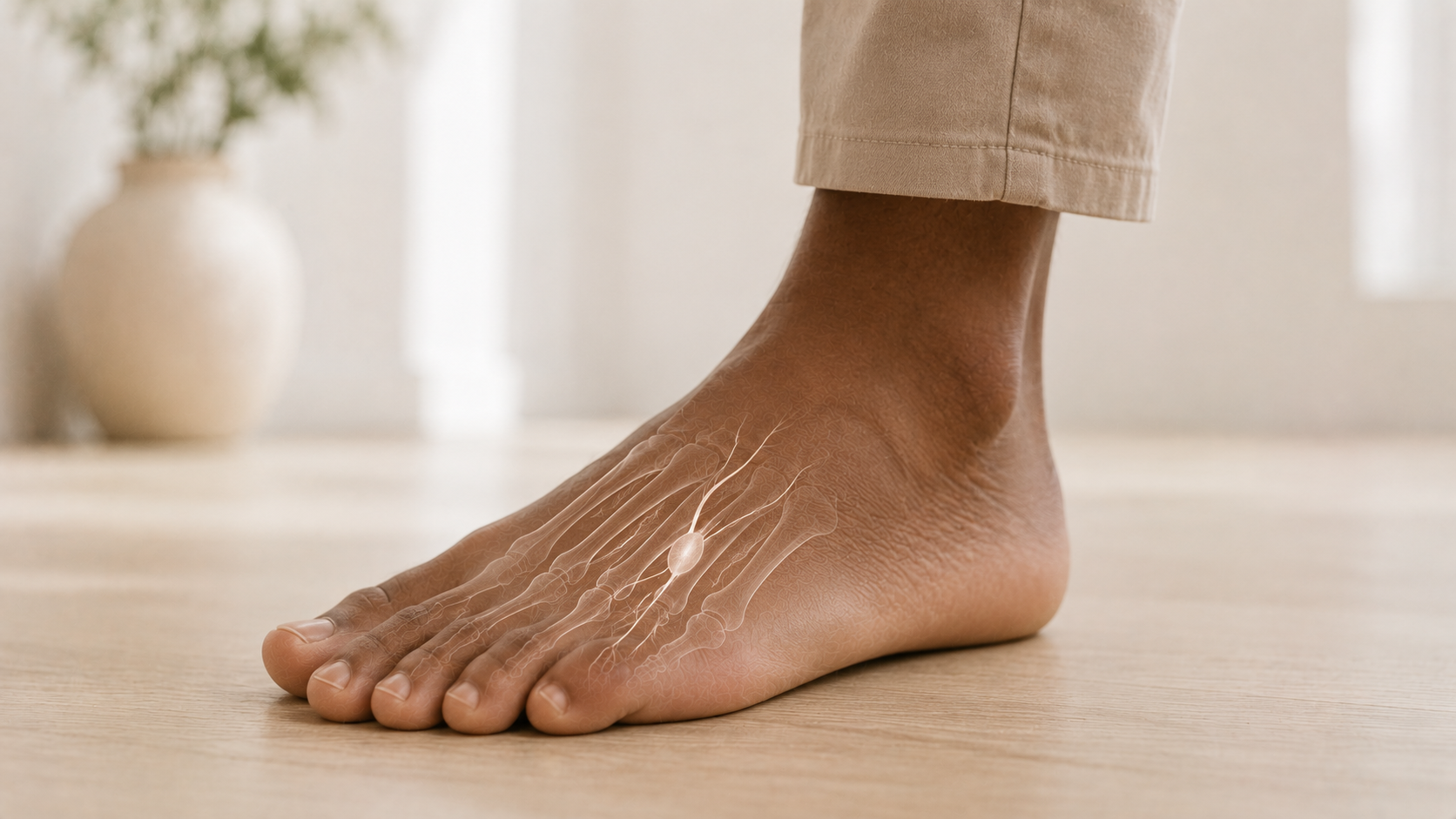
Morton’s Neuroma
Morton’s neuroma can cause burning, tingling, or a pebble-like feeling under the ball of the foot, often between the third and fourth toes. We assess where pressure reproduces symptoms and how footwear or walking affects them to distinguish nerve irritation from joint pain.
-
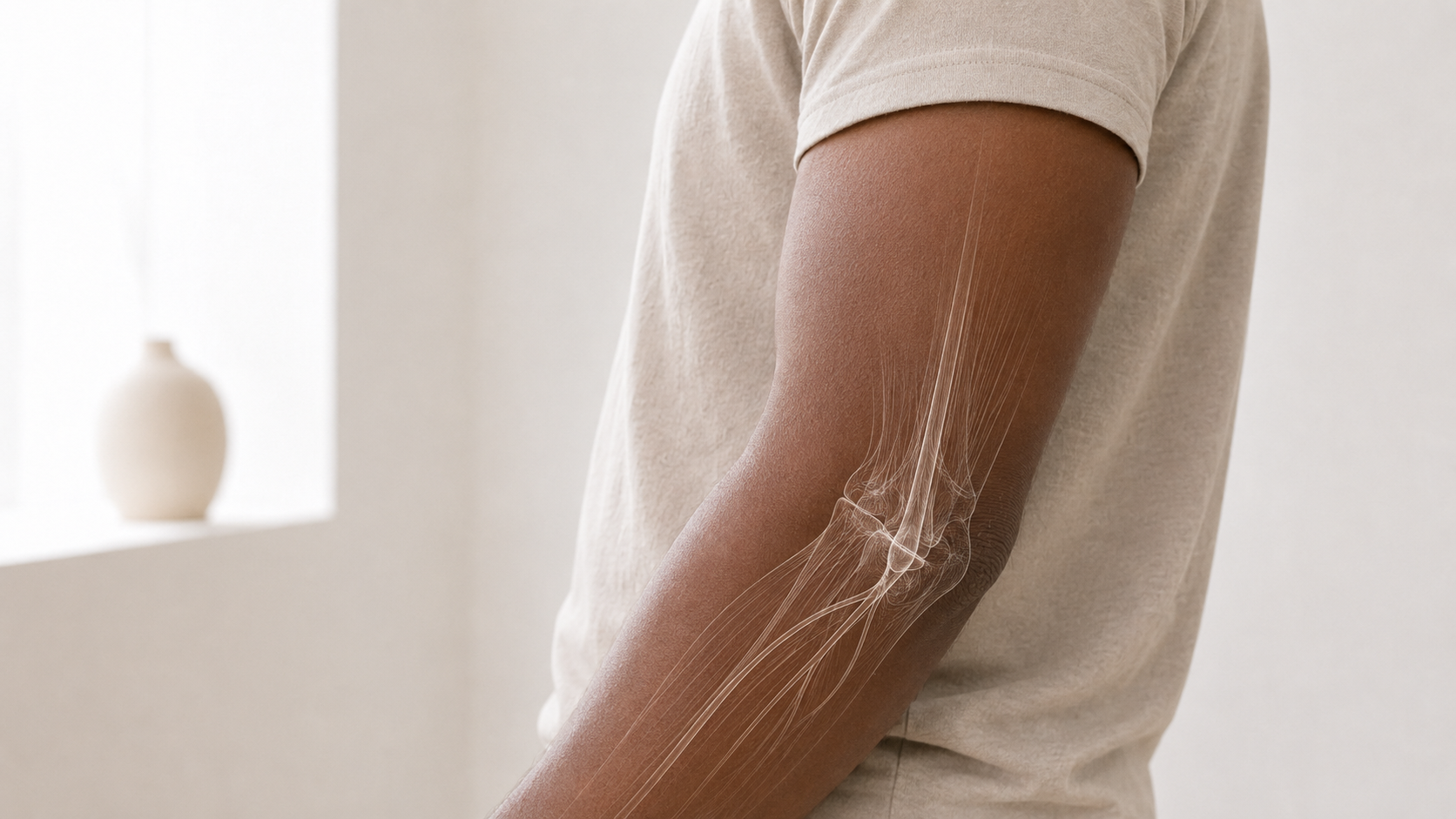
Cubital Tunnel Syndrome
Cubital tunnel syndrome occurs when the ulnar nerve is irritated at the elbow. We track numbness in the ring and little fingers, grip weakness, and symptoms with elbow bending to localize the problem and distinguish it from nerve irritation elsewhere.
-
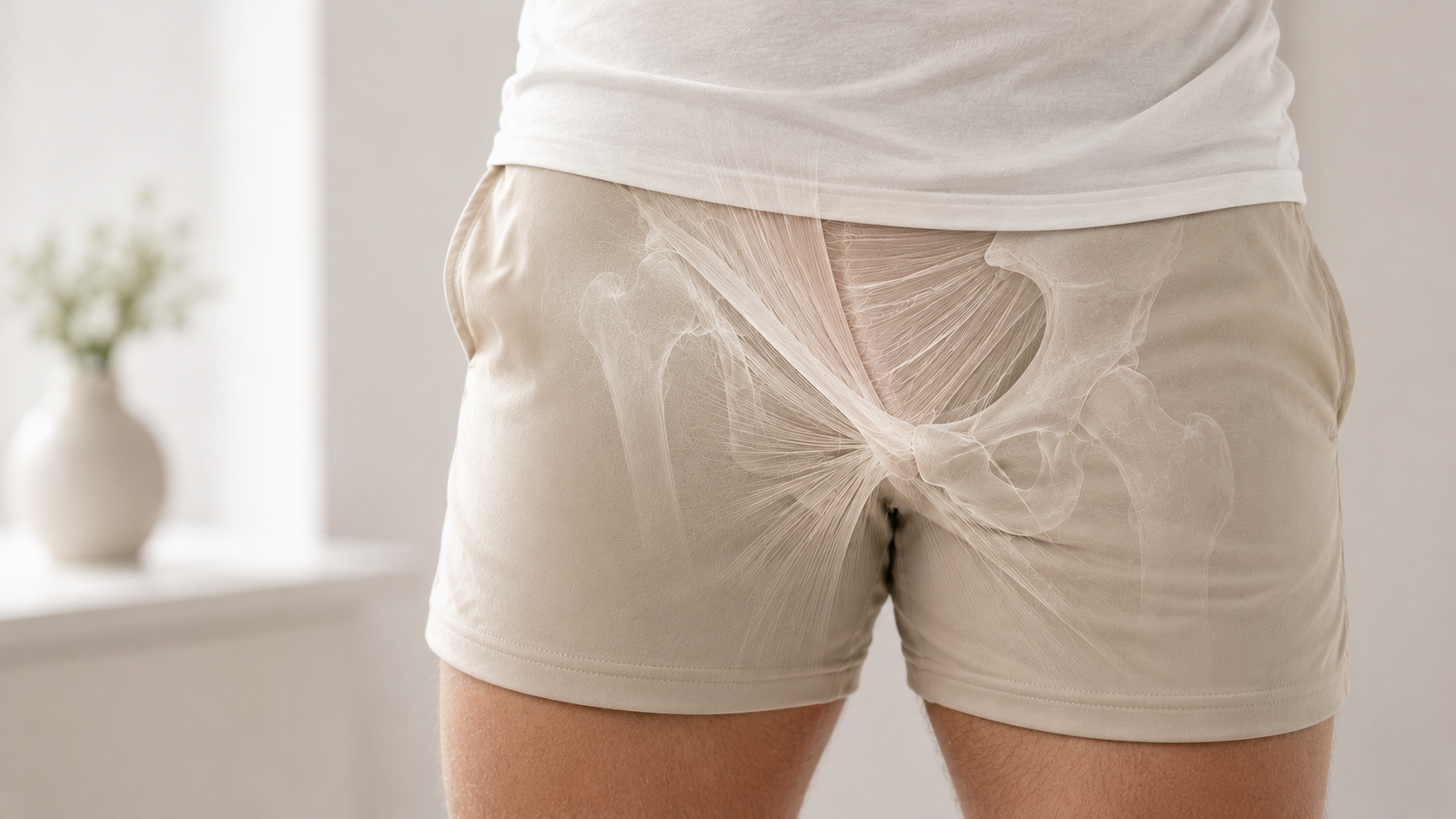
Sports Hernia / Athletic Pubalgia
A sports hernia, also called athletic pubalgia, can cause persistent groin or lower abdominal pain with running, pivoting, lifting, or core work. We assess the abdominal wall, hip, and inner-thigh muscles to localize the pain and identify overlapping sources.
-
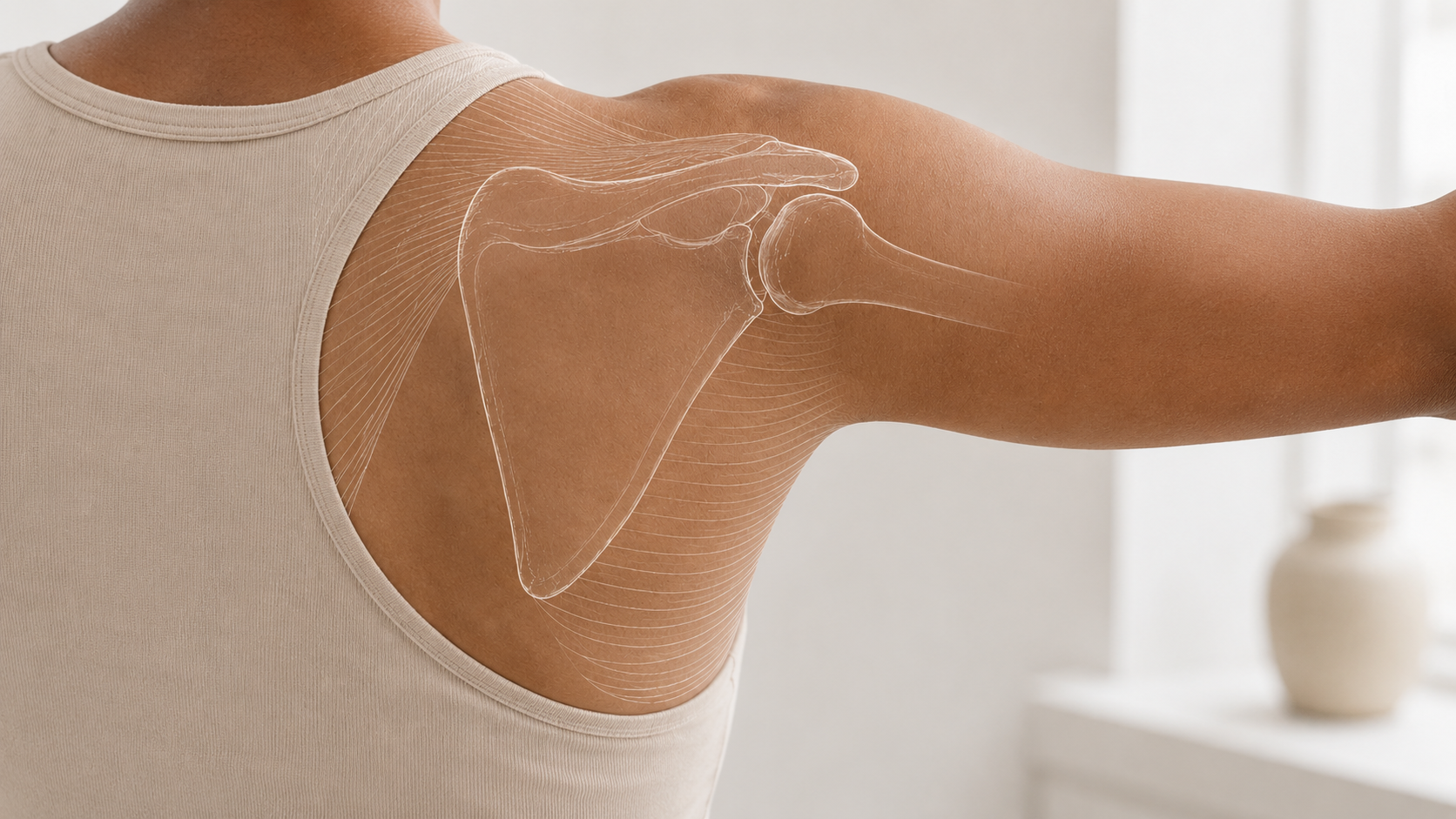
Scapular Dyskinesia
Scapular dyskinesia is a change in how the shoulder blade moves that can contribute to shoulder, neck, or upper back pain and weakness. We observe shoulder blade motion during reaching and lifting to see how it affects shoulder stability and tendon loading.
-
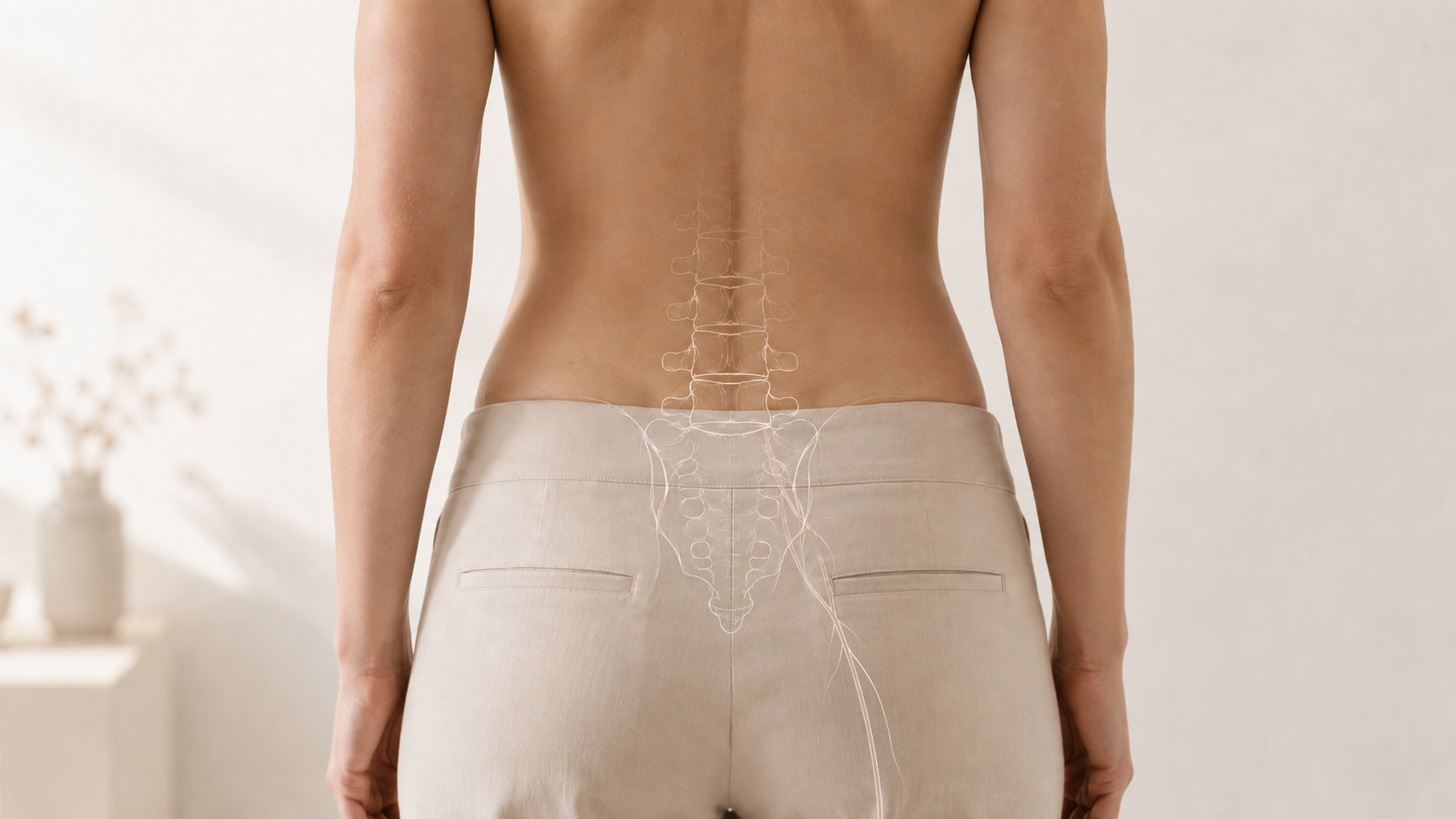
Sciatica and Herniated Discs
Sciatica can send pain, burning, tingling, or numbness from the lower back or buttock into the leg. We trace the nerve symptoms and compare them with imaging and exam findings to assess disc herniation, spinal stenosis, and other sources such as the SI joint.
-
Neck and Back Pain
Neck and back pain can arise from discs, nerves, joints, muscles, or ligaments, with inflammation and hypermobility sometimes adding complexity. We use the exam, symptom pattern, and imaging when relevant to identify what is driving the pain before recommending care.
-

Vulvodynia
Vulvodynia is persistent vulvar pain that can feel like burning, rawness, stinging, or sensitivity. We assess whether symptoms are localized or widespread and look for contributors such as pelvic floor tension, pudendal nerve irritation, or overlapping pelvic pain.
-
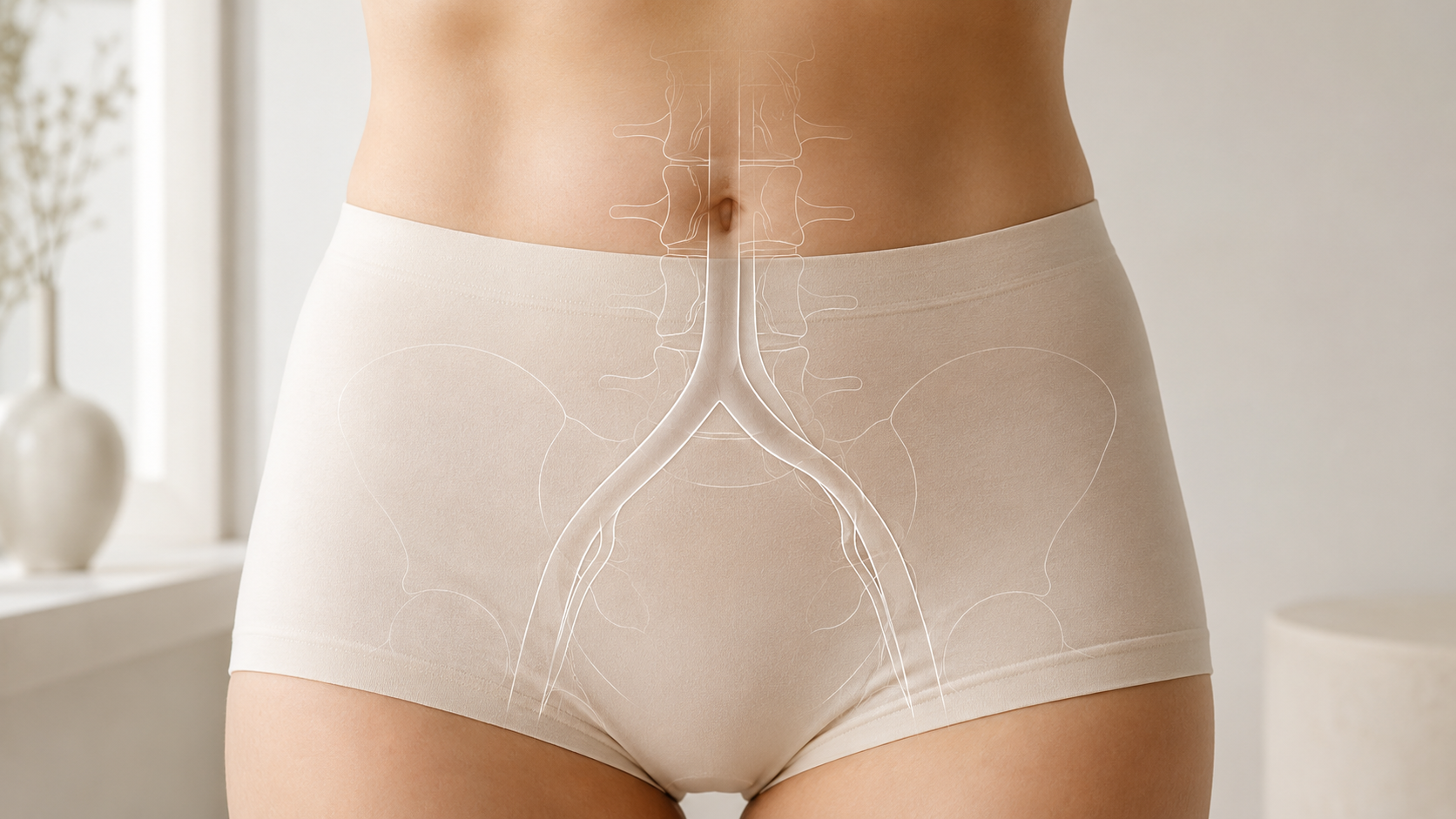
May Thurner Syndrome
May-Thurner syndrome involves compression of a pelvic vein and can contribute to left leg swelling, heaviness, or blood clots, sometimes with pelvic pain. We review the pattern of leg and pelvic symptoms and coordinate vascular evaluation when indicated.
-
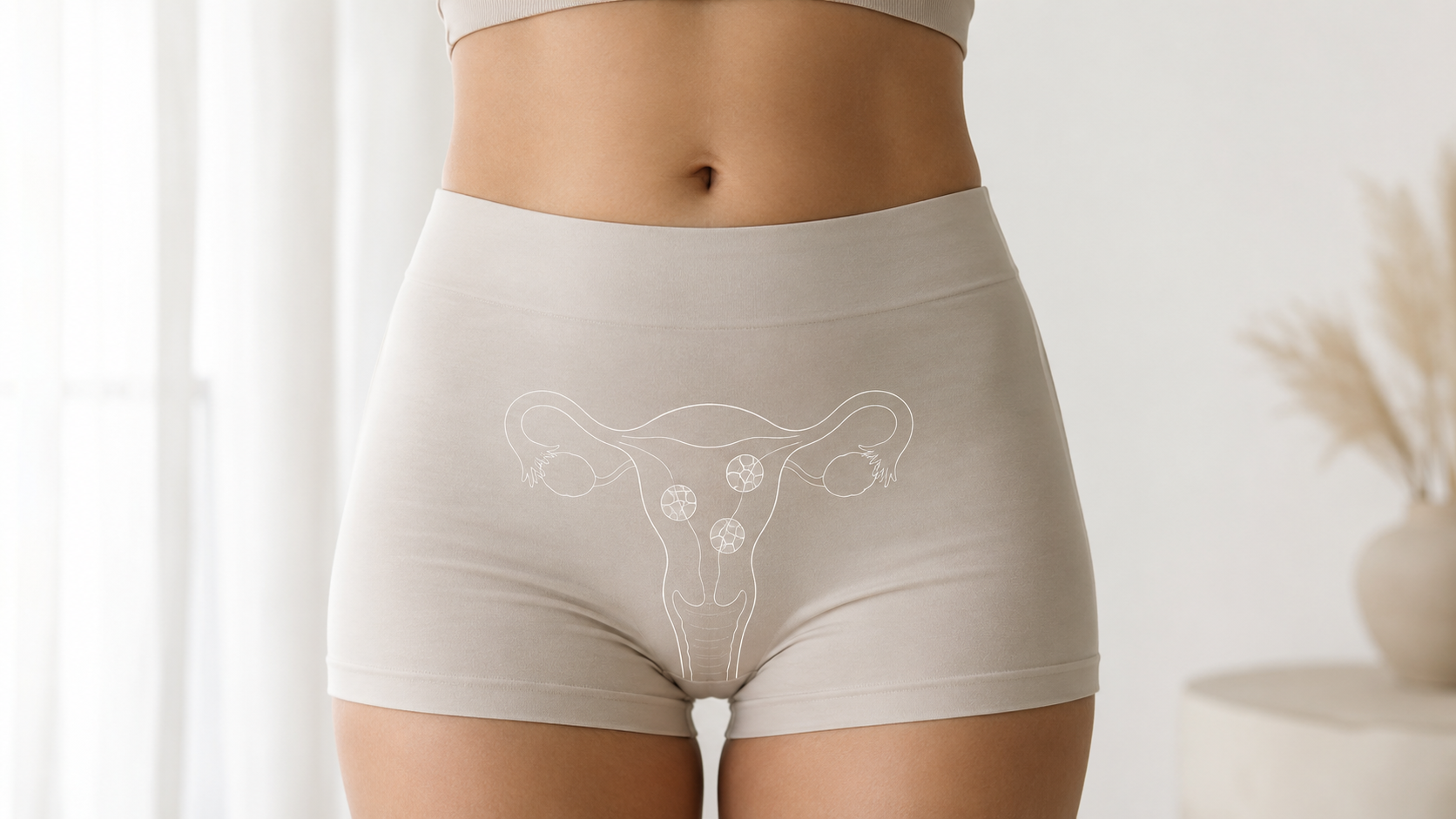
Fibroids and Uterine Pain
Uterine fibroids can contribute to pelvic pressure, painful periods, urinary frequency, constipation, or low back pain. We assess whether the pain pattern fits the fibroids and look for overlapping pelvic floor, nerve, or musculoskeletal contributors.
-
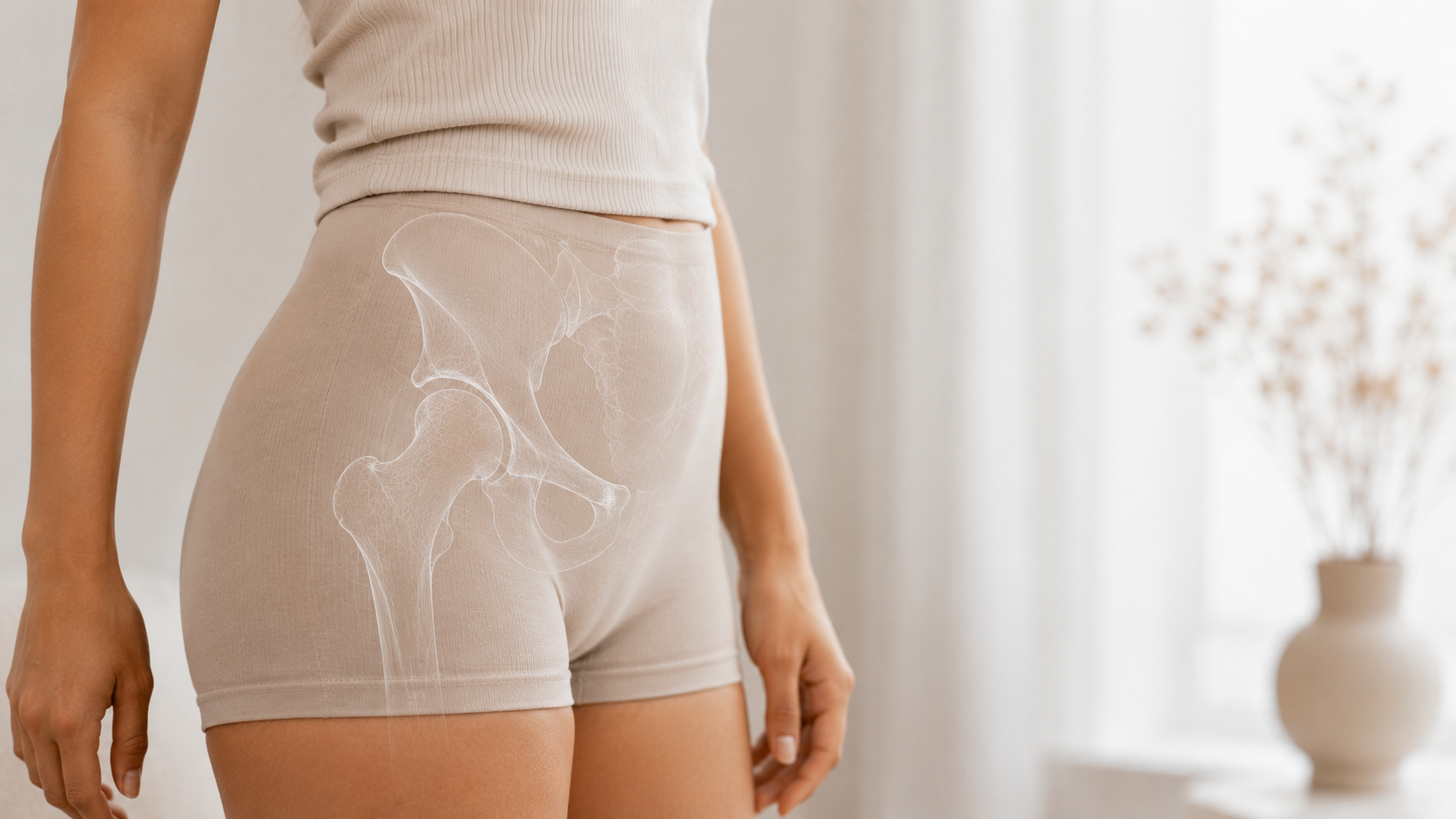
Hip Impingement
Hip impingement can cause a pinching feeling in the groin, stiffness, or catching with sitting, squatting, twisting, or pivoting. We assess when the hip pinches and how it moves to see whether impingement, labral irritation, or another source matches the symptoms.
-
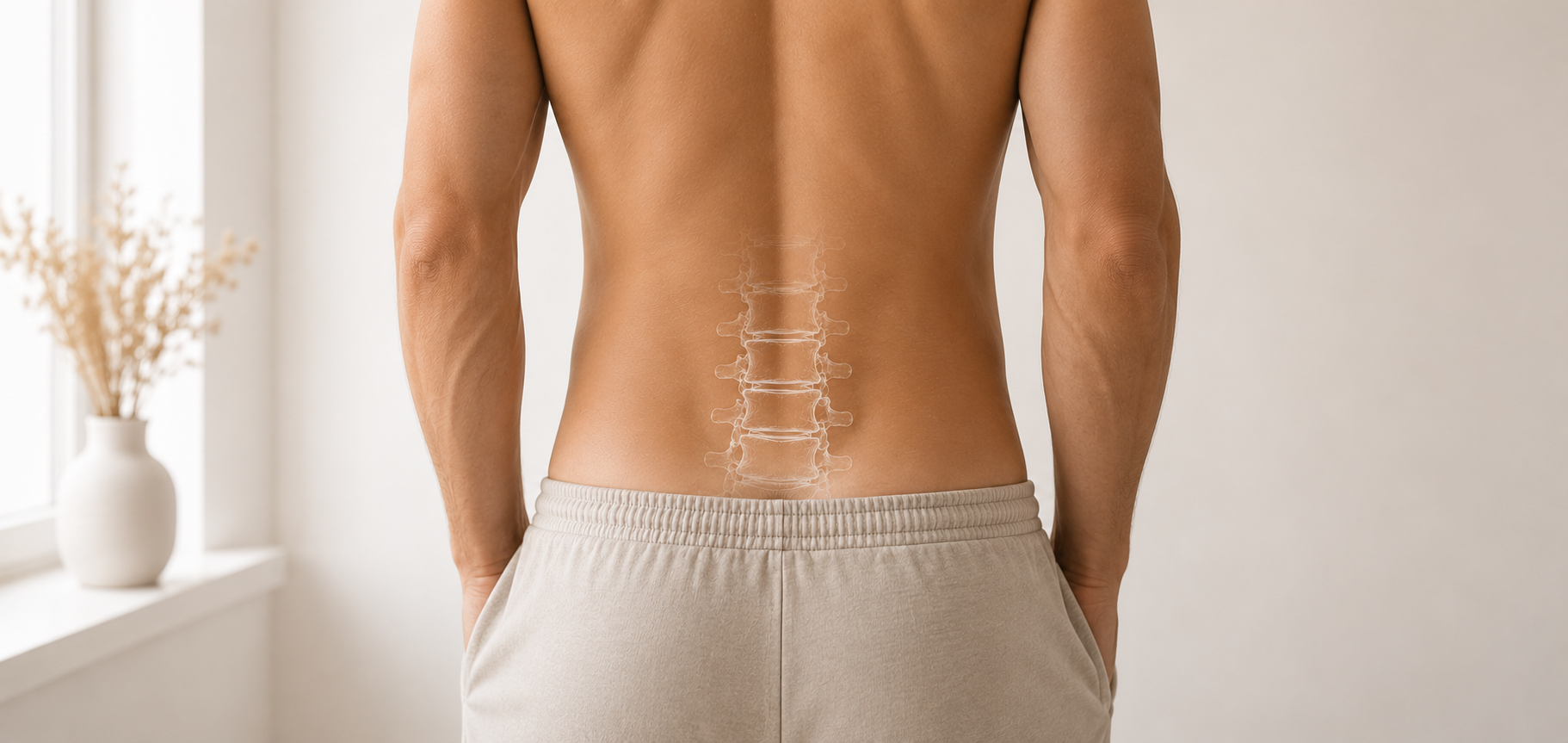
Spondylolisthesis
Spondylolisthesis happens when one vertebra slips relative to the one below it. We compare imaging with leg symptoms, strength, and walking tolerance to determine whether the slip or related nerve compression explains your lower back or leg pain.