Spondylolisthesis
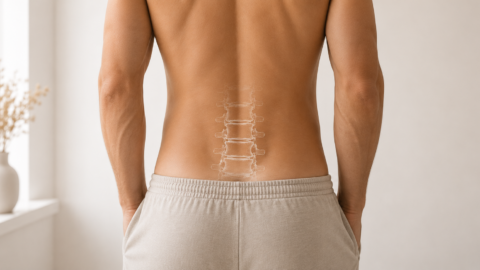
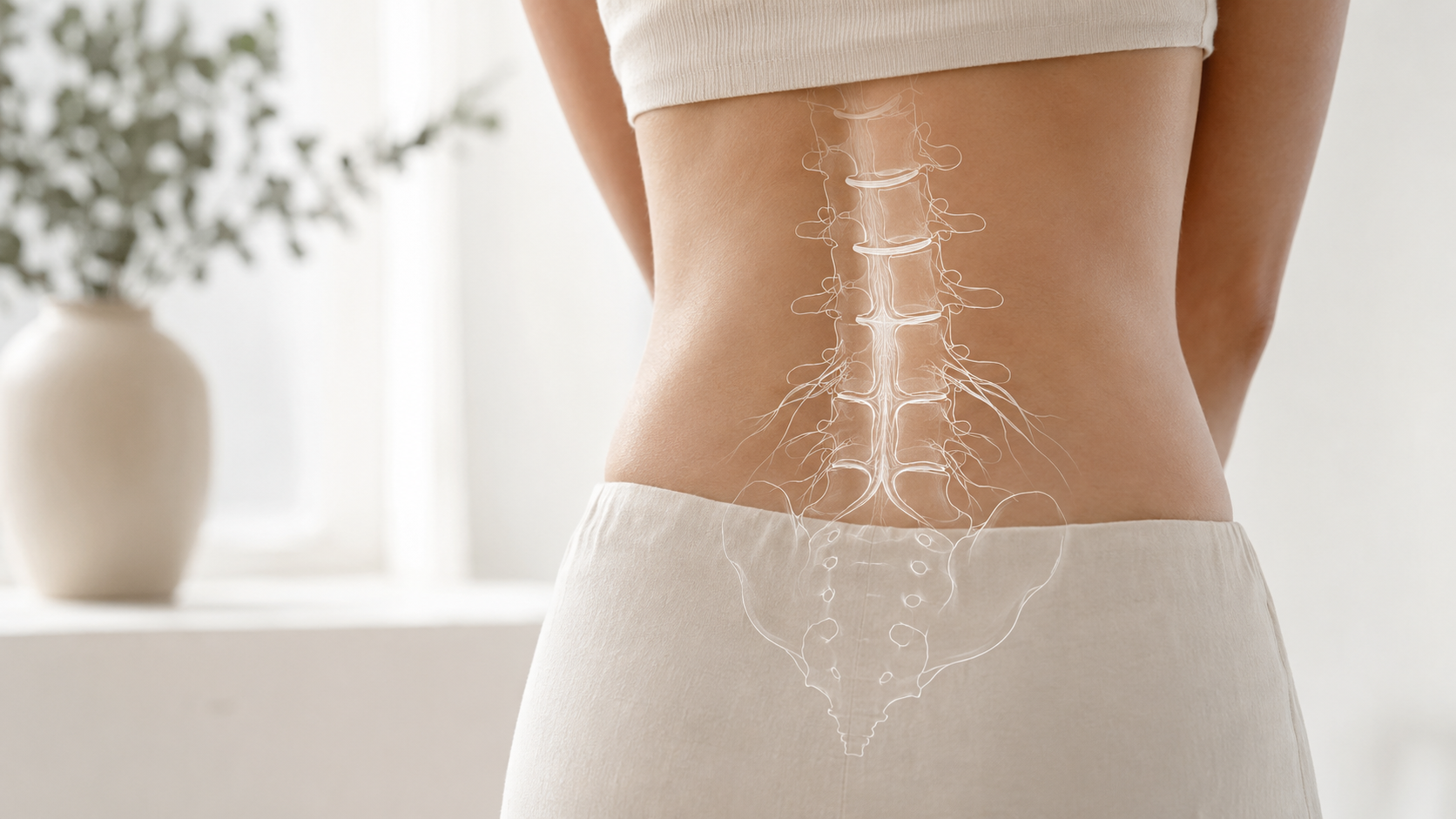
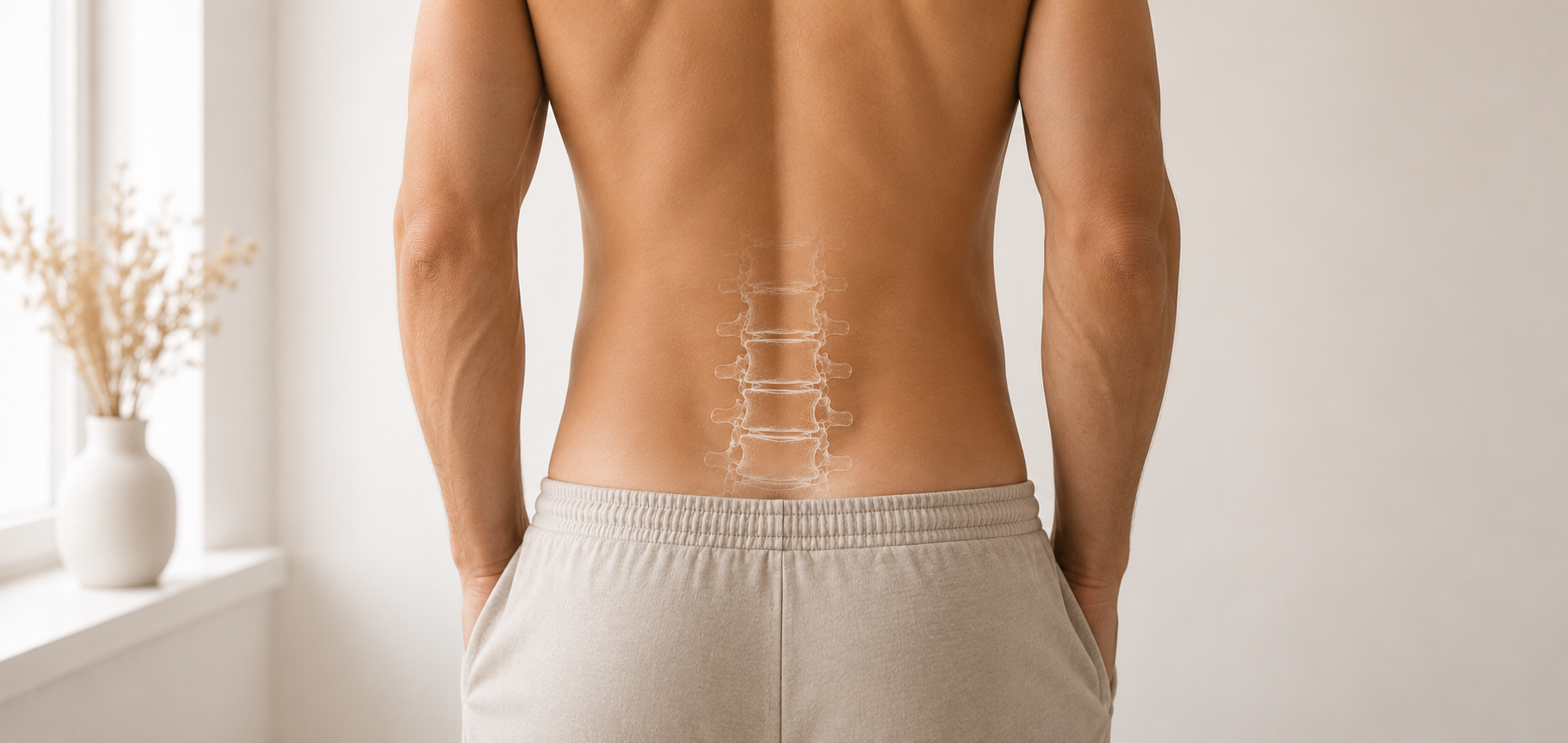
Spondylolisthesis occurs when one vertebra shifts out of normal alignment with the vertebra below it. This can change how the spine bears weight and how nearby structures move. In some patients, the slip may irritate joints, strain ligaments, overload muscles, narrow the spinal canal, or place pressure on nearby nerves.
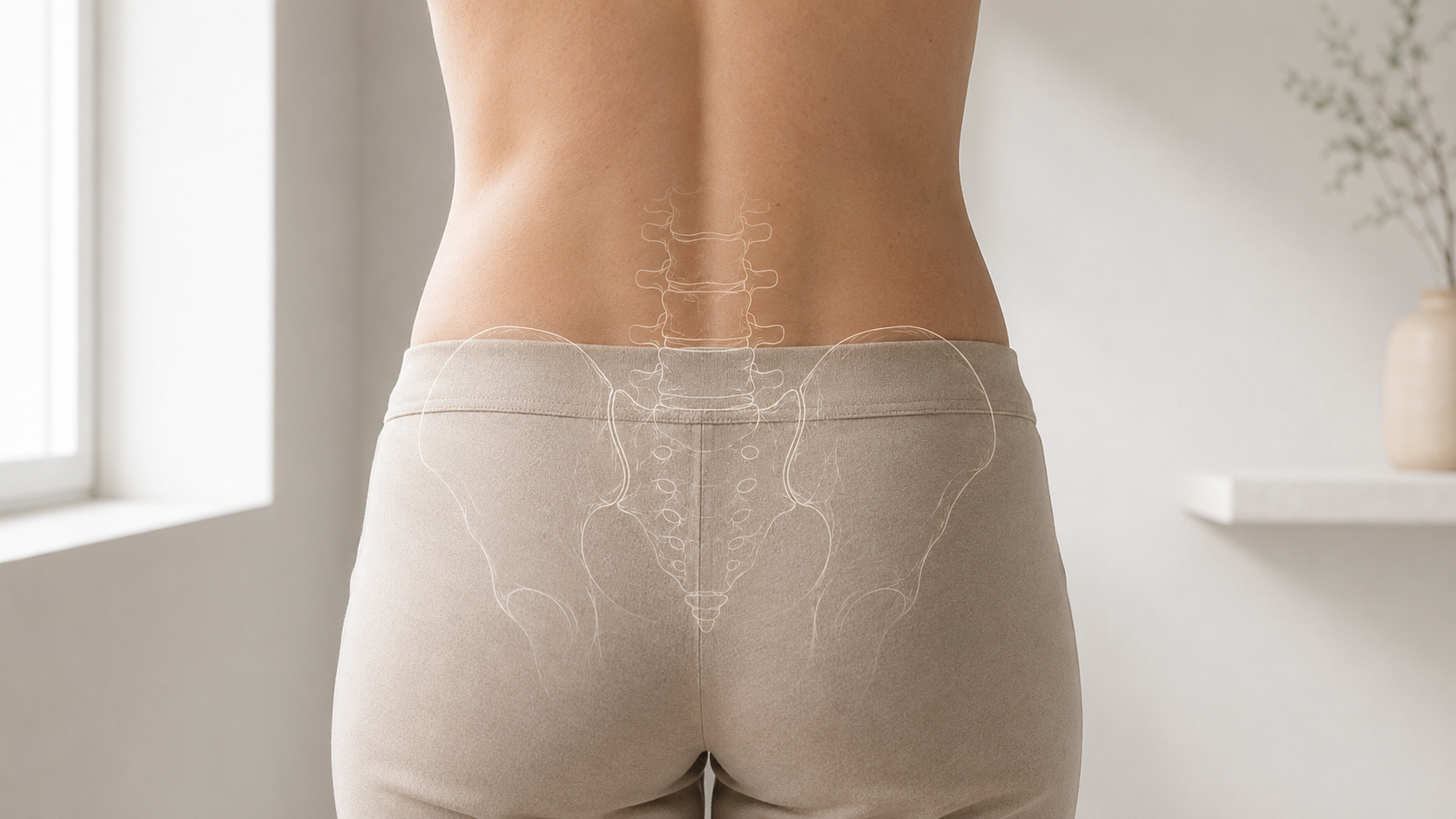
Spondylolisthesis can occur in different areas of the spine, but it is most common in the lower back. Some patients have no symptoms and discover the finding during imaging for another reason. Others develop chronic lower back pain, buttock pain, hip-region pain, leg pain, numbness, tingling, weakness, or difficulty standing and walking.
Types and Grades of Spondylolisthesis
Spondylolisthesis is often described by type and grade. The type refers to why the vertebra slipped. The grade refers to how far it has slipped.
Degenerative spondylolisthesis is often related to age-related spine changes, disc degeneration, facet arthropathy, or ligament changes. Isthmic spondylolisthesis may occur when there is a stress fracture or defect in part of the vertebra. Other forms may relate to congenital anatomy, trauma, prior surgery, or other structural changes.
The grade of the slip helps describe severity, but the grade alone does not determine the treatment plan. A low-grade slip may still be painful if it irritates nerves or joints. A higher-grade slip may require surgical evaluation, especially when there is instability, nerve compression, or progressive functional limitation.
What Spondylolisthesis Can Feel Like
Spondylolisthesis-related pain may feel like lower back aching, stiffness, instability, pressure, or pain that worsens with standing, walking, bending backward, or prolonged activity. Some patients feel better when sitting or leaning forward, especially if spinal stenosis is part of the pattern.
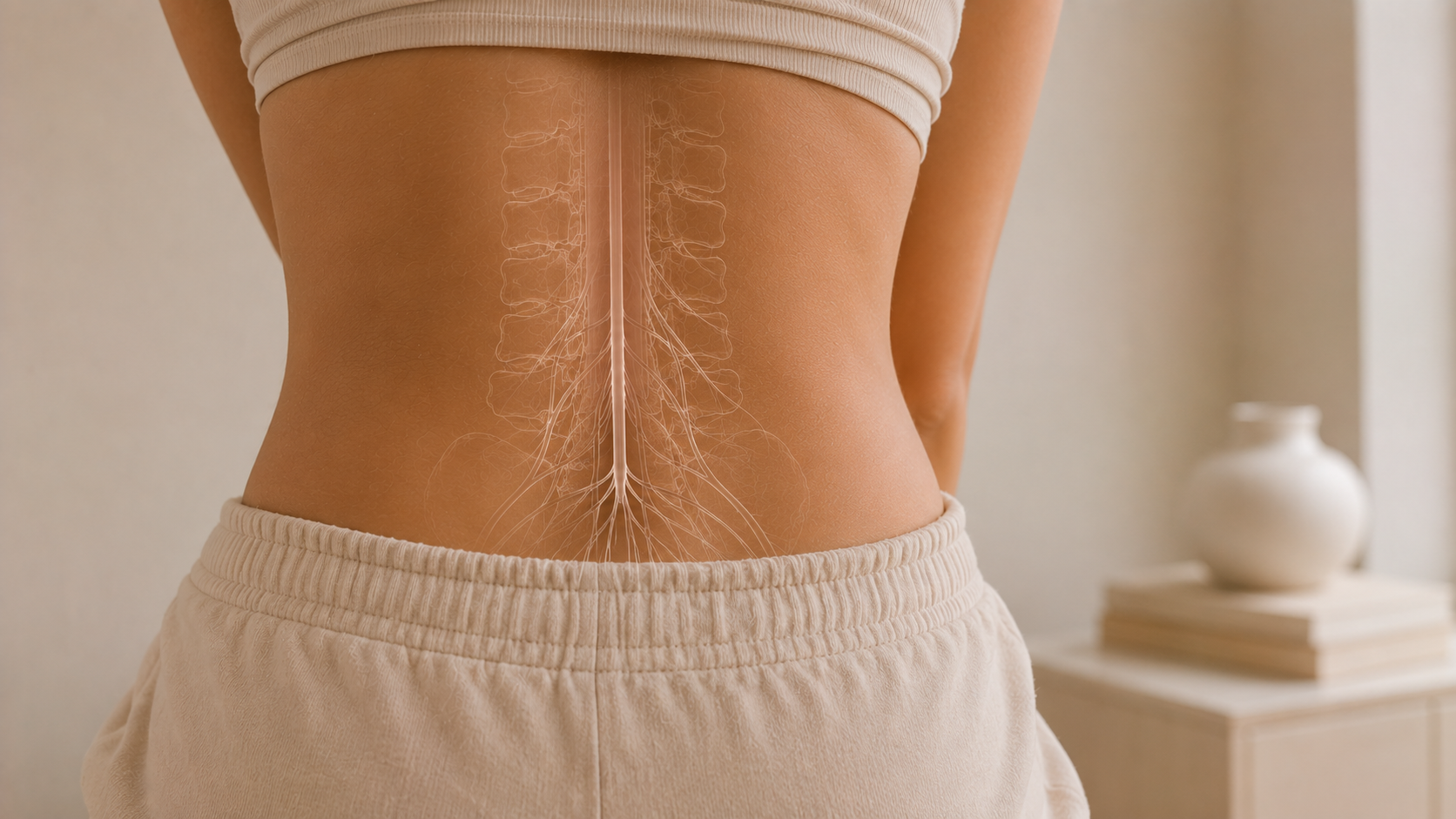
When nearby nerves are irritated, symptoms may travel into the buttock, hip, thigh, leg, or foot. Patients may describe burning, tingling, numbness, heaviness, cramping, or weakness. These symptoms can resemble sciatica, lumbar radiculopathy, spinal stenosis, peripheral neuropathy, or SI joint dysfunction.
Spondylolisthesis and Sciatica-Like Pain
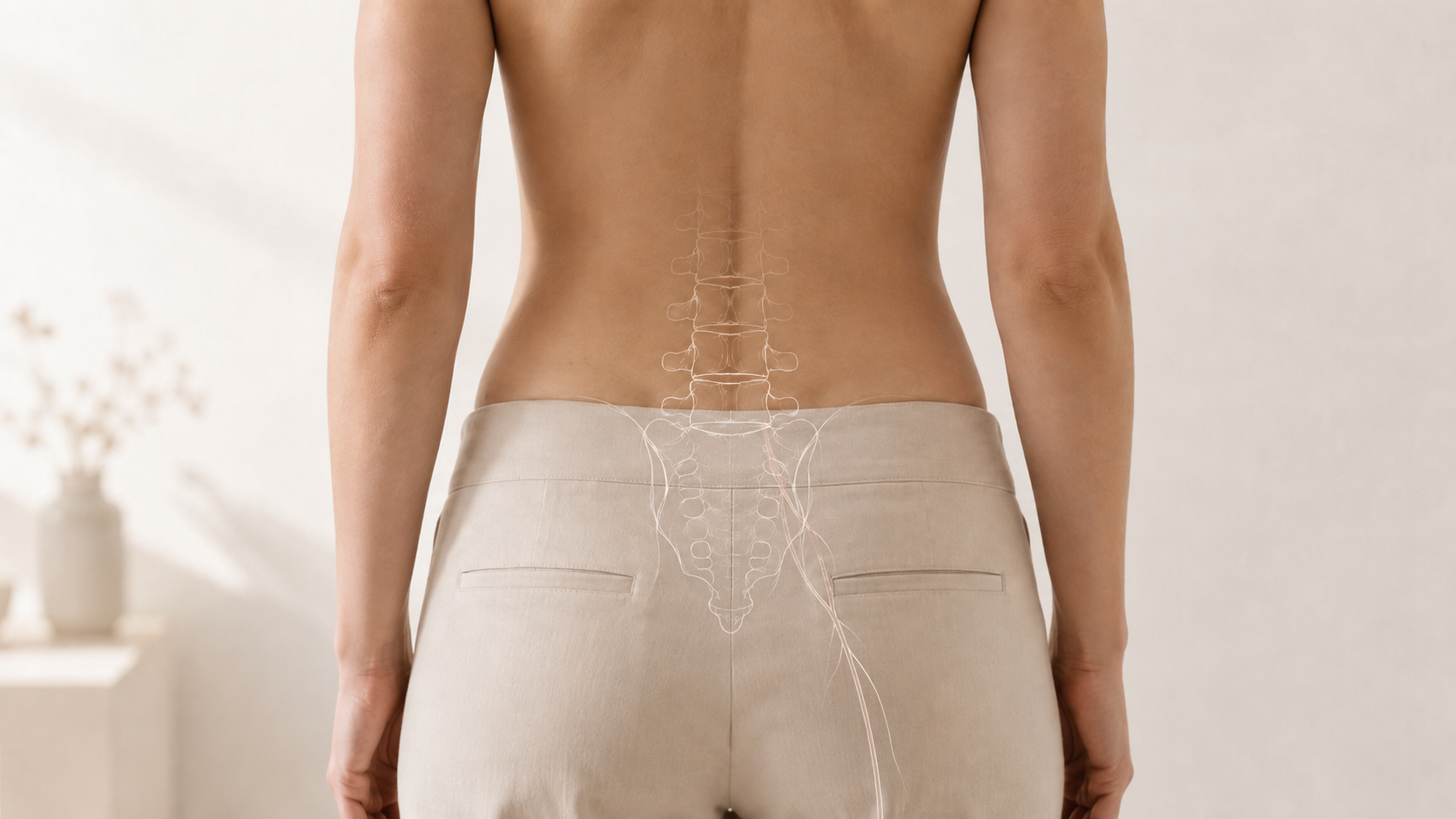
Spondylolisthesis can contribute to sciatica-like pain if the slipped vertebra narrows the space around a nerve root. This may happen through foraminal narrowing, spinal stenosis, disc changes, facet arthropathy, or instability. When nerve irritation is present, patients may feel pain traveling down the leg, sometimes with numbness, tingling, or weakness.
However, not all radiating leg pain is caused by spondylolisthesis. Similar symptoms can come from herniated discs, spinal stenosis, SI joint dysfunction, hip disease, piriformis-region pain, peripheral nerve entrapment, vascular disease, or central pain mechanisms. MPM evaluates the full pathway before selecting treatment.
Spondylolisthesis vs Spinal Stenosis
Spondylolisthesis and spinal stenosis often overlap, but they are not the same. Spondylolisthesis describes a vertebral slip. Spinal stenosis describes narrowing around the spinal cord or nerves. A vertebral slip can contribute to stenosis, but a patient may also have stenosis from degenerative changes, disc bulging, ligament thickening, or facet arthropathy.
Patients with stenosis-related symptoms may notice leg pain, heaviness, numbness, or cramping with standing or walking. Symptoms may improve with sitting or bending forward. These details help MPM determine whether the main issue is mechanical back pain, nerve compression, spinal stenosis, or another pain generator.
Spondylolisthesis vs Herniated Disc
A herniated disc occurs when disc material pushes outward and irritates nearby nerves. Spondylolisthesis involves abnormal alignment of the vertebrae. Both may cause back pain and radiating leg symptoms, but the treatment plan may differ.
A patient can also have both conditions at the same time. This is why imaging needs careful interpretation. MPM reviews whether the imaging findings match the pain distribution, neurologic exam, movement triggers, and prior response to treatment.
Why Imaging Findings Do Not Always Explain Pain
Many patients are told they have a slipped vertebra after an X-ray, MRI, or CT scan. This can be concerning, but the imaging finding must be interpreted carefully. Some spondylolisthesis findings are stable and not the main source of pain. Others may be clinically important when they match the patient’s symptoms and exam.
MPM does not treat the scan in isolation. The evaluation considers the degree of slip, location, stenosis, nerve involvement, instability signs, facet joints, discs, SI joint, hip mechanics, inflammatory features, hypermobility, and chronic pain factors. This helps build a plan that reflects the patient’s actual pain generator.
Hypermobility, EDS, and Spine Instability
In patients with hypermobility spectrum disorder or Ehlers-Danlos syndrome, spine symptoms may be more complex. Joint laxity, ligament strain, altered proprioception, recurrent flares, muscle guarding, and instability may contribute to pain or sensitivity. Some patients may feel that their spine is unreliable, easily irritated, or difficult to stabilize.
MPM evaluates hypermobility carefully while avoiding assumptions. Not every patient with spondylolisthesis has EDS or HSD, and not every hypermobile patient’s back pain is caused by instability. The goal is to understand how joint mobility, muscle control, nerve irritation, and structural findings interact.
How MPM Evaluates Spondylolisthesis
MPM begins with a detailed history and exam. The evaluation reviews pain location, onset, movement triggers, standing and walking tolerance, radiating symptoms, numbness, tingling, weakness, prior imaging, prior injections, physical therapy response, and functional limitations.
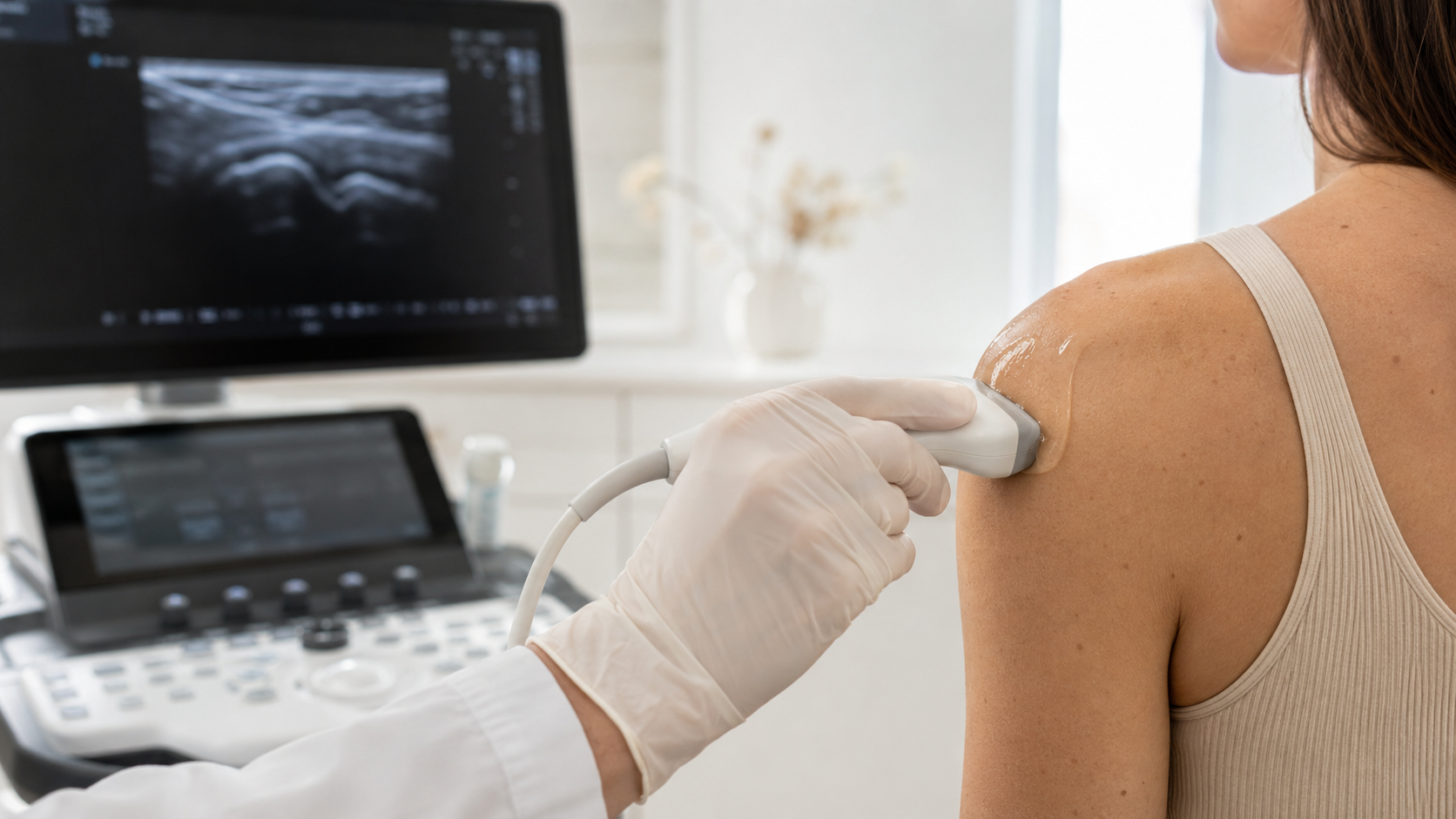
The physical exam may include spine movement testing, neurologic screening, strength and sensation testing, gait assessment, SI joint and hip screening, and evaluation for hypermobility or muscle guarding when relevant. Imaging is reviewed in context with the patient’s symptoms and exam findings.
If symptoms suggest inflammatory back pain, autoimmune disease, or rheumatologic overlap, MPM may coordinate care with rheumatology or other specialists. If symptoms suggest progressive nerve compression, high-grade instability, or surgical concern, MPM may recommend spine surgery or neurosurgical evaluation.
Treatment Options for Spondylolisthesis
Treatment depends on the type of spondylolisthesis, severity of symptoms, stability of the slip, nerve involvement, functional goals, and overall health. Many patients begin with conservative care when there are no urgent neurologic findings.
Conservative care may include physical therapy coordination, activity modification, movement retraining, core and spine stabilization, medication management when appropriate, acupuncture, Feldenkrais, weight management when relevant, and education about positions or activities that aggravate symptoms.
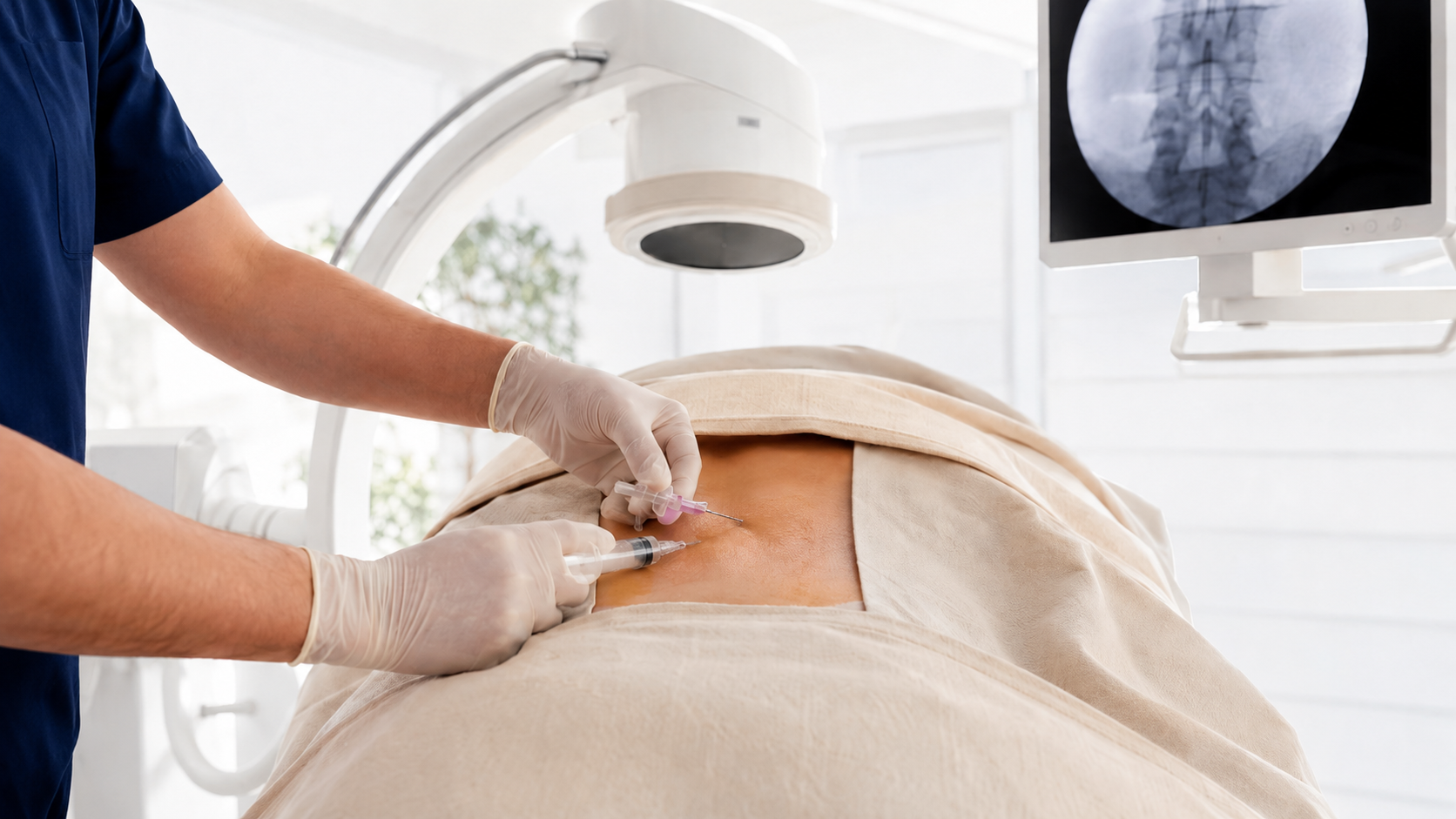
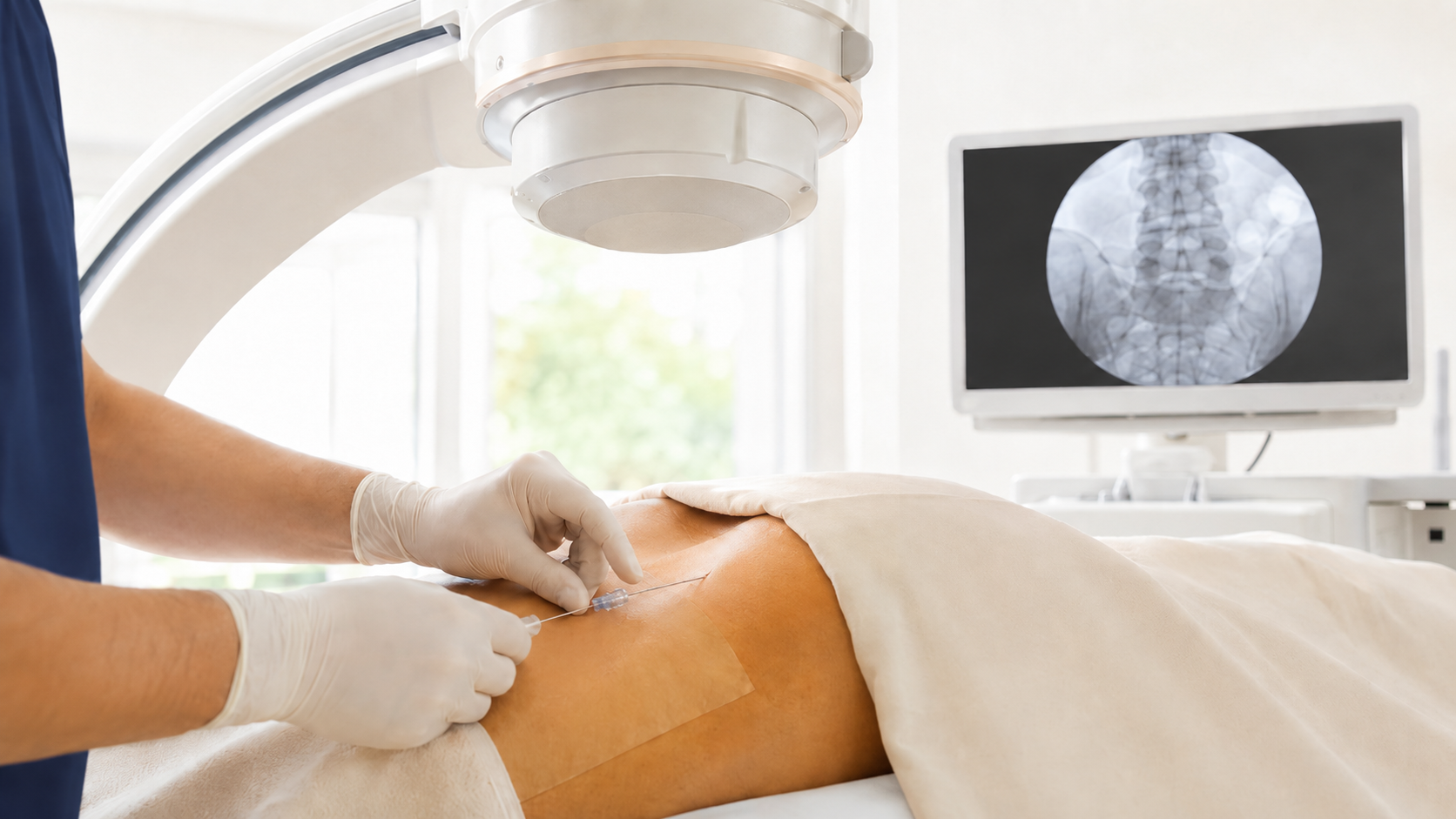
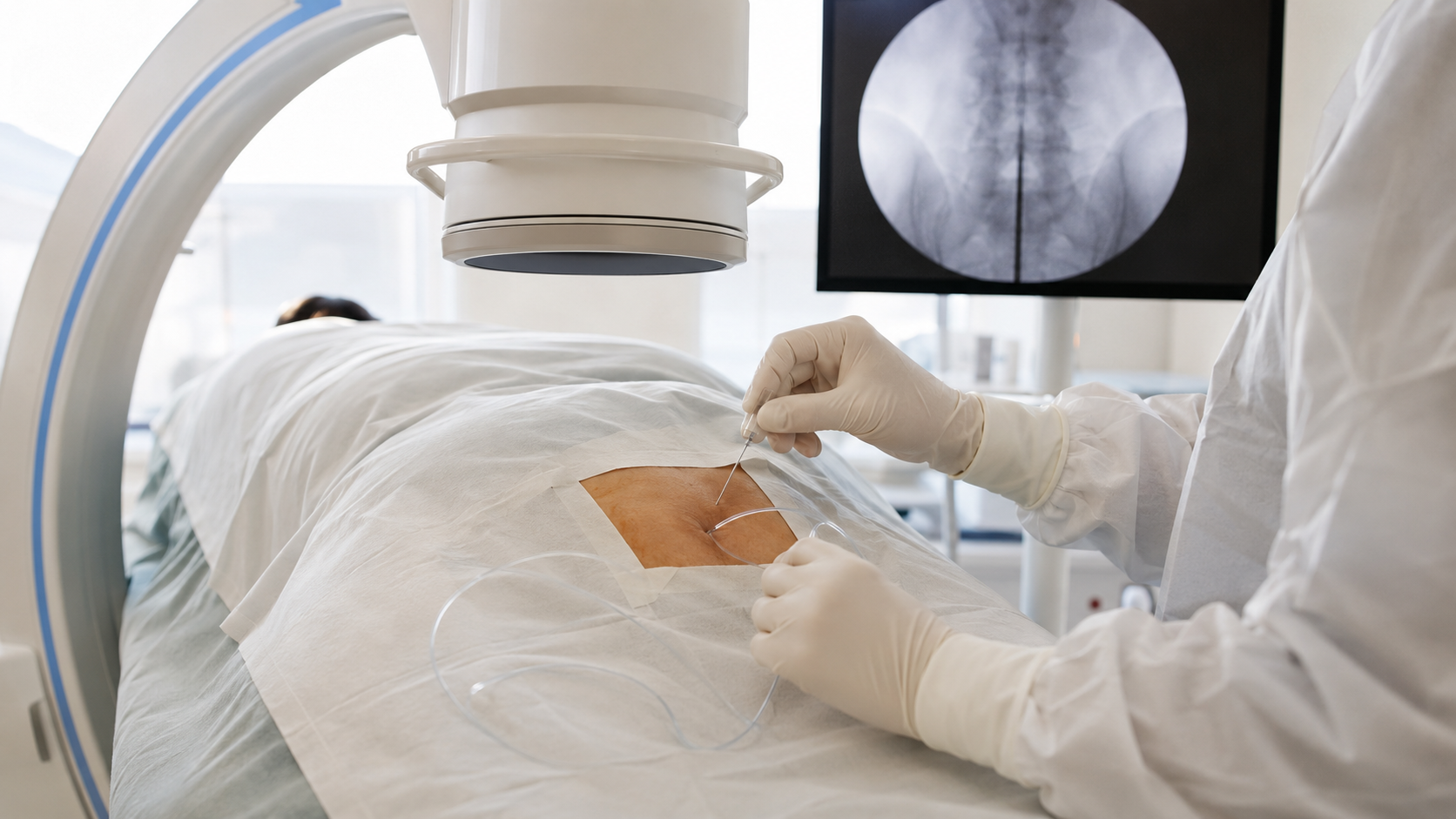
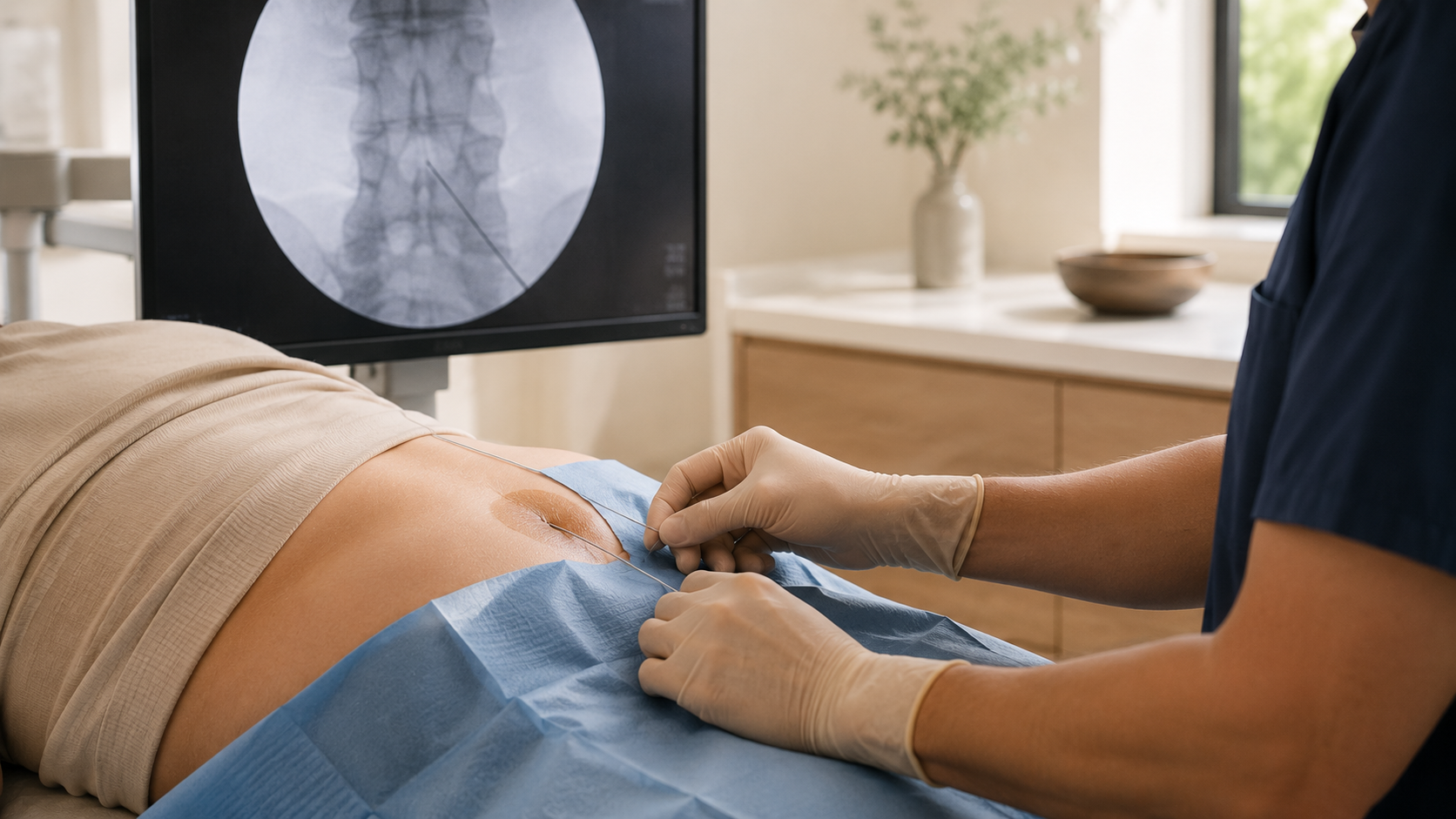
When nerve irritation or spinal stenosis is part of the pain pattern, epidural injections or other image-guided spine procedures may be considered. If pain remains persistent and neuropathic despite appropriate care, advanced options such as spinal cord stimulation or dorsal root ganglion stimulation may be discussed in selected cases. These options are not routine treatment for all patients and require careful evaluation.
Epidural Injections and Image-Guided Spine Procedures
Epidural injections may be used when symptoms suggest radicular pain, sciatica-like pain, or nerve inflammation related to spondylolisthesis, stenosis, or disc-related changes. The goal may be to reduce nerve irritation, support function, and help clarify the pain source.
Other image-guided procedures may be considered when the pain generator is more likely facet-mediated, SI joint-related, or inflammatory. The treatment plan depends on the diagnosis, not simply the presence of a slipped vertebra on imaging.
When Surgery May Be Considered
Spondylolisthesis is not automatically a surgical condition. Many patients manage symptoms without surgery. However, surgical evaluation may be appropriate when there is progressive weakness, high-grade instability, severe spinal stenosis, worsening neurologic symptoms, disabling pain that does not improve with appropriate nonsurgical care, or structural findings that require decompression or stabilization.
MPM helps patients understand when pain medicine care is appropriate and when a spine surgeon or neurosurgeon should be involved. The goal is coordinated decision-making, not delaying necessary care.
Coordinated Care for Complex Spine Pain
Spondylolisthesis often overlaps with other spine and pain conditions. A patient may have facet arthropathy, spinal stenosis, disc degeneration, SI joint dysfunction, hypermobility, inflammatory back pain, peripheral neuropathy, or chronic pain sensitization at the same time. Treating only one finding may not address the full pain pattern.
MPM’s role is to identify the dominant pain generator, consider overlapping contributors, and build a stepwise plan. This may involve rehabilitation coordination, medication management, image-guided procedures, rheumatology collaboration, spine referral, neuromodulation evaluation, or chronic pain support when appropriate.
When Symptoms Require Urgent Evaluation
Patients should seek urgent evaluation for new or worsening weakness, foot drop, trouble walking, loss of coordination, bowel or bladder dysfunction, saddle anesthesia, progressive numbness, fever, unexplained weight loss, history of cancer, major trauma, severe night pain, chest pain, shortness of breath, or rapidly worsening symptoms.
Spondylolisthesis-like symptoms can overlap with herniated disc, sciatica, spinal stenosis, facet arthropathy, SI joint dysfunction, hip disease, inflammatory spine disease, peripheral neuropathy, vascular disease, infection, fracture, malignancy, and central pain syndromes. Red flags should not be ignored.
How MPM Approaches Spondylolisthesis Care
MPM approaches spondylolisthesis through a diagnosis-first model. The goal is not simply to treat the imaging finding. The goal is to understand whether the slipped vertebra is causing pain, whether another structure is more important, or whether multiple pain generators are interacting.
For patients looking for spondylolisthesis treatment in Manhattan or NYC, MPM provides careful evaluation of back pain, nerve pain, sciatica-like symptoms, spinal stenosis overlap, hypermobility-related complexity, and chronic spine pain. Treatment is individualized and may include conservative care, medication management, image-guided procedures, epidural injections, advanced pain options for selected patients, and referral for surgical evaluation when appropriate.