Vulvodynia
Vulvodynia is persistent vulvar pain that lasts at least three months and is not fully explained by a clear infection, visible skin condition, or single structural cause after appropriate evaluation. Patients may describe burning, rawness, stinging, soreness, irritation, sharp pain, throbbing, pressure, nerve-like pain, or sensitivity that interferes with sitting, clothing, intimacy, tampon use, pelvic exams, urination, bowel movements, exercise, sleep, and daily life.
Many patients with vulvodynia have been told that the exam looks normal or that testing is negative. A normal-appearing exam does not mean the pain is not real. Vulvodynia can involve tissue sensitivity, nerve irritation, pelvic floor muscle guarding, inflammatory history, hormonal tissue changes, musculoskeletal mechanics, trauma-associated nervous system activation, and central pain processing.
MPM evaluates vulvodynia with clinical precision and respect. The goal is not to assign a vague label, but to understand the pain pattern and identify the most likely contributors.
Vulvodynia vs Vestibulodynia
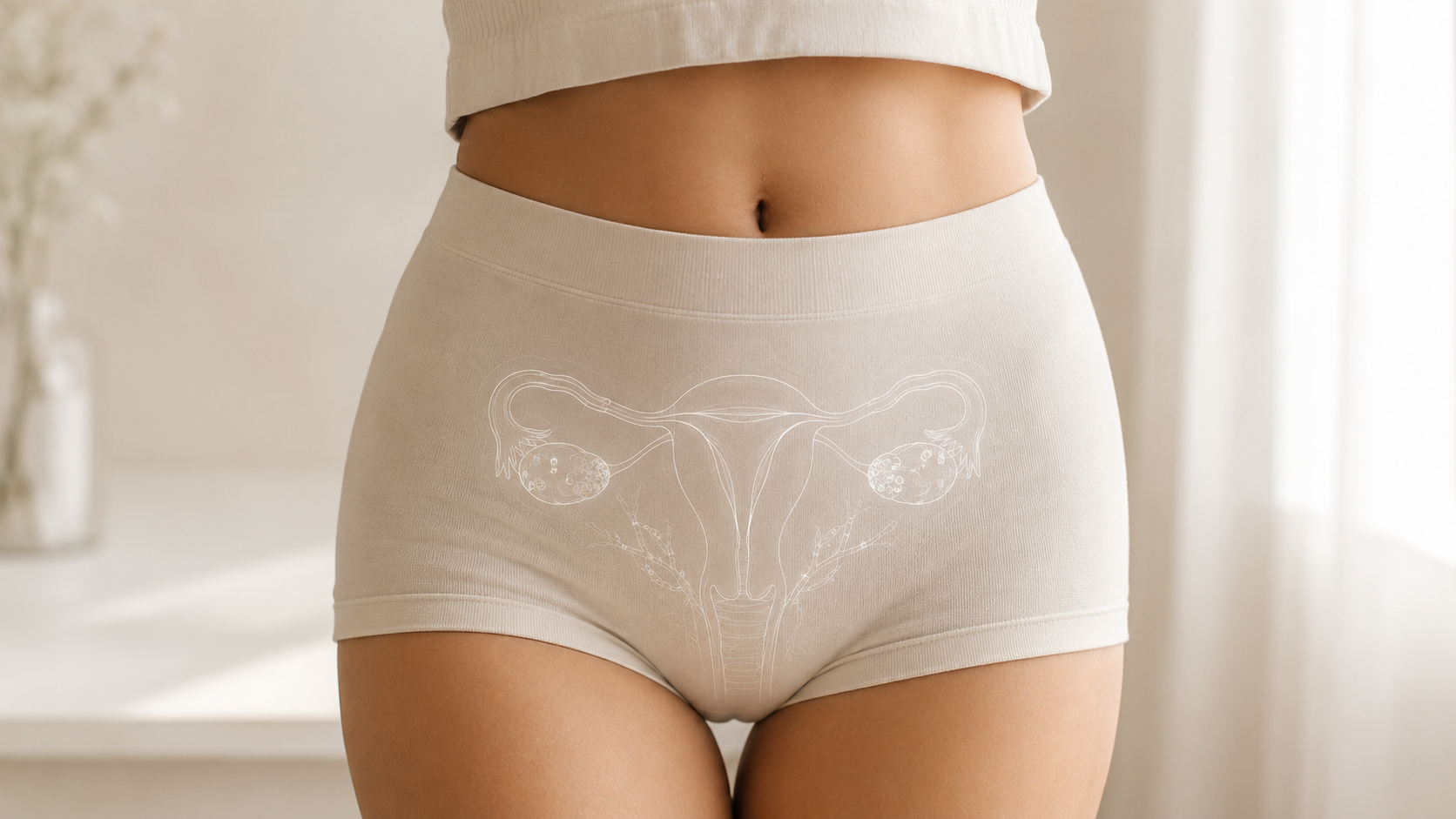
Vulvodynia refers to chronic pain in the vulvar region. Vestibulodynia refers to pain localized to the vestibule, the tissue around the vaginal opening. Vestibulodynia may be provoked by touch, tampon use, intercourse, pelvic exams, clothing pressure, or other contact.
Some patients have generalized vulvar pain. Others have localized vestibular pain. Some have both. The distinction matters because treatment planning may differ depending on whether the pain is localized, generalized, provoked, unprovoked, or mixed.
Provoked vs Unprovoked Vulvar Pain
Provoked vulvar pain occurs when symptoms are triggered by touch or pressure. This may include pain with sex, tampon use, pelvic exams, wiping, tight clothing, cycling, prolonged sitting, or exercise. Unprovoked vulvar pain occurs without obvious touch or pressure and may feel spontaneous, persistent, or unpredictable.
Many patients have a mixed pattern. They may have background burning with flares from sitting or touch. MPM reviews these patterns because provoked, unprovoked, and mixed symptoms may involve different combinations of tissue sensitivity, pelvic floor guarding, nerve irritation, musculoskeletal contributors, and central sensitization.
Vulvodynia and Pelvic Floor Dysfunction
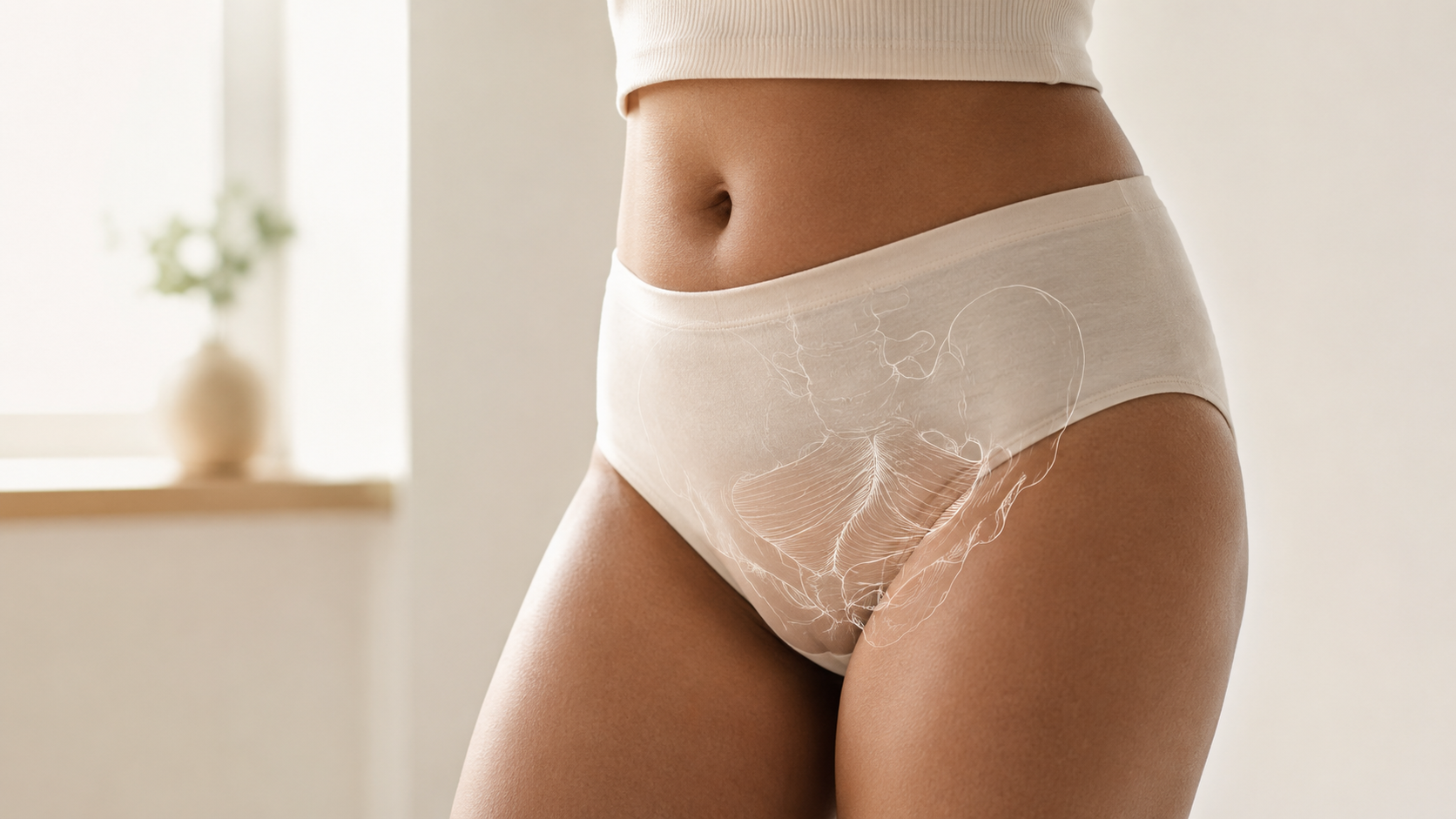
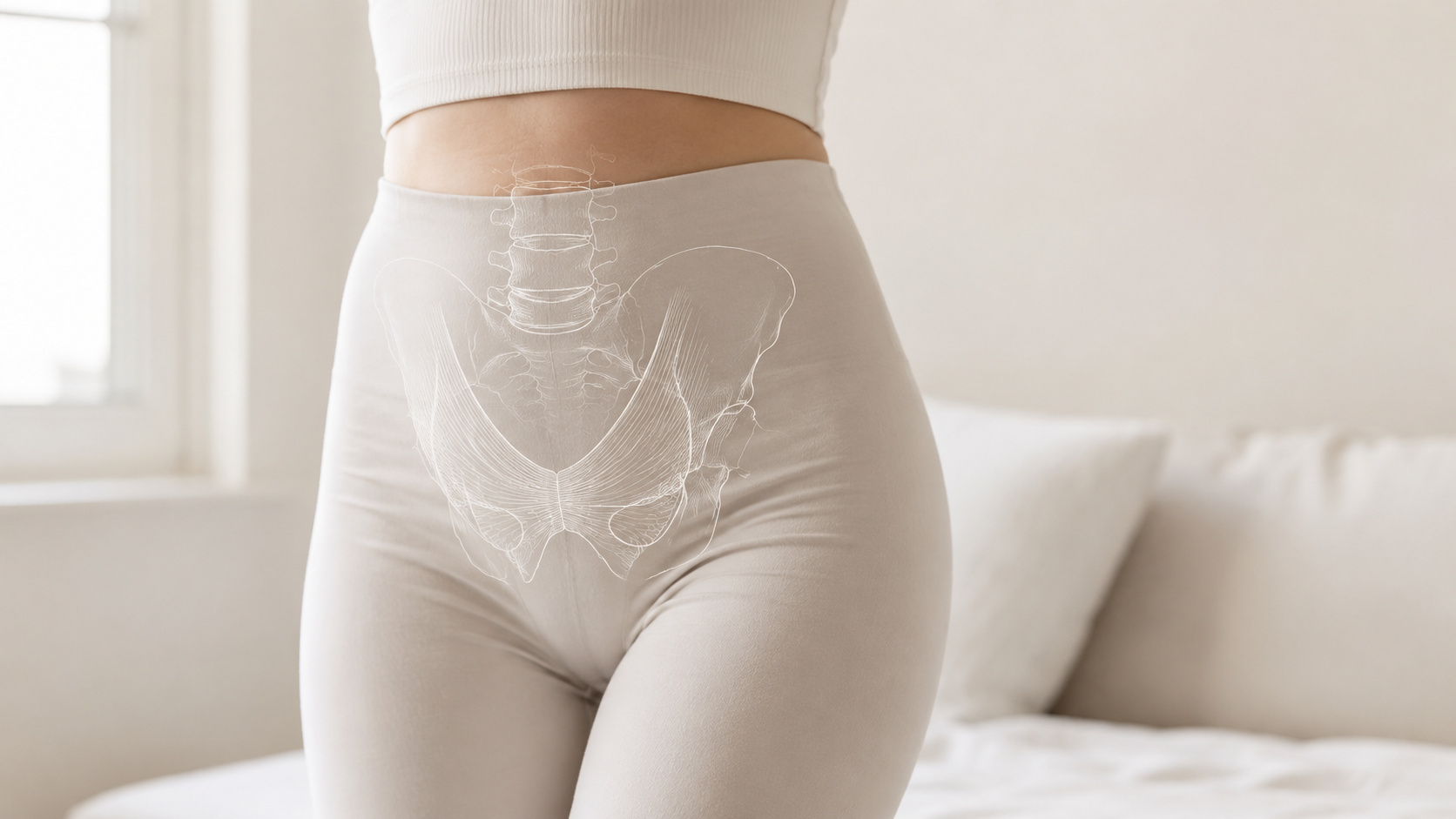
Pelvic floor dysfunction is one of the most important overlaps to consider in vulvodynia. When the pelvic floor muscles become tight, overactive, painful, or unable to relax, they can contribute to vulvar burning, pain with sex, tampon intolerance, sitting pain, urinary discomfort, rectal pain, pelvic pressure, and nerve irritation.
Pelvic floor dysfunction can be a driver of pain, a response to pain, or both. A patient may develop protective muscle guarding after repeated vulvar pain, painful exams, endometriosis, infections, surgery, trauma, or chronic stress physiology. Over time, that guarding can become a pain generator.
Vulvodynia and Pelvic Dystonia
Pelvic dystonia refers to involuntary or dystonia-like pelvic floor muscle overactivity. In selected patients, pelvic dystonia may contribute to persistent pelvic floor spasm, vulvar burning, pressure, pain with intimacy, constipation, urinary symptoms, or sitting-related pain.
This does not mean every patient with vulvodynia has pelvic dystonia. It means that when symptoms include pelvic floor tightness, spasms, inability to relax, or persistent muscle guarding, MPM evaluates whether a dystonia-like muscle pattern may be contributing.
Vulvodynia and Pudendal Neuralgia Overlap
Pudendal neuralgia can cause burning, electric, stabbing, genital, rectal, perineal, or sitting-related pain. These symptoms can overlap with vulvodynia and may be difficult to distinguish without careful symptom mapping.
Pudendal nerve involvement may be more likely when pain is strongly sitting-related, follows a pudendal nerve distribution, includes rectal or perineal symptoms, or feels electric, burning, or nerve-like. In selected cases, a pudendal nerve block may help clarify whether the nerve is contributing, but it should not be used as a shortcut for diagnosis.
Vulvodynia, PGAD, and Genital Sensory Symptoms
Some patients with vulvodynia also experience genito-pelvic dysesthesia or PGAD-like symptoms. These may include unwanted genital sensations, tingling, pressure, throbbing, hypersensitivity, or arousal-like sensations without sexual desire.
These symptoms can be distressing and easily misunderstood. MPM evaluates them as sensory and pelvic nerve symptoms, not as a character issue or purely psychological concern. PGAD-like symptoms may overlap with pudendal neuralgia, pelvic floor dysfunction, sacral nerve irritation, medication changes, autonomic dysfunction, small fiber neuropathy, or chronic pelvic pain.
Vulvodynia and Endometriosis or Chronic Pelvic Pain
Endometriosis can coexist with vulvodynia, vestibulodynia, pelvic floor dysfunction, painful intercourse, bowel symptoms, bladder symptoms, and chronic pelvic pain. Some patients continue to have vulvar or pelvic pain after gynecologic treatment because pelvic floor, nerve, musculoskeletal, abdominal wall, or central pain mechanisms remain active.
MPM does not replace gynecology, dermatology, or vulvar specialist care. Instead, MPM evaluates persistent pelvic pain contributors that may overlap with vulvodynia, including pudendal neuralgia, pelvic floor dysfunction, pelvic dystonia, endometriosis-related pain, small fiber neuropathy, and chronic pain sensitization.
Vulvodynia, Hypermobility, EDS, and Small Fiber Neuropathy
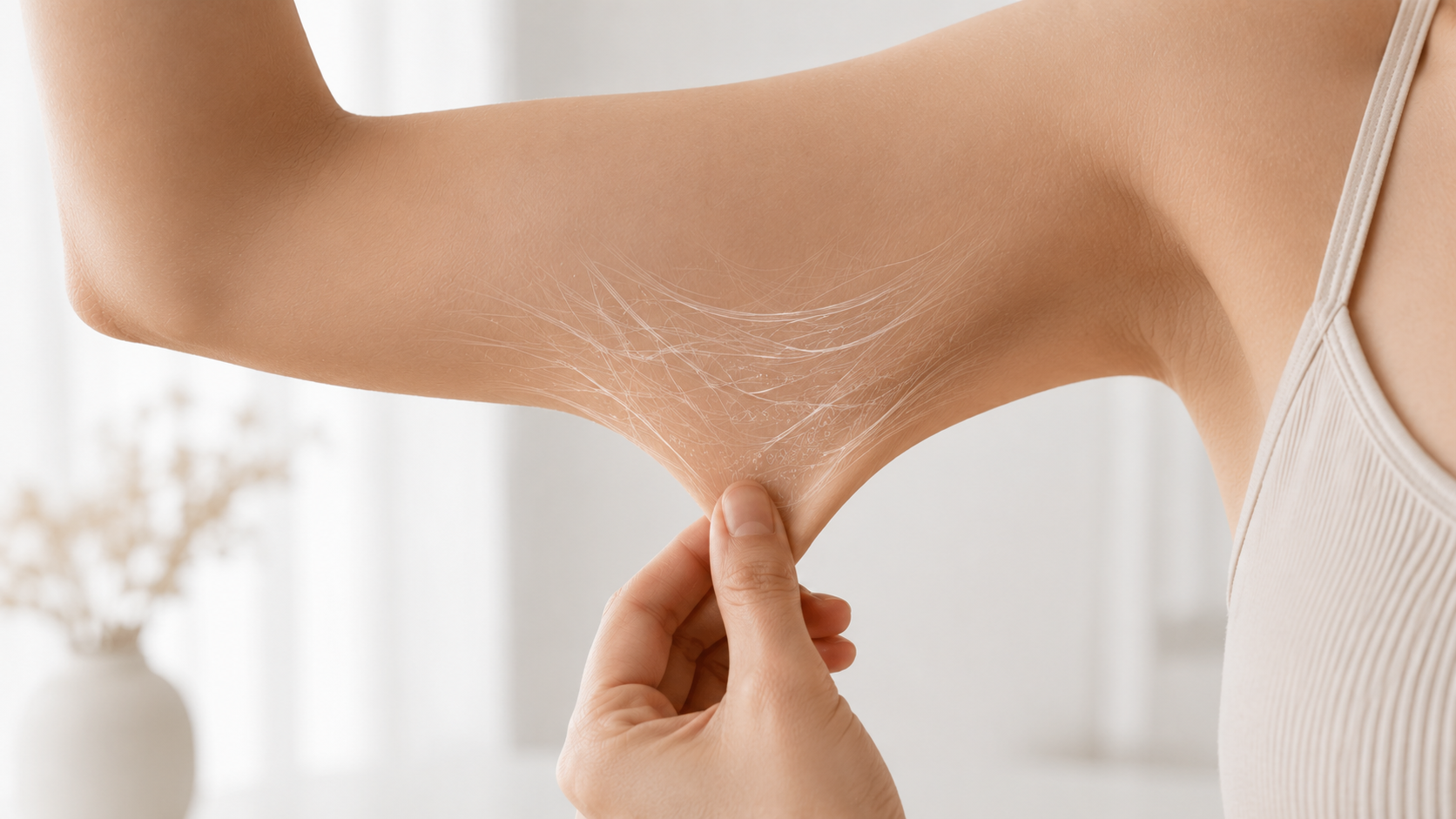
In selected patients, hypermobility spectrum disorder or Ehlers-Danlos syndrome may contribute to pelvic instability, connective tissue sensitivity, recurrent strain, pelvic floor guarding, SI joint or hip mechanics, and nerve sensitivity. These factors can make vulvar and pelvic pain more complex.
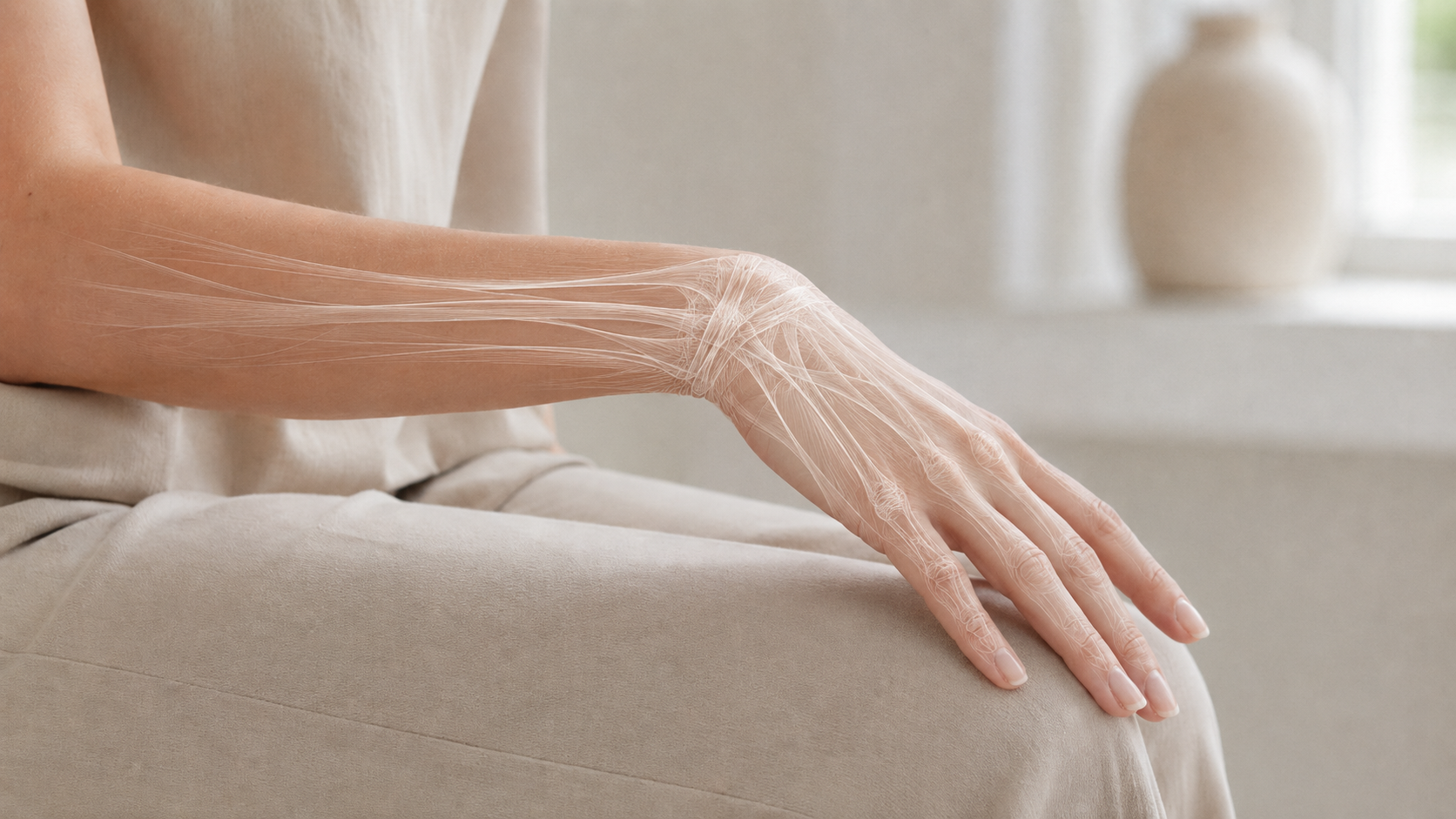
Small fiber neuropathy may also contribute to burning, tingling, temperature sensitivity, hypersensitivity, or abnormal sensory symptoms. Small fiber symptoms may overlap with autonomic dysfunction, MCAS-like symptoms, hypermobility, and chronic pain sensitization.
These conditions do not explain every vulvodynia case, but they may be important when symptoms are widespread, burning, neuropathic, autonomic, or not fully explained by local vulvar findings.
Trauma, Medical PTSD, and Pelvic Floor Guarding
Some patients develop increased pelvic floor guarding after painful exams, prior medical trauma, sexual trauma, childbirth trauma, surgery, or repeated invalidating care experiences. Trauma and medical PTSD can amplify the nervous system’s protective response and make pelvic exams, procedures, intimacy, and treatment feel unsafe.
This does not mean the pain is psychological. It means the body may be protecting itself through muscle guarding, autonomic arousal, and pain amplification. MPM approaches this with discretion and respect, and may coordinate with pain psychology or trauma-informed therapy when appropriate.
Why Diagnosis Matters Before Treatment
Vulvodynia treatment should be individualized. A patient with localized vestibular pain may need a different plan than a patient with pudendal nerve pain, pelvic floor spasm, endometriosis overlap, small fiber neuropathy, hormonal tissue sensitivity, or central pain sensitization.
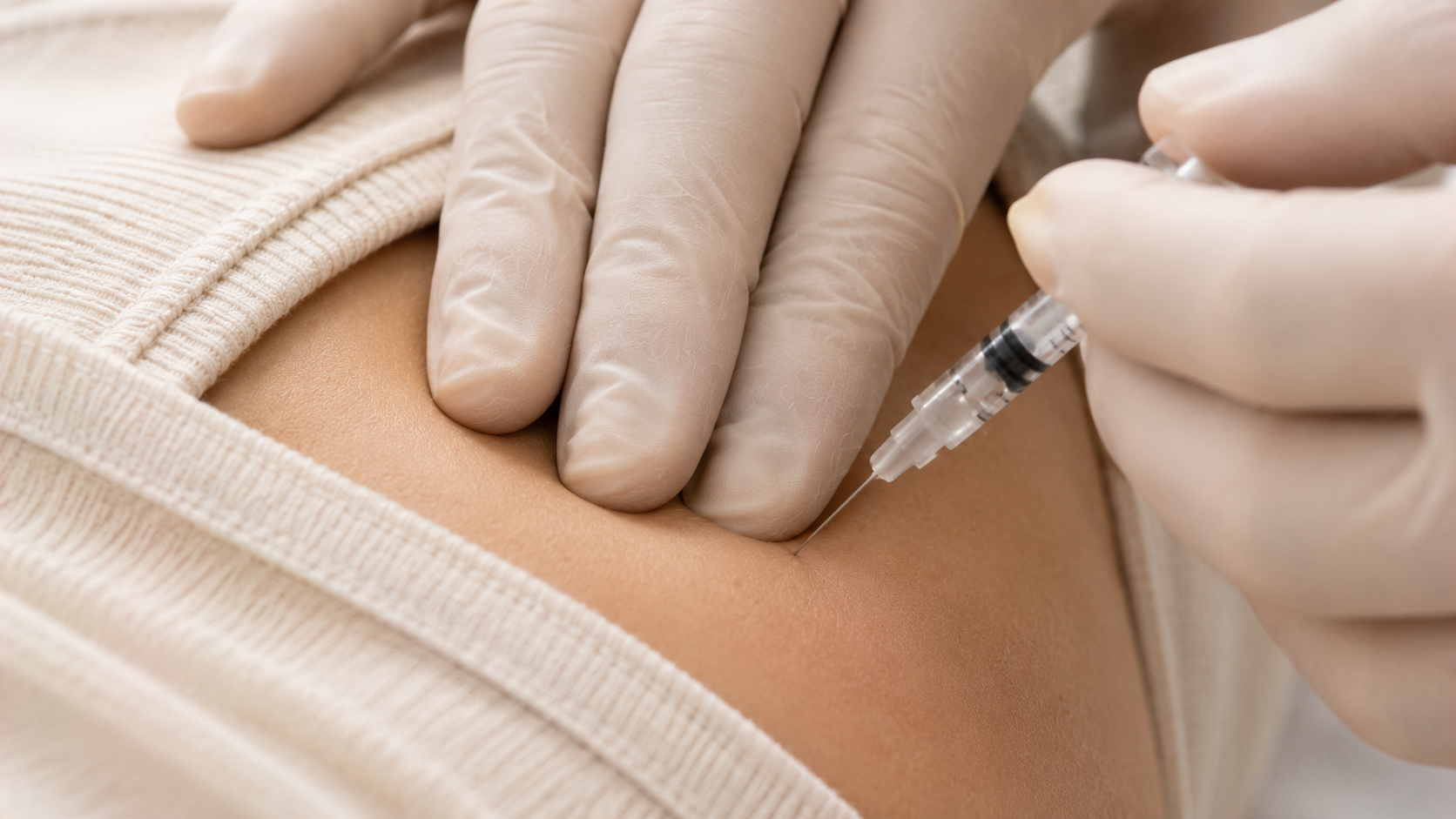
Treatment should not begin with a procedure simply because pain is persistent. Before recommending nerve blocks, trigger point injections, botulinum toxin, ketamine-related care, or neuromodulation, MPM evaluates whether the treatment target fits the patient’s symptoms, exam findings, prior response, anatomy, risks, and goals.
How MPM Evaluates Vulvar and Pelvic Pain
MPM begins with a detailed symptom map. This includes the location of vulvar pain, vestibular pain, pelvic pain, genital sensory symptoms, sitting triggers, touch sensitivity, pain with intercourse, tampon intolerance, urinary symptoms, bowel symptoms, pelvic floor tightness, endometriosis history, skin or infection history, hormonal context, medication history, prior pelvic floor therapy, prior procedures, and emotional distress related to symptoms.
The evaluation may include assessment of pelvic floor dysfunction, pudendal neuralgia, pelvic dystonia, PGAD overlap, endometriosis, hypermobility, EDS, small fiber neuropathy, autonomic dysfunction, central pain sensitization, trauma-associated guarding, and musculoskeletal contributors.
When gynecologic, dermatologic, urologic, neurologic, rheumatologic, or pelvic floor specialist evaluation is needed, MPM coordinates care rather than replacing those evaluations.
Treatment Options for Vulvodynia
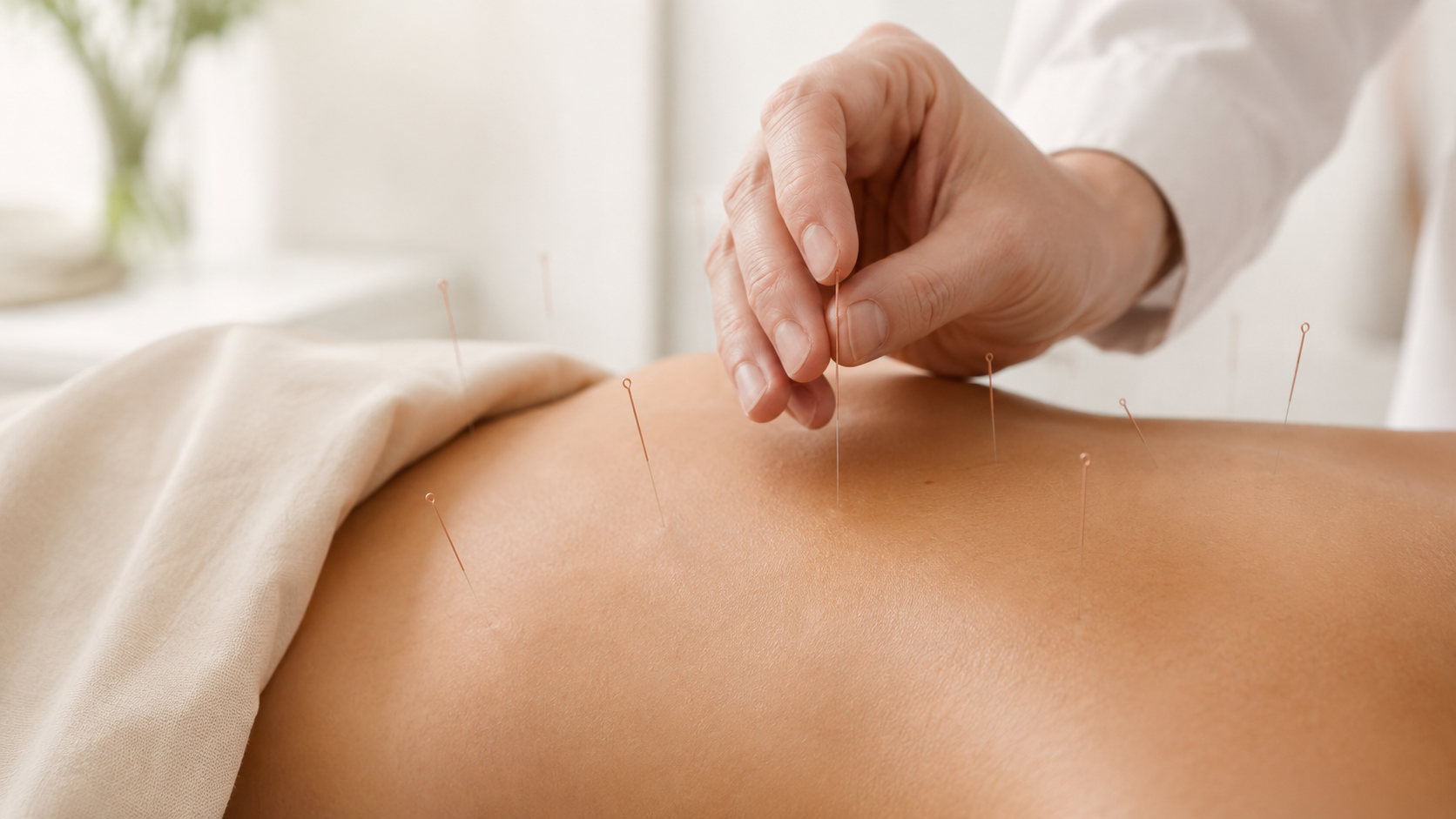
Treatment depends on the identified contributors. Some patients may benefit from pelvic floor therapy coordination, medication management, topical treatment through gynecology or dermatology, biofeedback, pain psychology, acupuncture, Feldenkrais, bladder or bowel coordination, movement retraining, and education about pain mechanisms.
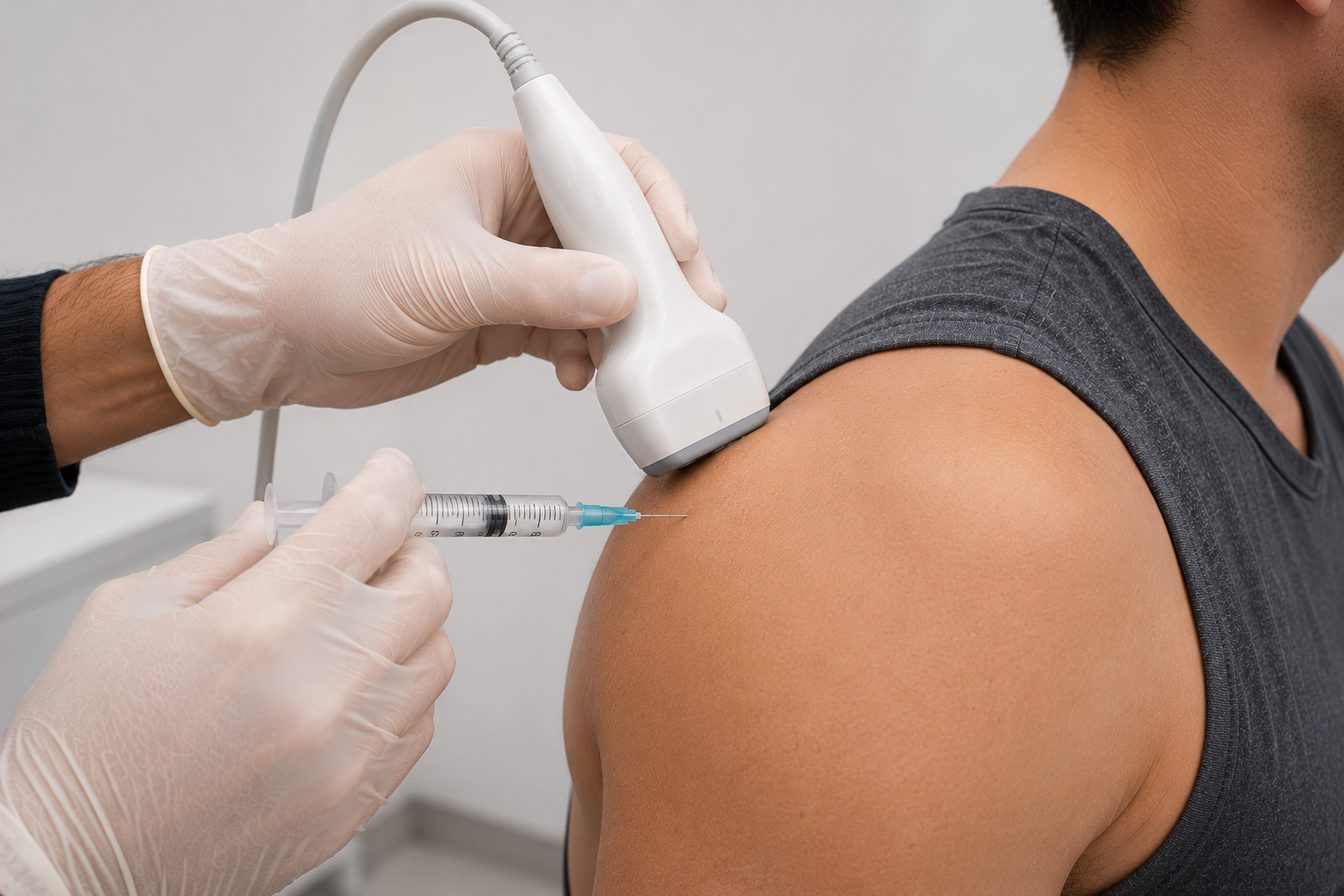
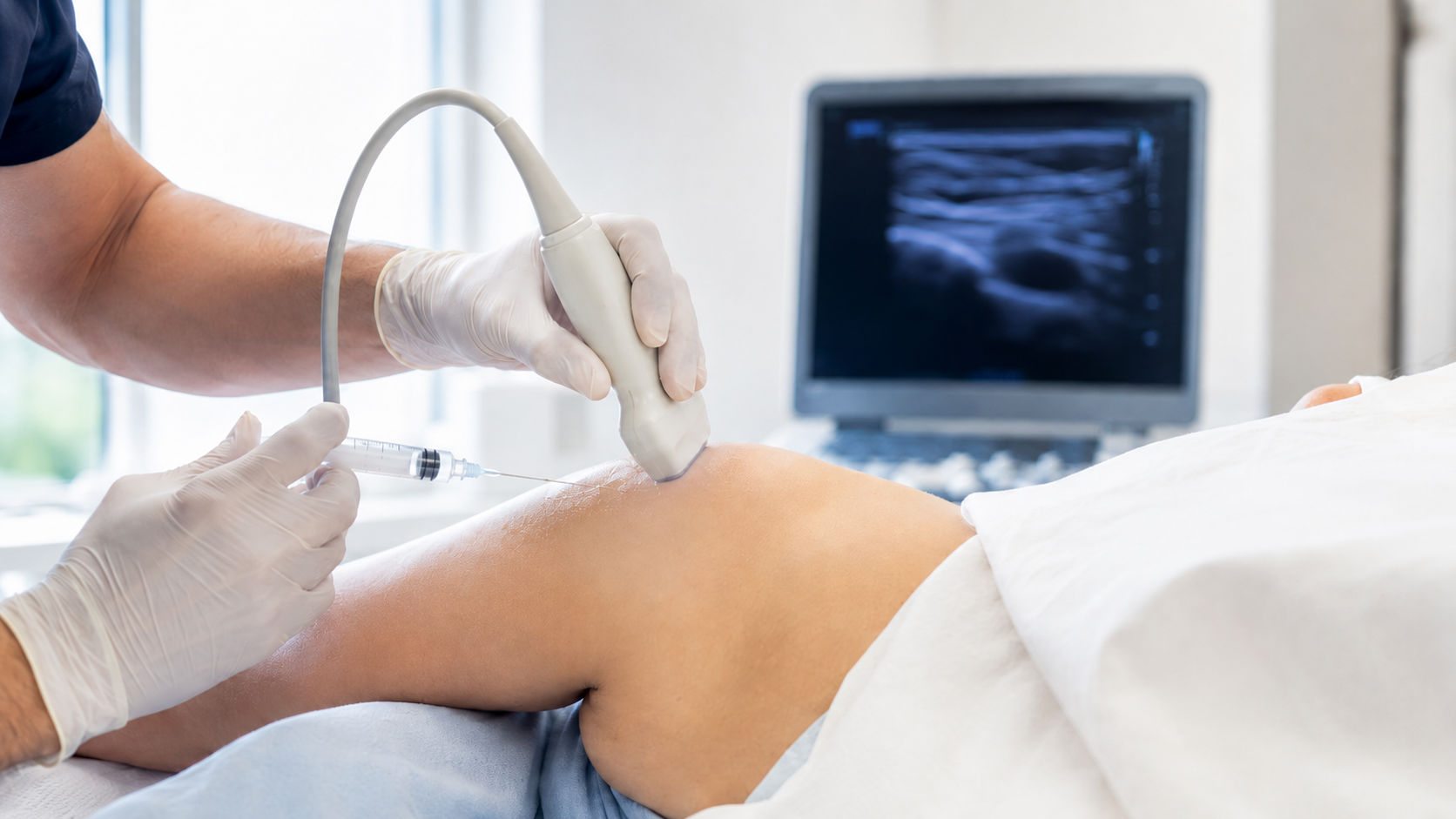
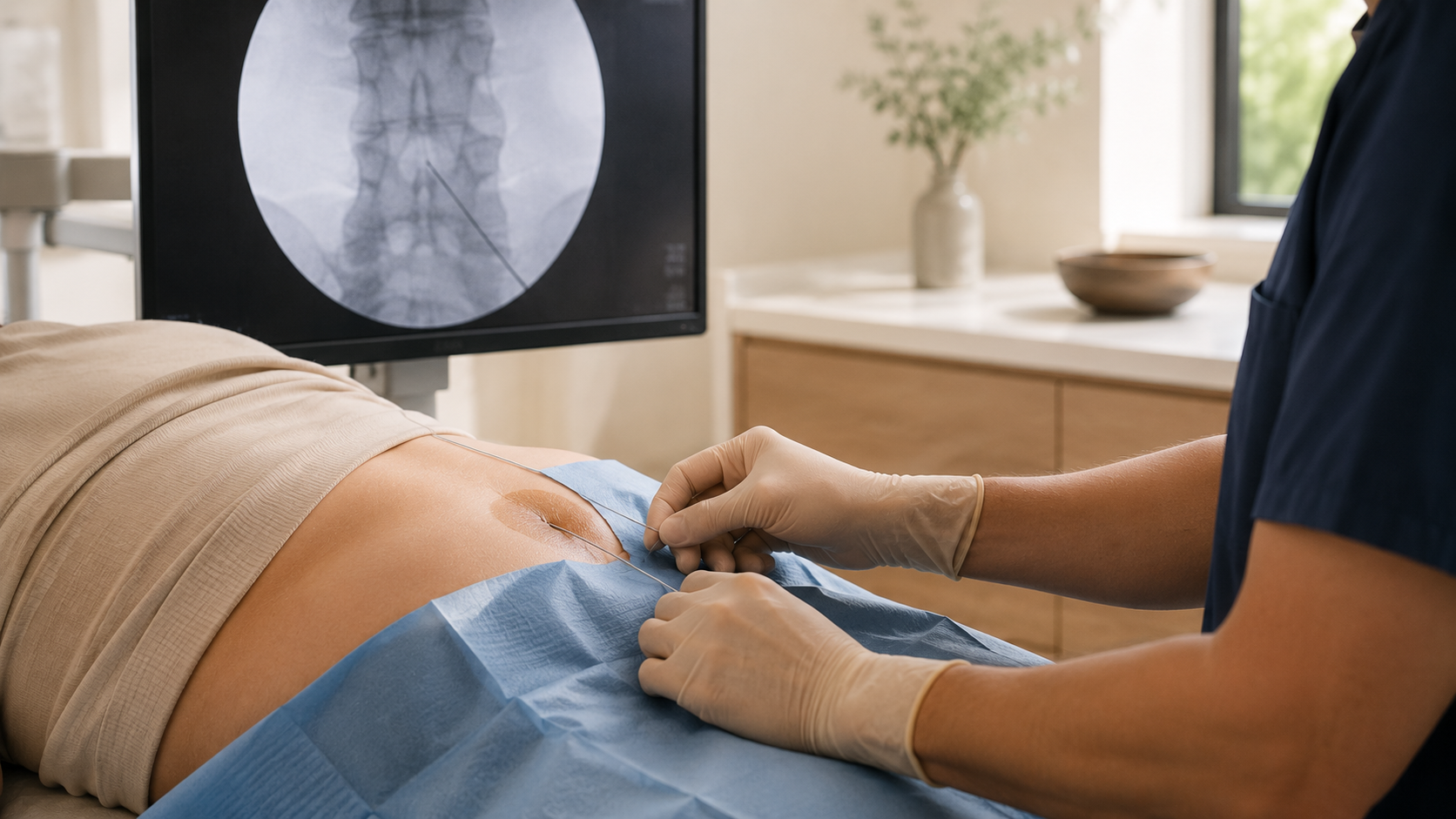
Selected patients may be considered for pudendal nerve blocks, peripheral nerve blocks, pelvic floor trigger point injections, trigger point injections, botulinum toxin injections, nerve hydrodissection, ganglion impar block, sympathetic blocks, lidocaine or ketamine-related treatments, peripheral nerve stimulation, dorsal root ganglion stimulation, or other neuromodulation options.
No single treatment works for every patient. The care plan should be based on the pain generator, clinical context, risks, prior response, and patient goals.
Nerve Blocks, Trigger Point Injections, and Neuromodulation for Selected Cases
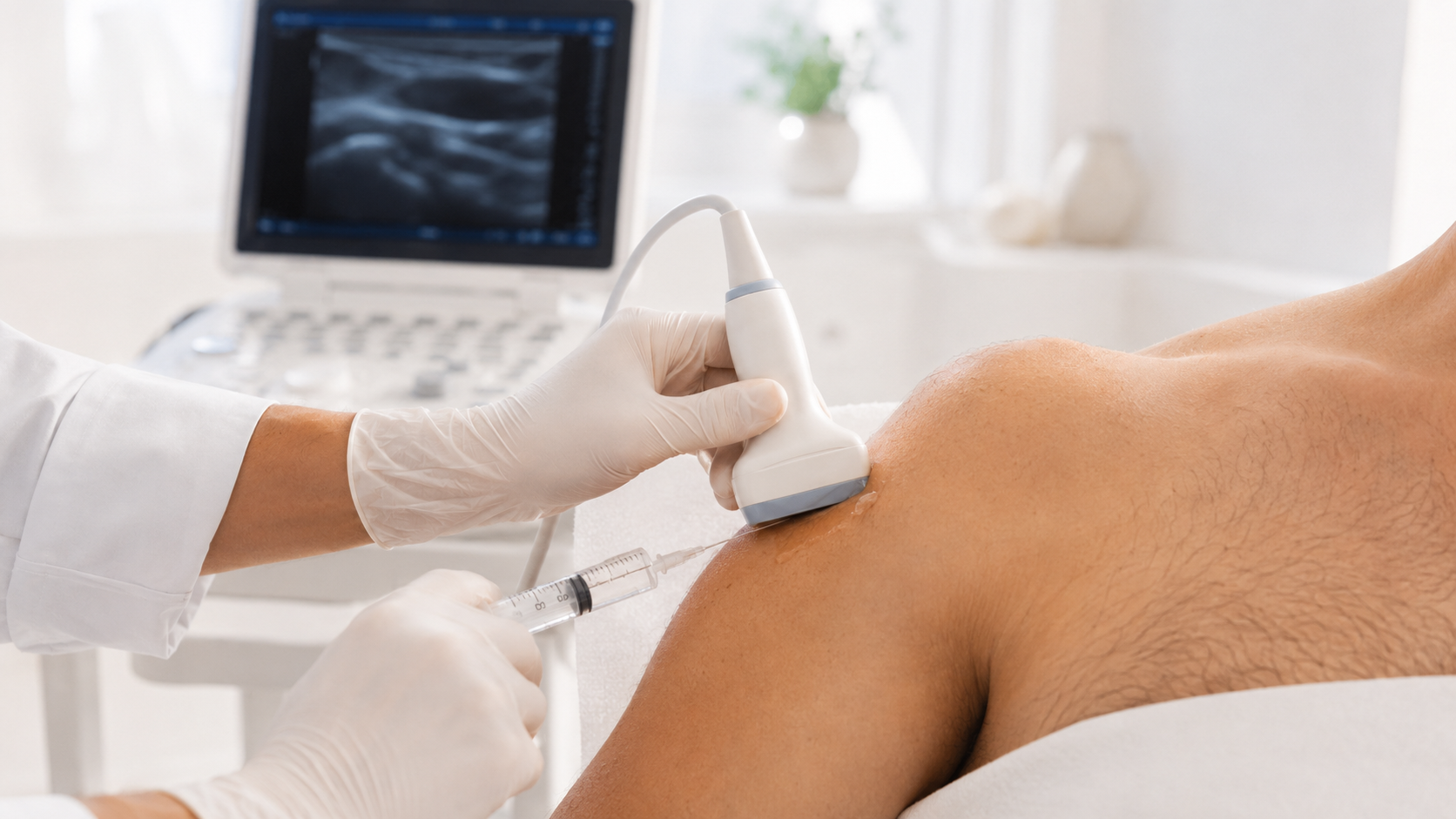
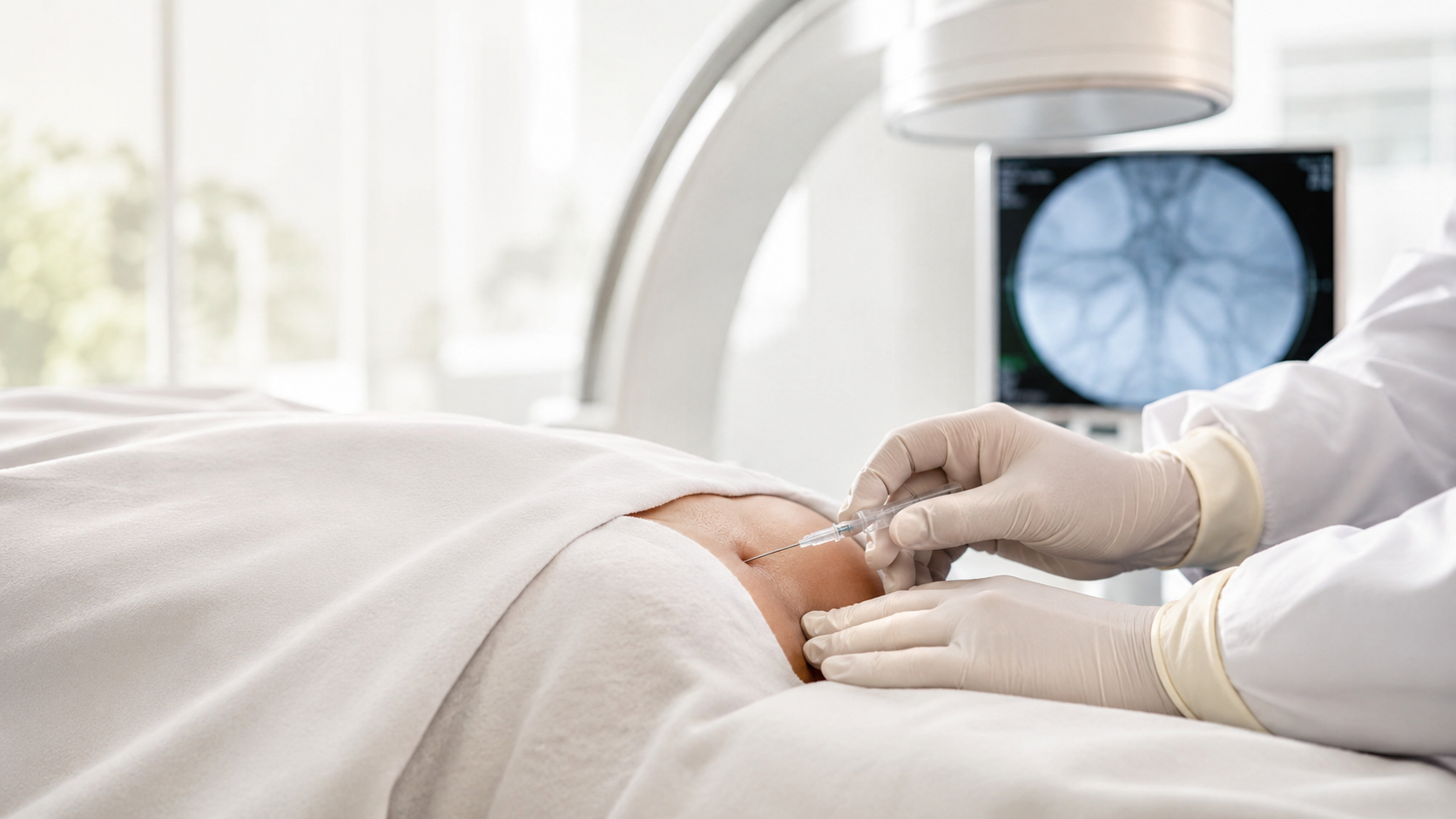
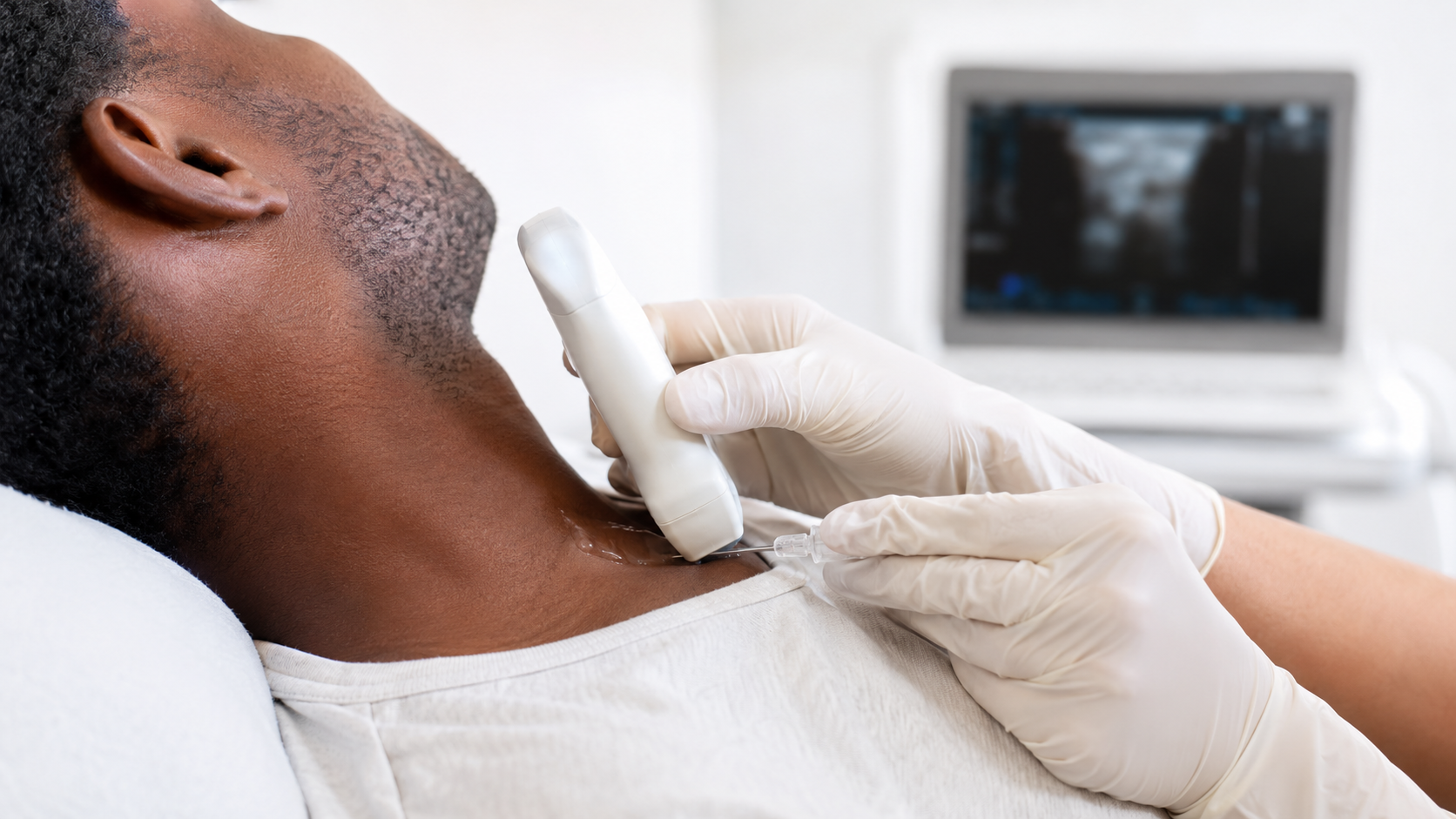
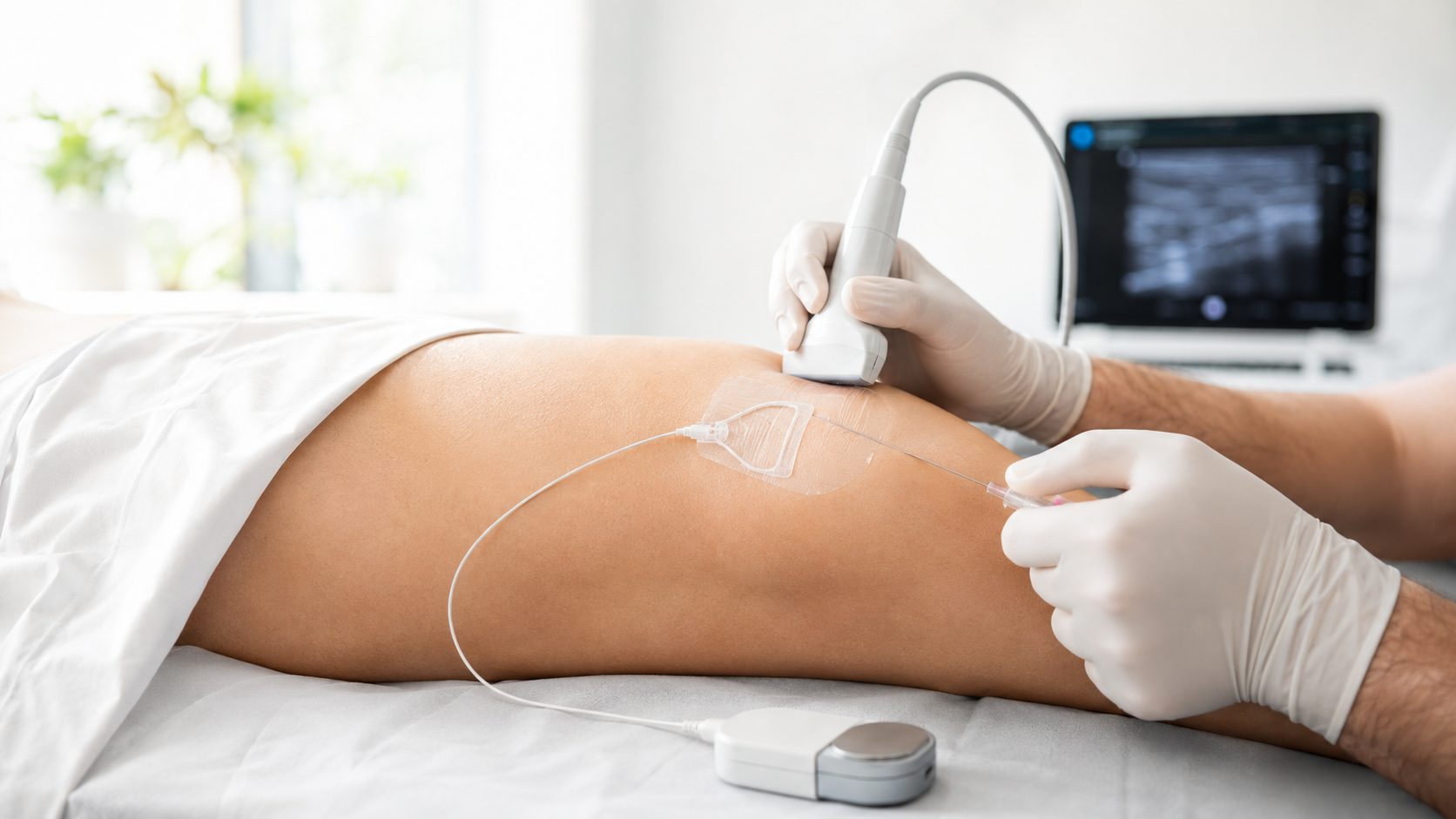
A pudendal nerve block may be considered when symptoms suggest pudendal nerve involvement. Pelvic floor trigger point injections may be considered when focal pelvic muscle trigger points are contributing to vulvar pain. Botulinum toxin may be considered in selected pelvic muscle overactivity or dystonia-like patterns.
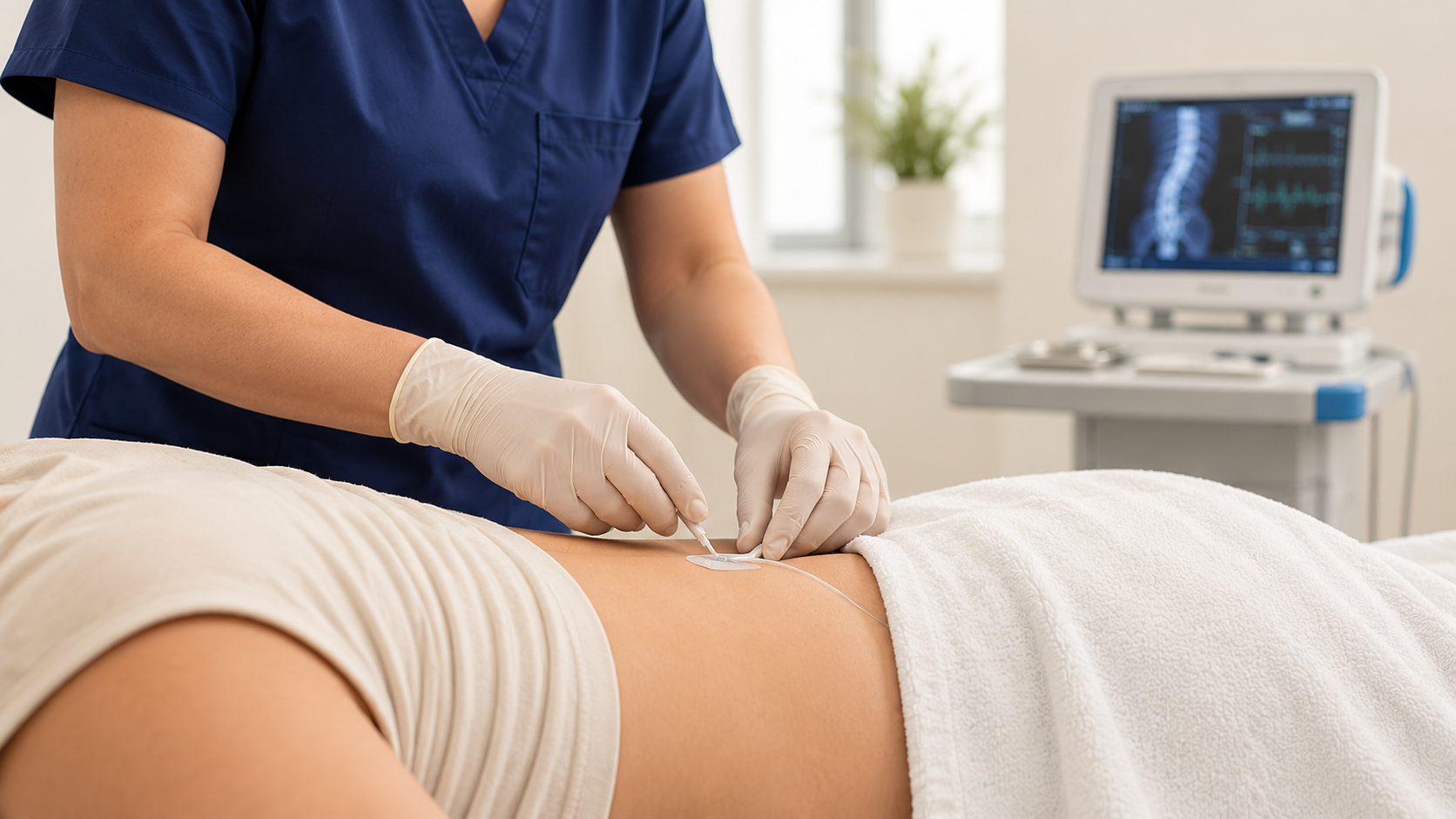
Ganglion impar block, sympathetic blocks, peripheral nerve stimulation, dorsal root ganglion stimulation, or other neuromodulation options may be considered only in selected refractory pelvic nerve pain cases after careful evaluation.
These options may be diagnostic, therapeutic, or both depending on the clinical situation. They are not routine treatments for every patient with vulvodynia.
Risks, Limitations, and Realistic Expectations
Vulvodynia often requires a layered and patient-centered treatment plan. Rapid resolution is uncommon in many chronic vulvar pain patterns, and care may require adjustments over time.
Procedural risks depend on the treatment and may include pain flare, bruising, bleeding, infection, allergic reaction, temporary numbness or weakness, temporary worsening of pelvic floor guarding, steroid-related side effects if steroid is used, botulinum toxin-related weakness or urinary symptoms when relevant, incomplete relief, temporary relief only, or no relief.
MPM discusses realistic goals before treatment. The goal may include reducing pain intensity, improving sitting tolerance, improving intimacy tolerance, reducing pelvic floor guarding, improving daily function, clarifying the pain generator, or helping the patient move forward with a coordinated care plan.
When Urgent Evaluation Is Needed
Vulvar or pelvic pain should be evaluated urgently when there is fever, spreading rash, ulcers, rapidly worsening swelling, severe pelvic or abdominal pain, new genital lesions, abnormal bleeding, foul discharge, pregnancy-related pelvic pain, inability to urinate, new bowel or bladder dysfunction, saddle anesthesia, new weakness, new neurologic deficits, severe allergic reaction, chest pain, shortness of breath, suspected sexual assault, or concern for infection or malignancy.
These symptoms may indicate infection, gynecologic disease, dermatologic disease, neurologic compromise, allergic reaction, malignancy, trauma, or another urgent medical condition.
How MPM Approaches Vulvodynia Care
MPM approaches vulvodynia through a diagnosis-first, discreet, trauma-informed, and coordinated care model. The goal is to determine whether symptoms are driven by vulvar tissue sensitivity, vestibulodynia, pelvic floor dysfunction, pelvic dystonia, pudendal neuralgia, endometriosis, PGAD overlap, small fiber neuropathy, hypermobility, EDS, autonomic dysfunction, trauma-associated guarding, or central pain sensitization.
For patients looking for vulvodynia treatment in Manhattan or NYC, MPM offers a careful pain medicine perspective focused on symptom mapping, pelvic floor assessment, nerve pathway evaluation, musculoskeletal context, pain psychology support, and coordination with gynecology, dermatology, urology, pelvic floor therapy, neurology, rheumatology, and other specialists when appropriate.
Treatment is individualized and selected only after the likely contributors, risks, and goals are better understood.