May Thurner Syndrome
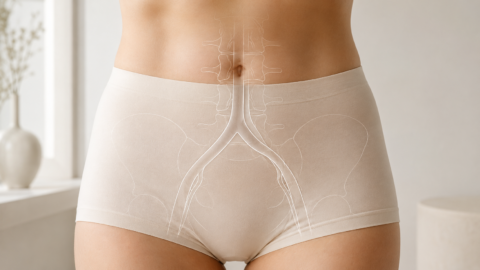
May Thurner Syndrome, also called iliac vein compression syndrome, occurs when the left common iliac vein is compressed, most often between the right common iliac artery and the spine. This compression can make it harder for blood to flow from the left leg and pelvis back toward the heart.
Some people with May Thurner Syndrome have no symptoms. Others may develop left leg swelling, leg heaviness, leg pain, varicose veins, skin changes, venous insufficiency, or deep vein thrombosis. In selected patients, May Thurner Syndrome may also overlap with pelvic congestion-type symptoms, including pelvic pressure or chronic pelvic pain.
Why May Thurner Syndrome Matters
The vascular importance of May Thurner Syndrome is that iliac vein compression can increase venous pressure and, in some patients, contribute to clot risk. When a clot forms in the deep veins, symptoms may include sudden leg swelling, pain, tenderness, warmth, color change, or prominent veins.
Because of this risk, suspected May Thurner Syndrome should be evaluated by the appropriate vascular specialist. Pain medicine is not a substitute for vascular diagnosis, anticoagulation decisions, venous imaging, stenting decisions, or DVT care.
MPM’s role is to evaluate the pain pattern when May Thurner Syndrome overlaps with chronic pelvic pain, pelvic floor symptoms, nerve pain, hip or SI joint pain, abdominal wall pain, or persistent symptoms after vascular care.
Can May Thurner Syndrome Cause Pelvic Pain?
May Thurner Syndrome may contribute to pelvic pain in selected patients, especially when venous congestion is part of the clinical picture. Patients may describe pelvic heaviness, pelvic pressure, lower abdominal discomfort, pain that worsens with standing, or symptoms that overlap with pelvic congestion syndrome.
However, pelvic pain can have many causes. A patient may have May Thurner Syndrome and still have pain from another source. This is why pelvic pain should not be automatically attributed to iliac vein compression without a broader evaluation.
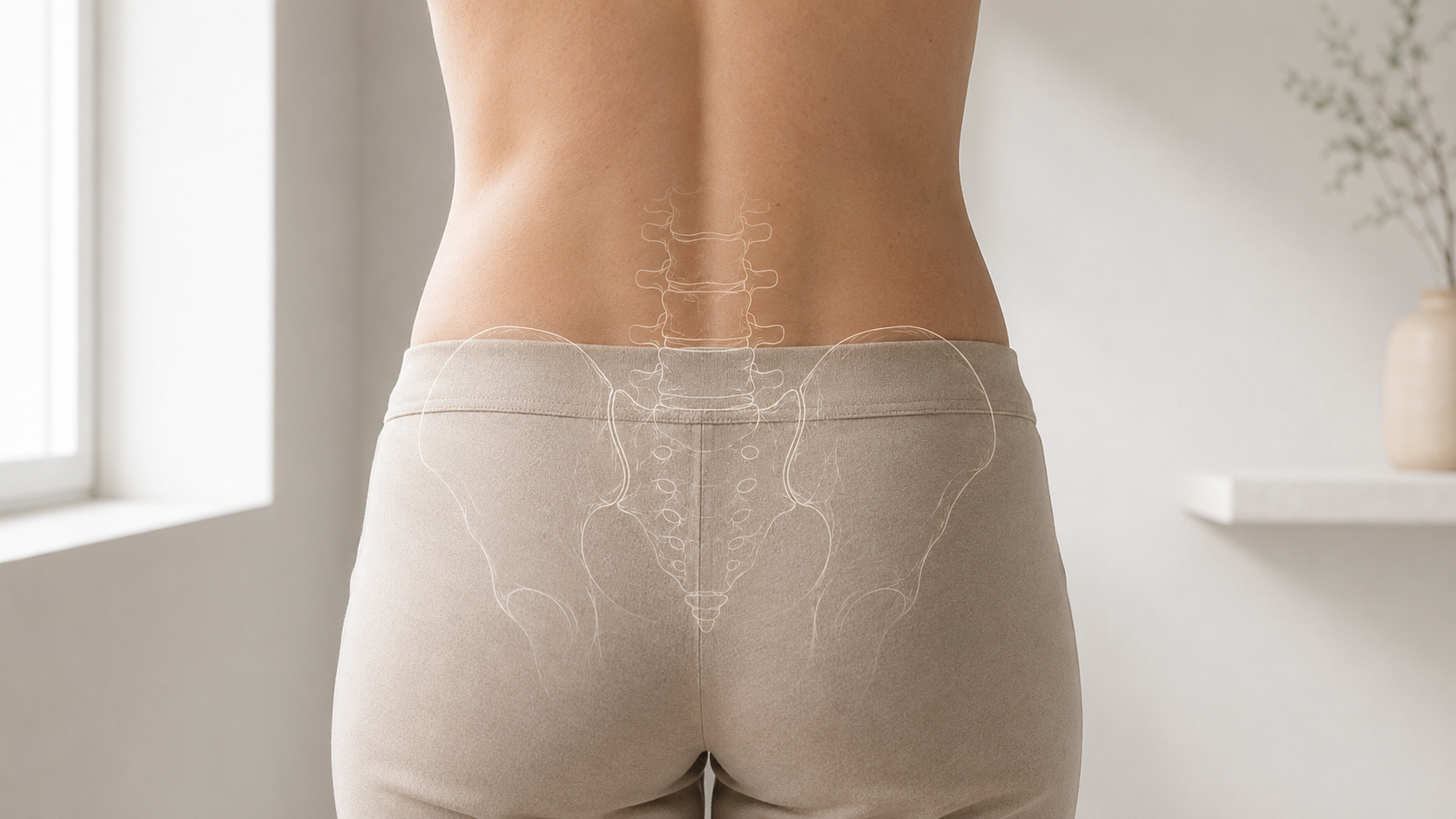
Pelvic floor dysfunction, pudendal neuralgia, endometriosis, abdominal wall nerve entrapment, sacroiliac joint dysfunction, hip impingement, labral tears, piriformis syndrome, EDS, hypermobility spectrum disorder, and central pain sensitization can all contribute to pelvic pain.
Leg Symptoms and Venous Symptoms
May Thurner Syndrome is often considered when symptoms involve the left leg. These may include swelling, heaviness, aching, venous fullness, varicose veins, skin discoloration, or a history of DVT.
Symptoms may become more noticeable with prolonged standing, activity, travel, or periods of immobility. Sudden leg swelling or severe leg pain should be treated as a vascular warning sign, especially when accompanied by warmth, color change, tenderness, chest pain, shortness of breath, or fainting.
MPM evaluates leg and pelvic symptoms in context, but vascular symptoms require vascular care.
How May Thurner Syndrome Is Diagnosed
Diagnosis usually begins with clinical history and vascular assessment. Doppler ultrasound may help evaluate for DVT or certain venous abnormalities, but it may not fully visualize iliac vein compression in every patient.
When proximal venous compression is suspected, vascular specialists may consider CT venography, MR venography, venogram, or intravascular ultrasound. These tests can help evaluate the iliac vein and guide vascular treatment decisions when appropriate.
MPM may use diagnostic ultrasound for selected pain-related structures, musculoskeletal contributors, or soft-tissue pain patterns. This is different from dedicated vascular imaging for iliac vein compression.
Why Pelvic Pain May Persist After Vascular Treatment
Some patients continue to have pelvic pain even after vascular evaluation or treatment. This may happen because the pain was never purely vascular, or because multiple pain pathways developed over time.
Persistent pelvic pain may involve pelvic floor guarding, pudendal neuralgia, abdominal wall nerve pain, endometriosis, hip-related pelvic pain, sacroiliac joint dysfunction, piriformis syndrome, scar sensitivity, hypermobility-related mechanics, or central sensitization.
Persistent pain does not mean the pain is not real. It may mean that May Thurner Syndrome was one part of a broader pelvic pain pattern.
May Thurner Syndrome, Pelvic Floor Dysfunction, and Nerve Pain
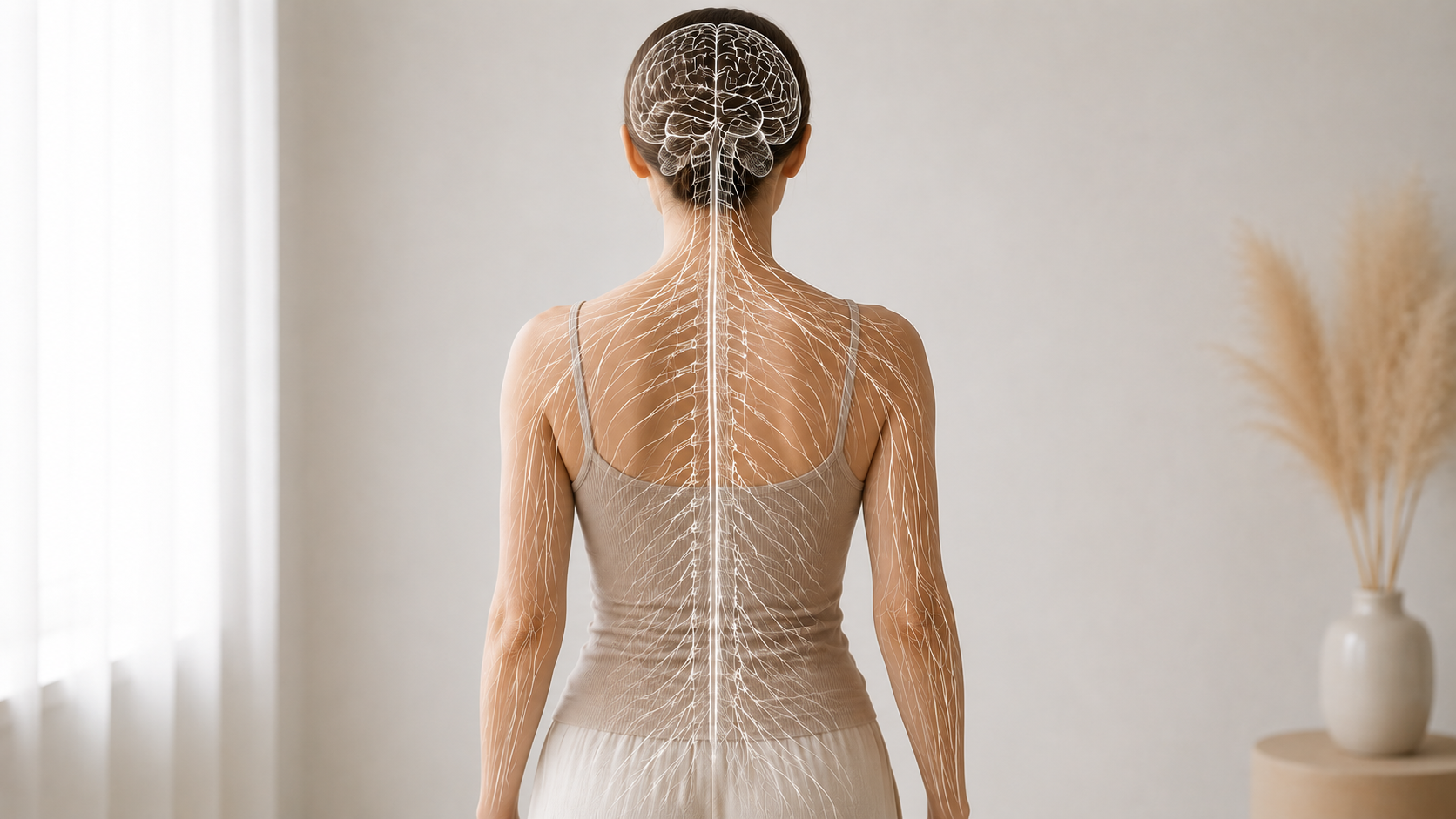
Pelvic pain can lead to muscle guarding, altered movement, and nervous system sensitivity. Pelvic floor dysfunction may cause pain with sitting, sex, bowel movements, urination, or daily activity. Pudendal neuralgia may cause burning, shooting, electric, or pressure-like pain in the pelvic or perineal region.
These patterns may coexist with May Thurner Syndrome. MPM evaluates whether the pain appears to follow a pelvic floor, pudendal nerve, abdominal wall, SI joint, hip, or central pain pattern. When needed, care may be coordinated with pelvic floor therapy, gynecology, urology, GI, vascular care, or other specialists.
Hypermobility, EDS, and Pelvic Pain Overlap
Patients with EDS or hypermobility spectrum disorder may have additional layers of complexity. Joint laxity, altered pelvic mechanics, muscle guarding, venous symptoms, nerve sensitivity, and connective tissue differences may all influence how pelvic pain is experienced.
MPM does not assume that hypermobility causes May Thurner Syndrome or that May Thurner Syndrome explains all pelvic pain. Instead, the evaluation looks at how vascular findings, musculoskeletal mechanics, nerve pain, pelvic floor function, and chronic pain pathways may interact.
Treatment Options for May Thurner-Related Pain Patterns
Treatment depends on what is driving the symptoms. If May Thurner Syndrome is causing clinically significant venous obstruction, DVT, or vascular symptoms, care should be guided by vascular medicine, vascular surgery, or interventional radiology. Treatment may involve compression therapy, anticoagulation when a clot is present, thrombolysis, thrombectomy, venous stenting, or vascular follow-up depending on the situation.
From a pain medicine perspective, MPM may help with medication management, diagnostic review, pain source mapping, diagnostic ultrasound for selected nonvascular pain structures, and coordinated care for overlapping pelvic pain drivers.
Pain treatment does not treat iliac vein compression itself. It supports the evaluation and management of pain contributors that may coexist with vascular findings.
When Vascular Care Is Needed
Patients with suspected May Thurner Syndrome should be evaluated by vascular specialists when symptoms include leg swelling, leg heaviness, venous changes, varicose veins, skin discoloration, history of DVT, or imaging suggesting iliac vein compression.
Urgent care is needed for sudden leg swelling, severe leg pain, warmth, tenderness, blue or pale color change, new prominent veins, chest pain, shortness of breath, coughing blood, rapid heartbeat, fainting, or symptoms concerning for pulmonary embolism.
Pain medicine should not delay vascular evaluation when these symptoms are present.
How MPM Approaches May Thurner Syndrome and Pelvic Pain
MPM approaches May Thurner Syndrome-related pelvic pain through a diagnosis-first, coordinated model. The goal is to clarify whether symptoms are vascular, pelvic floor-related, nerve-related, abdominal wall-related, hip-related, sacroiliac-related, endometriosis-related, hypermobility-related, or centrally sensitized.
For patients looking for May Thurner Syndrome treatment in Manhattan, MPM offers a pain medicine perspective focused on pelvic pain source-finding and care coordination. We work alongside vascular specialists and other clinicians when vascular care, pelvic floor therapy, gynecology, orthopedics, or additional evaluation is needed.