Sports Hernia
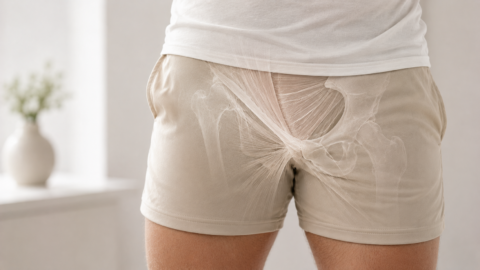
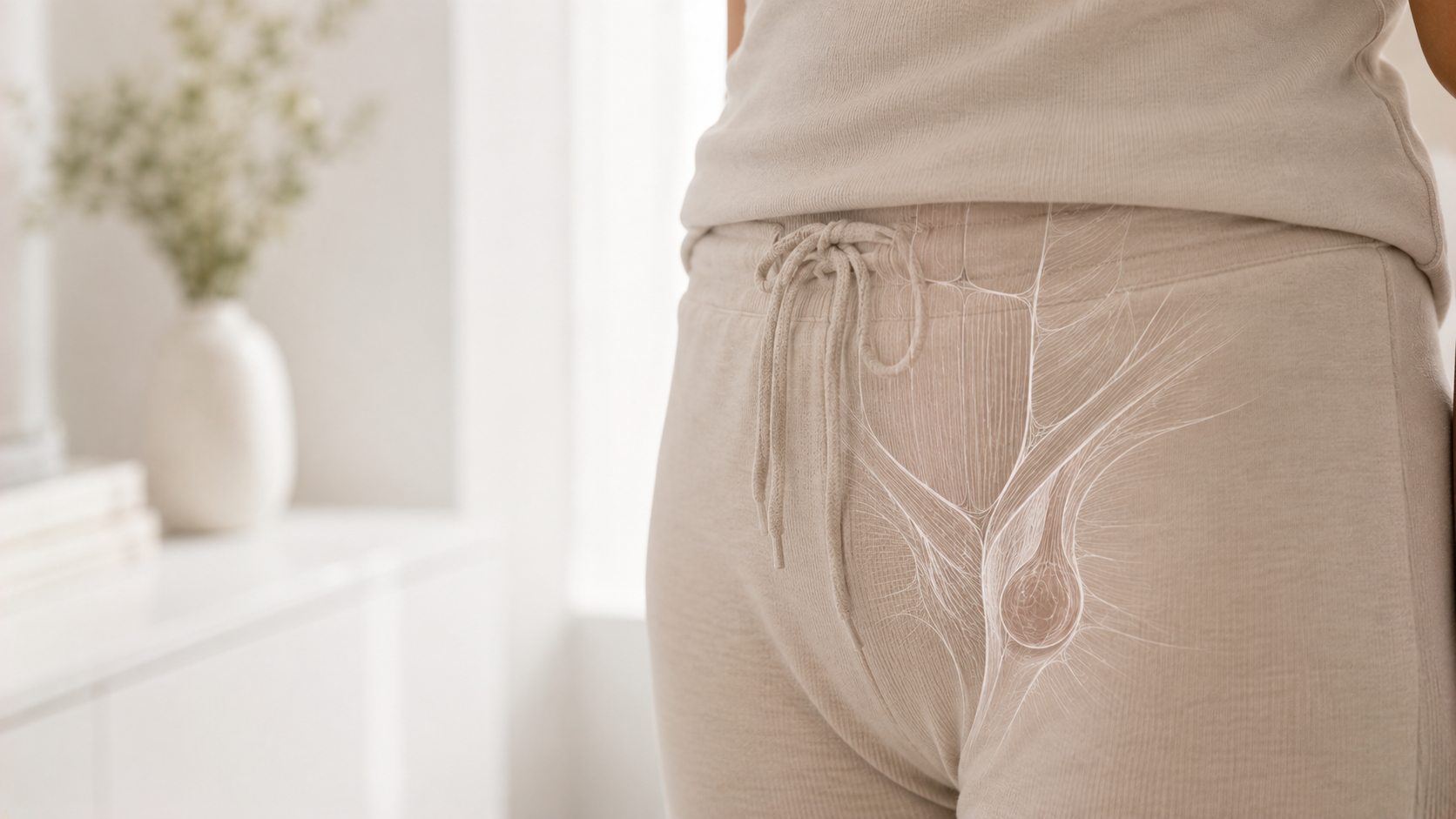
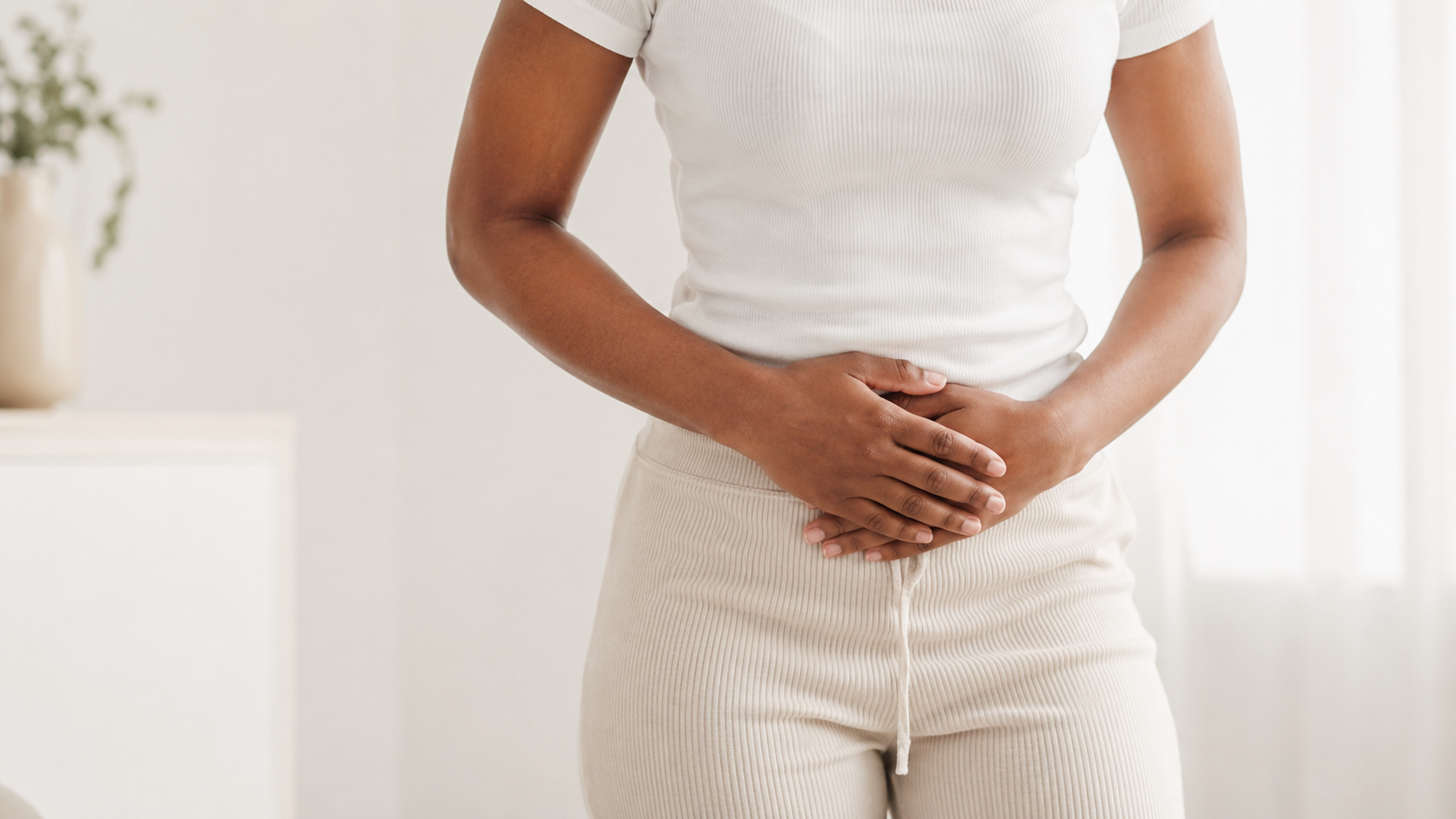
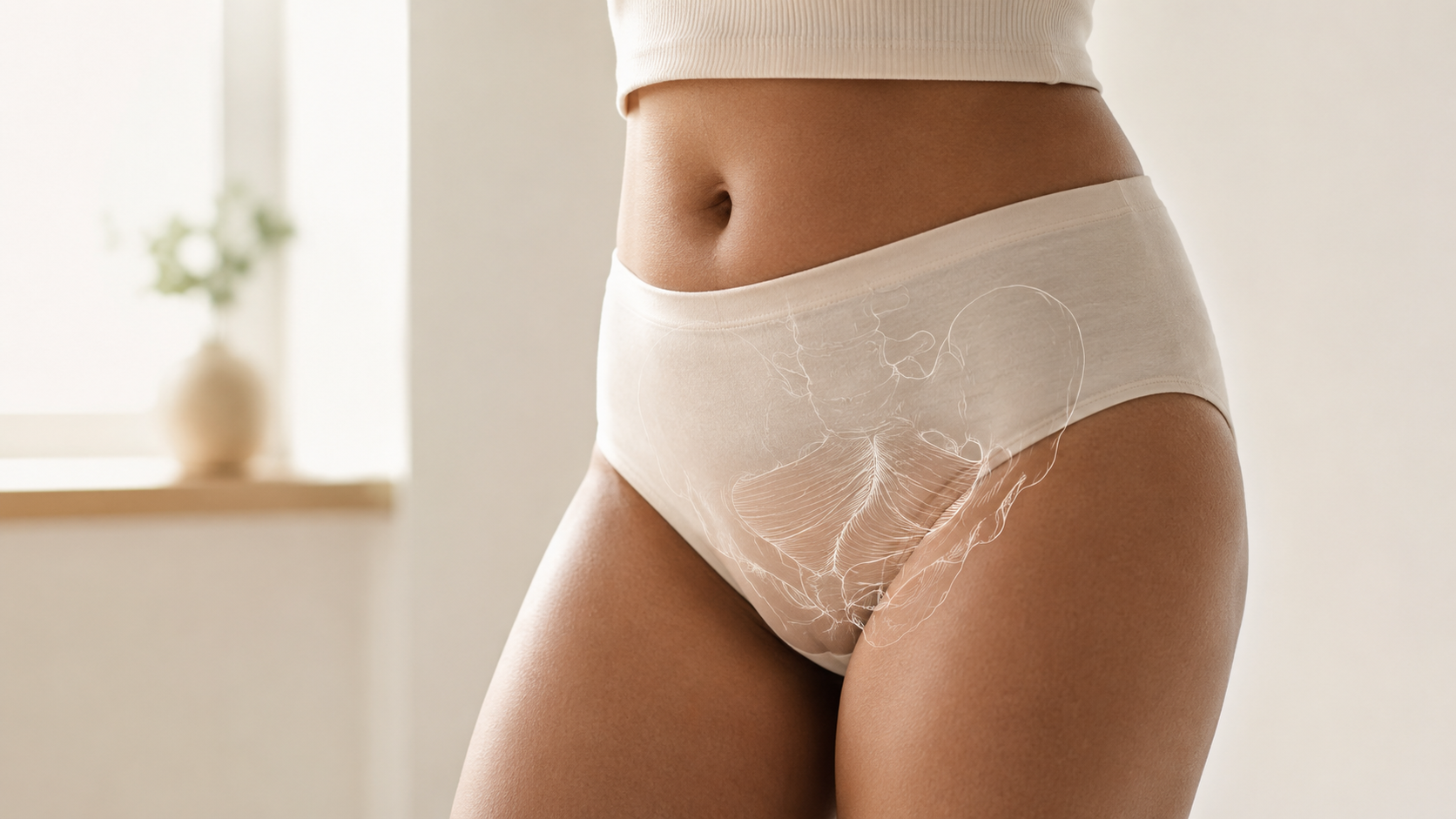
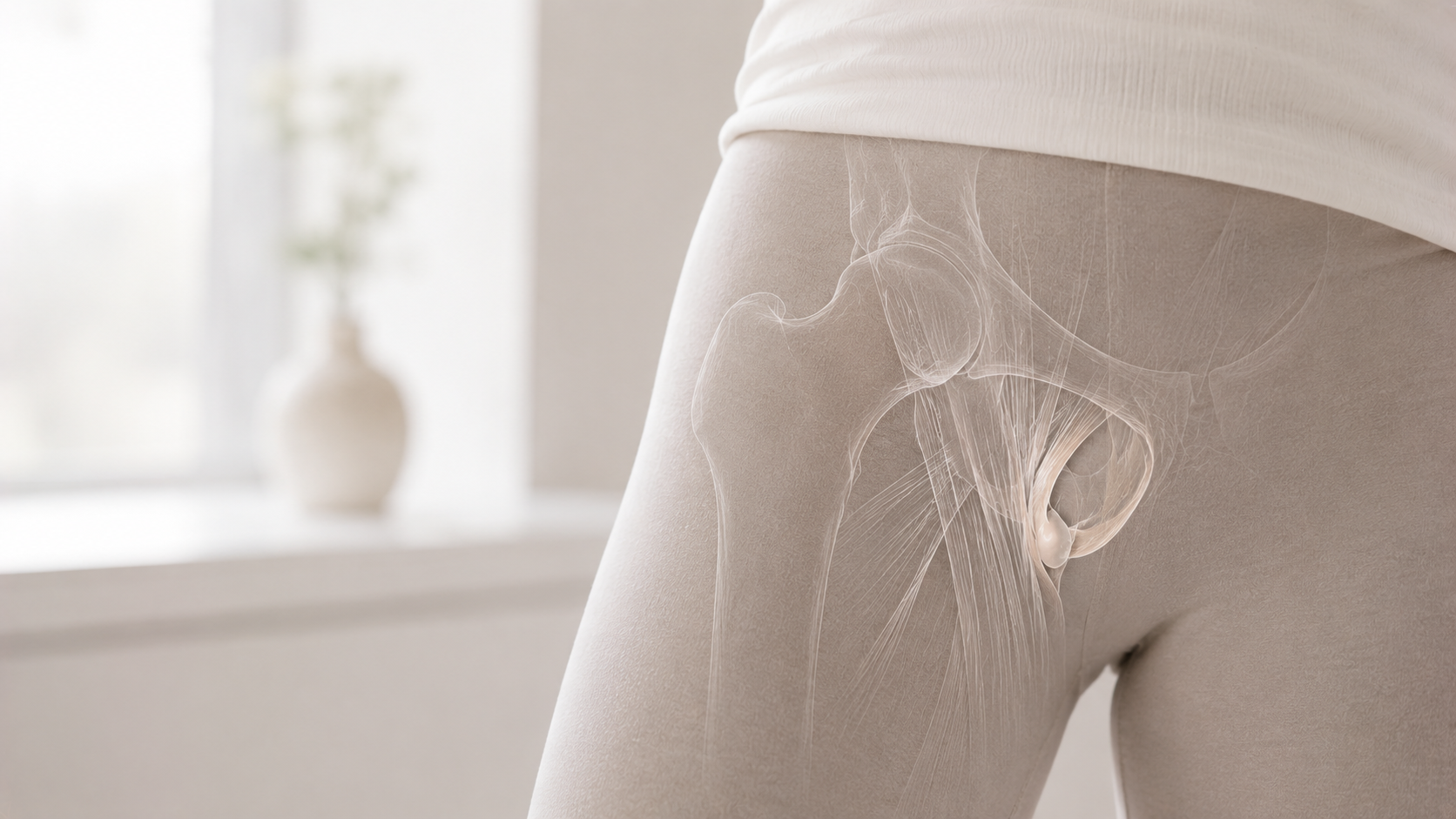
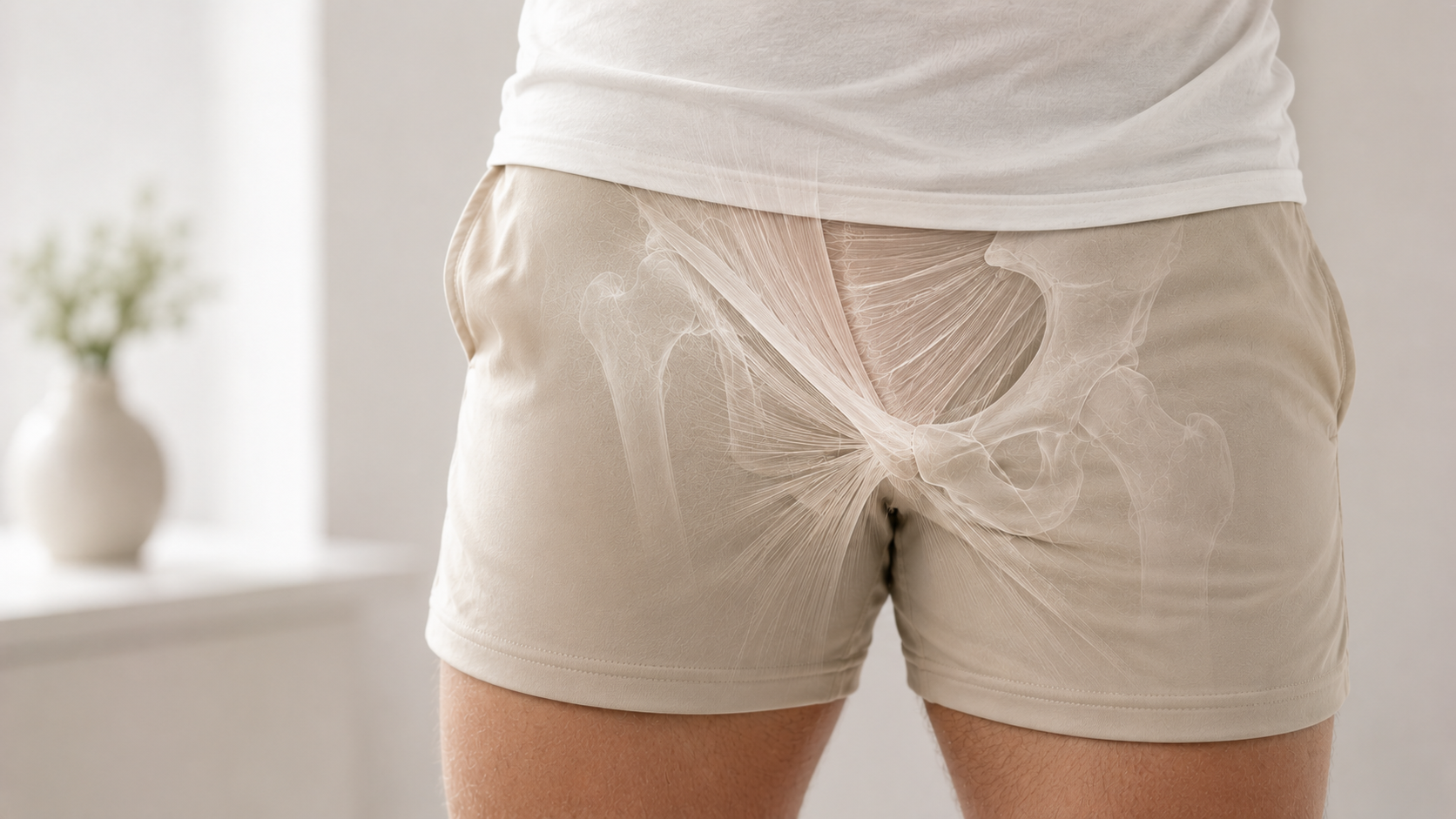
A sports hernia is usually not a true hernia. The term is commonly used to describe athletic pubalgia or core muscle injury, a painful condition involving the lower abdominal wall, groin, adductor region, or tendon attachments near the pelvis.
Patients may notice pain during running, sprinting, twisting, cutting, kicking, lifting, sit-ups, coughing, or forceful core activity. The pain may improve with rest, then return when activity resumes. This pattern can be especially frustrating for athletes and active patients because symptoms may not appear during routine daily movement but become clear during higher-load activity.
Why the Term “Sports Hernia” Can Be Confusing
The word hernia can make patients think there must be a visible bulge. In many cases of sports hernia or athletic pubalgia, there is no visible bulge and no bowel protrusion. Instead, the pain may come from soft tissue injury, tendon overload, abdominal wall strain, adductor involvement, pubic-region stress, or core muscle dysfunction.
However, true hernias can also cause groin or lower abdominal pain. Inguinal hernia, femoral hernia, obturator hernia, and umbilical hernia may require surgical evaluation. This is why diagnosis-first evaluation is important. The care pathway for athletic pubalgia is different from the care pathway for a true hernia.
What Sports Hernia Pain Can Feel Like
Sports hernia pain often appears in the groin, lower abdomen, pubic region, inner thigh, adductor area, or pelvic-region. Some patients describe sharp pain with cutting or twisting. Others feel aching, pulling, tightness, or soreness after activity.
Pain may worsen with sprinting, kicking, lateral movement, core exercise, lifting, coughing, sneezing, or sit-ups. Patients may feel better after rest, but symptoms often return when they resume their sport or activity. In some cases, pain may spread into the hip-region, pelvis, adductors, or lower abdominal wall.
Sports Hernia vs True Hernia
A true hernia occurs when tissue pushes through a weak point in the abdominal wall or groin region. It may cause a bulge, pressure, discomfort, or pain that worsens with coughing, lifting, or straining. True hernias can sometimes become urgent if tissue becomes trapped.
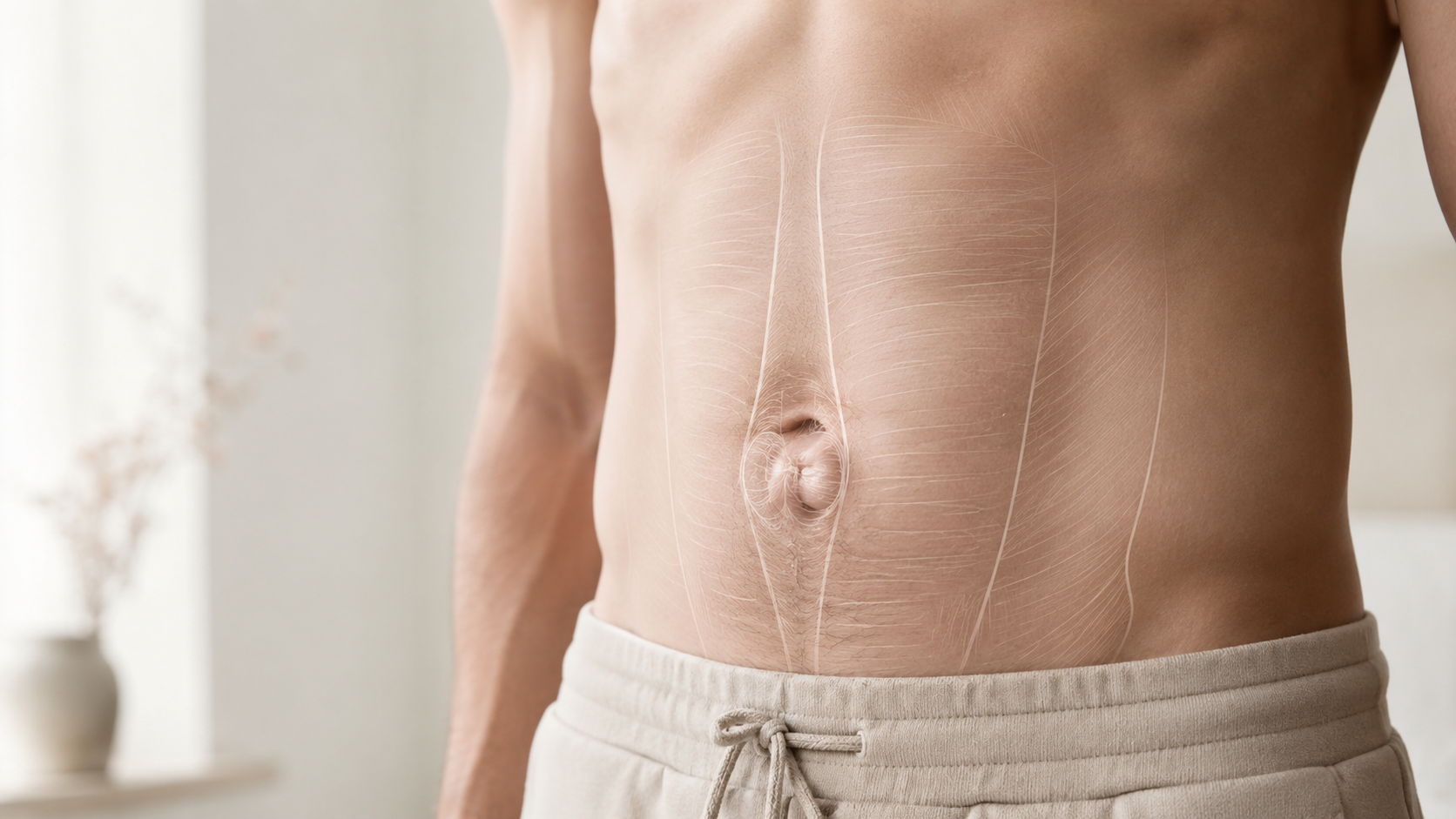
A sports hernia usually refers to athletic pubalgia or core muscle injury. It generally does not involve bowel protrusion and often does not create a visible bulge. Instead, pain is related to stress or injury around the lower abdominal wall, adductor attachments, pubic region, or core stabilizing structures.
Because these conditions can feel similar, patients with groin or lower abdominal pain should be evaluated carefully before assuming the diagnosis.
Sports Hernia vs Adductor Strain, Hip Impingement, and Pelvic Floor Dysfunction
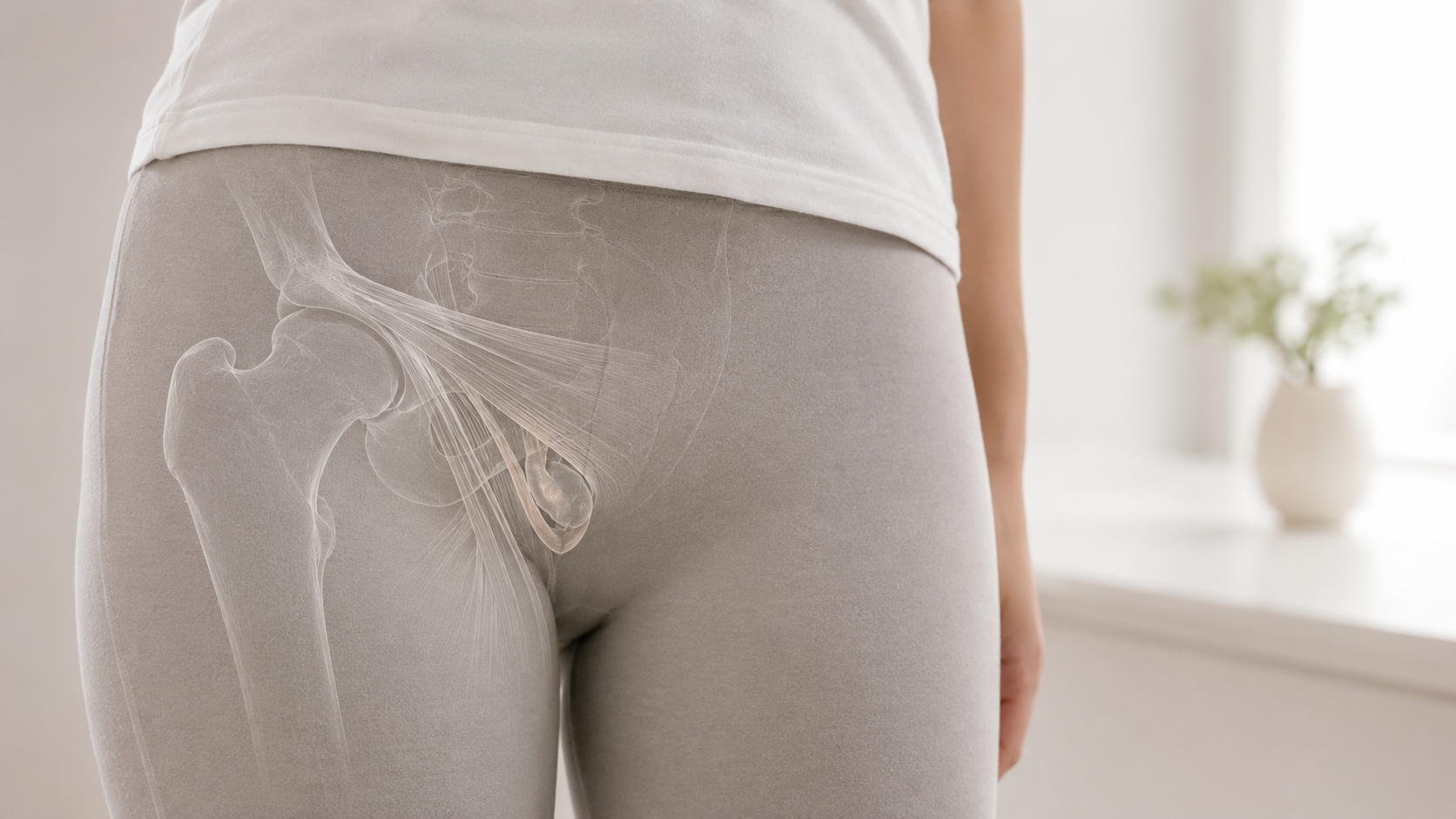
Athletic pubalgia can overlap with other common causes of groin and pelvic-region pain. An adductor strain may cause inner thigh pain with resisted movement or stretching. Hip impingement or labral pathology may cause groin pain, clicking, stiffness, or pain with hip rotation. Pelvic floor dysfunction may cause pelvic, groin, genital, rectal, urinary, bowel, or sitting-related pain.
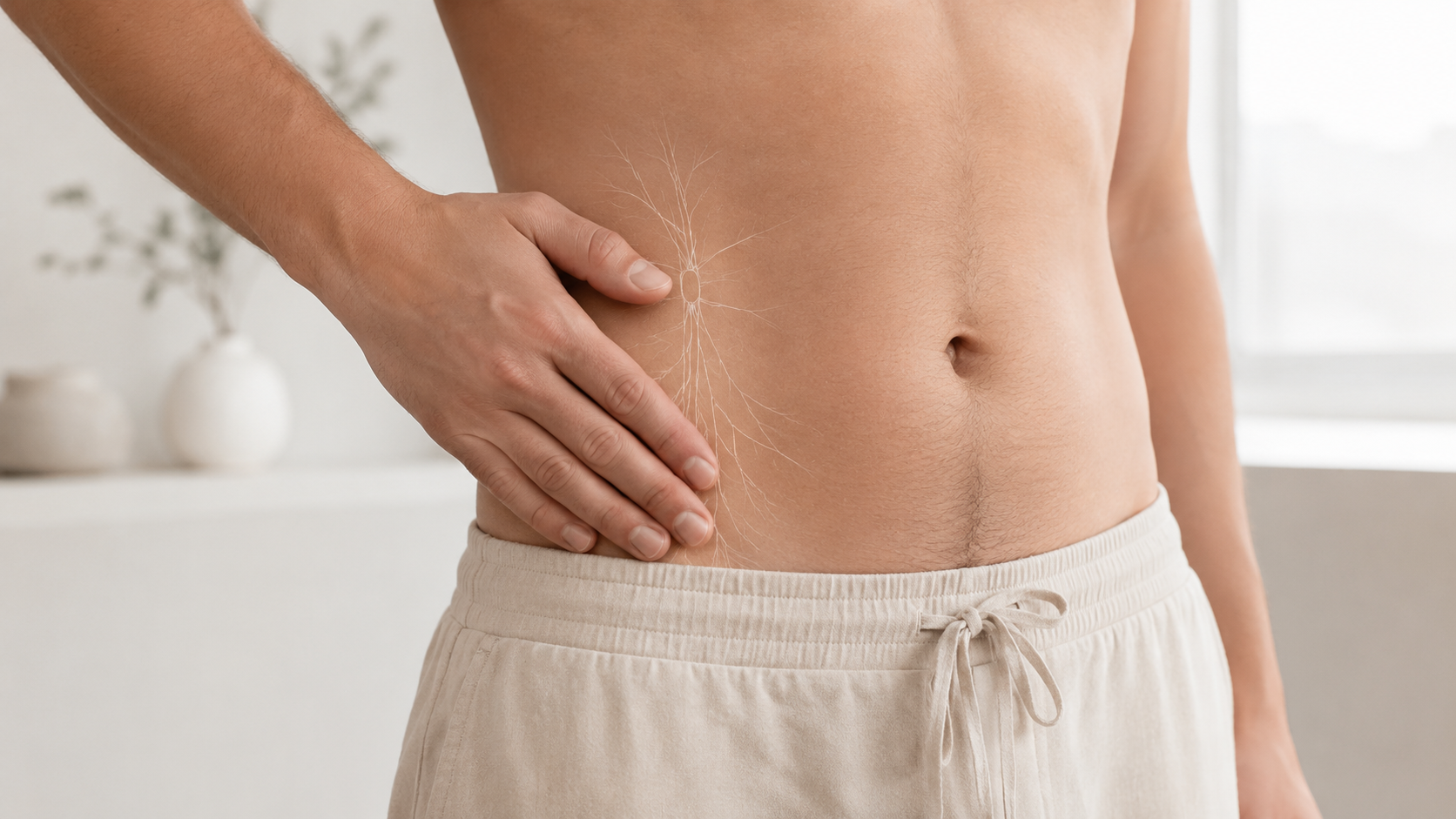
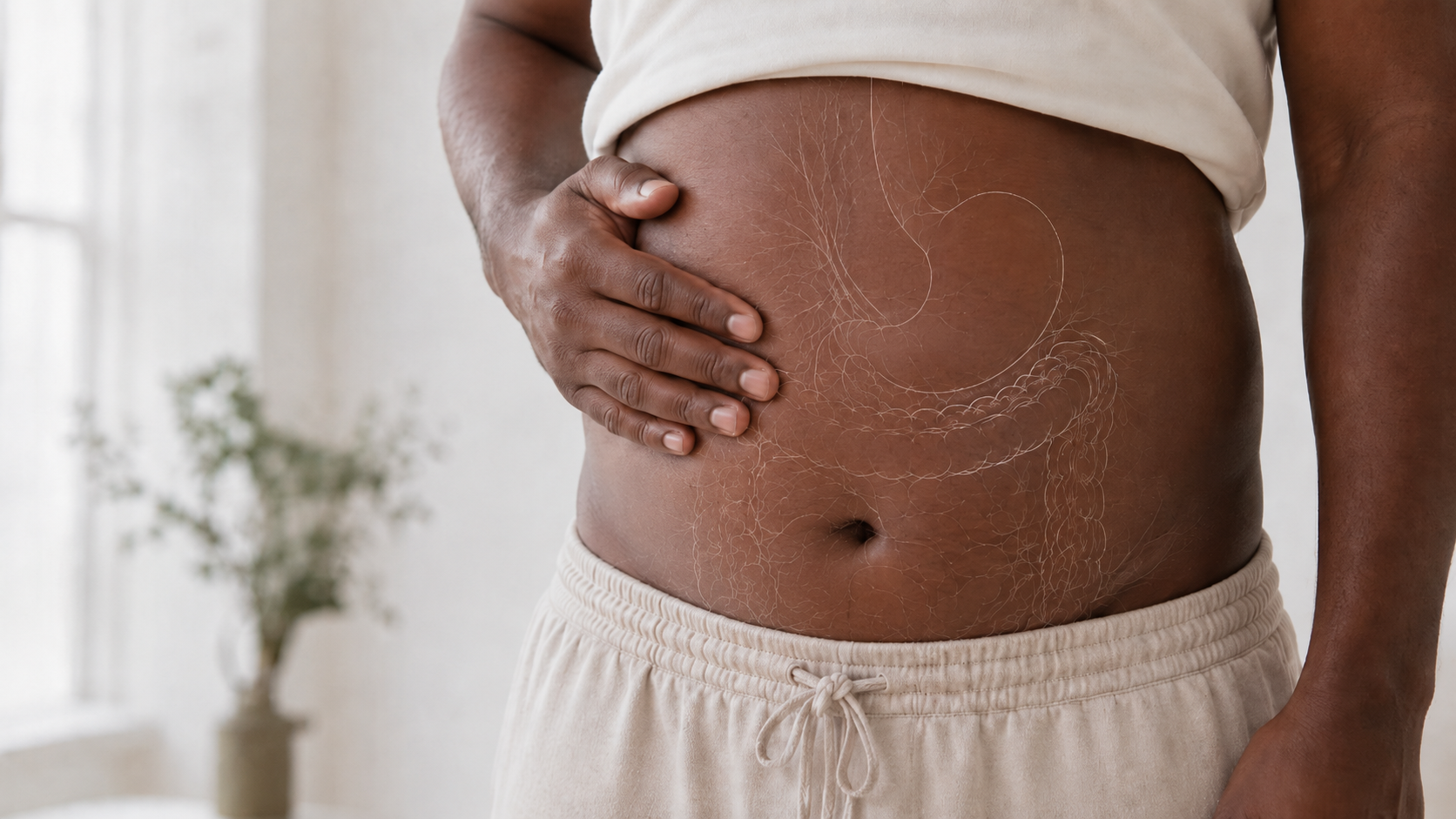
Abdominal Cutaneous Nerve Entrapment Syndrome, also called ACNES, can cause localized abdominal wall pain that may be mistaken for a core injury. Peripheral nerve entrapment may cause burning, electric, radiating, or hypersensitive pain. Endometriosis may also overlap with pelvic, groin, abdominal, or hip-region pain in some patients.
MPM evaluates these possibilities together rather than assuming one diagnosis explains every symptom.
Sports Hernia, Hypermobility, and Pelvic Mechanics
Hypermobility spectrum disorder and Ehlers-Danlos syndrome can make groin and pelvic-region pain more complex. When joints move beyond their stable range, muscles and tendons may work harder to control movement. This can increase strain through the hips, pelvis, lower abdomen, adductors, and core.
Anterior pelvic tilt, pelvic instability, hip mechanics, abdominal wall vulnerability, and pelvic floor guarding may also contribute to chronic symptoms. In some patients, hypermobility may make athletic pubalgia-like pain more persistent or recurrent.
MPM considers hypermobility and EDS when symptoms involve recurrent injuries, multi-joint pain, pelvic instability, abnormal load transfer, or pain that does not respond as expected to standard rehabilitation.
Why Sports Hernia Pain Is Often Misdiagnosed
Sports hernia pain is often misdiagnosed because groin pain has many possible sources. A patient may be treated for adductor strain, hip pain, hernia, pelvic floor dysfunction, abdominal wall strain, sciatica, or nonspecific muscle pain without a complete explanation.
Imaging may also be inconclusive. Some soft tissue injuries are subtle, and some findings may not match the patient’s symptoms. A diagnosis-first approach requires matching the history, exam, movement triggers, imaging, and functional limitations before choosing treatment.
How MPM Evaluates Sports Hernia and Athletic Pubalgia
MPM begins by reviewing how the pain started, which activities trigger it, where the pain travels, what treatments have already been tried, and whether rest, physical therapy, medication, or prior injections have helped.
The evaluation may include assessment of the lower abdominal wall, groin, pubic region, adductors, hip motion, pelvic mechanics, abdominal wall tenderness, nerve sensitivity, pelvic floor overlap, hypermobility, and signs that a true hernia or surgical condition should be considered.
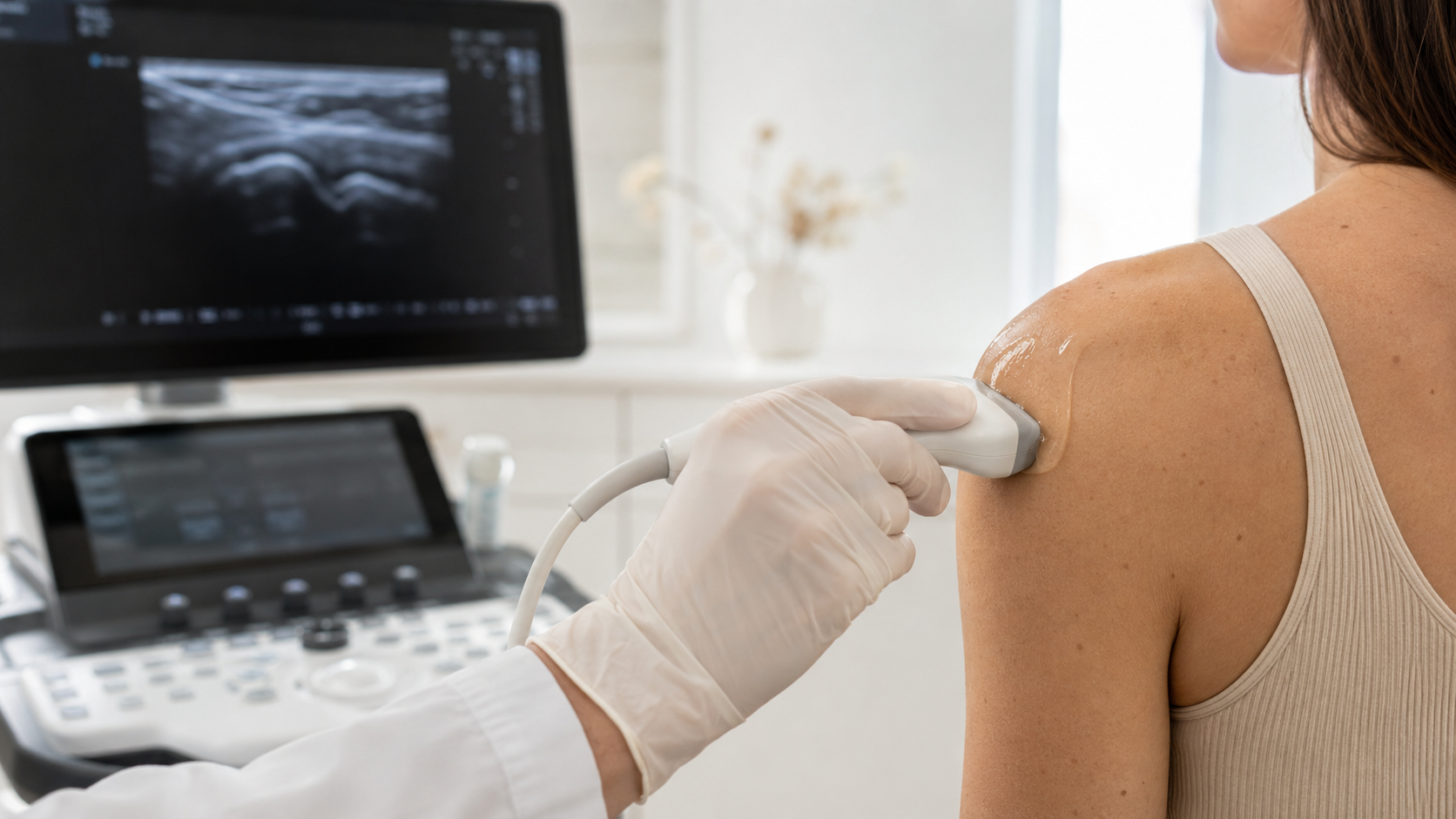
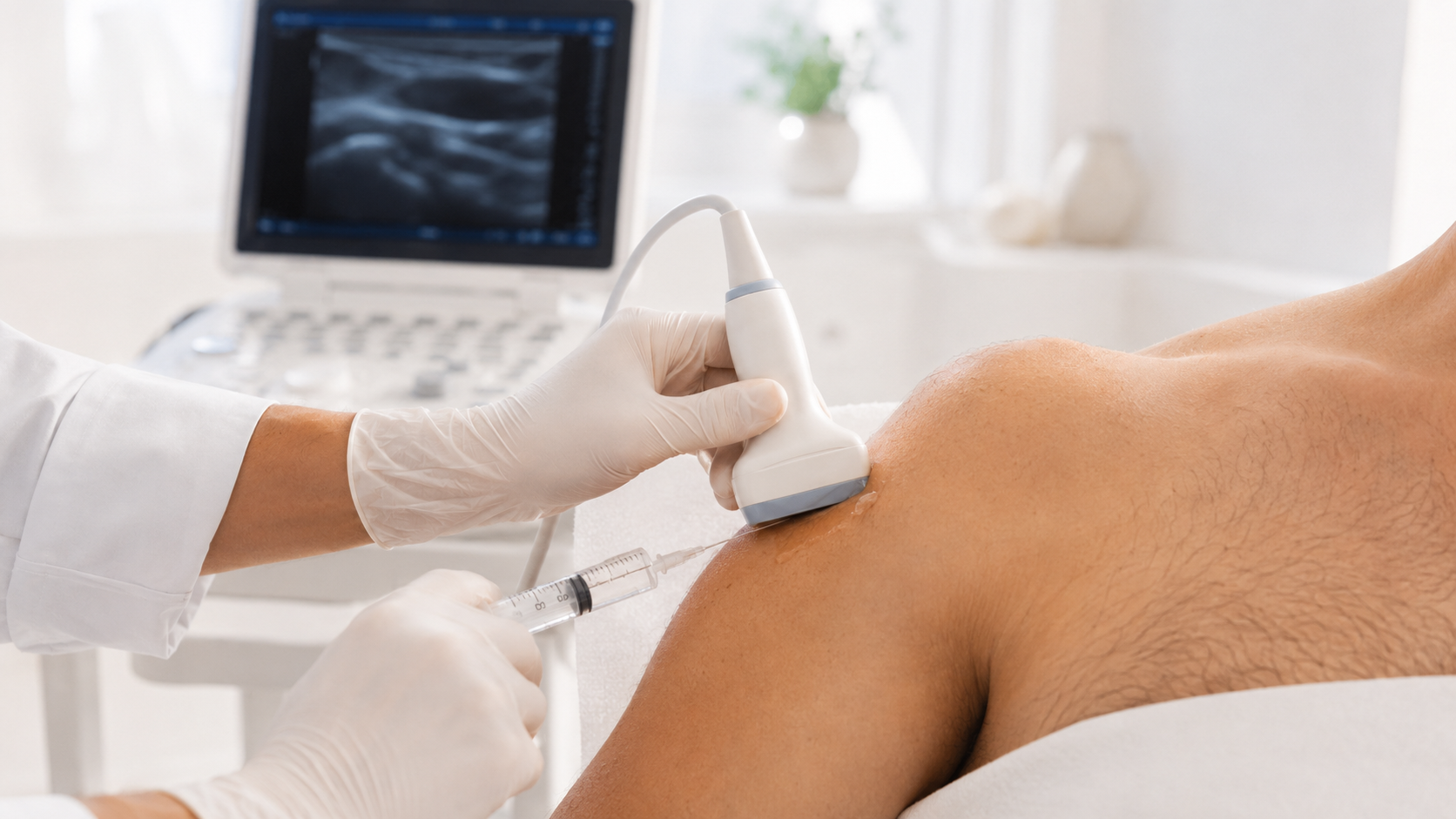
Diagnostic ultrasound may be used when appropriate to evaluate soft tissue, abdominal wall, groin, tendon, scar, or nerve-related pain patterns. If a true hernia or surgically significant injury is suspected, MPM coordinates with general surgery, sports medicine, or orthopedics.
Treatment Options for Sports Hernia-Related Pain
Treatment depends on the source of pain. For some patients, the main pathway is rehabilitation focused on core stability, adductor control, hip mechanics, pelvic alignment, and gradual return to activity. Others may need evaluation for hip pathology, pelvic floor dysfunction, true hernia, abdominal wall nerve pain, or nerve entrapment.
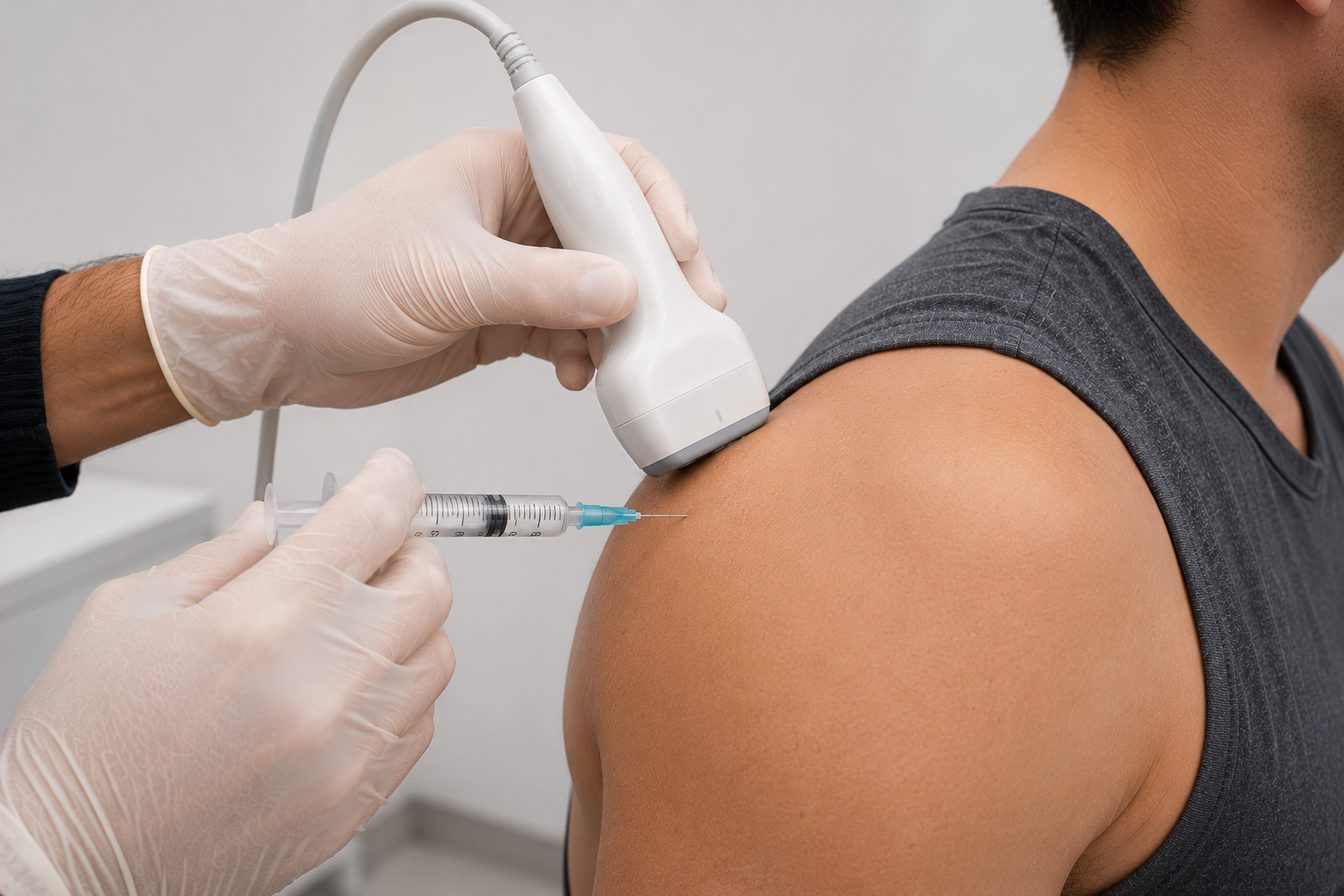
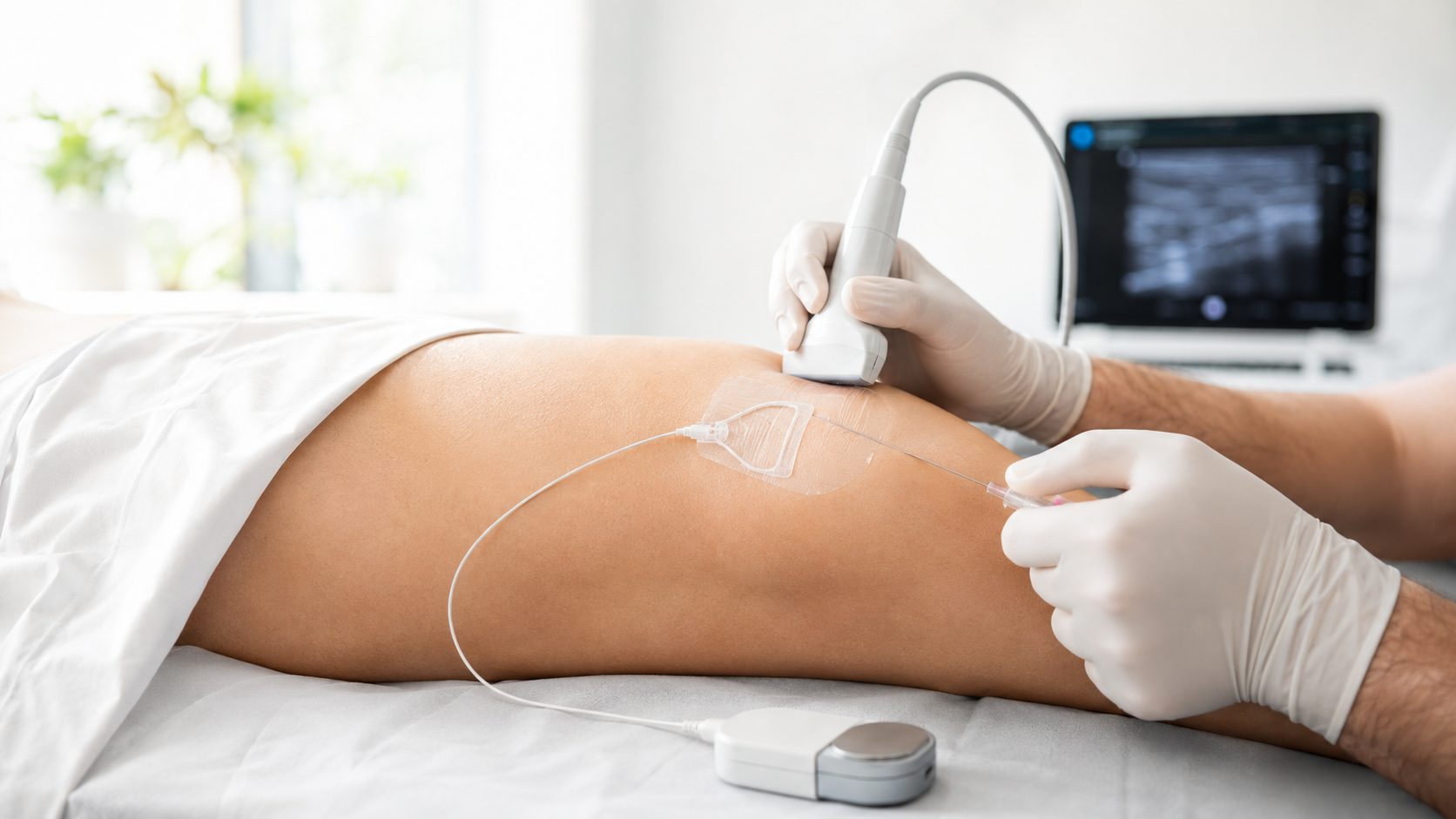
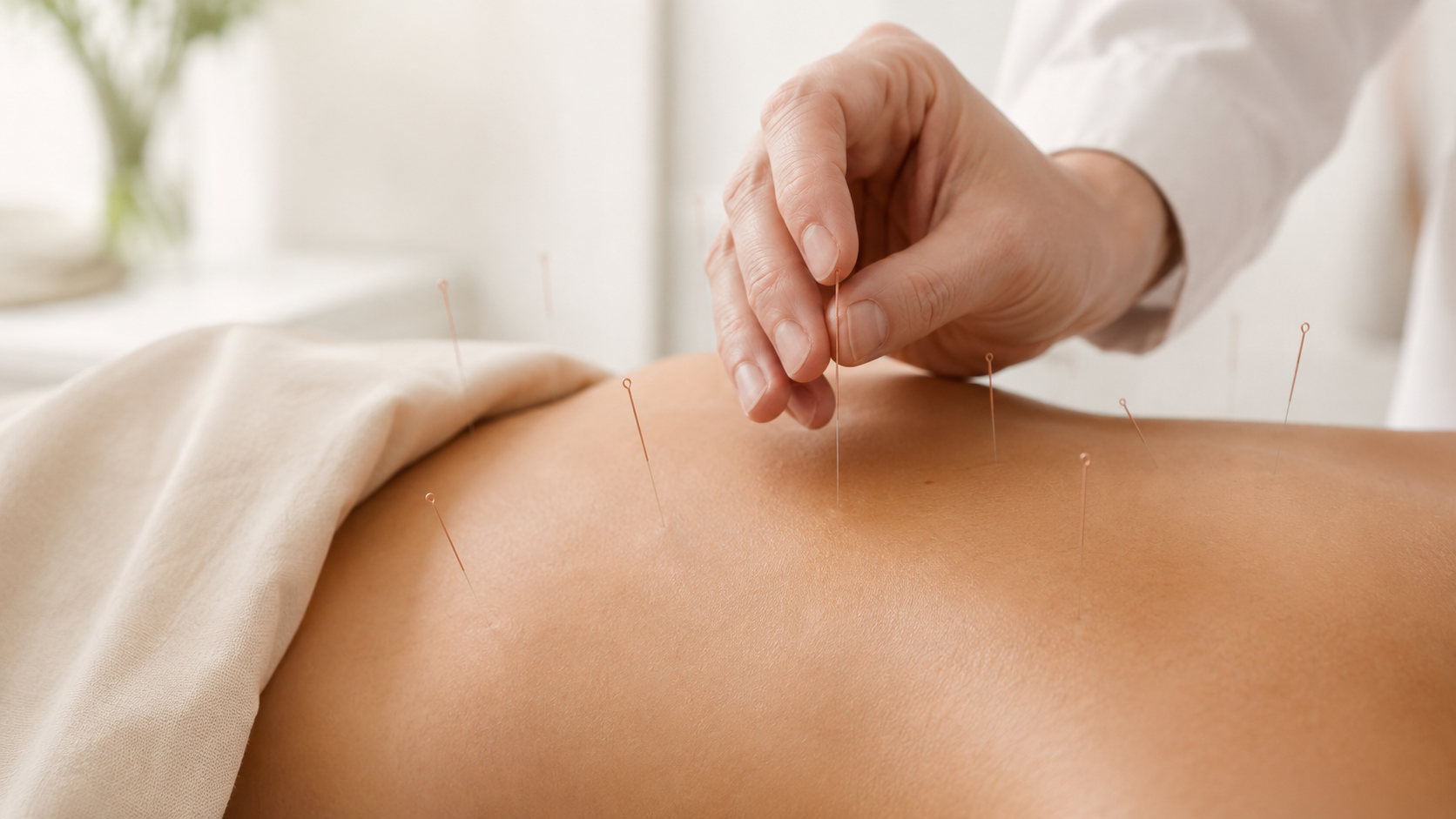
When clinically appropriate, options may include medication management, diagnostic ultrasound, ultrasound-guided injections, steroid injections in selected cases, acupuncture, nerve hydrodissection for selected nerve entrapment patterns, or peripheral nerve stimulation for selected chronic nerve pain patterns.
These treatments are not automatic. The goal is to select the right intervention for the right pain generator.
When Image-Guided Injections May Be Considered
Image-guided injections may be considered when the evaluation identifies a specific pain generator that may respond to targeted treatment. Injections may be diagnostic, therapeutic, or both, depending on the suspected source.
For example, an injection may help clarify whether pain is coming from a soft tissue structure, abdominal wall region, nerve pathway, or inflammatory pain source. Ultrasound guidance may help improve precision when the target is appropriate. However, injections do not replace rehabilitation, surgical evaluation when needed, or a complete diagnosis.
When Nerve Hydrodissection or Peripheral Nerve Stimulation May Be Considered
Some chronic groin or pelvic-region pain patterns may involve peripheral nerve irritation or entrapment. In selected cases, nerve hydrodissection may be considered when anatomy, symptoms, exam findings, and imaging support a nerve entrapment pattern.
Peripheral nerve stimulation may be considered for selected chronic nerve pain patterns when less invasive care has not provided sufficient relief and the suspected nerve target is appropriate. These options require careful diagnosis, risk discussion, and follow-up. They are not standard treatment for every sports hernia or groin pain presentation.
When Surgery May Be Considered
Surgery may be considered when the patient has a true hernia, a surgically significant core muscle injury, or persistent athletic pubalgia that has not improved with appropriate conservative care and has been evaluated by the appropriate specialist.
MPM does not replace surgical evaluation. Instead, MPM helps clarify whether pain appears to be surgical, musculoskeletal, pelvic floor-related, nerve-related, or mixed. When surgery may be appropriate, MPM coordinates with sports medicine, orthopedics, or general surgery.
When Groin Pain Requires Urgent Evaluation
Patients should seek urgent evaluation for severe or worsening abdominal, pelvic, groin, or testicular pain, a painful bulge that cannot be pushed back in, nausea, vomiting, abdominal distension, inability to pass stool or gas, fever, skin discoloration over a bulge, fainting, blood in urine, sudden severe testicular pain, chest pain, back pain with groin pain, signs of bowel obstruction, new weakness, rapidly worsening numbness, or rapidly worsening symptoms.
These symptoms may suggest a true hernia complication, bowel obstruction, infection, vascular issue, urinary condition, testicular emergency, neurologic problem, or another urgent medical condition.
How MPM Approaches Sports Hernia and Athletic Pubalgia Care
MPM approaches sports hernia and athletic pubalgia through a diagnosis-first, coordinated model. The goal is to determine whether the pain is coming from a core muscle injury, adductor overload, abdominal wall strain, true hernia, hip pathology, pelvic floor dysfunction, ACNES, peripheral nerve entrapment, hypermobility-related mechanics, or overlapping pain generators.
For patients looking for sports hernia treatment in Manhattan or NYC, MPM offers a careful pain medicine perspective focused on pain generator identification, diagnostic ultrasound when appropriate, pelvic and musculoskeletal evaluation, nerve-focused assessment, hypermobility-aware care, and coordination with the right specialists. Treatment is individualized and selected only after the likely source of pain is better understood.