Hip Impingement
Hip impingement, also called femoroacetabular impingement or FAI, occurs when the ball and socket of the hip do not move smoothly together. The femoral head may have extra bone shape, the socket may provide extra coverage, or both may be present. These patterns are often called cam, pincer, or mixed impingement.
When the hip moves into certain positions, especially deep flexion or rotation, the femoral head and acetabulum can make abnormal contact. This may cause groin pain, hip pinching, stiffness, reduced range of motion, clicking, catching, or pain during sitting, squatting, twisting, pivoting, stairs, or sports.
Hip Impingement and Labral Tears
The labrum is a ring of cartilage around the hip socket that helps cushion and stabilize the joint. Hip impingement can place stress on the labrum and cartilage over time.
That relationship matters, but it should not be oversimplified. A labral tear may appear on imaging but may not be the only pain source. A patient may also have tendon pain, hip flexor irritation, sacroiliac joint dysfunction, lumbar referral, pelvic floor tension, muscle guarding, arthritis, hypermobility, or peripheral nerve irritation. Diagnosis-first care helps determine which finding is clinically meaningful.
Why Imaging Is Only Part of the Answer
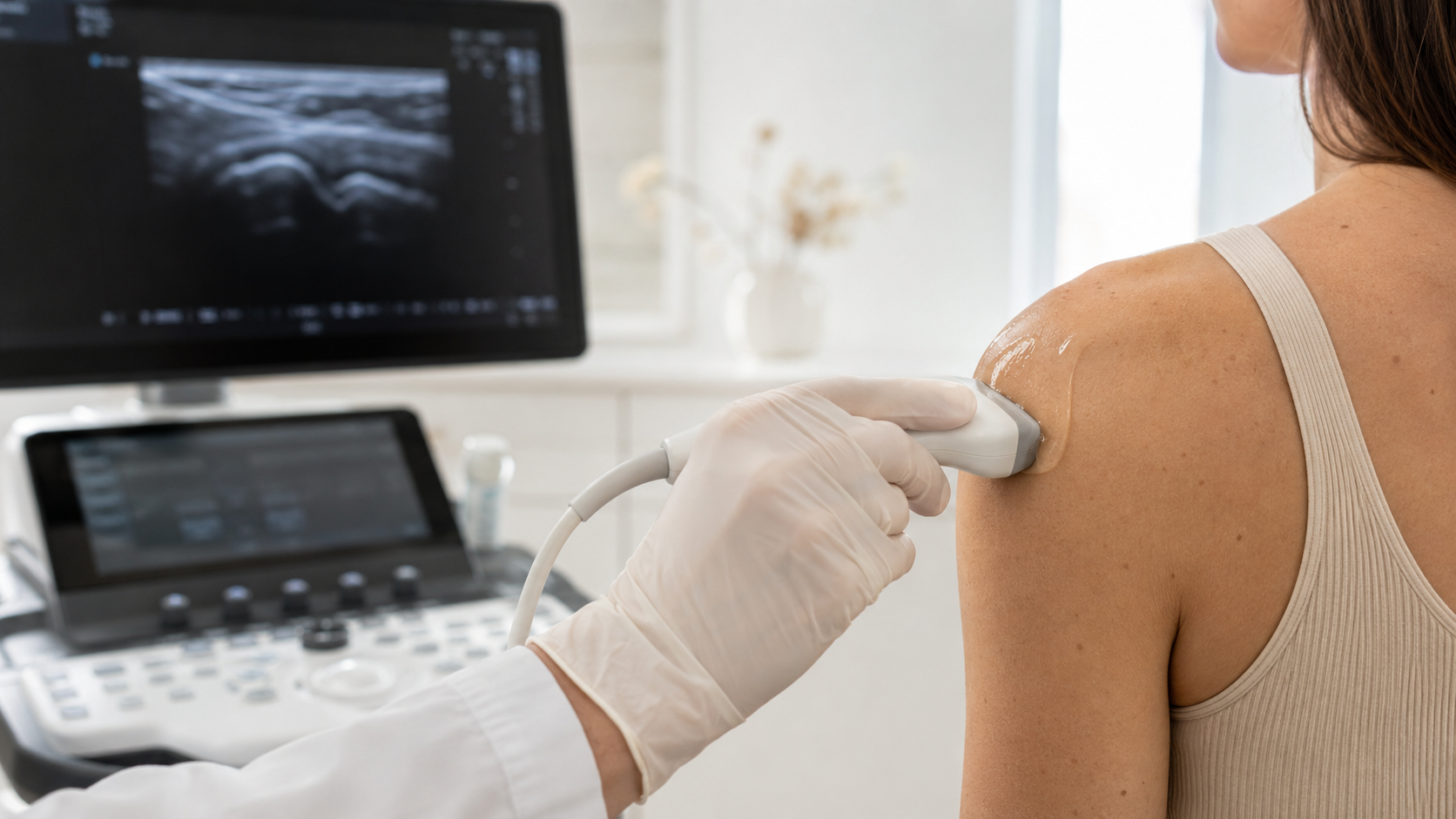
X-rays, MRI, and other imaging can help identify FAI anatomy, labral tears, cartilage injury, arthritis, or other structural concerns. However, imaging findings must be interpreted with the patient’s symptoms and exam. Some patients have FAI anatomy without pain. Others have groin pain from something outside the hip joint.
MPM evaluates the full pattern. This includes where pain is located, what movements trigger it, whether the hip catches or locks, how long symptoms have been present, what activities are limited, and whether prior physical therapy, injections, medications, or rest have helped. The exam may assess hip range of motion, strength, gait, impingement signs, pelvic mechanics, spine referral, and sacroiliac joint contribution.
Hip Impingement, Hypermobility, and Pelvic Mechanics
Hypermobility can make hip symptoms more complex. Patients with EDS or hypermobility spectrum disorder may have increased joint laxity, instability, muscle guarding, and altered load transfer. In these patients, hip pain may involve both impingement-like symptoms and instability-related stress.
Pelvic mechanics can also affect the hip. Anterior pelvic tilt, sacroiliac joint dysfunction, pelvic floor tension, and lumbar spine referral can all change how the hip feels during sitting, squatting, walking, or rotation. MPM evaluates these overlapping contributors so treatment is not focused only on the hip joint if the pain pattern is broader.
Treatment Options for Hip Impingement
Treatment depends on the diagnosis. Some patients begin with activity modification, physical therapy coordination, strengthening, movement retraining, and medication management. Therapy may focus on avoiding provocative positions, improving hip and core control, addressing pelvic mechanics, and gradually returning to activity.
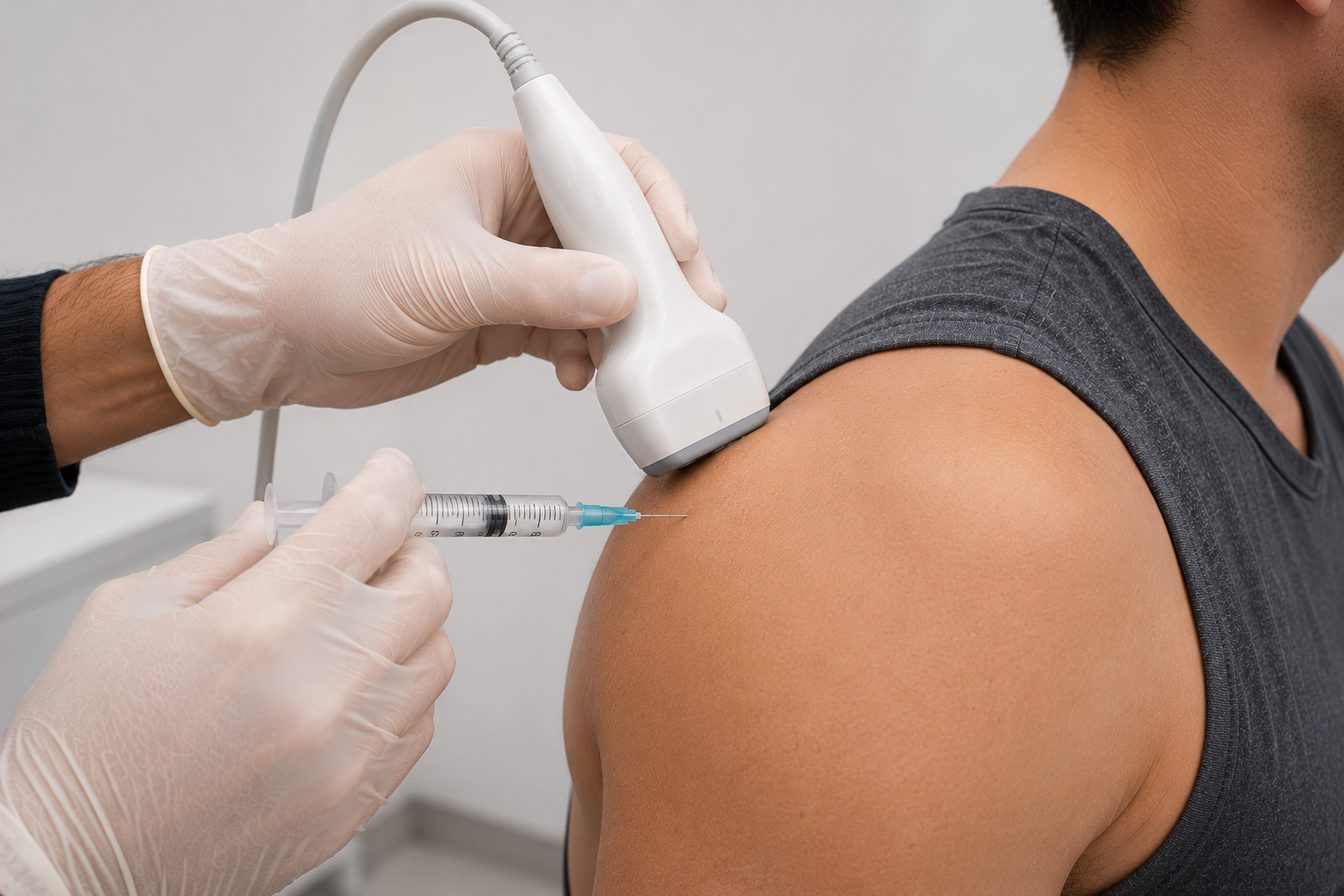
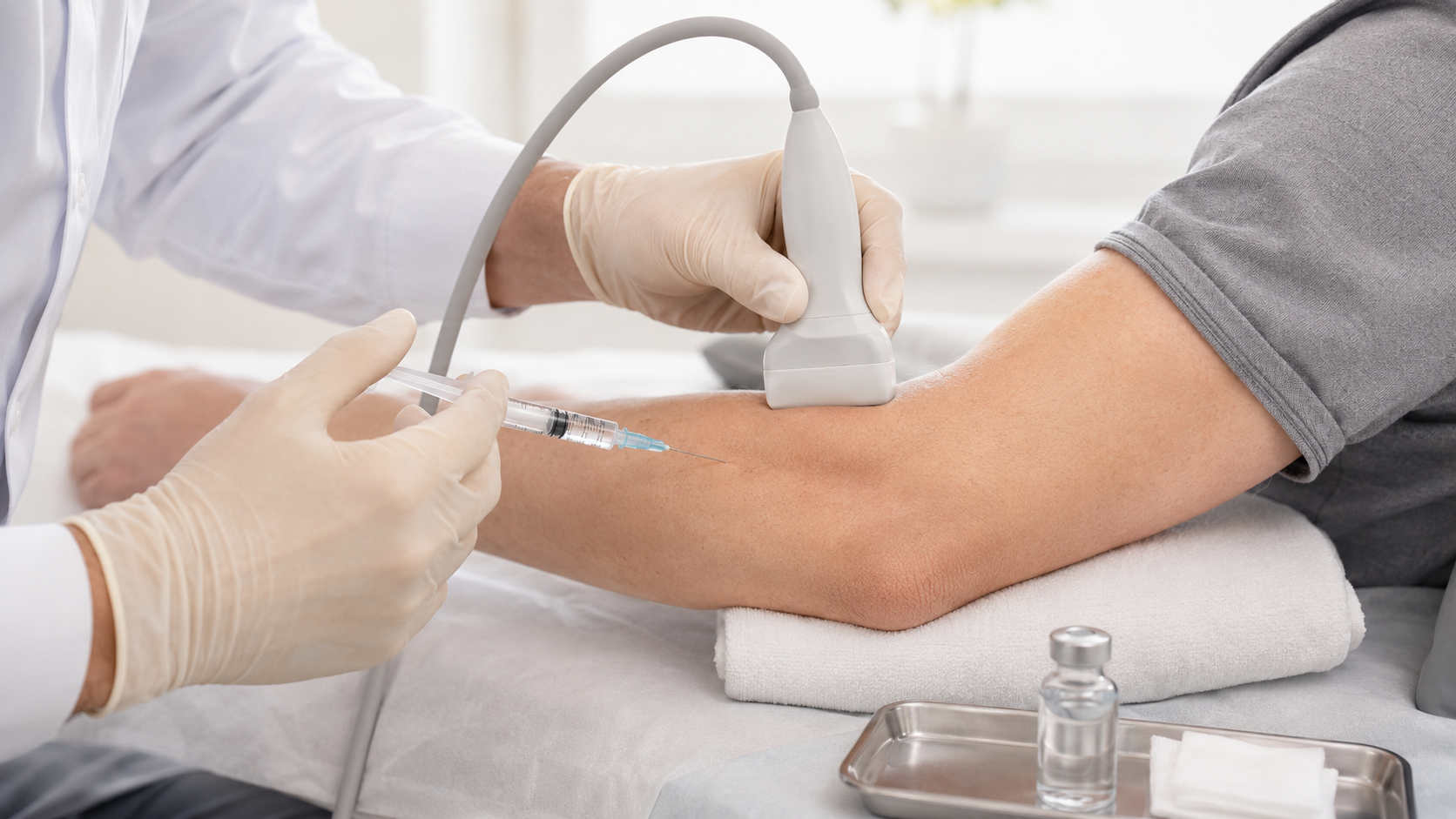
In selected cases, an ultrasound-guided or image-guided hip injection may be considered. A corticosteroid injection may help reduce inflammation and provide temporary pain relief. A diagnostic anesthetic injection may help determine whether pain is coming from inside the hip joint. HSS notes that hip joint injection with anesthetic and corticosteroid can provide pain relief and diagnostic information in patients whose FAI symptoms do not respond to initial care.
Regenerative and Interventional Options
Some patients ask about PRP, BMAC, prolotherapy, or regenerative medicine for hip impingement or labral tear pain. These options may be considered only after careful review of diagnosis, anatomy, imaging, severity, goals, risks, and evidence. They should not be described as guaranteed cartilage repair, labral healing, arthritis reversal, or a substitute for surgery when structural correction is medically indicated.
MPM uses regenerative discussions carefully. The question is not whether a treatment exists, but whether it matches the pain generator and the patient’s goals.
When Surgery May Be Needed
Some cases of hip impingement require orthopedic evaluation. Surgery may be considered when mechanical symptoms, labral tears, cartilage damage, or structural impingement continue to cause pain and functional limitation despite appropriate nonsurgical care.
MPM does not frame surgery as failure. For selected patients, hip arthroscopy or other orthopedic care may be the appropriate next step.
When Hip Pain Needs Timely Evaluation
Hip pain should be evaluated when it persists, worsens, limits walking or activity, causes catching or locking, follows trauma, or is associated with weakness, numbness, fever, severe night pain, unexplained weight loss, inability to bear weight, or rapidly worsening function. Hip pain can overlap with labral tears, hip arthritis, stress fracture, tendon injury, bursitis, sacroiliac dysfunction, lumbar radiculopathy, pelvic pain, infection, inflammatory arthritis, or vascular causes.
How MPM Approaches Hip Impingement Care
MPM approaches hip impingement through a diagnosis-first, coordinated model. The evaluation considers FAI anatomy, labral tears, cartilage injury, tendon pain, sacroiliac referral, spine referral, pelvic mechanics, hypermobility-related instability, muscle guarding, and chronic musculoskeletal pain contributors.
For patients looking for hip impingement treatment in Manhattan, MPM offers a careful, nonsurgical pain medicine perspective that can work alongside physical therapy, orthopedics, sports medicine, pelvic pain care, and rehabilitation. The goal is to identify the true pain source, clarify whether the hip joint is the main driver, and build a treatment plan that matches the patient’s anatomy, symptoms, risks, and goals.