
Conditions We Treat
At Manhattan Pain Medicine, conditions are not treated as isolated labels. Our team uses a diagnosis-first, protocol-driven approach to understand what is generating the pain, how it developed, and why it has not resolved, then selects care based on the underlying drivers.
What Are Zones of Expertise?
Our team organizes conditions and treatments into related zones of expertise to make it easier to explore the care paths most relevant to your symptoms and goals.
Use the zone tags above to browse dedicated pages for each focus area, including services, providers, and what to expect during treatment.
Expertise Built for Complex Pain
Explore the Zones of Expertise by clicking or tapping on a circle.


A Diagnosis-First Approach to Complex Conditions
Many pain conditions develop in layers. A primary driver may lead to compensation, guarding, nervous system sensitization, inflammation, or emotional distress over time. Our role is to separate those layers carefully, so treatment is guided by what is actually driving the pain rather than the symptom alone.
How We Evaluate Conditions
-
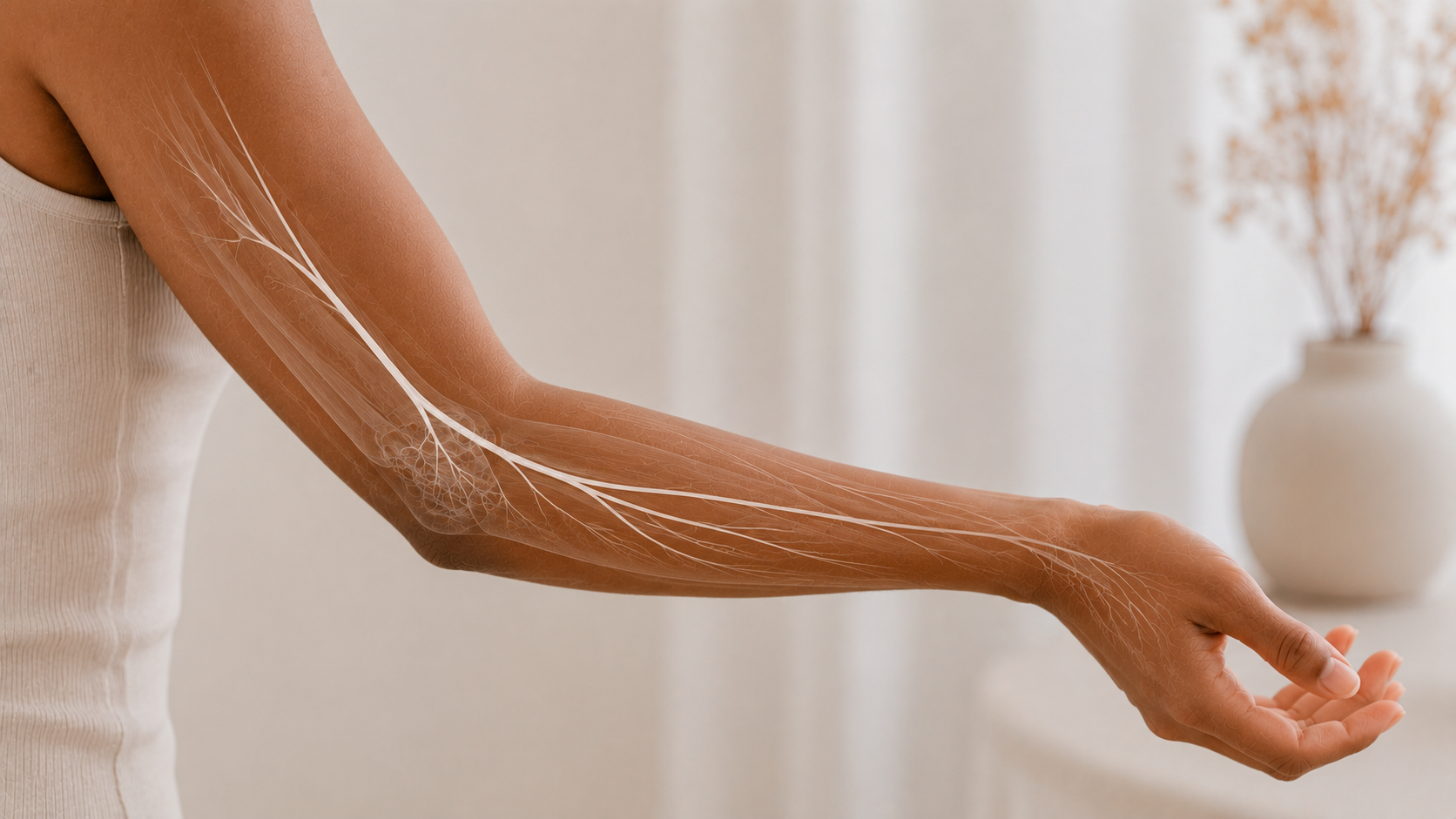
Peripheral Nerve Entrapment
Peripheral nerve entrapment can cause burning, electric pain, numbness, or weakness along a nerve’s path. We use the symptom distribution and movement or pressure triggers to localize compression and assess for other nerve or spine contributors.
-

Lupus
Lupus is an autoimmune disease that can cause flares of joint pain, fatigue, rashes, or inflammation in multiple organs. We assess how pain tracks with disease activity and look for other contributors that may need their own care.
-

Nutcracker Syndrome
Nutcracker syndrome involves compression of the left renal vein and can cause left flank pain, blood or protein in the urine, or pelvic congestion symptoms. We review how the pain, urinary findings, and imaging fit together and coordinate vascular evaluation when indicated.
-
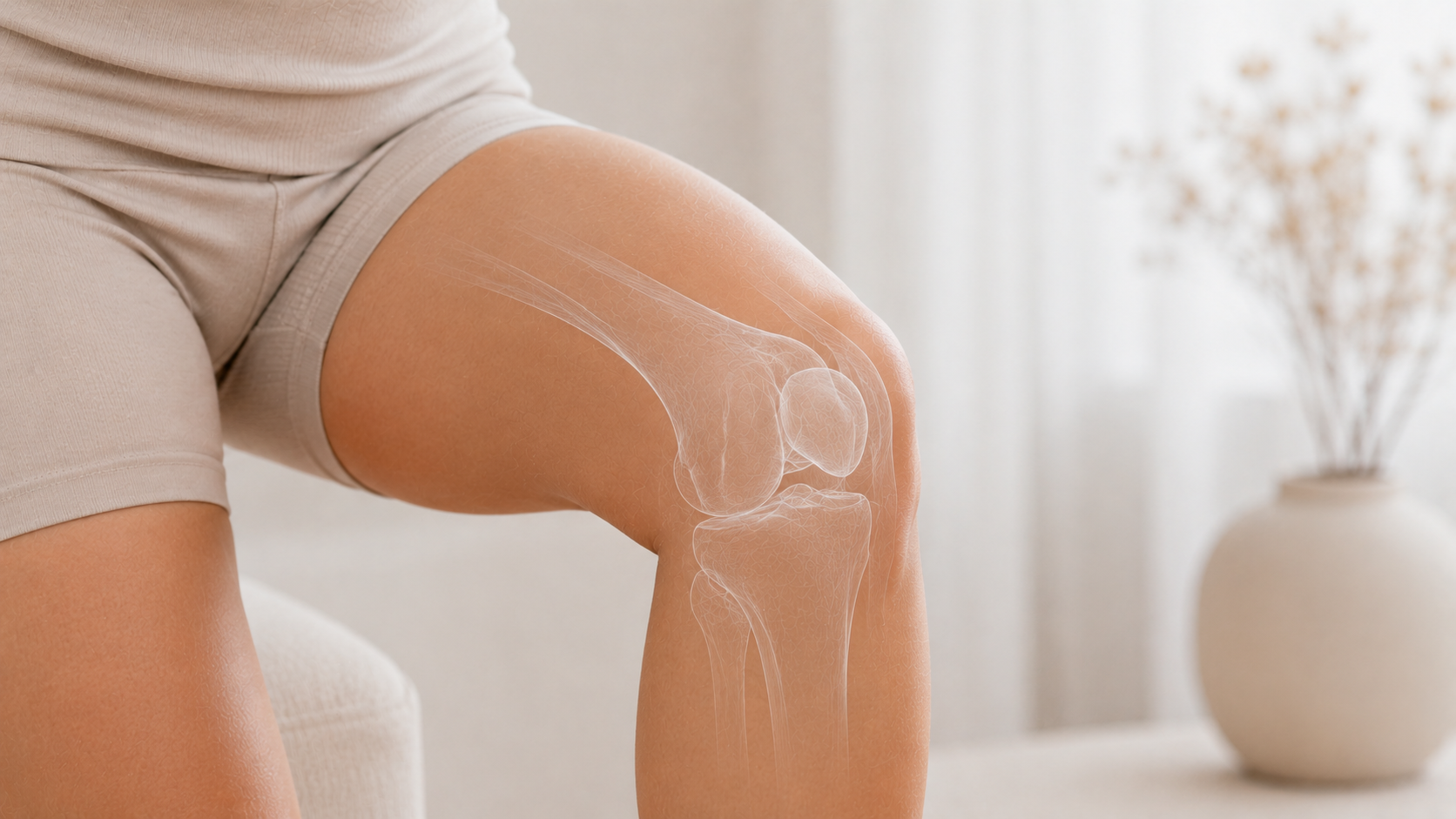
Patellofemoral Knee Pain
Patellofemoral pain is aching or stiffness around the kneecap, often worse on stairs, during squats, or after sitting. We assess how the kneecap and leg move under load and whether hip mechanics, training changes, or joint instability contribute.
-
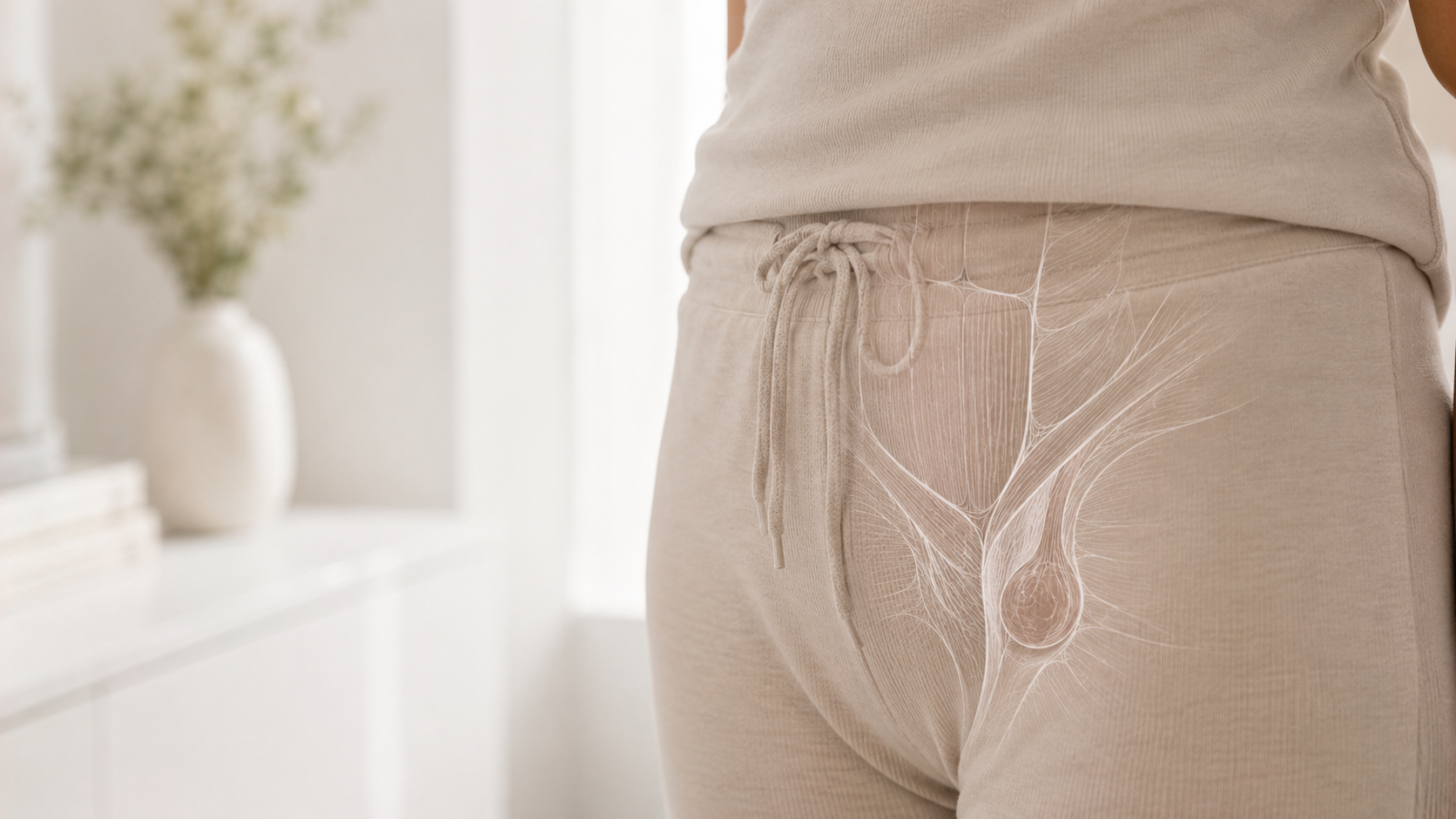
Hernia Pain
Hernias can cause pain in the abdomen, groin, pelvis, or upper thigh. We assess whether symptoms come from the hernia itself, abdominal wall nerve entrapment, pelvic floor dysfunction, a core muscle injury, or persistent nerve pain after a repair.
-
Persistent Genital Arousal Disorder (PGAD)
PGAD can cause persistent, unwanted genital arousal, tingling, pressure, or burning without sexual desire. We assess pelvic floor function, look for pudendal or sacral nerve irritation, and review spine and autonomic symptoms, medication history, and pelvic pain.
-
Spinal Stenosis
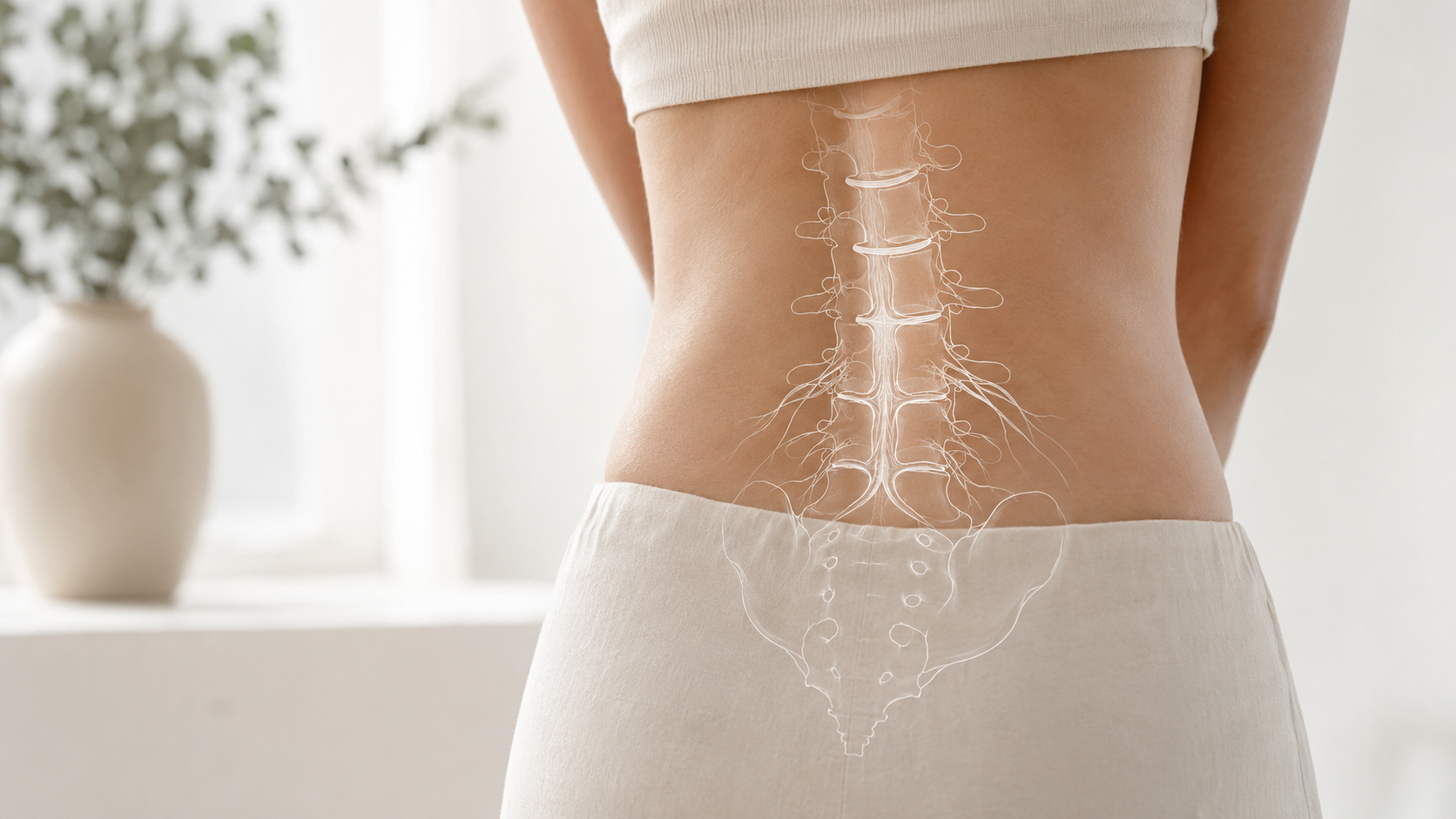
Spinal stenosis narrows the spaces around spinal nerves and can cause limb pain, numbness, weakness, or difficulty walking. We compare imaging with your exam and activity triggers to see whether the narrowing explains your symptoms and identify other sources of pain.
-

Medical PTSD
Medical PTSD can cause panic, avoidance, flashbacks, muscle tension, or pain flares after distressing medical experiences. We explore which situations trigger symptoms and how they affect daily life, pain, and your ability to engage in care.
-

Psoriasis and Psoriatic Arthritis
Psoriatic arthritis can affect joints, tendon attachments, and the SI joints in people with psoriasis. We review skin symptoms, morning stiffness, and the pattern of joint or tendon pain to assess inflammation and identify overlapping sources of pain.
-

Headache and Migraine
Headache and migraine can overlap with pain from the neck, jaw, or facial nerves, and may occur alongside autonomic symptoms, inflammation, or hypermobility. We look at timing, triggers, and associated symptoms to identify each contributor before choosing care.
-

Positional Orthostatic Tachycardia Syndrome (POTS)
POTS is an autonomic disorder that can cause a rapid heart rate on standing, dizziness, fatigue, brain fog, or digestive symptoms. We review how symptoms change with posture and how they overlap with chronic pain or hypermobility to guide further evaluation.
-
Disc Herniations
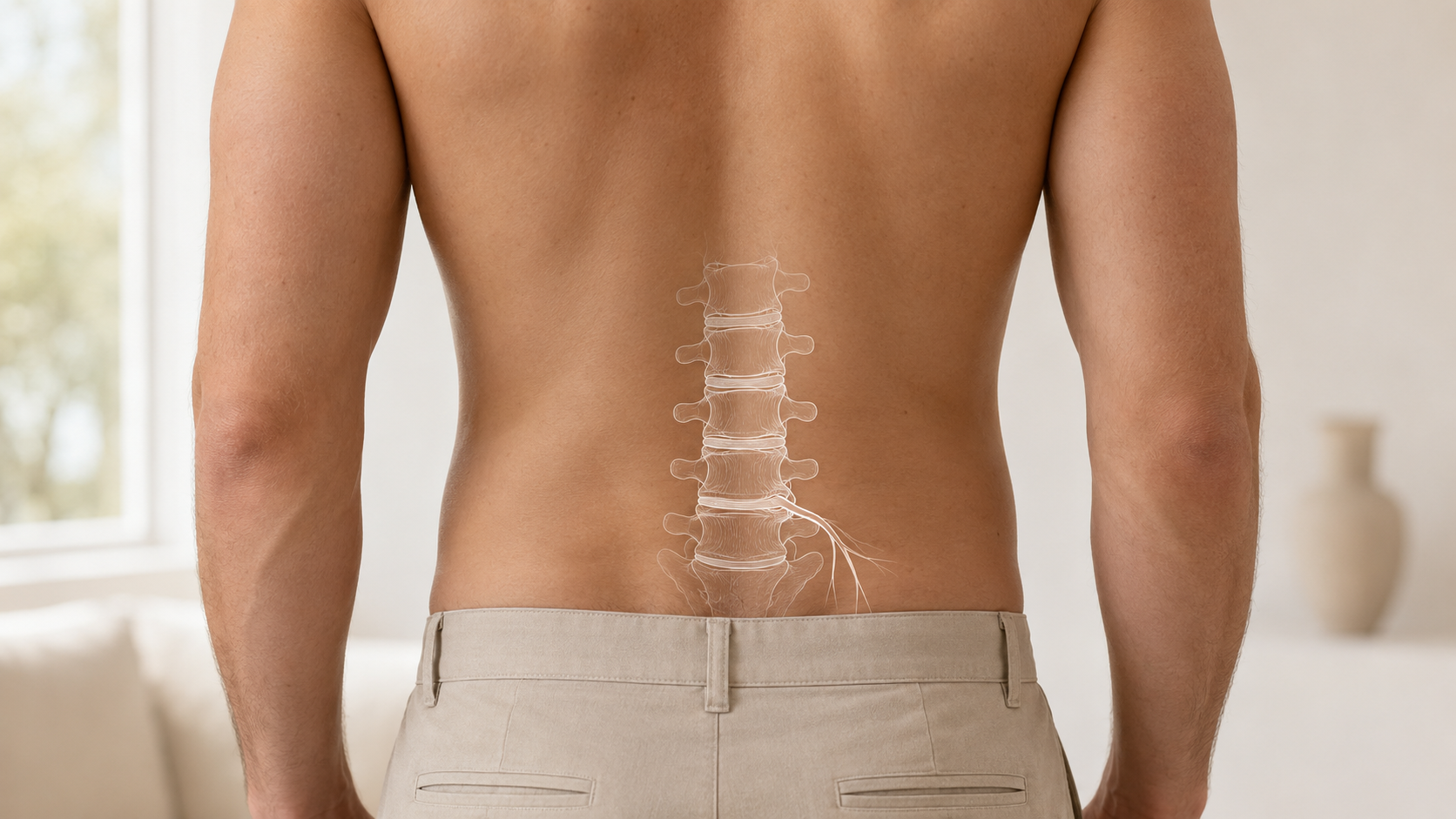
A herniated spinal disc can irritate a nerve root, causing pain, numbness, or weakness into an arm or leg. We match the MRI with your symptoms and exam to see whether the disc explains the pattern and check for other sources such as stenosis or facet joint pain.