Persistent Genital Arousal Disorder (PGAD)
Persistent Genital Arousal Disorder, often abbreviated PGAD, is a genito-pelvic sensory condition involving persistent, unwanted genital arousal sensations that are not connected to sexual desire. Symptoms may include genital tingling, throbbing, pressure, burning, fullness, sensitivity, pulsing, discomfort, or arousal-like sensations that feel intrusive or difficult to relieve.
PGAD can be physically uncomfortable and emotionally distressing. Many patients feel isolated because the symptoms are private, difficult to describe, and often misunderstood. Some patients have been dismissed or told the symptoms are purely psychological, even when there may be pelvic nerve, pelvic floor, spine, autonomic, medication-related, or chronic pain contributors.
MPM approaches PGAD with discretion, clinical precision, and respect. The goal is to understand the symptom pattern, identify possible drivers, coordinate care, and create a treatment plan based on the likely pain or sensory generator.
PGAD vs Sexual Desire
PGAD is not the same as sexual desire. A patient may experience genital arousal-like sensations without wanting sexual activity and without feeling emotionally or psychologically aroused. The sensations may be persistent, intrusive, unwanted, and distressing.
This distinction is essential. PGAD should not be framed as a behavioral issue, moral issue, or sexual desire issue. It is better understood as a genito-pelvic sensory condition that may involve nerves, muscles, medications, autonomic function, chronic pain pathways, or multiple overlapping contributors.
What PGAD Can Feel Like
PGAD symptoms vary by patient. Some describe tingling, throbbing, pulsing, pressure, swelling sensations, burning, heightened sensitivity, pelvic discomfort, or persistent genital arousal sensations. Others describe pain, dysesthesia, urinary discomfort, bowel symptoms, sitting intolerance, or pelvic floor tightness.
Symptoms may involve the clitoris, vulva, vagina, penis, scrotum, perineum, rectum, pelvis, bladder, urethra, buttocks, sacrum, or inner thighs. Symptoms may worsen with sitting, pressure, stress physiology, movement, certain clothing, sexual activity, bowel movements, urination, medication changes, or flares of pelvic pain.
PGAD, Genito-Pelvic Dysesthesia, and Pelvic Nerve Pain
The term genito-pelvic dysesthesia is sometimes used because many patients experience abnormal genital or pelvic sensations rather than true arousal. Dysesthesia means an abnormal, unpleasant, or uncomfortable sensation.
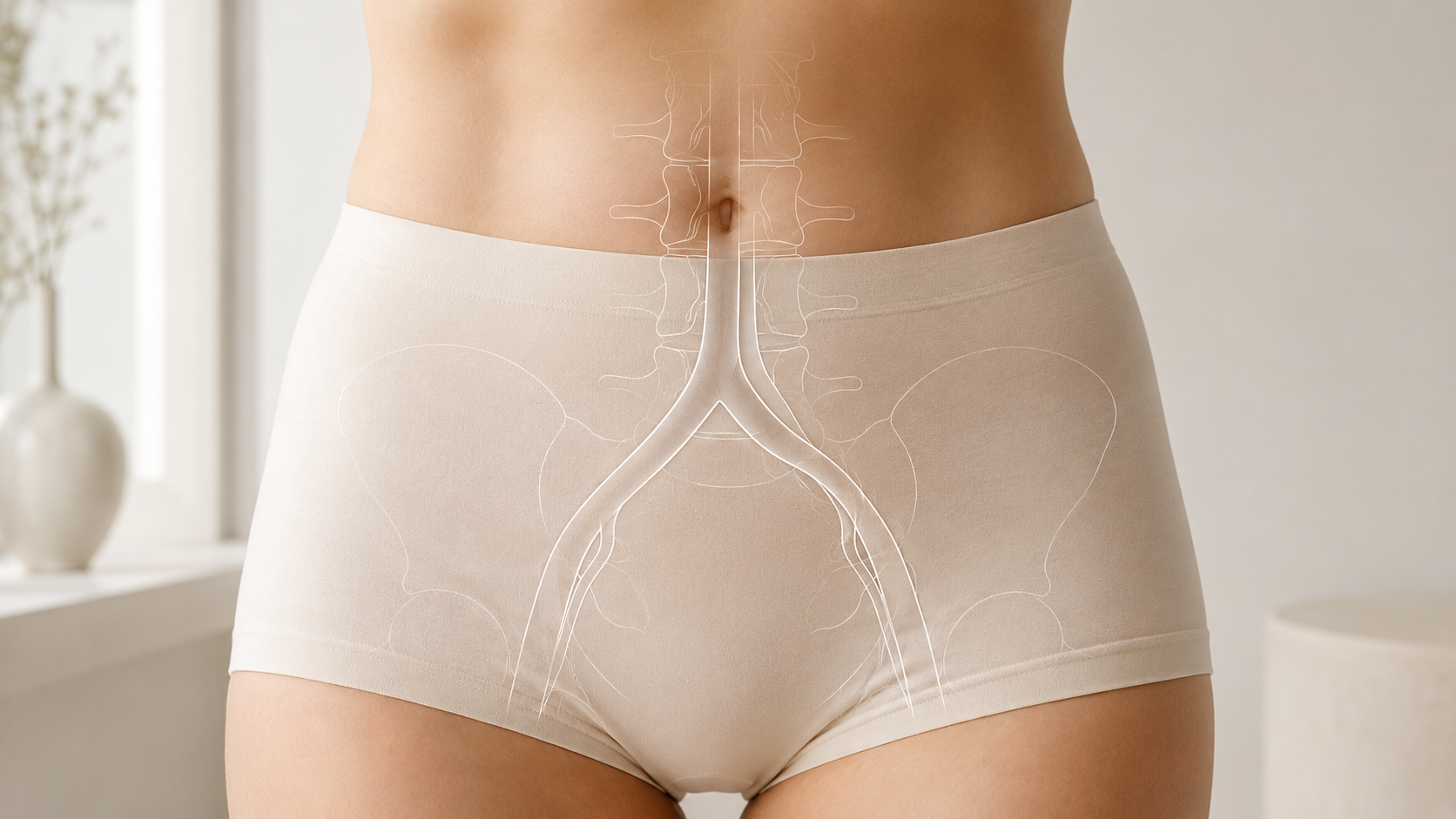
Pelvic nerve irritation may contribute to these sensations in some patients. The pudendal nerve, sacral nerve roots, peripheral pelvic nerves, and autonomic pathways may all be considered depending on the symptom pattern. This does not mean every case of PGAD is caused by a nerve entrapment, but nerve-related contributors should be evaluated when symptoms suggest them.
PGAD and Pudendal Neuralgia
PGAD can overlap with pudendal neuralgia. The pudendal nerve carries sensation from parts of the perineum, genitals, and rectal region. When irritated or sensitized, it may contribute to burning, tingling, electric pain, pressure, hypersensitivity, rectal pain, genital pain, or sitting-related symptoms.
Some patients with pudendal neuralgia-like symptoms also report arousal-like sensations. Others have pelvic floor muscle overactivity that irritates the pudendal nerve. MPM evaluates the nerve pattern, pelvic floor pattern, sitting triggers, sensory distribution, prior pelvic therapy response, and possible musculoskeletal contributors before recommending treatment.
PGAD and Pelvic Floor Dysfunction
Pelvic floor dysfunction can contribute to PGAD-like symptoms in selected patients. When the pelvic floor muscles are overactive, tight, poorly coordinated, or unable to relax, they may increase pressure around pelvic nerves and soft tissues.
Patients may experience pelvic tightness, spasms, burning, pressure, painful intercourse, constipation, urinary urgency, bladder discomfort, or pain with sitting. Pelvic floor therapy may help some patients, but if symptoms persist, it is important to evaluate whether there are additional contributors such as pudendal nerve irritation, sacral nerve involvement, SI joint dysfunction, hip impingement, endometriosis, fibroids, or small fiber neuropathy.
PGAD, Pelvic Dystonia, and Muscle Overactivity
Pelvic dystonia refers to involuntary or dystonia-like pelvic floor muscle overactivity. In some patients, pelvic muscle spasm and difficulty relaxing may contribute to unwanted genital sensations, pelvic pain, pressure, burning, urinary symptoms, bowel symptoms, or sexual pain.
Pelvic dystonia may be primary or reactive. It can develop in response to chronic pelvic pain, pudendal nerve irritation, endometriosis, fibroids, constipation, hip pain, SI joint pain, trauma, surgery, childbirth, or hypermobility-related pelvic mechanics.
PGAD and Spine, Disc, or Sacral Nerve Issues
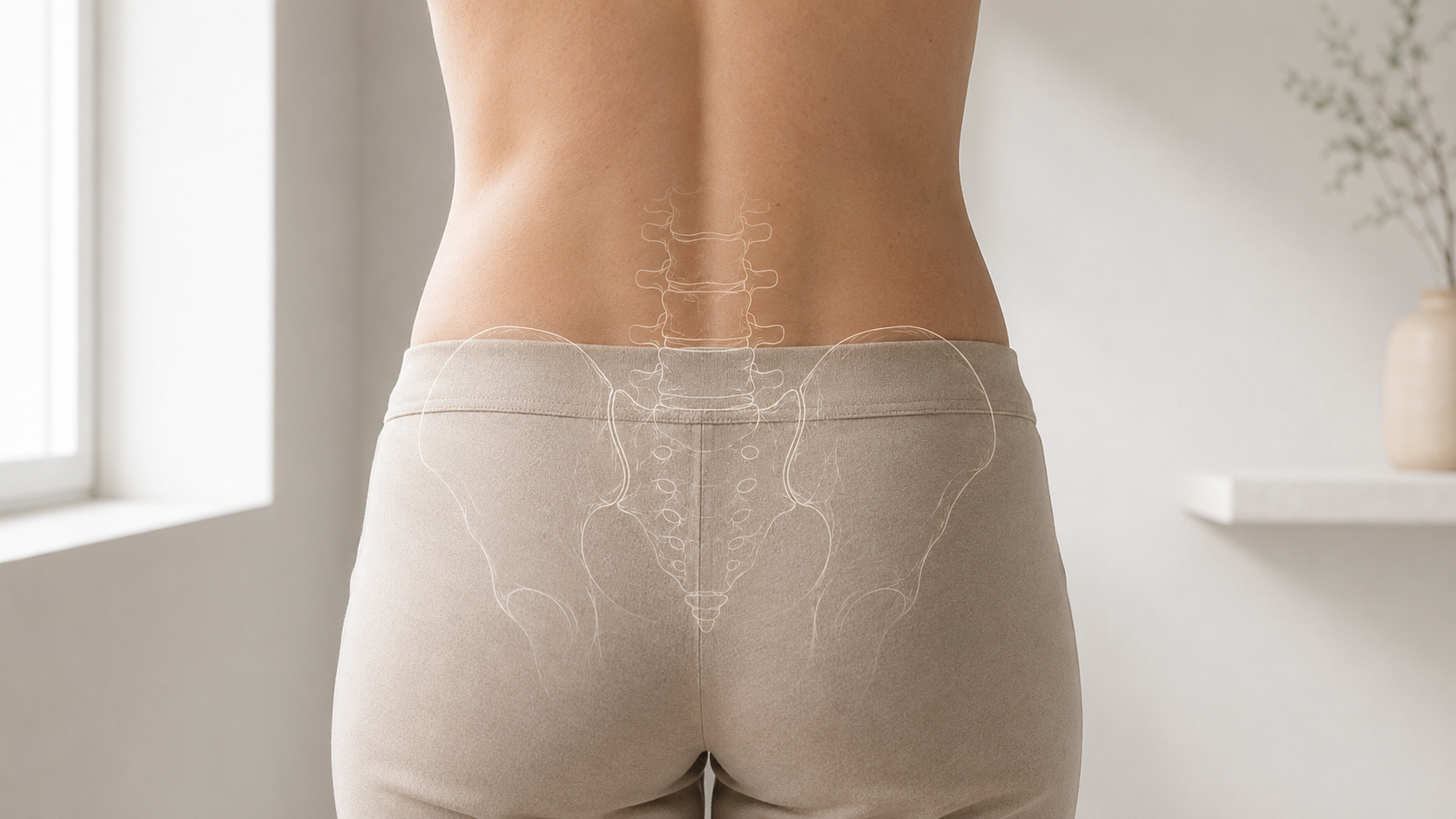
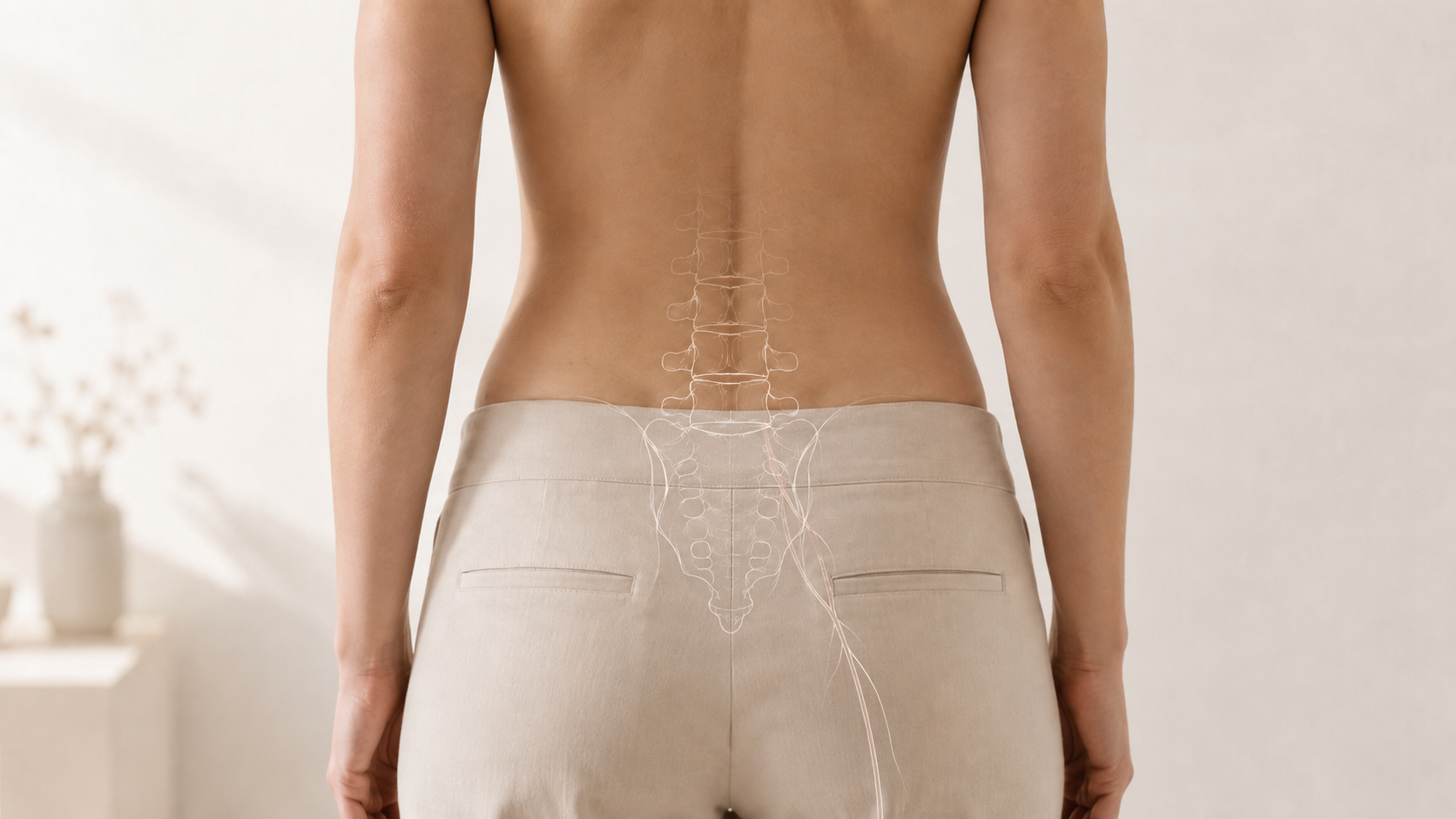
PGAD-like symptoms may overlap with spine or sacral nerve issues in selected patients. Sacral nerve roots help carry sensory signals from the pelvis and genital region. Irritation in this region may contribute to abnormal pelvic or genital sensations.
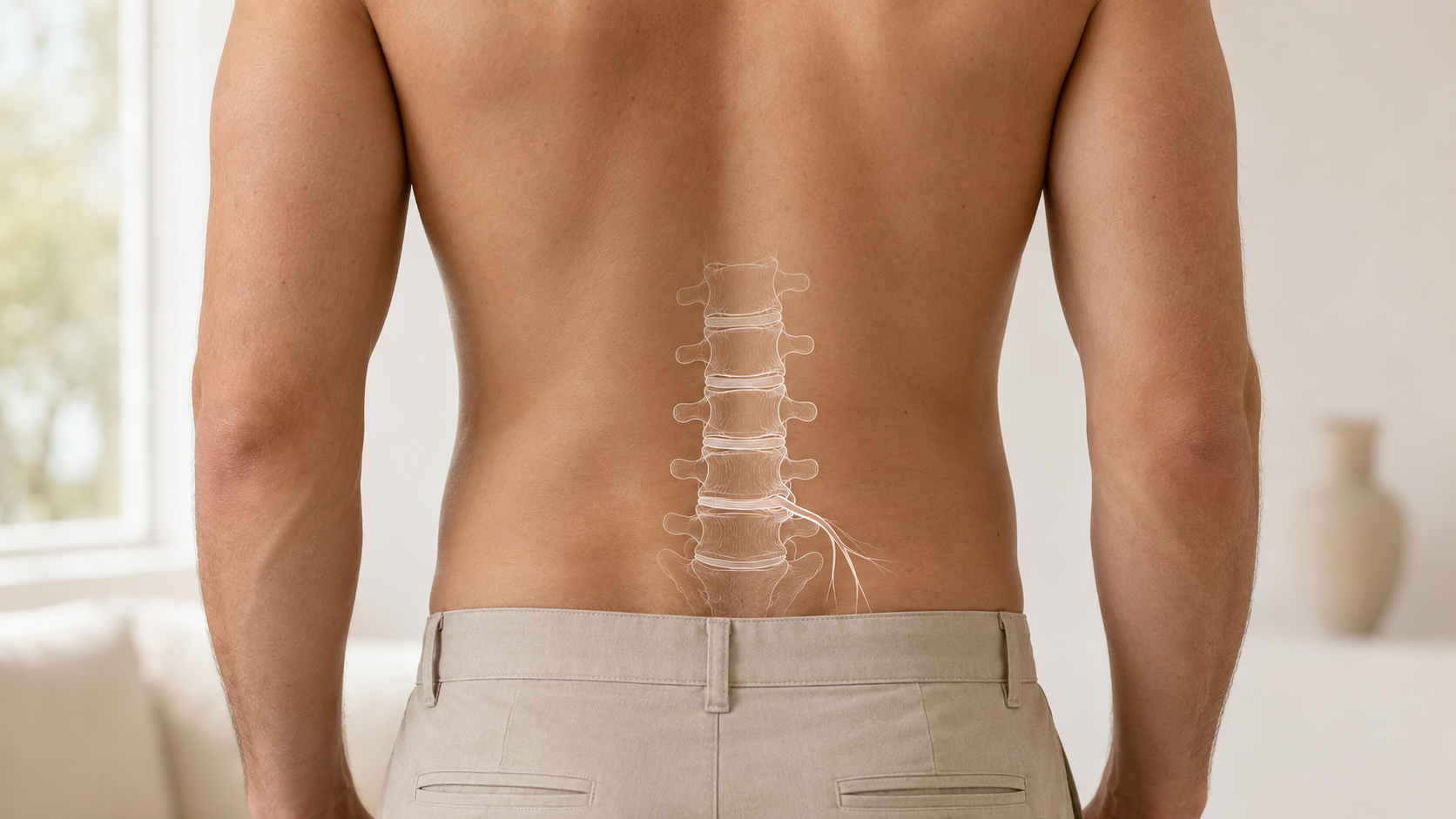
Disc herniations, sciatica-like symptoms, sacral nerve irritation, Tarlov cysts, tethered cord concerns, or other spine-related findings may be considered when symptoms include low back pain, sacral pain, leg symptoms, numbness, tingling, bowel or bladder changes, or positional flares.
Imaging findings require careful interpretation. A disc finding, cyst, or other structural change does not automatically prove the cause of PGAD, but it may be relevant when symptoms and exam findings align.
PGAD, Small Fiber Neuropathy, and Autonomic Symptoms
Small fiber neuropathy can affect sensory and autonomic small nerve fibers. In some patients, this may contribute to burning, tingling, temperature sensitivity, abnormal sensations, autonomic symptoms, bowel or bladder changes, sweating changes, dizziness, heart rate symptoms, or widespread sensory amplification.
PGAD-like symptoms may also overlap with autonomic dysfunction, MCAS, hypermobility, EDS, and chronic pain sensitization. These relationships are complex and should be evaluated carefully rather than assumed.
PGAD and Medication Changes
Medication changes have been reported as possible triggers in some PGAD cases, including changes involving antidepressants or medication withdrawal. Medication history matters because nervous system symptoms can shift after starting, stopping, or changing certain medications.
Patients should not stop or change medications without clinician supervision. MPM reviews medication history as part of the broader evaluation and coordinates with the prescribing clinician, psychiatry, primary care, neurology, or other specialists when appropriate.
PGAD, Endometriosis, Fibroids, and Chronic Pelvic Pain
Endometriosis and fibroids can overlap with pelvic floor dysfunction, pelvic nerve irritation, pelvic pain, painful intercourse, bowel symptoms, bladder symptoms, and chronic pelvic sensitization. In some patients, these conditions may coexist with PGAD-like symptoms or increase pelvic floor guarding.
MPM does not replace gynecology or gynecologic treatment. Instead, MPM evaluates pain and sensory contributors that may persist alongside gynecologic conditions, including pudendal neuralgia, pelvic floor dysfunction, SI joint dysfunction, hip impingement, sacral nerve irritation, abdominal wall pain, and chronic pain mechanisms.
PGAD, SI Joint Dysfunction, Hip Pain, and Pelvic Mechanics
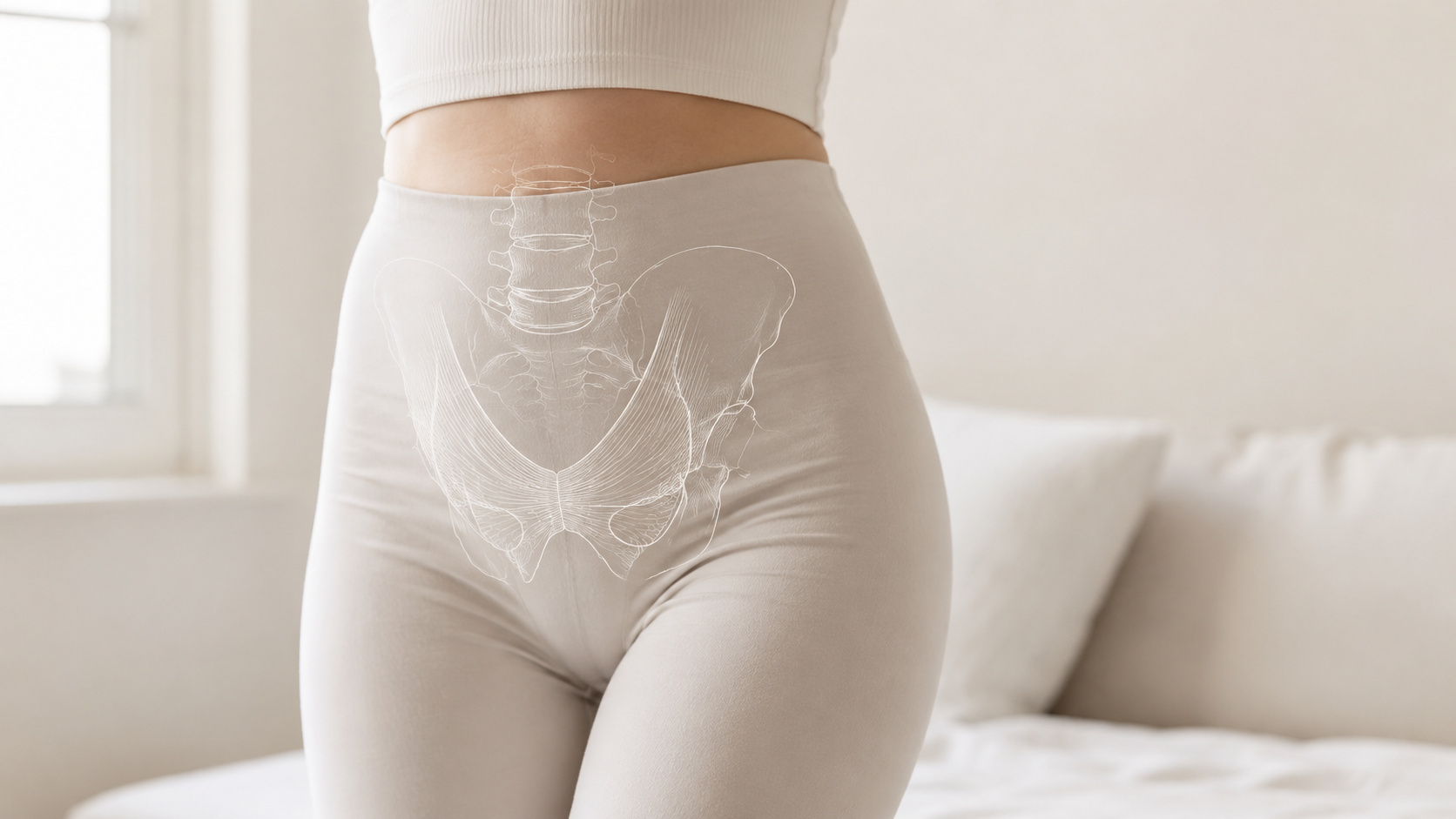
The pelvis functions as a connected system. Sacroiliac joint dysfunction, hip impingement, anterior pelvic tilt, pelvic instability, chronic constipation, muscle guarding, and altered gait can all influence pelvic floor tone and pelvic nerve sensitivity.
For some patients, the genital symptoms are part of a broader pelvic pain pattern that also includes hip pain, buttock pain, low back pain, SI joint pain, tailbone pain, or sitting intolerance. MPM evaluates these contributors together rather than treating PGAD in isolation.
PGAD, Hypermobility, and EDS
In selected patients, hypermobility spectrum disorder or Ehlers-Danlos syndrome may contribute to pelvic mechanics, SI joint instability, hip instability, ligamentous strain, protective muscle guarding, and nerve sensitivity. These factors may increase the complexity of pelvic pain and genito-pelvic symptoms.
This does not mean that every patient with PGAD has hypermobility or EDS. MPM considers these diagnoses when the history suggests joint instability, recurrent injuries, pelvic instability, dysautonomia, MCAS-like symptoms, or widespread connective tissue-related pain.
Why PGAD Is Often Misunderstood
PGAD is often misunderstood because symptoms are private, difficult to describe, and easily mischaracterized. Patients may feel ashamed or afraid to bring up symptoms. Some may avoid care because they worry they will not be believed.
A medically respectful evaluation is important. PGAD symptoms should be taken seriously, assessed discreetly, and evaluated in the context of pelvic nerve function, pelvic floor mechanics, spine and sacral nerve pathways, medication history, autonomic symptoms, chronic pelvic pain, and psychological distress.
How MPM Evaluates PGAD
MPM begins with a detailed symptom map. This includes the location of sensations, quality of symptoms, triggers, duration, sitting tolerance, pelvic pain, sexual pain, bladder symptoms, bowel symptoms, pelvic floor therapy history, medication history, antidepressant changes, spine symptoms, sacral symptoms, hip pain, SI joint symptoms, gynecologic history, prior imaging, prior procedures, and prior treatment response.
The evaluation may consider pudendal neuralgia, pelvic floor dysfunction, pelvic dystonia, anterior pelvic tilt, sacroiliac joint dysfunction, hip impingement, May Thurner Syndrome, Nutcracker Syndrome, chronic constipation, enthesitis, EDS, hypermobility spectrum disorder, sciatica and herniated discs, disc herniations, endometriosis, fibroids, small fiber neuropathy, MCAS, autonomic dysfunction, medication effects, and chronic pain sensitization.
Treatment Options for PGAD
Treatment depends on the diagnosed contributors. Some patients may benefit from pelvic floor therapy coordination, medication management, pain psychology, biofeedback, acupuncture, Feldenkrais, bowel or bladder coordination, medication review, and treatment of contributing hip, SI joint, spine, gynecologic, or musculoskeletal drivers.
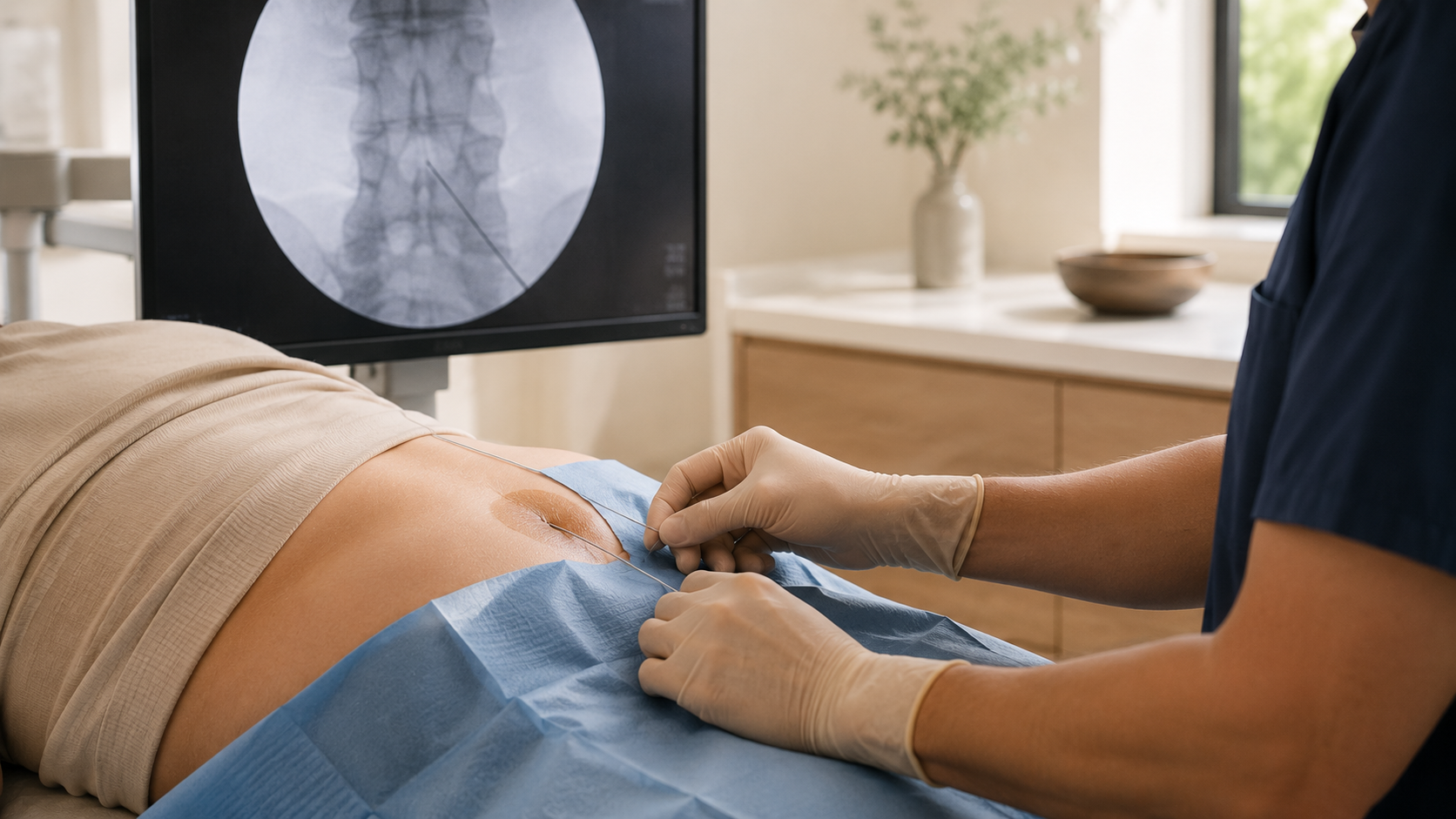
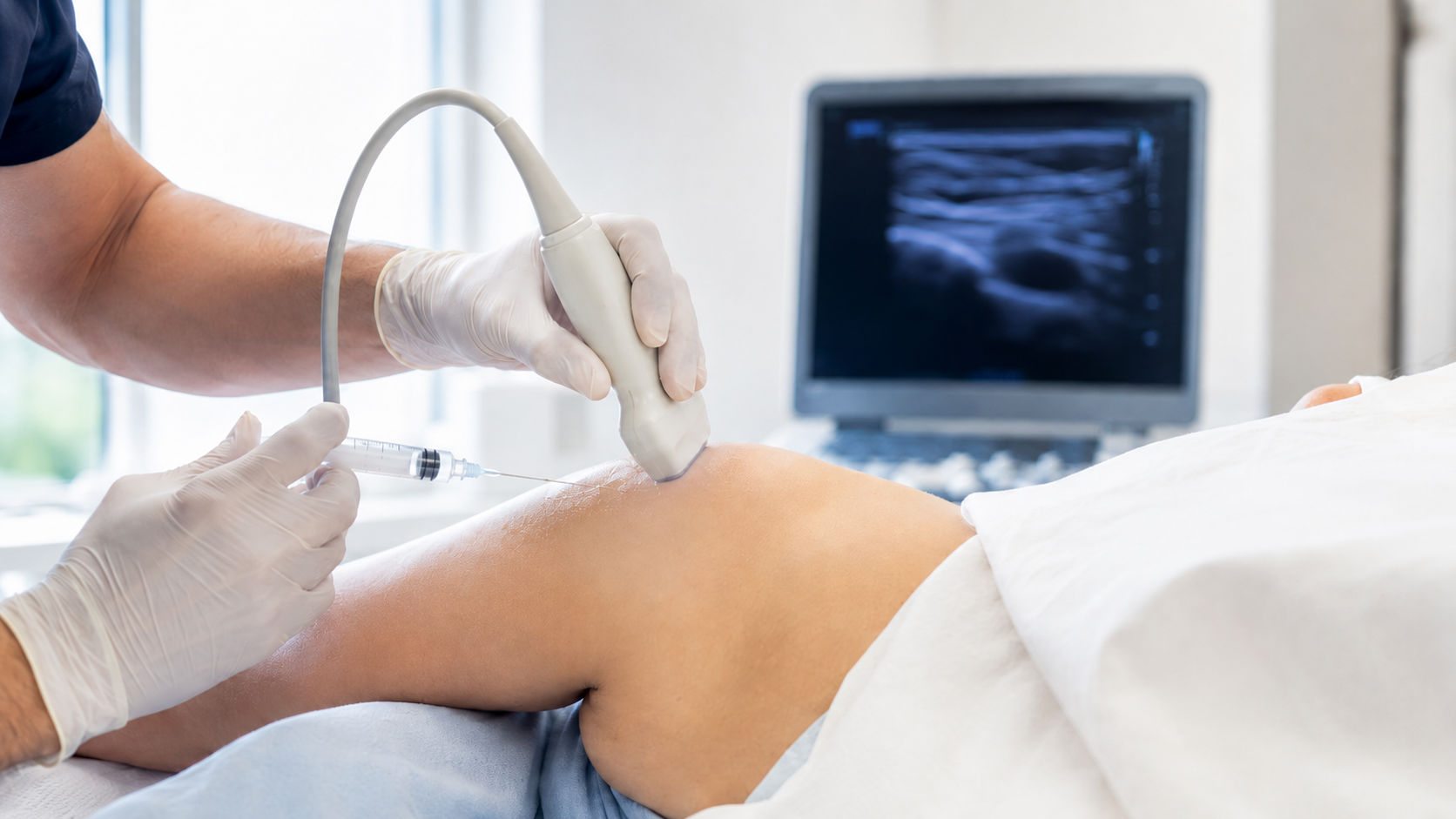
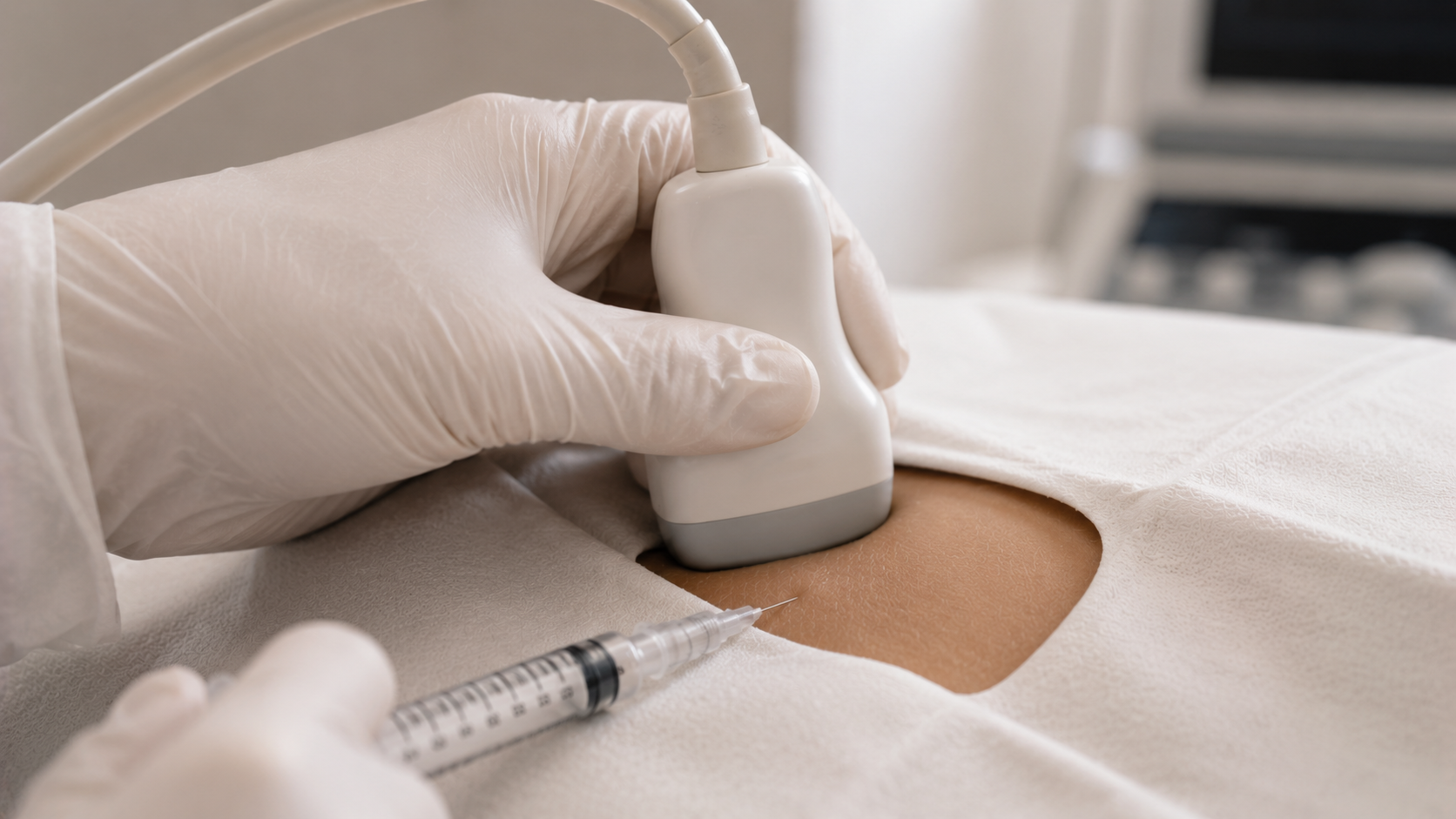
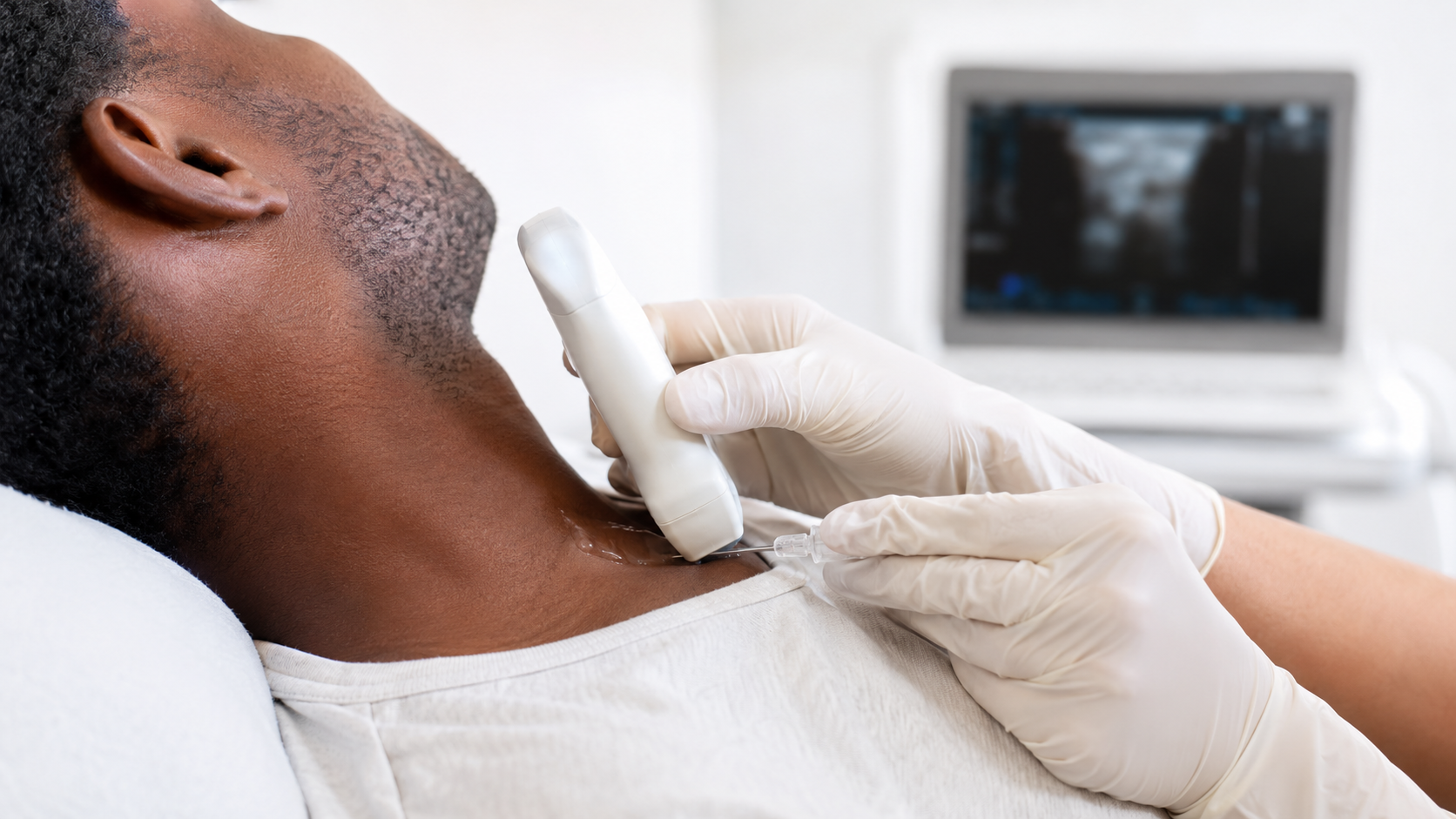
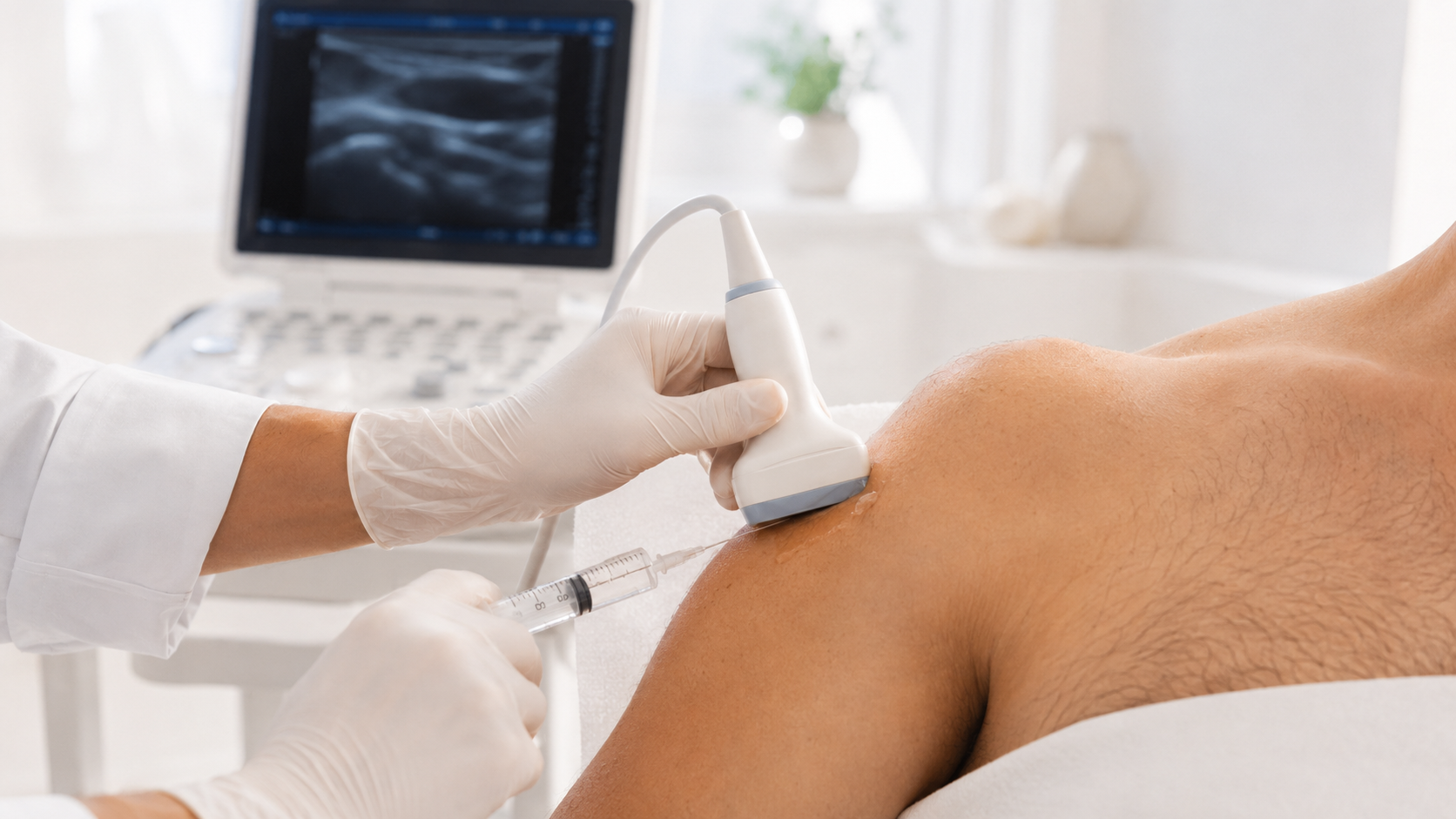
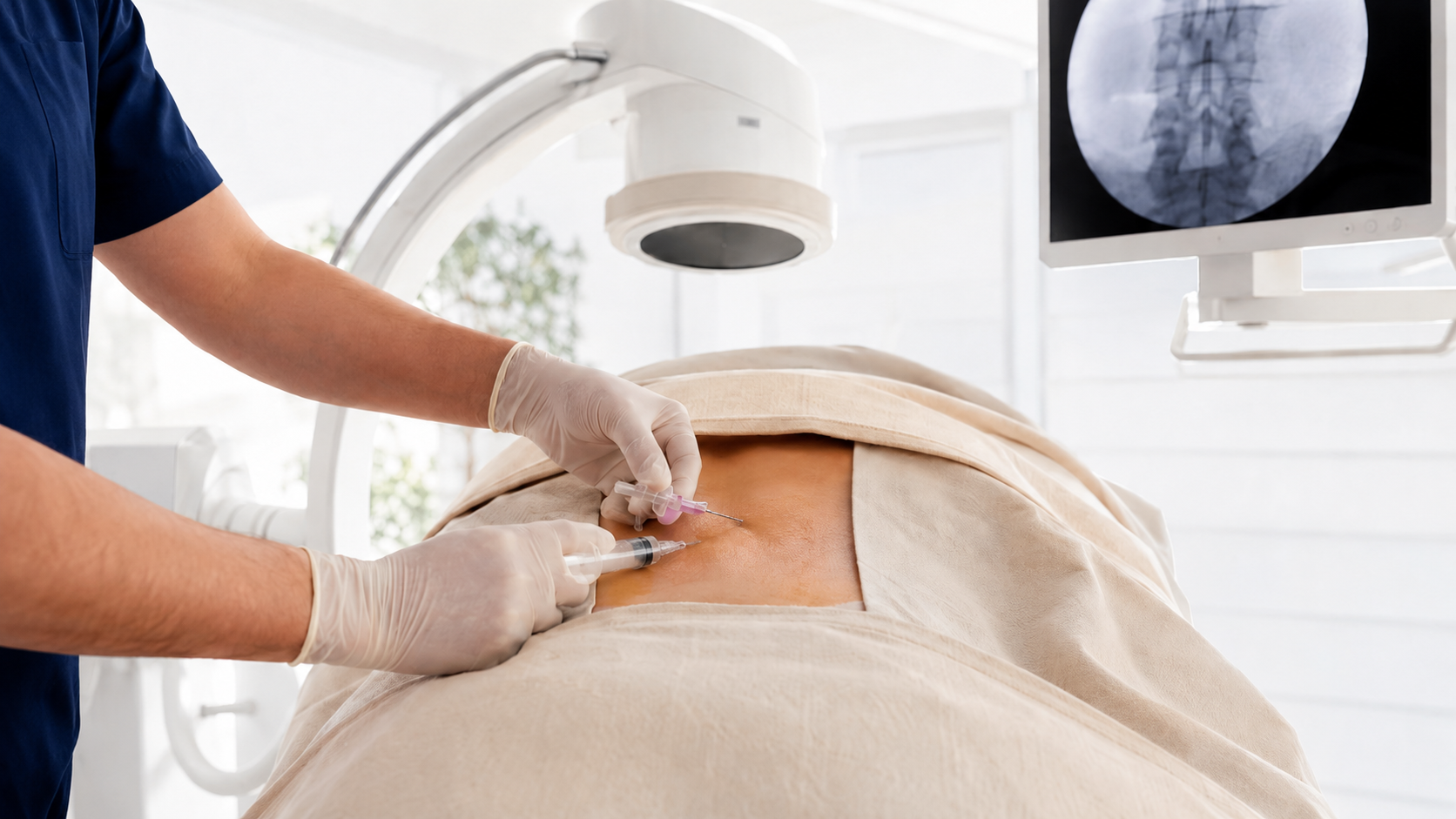
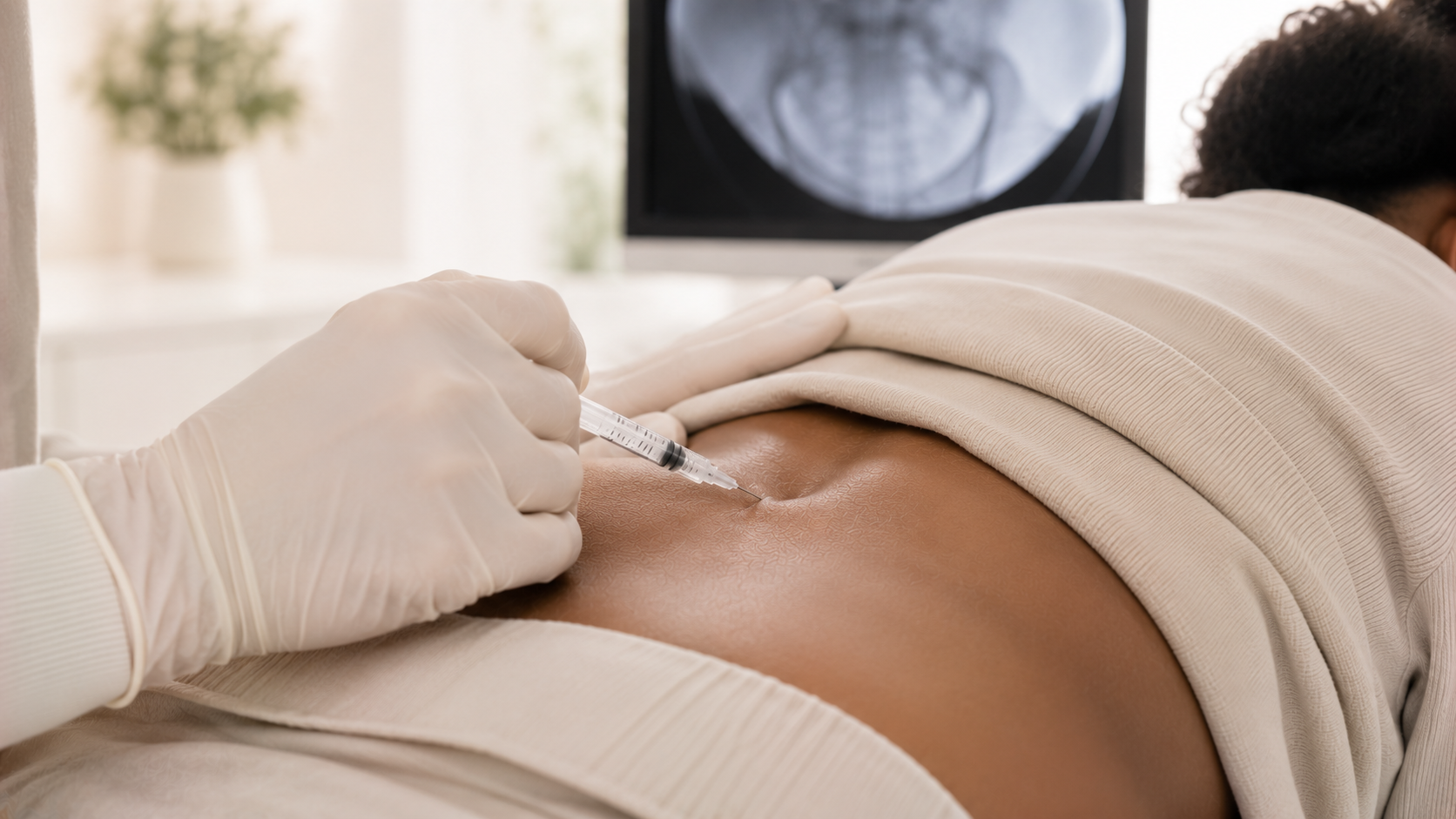
Selected patients may be considered for pelvic floor trigger point injections, pudendal nerve block, peripheral nerve blocks, nerve hydrodissection, ganglion impar block, superior hypogastric plexus block, lumbar sympathetic blocks, sympathetic blocks, epidural injections, lidocaine or ketamine-related treatments, peripheral nerve stimulation, dorsal root ganglion stimulation, spinal cord stimulation, or other neuromodulation approaches. These options are not routine for every patient.
When Pudendal Nerve Blocks May Be Considered
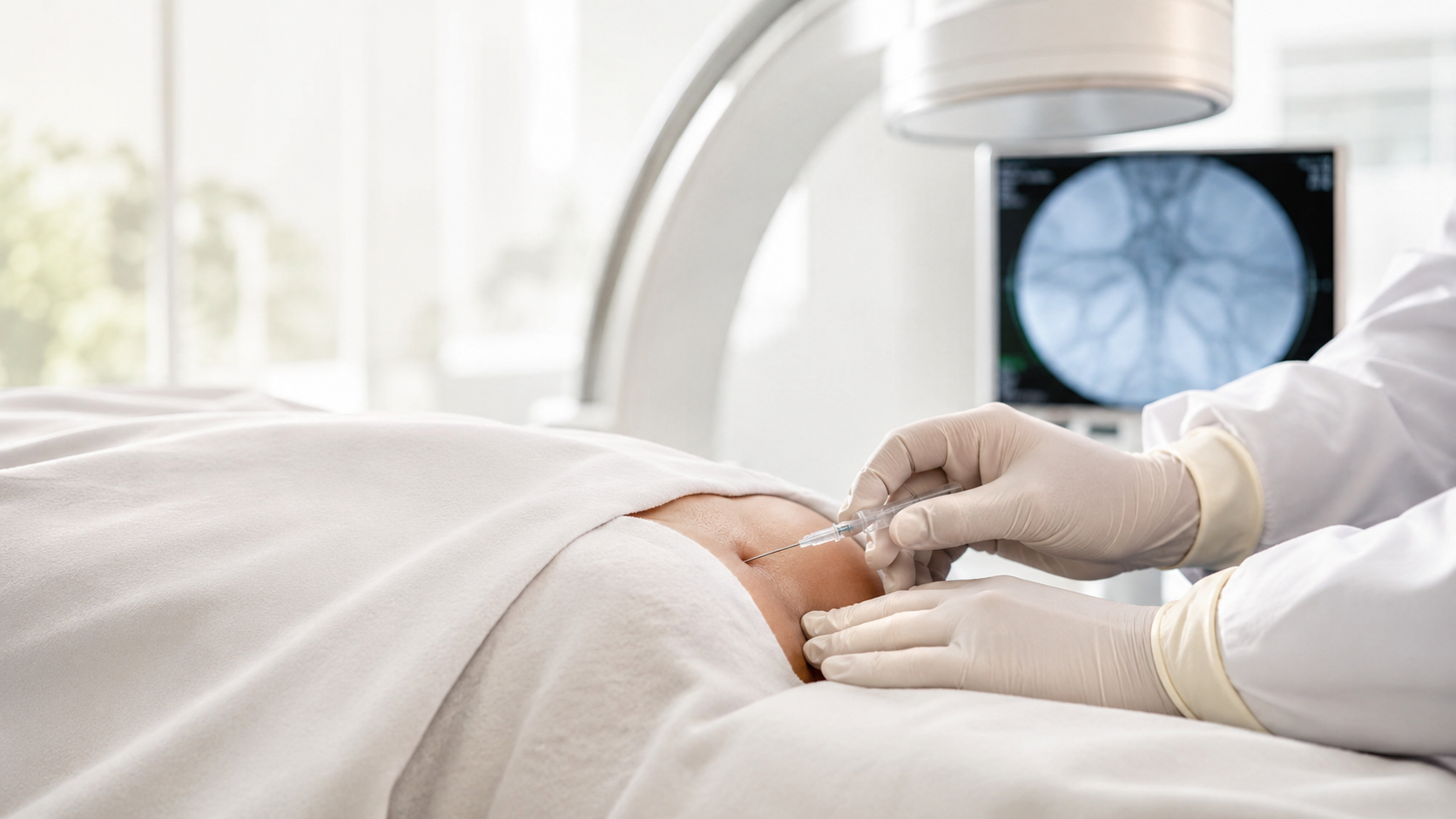
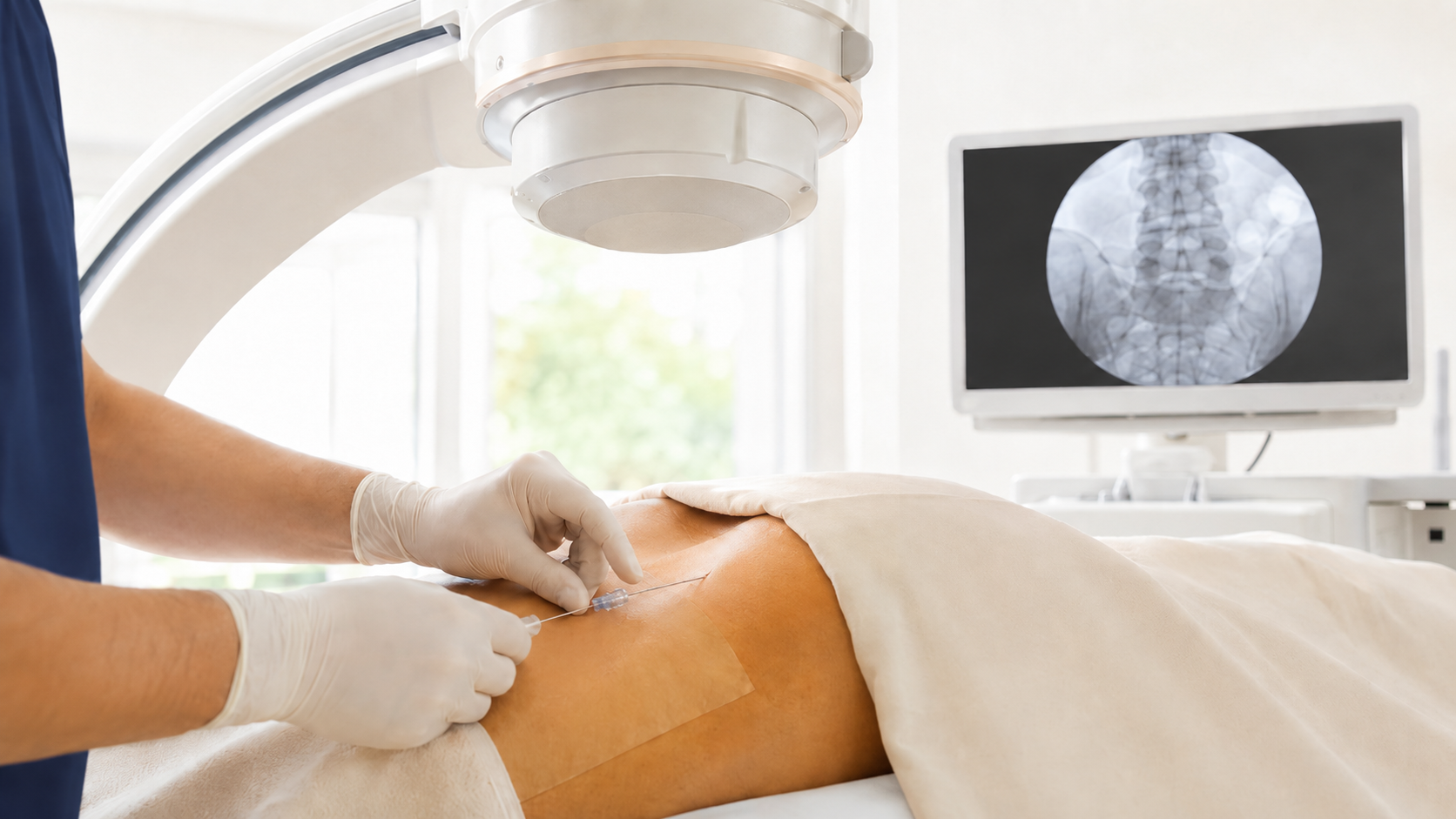
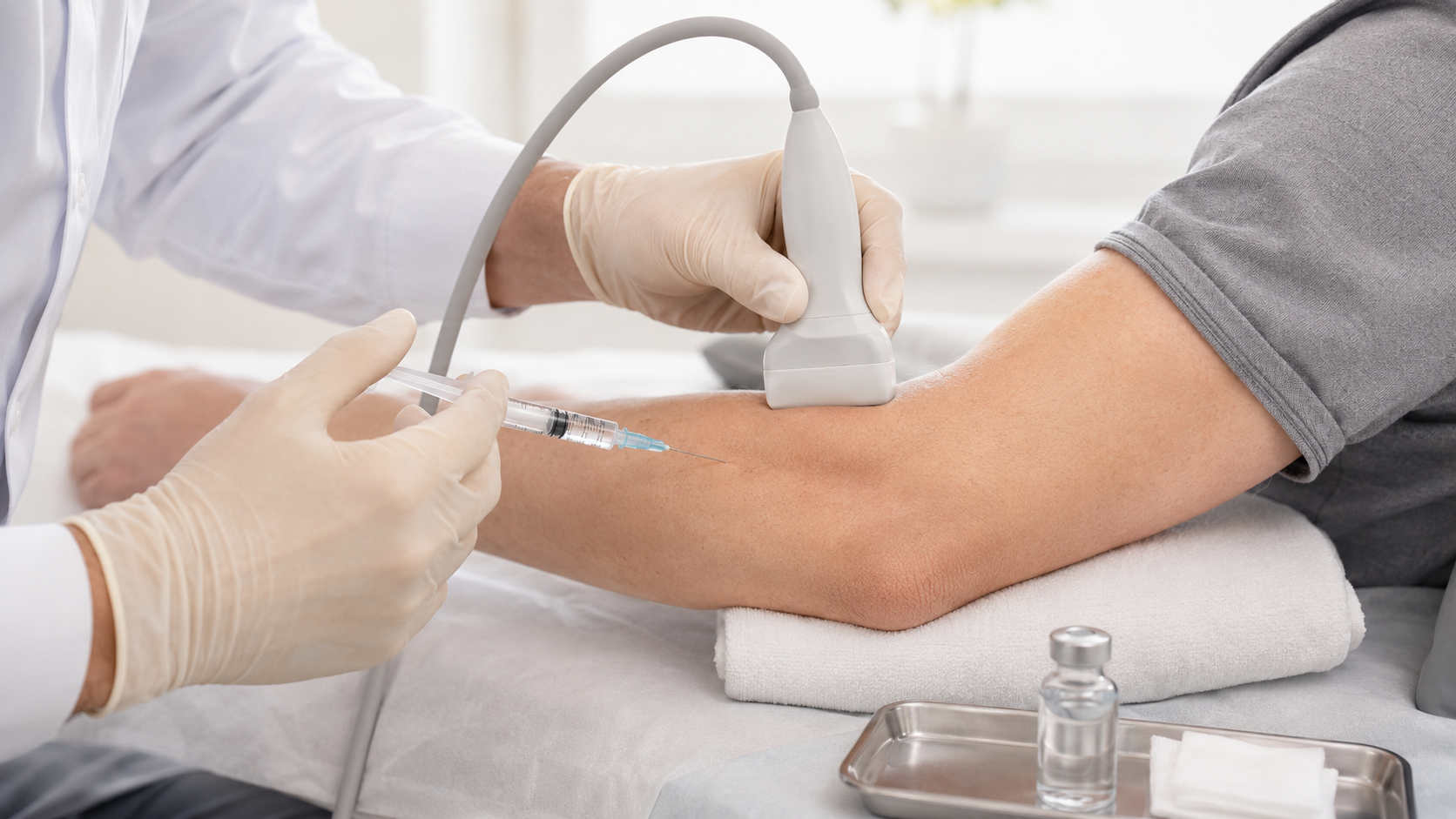
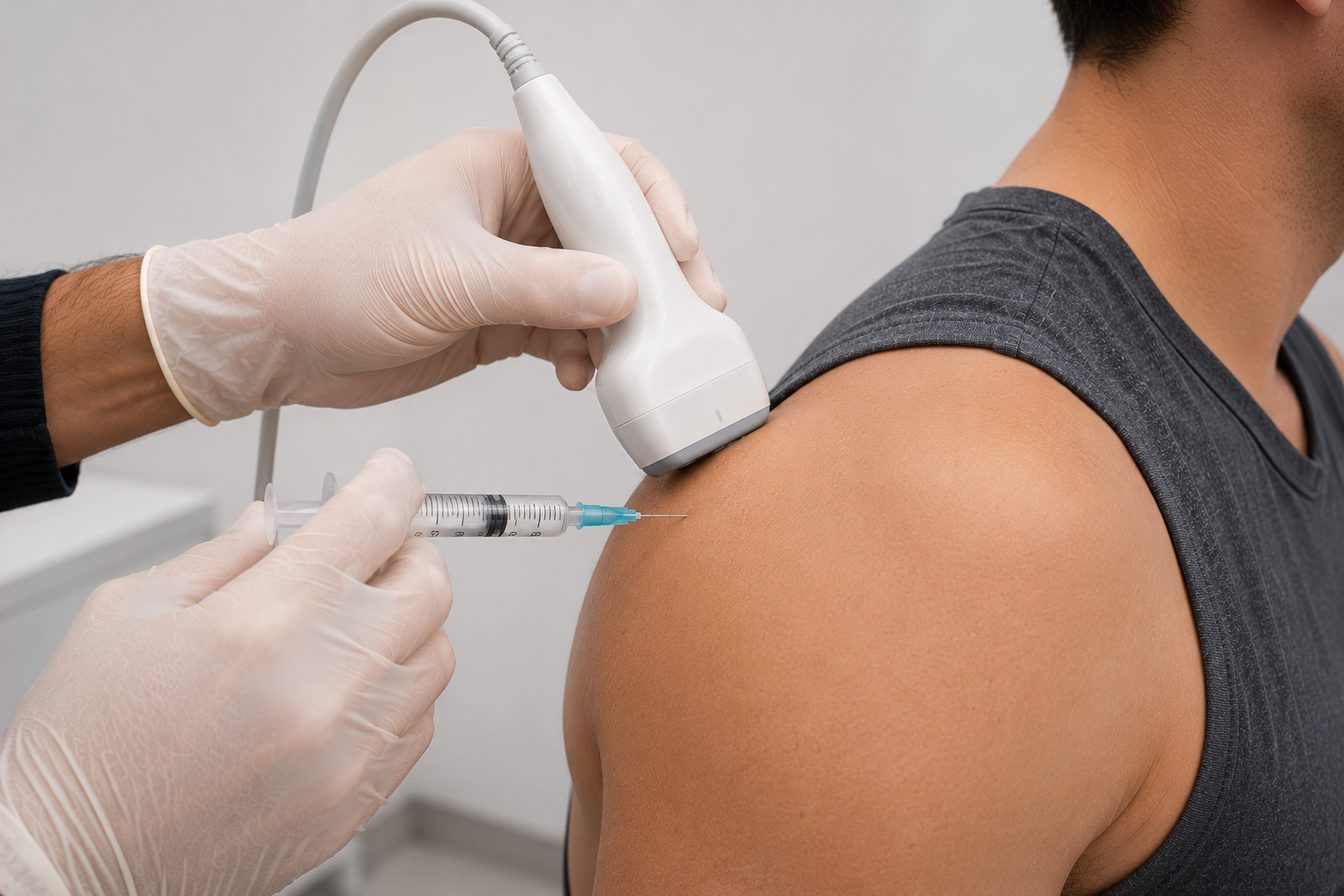
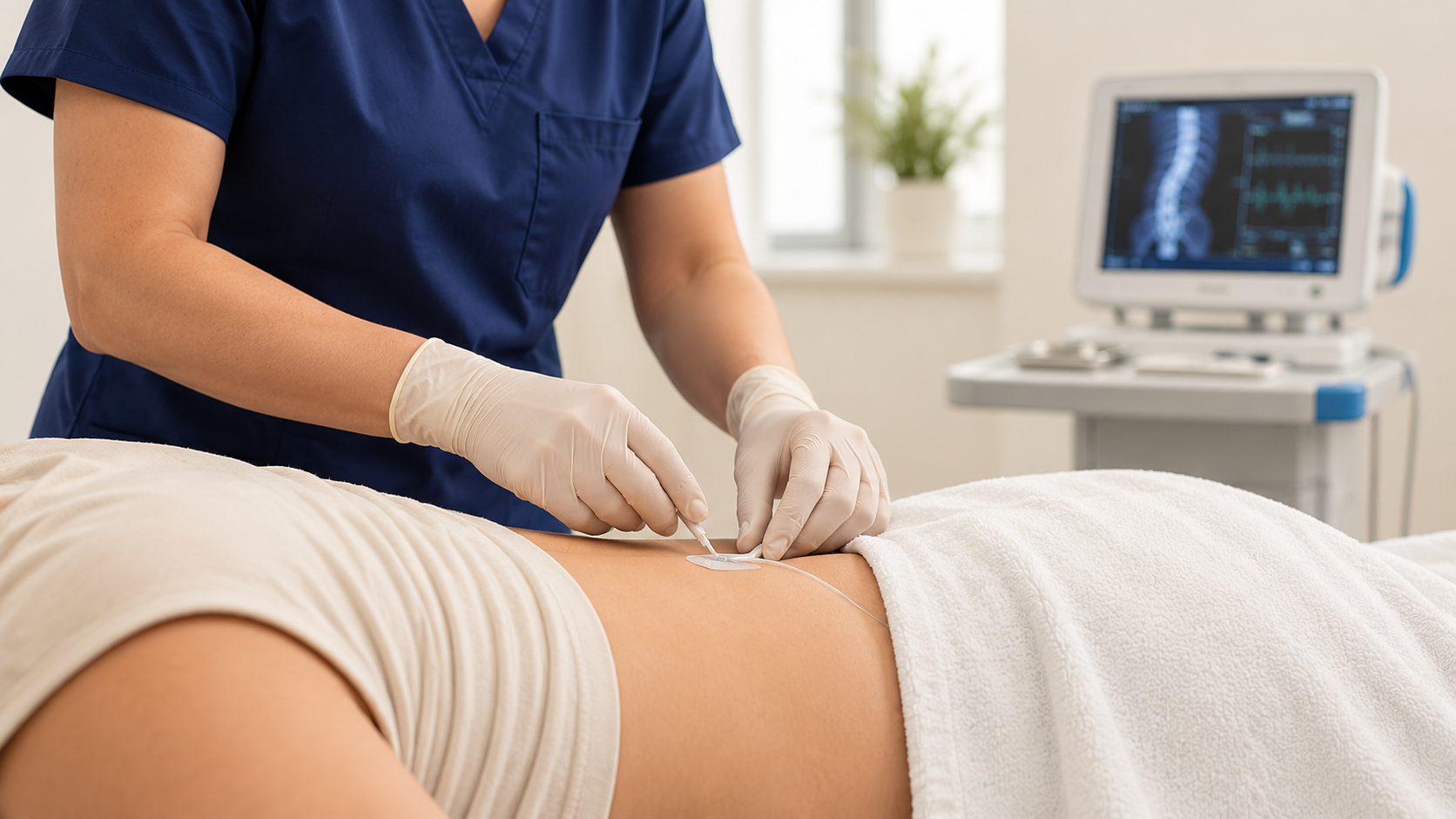
A pudendal nerve block may be considered when symptoms suggest pudendal nerve irritation or pudendal neuralgia overlap. The procedure may help clarify whether the pudendal nerve is contributing to symptoms and may provide temporary relief in selected patients.
A nerve block is not a cure for PGAD and is not appropriate for every patient. It should be considered only after careful evaluation of the nerve distribution, pelvic floor symptoms, spine and sacral contributors, and treatment goals.
When Pelvic Floor Trigger Point Injections May Be Considered
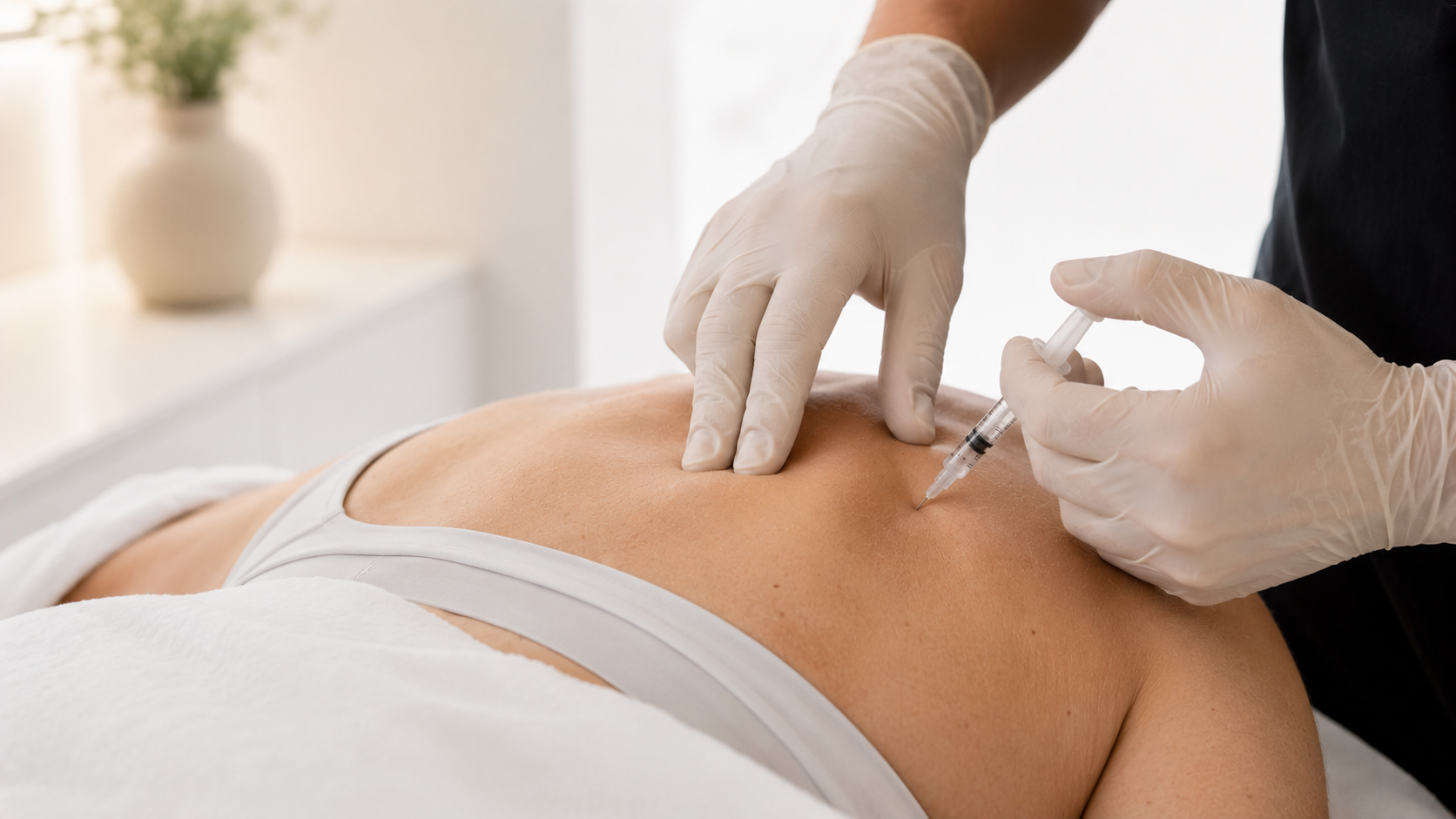
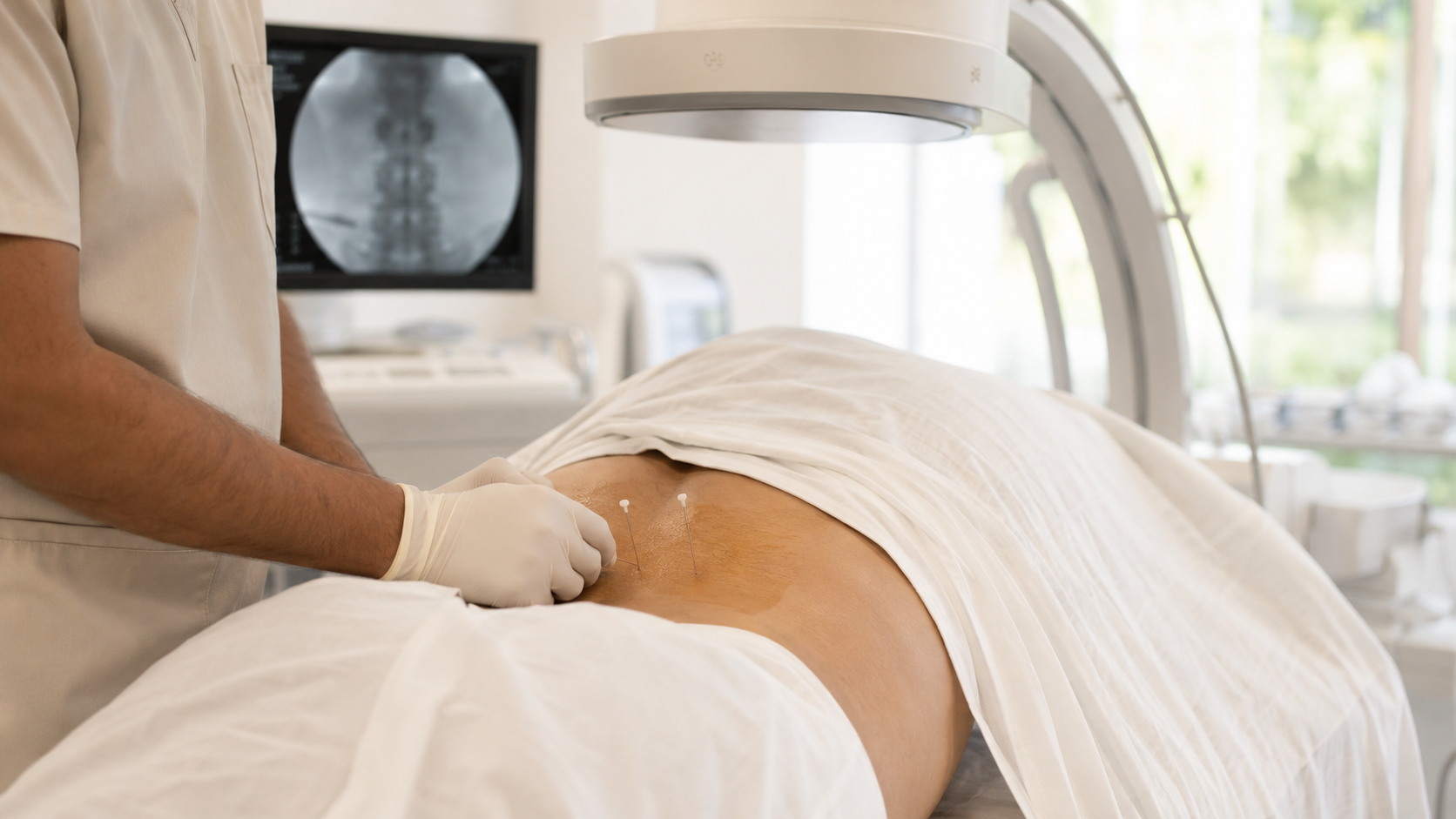
Pelvic floor trigger point injections may be considered when focal pelvic floor muscle trigger points, spasm, or overactivity are contributing to pain or sensory symptoms. These injections may be used as part of a broader plan that includes pelvic floor therapy, movement retraining, medication management, or pain psychology.
They are not a universal treatment for PGAD and should only be used when the clinical pattern supports a pelvic floor muscle target.
When Neuromodulation May Be Considered
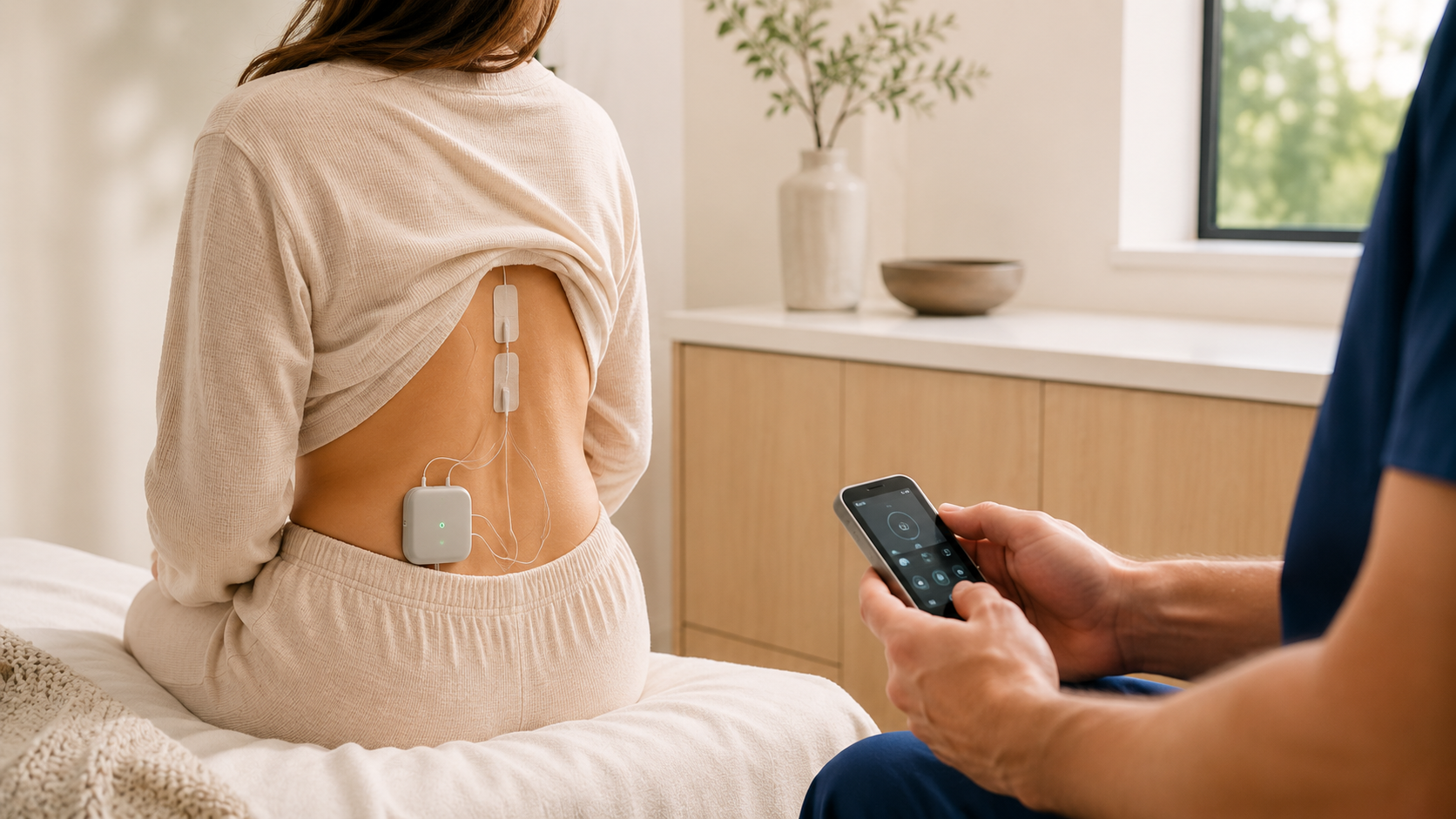
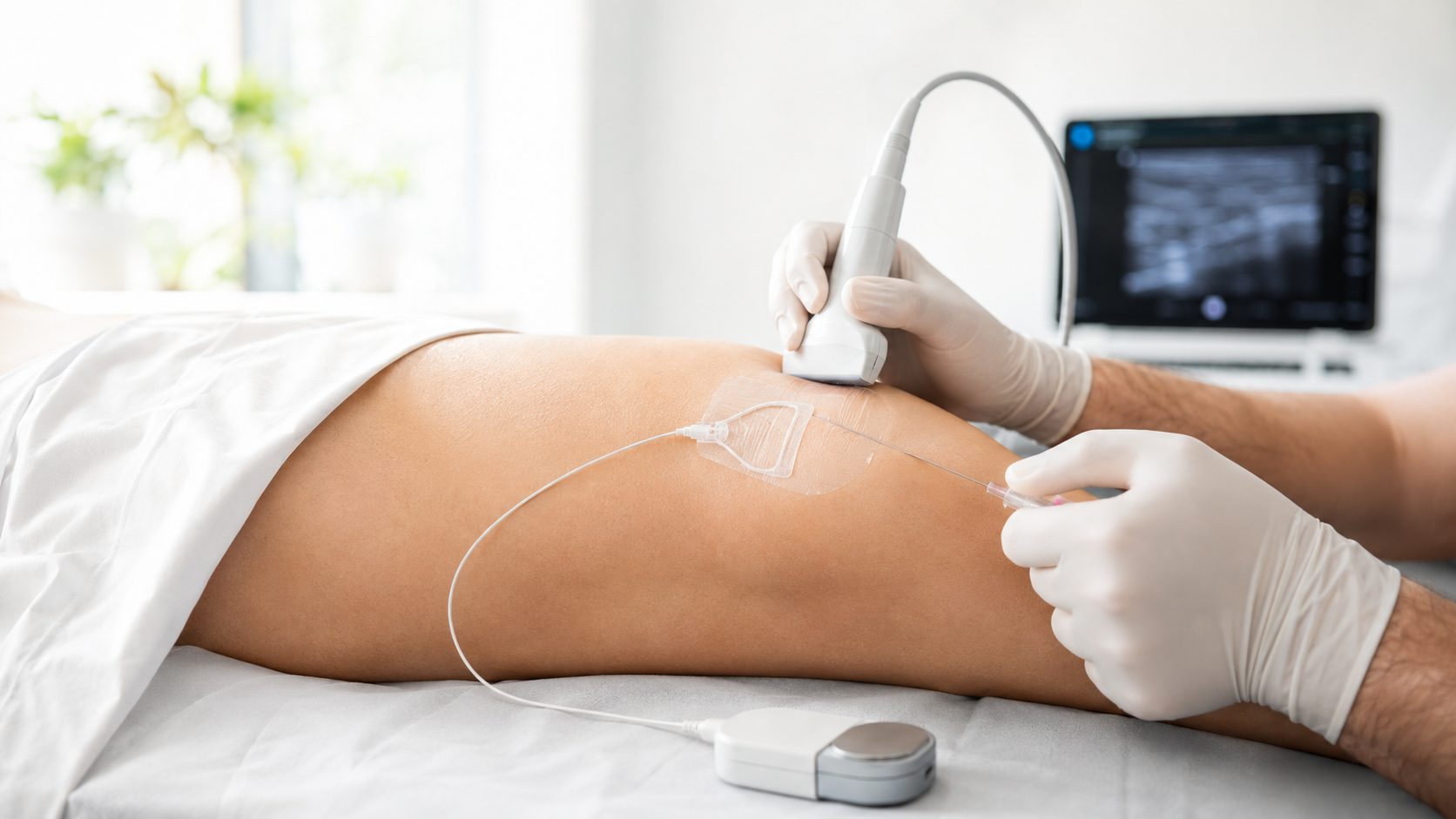
Neuromodulation options, such as peripheral nerve stimulation, dorsal root ganglion stimulation, or spinal cord stimulation, may be considered in selected refractory cases when symptoms are persistent, severe, and linked to a defined nerve or pain pathway.
These treatments require careful selection, risk discussion, and coordination. They are not first-line treatment for most patients and should not be presented as guaranteed solutions.
Pain Psychology and Biofeedback for PGAD-Related Distress
PGAD can create significant distress, anxiety, shame, sleep disruption, fear, and functional impairment. Pain psychology and biofeedback can help support nervous system regulation, coping strategies, distress reduction, and symptom management.
This does not mean PGAD is purely psychological. Psychological support can be part of comprehensive medical care for a condition that affects the pelvic nerves, pelvic floor, autonomic nervous system, and chronic pain pathways.
When Urgent Support Is Needed
Patients should seek urgent support if PGAD symptoms are associated with suicidal thoughts, severe distress with inability to function, or concern for self-harm. Immediate support is also needed for fever, severe or sudden pelvic or abdominal pain, heavy bleeding, pregnancy-related pain, fainting, blood in urine or stool, inability to urinate, new bowel or bladder dysfunction, saddle anesthesia, new leg weakness, unexplained weight loss, severe testicular pain, signs of infection, chest pain, shortness of breath, or rapidly worsening symptoms.
These symptoms may indicate medical, neurologic, gynecologic, urologic, gastrointestinal, vascular, infectious, or emergency conditions that require timely evaluation.
How MPM Approaches PGAD Care
MPM approaches PGAD through a discreet, diagnosis-first, trauma-informed, and coordinated care model. The goal is to identify whether symptoms are driven by pelvic nerve irritation, pudendal neuralgia, pelvic floor dysfunction, pelvic dystonia, sacral nerve irritation, spine-related pain, medication changes, autonomic symptoms, small fiber neuropathy, endometriosis, fibroids, hip or SI joint mechanics, hypermobility, EDS, MCAS, or chronic pain sensitization.
For patients looking for persistent genital arousal disorder treatment in Manhattan or NYC, MPM offers a careful pain medicine perspective focused on symptom mapping, pelvic nerve assessment, pelvic floor collaboration, musculoskeletal evaluation, medication history review, image-guided procedures when appropriate, pain psychology support, and coordination with the right specialists. Treatment is individualized and selected only after the likely contributors are better understood.