Patellofemoral Knee Pain
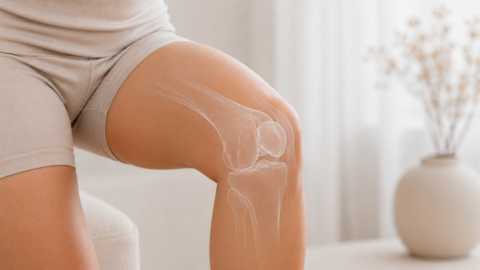
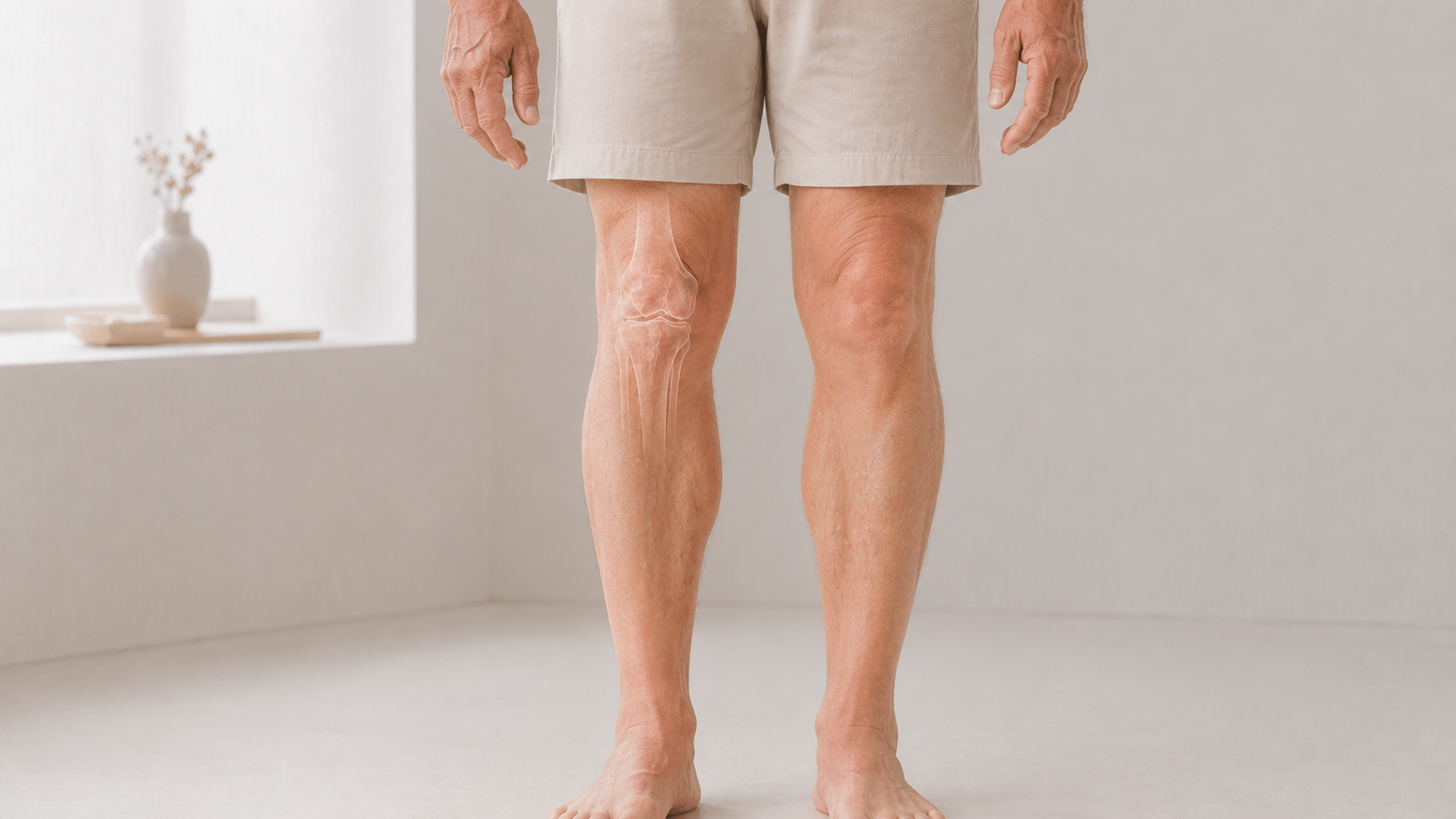
Patellofemoral knee pain refers to pain around or behind the kneecap. It is commonly called patellofemoral pain syndrome or runner’s knee. The patellofemoral joint is where the kneecap, or patella, moves along the groove at the end of the thighbone. When this area becomes irritated, patients may feel pain in the front of the knee, under the kneecap, around the kneecap, or sometimes along the sides of the knee.
Patellofemoral pain often feels like dull, aching pain in the front of the knee that may worsen with stairs, kneeling, squatting, or prolonged sitting with the knee bent. AAOS also notes that symptoms may occur with climbing stairs, running, jumping, squatting, prolonged sitting, changes in activity, or popping and crackling when climbing stairs or standing after sitting.
Why Patellofemoral Pain Happens
Patellofemoral pain can happen for several reasons. The kneecap may not track smoothly. The muscles around the hip and thigh may not coordinate load well. The cartilage under the kneecap may be irritated. Tendons or soft tissues around the knee may be overloaded. Training changes, stairs, running, jumping, kneeling, squatting, or prolonged sitting may trigger symptoms.
In some patients, patellofemoral pain is related to hypermobility or EDS. Ligamentous laxity can affect kneecap tracking and stability. The kneecap may feel like it shifts, slides, or gives way. Muscles may guard to create stability, which can create pain, fatigue, and altered movement. In these cases, treatment often needs to focus on stability and control rather than generic stretching or high-volume exercise alone.
Patellofemoral Pain vs. Arthritis, Meniscus, or Tendon Pain
Front-of-knee pain is not always patellofemoral pain syndrome. Similar symptoms can come from patellofemoral arthritis, patellar tendinopathy, quadriceps tendinopathy, meniscal tears, ligament injury, bursitis, referred hip pain, lumbar spine referral, inflammatory arthritis, or peripheral nerve irritation.
A patient with pain while squatting may have patellofemoral irritation, but they may also have a meniscal tear, tendon pain, hip mechanics issue, or arthritis. A patient with clicking may have benign crepitus, patellar tracking irritation, cartilage changes, or meniscal symptoms. A patient with swelling after activity may need evaluation for intra-articular knee pathology rather than assuming runner’s knee.
How MPM Evaluates Anterior Knee Pain
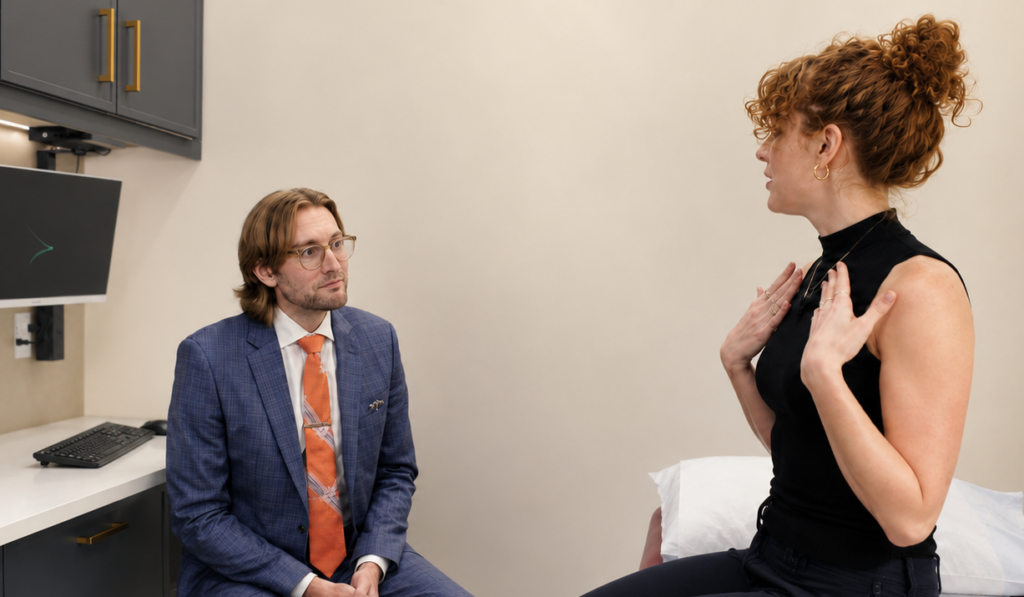
MPM begins with a detailed history and physical examination. The clinician reviews where pain occurs, what activities provoke it, whether there is swelling, whether the knee feels unstable, whether symptoms started after injury, and whether prior physical therapy, bracing, injections, or imaging helped.
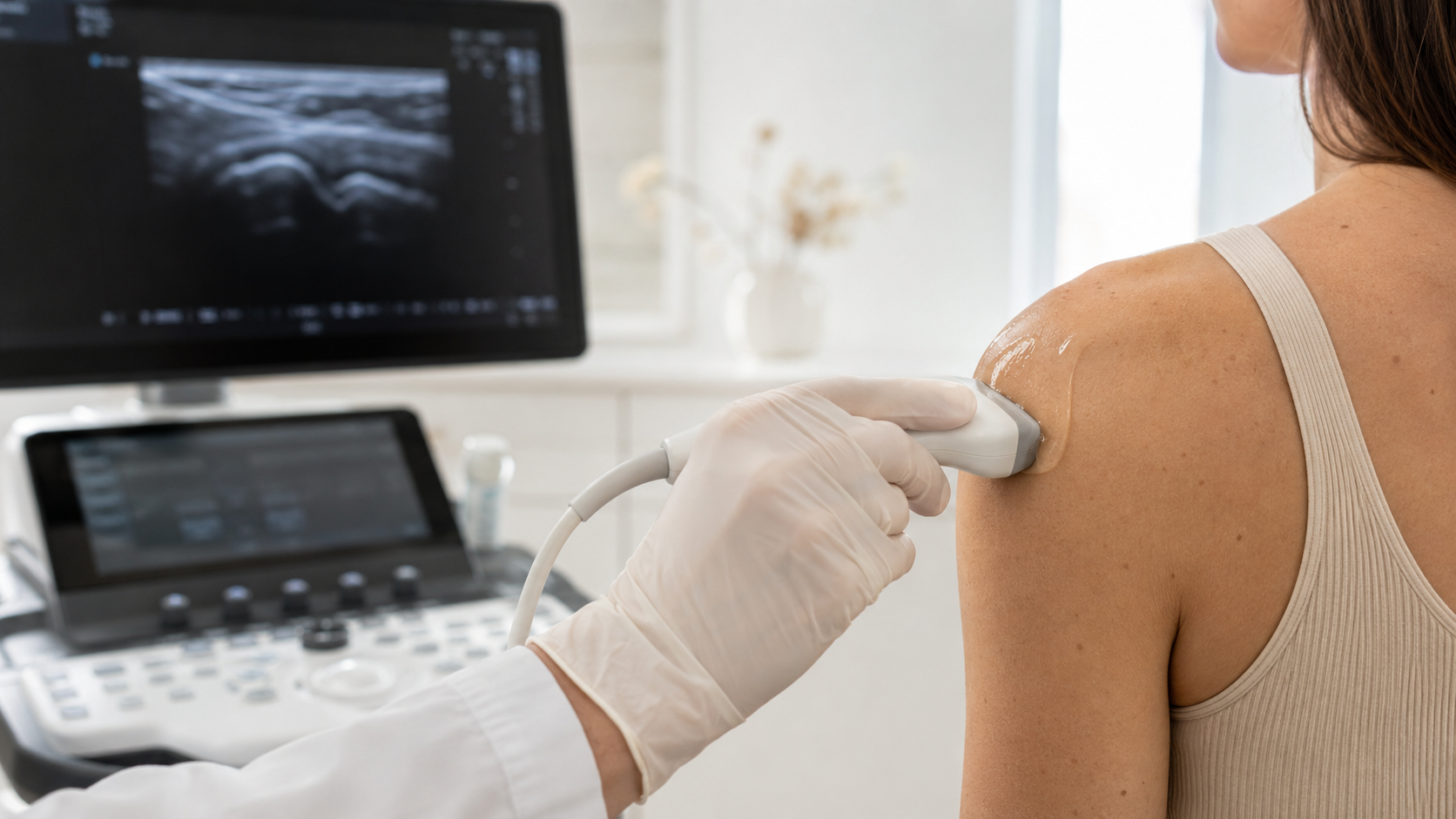
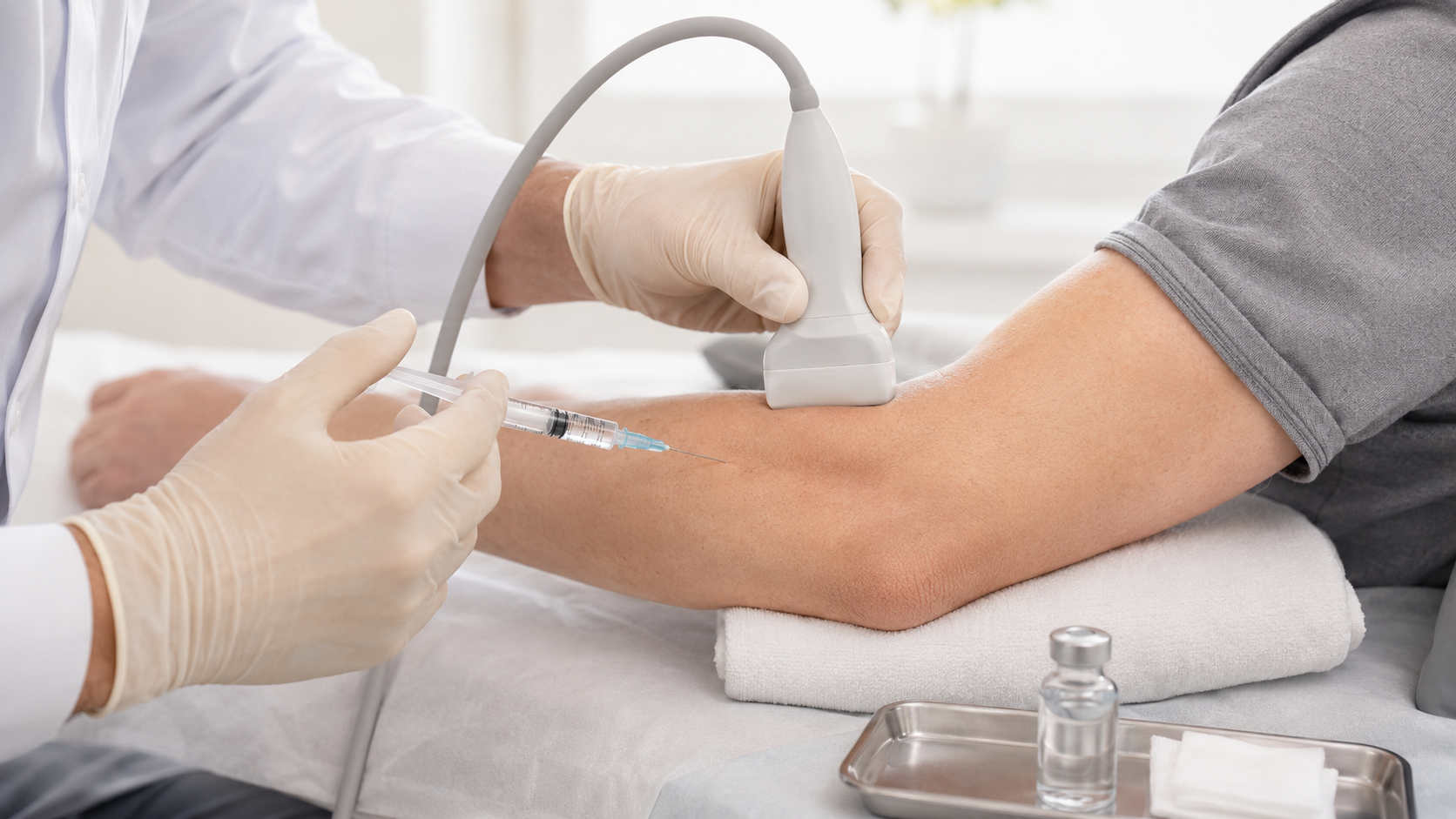
The exam may assess patellar tracking, tenderness, range of motion, strength, hip control, quadriceps function, gait, foot mechanics, squat mechanics, and signs of hypermobility. Imaging may be reviewed when available. Diagnostic ultrasound may be used when it can help evaluate selected soft tissue structures or guide a procedure. MRI or X-ray may be considered when symptoms suggest arthritis, cartilage injury, meniscal tear, instability, or another structural problem.
Treatment Options for Patellofemoral Knee Pain
Treatment should match the cause. Many patients begin with activity modification, temporary reduction of painful movements, targeted strengthening, movement retraining, and gradual return to activity. Hip and quadriceps strengthening are commonly used in patellofemoral pain care.
Bracing or taping may help selected patients when patellar tracking or instability contributes. Patients with hypermobility may need a stabilization-focused plan. Patients whose pain flares with standard therapy may need slower pacing, different exercise selection, or evaluation for another pain generator.
Image-Guided Injections and Regenerative Options
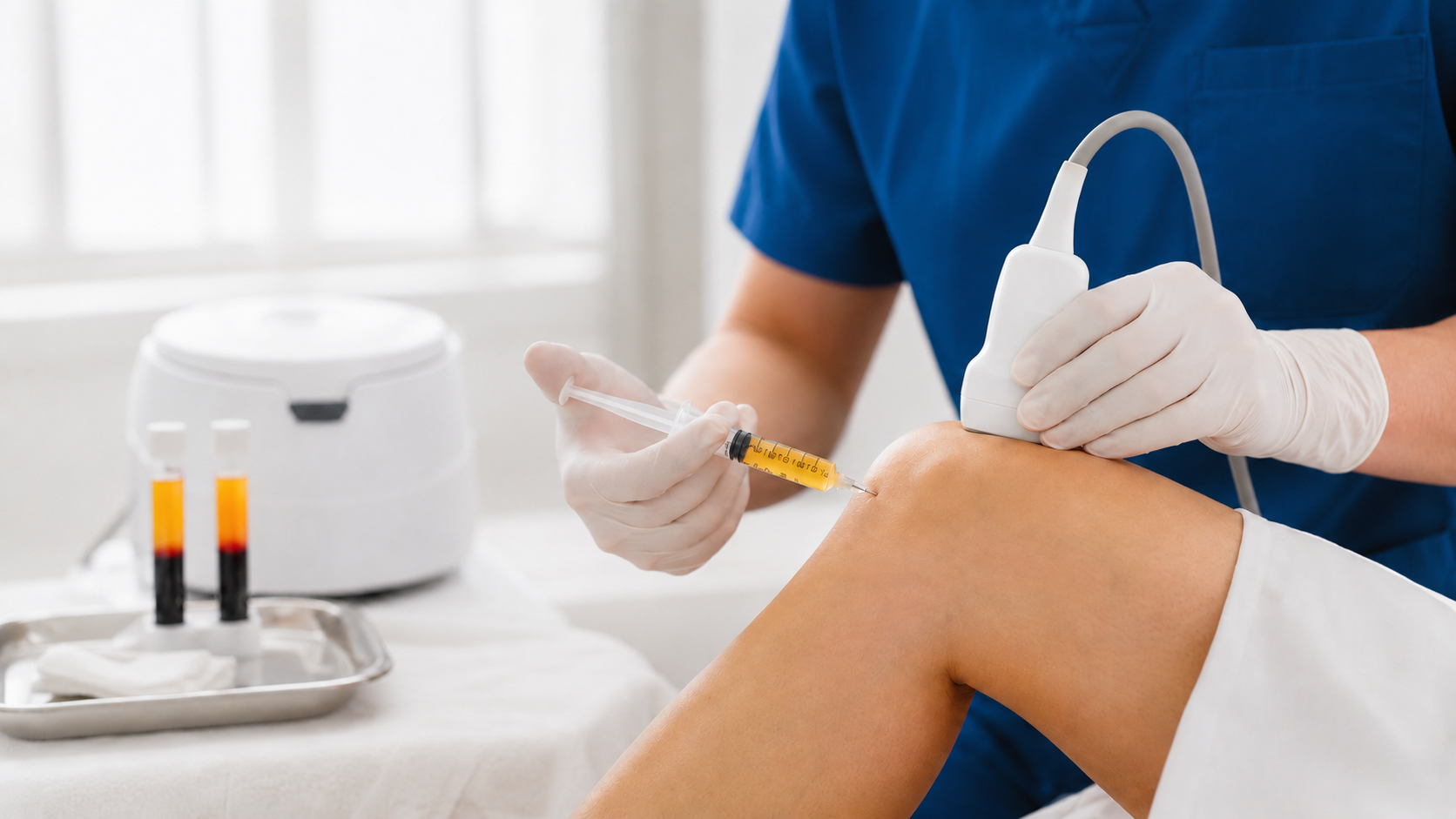
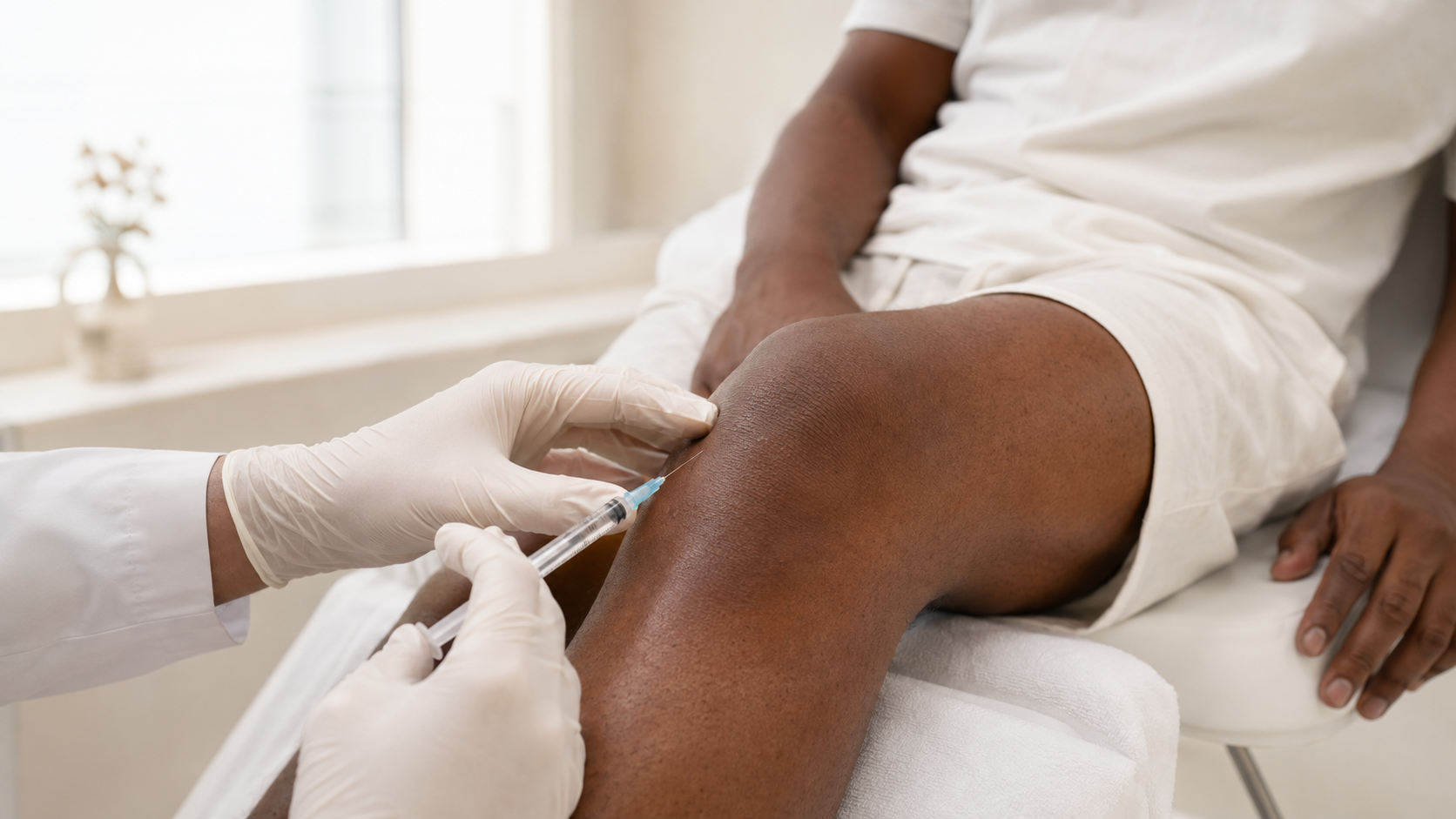
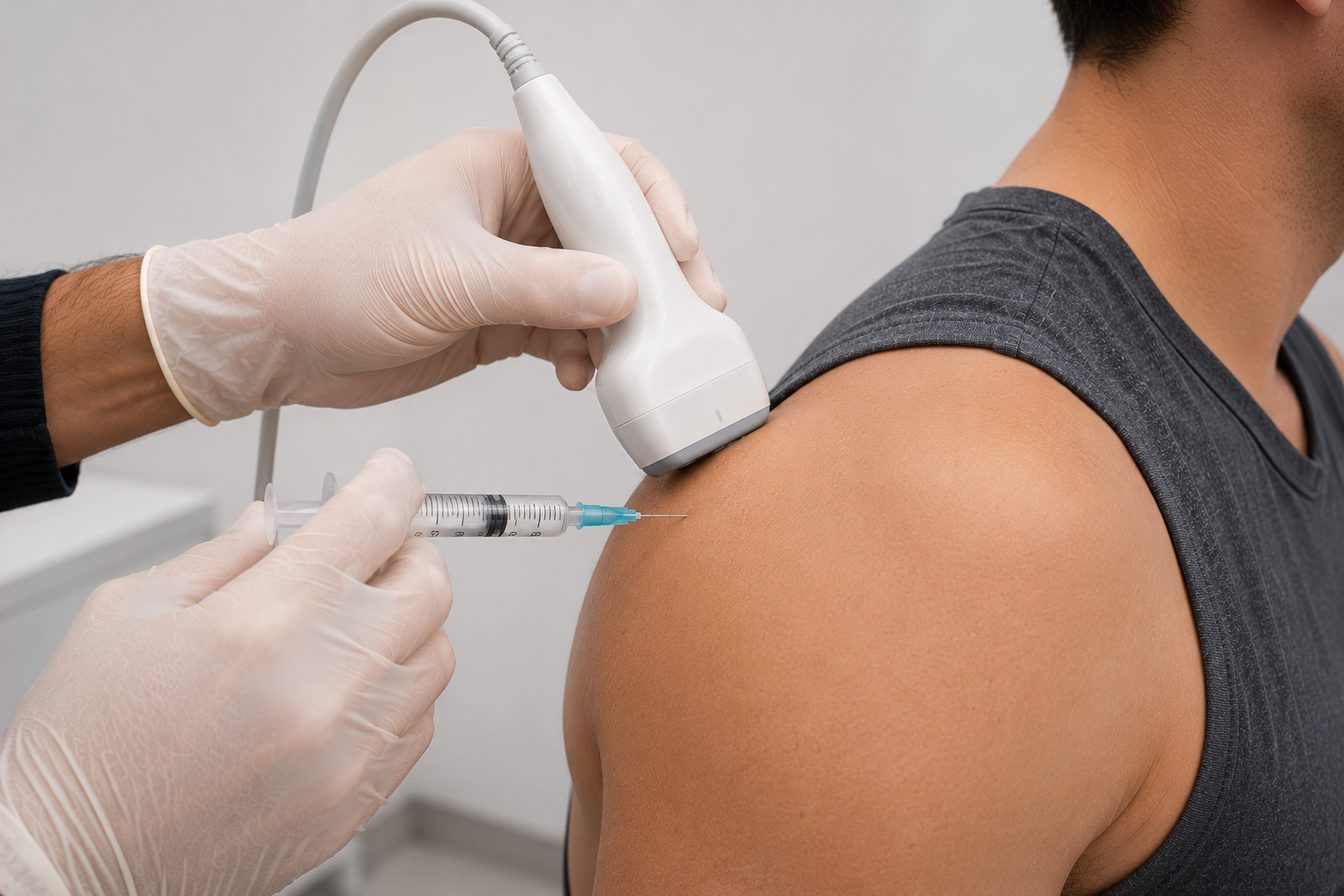
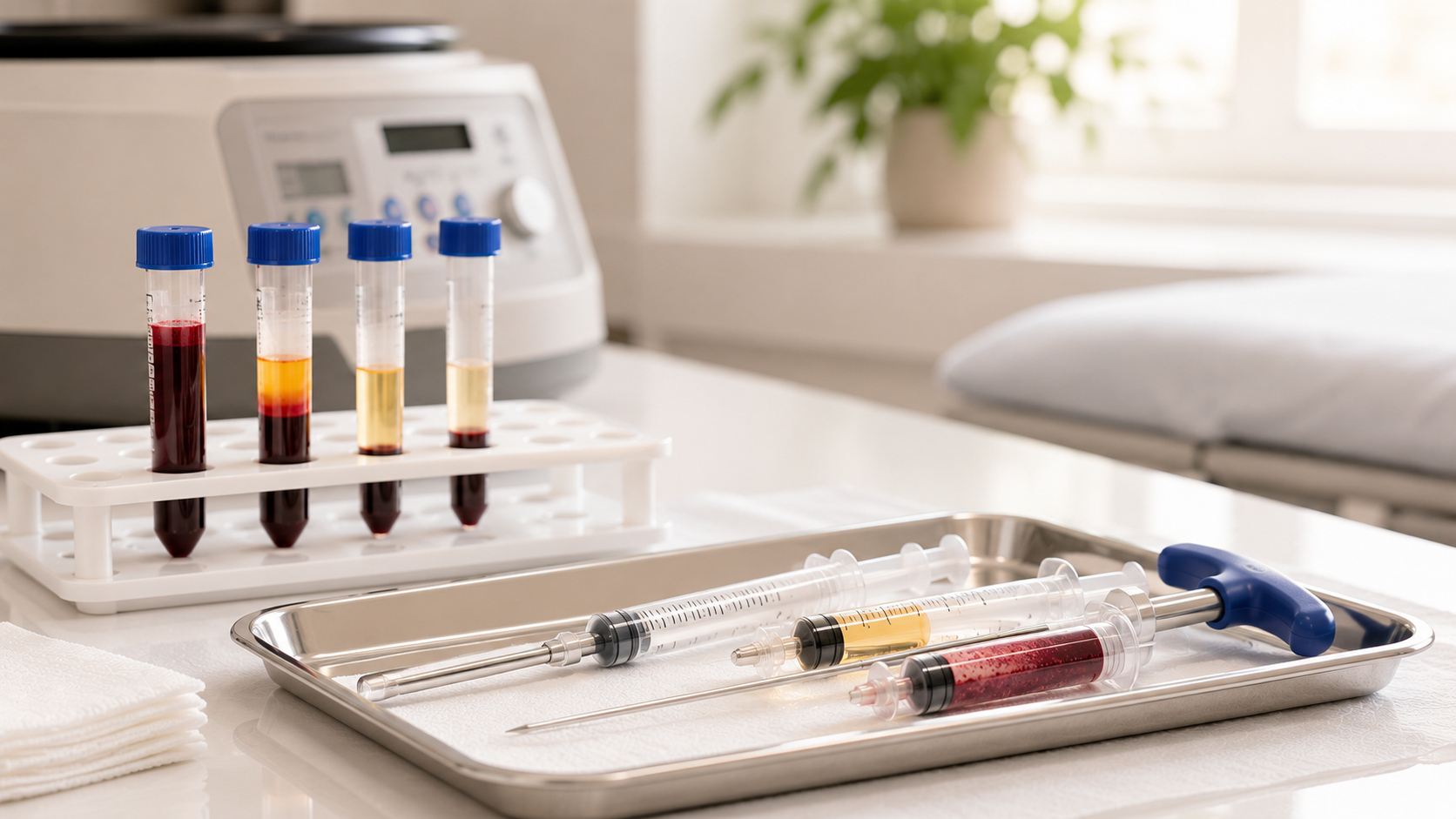
Injections are not first-line or automatic for every patient with patellofemoral pain. They may be considered when the pain generator is clearer, conservative care has not been sufficient, or diagnostic clarification is needed. Ultrasound-guided injections may help improve precision for selected targets. Steroid injections, hyaluronic acid viscosupplementation, PRP, BMAC, or prolotherapy may be discussed only when the diagnosis, anatomy, cartilage status, symptoms, risks, goals, and evidence support them.
Hyaluronic acid should be discussed carefully in this condition. One randomized trial found that a single hyaluronic acid injection had no clinically meaningful effect on pain or function in patients with patellofemoral pain. Other cartilage-related knee conditions may have different evidence, so treatment should be diagnosis-specific.
When Orthopedic Referral May Be Needed
Most patellofemoral pain is managed without surgery, but orthopedic referral may be appropriate when symptoms persist despite appropriate care, when instability is recurrent, when there is patellar dislocation, when imaging suggests structural cartilage injury, or when mechanical symptoms such as locking or significant catching are present. Referral may also be needed after trauma, major swelling, inability to bear weight, or rapidly worsening function.
When Knee Pain Needs Timely Evaluation
Patellofemoral knee pain should be evaluated when pain persists, worsens, limits walking or activity, causes swelling, instability, catching, locking, inability to fully straighten the knee, or follows trauma. Patients should seek timely or urgent evaluation for inability to bear weight, major swelling after injury, fever, redness, calf swelling, visible deformity, new weakness or numbness, loss of pulses, or rapidly worsening pain.
How MPM Approaches Patellofemoral Pain Care
MPM approaches patellofemoral pain through a diagnosis-first, function-focused model. The evaluation considers patellar tracking, cartilage irritation, tendon overload, arthritis, hypermobility, EDS, kneecap instability, hip mechanics, spine referral, meniscal symptoms, and chronic musculoskeletal pain contributors.
For patients looking for patellofemoral pain treatment in Manhattan, MPM offers a careful pain medicine perspective that can work alongside physical therapy, orthopedics, sports medicine, and rehabilitation. The goal is to identify why the kneecap region is painful, match treatment to the actual driver, and build a plan that supports function, confidence, and long-term knee tolerance.