
Conditions We Treat
At Manhattan Pain Medicine, conditions are not treated as isolated labels. Our team uses a diagnosis-first, protocol-driven approach to understand what is generating the pain, how it developed, and why it has not resolved, then selects care based on the underlying drivers.
What Are Zones of Expertise?
Our team organizes conditions and treatments into related zones of expertise to make it easier to explore the care paths most relevant to your symptoms and goals.
Use the zone tags above to browse dedicated pages for each focus area, including services, providers, and what to expect during treatment.
Expertise Built for Complex Pain
Explore the Zones of Expertise by clicking or tapping on a circle.


A Diagnosis-First Approach to Complex Conditions
Many pain conditions develop in layers. A primary driver may lead to compensation, guarding, nervous system sensitization, inflammation, or emotional distress over time. Our role is to separate those layers carefully, so treatment is guided by what is actually driving the pain rather than the symptom alone.
How We Evaluate Conditions
-

Neurological Conditions
Neurological pain may feel like burning, tingling, numbness, or electric pain and can overlap with headache, spasms, dizziness, or autonomic symptoms. We map the symptoms to the relevant nerves or structures and coordinate specialist evaluation when needed.
-

Metatarsalgia
Metatarsalgia is pain under the ball of the foot, often worse with walking or standing. We assess how pressure is distributed across the forefoot and look for joint irritation, nerve compression, inflammation, or instability related to hypermobility.
-

Labral Tears
A hip labral tear can cause deep groin pain, clicking, catching, or stiffness with sitting, squatting, or twisting. We match the symptoms and imaging with hip movement and assess whether impingement, instability, or another structure is contributing.
-

TMJ Disorders
TMJ disorders can cause jaw pain, clicking or locking, headaches, ear pressure, or pain with chewing. We assess how the jaw moves and look for contributions from the joint, chewing muscles, clenching, neck mechanics, or facial nerves.
-
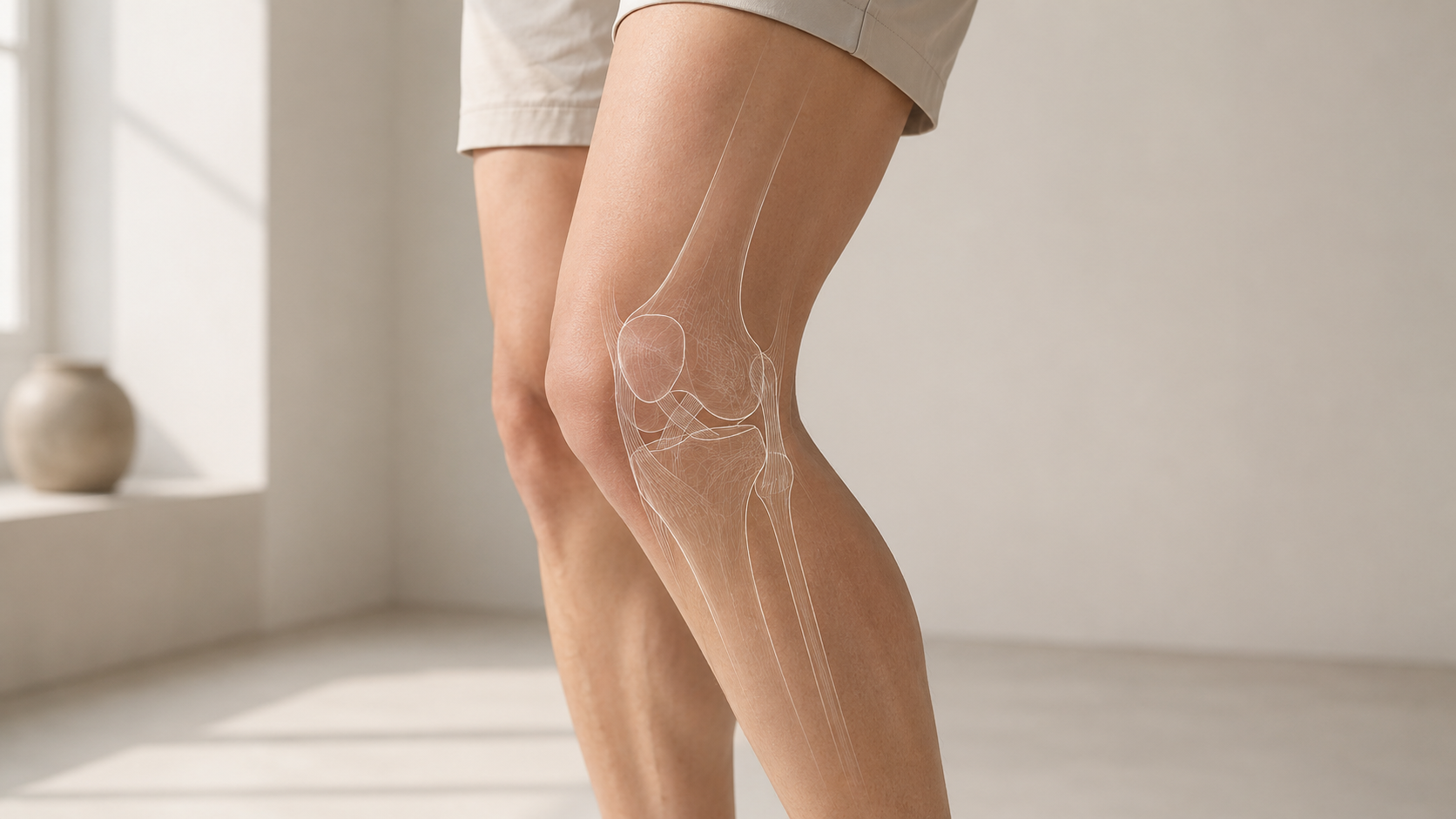
Joint Instability
Joint instability can make a joint feel loose, painful, or prone to giving way or slipping out of place. We assess how the joint moves under load and look for ligament injury, recurrent sprains, or hypermobility that may affect its support.
-
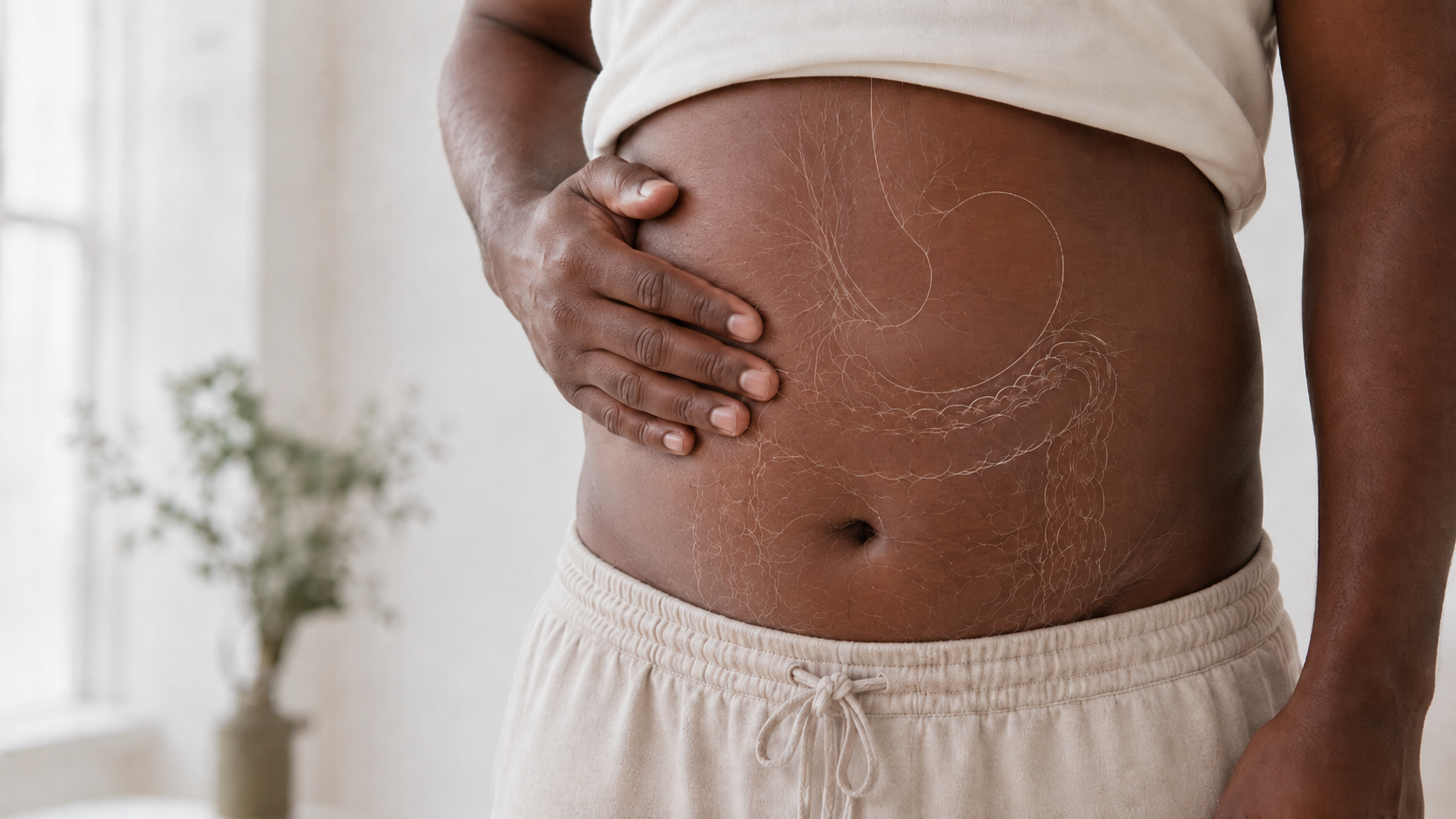
Abdominal Pain
Abdominal pain can involve digestive organs, the abdominal wall, nerves, hernias, or pelvic structures. We assess where pain is felt and how it changes with meals, pressure, or movement to distinguish digestive, nerve-related, and musculoskeletal contributors.
-

Trigeminal Neuralgia
Trigeminal neuralgia can cause sudden, electric shock-like pain in the cheek, jaw, or around the eye. We map where attacks occur and what triggers them to distinguish trigeminal nerve pain from dental, jaw joint, and other facial pain conditions.
-
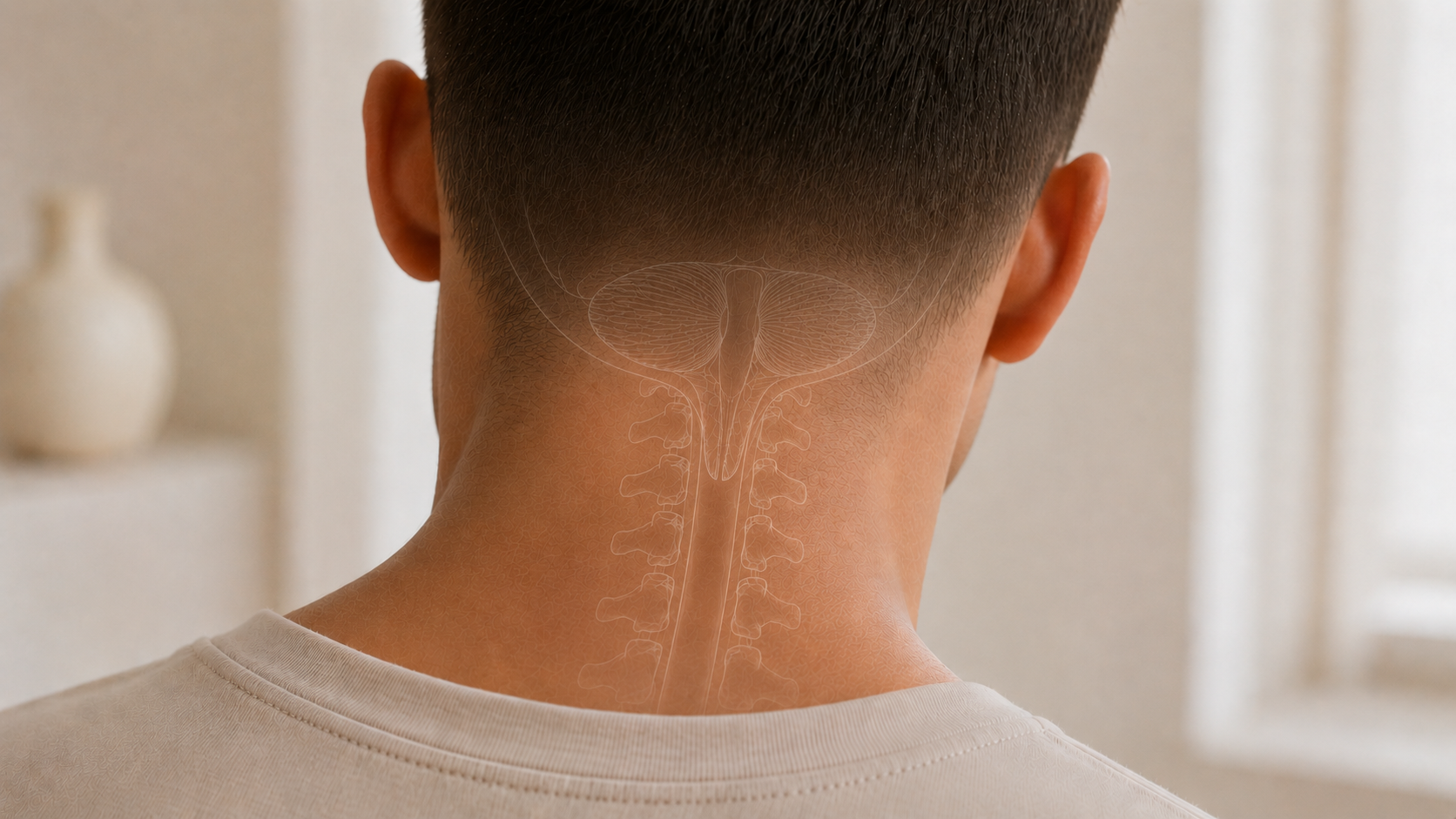
Chiari Malformation
Chiari malformation can be associated with headaches, neck pain, dizziness, and balance or visual changes. We compare the imaging findings with your symptoms and examine how other headache, neck, or nervous system conditions may contribute.
-

Glossopharyngeal Neuralgia
Glossopharyngeal neuralgia causes brief, electric pain in the throat, tongue base, or ear, sometimes triggered by swallowing or talking. We map pain location and triggers to distinguish it from other causes of throat, ear, jaw, and facial pain.
-
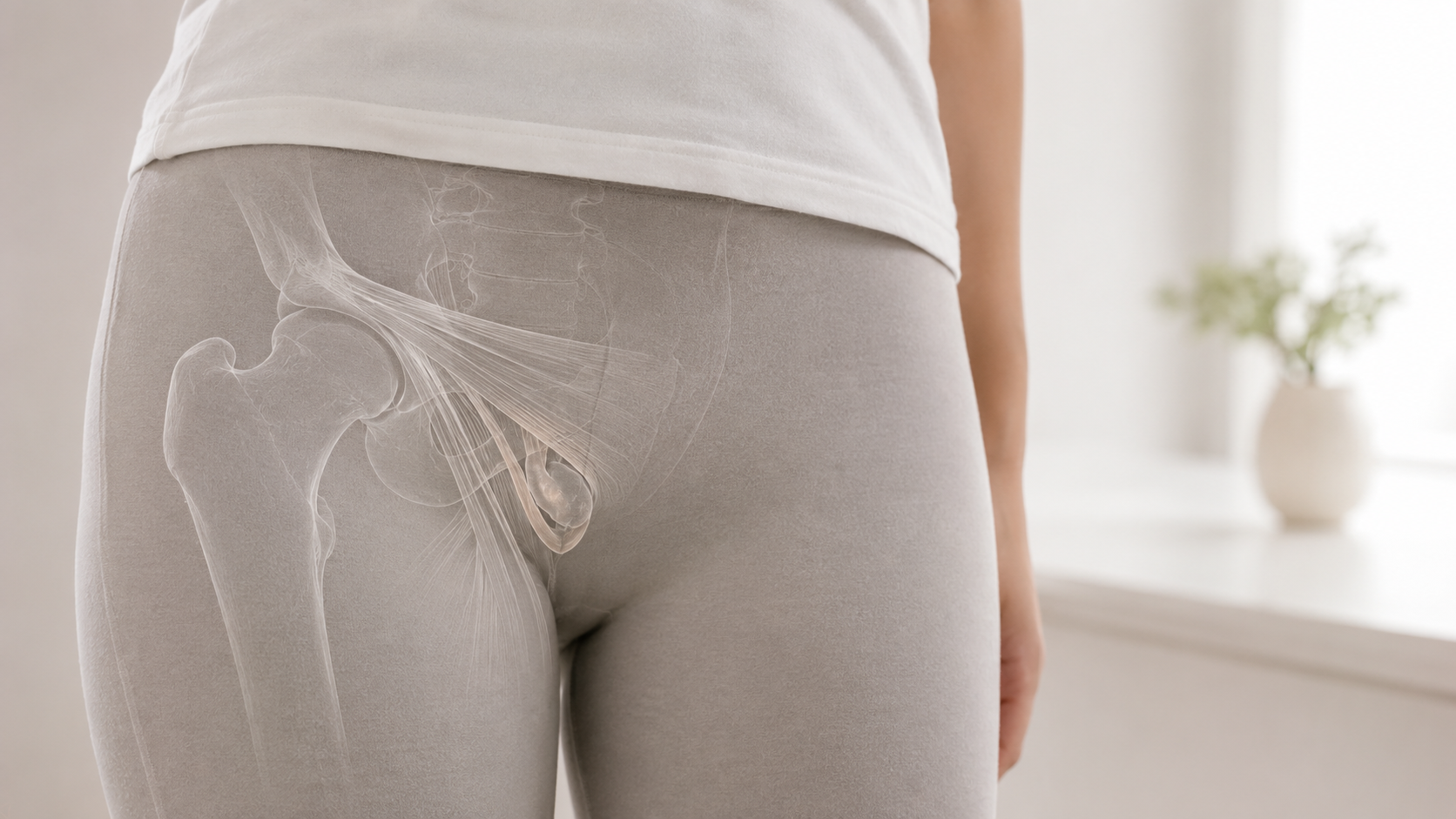
Femoral Hernia
A femoral hernia can cause pain near the groin crease or upper thigh, sometimes with pelvic or lower abdominal discomfort. We consider the symptom pattern and coordinate surgical evaluation when indicated, since bowel or other tissue can become trapped.
-
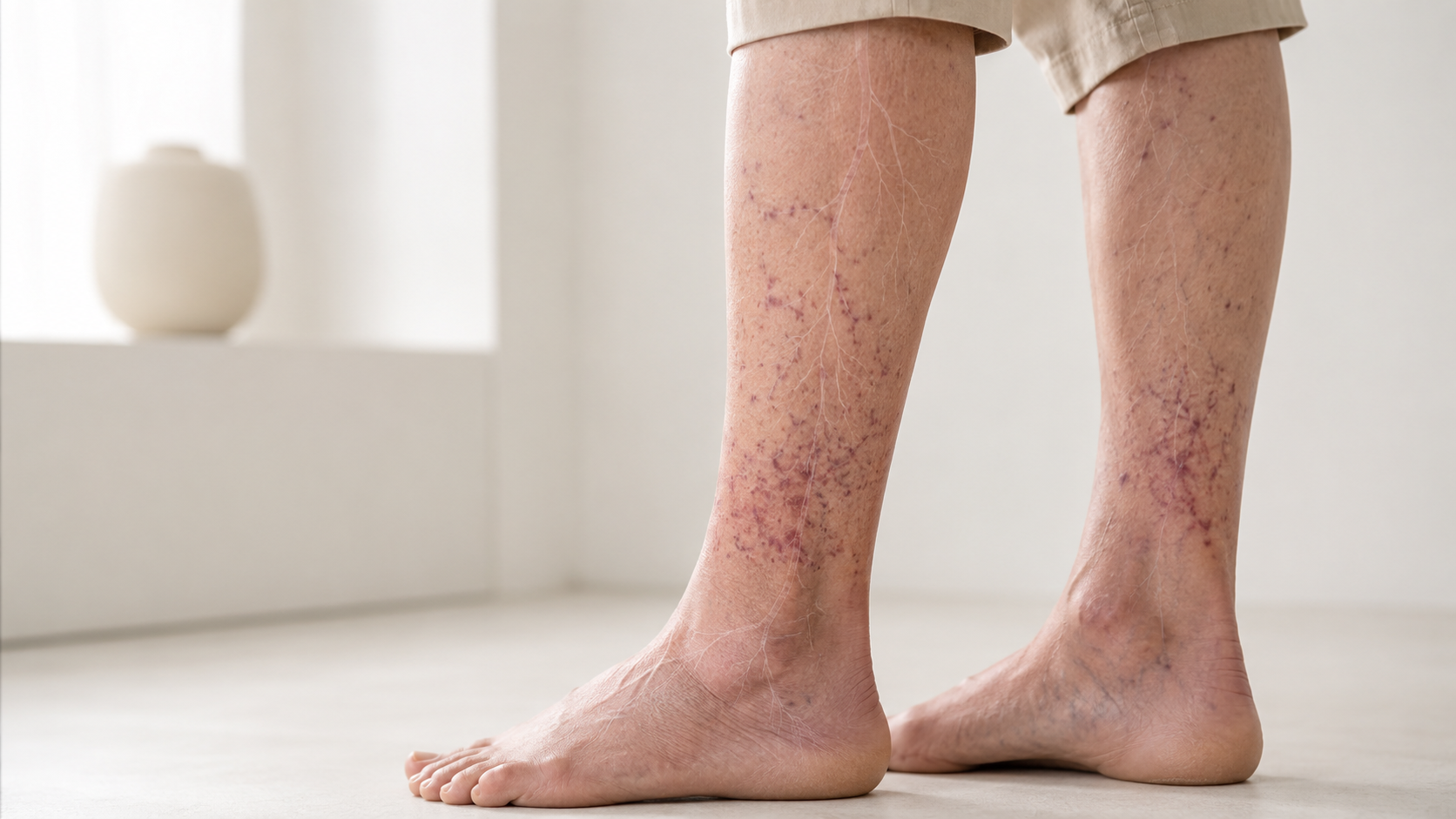
Vasculitis
Vasculitis is inflammation of blood vessels that can cause pain, fatigue, rash, or nerve and organ symptoms. We review which systems are involved and coordinate specialist evaluation when the pattern suggests vascular inflammation.
-

Pain Processing and Medical PTSD
Stress physiology, trauma, and nervous system sensitivity can shape physical symptoms such as muscle tension or pain flares. We assess how these patterns interact with injury, persistent pain, and prior medical experiences to guide coordinated care.