Joint Instability
Joint instability describes a joint that does not feel secure, supported, or controlled during movement. Patients may say the joint feels loose, weak, wobbly, unreliable, or like it might slip out of place. Some experience repeated sprains, subluxations, dislocations, clicking, shifting, catching, pain with activity, or fear that the joint will give way.
Instability can affect one joint, such as the shoulder, knee, hip, ankle, wrist, jaw, neck, or sacroiliac joint. It can also affect multiple joints in patients with generalized hypermobility, Ehlers-Danlos syndrome, hypermobility spectrum disorder, or other connective tissue or musculoskeletal conditions.
What Causes Joint Instability
Joint instability can have many causes. It may follow a specific injury, such as a sprain, dislocation, ligament tear, sports injury, fall, or surgery. In other cases, instability develops gradually from repeated stress, tendon overload, muscle imbalance, poor proprioception, joint laxity, or chronic compensation.
Some patients have underlying hypermobility, meaning their joints move beyond the typical range. Hypermobility is not always painful, but when it becomes symptomatic, it can contribute to recurrent injuries, unstable joints, muscle guarding, tendon pain, nerve irritation, and chronic pain. Patients with EDS or HSD may have instability across multiple joints and may need a more coordinated evaluation.
Instability can also overlap with autoimmune or inflammatory conditions, neurologic symptoms, peripheral nerve entrapment, spine problems, pelvic mechanics, headache disorders, autonomic symptoms, and central pain sensitization.
Subluxation, Dislocation, and Sprain
Patients often use words like slipping, popping out, shifting, or giving way to describe joint instability. These symptoms need careful clarification.
A subluxation is a partial shift of the joint from its normal position. A dislocation is a more complete loss of joint alignment and may require urgent medical treatment. A sprain is an injury to a ligament, which may stretch or tear and can lead to instability if healing or rehabilitation is incomplete.
Not every popping or shifting sensation means a true subluxation or dislocation has occurred. Tendons can snap, muscles can guard, nerves can become irritated, and joints can feel unstable without fully leaving position. MPM evaluates the clinical pattern before assigning a diagnosis.
Why Unstable Joints Can Hurt
Joint instability can cause pain in several ways. Ligaments and joint capsules may become irritated from repeated strain. Muscles may tighten to protect the joint, creating trigger points, spasms, or chronic myofascial pain. Tendons may become overloaded as they work harder to stabilize the area. Nerves may become irritated by altered movement, compression, scar tissue, or inflammation.
Pain can also become more persistent when the nervous system begins to anticipate threat. If a joint repeatedly feels unsafe, the body may respond with guarding, avoidance, altered movement, and increased pain sensitivity. This does not mean the pain is imagined. It means the joint, soft tissues, and nervous system may all be contributing to the pain experience.
Joint Instability and Hypermobility
In patients with hypermobility, instability may appear in several areas over time. A patient may first notice repeated ankle sprains, shoulder slipping, hip pinching, SI joint pain, wrist instability, TMJ symptoms, or neck pain. Over time, symptoms may expand to include headaches, nerve irritation, pelvic pain, abdominal pain, fatigue, dizziness, or chronic pain sensitization.
MPM evaluates whether joint instability is localized or part of a broader hypermobility-related pattern. This may include reviewing symptoms related to EDS, HSD, POTS, MCAS-like symptoms, fibromyalgia, chronic constipation, gastroparesis, post-COVID pain, EBV-related pain, pelvic pain, endometriosis, CCI, Chiari malformation, intracranial hypertension, CSF outflow concerns, Tarlov cysts, tethered cord, and peripheral nerve entrapment.
The goal is not to assume that every symptom is caused by hypermobility. The goal is to understand whether hypermobility is contributing to the patient’s pain, instability, function, and treatment needs.
Joint Instability With Normal Imaging
Patients with joint instability often feel frustrated when imaging is normal or inconclusive. This can happen because X-rays and MRIs are usually taken while the joint is still. They may not show dynamic instability that occurs during movement, loading, fatigue, or specific positions.
A joint may also be painful because of soft tissue strain, proprioceptive problems, myofascial guarding, nerve irritation, or chronic pain sensitization, even when imaging does not show a major tear or structural abnormality.
MPM considers imaging as one part of the evaluation. The exam, movement pattern, symptom history, functional limitations, prior injuries, and response to previous treatments are also important.
How MPM Evaluates Joint Instability
MPM begins by reviewing the patient’s history in detail. This includes when instability started, whether there was an injury, which movements trigger symptoms, whether the joint gives way, whether subluxation or dislocation has occurred, and whether multiple joints are involved.
The evaluation may include joint stability testing, movement assessment, strength and control assessment, pain generator mapping, review of prior imaging, and consideration of hypermobility, EDS, HSD, inflammatory disease, nerve irritation, spine referral, or chronic pain sensitization.
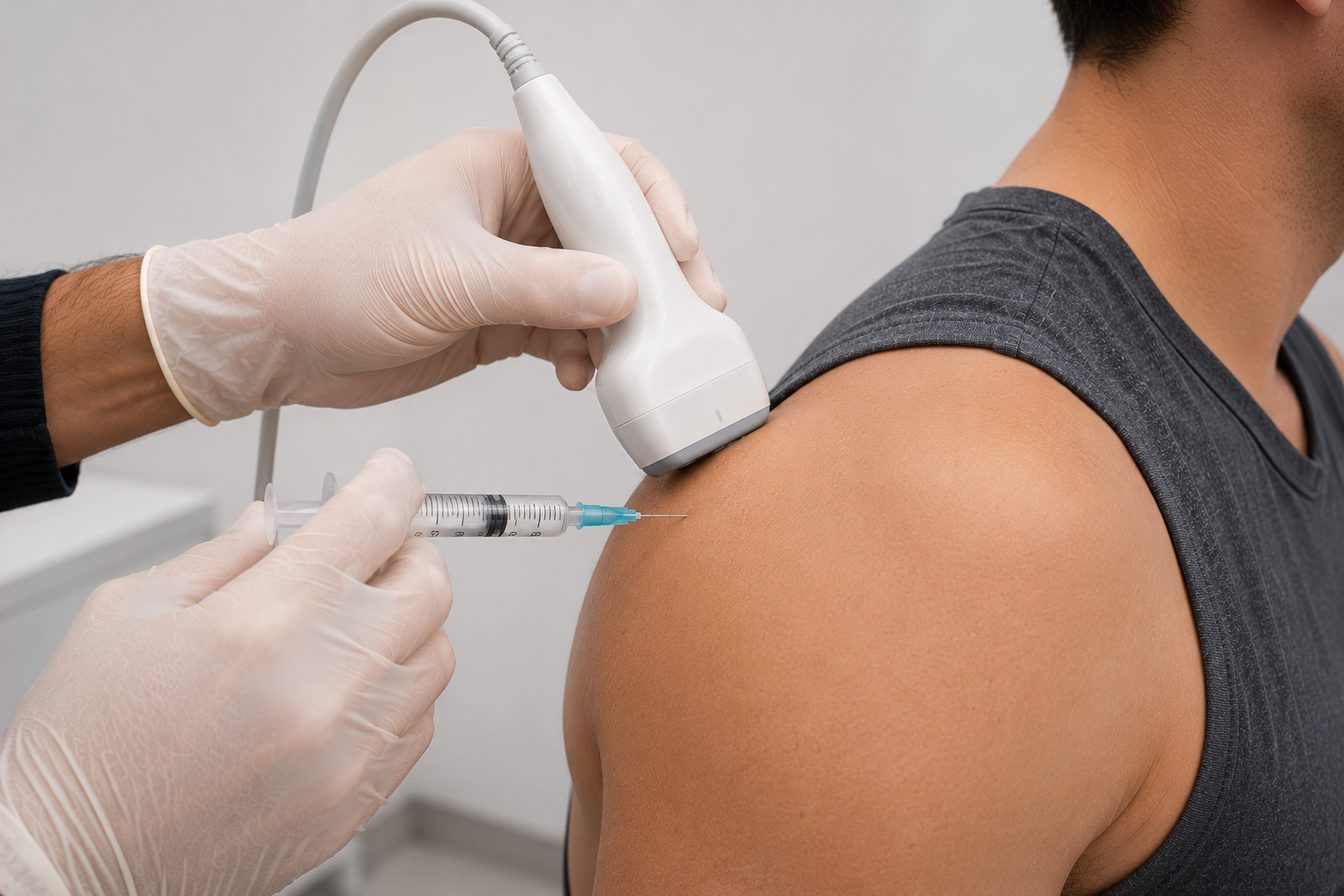
Diagnostic ultrasound may be useful in selected cases to evaluate ligaments, tendons, soft tissue structures, joint effusion, dynamic motion, or injection targets. Ultrasound is not needed for every patient, but it can provide useful information when the suspected pain generator is superficial, soft tissue-related, or dynamic.
Treatment Options for Joint Instability
Treatment depends on the cause of instability. Some patients need stabilization-focused physical therapy, proprioceptive training, bracing, activity modification, pacing, or movement retraining. For hypermobile patients, treatment often needs to focus on controlled strengthening and joint protection rather than aggressive stretching or forceful manipulation.
Supportive treatments may include Feldenkrais, acupuncture, biofeedback, pain psychology, medication management coordination, or trigger point injections when muscle guarding contributes to pain.
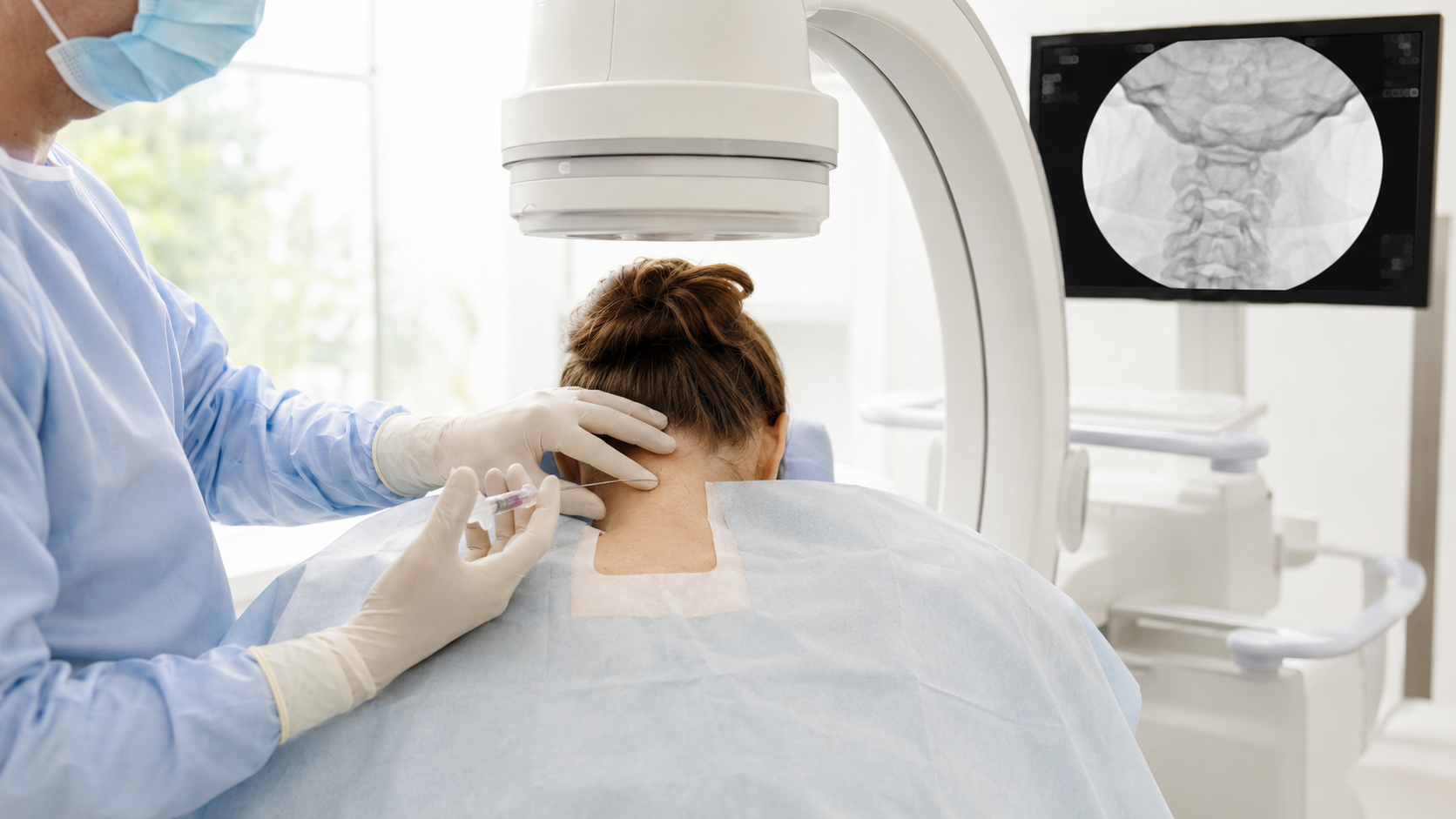
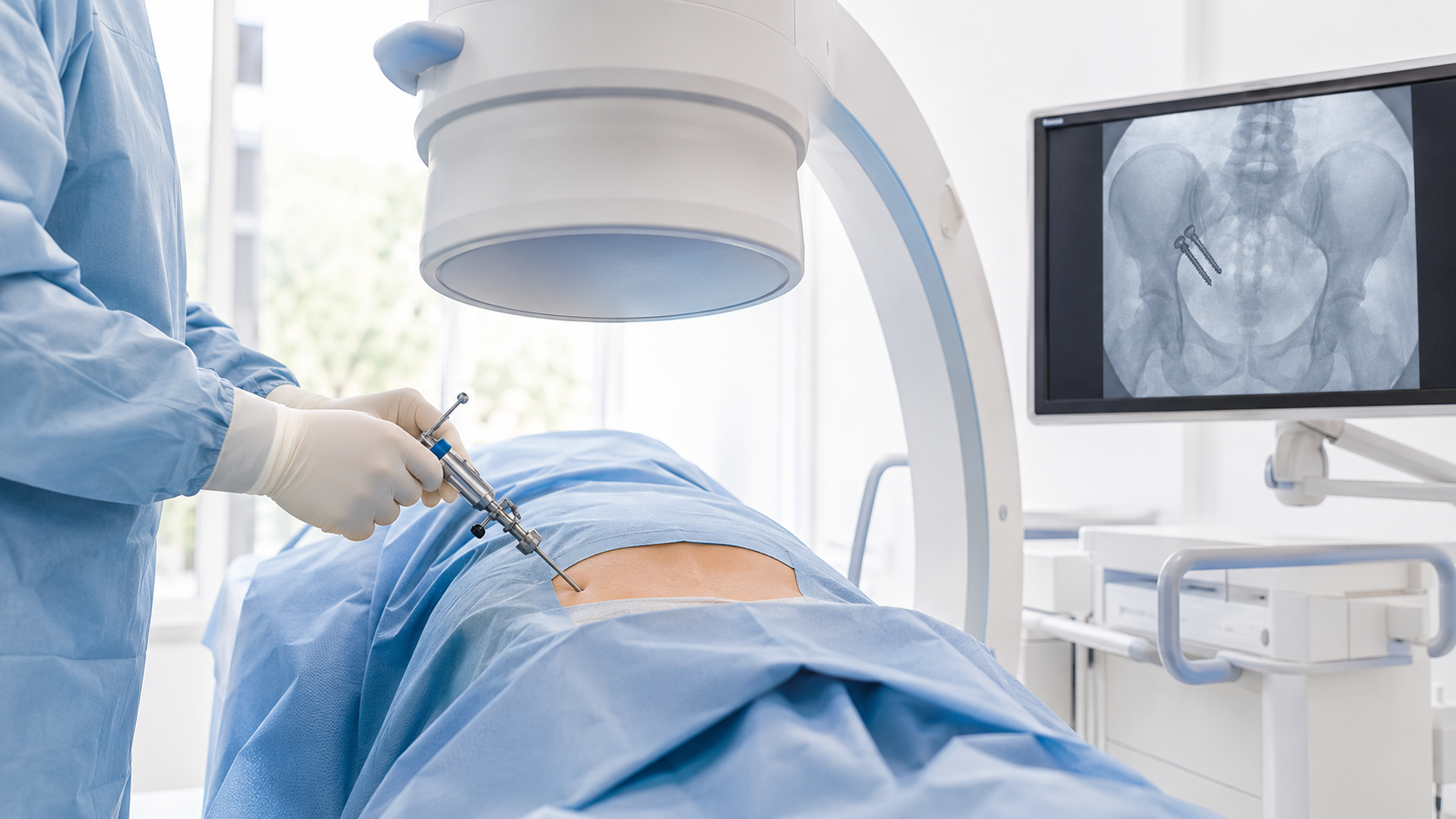
When a specific joint, ligament, tendon, or soft tissue pain generator is identified, image-guided options may be considered. These can include ultrasound-guided injections, peripheral joint injections, prolotherapy, PRP, or BMAC in carefully selected cases. These treatments are not automatic and should be matched to the patient’s diagnosis, anatomy, goals, and risk profile.
Regenerative Medicine and Joint Instability
Patients with unstable joints often ask whether regenerative medicine can tighten ligaments or repair damaged tissue. Options such as prolotherapy, platelet-rich plasma, or bone marrow aspirate concentrate may be considered in selected cases when the pain generator and treatment target are clear.
These treatments should not be presented as a cure for hypermobility, EDS, or HSD. They do not replace stabilization, movement control, appropriate rehabilitation, or surgical care when surgery is medically indicated. MPM evaluates the diagnosis, imaging, tissue target, prior care, risks, and patient goals before recommending regenerative options.
When Orthopedic or Specialty Referral May Be Needed
Some instability patterns require orthopedic evaluation, especially after major injury, repeated dislocation, mechanical locking, severe functional limitation, structural ligament injury, progressive weakness, or failure of appropriate nonsurgical care.
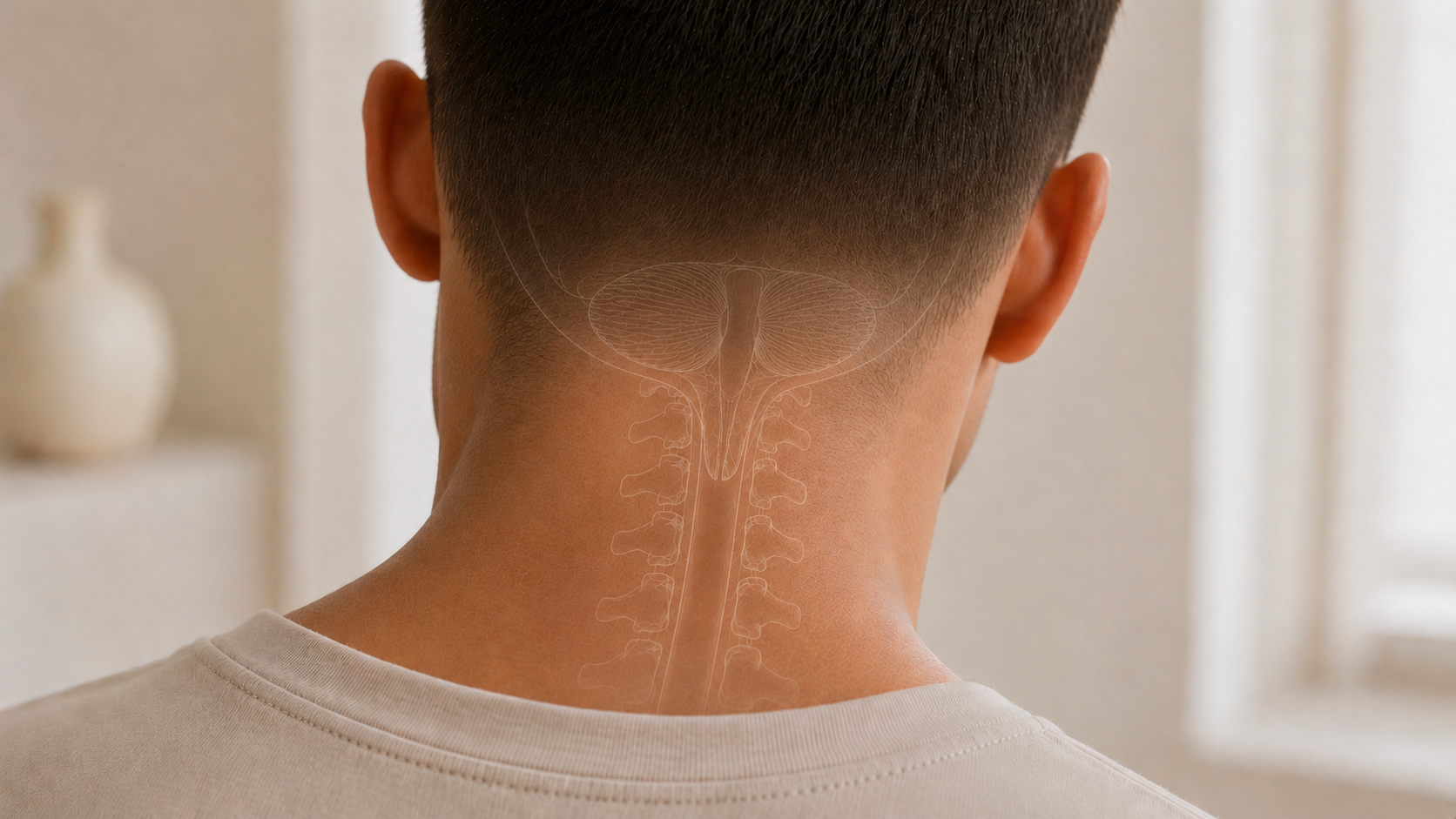
Patients with suspected connective tissue disorders may need rheumatology, genetics, cardiology, neurology, or other specialist evaluation. Patients with severe neck pain, neurologic symptoms, suspected CCI, Chiari malformation, intracranial hypertension, CSF outflow obstruction, tethered cord, or other complex neurologic concerns may need coordinated specialty care.
MPM’s role is to identify pain contributors, clarify next steps, and coordinate care when multiple systems are involved.
When Symptoms Require Urgent Evaluation
Joint instability should be evaluated urgently when there is an acute dislocation, major trauma, sudden swelling, visible deformity, inability to bear weight, new weakness, numbness, loss of pulses, fever, bowel or bladder changes, severe neck pain with neurologic symptoms, chest pain, fainting, sudden severe headache, or rapidly worsening symptoms.
These symptoms may indicate fracture, vascular compromise, infection, neurologic injury, spinal cord involvement, or another urgent medical condition. Pain medicine should not replace emergency or surgical evaluation when red flags are present.
How MPM Approaches Joint Instability Care
MPM approaches joint instability through a diagnosis-first, coordinated model. The goal is to understand why the joint feels unstable, identify the pain generator, evaluate hypermobility or connective tissue contributors when relevant, and build a plan that supports function and safety.
For patients looking for joint instability treatment in NYC, MPM offers a careful pain medicine perspective that connects musculoskeletal evaluation, hypermobility expertise, diagnostic ultrasound, image-guided procedures, movement planning, and coordinated specialty care.
The goal is not to treat every unstable joint the same way. The goal is to clarify what is driving the instability and pain, then select care that matches the patient’s anatomy, symptoms, risks, and functional goals.