Femoral Hernia Pain
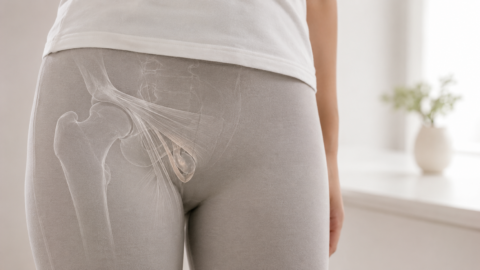
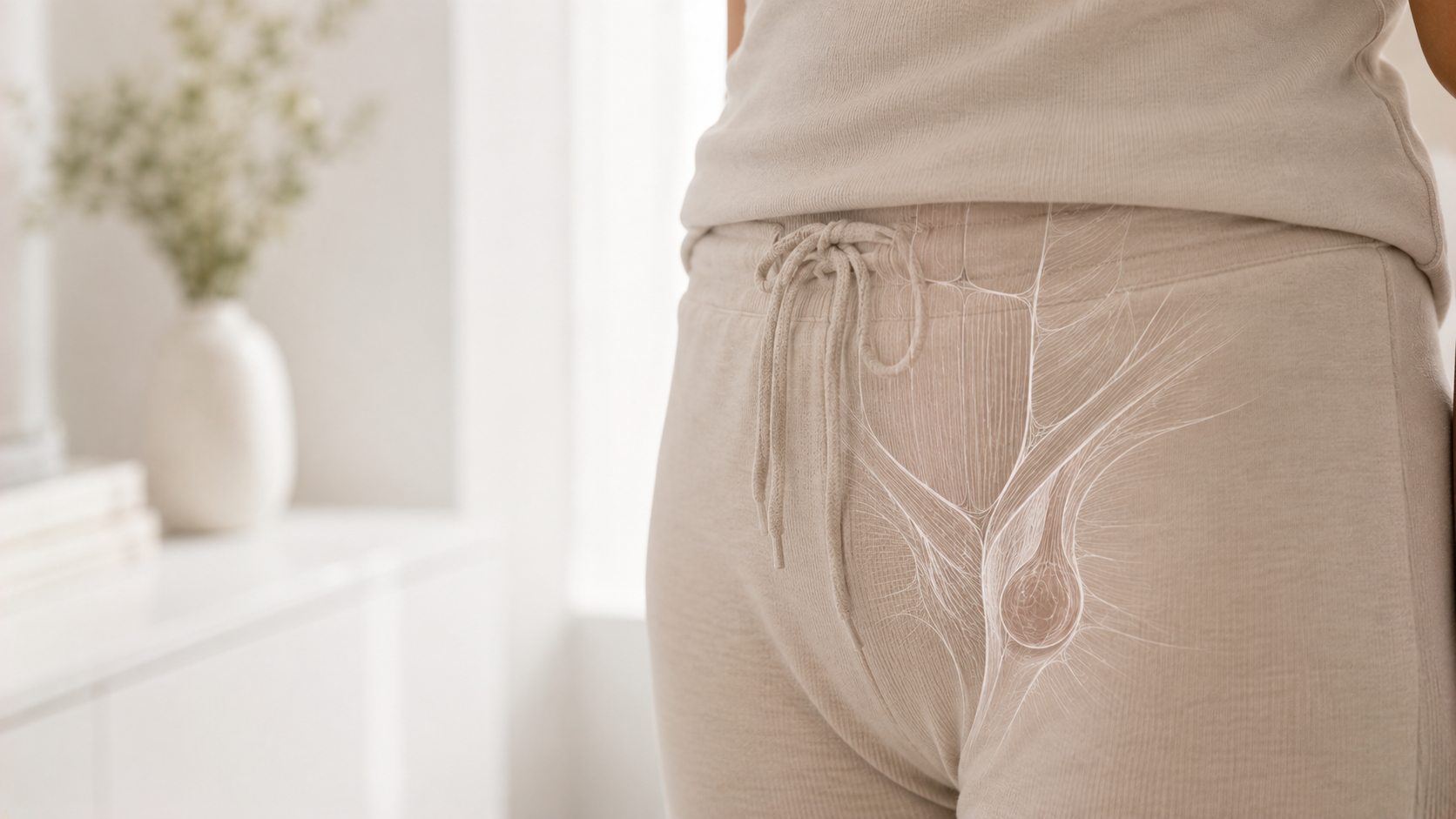
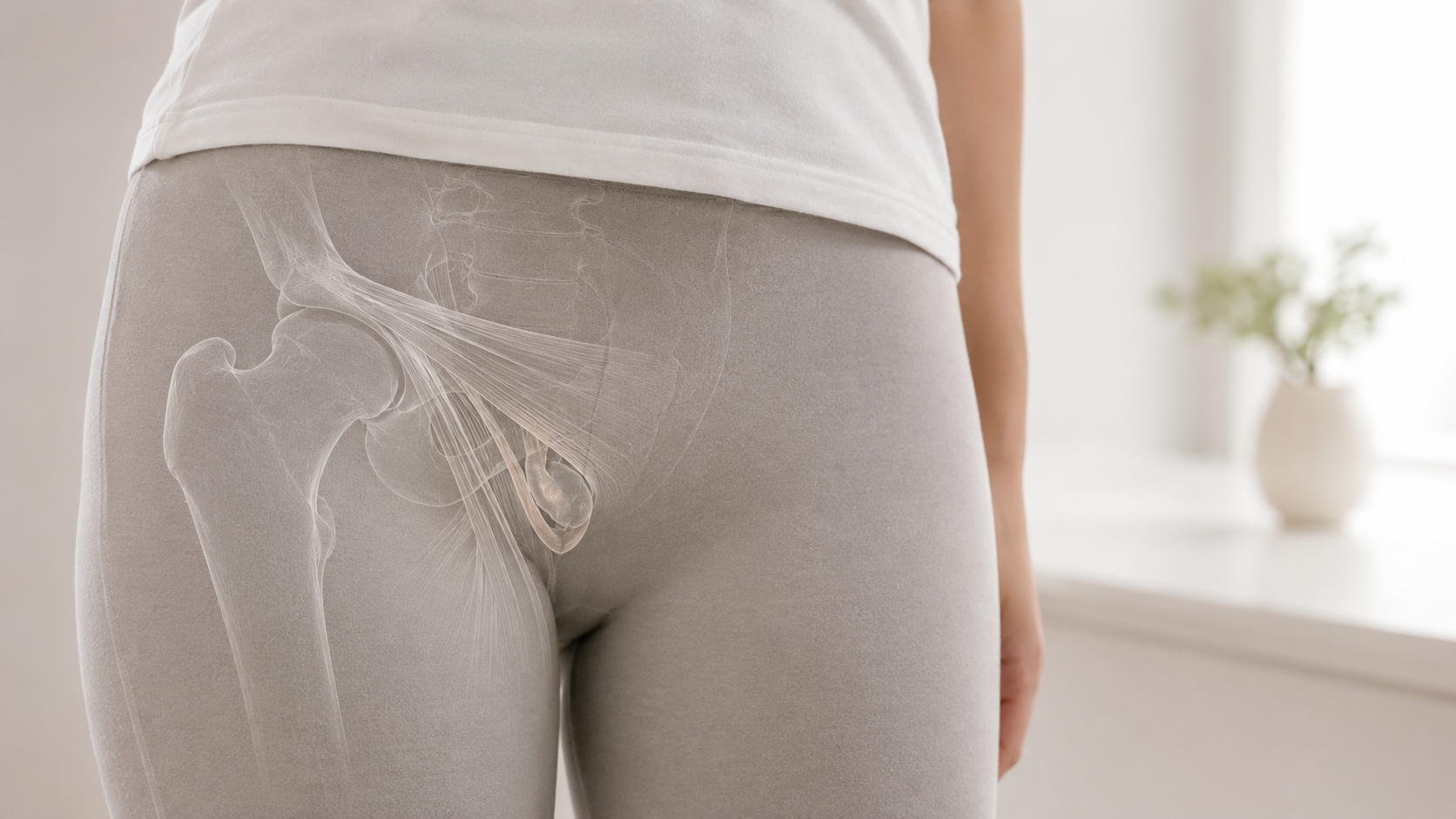
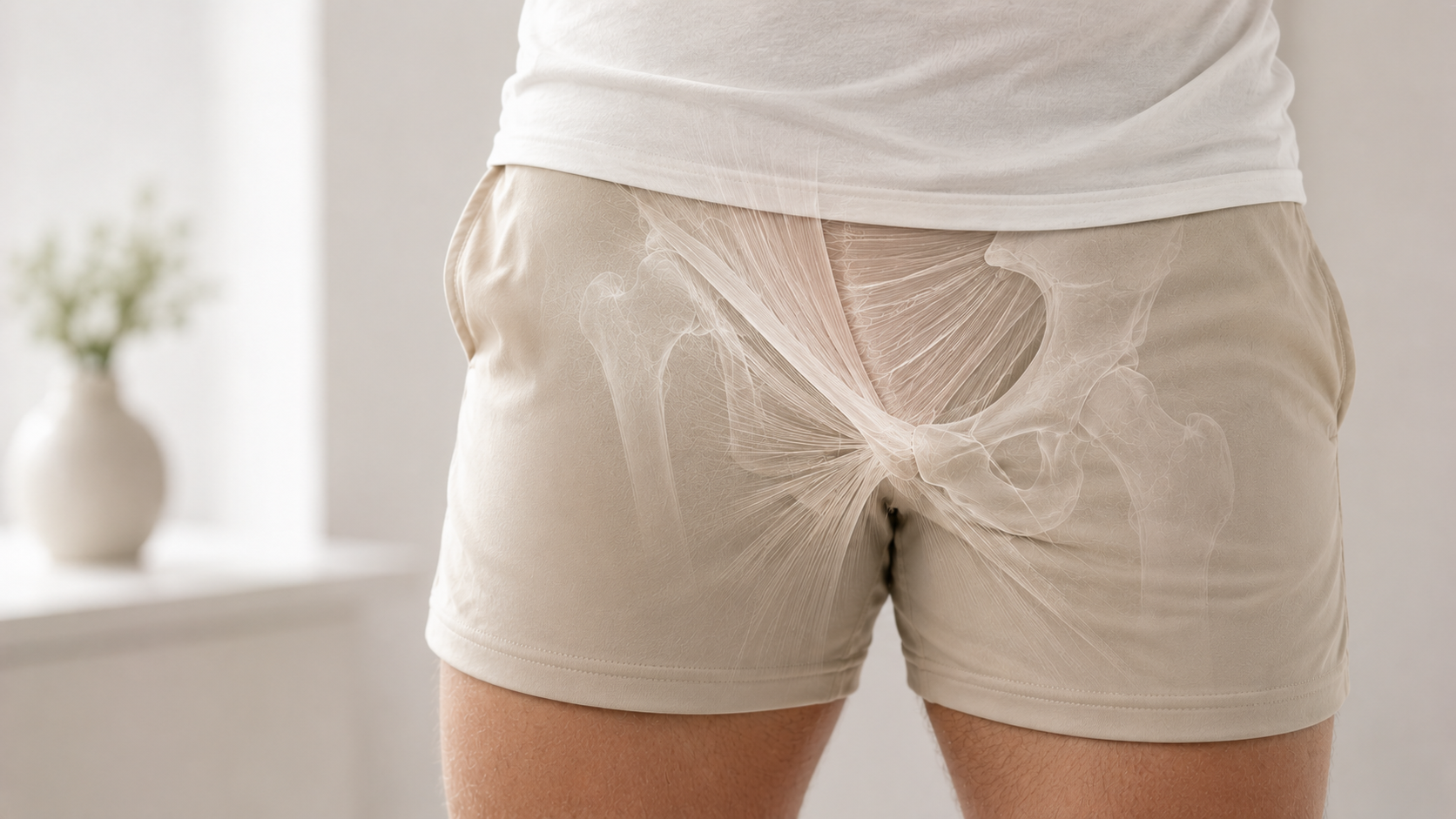
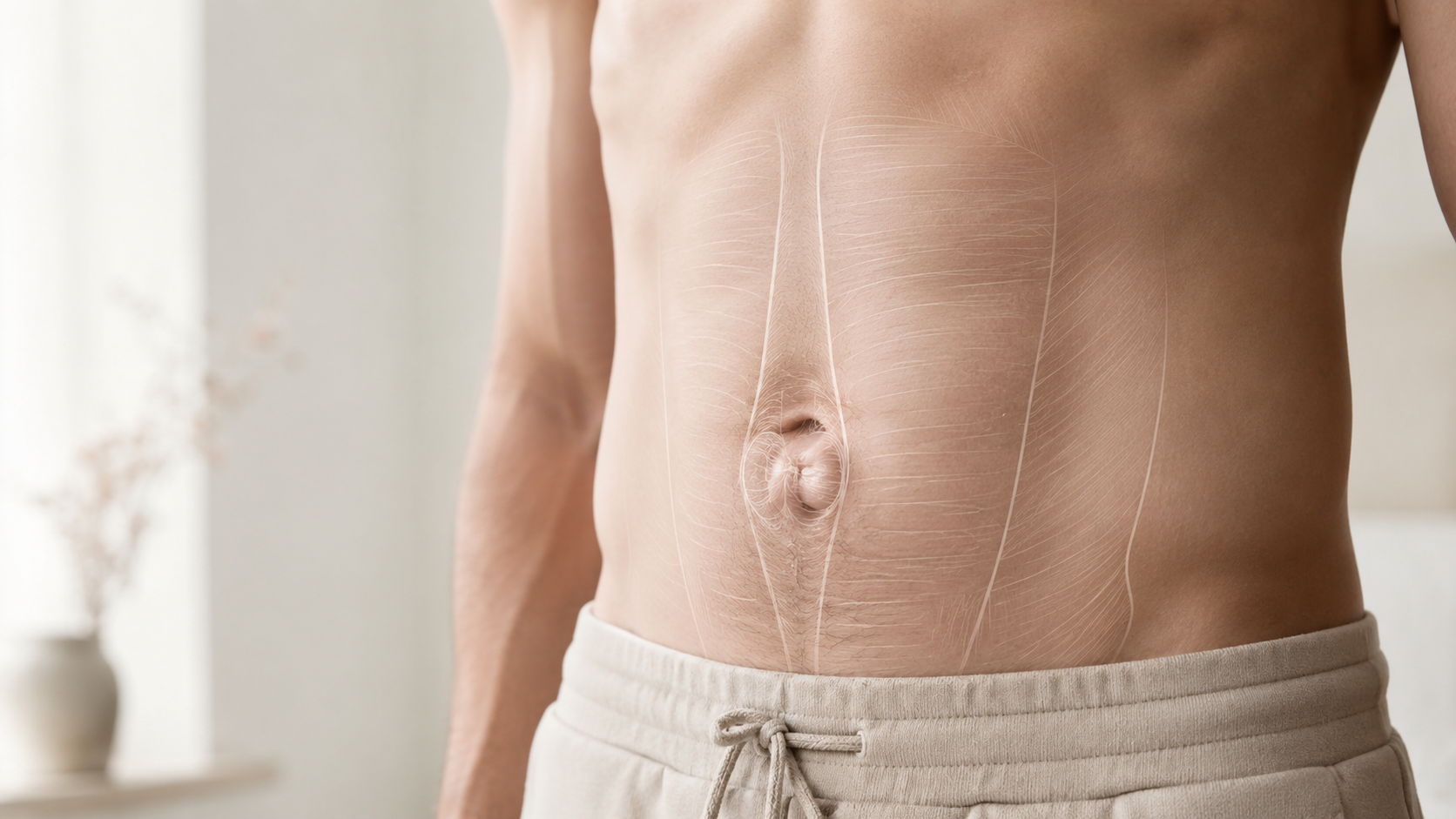
A femoral hernia occurs when tissue pushes through a weakened area near the femoral canal, usually in the upper thigh or groin region. Femoral hernias are less common than inguinal hernias, but they can be clinically important because they may have a higher risk of becoming incarcerated or strangulated.
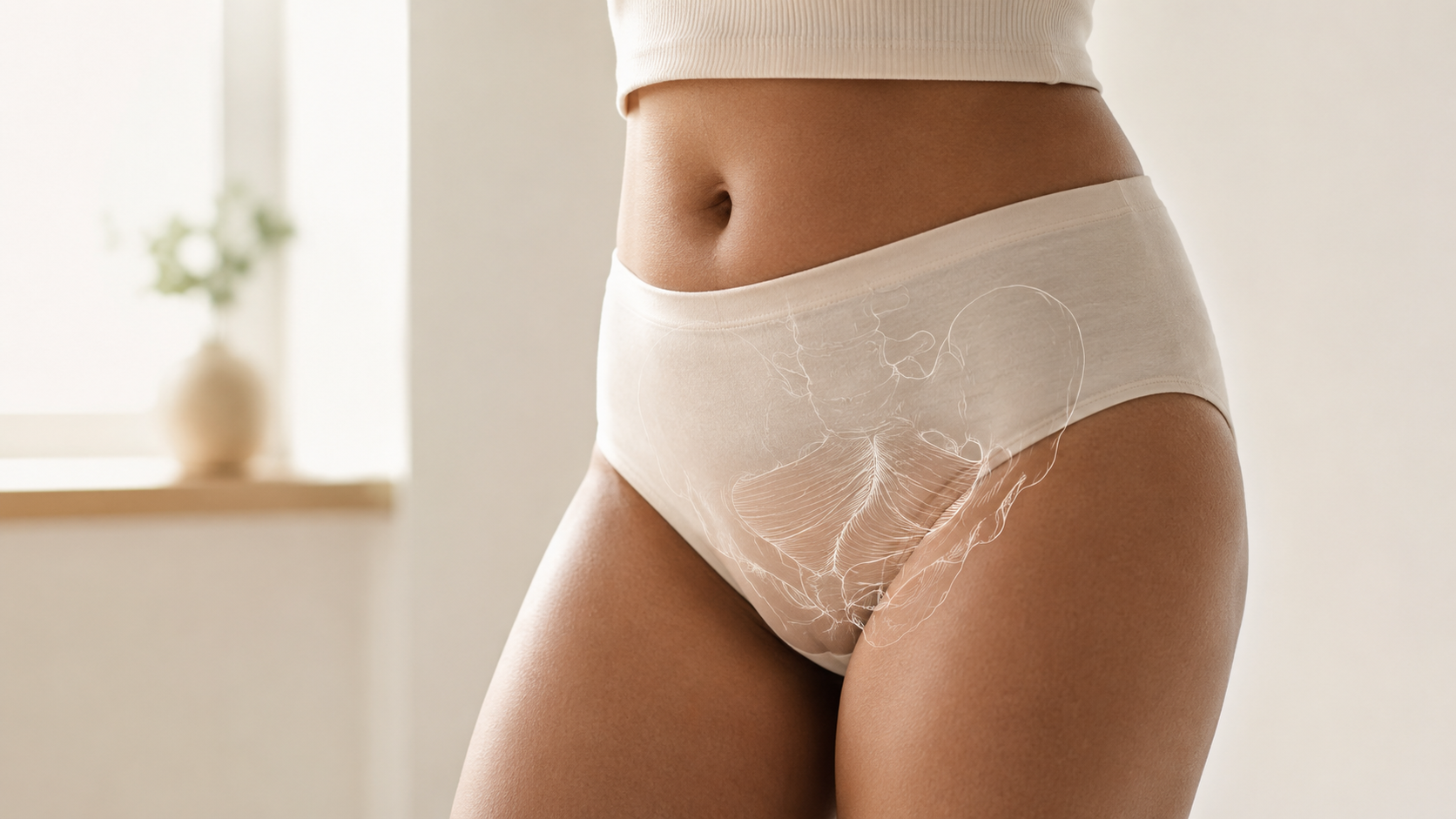
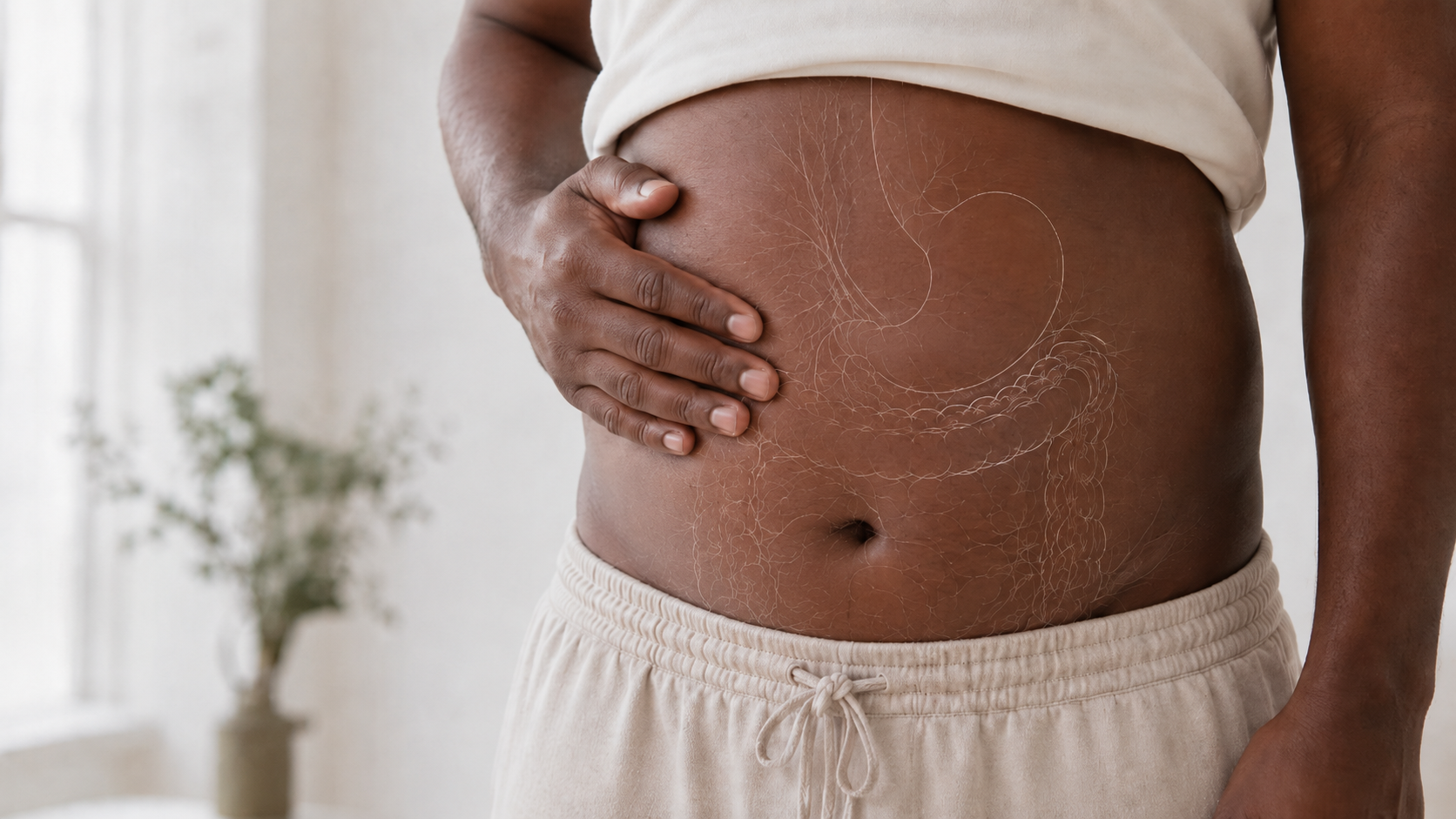
Femoral hernia pain may appear as groin pain, pelvic-region pain, lower abdominal pain, hip-region discomfort, or upper thigh pain. Some patients notice a bulge below the inguinal ligament. Others have pressure, aching, pulling, heaviness, burning, or sharp pain without an obvious lump.
Symptoms may worsen with coughing, lifting, standing, walking, straining, exercise, or core activity. Because this region contains many overlapping structures, femoral hernia pain can be mistaken for hip pain, pelvic floor dysfunction, nerve entrapment, sports hernia, abdominal wall pain, endometriosis, or spine-related pain.
Why Femoral Hernias Need Careful Evaluation
Femoral hernias require careful evaluation because the femoral canal is narrow. This means that herniated tissue may be more likely to become trapped. If the tissue becomes incarcerated or loses blood supply, the condition can become urgent or emergent.
MPM does not replace surgical evaluation for femoral hernias. If the pain pattern, exam, or imaging suggests a femoral hernia that may require repair, MPM coordinates with general surgery or directs the patient to urgent evaluation when appropriate.
Pain medicine care is most appropriate when pain is chronic, post-surgical, nerve-related, abdominal wall-related, pelvic-region, or diagnostically unclear. In these cases, the goal is to determine whether the pain is still hernia-related or whether another pain generator is contributing.
What Femoral Hernia Pain Can Feel Like
Femoral hernia pain may feel like pressure, heaviness, aching, sharp pain, burning, or pulling in the groin or upper thigh. It may also appear as pelvic pain, lower abdominal pain, hip-region pain, or discomfort near the crease between the lower abdomen and thigh.
Pain may increase with activities that raise abdominal pressure, such as coughing, lifting, straining, bowel movements, standing, walking, or exercise. Some patients feel a tender bulge or swelling. Others have intermittent symptoms that come and go.
Because symptoms can be subtle or nonspecific, femoral hernia pain should be evaluated carefully, especially when pain is worsening, associated with a bulge, or accompanied by nausea, vomiting, abdominal distension, bowel changes, fever, or skin discoloration.
Femoral Hernia vs. Inguinal Hernia
Femoral and inguinal hernias both occur in the groin region, but they involve different anatomy. An inguinal hernia usually occurs higher in the groin. A femoral hernia usually occurs lower, near the upper thigh and femoral canal.
This distinction matters because femoral hernias can be more prone to incarceration or strangulation. Patients may not be able to reliably tell the difference based on symptoms alone. Physical exam and imaging may be needed, and surgical evaluation is often appropriate when a femoral hernia is suspected.
Femoral Hernia Pain vs. Nerve Entrapment, Hip Pain, and Pelvic Floor Pain
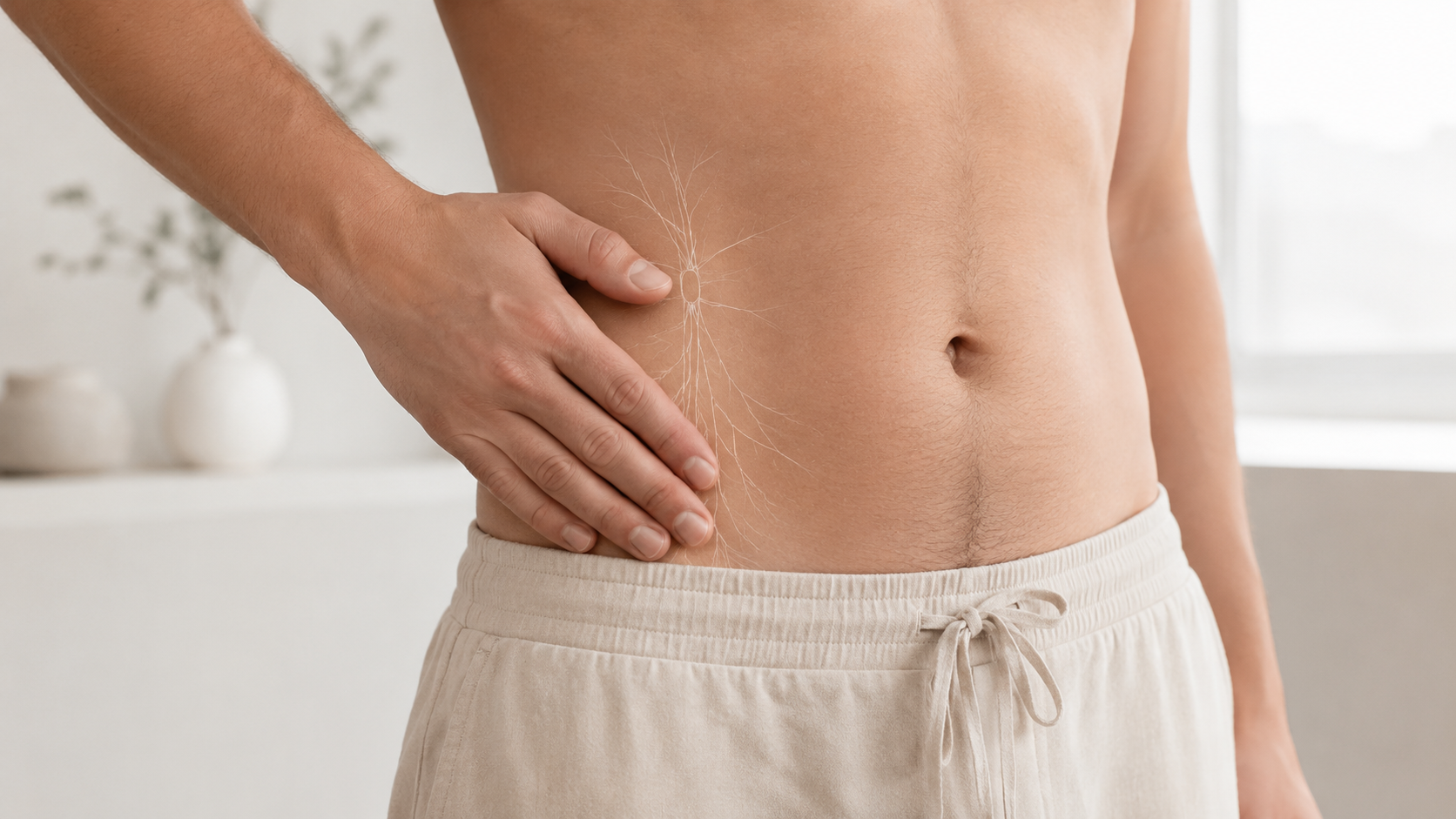
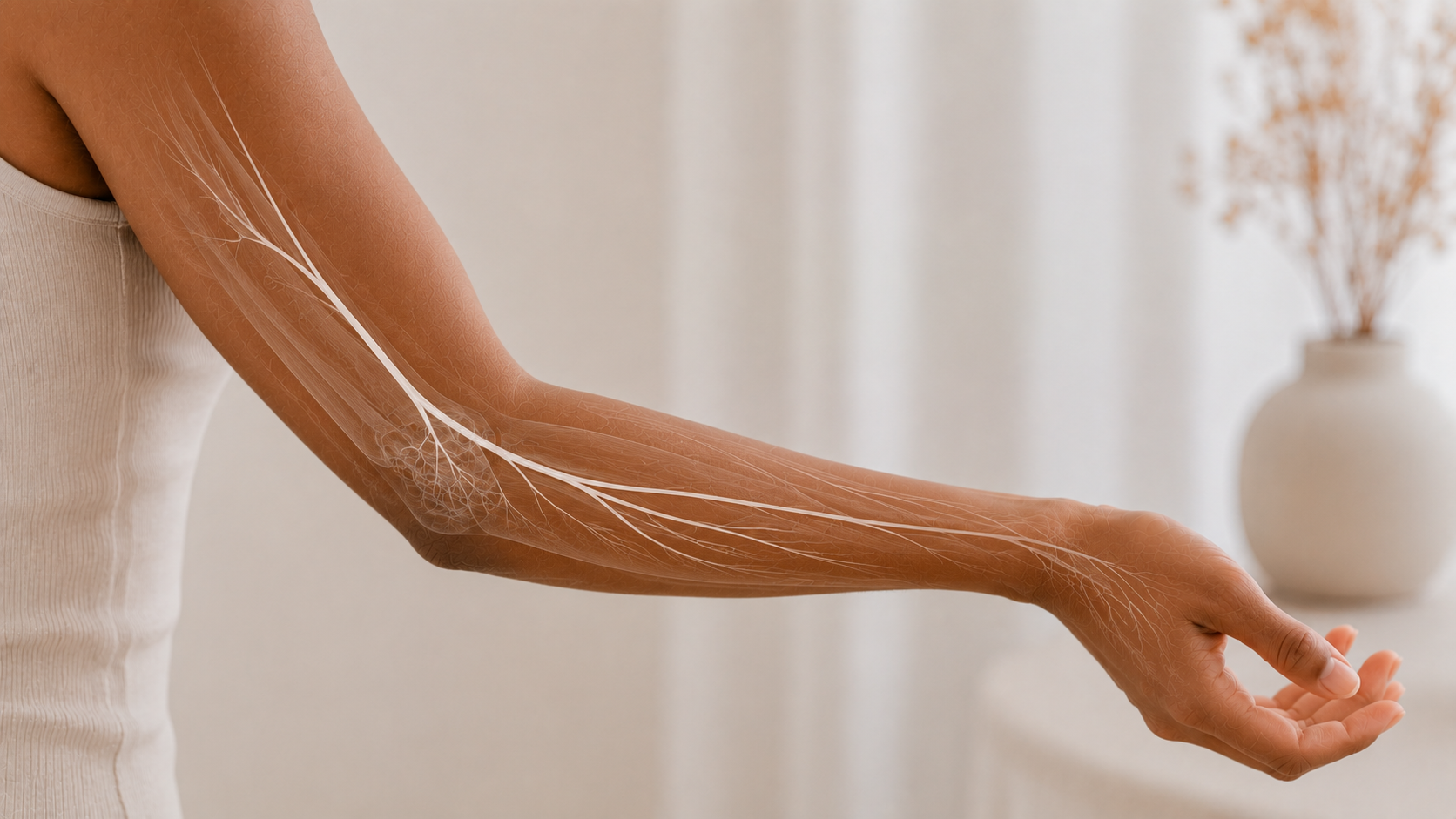
Femoral hernia-like symptoms can come from several non-hernia sources. Peripheral nerve entrapment may cause burning, electric, sharp, or radiating pain in the groin, lower abdomen, pelvis, or upper thigh. ACNES or abdominal wall nerve entrapment may cause focal abdominal wall pain that can mimic hernia pain.
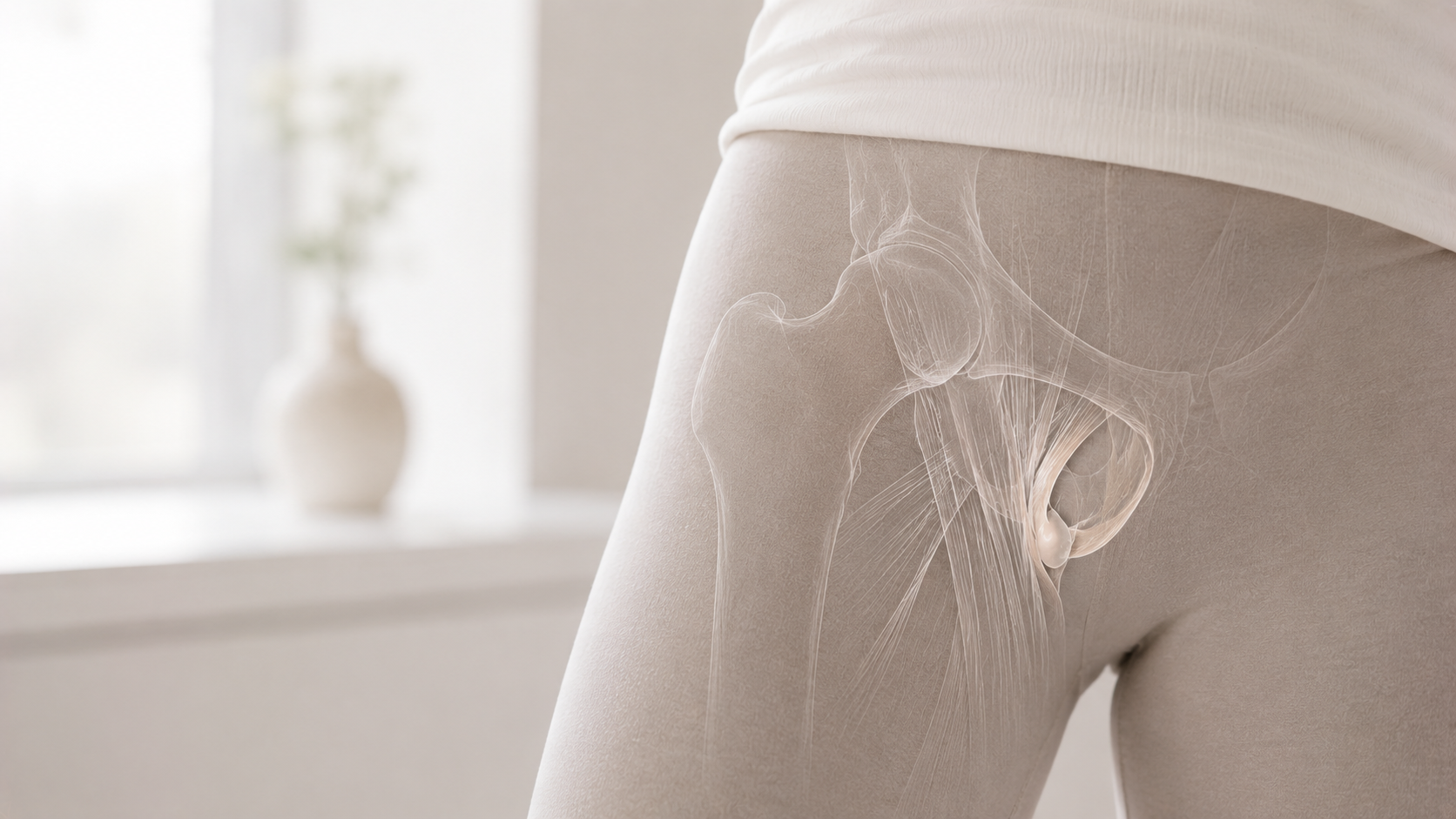
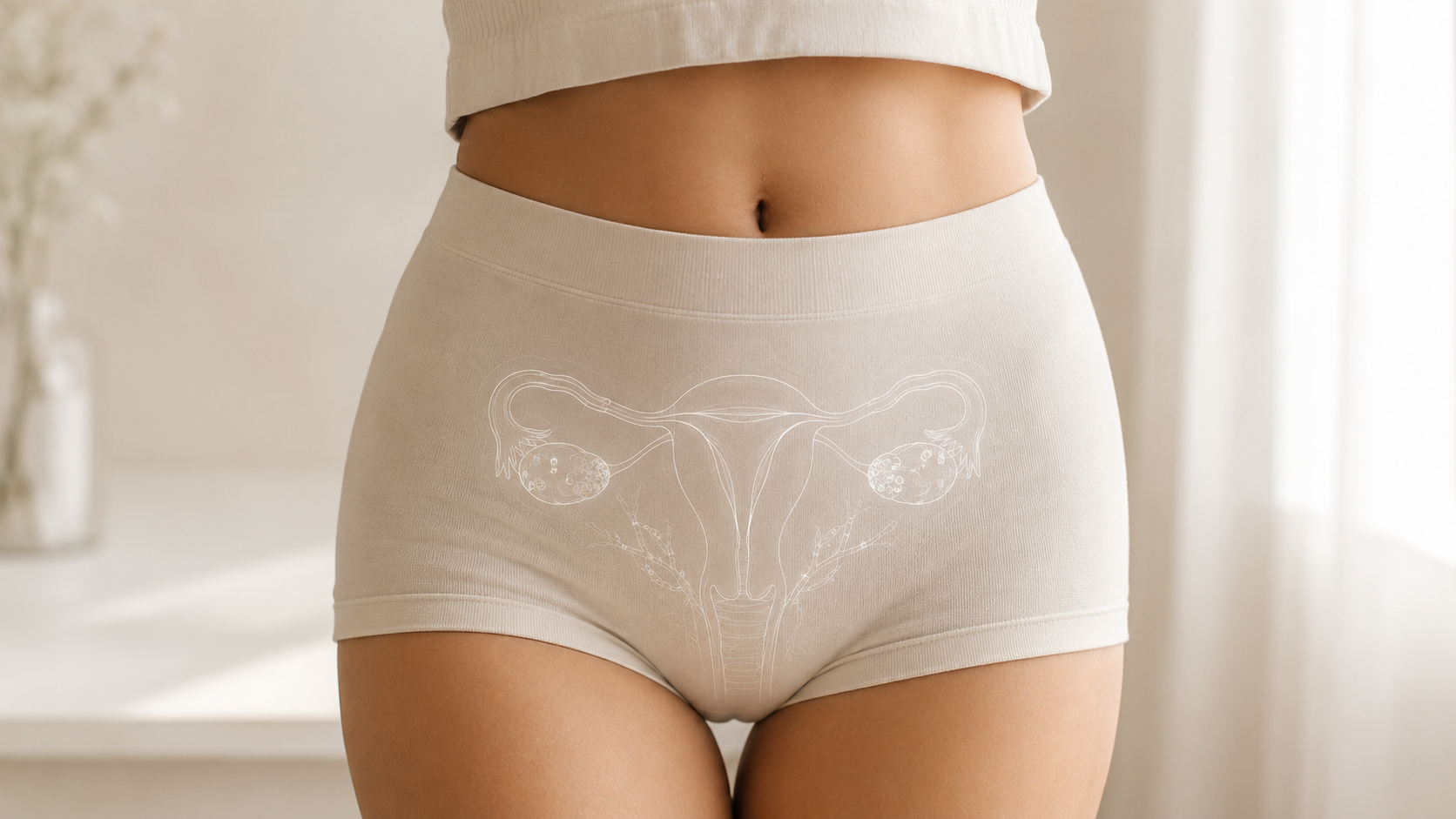
Hip pathology may cause groin pain, especially with walking, standing, rotation, or activity. Pelvic floor dysfunction may cause groin, pelvic, lower abdominal, or genital-region pain, sometimes with urinary, bowel, or sexual symptoms. Endometriosis may also overlap with pelvic, groin, abdominal, or nerve-related pain.
MPM evaluates these patterns by reviewing symptom location, triggers, tenderness, nerve distribution, pelvic symptoms, hip mechanics, abdominal wall findings, prior imaging, and treatment history.
Chronic Pain After Femoral Hernia Repair
Some patients continue to experience groin, pelvic, abdominal wall, or upper thigh pain after femoral hernia repair. This does not always mean the repair failed. Persistent pain may involve nerve irritation, scar tissue, mesh-related sensitivity, abdominal wall pain, altered mechanics, recurrent hernia, or another overlapping condition.
Post-surgical nerve pain may feel burning, sharp, electric, pulling, tight, or hypersensitive. Pain may occur near the incision, groin, pelvis, lower abdomen, or upper thigh. It may worsen with touch, movement, standing, lifting, sitting, exercise, or pressure.
MPM reviews surgical history, imaging, pain distribution, scar sensitivity, nerve symptoms, mesh-related concerns, and prior treatment response. If recurrent hernia or surgical complication is suspected, MPM coordinates with the appropriate surgical specialist.
Femoral Hernia Pain, Hypermobility, and EDS
Hypermobility spectrum disorder and Ehlers-Danlos syndrome may complicate groin, pelvic, abdominal wall, and hip-region pain. Connective tissue laxity may affect joint stability, pelvic mechanics, abdominal wall support, scar sensitivity, and recovery after injury or surgery.
This does not mean that every femoral hernia or groin pain pattern is caused by hypermobility. It means that the evaluation should consider connective tissue behavior, mechanical stress, pelvic stability, nerve irritation, and overlapping pain patterns when symptoms are persistent or complex.
MPM considers hypermobility and EDS when patients describe recurrent injuries, pelvic instability, multi-joint symptoms, abdominal wall vulnerability, scar sensitivity, or chronic pain patterns that do not fit one simple diagnosis.
How MPM Evaluates Femoral Hernia-Related Pain
MPM begins with a detailed history and physical exam. The evaluation reviews pain location, quality, triggers, bulging, bowel or urinary symptoms, prior imaging, prior hernia repair, scar or mesh concerns, pelvic symptoms, abdominal wall tenderness, nerve distribution, hip mechanics, activity pattern, and prior treatment response.
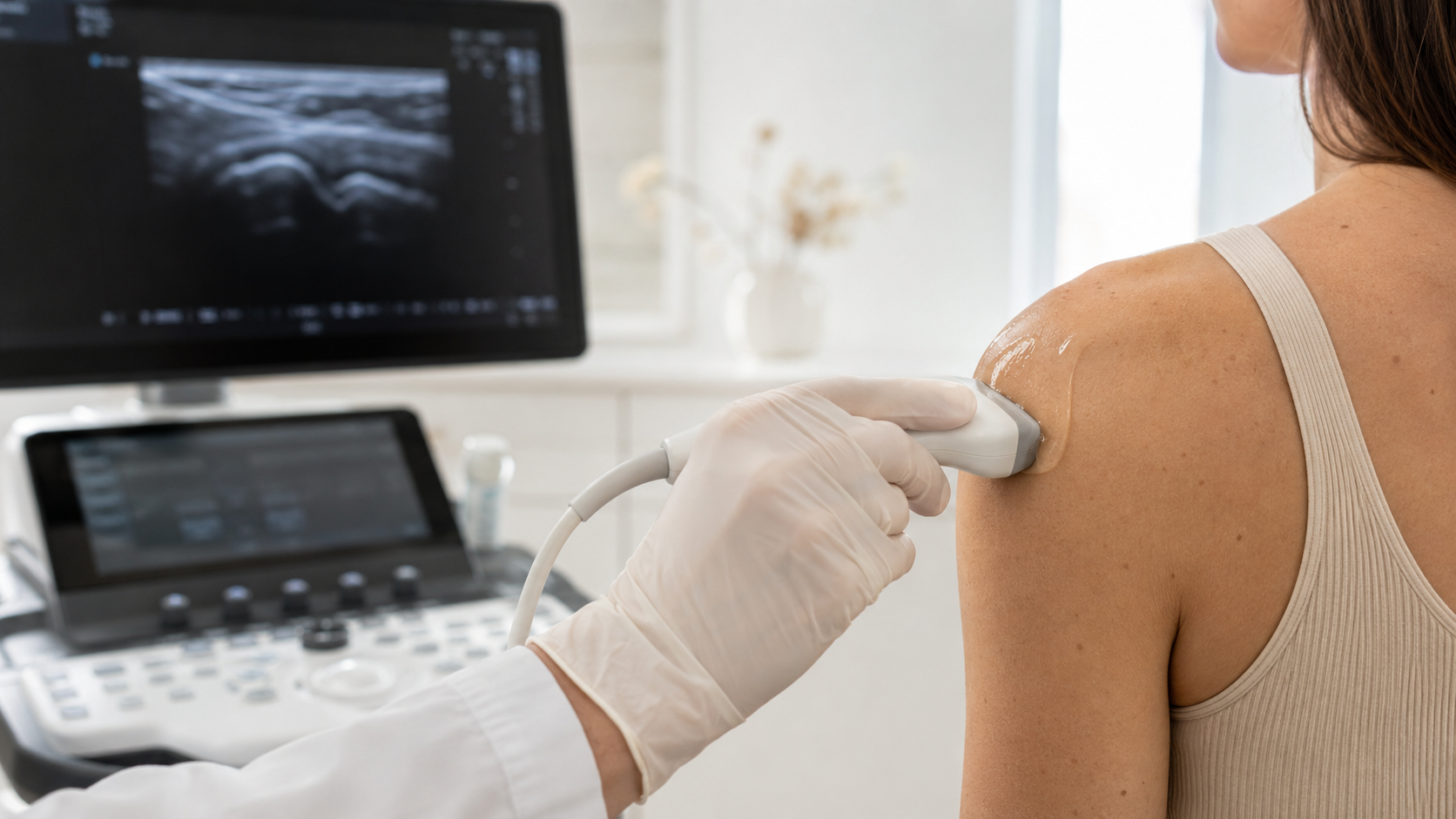
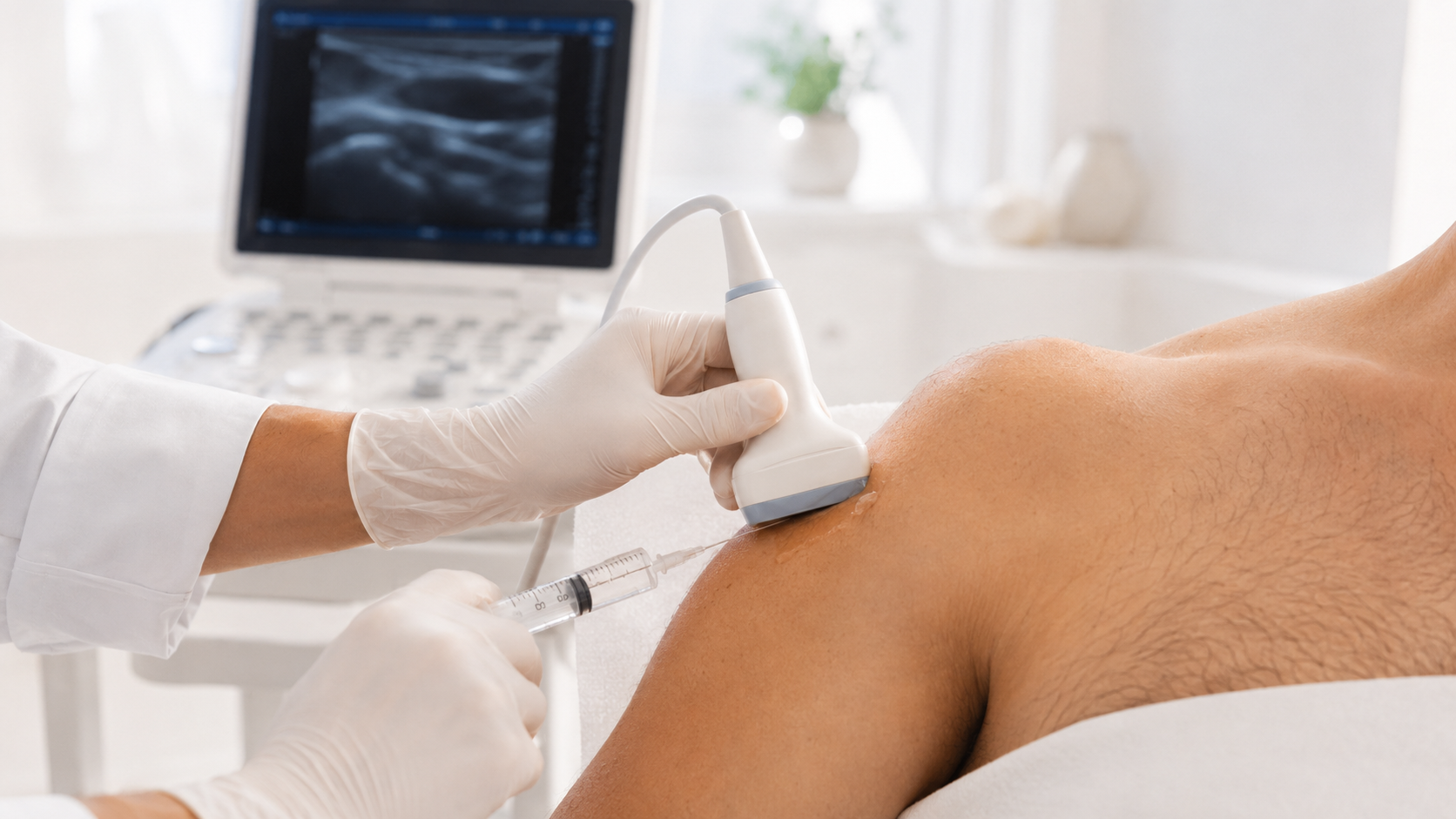
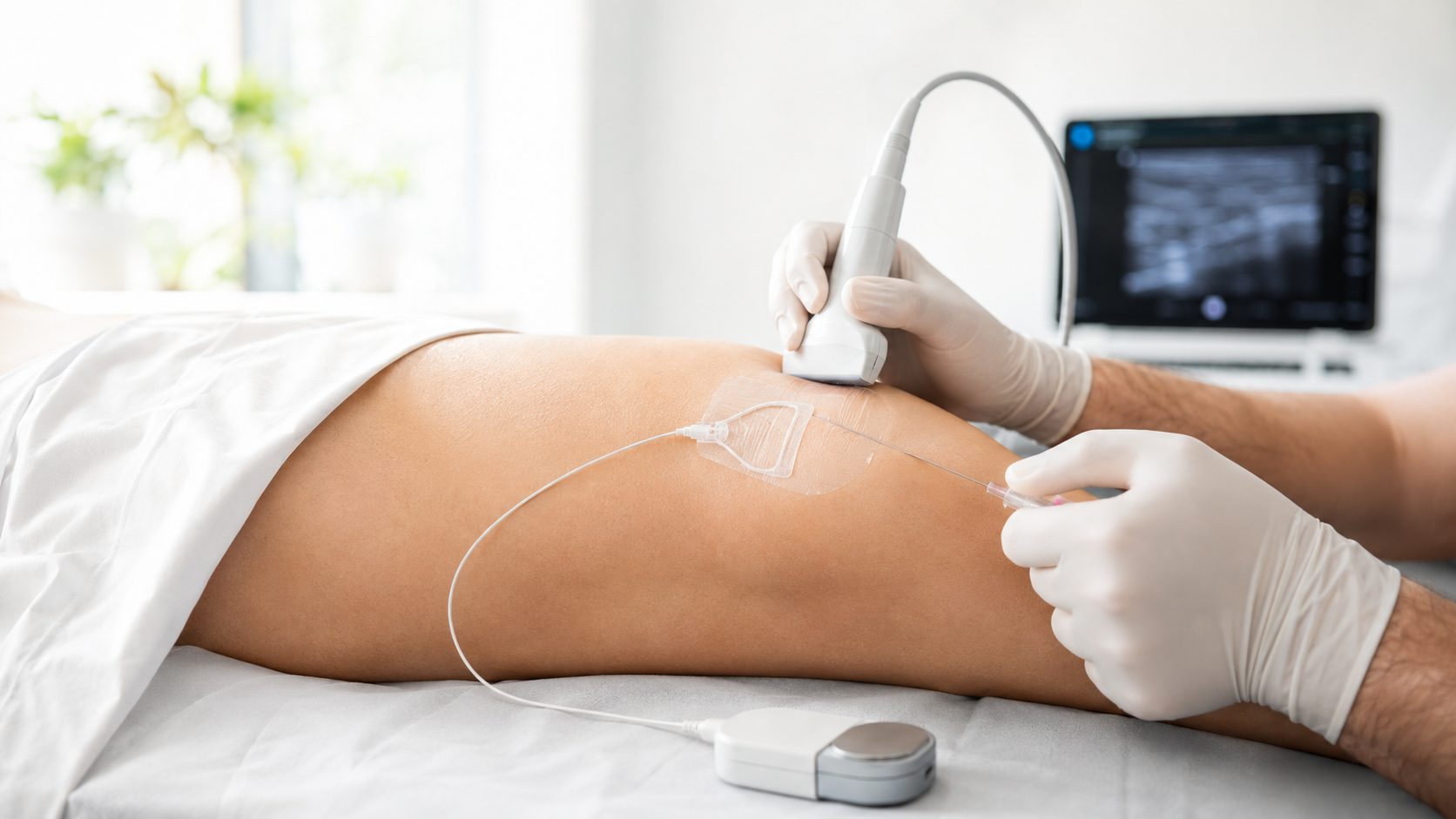
Diagnostic ultrasound may be considered when the clinical question involves groin structures, abdominal wall pain, soft tissue, scar tissue, or nerve-related pain. Ultrasound may also help guide selected procedures when a specific target is identified.
If symptoms suggest a femoral hernia that may need repair, MPM coordinates referral to general surgery. If symptoms suggest chronic nerve-related, post-surgical, pelvic, hip-region, or abdominal wall pain, MPM helps identify the pain generator and build a coordinated care plan.
Treatment Options and Referral Pathways
Treatment depends on the source of pain. A femoral hernia that requires repair should be evaluated by a surgeon. Pain medicine does not replace surgical care for incarcerated, strangulated, obstructed, enlarging, or otherwise clinically significant hernias.
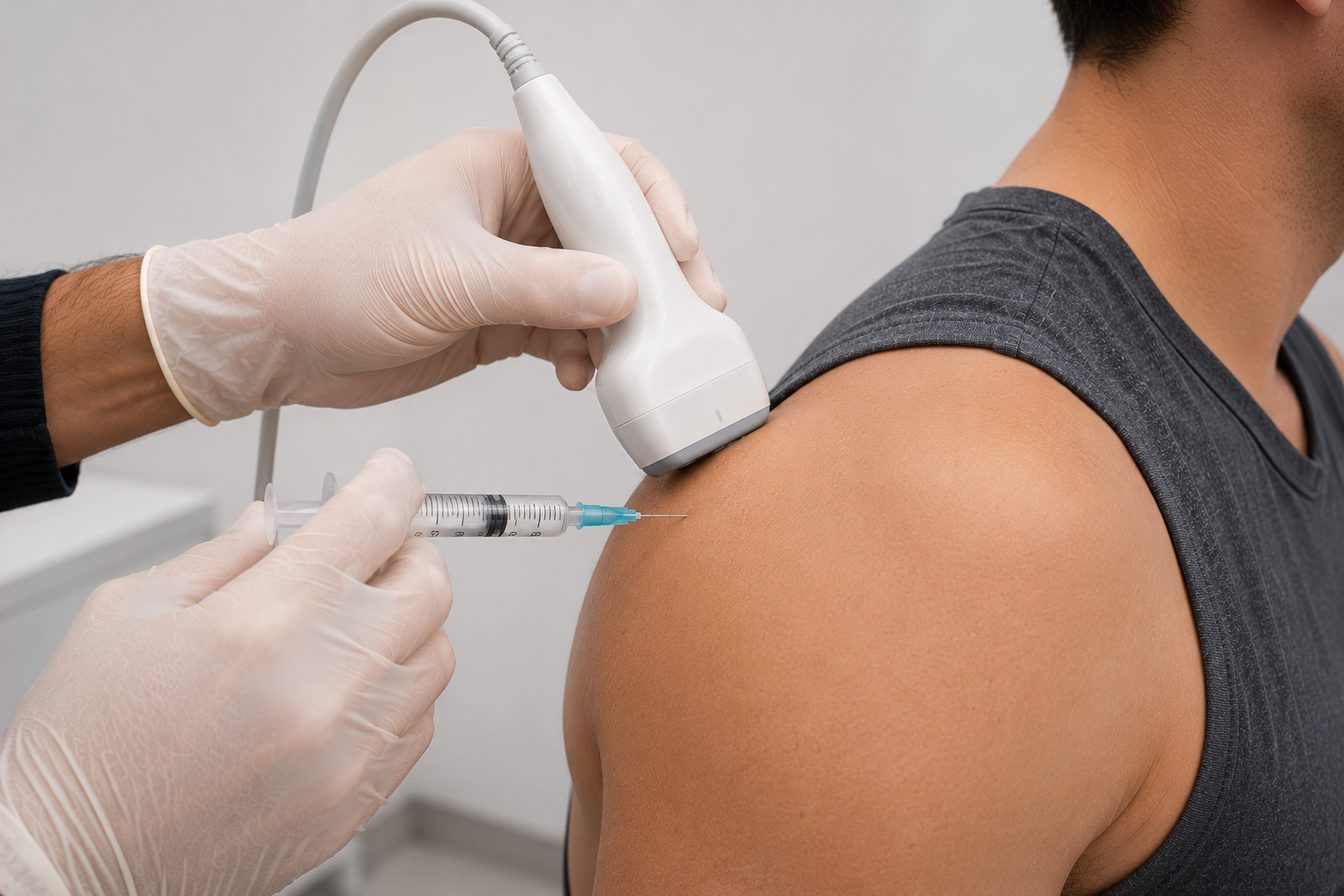
When pain is chronic, post-surgical, abdominal wall-related, pelvic-region, or nerve-related, treatment may include medication management when appropriate, diagnostic ultrasound, ultrasound-guided injections, steroid injections in selected cases, nerve hydrodissection for selected entrapment patterns, peripheral nerve stimulation for selected chronic nerve pain, acupuncture, and coordinated pelvic or musculoskeletal care.
The goal is to treat the pain generator, not simply the painful area. Persistent pain after femoral hernia repair may require a different plan than a new femoral hernia, pelvic floor dysfunction, ACNES, hip pathology, or peripheral nerve entrapment.
When Nerve Hydrodissection or Peripheral Nerve Stimulation May Be Considered
Nerve hydrodissection may be considered in selected nerve entrapment patterns when anatomy, imaging, symptoms, and exam findings support that approach. It is not a standard treatment for all femoral hernia pain and should not be used as a substitute for surgical evaluation when a hernia requires repair.
Peripheral nerve stimulation may be considered for selected chronic nerve pain patterns when conservative and less invasive options have not provided sufficient relief and when the suspected nerve target is appropriate. It is not used for every patient and requires careful evaluation, risk discussion, and follow-up.
When Femoral Hernia Pain Requires Urgent Evaluation
Patients should seek urgent evaluation for severe or worsening groin or abdominal pain, a bulge that cannot be pushed back in, nausea, vomiting, abdominal distension, inability to pass stool or gas, fever, skin discoloration over the bulge, fainting, severe pelvic pain, severe testicular pain, signs of bowel obstruction, or rapidly worsening symptoms.
These symptoms may suggest incarceration, strangulation, bowel obstruction, infection, vascular compromise, or another urgent medical condition. Pain medicine care should not delay emergency or surgical evaluation when red flags are present.
How MPM Approaches Femoral Hernia Pain Care
MPM approaches femoral hernia pain through a diagnosis-first, coordinated model. The goal is to determine whether pain is structural, surgical, nerve-related, abdominal wall-related, pelvic, musculoskeletal, post-surgical, or mixed.
For patients looking for femoral hernia pain treatment in Manhattan or NYC, MPM offers a careful pain medicine perspective focused on pain generator identification, diagnostic ultrasound when appropriate, nerve-focused evaluation, pelvic pain overlap, hypermobility-aware assessment, and coordination with the right specialists. Treatment is individualized and selected only after the likely source of pain is better understood.