Bone Marrow Aspirate Concentrate (BMAC)
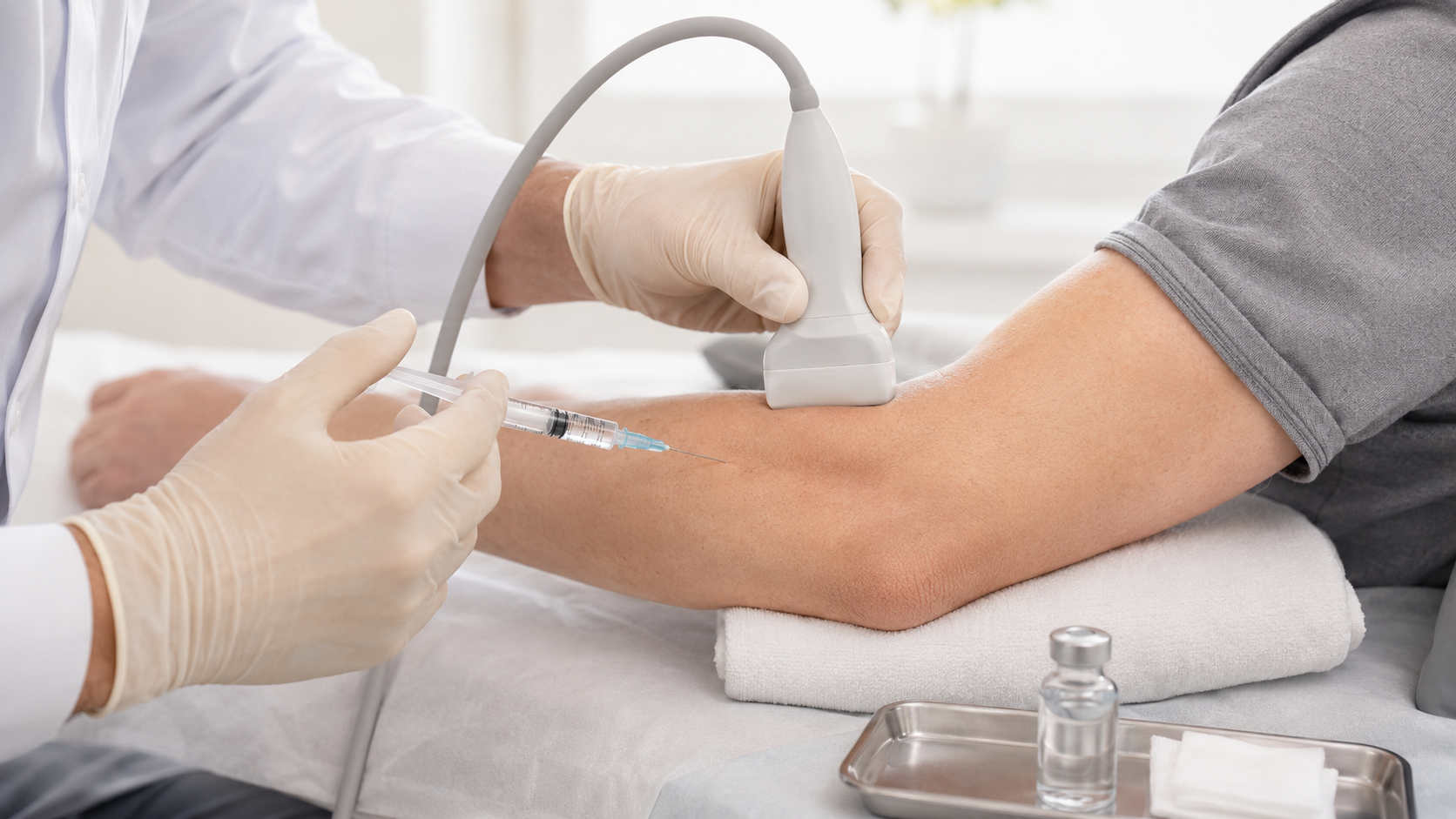
Bone marrow aspirate concentrate, or BMAC, is an orthobiologic treatment made from a patient’s own bone marrow aspirate. The bone marrow sample is collected, processed, and concentrated, then injected into a selected musculoskeletal target when clinically appropriate. BMAC treatment may be considered for certain joint, tendon, ligament, orthopedic, hypermobility-related, or joint instability pain patterns.
At Manhattan Pain Medicine (MPM), BMAC treatment NYC care begins with diagnosis-first evaluation. The goal is to determine whether the patient has a clear pain generator that may reasonably fit a BMAC approach. BMAC is not a cure-all, a guaranteed alternative to surgery, or a replacement for rehabilitation, medical management, or appropriate specialist care.
How BMAC Is Used in Musculoskeletal Care
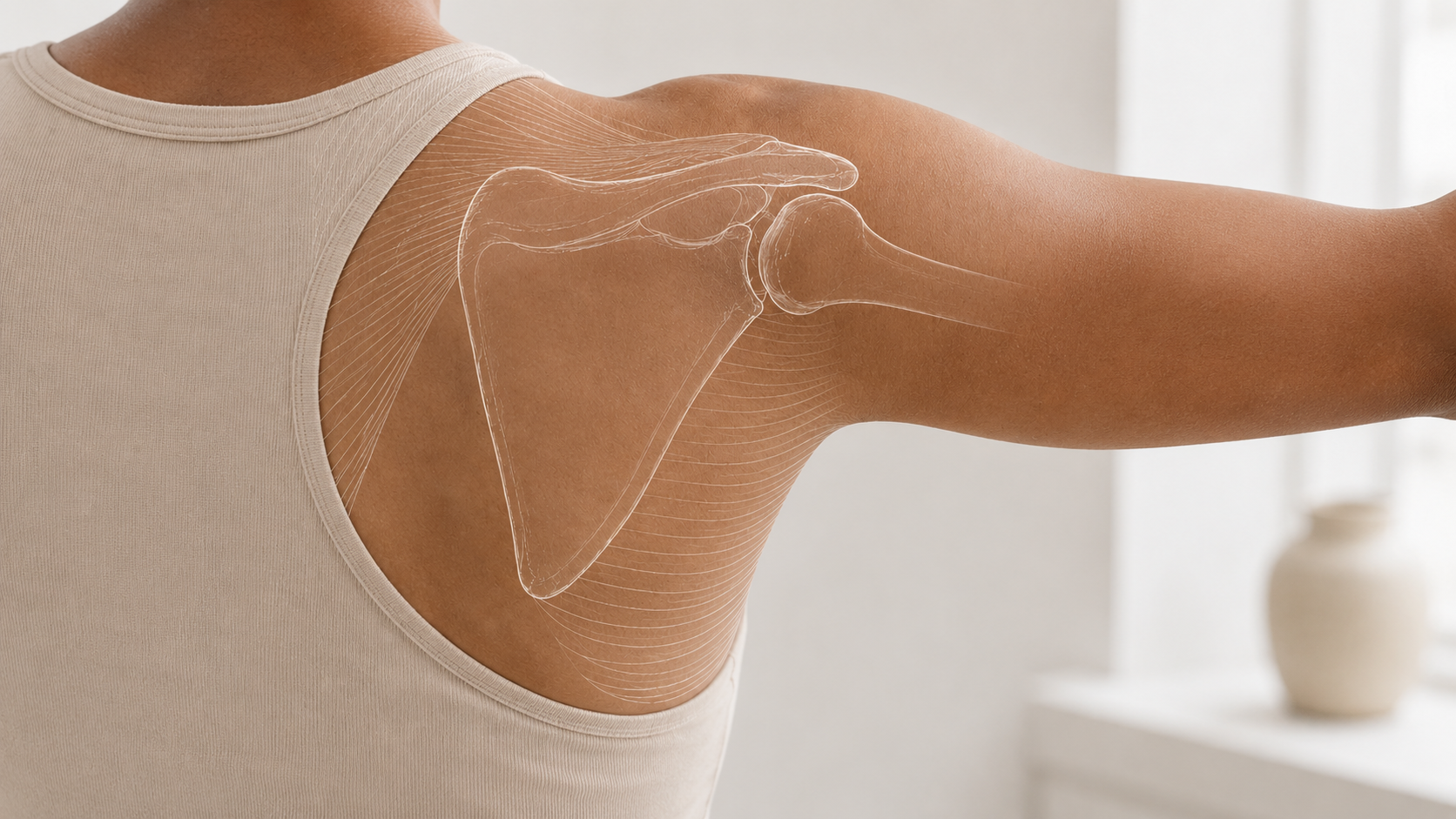
BMAC may be considered for selected patients with persistent joint pain, tendon pain, ligament injury, orthopedic pain, knee pain, hip pain, shoulder pain, labral symptoms, meniscal symptoms, TFCC injury, or instability-related symptoms. Patients may ask about BMAC after trying physical therapy, medications, steroid injections, PRP, prolotherapy, bracing, or surgery consultation.
The potential role of BMAC depends on the diagnosis. A patient with joint degeneration may need a different plan than a patient with tendon injury, ligament instability, labral symptoms, meniscal symptoms, nerve irritation, inflammatory disease, or referred spine pain. MPM evaluates the structure involved, symptom duration, imaging findings, prior treatments, activity goals, and recovery plan before recommending treatment.
BMAC and Stem Cell Marketing
BMAC is sometimes described as a stem cell treatment, but that language can create unrealistic expectations. BMAC contains a mixture of cells and biologic signaling components from the patient’s own bone marrow, but it should not be presented as guaranteed regeneration or FDA-approved stem cell therapy for orthopedic pain.
Patients should be cautious about broad claims involving stem cell, exosome, amniotic, cord blood, Wharton’s jelly, or adipose-derived products marketed for arthritis, orthopedic pain, chronic pain, back pain, hip pain, knee pain, shoulder pain, or neurologic conditions. Many of these products are not FDA-approved for those uses. MPM focuses on responsible orthobiologic care, informed consent, and realistic expectations.
BMAC Versus PRP and Prolotherapy
BMAC, PRP, and prolotherapy are different procedures. PRP is made from the patient’s blood and processed to concentrate platelets. Prolotherapy usually involves an injected solution, often dextrose-based, directed at selected ligament, tendon, joint, or instability-related targets. BMAC is prepared from bone marrow aspirate and has different collection steps, risks, costs, and evidence considerations.
No single regenerative treatment is best for every patient. MPM determines whether BMAC, PRP, prolotherapy, ultrasound-guided injections, rehabilitation, bracing, medication management, or surgery consultation is most appropriate based on diagnosis and goals.
BMAC for Hypermobility and Joint Instability
Patients with EDS, hypermobility spectrum disorder, or joint instability may ask whether BMAC can help. BMAC may be considered only when a specific joint, tendon, ligament, or instability-related target is identified. It does not cure EDS, hypermobility, joint instability, or complex chronic pain.
Hypermobility-related pain often requires stabilization, physical therapy, bracing, pacing, activity modification, and evaluation for overlapping nerve or centralized pain. BMAC may be one option for selected targets, but the broader care plan is essential.
Evidence, Limitations, and Recovery
BMAC evidence varies by condition, target, and patient factors. Some patients may experience pain or function improvement, while others may not respond. BMAC should not be described as guaranteed cartilage regrowth, ligament reconstruction, disc regeneration, nerve regeneration, or permanent repair.
After BMAC, patients may experience soreness at the bone marrow collection site, soreness at the injection site, bruising, stiffness, or a temporary pain flare. Recovery may require activity modification, bracing, gradual loading, and physical therapy depending on the target and diagnosis.
Risks and Urgent Symptoms
Risks may include bone marrow harvest pain, post-procedure pain flare, bruising, bleeding, infection, allergic reaction, nerve irritation, vascular injury, temporary worsening, incomplete relief, and persistent symptoms despite treatment.
Patients should seek urgent evaluation for fever, spreading redness, severe swelling, new weakness, new numbness, bowel or bladder dysfunction, saddle anesthesia, chest pain, shortness of breath, sudden severe headache, severe abdominal or pelvic pain, major trauma, suspected infection, loss of pulses, limb discoloration, or rapidly worsening symptoms.
For selected patients, BMAC may be one part of a musculoskeletal or hypermobility-aware pain care plan. MPM’s role is to determine whether the diagnosis, tissue target, safety profile, evidence, and recovery plan support treatment within a coordinated, medically responsible framework.