
Treatments We Offer
At Manhattan Pain Medicine, treatment is selected through diagnosis, not habit. Every medication, procedure, therapy, or intervention is chosen based on what we believe is driving the pain, what the body is protecting, and what needs to change for more durable progress.
What Are Zones of Expertise?
Our team organizes conditions and treatments into related zones of expertise to make it easier to explore the care paths most relevant to your symptoms and goals.
Use the zone tags above to browse dedicated pages for each focus area, including services, providers, and what to expect during treatment.
Expertise Built for Complex Pain
Explore the Zones of Expertise by clicking or tapping on a circle.


How Treatments Fit Into Care
Treating complex pain often requires two paths at the same time: helping the patient feel more comfortable while continuing to address the underlying cause. Some treatments calm inflammation or sensitization. Others support healing, improve stability, retrain movement, or help regulate the nervous system. The right plan depends on the diagnosis, the order of care, and how the body responds.
How We Choose the Right Treatment
-

Chemodenervation for Cervical Dystonia
Chemodenervation uses botulinum toxin to reduce involuntary activity in selected neck muscles. For cervical dystonia, we map which muscles pull or tilt the head and tailor injections to the movement pattern, pain, and functional goals.
-

Botulinum toxin for TMJ dysfunction
Botulinum toxin can reduce activity in selected chewing muscles. We consider it when evaluation links jaw pain to clenching, grinding, or muscle overactivity, and assess for joint, nerve, or neck contributors before choosing an injection plan.
-
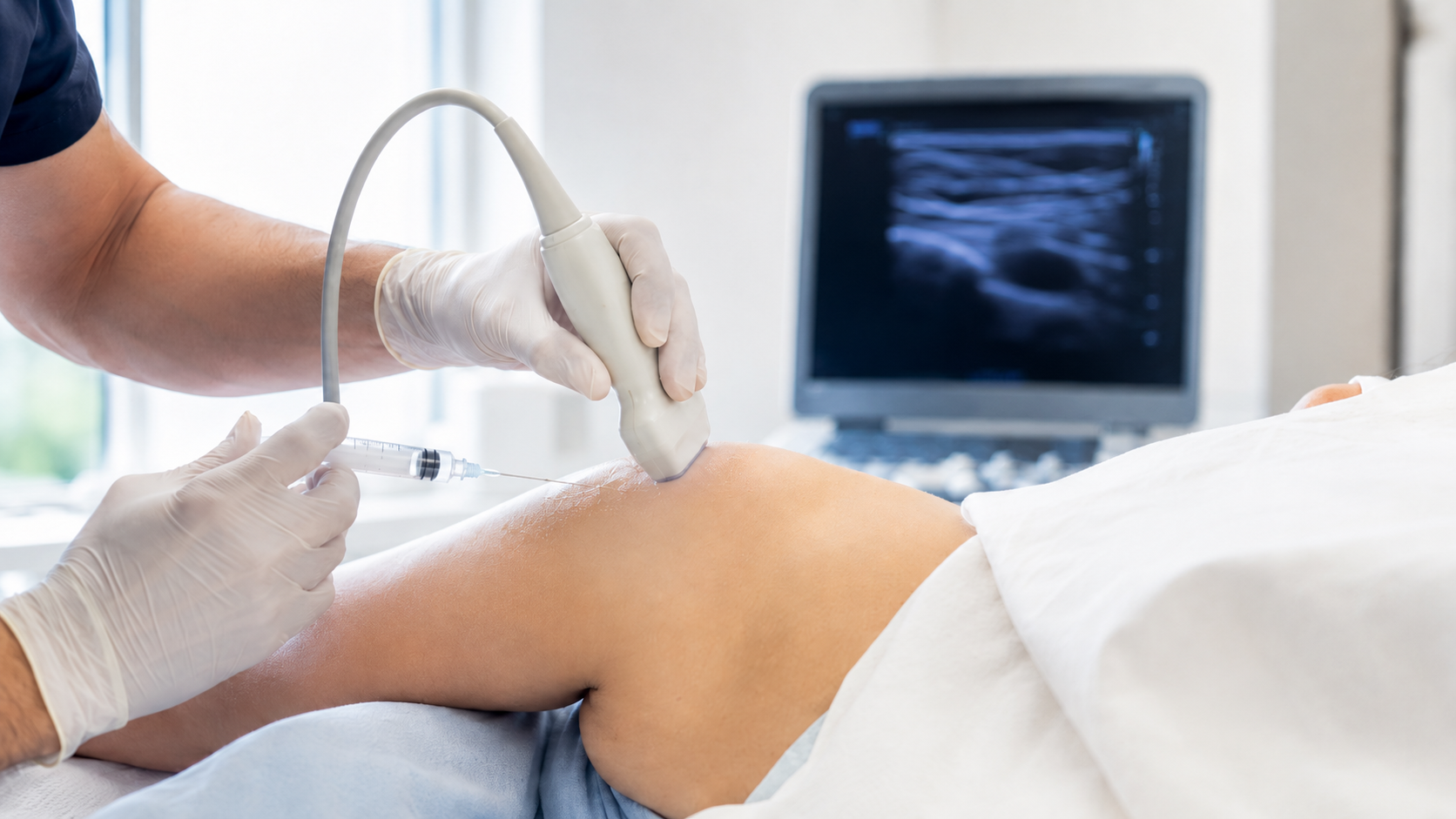
Peripheral Nerve Blocks
Peripheral nerve blocks place medication near a specific nerve to temporarily interrupt pain signals. We choose the target based on symptom distribution and exam findings and use the response to help determine whether that nerve is contributing.
-

Ganglion Impar Block
A ganglion impar block targets a sympathetic nerve relay near the tailbone. We consider it for selected tailbone, perineal, rectal, or genital pain and use the response to assess whether this pathway is contributing.
-

Steroid Injections
Steroid injections deliver anti-inflammatory medicine to a selected joint, soft tissue structure, or area near a nerve. We consider an injection when the diagnosis points to inflammation and review the target, likely benefit, and individual risks.
-

Bone Marrow Aspirate Concentrate (BMAC)
Bone marrow aspirate concentrate is prepared from a patient’s own bone marrow for injection. We consider it for selected joint or soft tissue conditions after reviewing what is driving the pain, the available evidence, risks, and other care options.
-

Neuromodulation
Neuromodulation uses electrical stimulation to change how nerves transmit pain signals. We consider peripheral nerve, dorsal root ganglion, or spinal cord stimulation when persistent pain has a targetable pattern and other care has provided limited relief.
-

Botox for Chronic Migraine
Botulinum toxin injections may reduce headache frequency in adults with chronic migraine. We first review headache days, migraine features, and prior preventive treatments to confirm whether this option fits the diagnosis and prevention plan.
-

Peripheral Joint Injections
Peripheral joint injections deliver medication to a joint such as the shoulder, hip, knee, or ankle. We use the exam and imaging when appropriate to choose the target and assess whether the injection clarifies the pain source or offers relief.
-
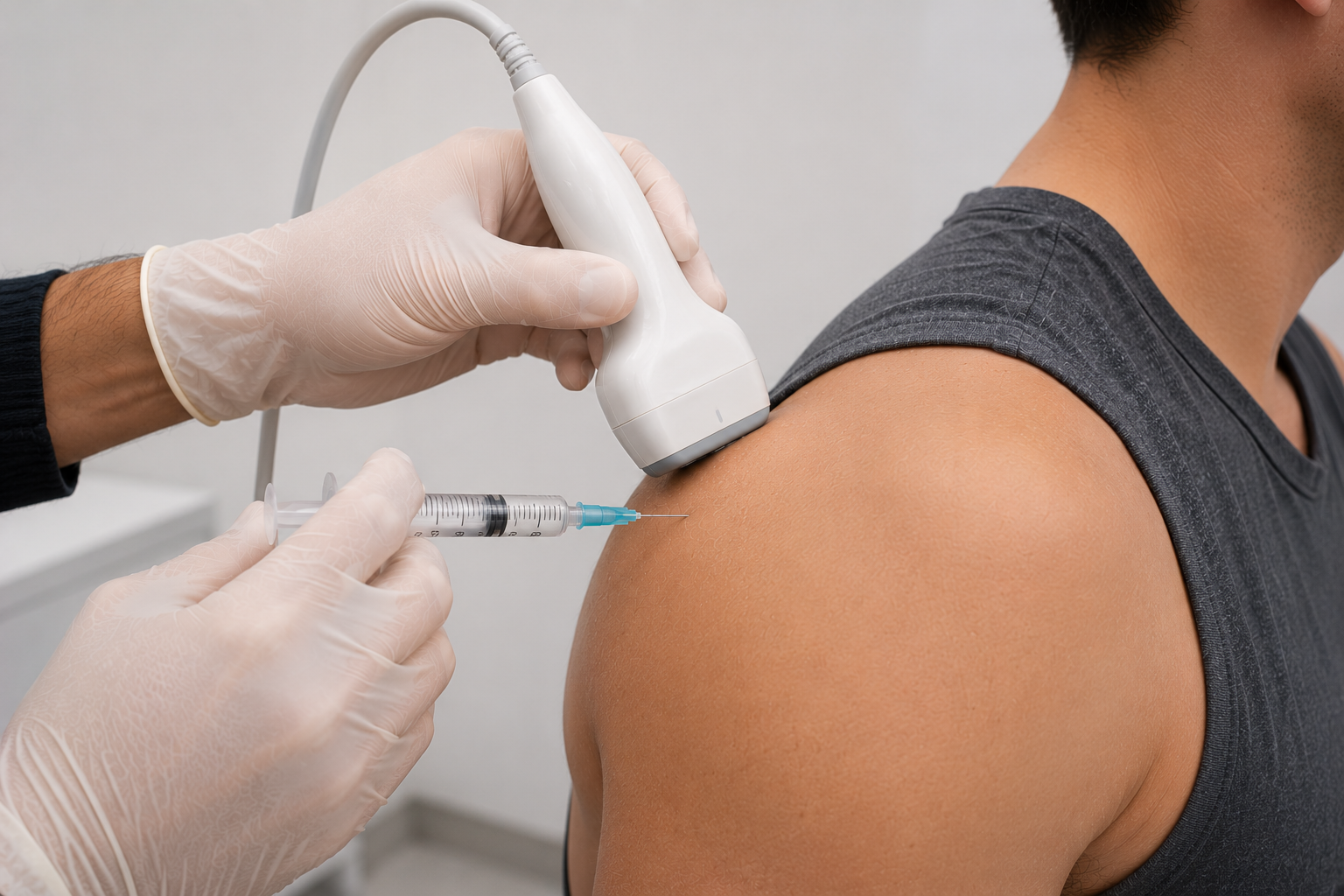
Ultrasound Guided Injections
Ultrasound-guided injections use live imaging to show the needle and nearby structures during a procedure. We use guidance when the exam identifies a specific joint, tendon, ligament, muscle, or nerve that may benefit from a targeted injection.
-

TMJ Prolotherapy
TMJ prolotherapy involves injections around the jaw joint and its supporting tissues. We consider it for selected cases when the evaluation links pain, clicking, or locking with jaw instability, including in some patients with hypermobility.
-

DMARDs
Disease-modifying antirheumatic drugs, or DMARDs, treat underlying inflammation in selected autoimmune conditions. We consider them when evaluation links joint or tendon symptoms to inflammatory disease and coordinate monitoring with rheumatology.
Find a Treatment Path Built Around the Diagnosis
The most effective treatment plan begins with understanding the reason pain is happening. Our team works to identify the source, calm the systems that may be amplifying symptoms, and build a coordinated plan that supports comfort, function, and long-term management.