TMJ Prolotherapy
TMJ prolotherapy is a regenerative injection approach that may be considered for selected patients with temporomandibular joint pain, jaw instability, clicking, locking, or hypermobility-related TMJ symptoms. It is often discussed when patients feel the jaw is loose, slipping, unstable, or mechanically irritated despite conservative care.
At Manhattan Pain Medicine (MPM), TMJ prolotherapy NYC care begins with diagnosis-first evaluation. The goal is to determine whether symptoms appear related to TMJ joint laxity, ligamentous support, instability, or chronic mechanical irritation. TMJ prolotherapy is not a universal TMJ treatment and is not a cure for jaw pain.
Why TMJ Pain Needs Careful Diagnosis
TMJ pain can come from many sources. Some patients have joint laxity or instability. Others have disc displacement, arthritis, muscle overactivity, bruxism, dental issues, trigeminal neuralgia, headache disorders, cervical spine dysfunction, inflammatory arthritis, or central pain mechanisms. These conditions can feel similar but require different treatment plans.
A patient with jaw muscle overactivity may benefit more from Botox, physical therapy, oral appliance care, or muscle-focused treatment. A patient with dental disease may need dental or oral surgery care. A patient with headache overlap may need headache-focused evaluation. A patient with hypermobility or EDS may need a broader plan that considers cervical mechanics, joint instability, and tissue tolerance.
TMJ Prolotherapy for Hypermobility and EDS
Patients with EDS or hypermobility spectrum disorder may experience TMJ symptoms because of ligamentous laxity, joint instability, muscle compensation, or altered mechanics. Some may also have neck pain, headache, suspected craniocervical instability, or broader joint instability. TMJ prolotherapy may be considered only when the jaw joint itself appears to be an appropriate target.
TMJ prolotherapy does not cure EDS, hypermobility, CCI, Chiari malformation, CSF outflow obstruction, intracranial hypertension, jugular stenosis, tethered cord, headache disorders, or chronic pain. It may be one part of a coordinated plan that includes jaw mechanics, cervical stabilization, dental care, physical therapy, pacing, pain psychology, or specialist coordination.
TMJ Prolotherapy vs. Botox, PRP, and Conservative Care
TMJ prolotherapy, Botox, PRP, and conservative TMJ care have different roles. Prolotherapy may be considered when joint laxity or instability appears to be a meaningful contributor. Botox is typically considered when masticatory muscle overactivity, clenching, bruxism, or jaw muscle pain is a major driver. PRP may be considered for selected joint or soft tissue targets, depending on the diagnosis. Conservative care often includes soft diet, jaw exercises, splints, physical therapy, medication, and behavioral strategies.
No single treatment is appropriate for every TMJ patient. MPM evaluates whether the primary issue is joint-driven, muscle-driven, dental, neurologic, inflammatory, cervical, headache-related, or mixed before recommending a pathway.
What Treatment May Involve
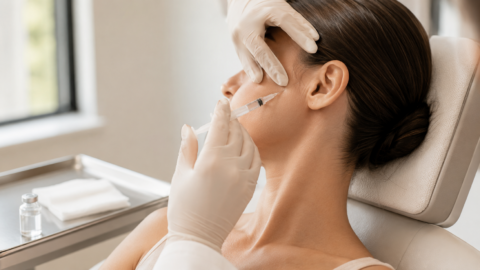
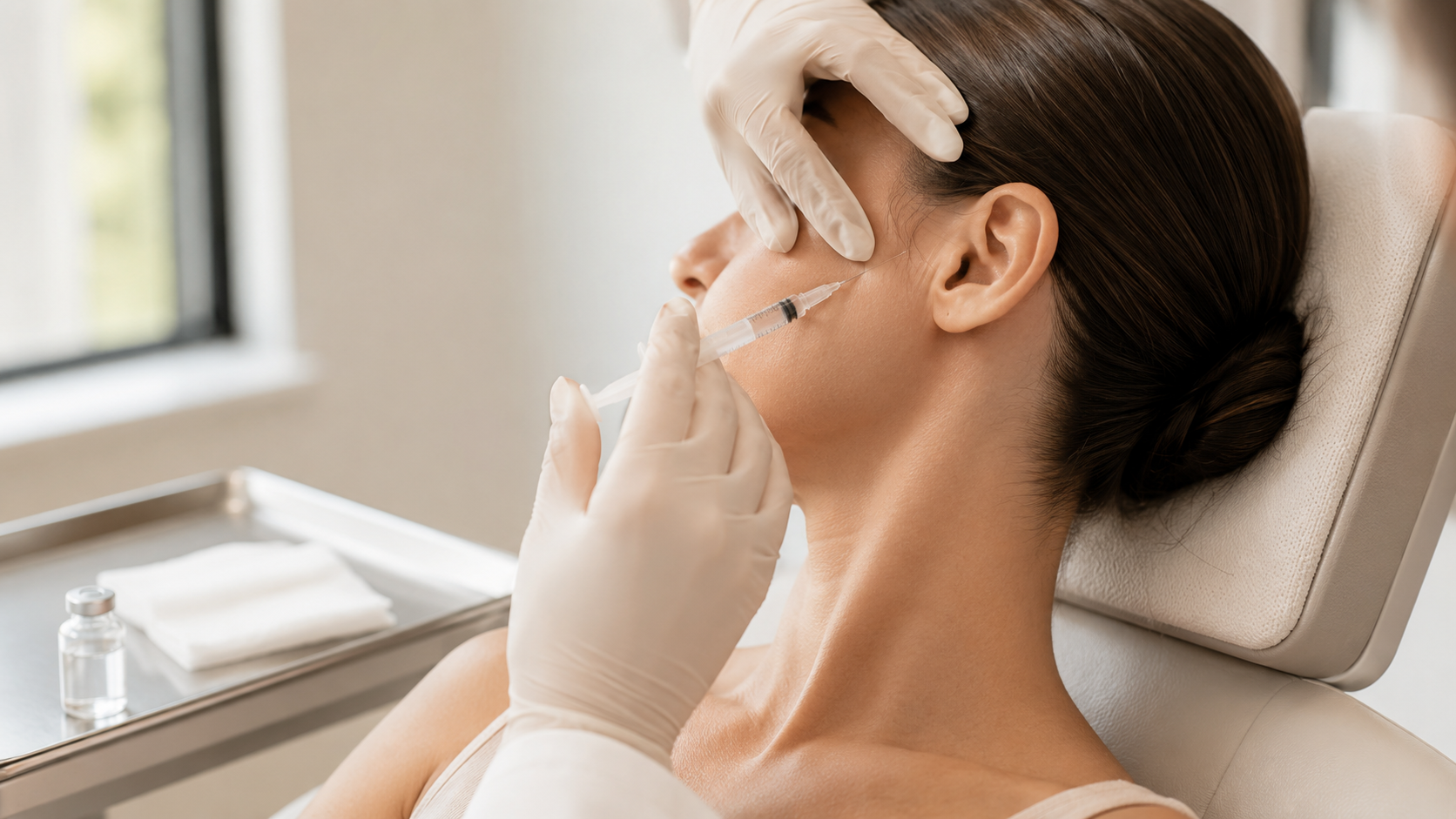
Before treatment, MPM reviews the patient’s symptoms, jaw mechanics, hypermobility history, cervical symptoms, headache overlap, dental history, prior splints, prior injections, imaging, and red flags. If TMJ prolotherapy is appropriate, the procedure involves injecting a prolotherapy solution into selected TMJ-related targets.
Patients may experience soreness, pressure, stiffness, or a temporary pain flare. Recovery may involve modifying chewing, avoiding excessive jaw loading, coordinating with dental or physical therapy care, and monitoring symptoms. Relief, if it occurs, may be gradual and is not guaranteed.
Evidence, Limitations, and Safety
Evidence for TMJ prolotherapy varies by patient group, protocol, and diagnosis. Some studies suggest possible improvement in selected TMJ dysfunction or hypermobility populations, but evidence quality and patient selection vary. MPM avoids unsupported claims about ligament tightening, disc repositioning, cartilage regrowth, joint reconstruction, nerve regeneration, or permanent healing.
Urgent evaluation is needed for fever, facial swelling, suspected dental infection, sudden severe jaw locking, inability to open or close the mouth, trauma, new facial weakness, new neurological symptoms, severe sudden headache, vision changes, trouble swallowing, trouble breathing, chest pain, or rapidly worsening symptoms.
For selected patients, TMJ prolotherapy may be one tool within a broader jaw, cervical, and hypermobility-aware care plan. MPM’s role is to determine whether the diagnosis, mechanics, safety profile, and treatment goals support its use within a coordinated, medically responsible framework.