POTS Evaluation and Treatment in NYC and Manhattan

POTS is a form of autonomic dysfunction that can cause rapid heart rate, dizziness, fatigue, brain fog, GI symptoms, and chronic pain overlap.

Related Zones of Expertise

This video explains how POTS may affect standing tolerance, heart rate, fatigue, abdominal symptoms, hypermobility, and chronic pain.

Understanding POTS and Autonomic Dysfunction

Postural Tachycardia Syndrome, or POTS, is a form of dysautonomia involving the autonomic nervous system. It is associated with symptoms that worsen when standing, along with an exaggerated heart rate increase after moving upright.

Common symptoms may include rapid heart rate, dizziness, lightheadedness, fatigue, brain fog, palpitations, weakness, nausea, abdominal symptoms, exercise intolerance, and near-fainting.

POTS is commonly evaluated with orthostatic vital signs, a 10-minute standing test, or head-up tilt table testing. Because symptoms can overlap with cardiovascular, neurologic, endocrine, post-viral, autoimmune, hypermobility, and chronic pain conditions, careful evaluation is important.

Specialist Care for POTS-Related Pain and Symptoms

At Manhattan Pain Medicine, evaluation begins by understanding the full autonomic and pain pattern. For patients looking for POTS treatment in Manhattan, MPM does not replace cardiology, neurology, autonomic testing, primary care, or emergency care when those are needed.

Instead, MPM helps evaluate pain contributors that may overlap with POTS, including hypermobility, EDS, MCAS-like symptoms, peripheral neuropathy, abdominal pain, pelvic floor dysfunction, post-COVID pain, autoimmune-related pain, fibromyalgia, and chronic pain sensitization.

Care may include medication management, acupuncture, functional support, and selected interventional options when clinically appropriate.

Why POTS Can Be Difficult to Recognize

POTS can be difficult to recognize because symptoms often affect multiple systems at once. A patient may feel dizzy when standing, notice a racing heart, develop fatigue or brain fog, and also experience nausea, abdominal pain, constipation, headaches, sleep disruption, pelvic symptoms, or widespread pain. Some patients are told symptoms are anxiety, deconditioning, or unexplained before autonomic dysfunction is considered.

POTS can overlap with hypermobility, EDS, MCAS-like symptoms, post-COVID symptoms, autoimmune disease, peripheral neuropathy, pelvic floor dysfunction, fibromyalgia, and chronic pain. These overlaps should be evaluated carefully rather than assumed.

MPM’s diagnosis-first approach helps determine whether pain and symptom burden appear autonomic, neurologic, musculoskeletal, hypermobility-related, inflammatory, post-viral, pelvic, or part of a broader chronic pain pattern.

Request an Appointment

Diagnosis-first care

How MPM Approaches POTS-Related Pain and Symptoms

MPM uses a stepwise process to evaluate POTS-related pain, autonomic symptoms, hypermobility, function, and overlapping conditions.
  • 1

    Map Orthostatic Symptoms

    MPM begins by reviewing symptoms that occur when standing or changing position, including rapid heart rate, dizziness, lightheadedness, palpitations, fatigue, brain fog, weakness, nausea, abdominal symptoms, near-fainting, and exercise intolerance. This helps clarify whether symptoms appear autonomic, pain-related, medication-related, post-viral, or part of another medical condition.
  • 2

    Review Testing and History

    Evaluation may include review of orthostatic vitals, tilt table testing, 10-minute standing test results, autonomic testing, cardiology or neurology notes, medications, post-COVID history, autoimmune history, GI symptoms, hypermobility findings, and prior diagnoses. MPM coordinates with appropriate specialists when formal POTS diagnosis or systemic management is needed.
  • 3

    Clarify Pain Contributors

    POTS may overlap with chronic pain, peripheral neuropathy, abdominal pain, pelvic floor dysfunction, EDS, hypermobility spectrum disorder, fibromyalgia, post-COVID pain, autoimmune-related pain, and MCAS-like symptoms. MPM evaluates whether pain appears neuropathic, musculoskeletal, pelvic, inflammatory, autonomic, centralized, or multifactorial before recommending treatment.
  • 4

    Coordinate a Functional Plan

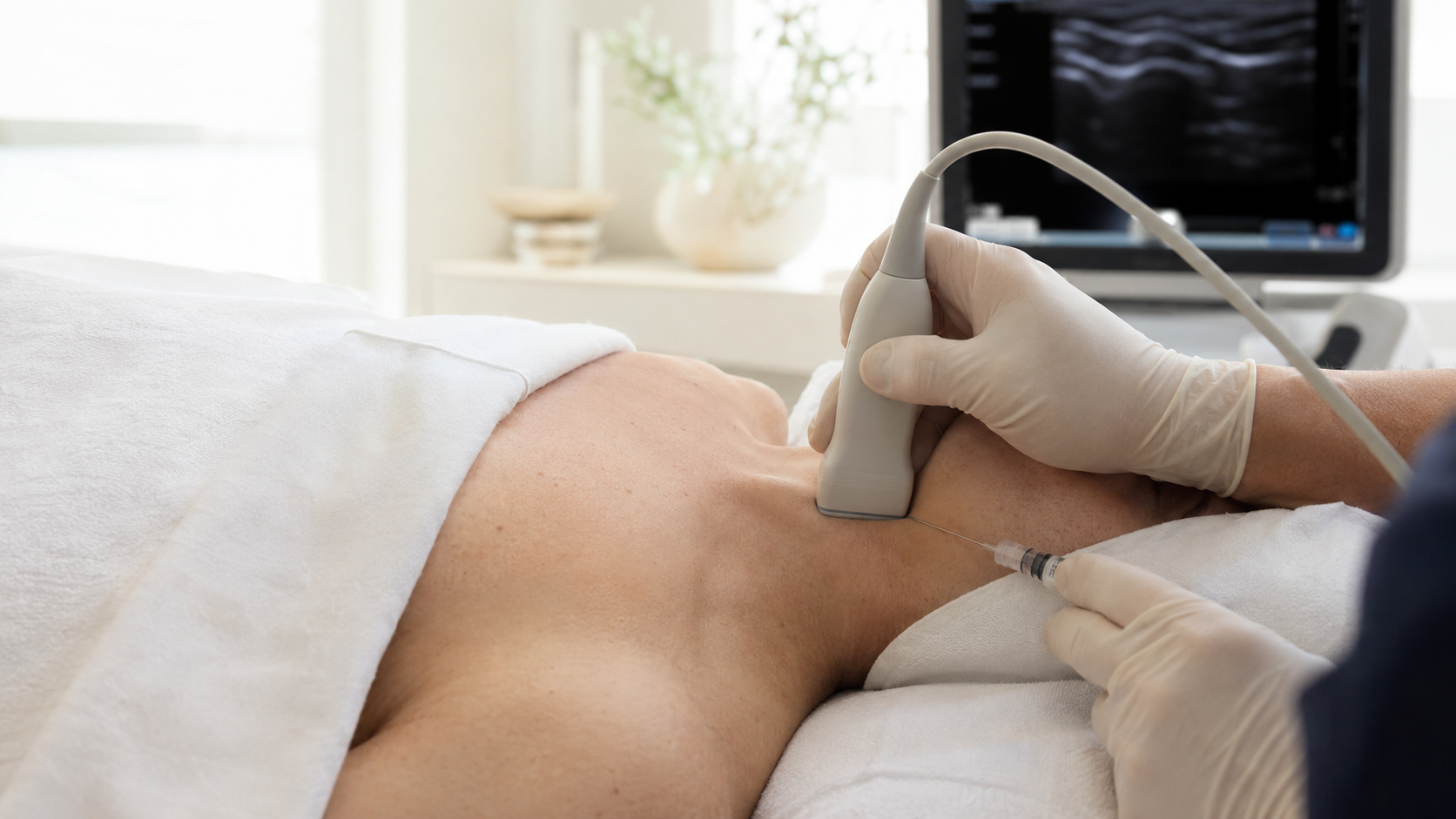
    Care may include medication management, acupuncture, autonomic-informed pacing, coordination with physical therapy, and selected pain or autonomic-related interventions when appropriate. Stellate ganglion blocks and lidocaine or ketamine infusions are not standard first-line POTS treatments, but may be discussed only for selected pain or autonomic-related patterns.

POTS Across Autonomic and Hypermobility Care

POTS fits within MPM’s Autonomic Dysfunction and Hypermobility Zones of Expertise. This matters because many patients do not present with dizziness alone. They may also have EDS, hypermobility spectrum disorder, peripheral neuropathy, abdominal pain, nausea, constipation, pelvic floor dysfunction, MCAS-like symptoms, autoimmune overlap, post-COVID pain, or fibromyalgia.

MPM uses the Zones of Expertise framework to evaluate whether symptoms appear primarily autonomic, hypermobility-related, neuropathic, musculoskeletal, pelvic, inflammatory, post-viral, or centralized. For some patients, the priority is formal autonomic or cardiovascular evaluation. For others, POTS is already diagnosed, but chronic pain, GI symptoms, or functional limitation remain major barriers to daily life.

Treatments Related to POTS and Autonomic Symptoms

Treatment depends on the diagnosis, autonomic findings, pain pattern, functional impact, medical risks, and overlapping conditions.
PATIENT STORIES

Real Patients. Real Progress.

Hear from patients who came to Manhattan Pain Medicine looking for answers, clarity, and a more thoughtful path forward.
  • Michael O.

    5 star review

    These guys are the best. I've been going here for over 6 years and their familiarity with my Schwannomatosis (most ppl have never even heard of it - its rather rare) and their ability to diagnose my CRPS quickly and accurately and then treat it like I was merely getting a flu shot is just incredible...

    Google

  • John A.

    5 star review

    Highly recommended for those who need Pain Management. Everyone at Manhattan Pain Medicine is extremely nice and helpful. I have had very good interactions with both Dr. Siefferman and Dr. Louis. All of the staff is very responsive. 5 stars.

    Google

  • Rakhee K.

    5 star review

    The providers at Manhattan Pain Medicine are exceptional. I wish I had found them 30 years ago!

    Google

  • Annie R.

    5 star review

    I genuinely can’t say enough good things about the team at Manhattan Pain Medicine. I have MCAS, EDS, and an inflammatory autoimmune disease, and I’ve basically been searching for answers since I was a kid. I had years of unexplained inflammation markers, chronic pain, and allergic reactions despite...

    Google

  • Karine S.

    5 star review

    I have a complex medical history and have seen a lot of doctors over the years. Dr. Mikaberidze and Dr. Siefferman each took the time to really listen and understand everything I had been dealing with. I also appreciated how they work together and communicated about my care. I left with a plan that...

    Google

  • Edwin F-S.

    5 star review

    Sharing my gratitude for the pleasant experience last week during my visit, the medical team provided great care and also treated my session as a learning experience, I left my session with a wealth of knowledge. A big thank you to the kind, and professional staff who welcomed me to the office as a...

    Google

  • Madaline. M

    5 star review

    I cannot say enough good things about Manhattan Pain Medicine. From the moment I walked in, I felt truly cared for and taken seriously. Dr. Nino Mikaberidze, Director of Rheumatology, is exceptional — knowledgeable, compassionate, and incredibly thorough. She takes the time to listen, explains every...

    Google

  • Lauren W.

    5 star review

    Dr Siefferman is the most thorough, patient doctor I have even been to. Currently I travel from miami to nyc to see him because his bed side manner and desire to help is incomparable.

    ZocDoc

  • Dana S.

    5 star review

    This practice is wonderful. I have been a patient of Dr. Siefferman’s since 2019 and he’s extremely helpful and kind. He has brought in a Rheumatologist who is also great. They handle very complex pain issues and always try to find new ways to help me.

    Google

  • Frans M.

    5 star review

    Dr. Siefferman is an incredible doctor! He is extremely diligent and knowledgeable. It feels like you are his only patient. He invests a lot of time and effort into your injuries and concerns. I did not find these wonderful qualities with other pain specialists before, who were always rushed and som...

    ZocDoc

  • Gregory S.

    5 star review

    Dr. Siefferman is a doctor who combines the old world bedside manner of doctors from my childhood (60 years ago) with a sta te of the art embrace of modern technology. It is always a pleasure to have an appointment with him...always has options and solutions to my medical issues. He is truly the doc...

    ZocDoc

  • Judith R.

    5 star review

    Dr. Siefferman is a genius. He is very informed and listens attentively.

    ZocDoc

  • Joshua M.

    5 star review

    Dr. Siefferman and his entire team continue to be efficient, dedicated, and driven by precision and a genuine desire to give fantastic care. Will always recommend.

    ZocDoc

  • Michael W. S

    5 star review

    Doctor Siefferman is fantastic. Have been seeing him for 5 years. Couldn’t recommend more.

    ZocDoc

  • Stephanie G.

    5 star review

    Dr. Siefferman is the ONLY doctor who has ever been able to diagnose my pain and treat it. He is hands down the best

    ZocDoc

POTS FAQs

Understanding Insurance Before You Begin

Before care begins, our team helps patients understand the practical side of treatment, including insurance verification, out-of-network benefits, cost-share estimates, self-pay options, and billing questions. We believe patients should have as much clarity as possible before moving forward.

Insurance & Billing

Pain Care That Starts With Understanding

When pain is complex, the first step should not be another generic treatment. Manhattan Pain Medicine looks deeper to understand what is driving the pain, why it has persisted, and what path forward makes sense for you.

Request An Appointment

Insights & Research

Explore MPM Insights and Research, including patient-friendly articles, clinical perspectives, and research from our team to help explain how we understand complex pain, evaluate care options, and guide the path to treatment
Patient education

A Deeper Look at POTS, Autonomic Dysfunction, and Chronic Pain

POTS can affect standing tolerance, heart rate, fatigue, cognition, digestion, pain, and daily function.

Postural Tachycardia Syndrome (POTS)

Postural Tachycardia Syndrome, or POTS, is a form of dysautonomia involving the autonomic nervous system. The autonomic nervous system helps regulate body functions that happen automatically, including heart rate, blood pressure, digestion, sweating, temperature regulation, and blood vessel tone. In POTS, symptoms occur or worsen when a person moves upright, often with an exaggerated increase in heart rate.

For many patients, POTS is more than a racing heart. It can affect standing tolerance, fatigue, thinking, digestion, exercise capacity, pain, and daily activity. Patients may feel dismissed when symptoms are described as anxiety or stress alone. While stress can amplify symptoms, POTS symptoms deserve careful medical evaluation.

What POTS Symptoms May Feel Like

POTS symptoms often appear when standing, walking, showering, exercising, being in heat, eating, or staying upright for too long. Patients may notice a rapid heartbeat, palpitations, dizziness, lightheadedness, near-fainting, weakness, shakiness, fatigue, brain fog, headaches, chest discomfort, nausea, abdominal pain, constipation, bloating, or exercise intolerance.

Some patients feel better when lying down. Others have symptoms that fluctuate throughout the day or worsen during illness, dehydration, menstruation, post-viral recovery, poor sleep, or stress. The symptom pattern can be confusing because it may involve the heart, nervous system, GI tract, muscles, joints, and pain pathways at the same time.

How POTS Is Diagnosed

POTS diagnosis usually involves symptoms of orthostatic intolerance and objective heart rate changes when standing. Testing may include orthostatic vital signs, a 10-minute standing test, or head-up tilt table testing. Additional testing may be needed to rule out other causes of tachycardia, dizziness, fatigue, or fainting, such as dehydration, anemia, thyroid disease, arrhythmia, medication effects, endocrine disorders, neurologic conditions, or blood pressure abnormalities.

Some patients also undergo autonomic testing, echocardiogram, bloodwork, urine testing, nerve testing, or other studies depending on symptoms. MPM reviews prior autonomic, cardiology, neurology, and primary care evaluations, but POTS diagnosis and systemic management may require clinicians who specialize in autonomic or cardiovascular care.

POTS, GI Symptoms, and Abdominal Pain

POTS can involve symptoms outside the cardiovascular system. Nausea and abdominal pain are common noncardiovascular complaints, and patients may also report bloating, constipation, early fullness, or vomiting.

These symptoms can overlap with gastroparesis, chronic constipation, MCAS-like symptoms, abdominal pain, stomach pain, pelvic floor dysfunction, and autonomic dysfunction. A patient with POTS and abdominal pain may need GI evaluation, nutrition guidance, pelvic floor evaluation, pain medicine input, or autonomic management depending on the pattern. MPM helps evaluate where pain fits into this broader picture.

POTS, Hypermobility, EDS, and MCAS-Like Symptoms

Many patients with POTS also report hypermobility, EDS, joint pain, widespread pain, headaches, GI symptoms, flushing, allergic-type symptoms, or MCAS-like patterns. These overlaps are commonly discussed, but they should be handled carefully. Having symptoms in more than one category does not automatically prove a single cause.

MPM evaluates whether symptoms may be related to hypermobility-related joint strain, peripheral neuropathy, pelvic floor dysfunction, autoimmune-related pain, MCAS-like symptoms, post-COVID pain, fibromyalgia, or chronic pain sensitization. This helps avoid both overdiagnosis and dismissal.

POTS After COVID and Post-Viral Symptoms

Some people develop POTS-like symptoms after COVID-19 or another viral illness. Symptoms may include dizziness, tachycardia when standing, fatigue, brain fog, exercise intolerance, headaches, GI symptoms, and pain. Careful evaluation is important because symptoms can overlap with other post-COVID complications.

MPM evaluates post-COVID pain and autonomic symptom overlap through a coordinated lens. Some patients need cardiology, neurology, pulmonology, primary care, rehabilitation, or GI care. Others also need help understanding pain, pacing, neuropathy, pelvic symptoms, or chronic pain sensitization.

Treatment Options for POTS-Related Symptoms

POTS treatment is individualized. Many care plans include hydration, salt strategies when appropriate, compression, graded exercise or physical therapy, medication management, and treatment of overlapping conditions. There is no single cure, but treatments and lifestyle changes may help manage symptoms for selected patients.

These strategies should be medically guided. Salt loading, compression, exercise programs, and medication changes may not be appropriate for every patient, especially when high blood pressure, kidney disease, heart disease, pregnancy, eating disorders, or complex medical histories are present.

MPM’s role is to support the pain and function side of care. This may include medication management, acupuncture, coordination with physical therapy, and evaluation of neuropathic, musculoskeletal, pelvic, abdominal, or centralized pain contributors. Stellate ganglion blocks, lidocaine and ketamine infusions, and other interventional options are not standard first-line POTS treatments and should not be described as treating the underlying cause of POTS. They may be discussed only in selected clinical contexts when the pain or autonomic-related pattern supports consideration.

When Symptoms Need Urgent Care

Patients should seek urgent care for chest pain, severe shortness of breath, fainting with injury, new neurologic symptoms, severe weakness, irregular heartbeat, severe dehydration, or rapidly worsening symptoms. These symptoms may have causes other than POTS and should not be managed as routine dysautonomia without evaluation.

How MPM Approaches POTS-Related Pain

MPM approaches POTS-related pain through a diagnosis-first, coordinated model. The evaluation considers autonomic symptoms, hypermobility, EDS, peripheral neuropathy, abdominal pain, pelvic floor dysfunction, autoimmune-related pain, post-COVID symptoms, MCAS-like symptoms, fibromyalgia, and chronic pain sensitization.

For patients looking for POTS treatment in Manhattan, MPM offers a careful, patient-centered approach to the pain and functional symptoms that may overlap with autonomic dysfunction. The goal is to support clearer evaluation, safer coordination, improved function, and a care plan that reflects the patient’s symptoms, prior testing, medical risks, and long-term goals.