Stomach Pain Evaluation and Treatment in NYC and Manhattan

Stomach pain can come from the upper abdomen, GI tract, abdominal wall, nerves, motility disorders, pelvic overlap, or chronic pain pathways.

This video explains how chronic stomach pain may involve the GI tract, nerves, abdominal wall, autonomic system, and coordinated care.

Understanding Chronic Stomach Pain

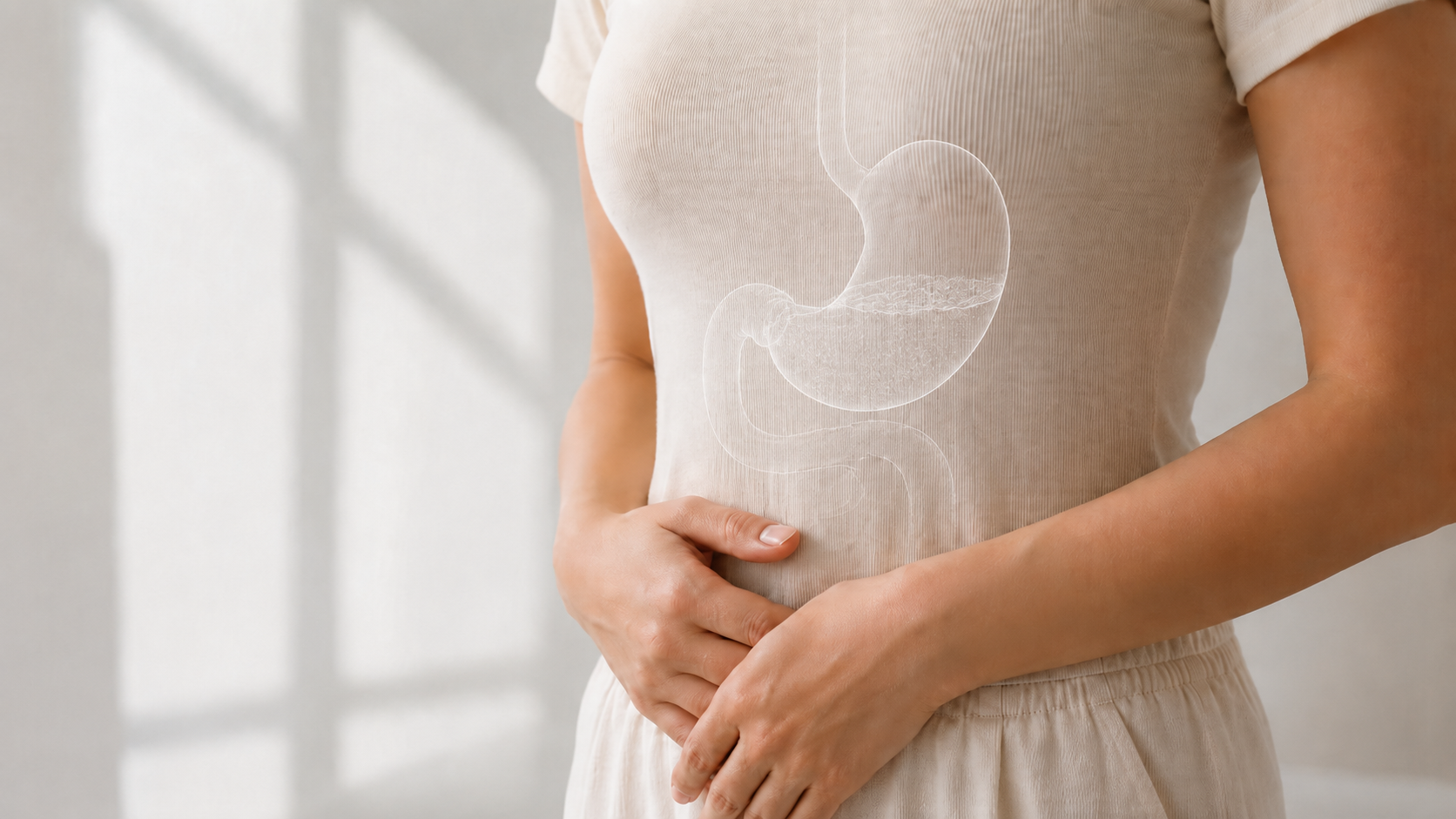
Stomach pain is a patient-friendly term, but medically it may refer to pain from the stomach, upper abdomen, intestines, abdominal wall, nerves, pelvic structures, hernias, motility disorders, post-surgical changes, cancer-related pain, or chronic pain sensitization.

Symptoms may include burning, cramping, bloating, nausea, early fullness, pain after eating, or persistent discomfort even after GI testing. Because what feels like stomach pain may come from another abdominal organ or even outside the digestive system, careful evaluation is important before treatment.

The goal is to identify the pain driver, not assume every symptom is coming from the stomach itself.

Specialist Care for Chronic Stomach Pain

At Manhattan Pain Medicine, evaluation begins by understanding the full symptom pattern and prior workup. For patients looking for stomach pain treatment in Manhattan, MPM helps evaluate whether symptoms may be related to stomach or upper abdominal pain, abdominal wall pain, nerve irritation, gastroparesis, chronic constipation, pelvic overlap, autonomic dysfunction, hernia-related pain, post-surgical pain, cancer-related pain, or chronic pain processing.

MPM does not replace gastroenterology, emergency medicine, surgery, oncology, gynecology, or primary care when those specialties are needed. Instead, our role is to identify pain drivers, coordinate care, and consider pain-focused options when appropriate.

Why Stomach Pain Can Be Difficult to Explain

Stomach pain can be difficult because symptoms do not always point directly to the source. Upper abdominal pain after eating may suggest a stomach or motility issue, but pain can also come from abdominal wall muscles, scar tissue, nerve irritation, pelvic floor dysfunction, constipation, autonomic dysfunction, hernia-related strain, or chronic pain sensitization.

Some patients have persistent stomach pain after normal endoscopy, imaging, or GI testing. That does not mean the pain is not real. It may mean the pain generator is not visible on standard testing, or that several systems are contributing at once.

MPM’s diagnosis-first approach considers visceral pain, abdominal wall pain, nerve-related pain, pelvic overlap, motility-related pain, autonomic symptoms, and chronic pain mechanisms before recommending treatment.

Request an Appointment

Diagnosis-first care

How MPM Approaches Stomach Pain Evaluation

MPM uses a stepwise process to evaluate chronic stomach pain, prior testing, red flags, pain generators, and coordinated care options.
  • 1

    Screen for Urgent Concerns

    MPM first considers whether symptoms require urgent medical, GI, surgical, oncologic, pelvic, or emergency evaluation. Severe or rapidly worsening pain, fever, repeated vomiting, blood in stool, black stool, fainting, chest pain, rigid abdomen, unexplained weight loss, pregnancy-related pain, or significant abdominal swelling should be addressed promptly.
  • 2

    Map the Symptom Pattern

    Evaluation includes where pain is located, whether it is burning, cramping, sharp, dull, or pressure-like, and whether it changes with meals, bowel movements, movement, pressure, posture, stress, nausea, bloating, early fullness, constipation, or pelvic symptoms. MPM also reviews prior testing, imaging, medications, surgeries, and specialist evaluations.
  • 3

    Identify the Pain Driver

    MPM evaluates whether pain may be stomach-related, visceral, abdominal wall-related, nerve-related, autonomic, pelvic, hernia-related, post-surgical, cancer-related, motility-related, or part of a chronic pain pattern. Diagnostic ultrasound, focused examination, and diagnostic injections may be considered when clinically appropriate to help clarify the source.
  • 4

    Build a Coordinated Plan

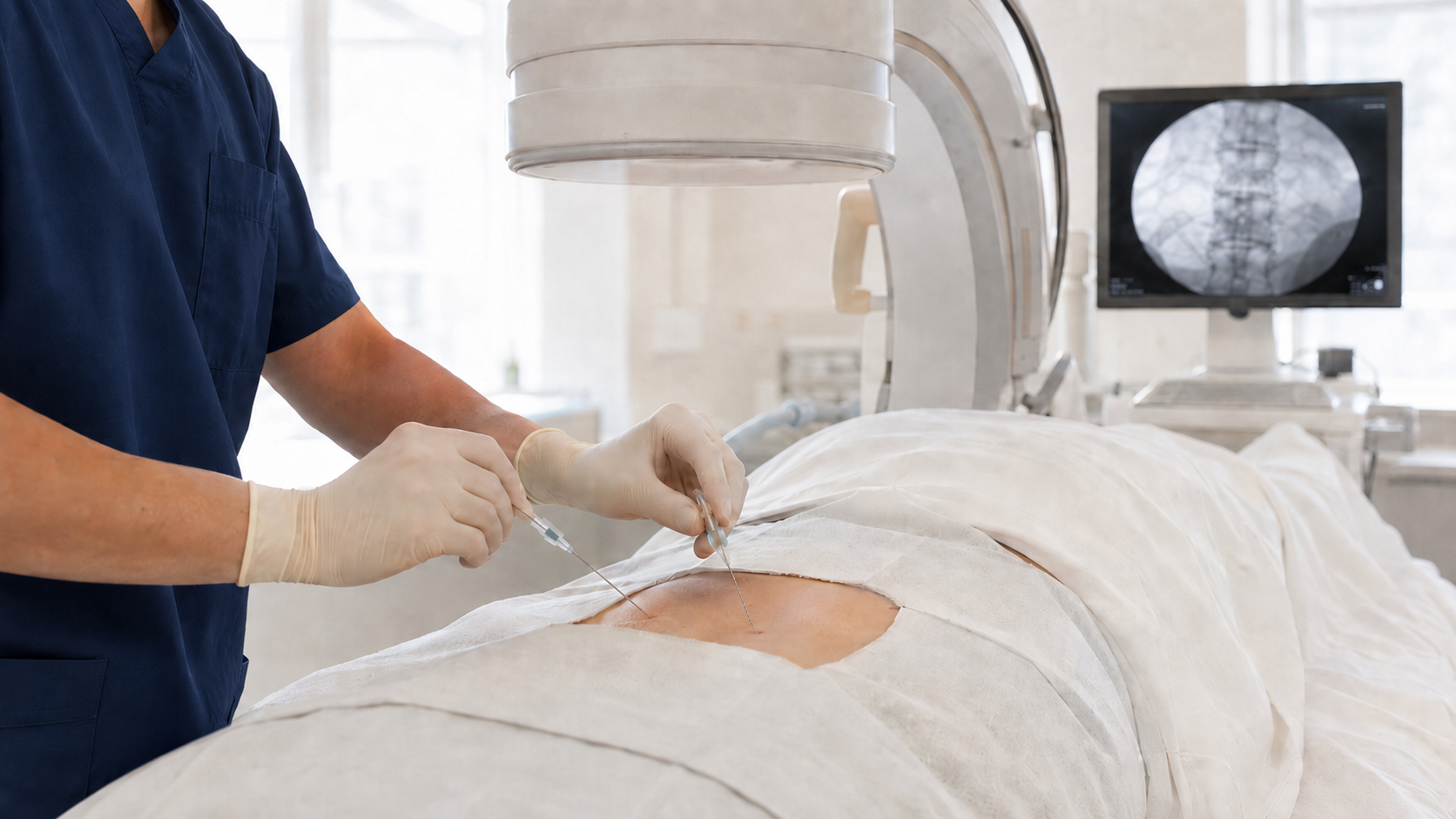
    Care may include medication management, pain psychology, acupuncture, diagnostic ultrasound, ultrasound-guided injections, trigger-point injections, peripheral nerve blocks, nerve hydrodissection, sympathetic blocks, or celiac plexus block in selected cases. Treatment depends on the diagnosis, anatomy, severity, prior workup, risks, and specialists already involved.

Stomach Pain Across Chronic Pain, Autonomic, and Pelvic Care

Stomach pain fits across several MPM Zones of Expertise, including Complex Chronic Pain, Autonomic Dysfunction, and Pelvic Pain. This matters because upper abdominal symptoms may involve more than one system. A patient may have stomach pain, bloating, nausea, early fullness, constipation, pelvic pain, autonomic symptoms, nerve sensitivity, or abdominal wall pain at the same time.

MPM uses the Zones of Expertise framework to evaluate whether symptoms appear visceral, stomach-related, musculoskeletal, nerve-related, pelvic, autonomic, cancer-related, post-surgical, motility-related, or part of a broader chronic pain process. For some patients, the priority is coordination with GI. For others, the pain generator may involve abdominal wall nerves, sympathetic pathways, pelvic overlap, or chronic pain mechanisms.

Treatments Related to Chronic Stomach Pain

Treatment depends on whether pain is stomach-related, visceral, abdominal wall-related, nerve-related, pelvic, autonomic, or post-surgical.
PATIENT STORIES

Real Patients. Real Progress.

Hear from patients who came to Manhattan Pain Medicine looking for answers, clarity, and a more thoughtful path forward.
  • Michael O.

    5 star review

    These guys are the best. I've been going here for over 6 years and their familiarity with my Schwannomatosis (most ppl have never even heard of it - its rather rare) and their ability to diagnose my CRPS quickly and accurately and then treat it like I was merely getting a flu shot is just incredible...

    Google

  • John A.

    5 star review

    Highly recommended for those who need Pain Management. Everyone at Manhattan Pain Medicine is extremely nice and helpful. I have had very good interactions with both Dr. Siefferman and Dr. Louis. All of the staff is very responsive. 5 stars.

    Google

  • Rakhee K.

    5 star review

    The providers at Manhattan Pain Medicine are exceptional. I wish I had found them 30 years ago!

    Google

  • Annie R.

    5 star review

    I genuinely can’t say enough good things about the team at Manhattan Pain Medicine. I have MCAS, EDS, and an inflammatory autoimmune disease, and I’ve basically been searching for answers since I was a kid. I had years of unexplained inflammation markers, chronic pain, and allergic reactions despite...

    Google

  • Karine S.

    5 star review

    I have a complex medical history and have seen a lot of doctors over the years. Dr. Mikaberidze and Dr. Siefferman each took the time to really listen and understand everything I had been dealing with. I also appreciated how they work together and communicated about my care. I left with a plan that...

    Google

  • Edwin F-S.

    5 star review

    Sharing my gratitude for the pleasant experience last week during my visit, the medical team provided great care and also treated my session as a learning experience, I left my session with a wealth of knowledge. A big thank you to the kind, and professional staff who welcomed me to the office as a...

    Google

  • Madaline. M

    5 star review

    I cannot say enough good things about Manhattan Pain Medicine. From the moment I walked in, I felt truly cared for and taken seriously. Dr. Nino Mikaberidze, Director of Rheumatology, is exceptional — knowledgeable, compassionate, and incredibly thorough. She takes the time to listen, explains every...

    Google

  • Lauren W.

    5 star review

    Dr Siefferman is the most thorough, patient doctor I have even been to. Currently I travel from miami to nyc to see him because his bed side manner and desire to help is incomparable.

    ZocDoc

  • Dana S.

    5 star review

    This practice is wonderful. I have been a patient of Dr. Siefferman’s since 2019 and he’s extremely helpful and kind. He has brought in a Rheumatologist who is also great. They handle very complex pain issues and always try to find new ways to help me.

    Google

  • Frans M.

    5 star review

    Dr. Siefferman is an incredible doctor! He is extremely diligent and knowledgeable. It feels like you are his only patient. He invests a lot of time and effort into your injuries and concerns. I did not find these wonderful qualities with other pain specialists before, who were always rushed and som...

    ZocDoc

  • Gregory S.

    5 star review

    Dr. Siefferman is a doctor who combines the old world bedside manner of doctors from my childhood (60 years ago) with a sta te of the art embrace of modern technology. It is always a pleasure to have an appointment with him...always has options and solutions to my medical issues. He is truly the doc...

    ZocDoc

  • Judith R.

    5 star review

    Dr. Siefferman is a genius. He is very informed and listens attentively.

    ZocDoc

  • Joshua M.

    5 star review

    Dr. Siefferman and his entire team continue to be efficient, dedicated, and driven by precision and a genuine desire to give fantastic care. Will always recommend.

    ZocDoc

  • Michael W. S

    5 star review

    Doctor Siefferman is fantastic. Have been seeing him for 5 years. Couldn’t recommend more.

    ZocDoc

  • Stephanie G.

    5 star review

    Dr. Siefferman is the ONLY doctor who has ever been able to diagnose my pain and treat it. He is hands down the best

    ZocDoc

Stomach Pain FAQs

Related conditions

Conditions That May Cause or Overlap With Stomach Pain

Stomach pain may overlap with abdominal pain, gastroparesis, chronic constipation, pelvic pain, hernia pain, cancer pain, MCAS, and autonomic dysfunction.

Understanding Insurance Before You Begin

Before care begins, our team helps patients understand the practical side of treatment, including insurance verification, out-of-network benefits, cost-share estimates, self-pay options, and billing questions. We believe patients should have as much clarity as possible before moving forward.

Insurance & Billing

Pain Care That Starts With Understanding

When pain is complex, the first step should not be another generic treatment. Manhattan Pain Medicine looks deeper to understand what is driving the pain, why it has persisted, and what path forward makes sense for you.

Request An Appointment

Insights & Research

Explore MPM Insights and Research, including patient-friendly articles, clinical perspectives, and research from our team to help explain how we understand complex pain, evaluate care options, and guide the path to treatment
Patient education

A Deeper Look at Stomach Pain, Nerve Pain, and Chronic Symptoms

Persistent stomach pain can come from several systems, which is why careful evaluation matters before pain treatment is recommended.

Stomach Pain

Stomach pain is one of the most common reasons people seek medical care, but “stomach pain” is not a diagnosis. Patients often use the phrase to describe upper abdominal pain, burning, bloating, nausea, early fullness, cramping, or discomfort anywhere in the belly. Medically, the pain may come from the stomach itself, but it may also come from the intestines, abdominal wall, nerves, pelvis, hernias, scar tissue, motility disorders, autonomic dysfunction, cancer-related processes, or chronic pain pathways.

For some patients, stomach pain is temporary and resolves. For others, it becomes persistent, recurring, or difficult to explain. Some patients have already had endoscopy, imaging, bloodwork, emergency evaluation, or GI testing. Others have a diagnosis such as functional dyspepsia, gastroparesis, chronic constipation, pelvic pain, hernia pain, or post-surgical pain but still need help managing symptoms. MPM approaches stomach pain by asking what pain generator is most likely contributing and which care pathway is safest.

What Stomach Pain May Feel Like

Stomach pain can feel burning, sharp, dull, cramping, aching, pressure-like, stabbing, or bloated. It may occur after eating, before eating, during stress, with constipation, with nausea, with early fullness, with movement, with pressure on the abdominal wall, or during pelvic symptoms. Some patients feel pain in the upper abdomen. Others describe discomfort that spreads across the belly, into the ribs, toward the pelvis, or around a scar.

Associated symptoms matter. Nausea, vomiting, bloating, reflux, early fullness, changes in bowel habits, weight loss, fever, blood in stool, black stool, or severe tenderness may change the urgency and direction of evaluation. Stomach pain should not be treated as a pain problem until appropriate medical causes and red flags have been considered.

Stomach Pain vs. Abdominal Pain

The stomach is one organ in the upper abdomen. Abdominal pain is broader and can include pain from the stomach, small intestine, colon, pancreas, gallbladder, liver, abdominal wall, pelvic organs, nerves, blood vessels, hernias, or referred pain. This distinction matters because patients may feel pain in the “stomach area” even when the source is not the stomach.

For example, chronic constipation can cause abdominal discomfort and bloating. Gastroparesis can cause nausea, early fullness, bloating, vomiting, and stomach pain. Pelvic floor dysfunction can refer pain into the lower abdomen. Hernias can cause focal pain or pressure. Abdominal wall nerve entrapment can cause localized pain even when GI testing is normal. Autonomic dysfunction and MCAS may contribute to GI symptoms in some patients, but these possibilities require careful evaluation and should not be assumed.

Why Pain May Continue After Normal GI Tests

Normal GI testing can be reassuring, but it does not always identify the pain generator. It may mean that a dangerous structural GI condition was not found, but pain may still come from abdominal wall nerves, muscle trigger points, scar tissue, visceral hypersensitivity, autonomic dysfunction, pelvic overlap, or chronic pain sensitization.

Functional dyspepsia is one example. It may cause upper abdominal discomfort, burning, bloating, belching, nausea, and early fullness without a clear structural cause after appropriate evaluation. Visceral hypersensitivity can make normal digestive activity feel painful. Post-surgical nerve irritation may cause focal burning or stabbing pain. These patterns need a different evaluation than routine stomach upset.

How MPM Evaluates Chronic Stomach Pain

MPM begins with a detailed history and review of prior workup. This includes symptom timing, pain location, meal relationship, bowel patterns, nausea, bloating, weight changes, pelvic symptoms, prior surgeries, hernias, cancer history, imaging, endoscopy, medications, ER visits, GI diagnoses, and response to prior treatments. The physical exam may look for abdominal wall tenderness, pain with muscle activation, trigger points, scar sensitivity, nerve distribution patterns, and signs that pain may be referred from another area.

Diagnostic ultrasound may be useful in selected cases to evaluate abdominal wall structures, soft tissue concerns, or procedural targets. Diagnostic injections may sometimes help clarify whether pain is coming from a muscle, fascia, nerve, or specific pain pathway. These tools are not substitutes for GI, surgical, oncologic, pelvic, or emergency evaluation when those are needed.

Treatment Options for Chronic Stomach Pain

Treatment depends on the source of pain. Medication management may be used for nerve pain, visceral pain, muscle spasm, inflammatory pain, nausea-related symptom burden, or chronic pain sensitivity when appropriate. Pain psychology may help patients manage the nervous system effects of persistent symptoms, fear of eating or movement, pacing, sleep disruption, and stress-related amplification. Acupuncture may be considered as part of a broader supportive plan for selected patients.

Procedural options depend on diagnosis and anatomy. Trigger-point injections may be considered when abdominal wall muscle trigger points contribute to pain. Peripheral nerve blocks or nerve hydrodissection may be considered when nerve entrapment or irritation is suspected. Sympathetic blocks may be considered for selected sympathetically mediated pain patterns. A celiac plexus block may be considered for selected severe upper abdominal visceral pain or cancer-related abdominal pain. These options require careful patient selection and are not appropriate for every case of stomach pain.

Celiac Plexus Block and Nerve-Based Pain Care

The celiac plexus is a network of nerves that carries pain signals from many upper abdominal organs. A celiac plexus block is not a general stomach pain treatment, but it may be considered in selected patients with severe chronic upper abdominal pain, including certain cancer-related pain patterns. The decision depends on the diagnosis, anatomy, imaging, prior treatments, risks, and care goals.

Peripheral nerve blocks and abdominal wall procedures are different from celiac plexus block. They may target nerves in the abdominal wall or related regions rather than deeper visceral pathways. Choosing between these options depends on whether the pain appears focal, nerve-related, visceral, post-surgical, pelvic, autonomic, or multifactorial.

When Stomach Pain Needs Urgent Care

Some stomach pain should not wait for an outpatient pain appointment. Patients should seek urgent or emergency care for severe or rapidly worsening pain, fever, repeated vomiting, vomiting blood, blood in stool, black stool, fainting, chest pain, shortness of breath, rigid abdomen, significant abdominal swelling, unexplained weight loss, pregnancy-related pain, new neurologic symptoms, or pain after major injury. Pain procedures should never replace appropriate urgent medical evaluation.

How MPM Approaches Stomach Pain

MPM approaches stomach pain through a diagnosis-first, coordinated model. The evaluation considers stomach-related pain, visceral pain, abdominal wall pain, peripheral nerve pain, pelvic overlap, hernia-related pain, motility-related pain, autonomic dysfunction, post-surgical pain, cancer-related pain, and chronic pain sensitization. Care may involve coordination with gastroenterology, surgery, gynecology, oncology, primary care, pelvic pain specialists, psychology, or other clinicians.

For patients looking for stomach pain treatment in Manhattan, MPM offers a careful, patient-centered approach to persistent stomach pain, upper abdominal pain, abdominal wall pain, nerve-related pain, and complex chronic symptoms. The goal is to clarify the likely pain driver, coordinate care safely, and build a treatment plan that reflects the patient’s diagnosis, prior workup, anatomy, severity, and goals.