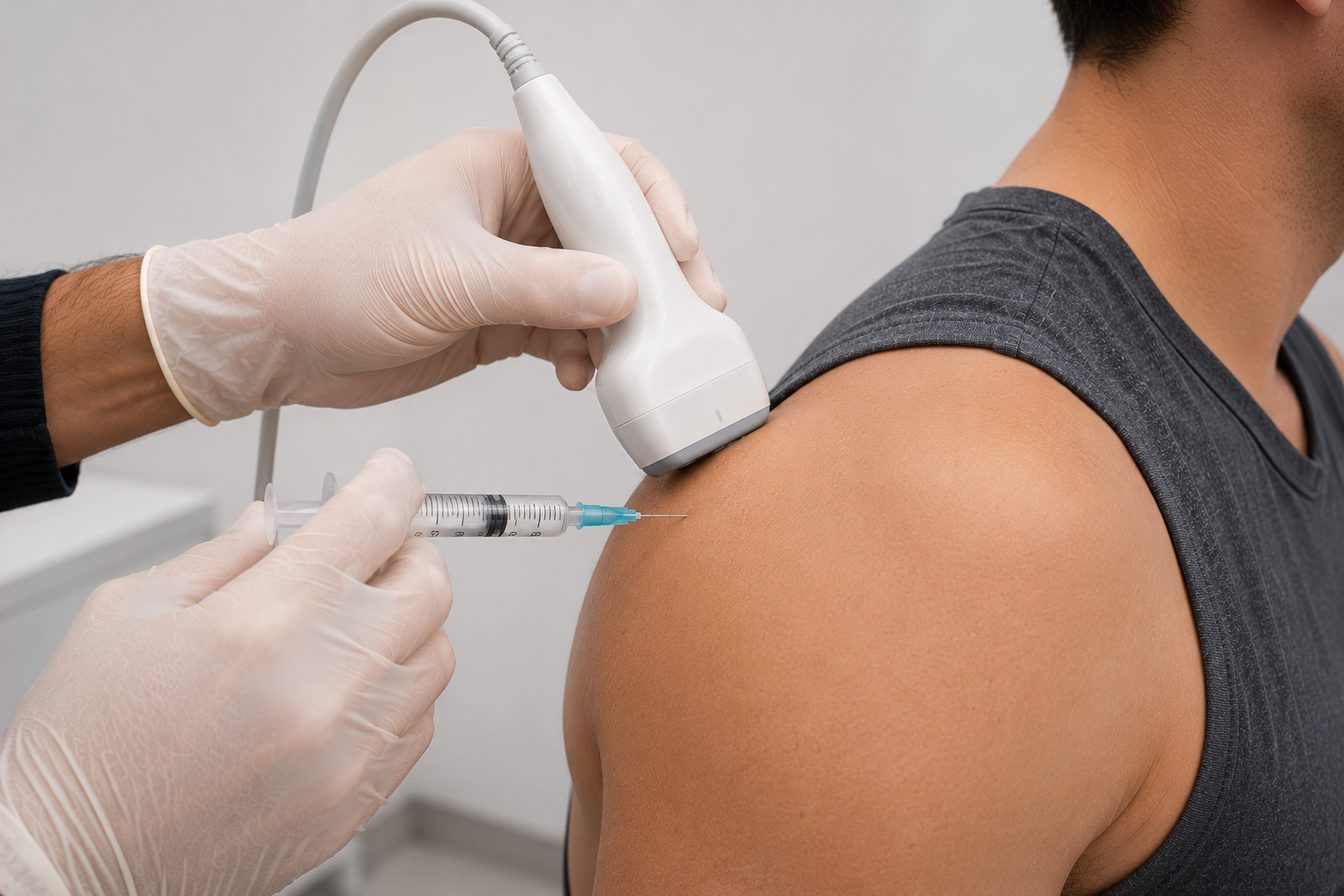
Pelvic Floor Trigger Point Injections
Pelvic floor trigger point injections are targeted procedures used to treat selected pelvic floor myofascial pain patterns. They may be considered when painful, guarded, or overactive pelvic floor muscles contribute to chronic pelvic pain, pain with sitting, vaginal pain, rectal pain, pelvic pressure, burning, aching, painful intercourse, or pelvic floor dysfunction.
At Manhattan Pain Medicine (MPM), pelvic floor trigger point injections NYC care begins with diagnosis-first evaluation. The goal is to determine whether pelvic floor muscles are a meaningful pain generator, whether they are reacting to another underlying condition, and how injections may fit into a coordinated pelvic pain plan.
What Pelvic Floor Trigger Points Are
The pelvic floor is a group of muscles that supports pelvic organs and contributes to bowel, bladder, sexual, and core function. These muscles can become tight, tender, guarded, or overactive. When irritated areas develop within the muscle, they may act like trigger points and refer pain into the pelvis, vagina, rectum, perineum, hips, low back, abdomen, or legs.
Pelvic floor trigger points may develop after chronic pain, endometriosis, pelvic surgery, trauma, childbirth, prolonged sitting, nerve irritation, orthopedic strain, hypermobility, or persistent protective muscle tension. In some patients, pelvic floor muscles guard because the nervous system is trying to protect an already painful region.
Why Pelvic Pain Diagnosis Matters
Pelvic pain is rarely one-dimensional. Pelvic floor muscle pain may overlap with pudendal neuralgia, pelvic dystonia, endometriosis, PGAD-related symptoms, orthopedic pain, inflammatory pain, bladder or bowel disorders, nerve entrapment, hip or pelvic mechanics, and central sensitization.
MPM does not treat pelvic floor trigger point injections as a general pelvic pain solution. The evaluation may include symptom mapping, sitting tolerance, pelvic pressure, urinary and bowel symptoms, pain with intercourse, vaginal or rectal pain, prior pelvic floor therapy response, gynecology history, urology or colorectal history, neurologic symptoms, medications, and red flags. This helps determine whether the pelvic floor muscles should be targeted or whether another diagnosis should be addressed first.
How Pelvic Floor Trigger Point Injections Work
The injection is directed toward selected painful pelvic floor muscle areas. Depending on the patient’s anatomy and symptoms, the approach may be internal, external, anatomy-guided, or ultrasound-guided when clinically appropriate. The injectate may include local anesthetic, saline, corticosteroid in selected cases, or another medication depending on the treatment plan.
The goal is to reduce muscle irritability, interrupt pain and guarding, and support improved participation in pelvic floor therapy or other care. Relief varies. Some patients experience temporary improvement, some have longer benefit, and some do not respond. MPM uses the response to help clarify whether pelvic floor muscle pain is a significant contributor.
Pelvic Floor Injections vs. Botox, Nerve Blocks, and Acupuncture
Pelvic floor trigger point injections are different from Botox, pudendal nerve blocks, sympathetic blocks, and acupuncture. Trigger point injections target painful pelvic floor muscle areas. Botox may be considered when selected muscles are overactive or dystonic and chemodenervation is clinically appropriate. Pudendal nerve blocks target the pudendal nerve, which may contribute to genital, perineal, rectal, or sitting-related nerve pain. Sympathetic blocks may be considered for selected visceral, autonomic, or pelvic pain pathways. Acupuncture may support pain modulation through a different treatment framework.
MPM decides between these options by mapping the pain generator. If symptoms are primarily muscular, pelvic floor trigger point injections may be considered. If nerve pain, dystonia, visceral pain, or autonomic features are more prominent, another treatment may be more appropriate.
Coordinated Care After Injections
Pelvic floor trigger point injections are usually one part of care. Many patients benefit from pelvic floor physical therapy after injections because reduced muscle irritability may make therapy more tolerable. Treatment may also include pain psychology, biofeedback, medication management, acupuncture, pudendal nerve block, nerve hydrodissection, ganglion impar block, superior hypogastric plexus block, peripheral nerve stimulation, neuromodulation, or specialty coordination with gynecology, urology, colorectal, neurology, or pelvic rehabilitation clinicians when needed.
The goal is not simply to inject painful muscles. The goal is to reduce pain burden, improve function, and address the larger pattern that keeps the pelvic floor guarded or painful.
Risks and Urgent Symptoms
Risks may include pain flare, bruising, bleeding, infection, allergic reaction, temporary numbness or weakness, pelvic cramping, dizziness, vasovagal reaction, local anesthetic toxicity, steroid-related side effects when steroids are used, incomplete relief, temporary relief only, or no relief.
Patients should seek urgent evaluation for fever, spreading redness, severe pelvic or abdominal pain, heavy vaginal or rectal bleeding, blood in urine or stool, pregnancy-related pelvic pain, new bowel or bladder dysfunction, inability to urinate, saddle anesthesia, new weakness, severe allergic reaction, suspected infection, or rapidly worsening symptoms.
For selected patients, pelvic floor trigger point injections may help clarify and treat a meaningful muscle component of pelvic pain. MPM’s role is to determine whether the pelvic floor is the right target and how treatment fits into a broader, coordinated pelvic pain plan.