Sphenopalatine Ganglion Block in Manhattan and NYC

A sphenopalatine ganglion block may help evaluate or temporarily reduce selected migraine, cluster headache, TAC, facial pain, or eye-region headache patterns.

Learn how Dr. Siefferman performs sphenopalatine ganglion (SPG) blocks to help treat chronic headaches, migraines, and certain facial pain conditions.

What Is a Sphenopalatine Ganglion Block?

A sphenopalatine ganglion block, often called an SPG block, is a targeted procedure used to deliver numbing medication near the sphenopalatine ganglion, a nerve structure involved in certain head, face, and autonomic pain pathways. It may be considered for selected patients with migraine, cluster headache, trigeminal autonomic cephalalgia, facial pain, or headache behind the eye.

At Manhattan Pain Medicine, sphenopalatine ganglion block NYC care begins with diagnosis-first headache evaluation. The goal is to determine whether the SPG region may be contributing to symptoms and whether a block may provide diagnostic information, temporary relief, or both.

Specialist-Guided Headache and Facial Pain Evaluation

MPM specialists evaluate whether an SPG block may be appropriate by first clarifying the headache or facial pain pattern. Pain behind the eye, one-sided headache, facial pressure, tearing, nasal congestion, light sensitivity, migraine symptoms, cluster headache patterns, and trigeminal autonomic symptoms can overlap. MPM reviews symptom location, triggers, autonomic features, headache frequency, medication response, prior blocks, imaging history, neurological symptoms, and red flags. This helps determine whether an SPG block, occipital nerve block, trigeminal nerve block, Botox for migraine, medication management, peripheral nerve stimulation, neuromodulation, or neurological evaluation may be more appropriate.

A Targeted Option for Selected Headache Patterns

Patients often search for an SPG block in Manhattan when headaches are severe, recurrent, one-sided, behind the eye, associated with facial pain, or accompanied by autonomic symptoms such as tearing, nasal congestion, facial pressure, or eye-region pain. Some patients have already tried acute medications, preventive medications, Botox for migraine, occipital nerve blocks, trigger point injections, neurology care, imaging, or headache specialist treatment.

MPM approaches sphenopalatine ganglion blocks as a targeted tool within headache care, not a universal migraine treatment or a cure. An SPG block may be used diagnostically, therapeutically, or as part of a broader care plan for selected headache and facial pain patterns. The response may help clarify whether trigeminal-autonomic pathways are involved and may guide next steps. If the block does not help, MPM may reassess whether symptoms are more consistent with migraine, cluster headache, hemicrania, TACs, sinus-related pain, trigeminal neuralgia, or another headache or facial pain source.

Request An Appointment

Treatment Process

How MPM Approaches SPG Blocks

MPM uses a diagnosis-first process to determine whether an SPG block fits the patient’s headache pattern, symptoms, and care goals.
  • 1

    Classify the Headache Pattern

    The process begins with a detailed review of headache location, frequency, duration, triggers, eye-region pain, facial pain, tearing, nasal congestion, light sensitivity, nausea, autonomic symptoms, neurological symptoms, prior imaging, medication response, and previous headache treatments.
  • 2

    Evaluate SPG Relevance

    MPM considers whether the symptoms suggest migraine, cluster headache, hemicrania, trigeminal autonomic cephalalgia, trigeminal-related facial pain, sinus-related symptoms, or another diagnosis. The team determines whether the SPG region is a reasonable target based on the clinical pattern.
  • 3

    Plan the Block Approach

    When an SPG block may be appropriate, MPM reviews the purpose of the block, medication options, technique, risks, alternatives, and expected response. Depending on the clinical situation, the block may involve an intranasal or image-guided approach.
  • 4

    Review Relief and Next Steps

    After the block, MPM reviews the degree, timing, duration, and location of relief. Temporary improvement may help guide future headache care. Limited or no relief may suggest another pain pathway or the need for additional evaluation.

SPG Blocks Within Headache and Complex Pain Care

Sphenopalatine ganglion blocks fit within MPM’s Headache and Complex Chronic Pain expertise because headache and facial pain often involve overlapping nerve, autonomic, musculoskeletal, and central pain pathways. A patient may have chronic migraine, cluster headache, trigeminal autonomic cephalalgia, facial pain, pain behind the eye, neck-related headache, or complex pain sensitivity at the same time.

MPM uses SPG blocks as one possible tool within a broader diagnosis-first framework. A block may provide useful information and temporary symptom relief, but it is rarely the entire answer. Treatment planning may also include headache classification, medication review, migraine prevention, Botox for migraine, peripheral nerve blocks, ultrasound-guided injections, pain psychology, neuromodulation, or coordination with neurology when appropriate.

Learn More

What to Expect During an SPG Block

Before a sphenopalatine ganglion block, MPM reviews the headache diagnosis, facial pain pattern, autonomic symptoms, prior treatments, medication history, risks, alternatives, and post-procedure instructions. Depending on the approach, medication may be delivered through the nose to reach the SPG region, or an image-guided approach may be considered in selected cases.

Patients may experience nasal discomfort, a bitter taste, throat numbness, temporary facial or nasal numbness, dizziness, nausea, or local irritation. Relief, if it occurs, may be temporary and may last hours, days, or longer depending on the headache pattern and medication used. Some patients may not respond. MPM reviews the response after the block to determine whether the SPG region appears clinically relevant and whether additional headache or facial pain treatment should be considered.

Request An Appointment

Related Conditions

Conditions Where SPG Blocks May Be Considered

An SPG block may be considered for selected headache or facial pain patterns depending on diagnosis, symptoms, autonomic features, and clinical findings.
PATIENT STORIES

Real Patients. Real Progress.

Hear from patients who came to Manhattan Pain Medicine looking for answers, clarity, and a more thoughtful path forward.
  • Madaline. M

    5 star review

    I cannot say enough good things about Manhattan Pain Medicine. From the moment I walked in, I felt truly cared for and taken seriously. Dr. Nino Mikaberidze, Director of Rheumatology, is exceptional — knowledgeable, compassionate, and incredibly thorough. She takes the time to listen, explains every...

    Google

  • Haleigh Y.

    5 star review

    The best care I've received as a chronic pain patient. I traveled from out of state to visit Manhattan Pain Medicine because I could not find knowledgeable doctors in my hometown for my hypermobility, and Ehlers-Danlos syndrome symptoms and comorbidities. Let me tell you, it was worth every travel e...

    Google

  • Damien P.

    5 star review

    I was injured in a bicycle accident over 8 years ago. I’ve suffered throughout the years since my accident with nothing seeming to work. PT, Yoga, lifestyle changes, NOTHNG! I finally made an appointment with Dr Kane and I’m feeling an improvement in my life. I no longer stay up all night in pain, a...

    Google

  • JP S.

    5 star review

    One of the best experiences, if not the best, I have ever had at the doctor’s office. From the front desk to the nurses to the PA assisting the doctor this was a great experience. Dr.Nino actually listened to me and came up with a game plan. Would recommend this practice to as many people as I could...

    Google

  • Richard B.

    5 star review

    I have very unique & severe nerve pain from CRPS which has no known specific cure. Dr. Siefferman has a huge tool box, far greater than the other 23 Drs. I have seen. He saved me from jumping off a bridge and continues to help me with both treatments and advice. Dr. S. is in a different league!

    Google

  • Clare F.

    5 star review

    After two years of searching and feeling lost and let down, I finally found real help at Manhattan Pain Medicine. With Dr. Siefferman, Adam Rosenberg, Dr. Mikaberidze, and the whole team, I feel heard, supported and understood. Every symptom is being considered and I’m finally getting answers with m...

    Google

  • Jonathan C.

    5 star review

    Why is Dr Dr. Tayyaba Ahmed one of the top pevic Floor specialists - 1- She wants to know a full history of what led the patient to get to this point. 2 - She listens intensley to the patient 3- She does not rush you 4- Extremely skilled at giving pelvic floor injections 5- I thank my luck stars she...

    Google

  • Jodi K.

    5 star review

    The staff was friendly and helpful. Dr. Siefferman was thoughtful, listened, asked questions and proposed simple safe ways to come to further conclusions regarding my pain and discomfort. The office staff including Dr. Siefferman is responsive even after the initial in-person visit. Very pleased.

    Google

  • Sabrina S.

    5 star review

    Dr. Siefferman is a brilliant provider. While my pain is still a work in progress, Dr Siefferman always gives me options and explains his reasoning behind things. He listens to my feedback and concerns. I never feel rushed; and am grateful he works to meet me where I am. I highly recommend him.

    Google

  • Lorraine B.

    5 star review

    What a great find! They listen to me, I listen to them and the diagnosis is made and a plan developed to develop an approach to treat all of my chronic pain. I wish I could have discovered this type of treatment sooner. This doctor and group give me hope.

    Google

FAQs About Sphenopalatine Ganglion Blocks

Understanding Insurance Before You Begin

Before care begins, our team helps patients understand the practical side of treatment, including insurance verification, out-of-network benefits, cost-share estimates, self-pay options, and billing questions. We believe patients should have as much clarity as possible before moving forward.

Insurance & Billing

Request an SPG Block Evaluation

If you are considering a sphenopalatine ganglion block in NYC for migraine, cluster headache, TAC symptoms, facial pain, pain behind the eye, autonomic headache symptoms, or complex headache patterns, MPM can help determine whether this treatment may be appropriate. Your evaluation will consider your headache diagnosis, symptoms, prior treatments, safety factors, and care goals before any recommendation is made.

Request An Appointment

Insights & Research

Explore MPM Insights and Research, including patient-friendly articles, clinical perspectives, and research from our team to help explain how we understand complex pain, evaluate care options, and guide the path to treatment
In Depth

SPG Blocks for Headache and Facial Pain

A sphenopalatine ganglion block may help evaluate or temporarily reduce selected headache and facial pain patterns.

Sphenopalatine Ganglion Block

A sphenopalatine ganglion block, often called an SPG block, is a targeted procedure that delivers medication near the sphenopalatine ganglion. The SPG is a nerve structure located deep in the face, behind the nasal cavity. It is connected to trigeminal and autonomic pathways that may be involved in certain headache and facial pain conditions.

At Manhattan Pain Medicine (MPM), sphenopalatine ganglion block NYC care begins with diagnosis-first headache evaluation. The goal is to determine whether the SPG region may be contributing to symptoms and whether a block may provide diagnostic information, temporary relief, or both.

What the Sphenopalatine Ganglion May Affect

The SPG is associated with head, facial, and cranial autonomic pathways. This is why an SPG block may be considered for selected patients with migraine, cluster headache, trigeminal autonomic cephalalgia, facial pain, or pain behind the eye. Some patients have symptoms such as tearing, nasal congestion, facial pressure, eye-region pain, or one-sided headache.

These symptoms do not automatically mean the SPG is the source of pain. Migraine, cluster headache, hemicrania, TACs, tension headache, trigeminal neuralgia, sinus-related pain, eye conditions, dental disease, cervical pain, and secondary headache causes can overlap. MPM evaluates the pattern before recommending treatment.

Diagnostic vs. Therapeutic SPG Blocks

An SPG block may be diagnostic, therapeutic, or both. A diagnostic block may help determine whether the SPG region or trigeminal-autonomic pathway is involved. A therapeutic block is intended to reduce symptoms for a period of time.

Relief may occur quickly in some patients, especially when local anesthetic reaches the intended region. In others, relief may be delayed, brief, incomplete, or absent. Temporary relief can still be useful because it may help guide future care. MPM reviews the degree, timing, location, and duration of relief before recommending next steps.

SPG Block for Migraine, Cluster Headache, and TACs

SPG blocks may be considered for selected migraine patients, especially when migraine symptoms include facial pain, pain behind the eye, or autonomic features. They may also be considered for selected cluster headache or TAC patterns, where one-sided head or facial pain is associated with tearing, nasal symptoms, eyelid changes, sweating, or restlessness.

An SPG block does not cure migraine, cluster headache, hemicrania, TACs, or chronic headache. It also does not replace headache classification, migraine prevention, acute medication, Botox for migraine, neurology care, or imaging when indicated. It may be one tool within a broader headache plan.

SPG Block vs. Other Nerve Blocks

An SPG block is different from an occipital nerve block, trigeminal nerve block, or glossopharyngeal nerve block. An occipital nerve block targets nerves at the back of the head and upper neck. A trigeminal nerve block targets branches of the trigeminal nerve in the face. A glossopharyngeal nerve block targets cranial nerve IX, which may be involved in selected throat, tongue, ear, or tonsillar pain.

MPM chooses the target based on the patient’s pain distribution, triggers, autonomic symptoms, headache classification, neurological findings, and prior response to treatment.

What Treatment May Involve

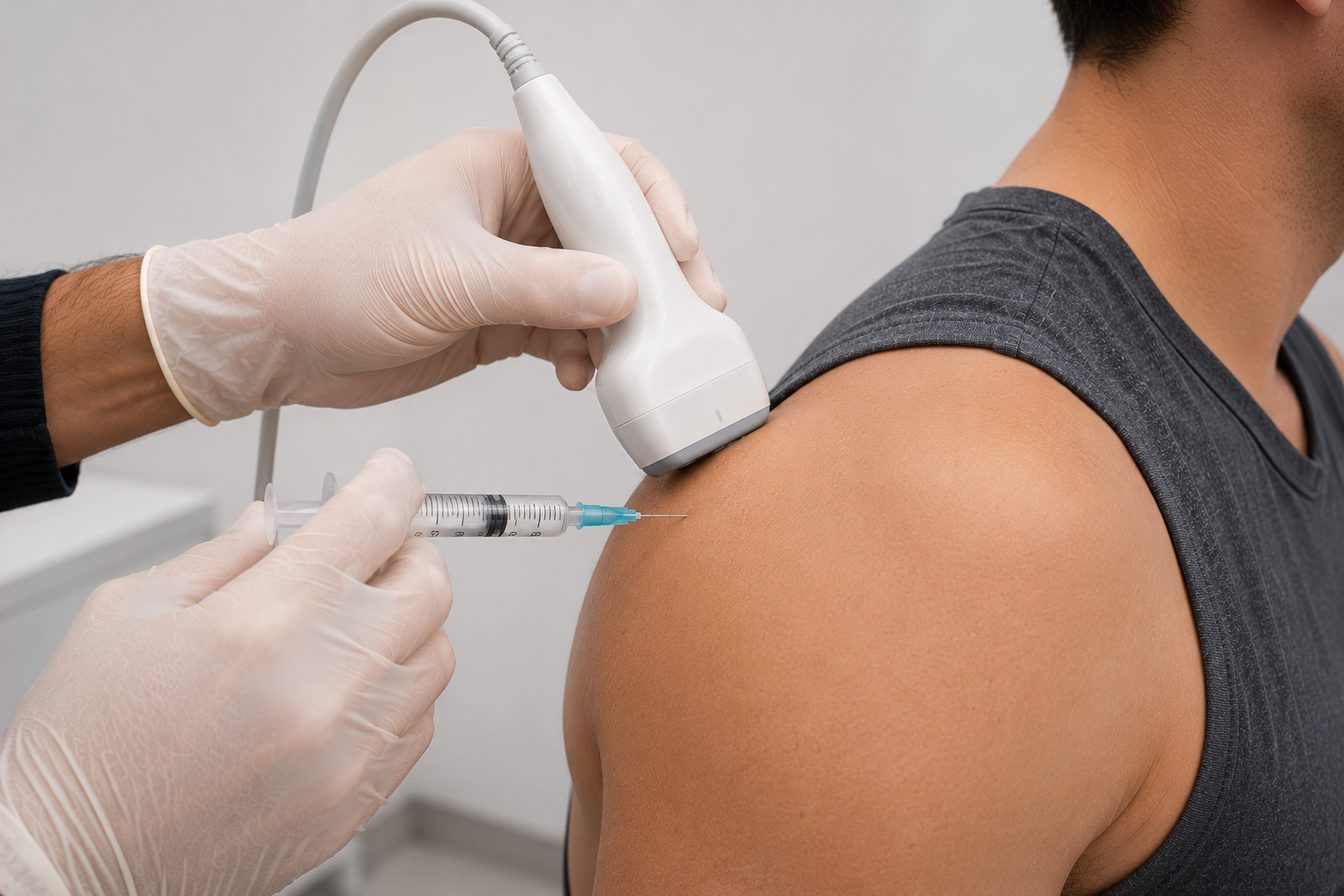
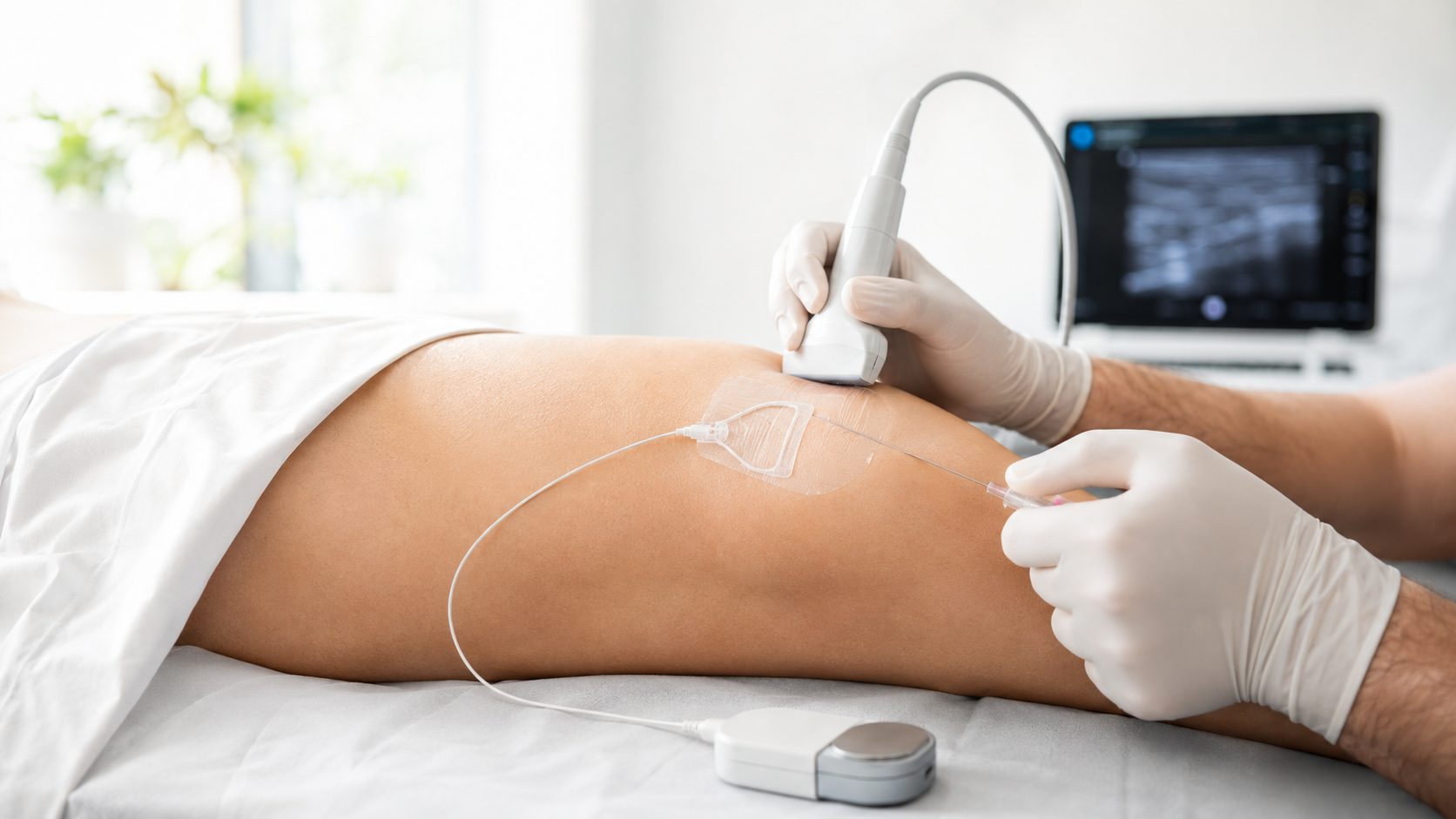
Many SPG blocks are performed through an intranasal approach, where medication is delivered through the nose toward the SPG region. In selected cases, an image-guided approach may be considered. The technique depends on anatomy, diagnosis, clinical goal, and safety factors.

Patients may notice nasal discomfort, bitter taste, throat numbness, temporary facial or nasal numbness, dizziness, nausea, or local irritation. Some may have temporary relief, while others may not respond. MPM reviews the response and uses it to guide future treatment planning.

Risks and Urgent Symptoms

Risks may include nasal discomfort, bitter taste, throat numbness, temporary numbness, dizziness, nausea, nosebleed, local irritation, allergic reaction, incomplete relief, temporary relief only, or no relief. For image-guided approaches, risks may include bruising, bleeding, infection, vascular injury, nerve irritation, and local anesthetic toxicity.

Patients should seek urgent evaluation for sudden worst headache, new neurological deficits, vision loss, confusion, fever, stiff neck, trauma, cancer history, immune suppression, pregnancy or postpartum headache, new headache after age 50, headache with fainting, severe facial swelling, chest pain, trouble breathing, or a major change in headache or facial pain pattern.

For selected patients, an SPG block may be a useful part of understanding and managing headache or facial pain. MPM’s role is to determine whether the SPG is the right target and how the block fits within a coordinated, medically responsible headache care plan.