Peripheral Neuropathy
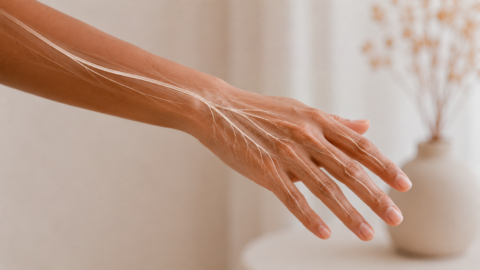
Peripheral neuropathy occurs when nerves outside the brain and spinal cord are damaged, irritated, or not functioning normally. These nerves carry signals related to sensation, pain, movement, and automatic body functions. When they are affected, patients may experience burning, tingling, numbness, electric shocks, stabbing pain, sensitivity to touch, weakness, poor balance, or symptoms that feel worse at night.
Peripheral neuropathy most commonly affects the feet and hands, but it can involve other areas depending on which nerves are affected. Some patients feel burning feet, numb toes, tingling fingers, or a sensation that they are walking on padding. Others notice weakness, cramping, difficulty with balance, or pain from light touch.
Types of Nerve Involvement
Peripheral neuropathy can affect sensory nerves, motor nerves, autonomic nerves, or a combination. Sensory nerve involvement may cause pain, numbness, tingling, temperature sensitivity, or hypersensitivity. Motor nerve involvement may cause weakness, muscle cramping, loss of coordination, or difficulty walking. Autonomic nerve involvement may affect sweating, blood pressure, digestion, urination, temperature regulation, or heart rate.
Small fiber neuropathy is an important subtype because it can cause burning pain and autonomic symptoms even when EMG or nerve conduction testing is normal. In these cases, additional evaluation through neurology or autonomic specialists may be needed.
What Causes Peripheral Neuropathy?
Peripheral neuropathy has many possible causes. Diabetes is a common cause, but it is not the only one. Neuropathy may also be related to autoimmune disease, inflammation, vitamin deficiency, thyroid disease, infections, chemotherapy, medication toxicity, alcohol exposure, inherited disorders, trauma, nerve compression, kidney disease, post-viral illness, or idiopathic causes.
Some patients have symptoms that overlap with autoimmune-related pain, autonomic dysfunction, POTS-like symptoms, post-COVID pain, EBV-related pain, EDS, hypermobility spectrum disorder, peripheral nerve entrapment, CRPS, fibromyalgia, or central pain syndromes. This overlap can make evaluation more complex.
Peripheral Neuropathy vs. Nerve Entrapment or Spine Pain
Burning, tingling, numbness, electric pain, and weakness do not always come from generalized peripheral neuropathy. Similar symptoms may come from a focal nerve entrapment, such as cubital tunnel syndrome, tarsal tunnel syndrome, peroneal nerve entrapment, or carpal tunnel syndrome. Symptoms may also come from cervical or lumbar radiculopathy, spinal stenosis, myelopathy, or other spine-related nerve compression.
This distinction matters because treatment is different. A patient with small fiber neuropathy, diabetic neuropathy, autoimmune neuropathy, nerve entrapment, and lumbar radiculopathy may all describe nerve pain, but the care pathway may be very different.
How MPM Evaluates Neuropathic Pain
MPM begins by reviewing the full symptom pattern, including location, duration, severity, triggers, sensory changes, weakness, balance issues, autonomic symptoms, medical history, medications, prior chemotherapy, diabetes or metabolic risk, autoimmune history, infection history, and prior testing.
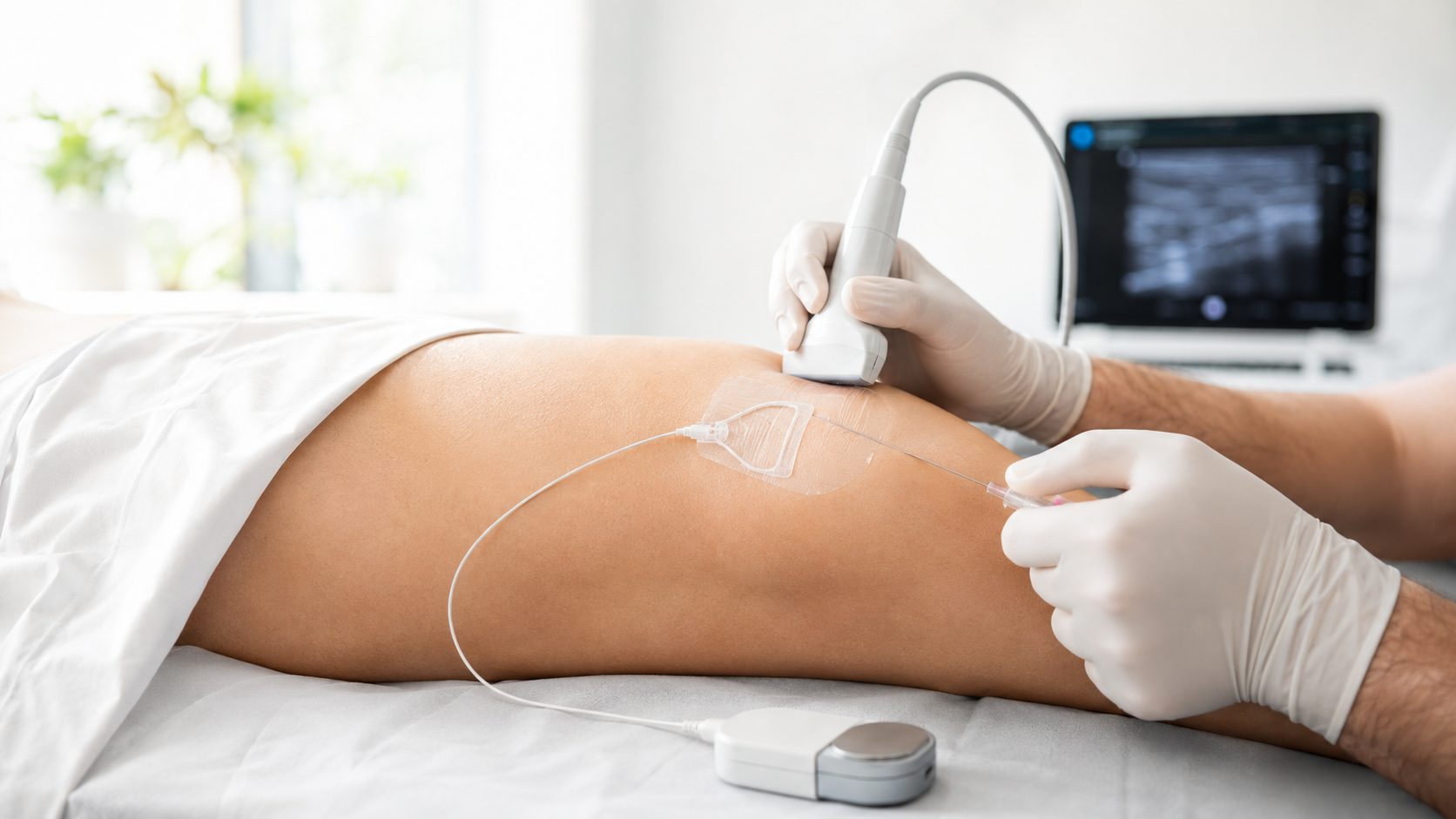
The evaluation may include review of bloodwork, imaging, EMG or nerve conduction studies, neurologic findings, musculoskeletal contributors, and prior specialist notes. When nerve entrapment or focal nerve irritation is suspected, diagnostic ultrasound may be considered in selected cases. When systemic or progressive neuropathy is suspected, coordination with neurology, rheumatology, endocrinology, primary care, or another specialist may be needed.
Treatment Options for Peripheral Neuropathy
Treatment depends on the cause and the dominant symptom pattern. When an underlying cause is identified, care should address that cause when possible. For example, neuropathy related to diabetes, vitamin deficiency, autoimmune disease, medication exposure, or chemotherapy may require disease-specific management with the appropriate clinician.
Pain-focused treatment may include medication management, topical treatments, physical function support, fall prevention, pacing strategies, and treatment of overlapping musculoskeletal or spine contributors. Pain psychology may help some patients manage sleep disruption, stress, fear of worsening symptoms, and the functional impact of chronic neuropathic pain.
Sympathetic Blocks and Neuromodulation
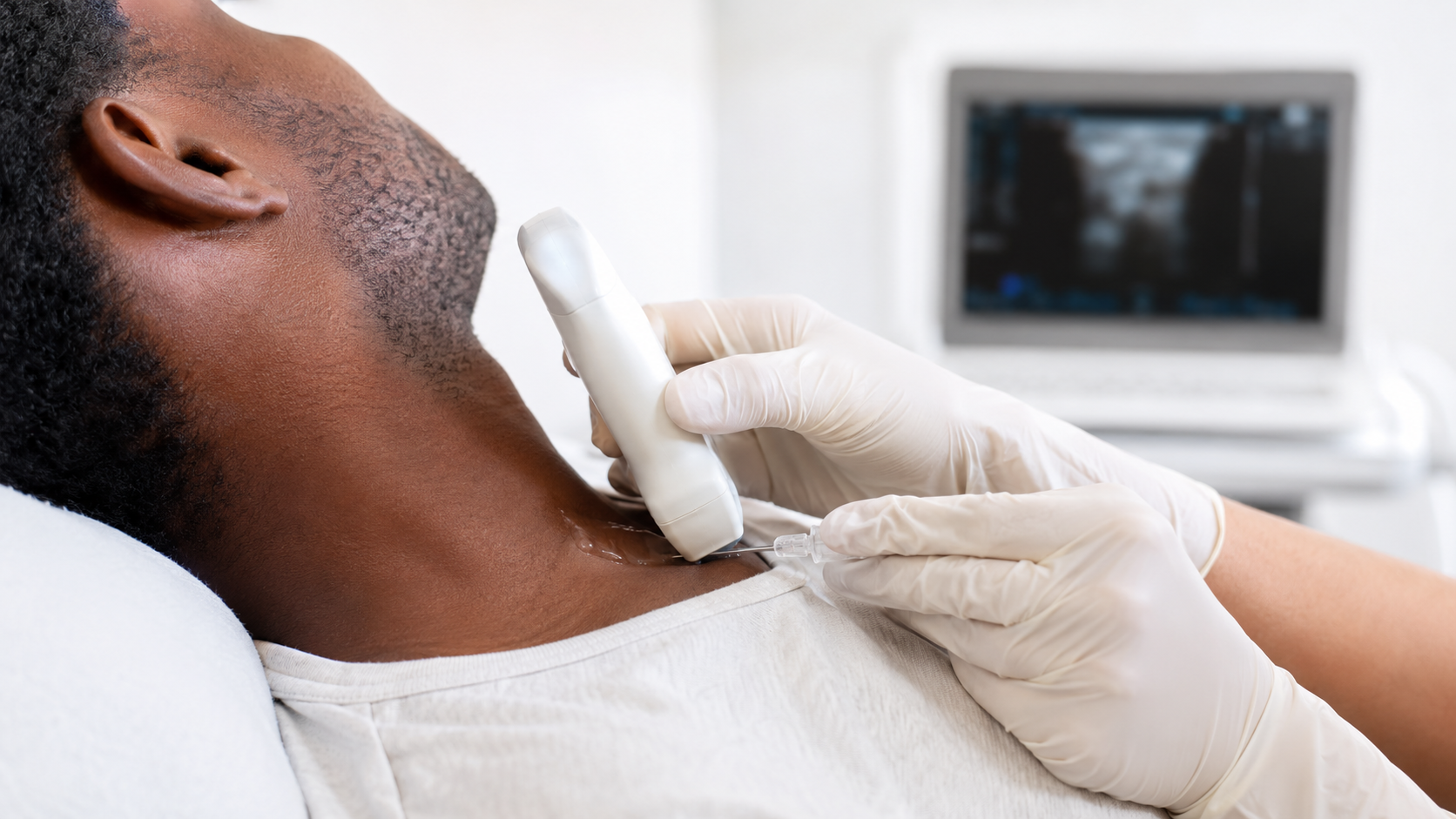
Sympathetic blocks may be considered for selected sympathetically mediated or neuropathic pain patterns, but they are not standard treatment for every neuropathy presentation. The decision depends on the pain pattern, suspected mechanism, prior treatment response, and risk profile.
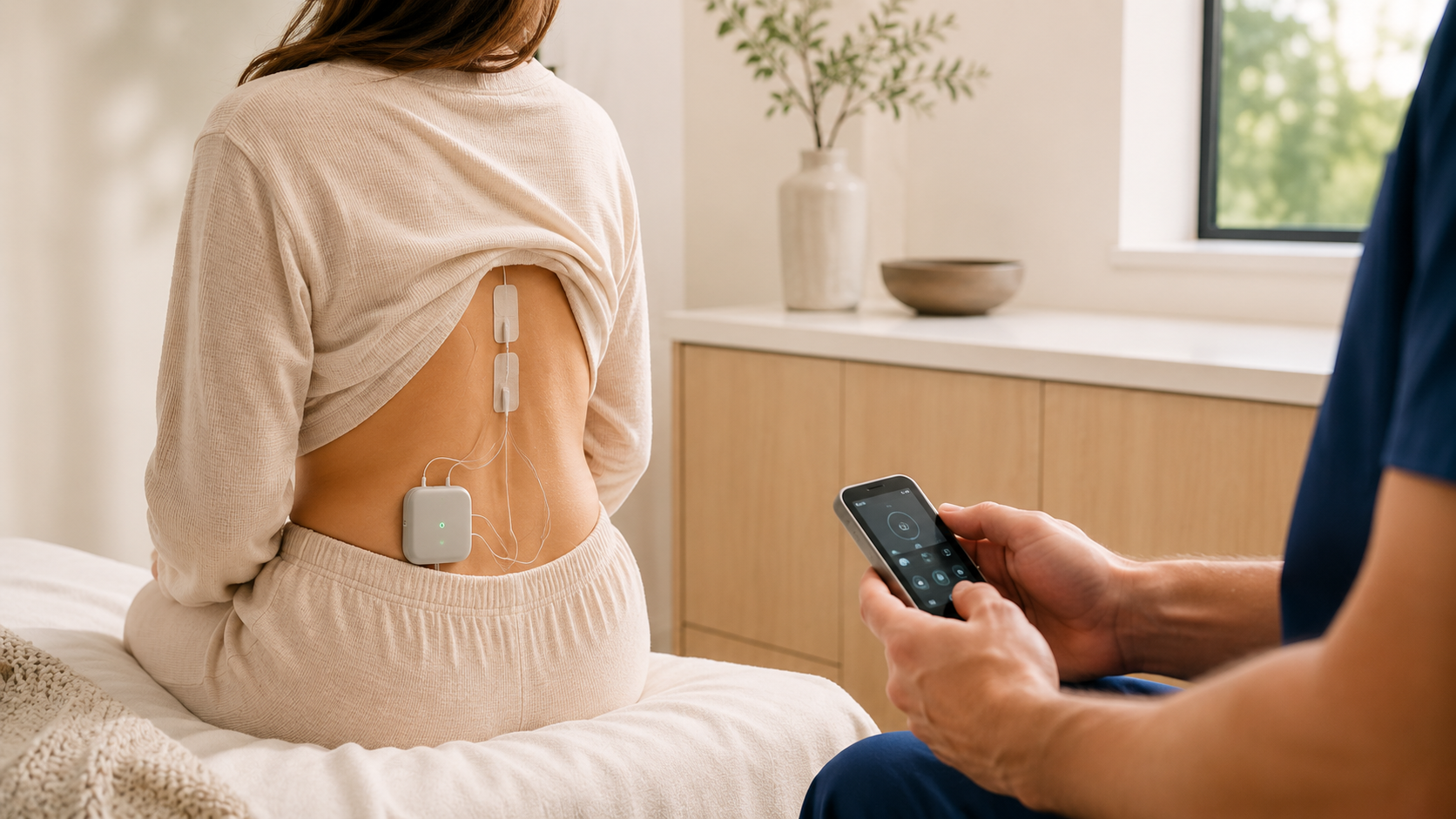
Spinal cord stimulation may be considered for selected patients with refractory painful neuropathy after appropriate evaluation and conservative treatment review. Peripheral nerve stimulation may be considered when pain is localized to a specific nerve distribution and the anatomy supports this approach. These treatments are designed to modulate pain signaling. They do not repair nerves, reverse neuropathy, or treat the underlying cause.
When Symptoms Require Urgent Evaluation
Patients should seek urgent evaluation for sudden weakness or numbness, facial droop, speech difficulty, vision loss, severe sudden headache, loss of bowel or bladder control, saddle anesthesia, rapidly worsening weakness, falls, infected foot wounds, severe swelling, fever, chest pain, shortness of breath, or symptoms after major trauma.
How MPM Approaches Peripheral Neuropathy Care
MPM approaches peripheral neuropathy through a diagnosis-first, coordinated model. The goal is to identify whether symptoms are driven by peripheral nerve damage, small fiber neuropathy, autoimmune inflammation, autonomic involvement, nerve entrapment, spine-related nerve compression, hypermobility-related nerve irritation, or central pain processing.
For patients looking for peripheral neuropathy treatment in Manhattan, MPM offers a careful pain medicine perspective focused on neuropathic pain, functional impact, diagnostic coordination, and selected treatment options. Care may include medication management, sympathetic blocks, spinal cord stimulation, peripheral nerve stimulation, and specialist coordination when appropriate. The goal is to clarify the source of symptoms and guide appropriate next steps without overpromising outcomes.