Epidural Lysis of Adhesions
Epidural lysis of adhesions is an advanced interventional spine procedure used in selected patients with persistent nerve-related spine pain. It is also called epidural adhesiolysis, percutaneous epidural adhesiolysis, epidural neuroplasty, epidural neurolysis, or the Racz catheter procedure.
At Manhattan Pain Medicine (MPM), epidural lysis of adhesions NYC care begins with diagnosis-first evaluation. The goal is to determine whether symptoms are related to persistent nerve root irritation, disc disease, spinal stenosis, epidural scar tissue, prior spine surgery, or another spine-related pain generator before considering this procedure.
What Epidural Adhesions Are
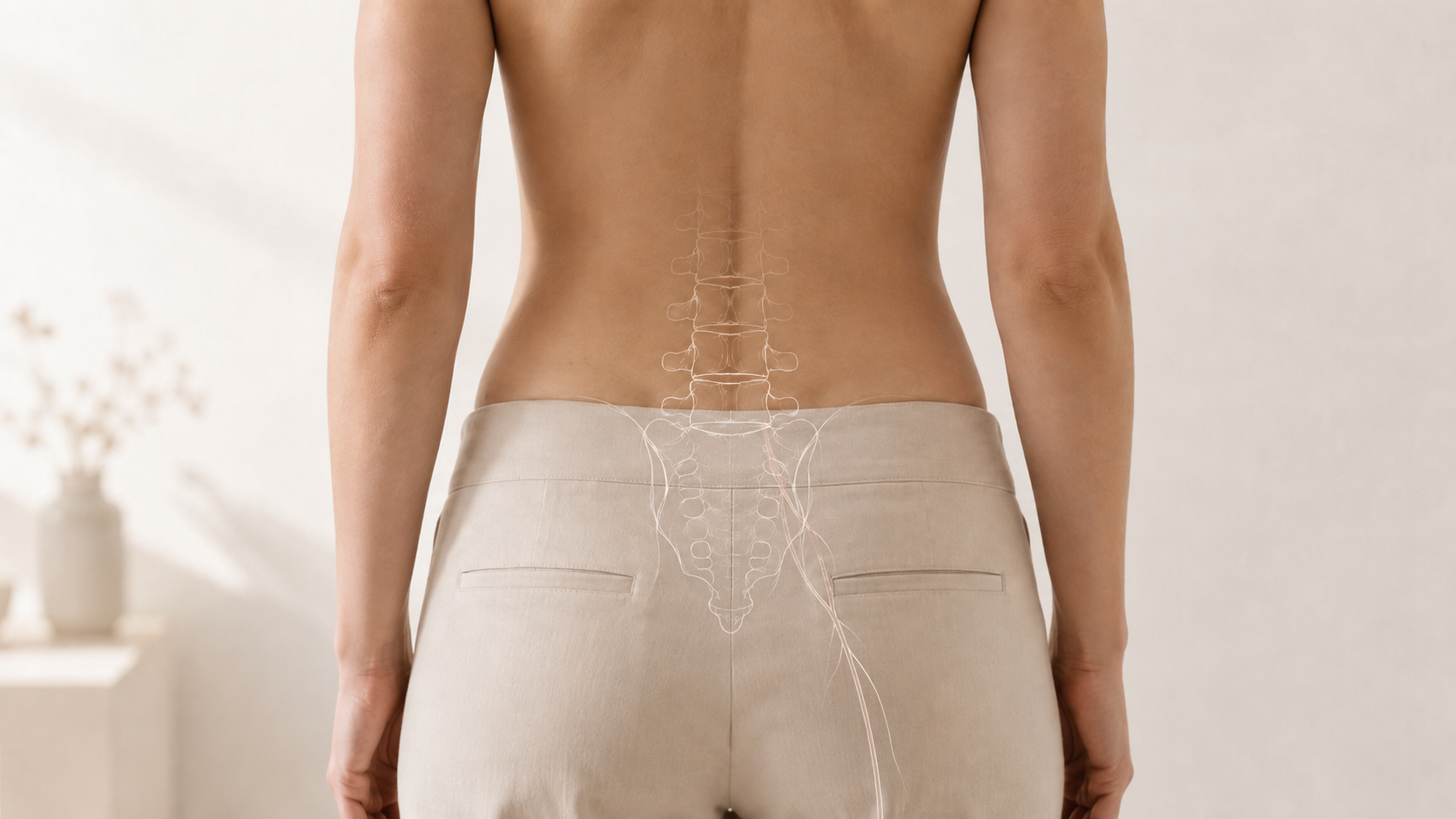
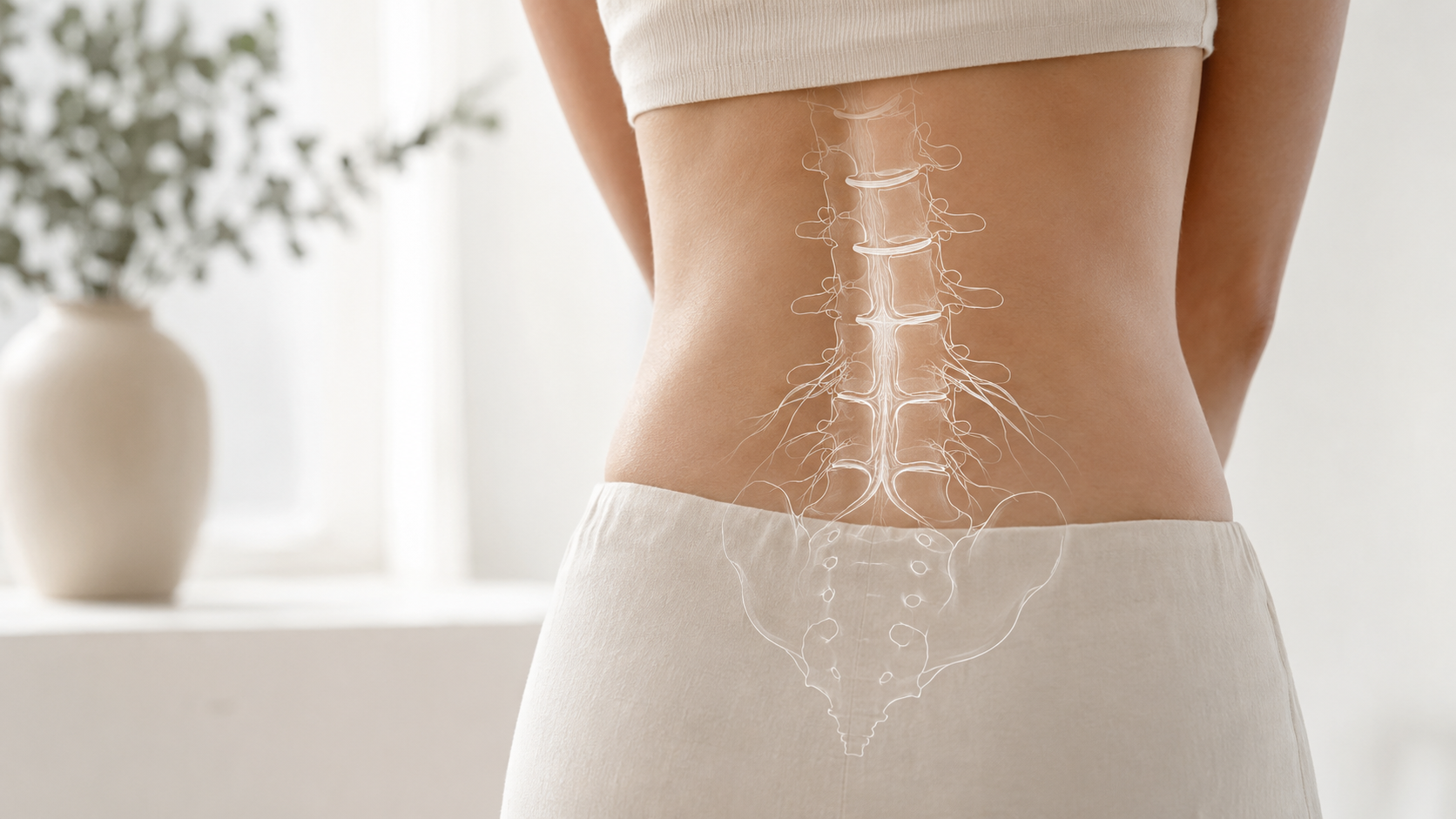
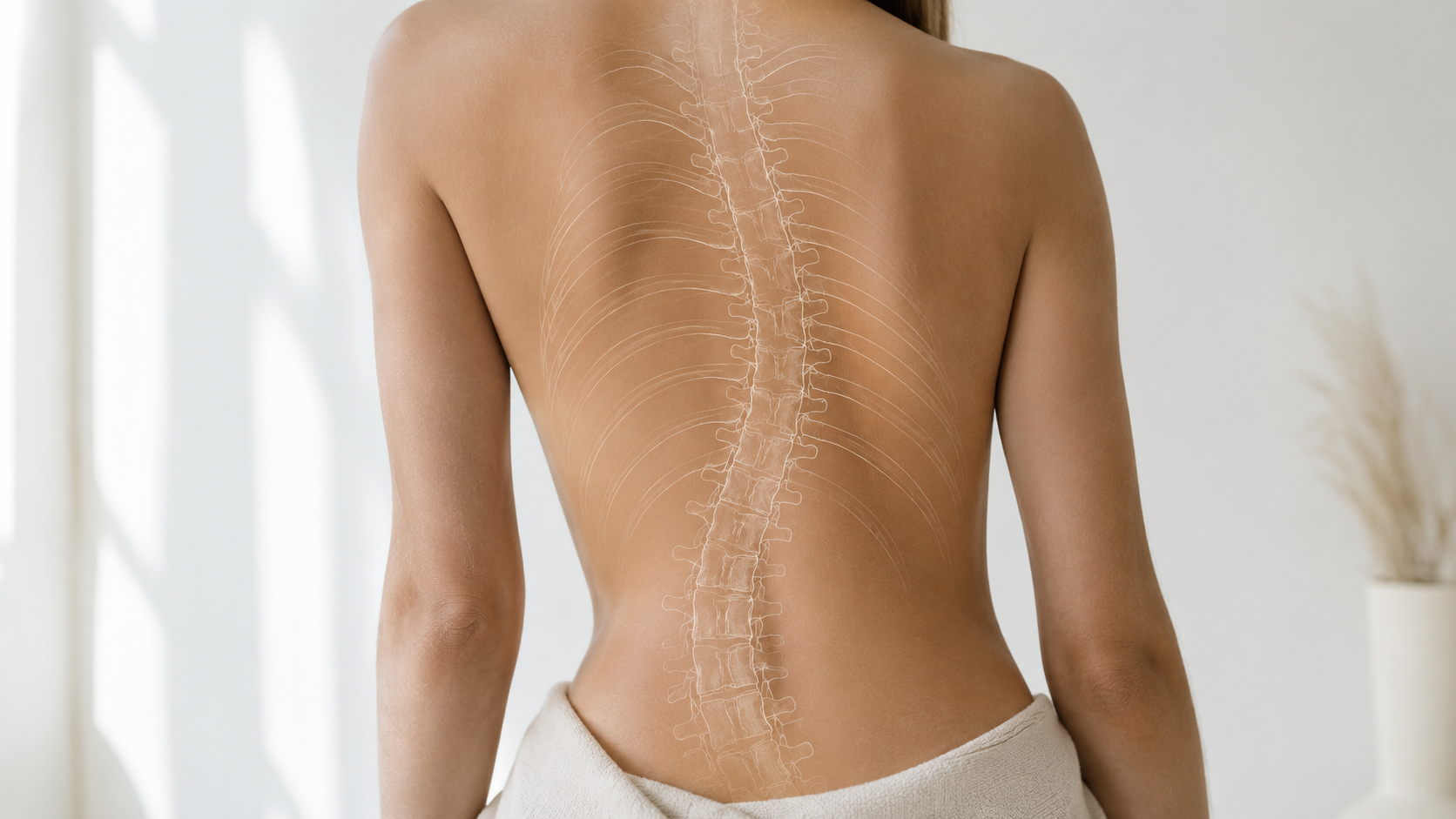
Epidural adhesions are areas of scar tissue or restricted tissue planes in the epidural space. They may occur after spine surgery, inflammation, trauma, chronic irritation, or other spine-related changes. In some patients, adhesions or scar tissue may contribute to persistent nerve irritation or may limit the ability of medication to reach an inflamed nerve region during a standard epidural injection.
Not every patient with chronic back or leg pain has clinically meaningful adhesions. Not every adhesion causes pain. This is why MPM evaluates symptoms, exam findings, imaging, prior procedures, surgical history, and response to prior injections before considering epidural lysis of adhesions.
How the Racz Catheter Procedure Works
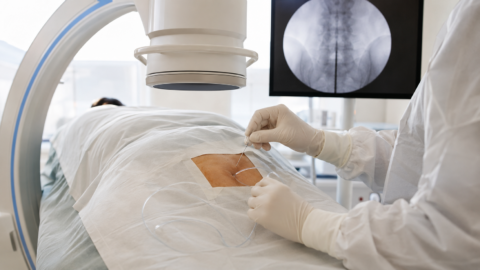
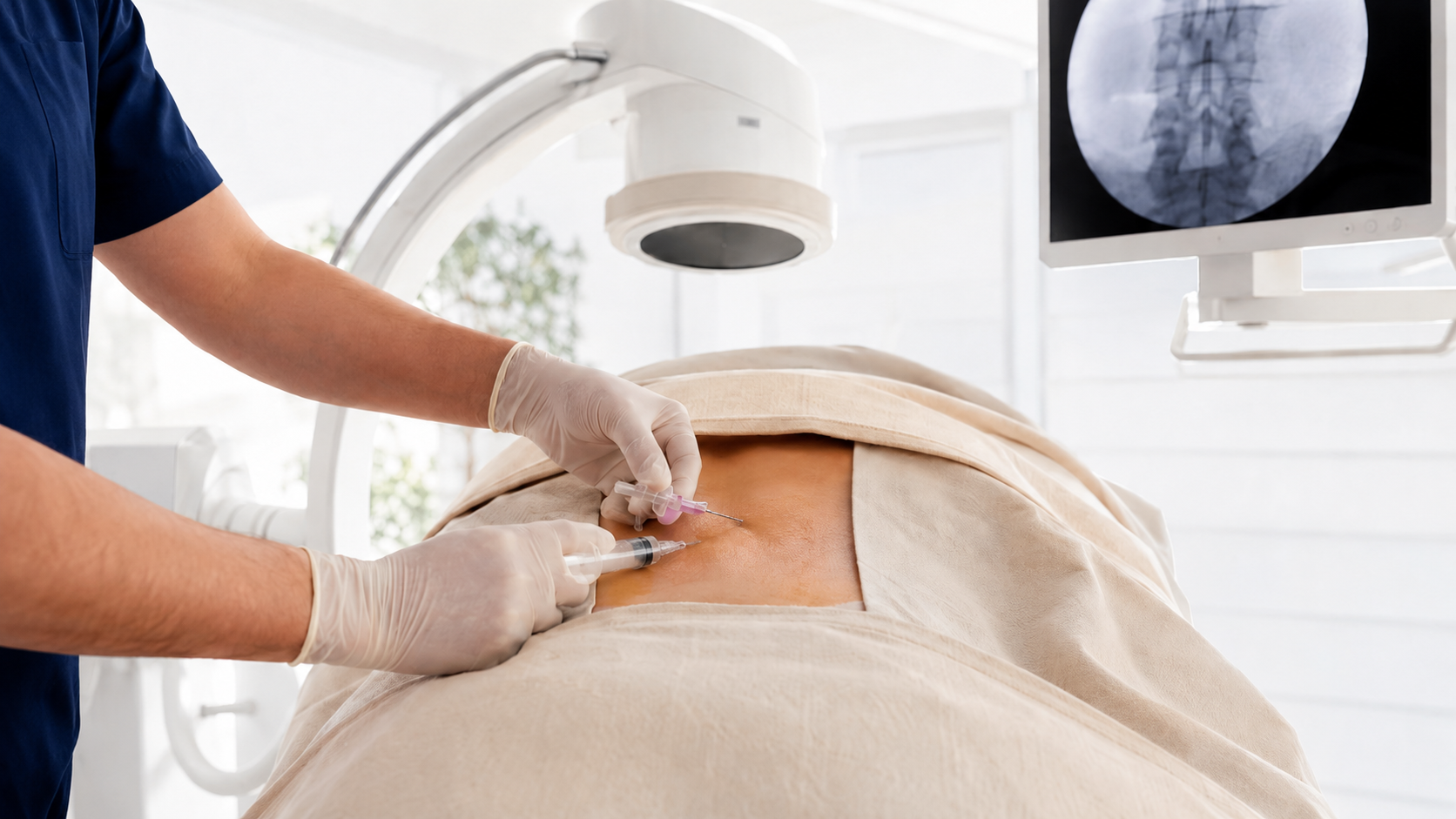
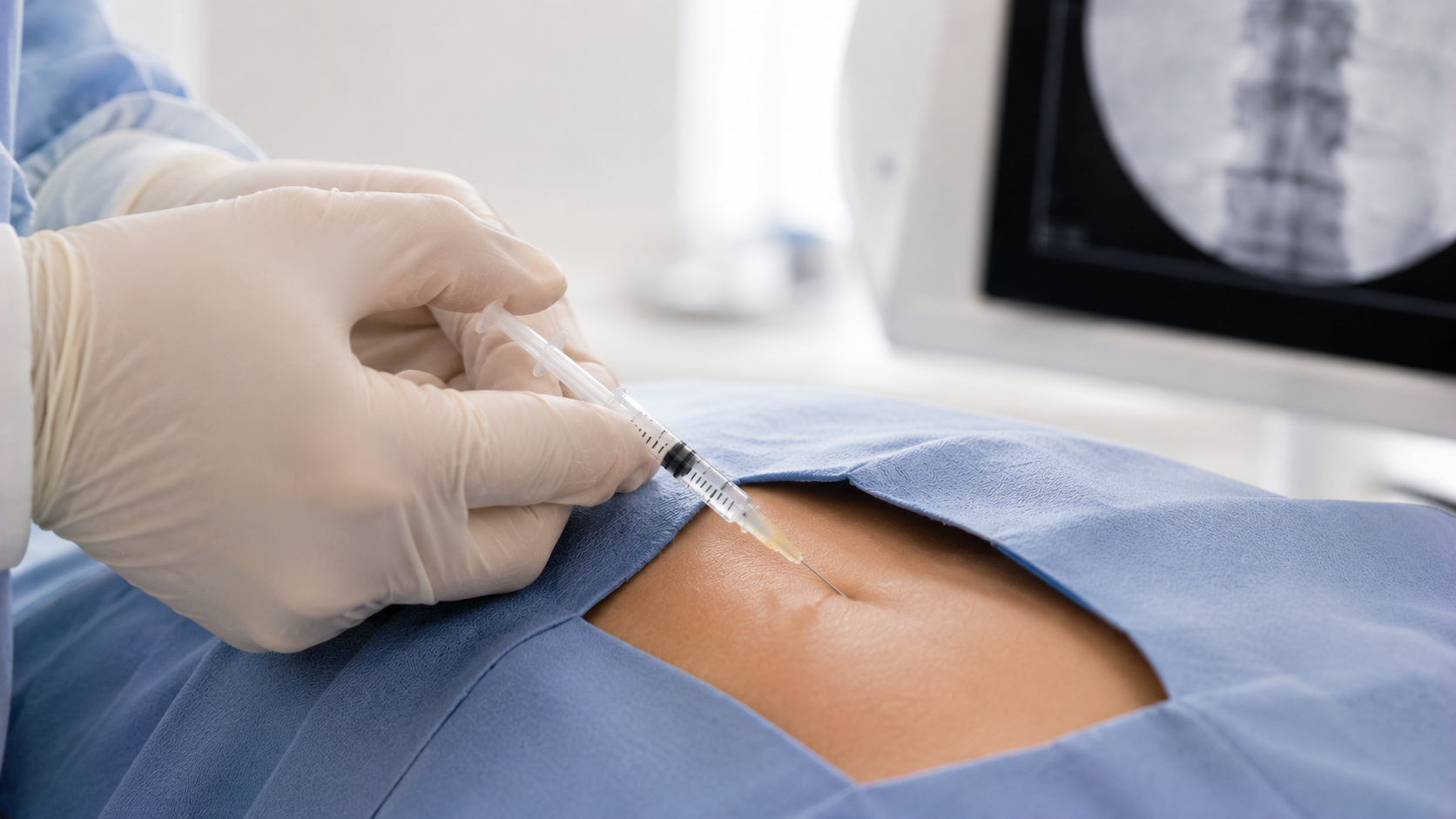
During the Racz catheter procedure, a specialized catheter is guided into the epidural space under image guidance. The catheter allows the physician to reach a targeted area near the suspected irritated nerve region. Medication or solution may then be delivered to help reduce inflammation, improve medication spread, or address selected adhesions.
The exact technique and medication plan depend on the patient’s anatomy, diagnosis, prior surgery, safety profile, and treatment goals. The procedure is more advanced than a standard epidural steroid injection and is not appropriate for every spine pain condition.
Epidural Lysis of Adhesions vs. Epidural Steroid Injections
A standard epidural steroid injection places anti-inflammatory medication into the epidural space around irritated spinal nerves. It may be considered for selected cases of sciatica, disc herniation, spinal stenosis, or nerve root inflammation.
Epidural lysis of adhesions is usually considered later, particularly when symptoms persist despite appropriate conservative care and standard epidural injections. It may be relevant when a catheter-based approach is needed to access a more specific epidural region or when scar tissue or adhesions may be contributing to symptoms.
The decision is not based only on pain severity. It depends on whether the suspected target fits the patient’s pain pattern, imaging, prior response, and safety profile.
When Epidural Adhesiolysis May Be Considered
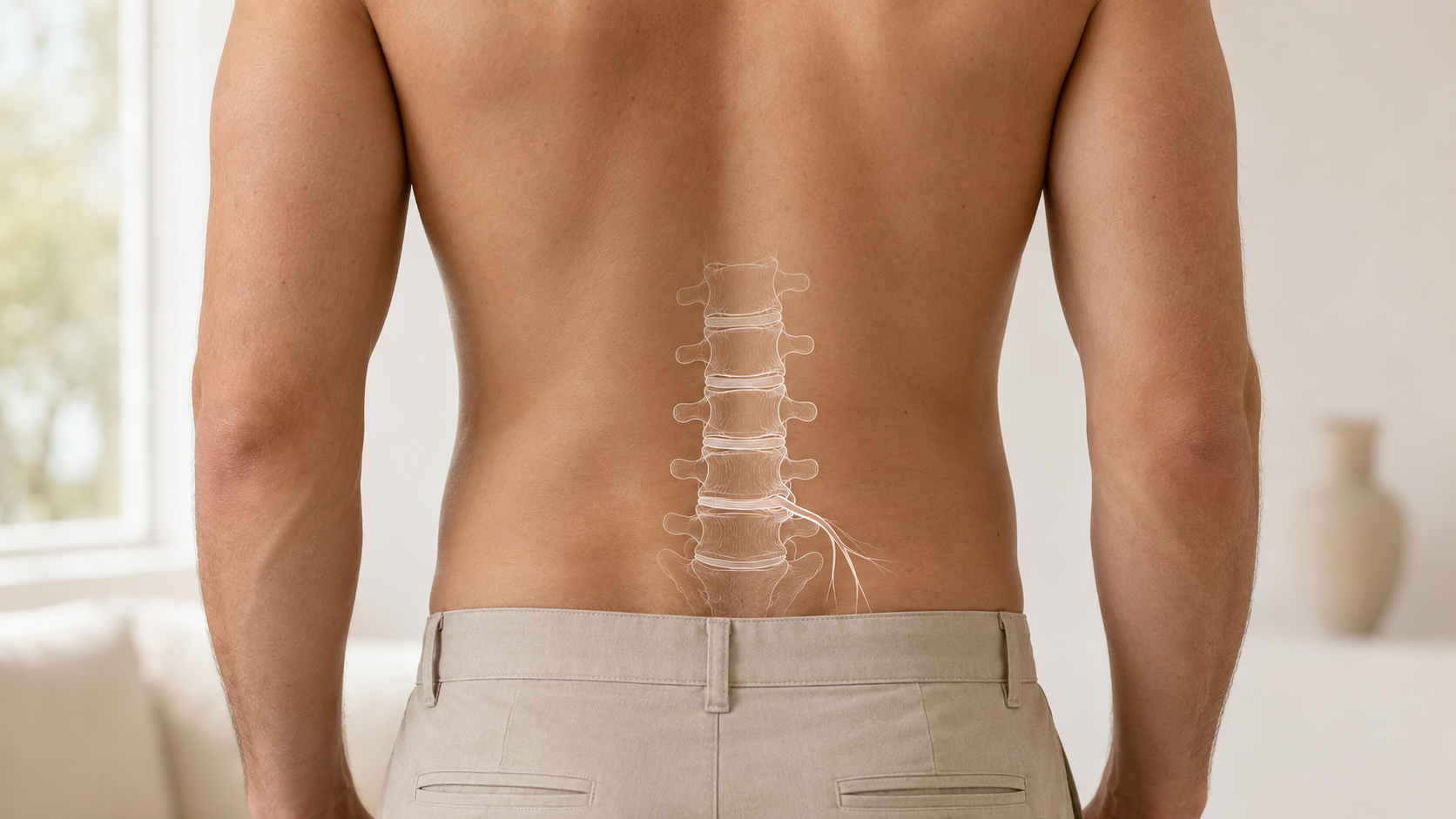
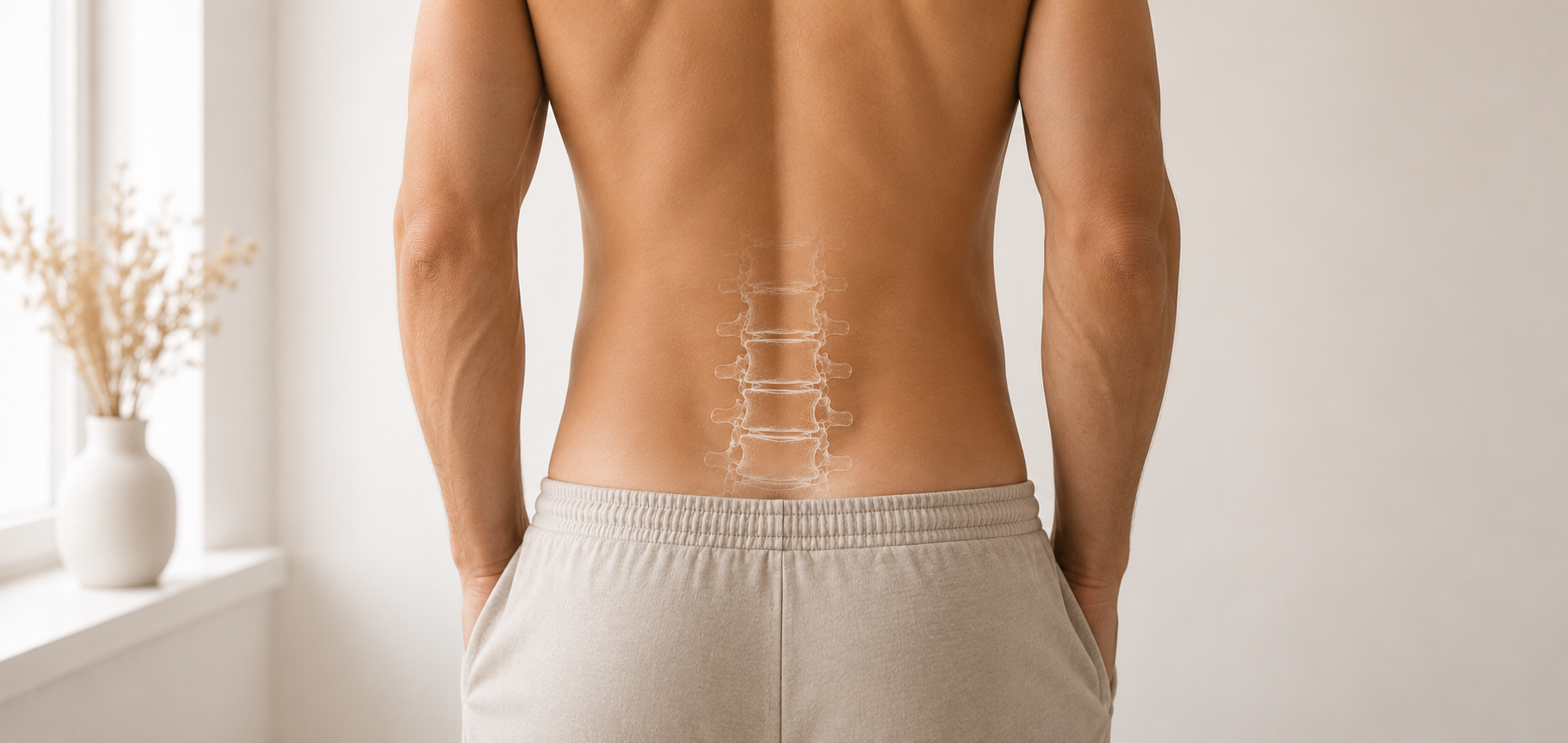
Epidural adhesiolysis may be considered for selected patients with persistent radicular pain, sciatica, post-surgical spine pain, suspected epidural fibrosis, spinal stenosis-related symptoms, or disc-related nerve irritation. Many patients considering this procedure have already tried physical therapy, medication, activity modification, epidural steroid injections, spine injections, or surgical consultation.
MPM evaluates whether symptoms are truly nerve-root-related. Pain that comes from facet joints, SI joint dysfunction, hip pathology, peripheral nerve entrapment, instability, inflammation, or central sensitization may require a different approach.
Post-Surgical Spine Pain and Scar Tissue
After spine surgery, some patients continue to experience pain due to persistent nerve irritation, recurrent disc disease, stenosis, scar tissue, altered biomechanics, adjacent segment issues, or central sensitization. Epidural adhesiolysis may be considered in selected post-surgical cases when symptoms and imaging suggest that epidural scarring or restricted epidural medication spread may be contributing.
This does not mean scar tissue is always the cause of post-surgical pain. MPM reviews the full history and may coordinate with spine surgery, neurology, rehabilitation, medication management, or neuromodulation pathways when appropriate.
Epidural Adhesiolysis vs. Spinal Cord Stimulation
Epidural adhesiolysis and spinal cord stimulation are different types of advanced spine pain care. Epidural adhesiolysis is a catheter-based procedure that targets selected epidural regions. Spinal cord stimulation uses an implanted device to modify pain signaling and may be considered for selected chronic nerve-related pain patterns when less invasive treatments have not provided enough relief.
A patient’s response to epidural injections or epidural adhesiolysis may help guide whether spinal cord stimulation should be discussed. MPM evaluates diagnosis, prior treatment response, functional goals, medical history, and patient preferences before recommending escalation.
Evidence, Coverage, and Realistic Expectations
Epidural lysis of adhesions has been studied in selected chronic spine and radicular pain populations, including patients with persistent low back and lower extremity pain or post-surgical spine pain. Evidence varies by study quality, diagnosis, technique, and patient selection. Insurance coverage can also vary. Some payers may consider catheter-based epidural adhesiolysis investigational or require specific documentation.
MPM discusses realistic expectations before treatment. The procedure may provide temporary or meaningful relief for selected patients, but it is not a cure and does not repair discs, reverse stenosis, remove all scar tissue, or guarantee long-term improvement.
Risks and Urgent Symptoms
Risks may include pain flare, bruising, bleeding, infection, allergic reaction, temporary numbness or weakness, dizziness, vasovagal reaction, elevated blood sugar if steroid is used, dural puncture headache, catheter-related complications, nerve irritation, vascular injury, local anesthetic toxicity, rare neurologic injury, incomplete relief, temporary relief only, or no relief.
Patients should seek urgent evaluation for new or worsening weakness, bowel or bladder dysfunction, saddle anesthesia, fever, severe back pain after trauma, unexplained weight loss, cancer-related red flags, severe infection symptoms, sudden severe headache after the procedure, chest pain, shortness of breath, severe allergic reaction, or rapidly worsening symptoms.
For selected patients, epidural lysis of adhesions may be an important step in a diagnosis-first spine pain pathway. MPM’s role is to determine whether the procedure is clinically appropriate, how it compares with other options, and how the response should guide the next stage of care.