
Treatments We Offer
At Manhattan Pain Medicine, treatment is selected through diagnosis, not habit. Every medication, procedure, therapy, or intervention is chosen based on what we believe is driving the pain, what the body is protecting, and what needs to change for more durable progress.
What Are Zones of Expertise?
Our team organizes conditions and treatments into related zones of expertise to make it easier to explore the care paths most relevant to your symptoms and goals.
Use the zone tags above to browse dedicated pages for each focus area, including services, providers, and what to expect during treatment.
Expertise Built for Complex Pain
Explore the Zones of Expertise by clicking or tapping on a circle.


How Treatments Fit Into Care
Treating complex pain often requires two paths at the same time: helping the patient feel more comfortable while continuing to address the underlying cause. Some treatments calm inflammation or sensitization. Others support healing, improve stability, retrain movement, or help regulate the nervous system. The right plan depends on the diagnosis, the order of care, and how the body responds.
How We Choose the Right Treatment
-

Superficial Cervical Plexus Block
A superficial cervical plexus block may help evaluate or temporarily reduce selected head, neck, upper shoulder, or headache-adjacent nerve pain.
-

Trigeminal Nerve Block
A trigeminal nerve block may help evaluate or temporarily reduce selected facial pain, trigeminal neuralgia, or headache overlap.
-

Glossopharyngeal Nerve Block
A glossopharyngeal nerve block may help evaluate or temporarily reduce selected throat, tongue, ear, tonsillar, or cranial nerve pain.
-

Occipital Nerve Block
An occipital nerve block may help identify or temporarily reduce selected headache, scalp, or neck-related pain involving the occipital nerves.
-
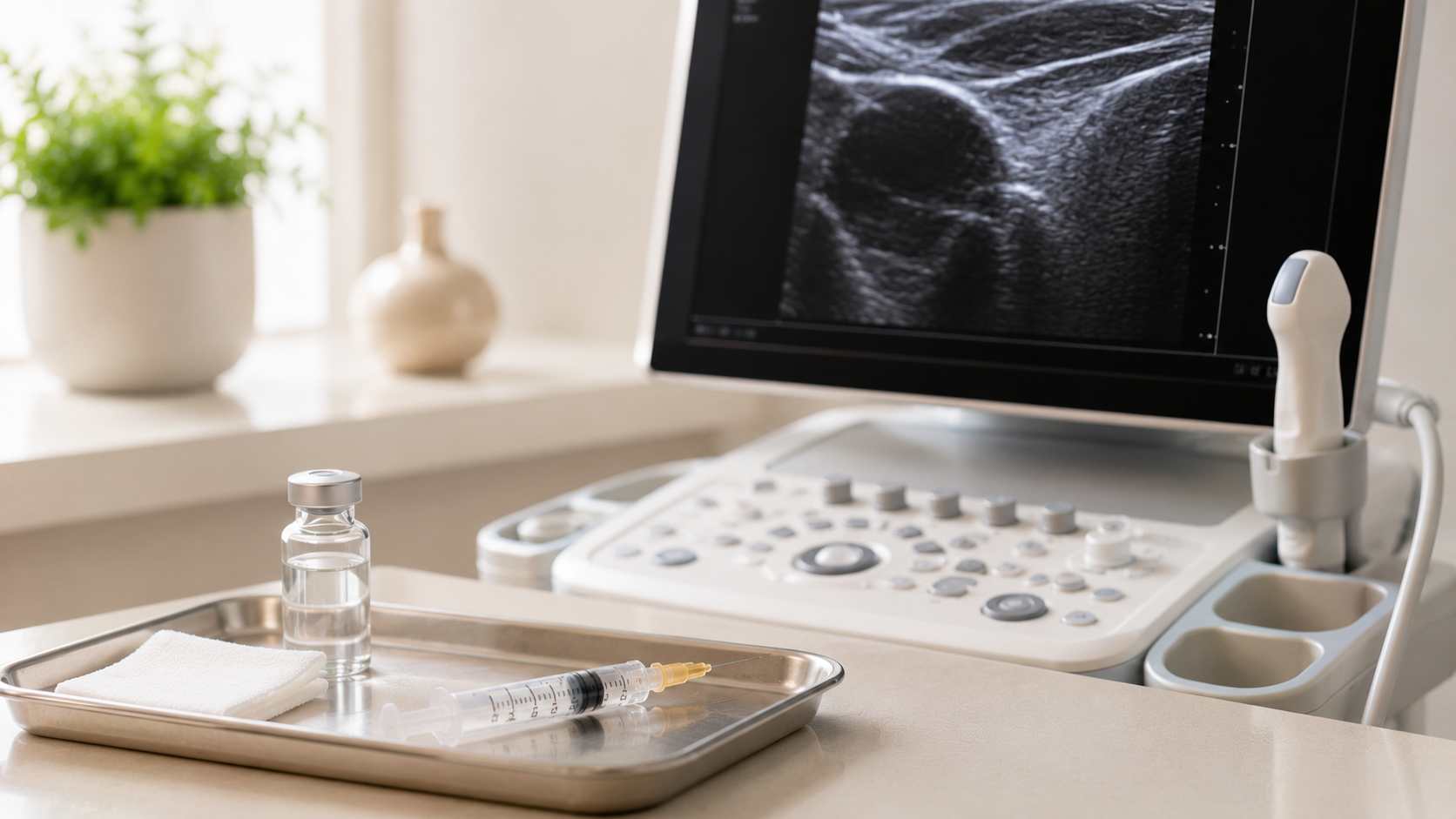
Pudendal Nerve Block
A pudendal nerve block may help identify or temporarily reduce selected pelvic, perineal, genital, rectal, or sitting-related nerve pain.
-
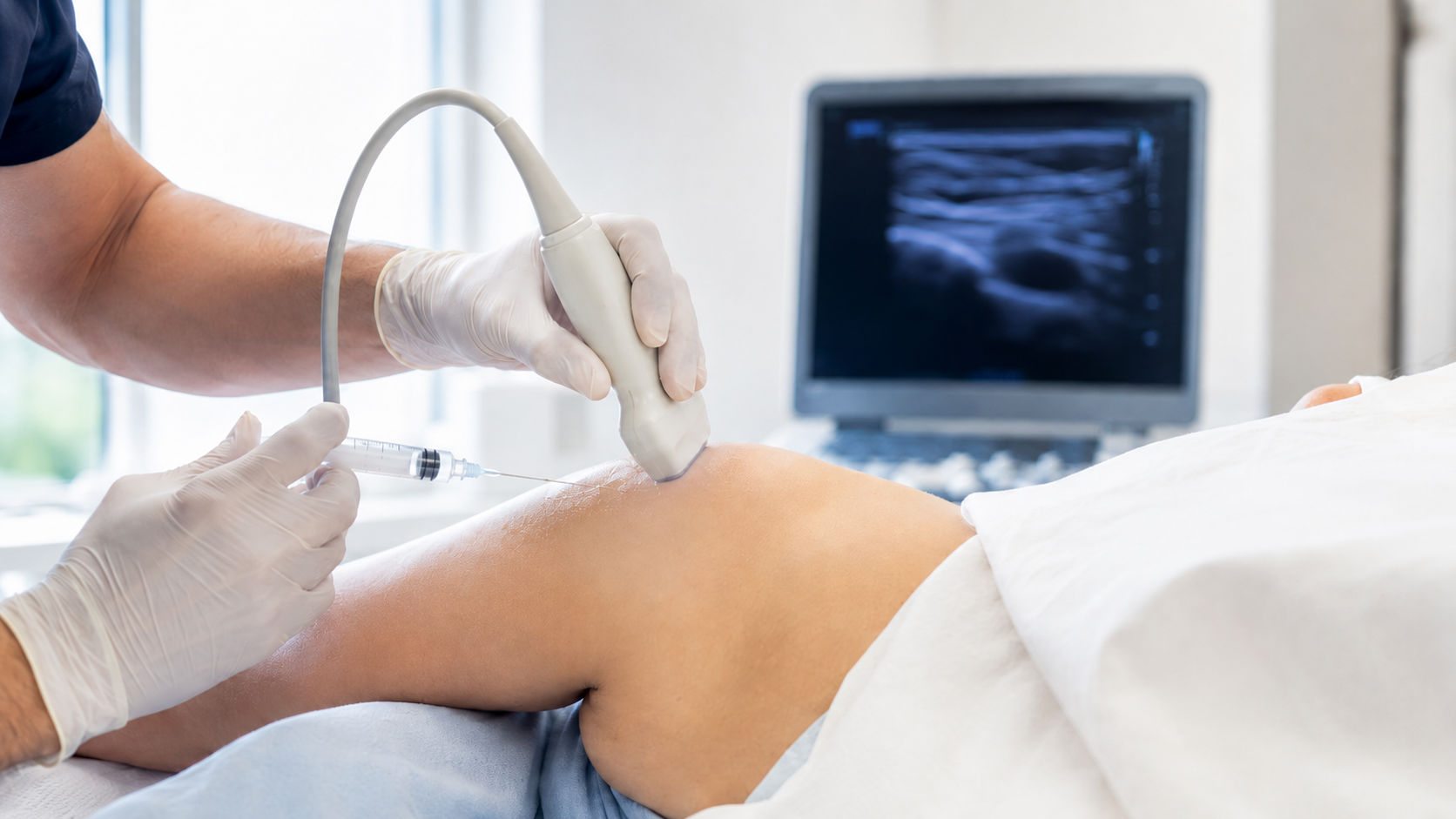
Peripheral Nerve Blocks
Peripheral nerve blocks may help identify or temporarily reduce selected nerve-related pain when a specific nerve or nerve group is suspected.
-

Hyaluronic Acid Injections
Hyaluronic acid injections may be considered for selected knee osteoarthritis or arthritis-related knee pain when clinically appropriate.
-

Steroid Injections
Steroid injections may help reduce inflammation and pain in selected joints, soft tissues, nerves, spine-related structures, or inflammatory pain patterns.
-

Peripheral Joint Injections
Peripheral joint injections may help identify or treat selected joint pain involving the shoulder, hip, knee, ankle, foot, or other joints.
-

Percutaneous Tenotomy
Percutaneous tenotomy may be considered for selected chronic tendon pain or tendinopathy when conservative care has not provided enough relief.
-

TMJ Prolotherapy
TMJ prolotherapy may be considered for selected jaw pain, clicking, locking, instability, or hypermobility-related TMJ symptoms.
-
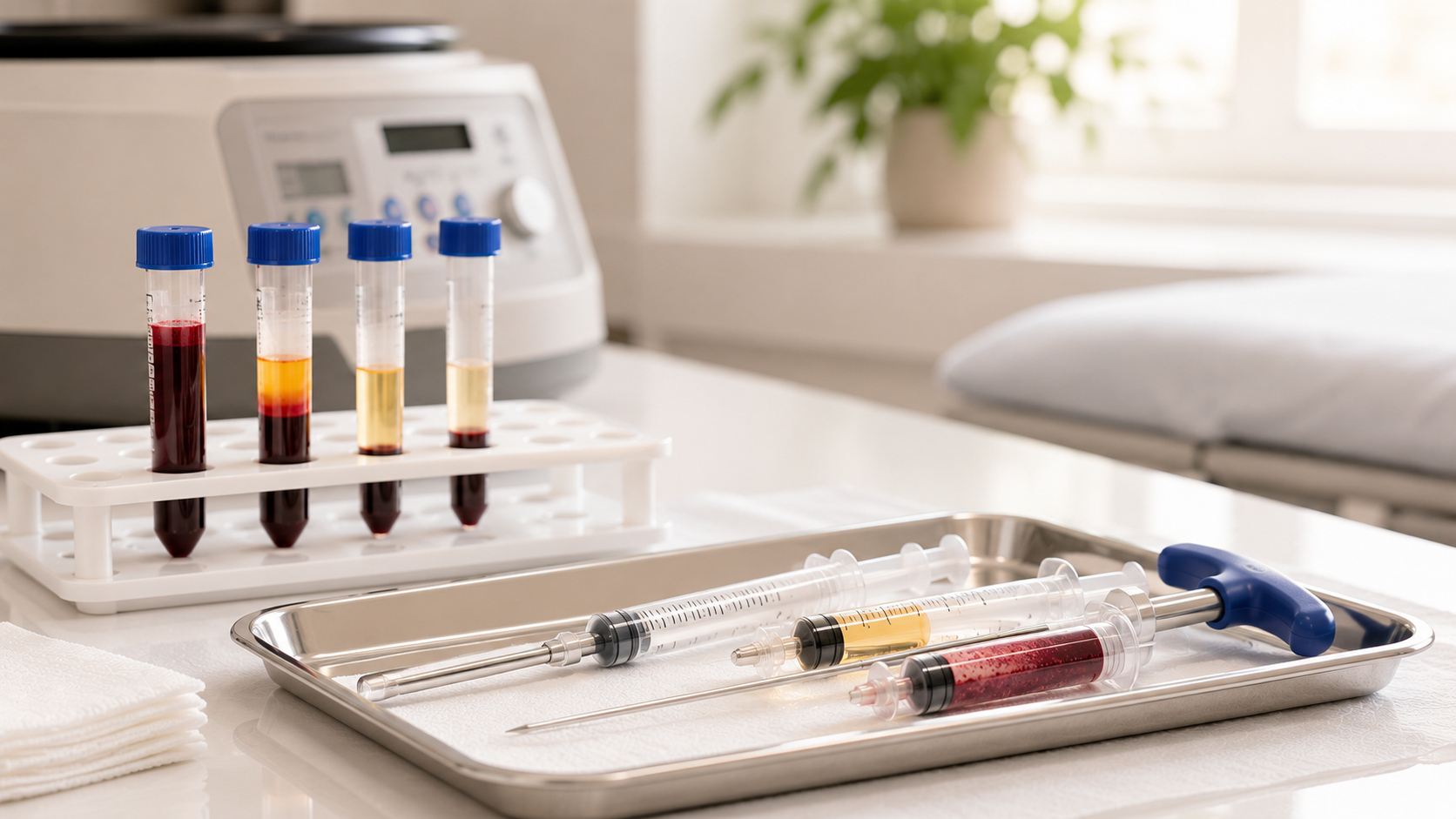
Bone Marrow Aspirate Concentrate (BMAC)
BMAC treatment may be considered for selected joint, tendon, ligament, orthopedic, hypermobility, or joint instability pain patterns.
Find a Treatment Path Built Around the Diagnosis
The most effective treatment plan begins with understanding the reason pain is happening. Our team works to identify the source, calm the systems that may be amplifying symptoms, and build a coordinated plan that supports comfort, function, and long-term management.