Lumbar Sympathetic Block
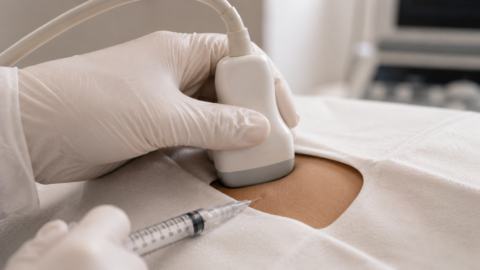
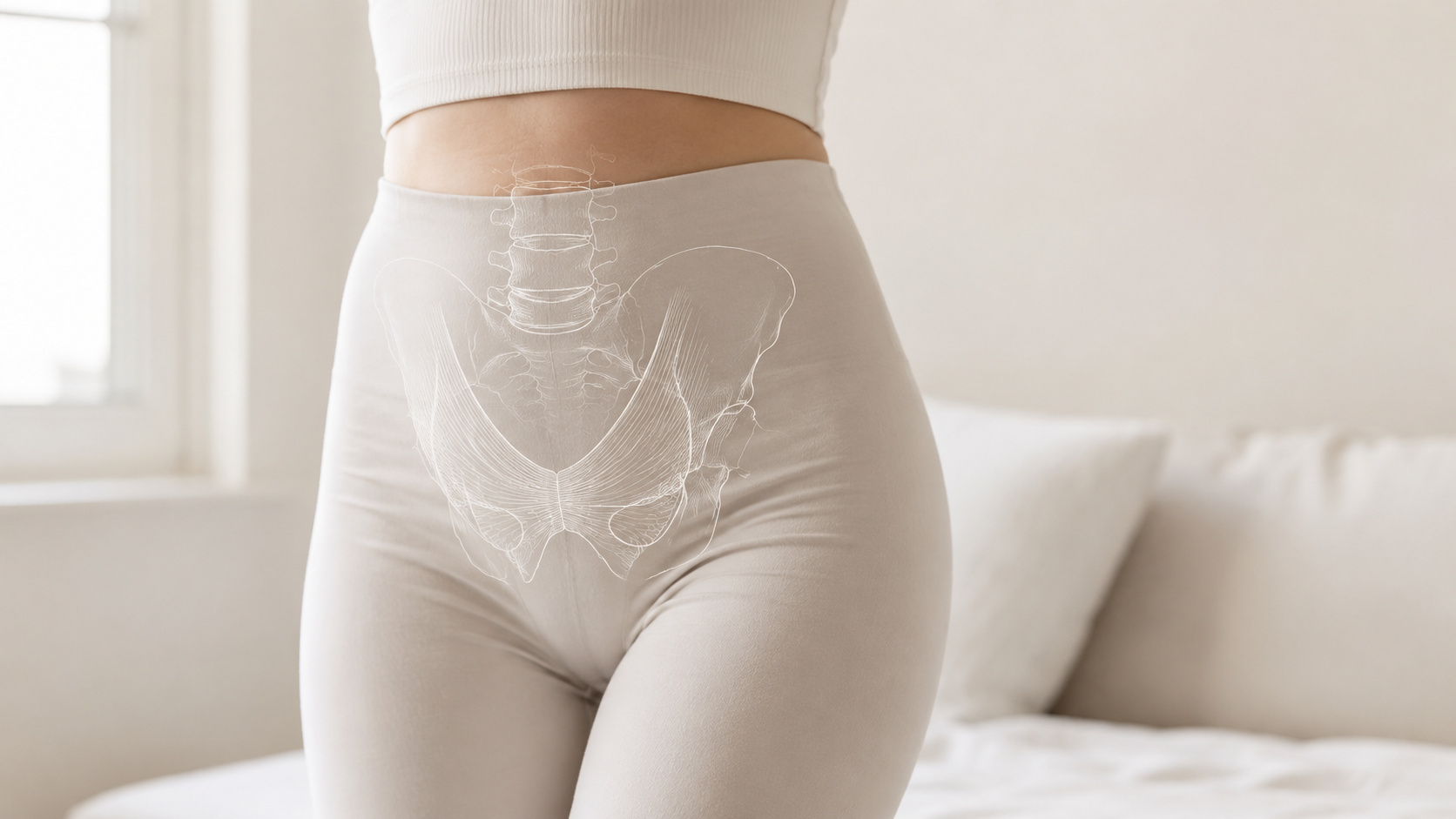
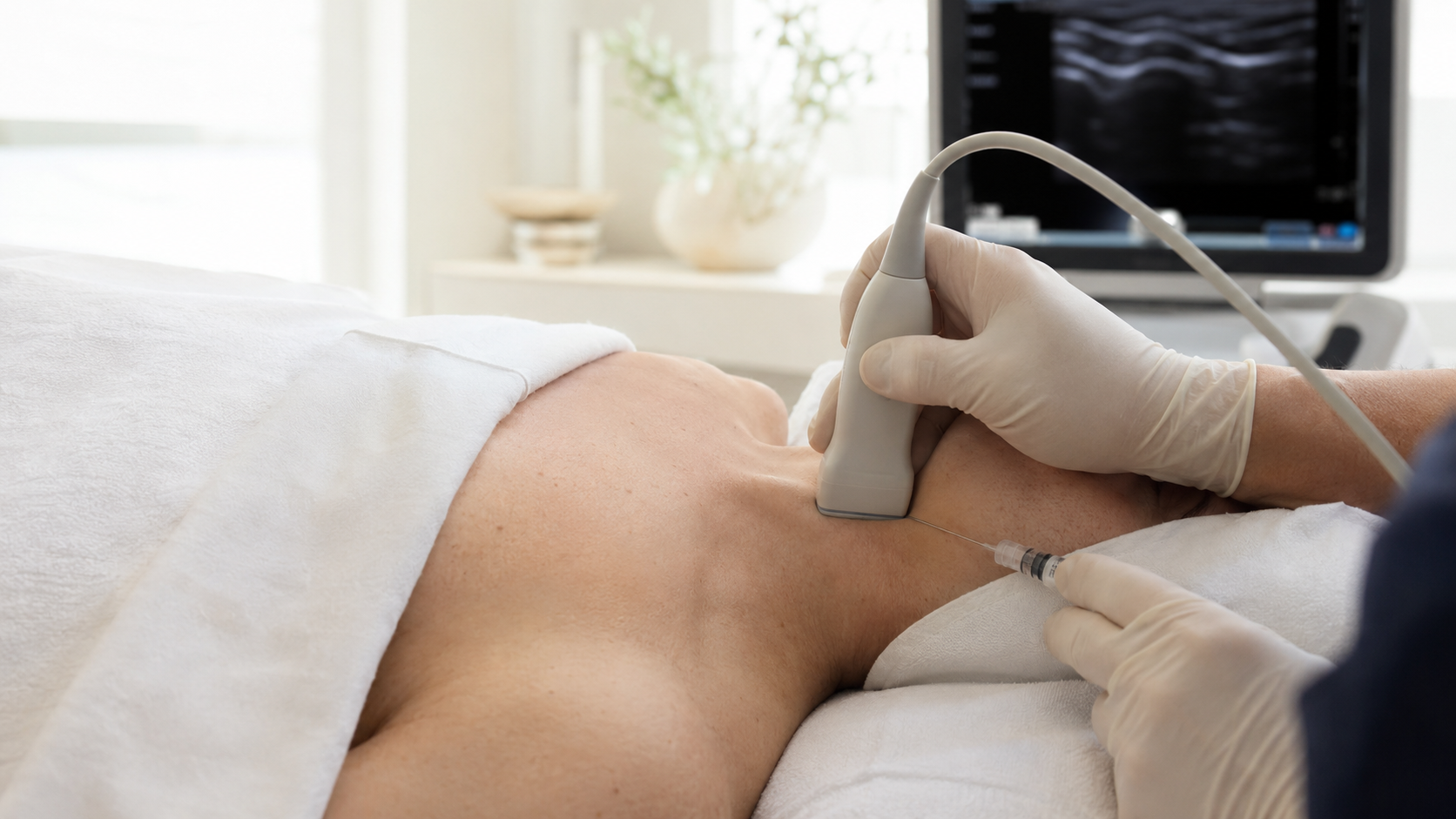
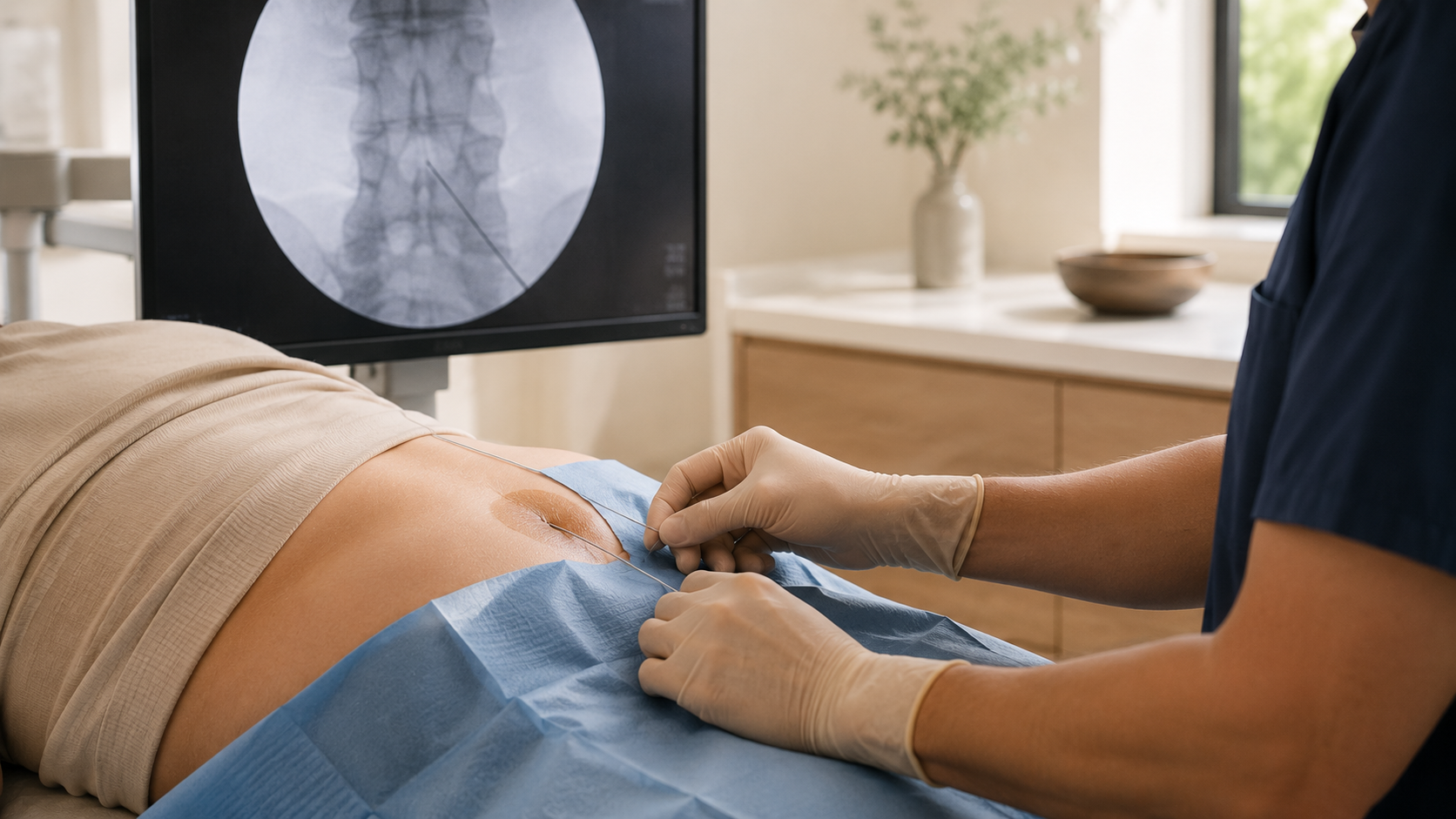
A lumbar sympathetic block is a targeted injection near the sympathetic nerves in the lower back region. These nerves can influence pain signaling, blood flow, sweating, temperature, swelling, and other autonomic features in the lower body. The block may be considered for selected patients with lower extremity pain, foot pain, CRPS, neuropathic pain, or pain that changes with temperature, color, sweating, swelling, or circulation-like symptoms.
At Manhattan Pain Medicine (MPM), lumbar sympathetic block NYC care begins with diagnosis-first evaluation. The goal is to determine whether pain appears sympathetically maintained or sympathetically influenced, whether another diagnosis is more likely, and whether the block response may guide future care.
How the Lumbar Sympathetic Chain Can Influence Pain
The lumbar sympathetic chain is part of the autonomic nervous system. In selected pain conditions, sympathetic pathways may contribute to pain signaling or autonomic features in the lower body. Patients may describe burning, electric, cold, hot, hypersensitive, or severe pain. Some notice skin temperature changes, color changes, swelling, sweating changes, or sensitivity to touch.
These symptoms may occur in CRPS and other complex pain states, but they are not specific to one diagnosis. Similar symptoms can occur with vascular disease, peripheral neuropathy, tarsal tunnel syndrome, Morton’s neuroma, spine-related nerve pain, inflammatory disease, foot and ankle disorders, pelvic pain overlap, infection, or central sensitization. MPM evaluates these possibilities before recommending a lumbar sympathetic block.
Lumbar Sympathetic Block for CRPS
A lumbar sympathetic block may be considered for selected patients with lower limb CRPS. CRPS can involve severe pain, sensitivity, swelling, color or temperature changes, sweating changes, stiffness, and movement difficulty. The block may provide temporary relief or help determine whether sympathetic pathways are contributing to symptoms.
A lumbar sympathetic block does not cure CRPS. If relief occurs, it may help support participation in physical therapy, desensitization, movement retraining, pain psychology, or functional restoration. It may also help guide future discussions about dorsal root ganglion stimulation, spinal cord stimulation, or other neuromodulation options when clinically appropriate.
Lumbar Sympathetic Block for Foot, Leg, and Neuropathic Pain
Some patients with burning foot pain, leg pain, lower extremity neuropathic pain, or autonomic features may be evaluated for lumbar sympathetic block. These symptoms may overlap with peripheral neuropathy, Morton’s neuroma, tarsal tunnel syndrome, peroneal nerve entrapment, spine-related nerve pain, vascular disease, joint disease, or musculoskeletal injury.
MPM does not assume that lower extremity nerve-like pain is sympathetic. The evaluation considers the pain location, neurological symptoms, sensory changes, vascular signs, swelling, prior imaging, nerve studies when available, prior treatment response, and red flags. In some cases, a peripheral nerve block, nerve hydrodissection, medication adjustment, podiatry, vascular evaluation, neurology, or spine evaluation may be more appropriate.
Lumbar Sympathetic Block and Pelvic Pain Overlap
Lumbar sympathetic blocks may be relevant in selected pelvic-region pain overlap, but pelvic pain often requires a broader evaluation. Symptoms may involve pelvic floor dysfunction, pudendal neuralgia, pelvic dystonia, endometriosis, PGAD-related distress, constipation, visceral pain, spine-related pain, or centralized pain mechanisms.
MPM compares the patient’s symptom pattern with other possible targets. A ganglion impar block may be more relevant for selected tailbone, perineal, rectal, genital, or lower pelvic pain. A pudendal nerve block may be more relevant for pudendal nerve territory symptoms. A superior hypogastric plexus block may be considered for selected pelvic or lower abdominal pain patterns. The appropriate pathway depends on diagnosis and clinical findings.
Diagnostic vs. Therapeutic Lumbar Sympathetic Blocks
A lumbar sympathetic block may be diagnostic, therapeutic, or both. A diagnostic block may help determine whether sympathetic pathways are contributing to pain. A therapeutic block is intended to reduce symptoms for a period of time.
Relief may be temporary. Some patients experience meaningful improvement, while others do not respond. Temporary relief can still be useful because it may help guide next steps. If a block provides relief in the expected region, MPM may consider rehabilitation, pain psychology, medication management, DRG stimulation, spinal cord stimulation, or other neuromodulation planning. If the block does not help, the diagnosis may need further refinement.
Risks and Urgent Symptoms
Risks can include pain flare, bruising, bleeding, infection, allergic reaction, temporary numbness or weakness, dizziness, low blood pressure, local anesthetic toxicity, vascular injury, nerve irritation, steroid-related side effects when steroids are used, incomplete relief, temporary relief only, or no relief.
Patients should seek urgent evaluation for chest pain, shortness of breath, fainting, new neurological deficits, sudden severe headache, severe abdominal or pelvic pain, bowel or bladder dysfunction, saddle anesthesia, limb discoloration, loss of pulses, severe swelling, fever, suspected infection, severe allergic reaction, rapidly worsening weakness, or rapidly worsening symptoms.
For selected patients, a lumbar sympathetic block may be an important step in understanding lower extremity pain with autonomic or sympathetic features. MPM’s role is to determine whether the block is clinically appropriate and how it fits within a coordinated, medically responsible care plan.