Anterior Pelvic Tilt
Anterior pelvic tilt describes a forward rotation of the pelvis. When the pelvis tips forward, the lower back may appear more arched, the hips may sit in more flexion, and the muscles around the low back, pelvis, hips, and abdomen may share load differently. Some anterior pelvic tilt is normal. The pelvis moves as people walk, sit, stand, squat, breathe, and exercise.
The clinical question is not whether a person has any pelvic tilt. The question is whether the pattern is excessive, sustained, painful, unstable, or part of a broader compensation. For some patients, anterior pelvic tilt may be connected to low back pain, hip pain, groin pain, sacroiliac joint pain, pelvic floor symptoms, hip impingement, labral tears, or hypermobility-related instability. For others, it may simply be a posture finding that does not explain the symptoms.
Why Anterior Pelvic Tilt May Become Painful
Anterior pelvic tilt can change how force moves through the lumbar spine, hips, pelvis, and sacroiliac joints. It may increase load on the lower back, reduce available hip motion in certain positions, or contribute to compensatory muscle activity. Research has explored excessive anterior pelvic tilt as a possible contributor to femoroacetabular impingement, low back pain, and sacroiliac joint pain, but these relationships vary by patient and should not be treated as automatic cause and effect.
Pain may develop when the body cannot adapt to the loading pattern. This may happen because of prior injury, hip impingement, labral pathology, SI joint dysfunction, pelvic floor tension, muscle trigger points, hypermobility, EDS, spine referral, or chronic pain sensitization. In these cases, “correcting posture” alone may not be enough.
Anterior Pelvic Tilt and Hip Pain
Hip mechanics and pelvic position are closely related. Anterior pelvic tilt may influence how the femoral head moves in the hip socket and how much functional hip range is available during movement. In some patients, this may be relevant to hip impingement or labral tear symptoms. A patient may feel groin pain, catching, pinching, clicking, or pain with deep hip flexion, squatting, sitting, or athletic activity.
However, hip pain should not be blamed on pelvic tilt without evaluation. Hip impingement, labral tears, tendinopathy, arthritis, stress injury, nerve irritation, pelvic referral, or spine referral can all create similar symptoms. MPM evaluates both the hip and the pelvis to understand which structure is most likely driving pain.
Anterior Pelvic Tilt, EDS, and Hypermobility
Patients with EDS or hypermobility spectrum disorder may have additional complexity. Joint laxity can make the pelvis, hips, and spine feel unstable. Muscles may guard to create stability, and this guarding can affect pelvic position, breathing mechanics, and movement patterns. Some patients feel that the pelvis is always “stuck,” “tilted,” or difficult to control.
In hypermobility, the goal is usually not aggressive stretching or forcing alignment. The goal is often better stability, load tolerance, movement quality, and nervous system confidence. Some patients need coordinated care that includes physical therapy, Feldenkrais, pelvic floor evaluation, pain management, and careful consideration of injections or stabilization procedures when indicated.
Pelvic Floor and Sacroiliac Joint Overlap
Anterior pelvic tilt may overlap with pelvic floor tension or sacroiliac joint symptoms. Pelvic floor dysfunction can involve difficulty coordinating pelvic floor muscles, affect urination and bowel movements, and may be treated with biofeedback, pelvic floor physical therapy, and medications.
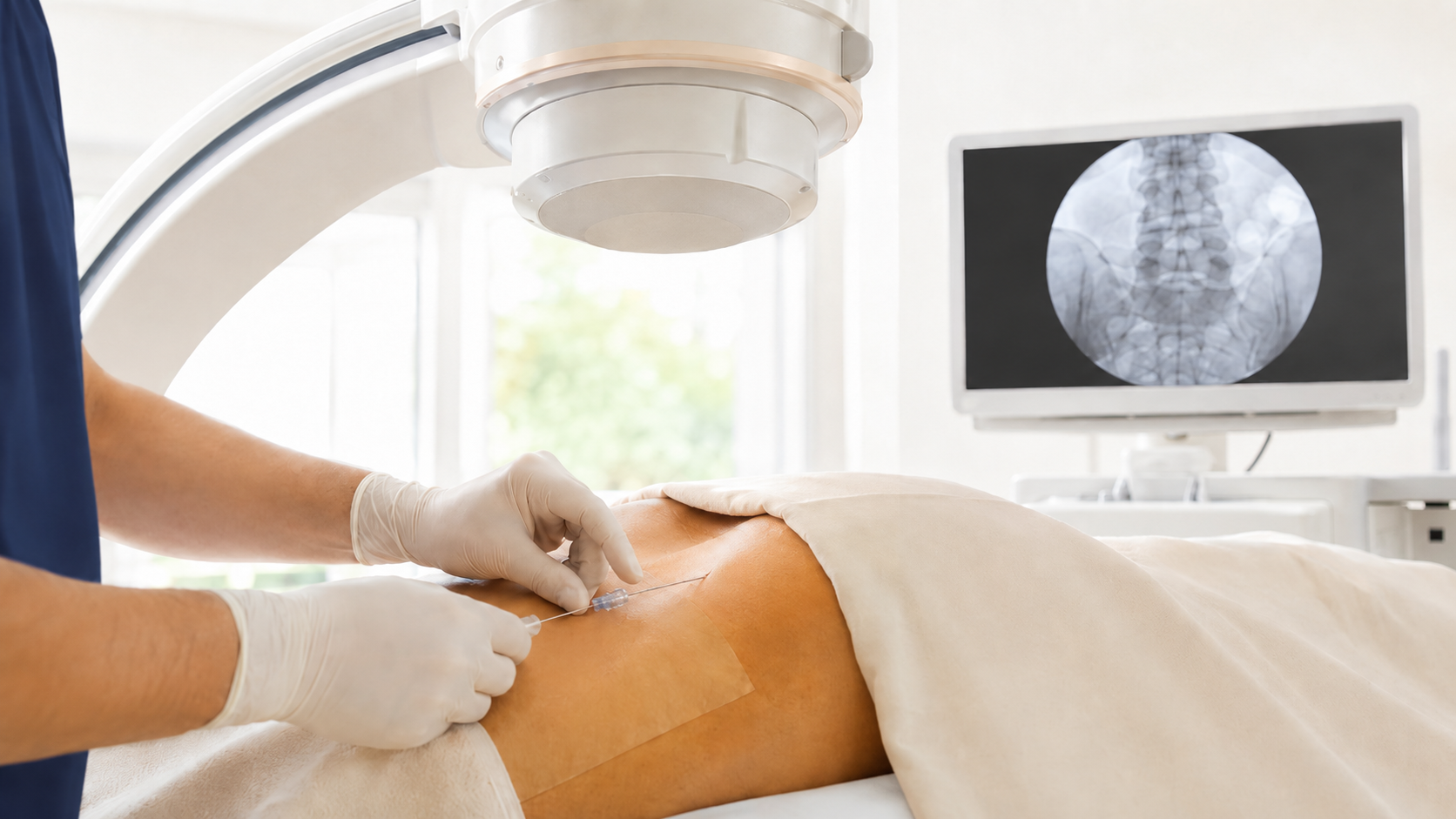
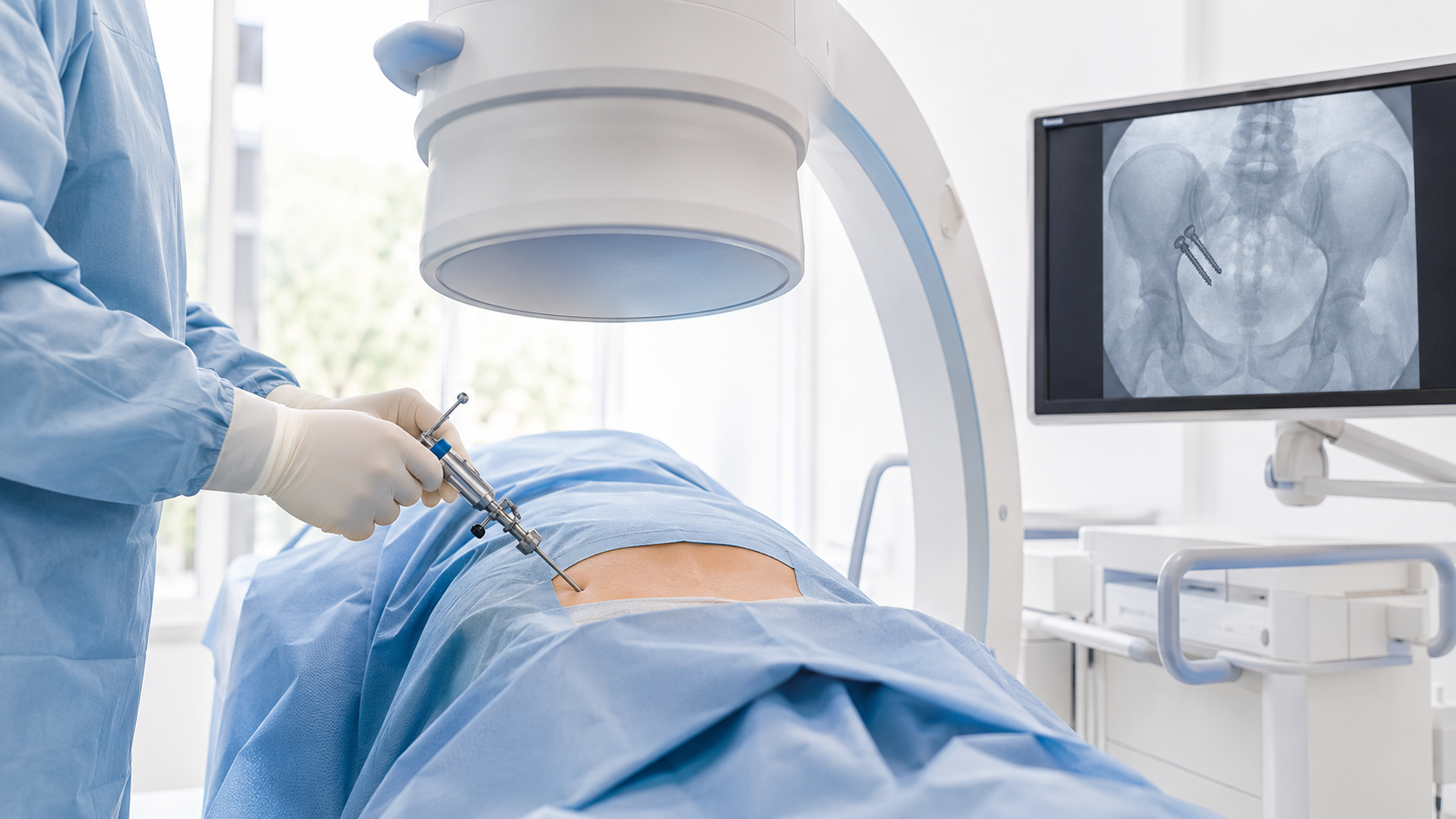
The sacroiliac joints connect the spine and pelvis. When SI joint pain or instability is present, patients may feel pain in the low back, buttock, pelvis, groin, or posterior hip. If the SI joint appears to be a meaningful pain generator, a sacroiliac joint injection may be considered diagnostically or therapeutically. In selected cases with clear evidence of persistent SI joint instability or pain, sacroiliac joint fixation or fusion may be discussed.
Why Exercises Sometimes Make Symptoms Worse
Many anterior pelvic tilt exercise plans focus on stretching the hip flexors and strengthening the glutes or core. These exercises may be useful for some patients, but they can aggravate symptoms if the underlying driver is not understood. A person with hip impingement may flare with certain hip flexion movements. A person with hypermobility may feel worse with aggressive stretching. A person with pelvic floor overactivity may flare with bracing. A person with central sensitization may need slower pacing.
MPM evaluates why exercises are not helping before recommending the next step. Sometimes the plan needs to be modified. Sometimes pain generators such as trigger points, SI joint pain, pelvic floor tension, or hip pathology need to be addressed. Sometimes the priority is graded movement and nervous system regulation rather than posture correction.
Treatment Options for Anterior Pelvic Tilt-Related Pain
Treatment is individualized. Feldenkrais and other movement-based strategies may help patients improve awareness, reduce guarding, and explore more efficient movement patterns. Physical therapy may focus on stabilization, hip mobility, strength, pelvic control, and gradual return to activity. Trigger-point injections may be considered when focal muscle pain is contributing. Prolotherapy may be discussed for selected ligament-related or instability patterns.
Sacroiliac joint injection may be considered when evaluation supports SI joint pain. Sacroiliac joint fixation or fusion is reserved for selected cases where SI joint pathology is clearly supported and less invasive care has not been sufficient. These treatments require careful diagnosis, imaging review, risk discussion, and clinician supervision.
When Symptoms Need Timely Evaluation
Patients should seek timely medical evaluation for trauma, inability to bear weight, progressive weakness, numbness, bowel or bladder changes, fever, unexplained weight loss, severe night pain, new pelvic symptoms, rapidly worsening pain, or neurologic deficits. These symptoms should not be attributed to pelvic tilt without medical assessment.
How MPM Approaches Anterior Pelvic Tilt Care
MPM approaches anterior pelvic tilt through a diagnosis-first, function-focused model. The evaluation considers pelvic mechanics, hip impingement, labral tears, sacroiliac joint dysfunction, pelvic floor tension, EDS, hypermobility spectrum disorder, muscle trigger points, spine referral, and chronic pain sensitization.
For patients looking for anterior pelvic tilt treatment in Manhattan, MPM offers a careful, non-alarmist approach that moves beyond posture correction. The goal is to identify the real pain drivers, improve movement tolerance, coordinate care when needed, and build a treatment plan that reflects the patient’s anatomy, symptoms, stability, and goals.