Sacroiliac Joint Injection
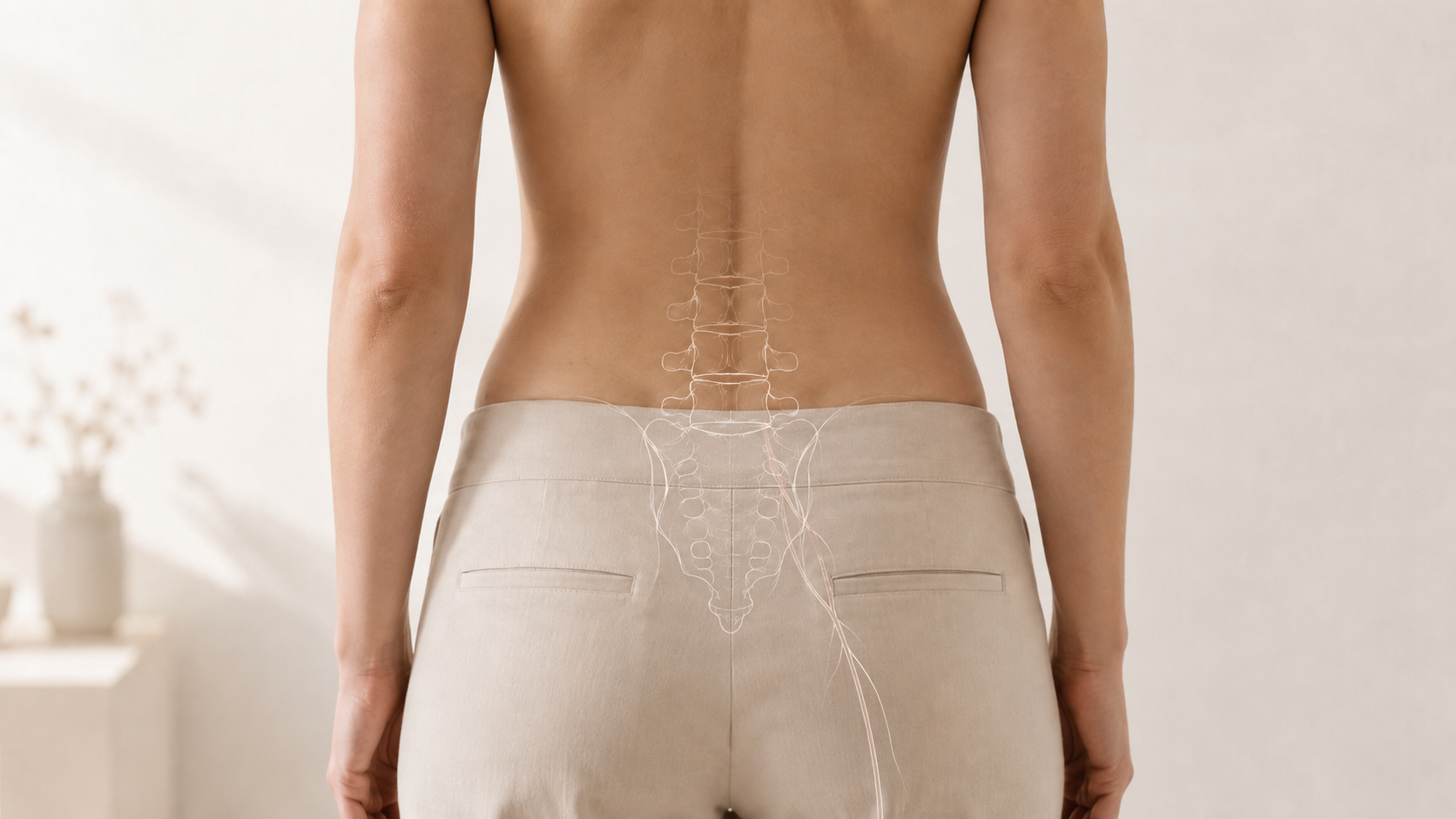
A sacroiliac joint injection is a targeted procedure used to evaluate or temporarily reduce selected pain involving the sacroiliac joint, also called the SI joint. The SI joint connects the sacrum at the base of the spine to the pelvis. Because it sits between the spine, hips, and pelvic region, SI joint pain can be difficult to distinguish from other causes of lower back, buttock, hip, groin, or pelvic pain.
At Manhattan Pain Medicine (MPM), sacroiliac joint injection NYC care begins with diagnosis-first evaluation. The goal is to determine whether the SI joint is truly contributing to symptoms and how an injection may fit within a broader care plan.
What the SI Joint Does
The sacroiliac joint helps transfer force between the upper body, spine, pelvis, and legs. It has limited motion, but it can still become painful when irritated, inflamed, stressed, unstable, or overloaded. SI joint pain may be mechanical, inflammatory, hypermobility-related, post-traumatic, pelvic-mechanics-related, or related to overlapping spine, hip, or nerve conditions.
Patients may feel pain in the lower back, buttock, posterior hip, groin, pelvis, or upper thigh. Symptoms may worsen with stairs, standing, walking, rolling in bed, prolonged sitting, or moving from sitting to standing.
Why SI Joint Pain Is Often Misdiagnosed
SI joint pain can mimic sciatica, disc herniation, facet pain, hip pathology, cluneal neuralgia, pelvic floor dysfunction, and inflammatory arthritis. Some patients are told they have low back pain, hip pain, pelvic pain, or sciatica without a clear explanation of the true pain generator.
MPM evaluates the pain pattern, provocative SI joint testing, imaging, gait and pelvic mechanics, hypermobility, inflammatory symptoms, autoimmune history, prior physical therapy, prior injections, and related neurologic or pelvic symptoms. Imaging can be helpful, but it does not always confirm whether the SI joint is the active pain source. In selected cases, a diagnostic SI joint injection may provide important clinical information.
Diagnostic vs. Therapeutic SI Joint Injections
An SI joint injection may be diagnostic, therapeutic, or both. A diagnostic injection uses local anesthetic to determine whether numbing the SI joint reduces the patient’s typical pain. If relief occurs in the expected area, the SI joint may be a meaningful contributor.
A therapeutic injection may include corticosteroid when inflammation is suspected or when reducing pain and swelling is clinically appropriate. Relief may be temporary. Some patients improve for days or weeks, while others have limited or no response. MPM uses the response to guide the next step rather than assuming the injection is the final treatment.
SI Joint Injections for Inflammatory Pain and Sacroiliitis
Sacroiliitis refers to inflammation of one or both SI joints. It may occur in autoimmune or inflammatory conditions, including seronegative spondyloarthropathy, psoriatic arthritis, rheumatoid arthritis overlap, lupus, Sjogren’s, vasculitis, or undifferentiated connective tissue disease. Inflammatory SI joint pain may include stiffness, deep buttock pain, night pain, morning stiffness, or improvement with movement.
For selected patients, an SI joint injection may help reduce local inflammation and pain. However, inflammatory sacroiliitis often requires coordinated care with rheumatology, medication management, lab review, imaging, and disease-directed treatment when appropriate.
SI Joint Pain, Hypermobility, and Pelvic Mechanics
Some SI joint pain patterns are related to hypermobility, EDS, joint instability, anterior pelvic tilt, scoliosis, hip mechanics, or pelvic floor compensation. In these cases, the SI joint may be irritated because surrounding muscles, ligaments, and joints are working harder to stabilize the pelvis.
An injection may provide temporary relief or diagnostic information, but it does not correct instability or hypermobility. Treatment may also include targeted rehabilitation, bracing, pelvic floor therapy, prolotherapy, PRP, regenerative medicine, or other stabilization-focused strategies when clinically appropriate.
How SI Joint Injections Compare With Other Treatments
SI joint injections are different from epidural injections, facet injections, PRP, prolotherapy, and SI joint fixation or fusion. Epidural injections target nerve root or spine-related inflammation. Facet injections target spinal joints. PRP and prolotherapy are regenerative medicine approaches that may be considered for selected musculoskeletal or instability-related pain patterns. SI joint fusion is a more advanced option reserved for carefully selected patients.
MPM helps determine which option best matches the patient’s diagnosis, anatomy, symptoms, prior response, and goals.
Risks and Urgent Symptoms
Risks may include pain flare, bruising, bleeding, infection, allergic reaction, temporary numbness or weakness, vasovagal reaction, steroid-related side effects, elevated blood sugar, tissue effects with repeated steroid exposure, incomplete relief, temporary relief only, or no relief.
Patients should seek urgent evaluation for fever, spreading redness, severe swelling, new weakness, new numbness, bowel or bladder dysfunction, saddle anesthesia, severe back pain after trauma, sudden inability to walk, severe pelvic or abdominal pain, pregnancy-related pelvic pain, unexplained weight loss, cancer-related red flags, suspected infection, chest pain, shortness of breath, or rapidly worsening symptoms.
For selected patients, a sacroiliac joint injection may be an important step in identifying and treating SI joint-mediated pain. MPM’s role is to determine whether the SI joint is the right target and how the injection fits into a coordinated, diagnosis-first plan.