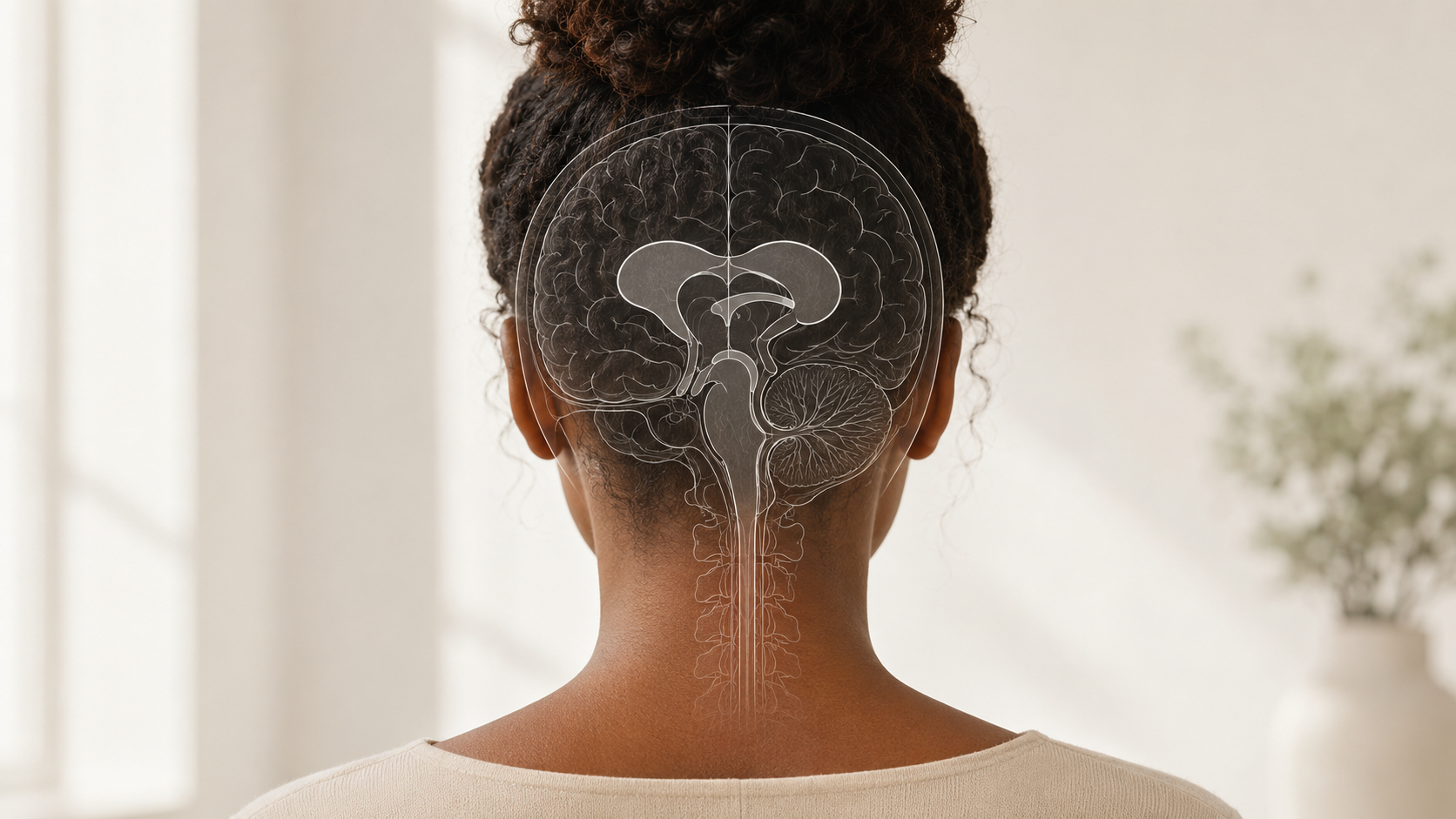
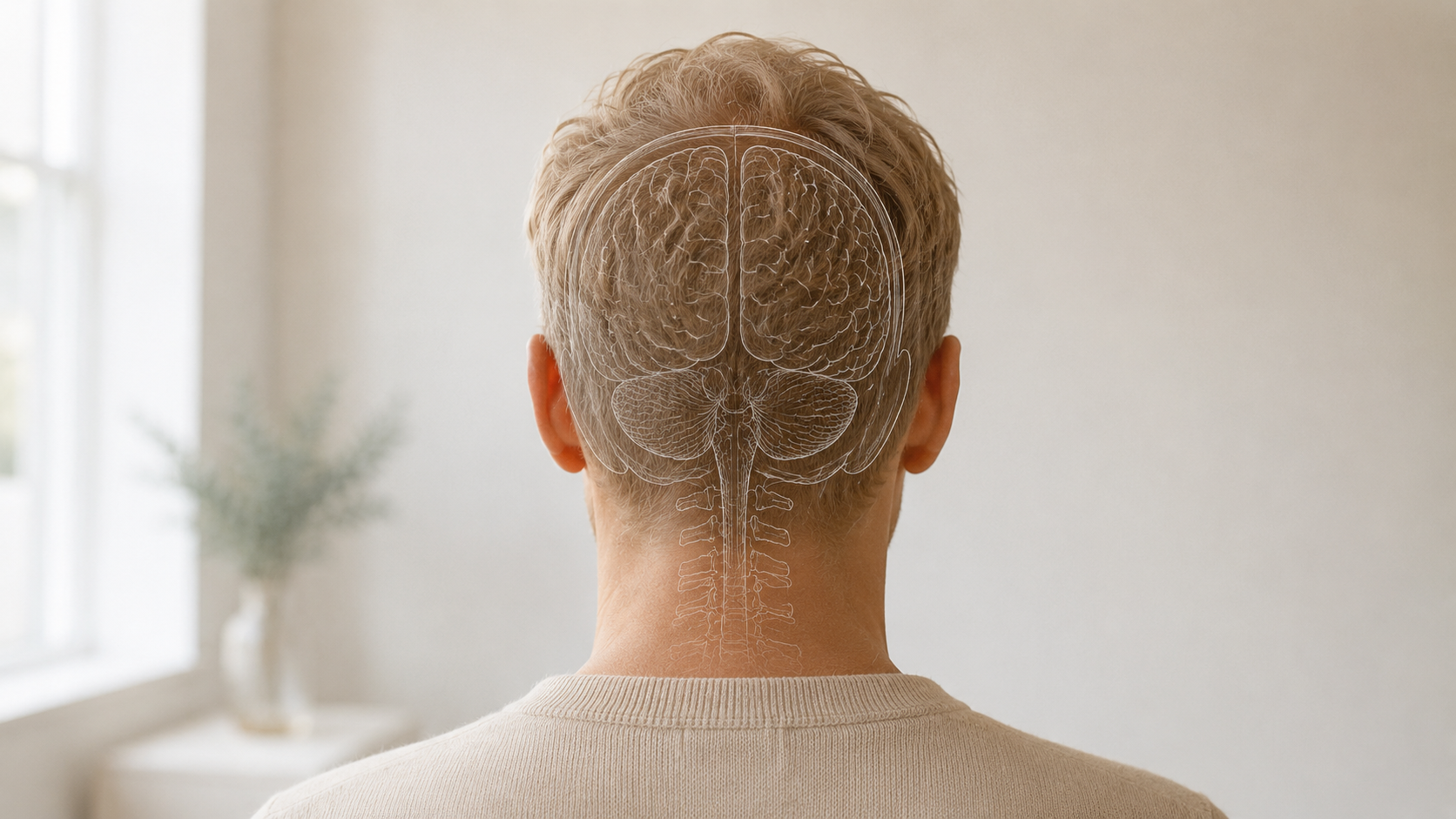
C1/2 Facet Injections
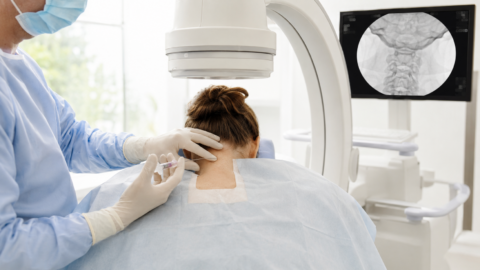
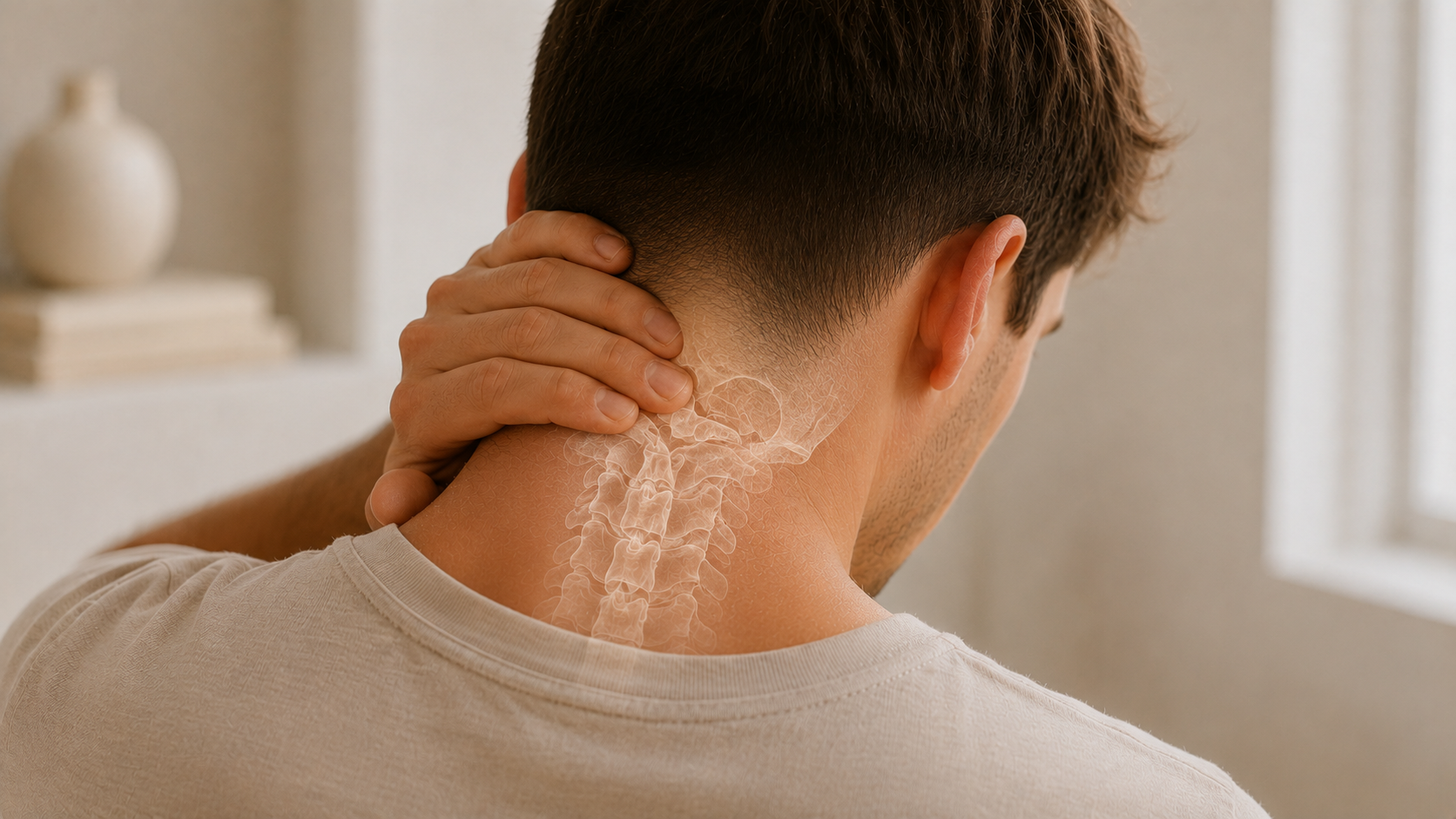
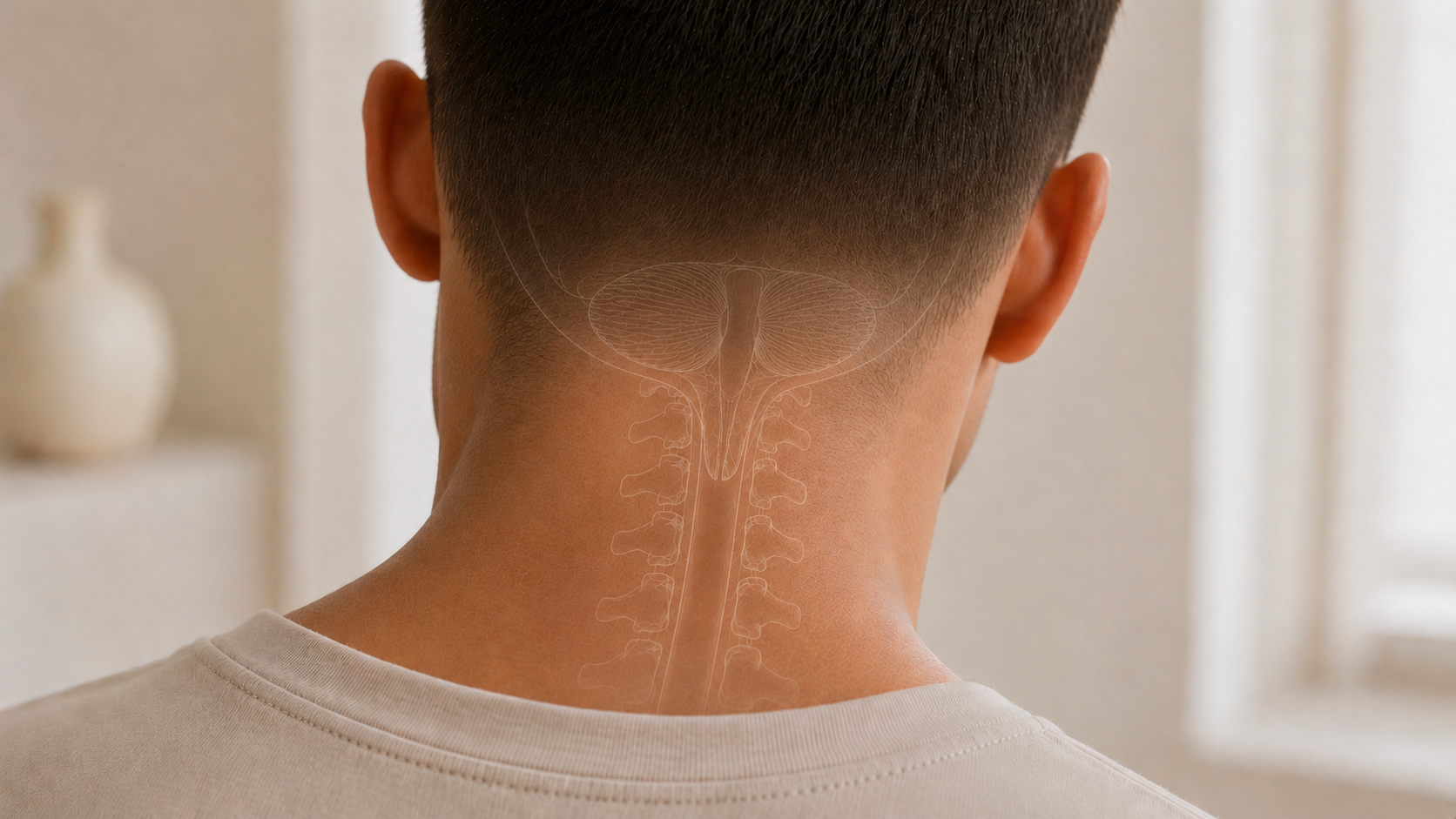
C1/2 facet injections are specialized upper cervical procedures directed toward the C1-C2 facet joint, also called the lateral atlantoaxial joint. This joint sits high in the neck between the atlas and axis, the first two cervical vertebrae. It plays an important role in upper cervical rotation and skull-neck mechanics.
At Manhattan Pain Medicine (MPM), C1 C2 facet injection NYC care begins with diagnosis-first evaluation. The goal is to determine whether pain is coming from the C1-C2 joint or whether symptoms may be better explained by another upper cervical, neurological, headache, vascular, structural, or connective tissue-related condition.
Why the C1-C2 Joint Matters
The C1-C2 joint is different from many other spinal joints because of its location, motion, and nearby anatomy. It can be involved in selected cases of upper neck pain, skull base pain, headache overlap, pain with rotation, and suspected atlantoaxial joint-mediated pain.
In patients with hypermobility or EDS, upper cervical pain may be more complex. Symptoms may involve joint laxity, muscle guarding, altered mechanics, headache disorders, nerve irritation, or broader craniocervical concerns. A C1/2 facet injection may help clarify whether the C1-C2 joint is contributing to the pain pattern, but it does not diagnose or cure CCI.
C1/2 Facet Injections and CCI-Related Pain
Craniocervical instability can involve complex structural and neurological considerations. Patients may describe upper neck pain, headache, dizziness, instability sensations, visual symptoms, neurological complaints, or symptoms that worsen with certain positions. These symptoms can overlap with migraine, occipital neuralgia, Chiari malformation, intracranial hypertension, CSF outflow obstruction, jugular stenosis, tethered cord, cervical spine disease, and central sensitization.
MPM evaluates whether the patient’s symptoms and imaging suggest a C1-C2 joint pain generator. If the joint appears clinically relevant and the procedure can be performed safely, a C1/2 facet injection may be considered as part of the diagnostic and treatment plan.
What a C1/2 Facet Injection Can and Cannot Do
A C1/2 facet injection may provide temporary relief when the C1-C2 joint is contributing to pain. It may also provide diagnostic information. For example, if the injection reduces the patient’s usual upper neck pain or headache pattern for a period of time, that response may support the C1-C2 joint as part of the pain picture.
The injection cannot stabilize the neck, correct ligament laxity, reverse hypermobility, treat Chiari malformation, correct CSF flow issues, resolve intracranial hypertension, treat jugular stenosis, or diagnose tethered cord. It is one tool that may help clarify the role of the C1-C2 joint in selected patients.
Why Imaging and Safety Planning Matter
C1-C2 injections are technically sensitive because the region is close to critical structures, including the vertebral artery, thecal sac, spinal cord, C2 dorsal root ganglion, and upper cervical nerves. Preprocedural imaging review and careful image-guided planning are important.
MPM reviews anatomy, prior imaging, neurological symptoms, medication history, bleeding risk, allergy history, prior procedures, and red flags before determining whether a C1/2 facet injection is appropriate. If symptoms suggest neurological compromise, vascular involvement, structural instability requiring specialist review, or an urgent condition, MPM may recommend additional evaluation before any injection is considered.
C1/2 Facet Injection vs. Occipital Nerve Block, Trigger Point Injection, and Prolotherapy
A C1/2 facet injection targets the upper cervical joint. An occipital nerve block targets nerves that may contribute to pain at the back of the head or scalp. Trigger point injections target painful muscle bands that may contribute to neck, shoulder, or headache-related pain. Prolotherapy or PRP may be considered in selected cases when a regenerative approach is clinically appropriate for certain joint, ligament, or instability-related pain patterns.
These treatments are not interchangeable. MPM determines the best pathway by matching symptoms, exam findings, imaging, and prior response to the suspected pain generator.
What Relief After a C1/2 Injection May Mean
Relief after a C1/2 facet injection can be informative. If the patient’s usual pain improves in the expected location and timeframe, the C1-C2 joint may be contributing to symptoms. If the relief is short-lived, that information may still help guide treatment planning.
If the injection does not help, that does not mean the symptoms are not real. It may mean the C1-C2 joint is not the primary pain generator, the pain is coming from another structure, or the condition requires a different diagnostic pathway. MPM uses the response to refine the plan rather than assuming one procedure can answer every question.
Coordinated Care for CCI, Hypermobility, and Upper Cervical Pain
Patients with suspected CCI, EDS, hypermobility, Chiari malformation, intracranial pressure concerns, CSF flow issues, jugular stenosis, tethered cord, or complex headache overlap often need coordinated care. Depending on the clinical picture, MPM may coordinate with neurology, neurosurgery, spine surgery, radiology, physical therapy, regenerative medicine, headache care, pain psychology, or other specialists.
The goal is not simply to inject the upper neck. The goal is to determine whether the C1-C2 joint is a meaningful pain generator and how that information fits into a broader, medically responsible plan.
Risks and Urgent Symptoms
Risks may include pain flare, headache flare, bruising, bleeding, infection, allergic reaction, temporary numbness or weakness, dizziness, vasovagal reaction, steroid-related side effects when steroids are used, vascular injury, vertebral artery injury, nerve irritation, spinal cord or thecal sac injury, local anesthetic toxicity, incomplete relief, temporary relief only, or no relief.
Patients should seek urgent evaluation for sudden severe headache, new neurological deficits, weakness, numbness, vision loss, difficulty speaking, difficulty swallowing, fainting, severe dizziness, loss of coordination, bowel or bladder dysfunction, fever, severe neck pain after trauma, rapidly worsening headache or neck pain, chest pain, shortness of breath, severe allergic reaction, or signs of stroke.
For selected patients, a C1/2 facet injection may be an important step in understanding upper cervical pain and suspected CCI-related pain patterns. MPM’s role is to determine whether the C1-C2 joint is clinically relevant, whether the procedure can be performed safely, and how the injection fits within a coordinated care plan.