Superior Hypogastric Plexus Block
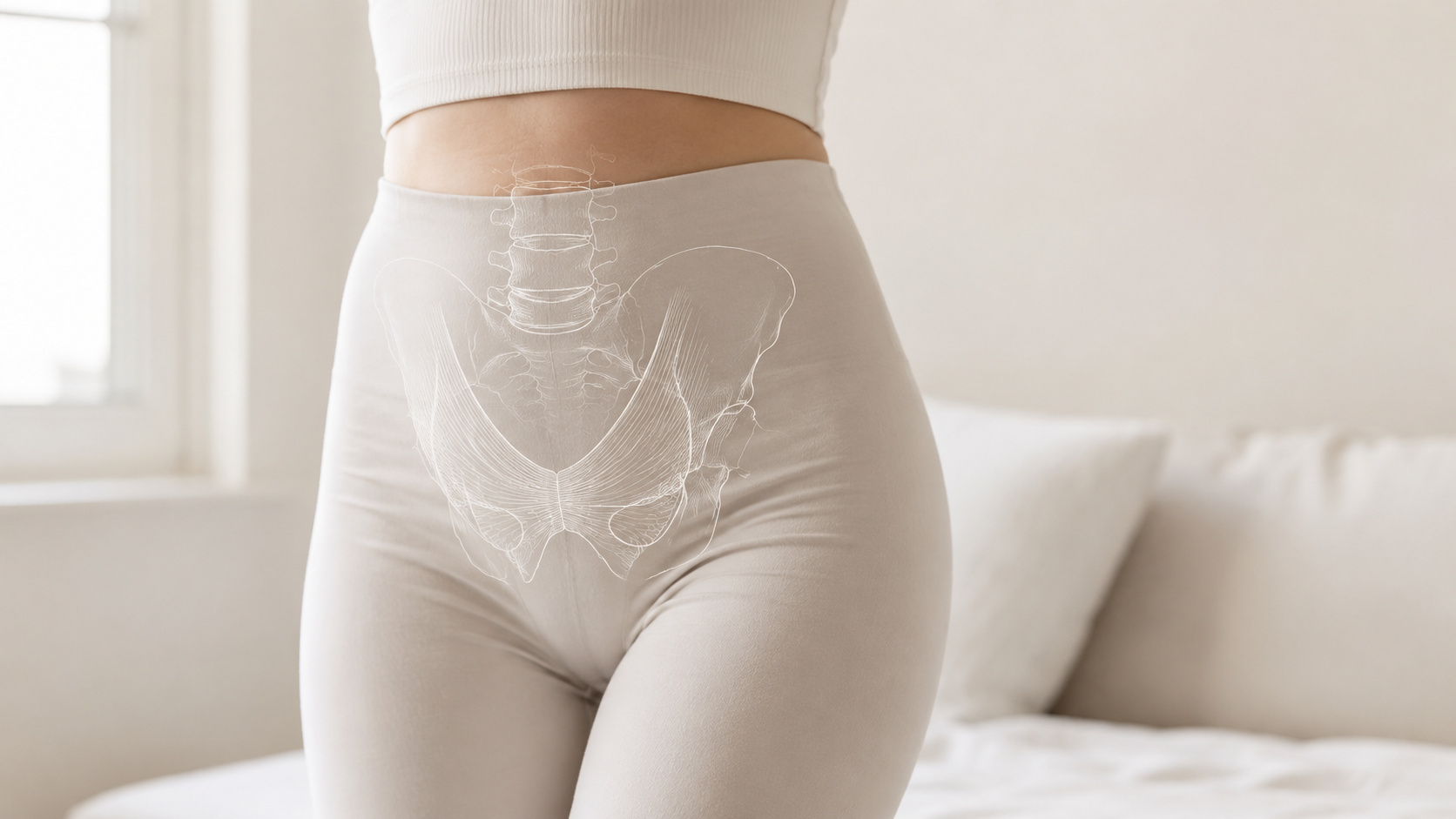
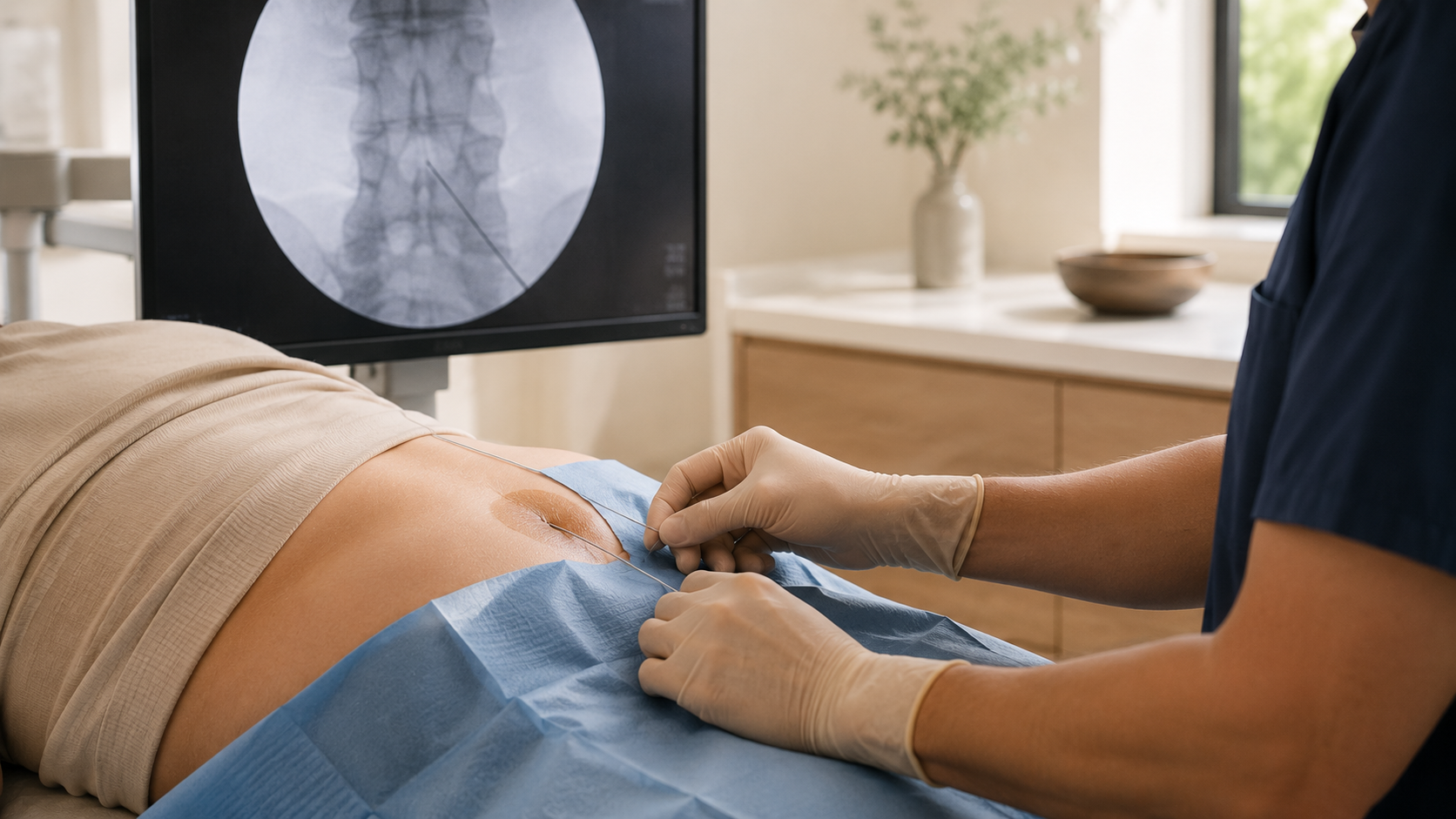
A superior hypogastric plexus block is a targeted sympathetic nerve block that may be considered for selected patients with lower abdominal, pelvic, or visceral pelvic pain patterns. The superior hypogastric plexus is a network of nerves that helps carry pain signals from pelvic structures. In some patients, this pathway may contribute to chronic pelvic pain, endometriosis-related pain, fibroid-related pain, pelvic organ pain overlap, post-surgical pelvic pain, or complex pelvic pain.
At Manhattan Pain Medicine (MPM), superior hypogastric plexus block NYC care begins with diagnosis-first evaluation. The goal is to determine whether the superior hypogastric plexus is a clinically reasonable target and whether the block may provide diagnostic information, temporary relief, or both.
What the Superior Hypogastric Plexus Does
The superior hypogastric plexus carries pain signals from pelvic structures and is part of the autonomic nervous system. When pelvic pain has a deep, visceral, lower abdominal, or organ-related quality, this pathway may be considered as part of the evaluation.
However, pelvic pain is rarely simple. Pain may come from endometriosis, fibroids, pelvic floor dysfunction, pudendal neuralgia, pelvic dystonia, bowel disease, bladder pain, constipation, orthopedic pain, nerve entrapment, post-surgical changes, CRPS overlap, or central sensitization. More than one pain source may be present at the same time.
Why Diagnosis Comes First
MPM does not treat superior hypogastric plexus block as a general pelvic pain injection. The evaluation begins with careful symptom mapping. This may include pain location, menstrual or hormonal patterns, bowel symptoms, bladder symptoms, sitting tolerance, genital or rectal symptoms, lower abdominal pain, surgical history, trauma history, imaging, medications, pelvic floor therapy, gynecology care, urology care, colorectal or GI evaluation, and prior procedures.
This information helps determine whether pain appears visceral, somatic, pelvic floor-related, nerve-related, inflammatory, orthopedic, neurologic, or centralized. It also helps MPM compare the superior hypogastric plexus block with other targets, including pudendal nerve block, ganglion impar block, pelvic floor injections, peripheral nerve blocks, sympathetic blocks, spinal cord stimulation, dorsal root ganglion stimulation, or broader neuromodulation.
Superior Hypogastric Plexus Block for Chronic Pelvic Pain
A superior hypogastric plexus block may be considered for selected chronic pelvic pain patients when symptoms suggest lower abdominal or visceral pelvic pathway involvement. The block may provide temporary relief or help clarify whether the superior hypogastric plexus is contributing to symptoms.
This procedure does not cure chronic pelvic pain. It also does not replace gynecology, urology, colorectal, GI, pelvic floor, neurology, oncology, or surgical evaluation when those are needed. Instead, it may be one part of a coordinated care plan for selected patients.
Endometriosis, Fibroids, and Pelvic Organ Pain Overlap
Patients with endometriosis, fibroids, or pelvic organ pain overlap may ask whether a superior hypogastric plexus block can help. In selected cases, the block may be considered when pain appears to involve visceral pelvic pathways. However, it does not remove endometriosis, shrink fibroids, treat infection, address bowel or bladder disease, or replace appropriate specialty care.
MPM evaluates whether pain is likely related to pelvic organ signaling, pelvic floor dysfunction, pudendal nerve involvement, musculoskeletal mechanics, post-surgical changes, or central sensitization. This helps determine whether a block is appropriate or whether another treatment pathway should come first.
Superior Hypogastric Plexus Block vs. Pudendal Nerve Block and Ganglion Impar Block
Different pelvic nerve blocks target different pain pathways. A pudendal nerve block may be more relevant for pain in the pudendal nerve territory, including selected genital, rectal, perineal, or sitting-related symptoms. A ganglion impar block may be more relevant for selected tailbone, perineal, rectal, anal, genital, or lower pelvic pain patterns. A superior hypogastric plexus block is more often considered for selected visceral pelvic or lower abdominal pain patterns.
MPM uses pelvic pain mapping to determine which target best matches the symptoms. The appropriate procedure depends on diagnosis, anatomy, prior treatment response, safety factors, and care goals.
Diagnostic vs. Therapeutic Value
A superior hypogastric plexus block may be diagnostic, therapeutic, or both. A diagnostic block may help determine whether visceral pelvic sympathetic pathways are contributing to pain. If relief occurs in the expected region, that response may support the superior hypogastric plexus as a meaningful pain pathway.
A therapeutic block is intended to reduce symptoms for a period of time. Relief may last hours, days, weeks, or longer, and some patients may not respond. MPM reviews the degree, timing, location, and duration of relief before recommending next steps.
Coordinated Care After the Block
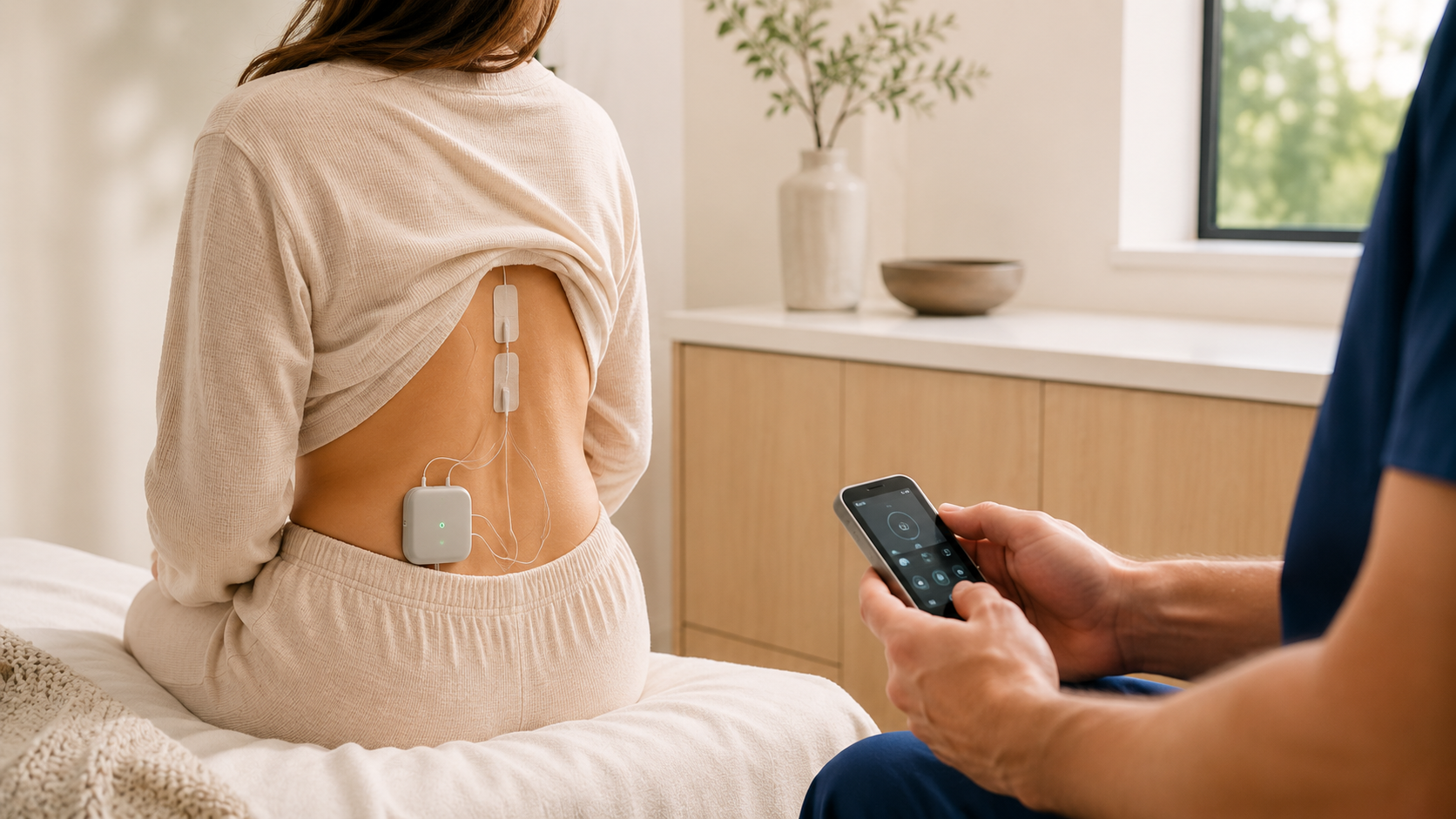
If a superior hypogastric plexus block provides temporary relief, MPM may consider whether the patient would benefit from pelvic floor therapy, medication management, pain psychology, additional sympathetic blocks, peripheral nerve blocks, spinal cord stimulation, dorsal root ganglion stimulation, or other neuromodulation options. If the block does not help, the care team may reassess whether the symptoms are more consistent with pudendal neuralgia, pelvic floor dysfunction, endometriosis, fibroids, bowel or bladder disease, orthopedic pain, neurologic pain, or central sensitization.
Risks and Urgent Symptoms
Risks may include pain flare, bruising, bleeding, infection, allergic reaction, temporary numbness or weakness, vascular injury, nerve irritation, bowel or bladder changes, local anesthetic toxicity, steroid-related side effects when steroids are used, incomplete relief, temporary relief only, or no relief.
Patients should seek urgent evaluation for fever, spreading redness, severe pelvic or abdominal pain, rectal bleeding, blood in stool or urine, new bowel or bladder dysfunction, inability to urinate, saddle anesthesia, new weakness, heavy bleeding, pregnancy-related pain, unexplained weight loss, cancer-related red flags, severe allergic reaction, or rapidly worsening symptoms.
For selected patients, a superior hypogastric plexus block may be an important step in understanding lower abdominal and pelvic pain pathways. MPM’s role is to determine whether the block is appropriate, safe, and aligned with a coordinated pelvic pain care plan.