Scar Neuroma Injection
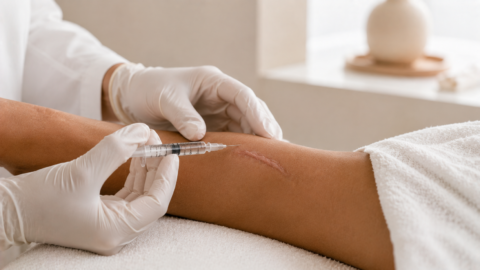
A scar neuroma injection is a targeted procedure used to evaluate or temporarily reduce selected nerve-related pain in or around a scar. Scar neuroma pain may develop after surgery, trauma, laceration, orthopedic procedures, abdominal or pelvic procedures, or other injuries that affect a nerve.
At Manhattan Pain Medicine (MPM), scar neuroma injection NYC care begins with diagnosis-first evaluation. The goal is to determine whether pain is coming from a scar neuroma, peripheral nerve entrapment, scar hypersensitivity, tissue adhesion, CRPS, infection, recurrent surgical pathology, joint or tendon pain, or another pain generator.
What a Scar Neuroma Is
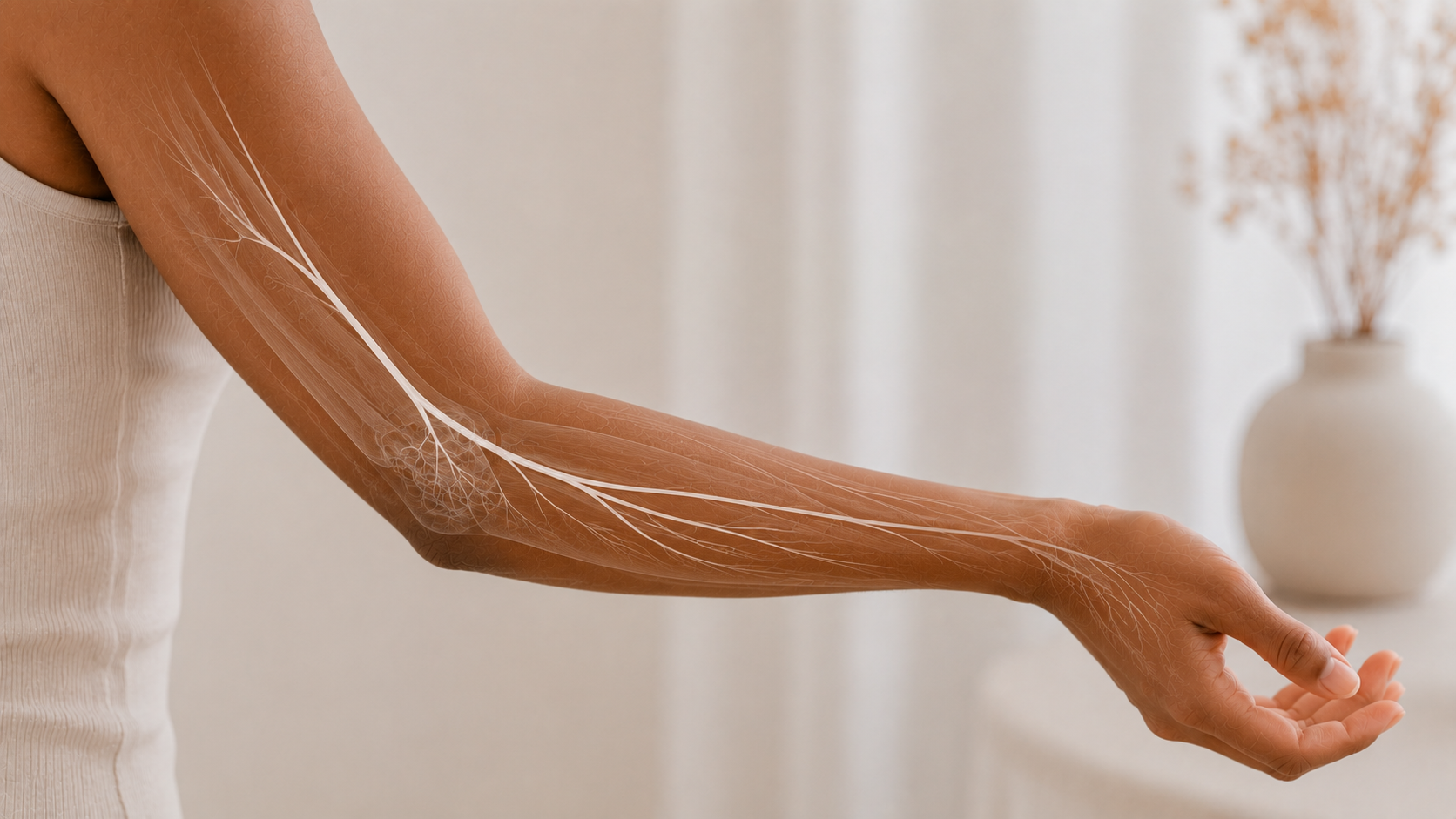
A scar neuroma may form when a nerve is injured, irritated, compressed, or disrupted during surgery or trauma. As the nerve heals, it may become hypersensitive or form a painful nerve ending. Scar tissue may also restrict or irritate a nearby nerve, creating symptoms that feel burning, electric, tingling, stabbing, shooting, or unusually sensitive to light touch.
Some patients notice pain only when the scar is pressed. Others feel pain that radiates into a nearby region. Some have numbness, hypersensitivity, or mixed symptoms. These patterns can help MPM determine whether the pain is likely nerve-related.
Why Scar Pain Is Not Always a Neuroma
Scar pain can come from many sources. A painful scar may reflect nerve injury, traumatic neuroma, peripheral nerve entrapment, tissue adhesion, local inflammation, scar sensitivity, infection, surgical complications, tendon or joint pathology, CRPS, or centralized pain. In some patients, several contributors are present at the same time.
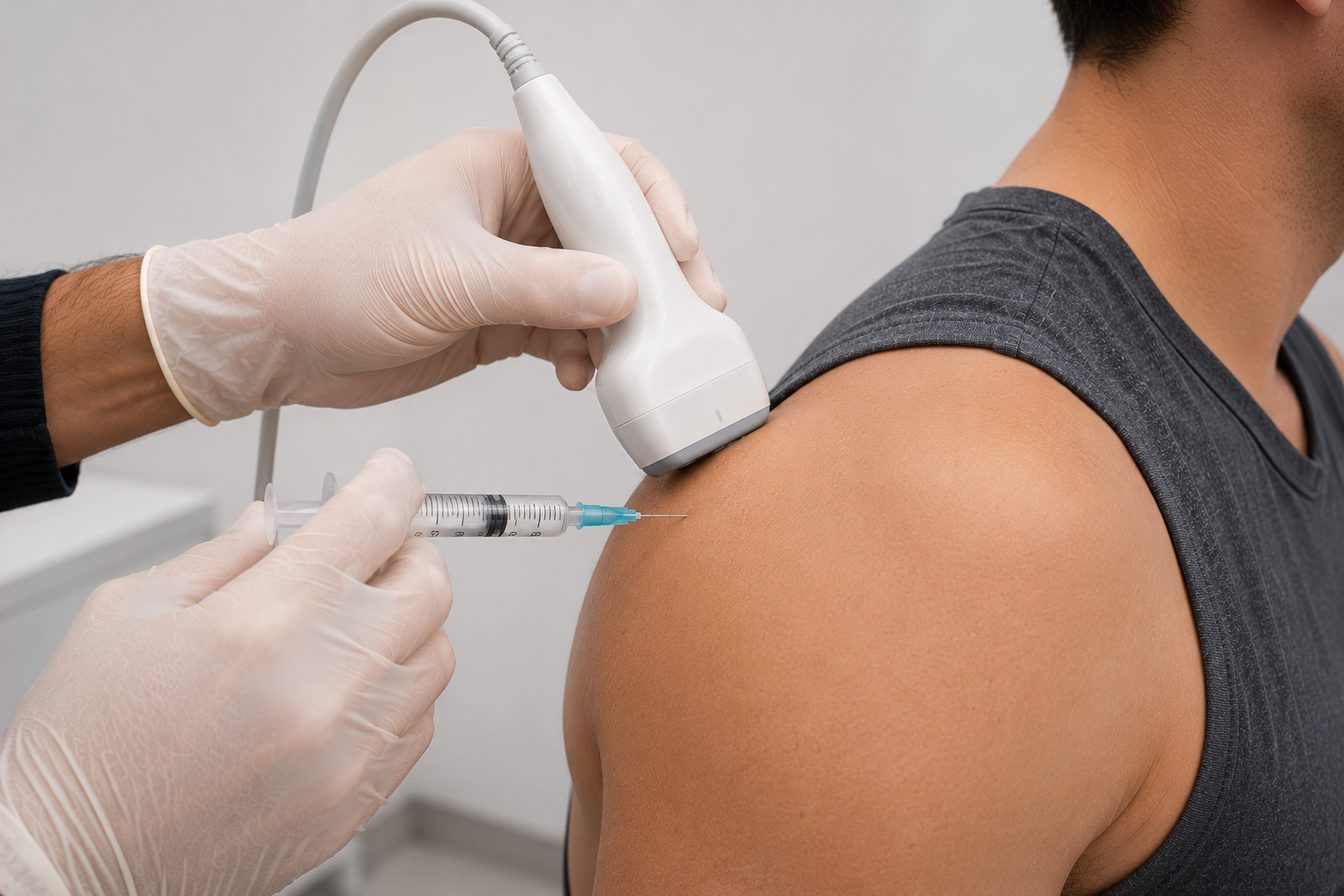
This is why MPM does not treat scar neuroma injection as a generic scar treatment. The evaluation focuses on the patient’s surgical or trauma history, pain quality, scar sensitivity, sensory changes, nerve territory, functional impact, prior treatments, and red flags. Ultrasound evaluation may be used when appropriate to help assess the region and support injection planning.
Diagnostic vs. Therapeutic Scar Neuroma Injections
A scar neuroma injection may be diagnostic, therapeutic, or both. A diagnostic injection helps determine whether the suspected painful nerve or neuroma is contributing to symptoms. If the patient has temporary relief in the expected area, that response may support the scar-related nerve target as clinically meaningful.
A therapeutic injection is intended to reduce symptoms for a period of time. Relief may last hours, days, or longer depending on the medication used and the pain mechanism. Some patients may not respond. MPM uses the timing, degree, and location of relief to help guide the next step.
Ultrasound-Guided Scar Neuroma Injection
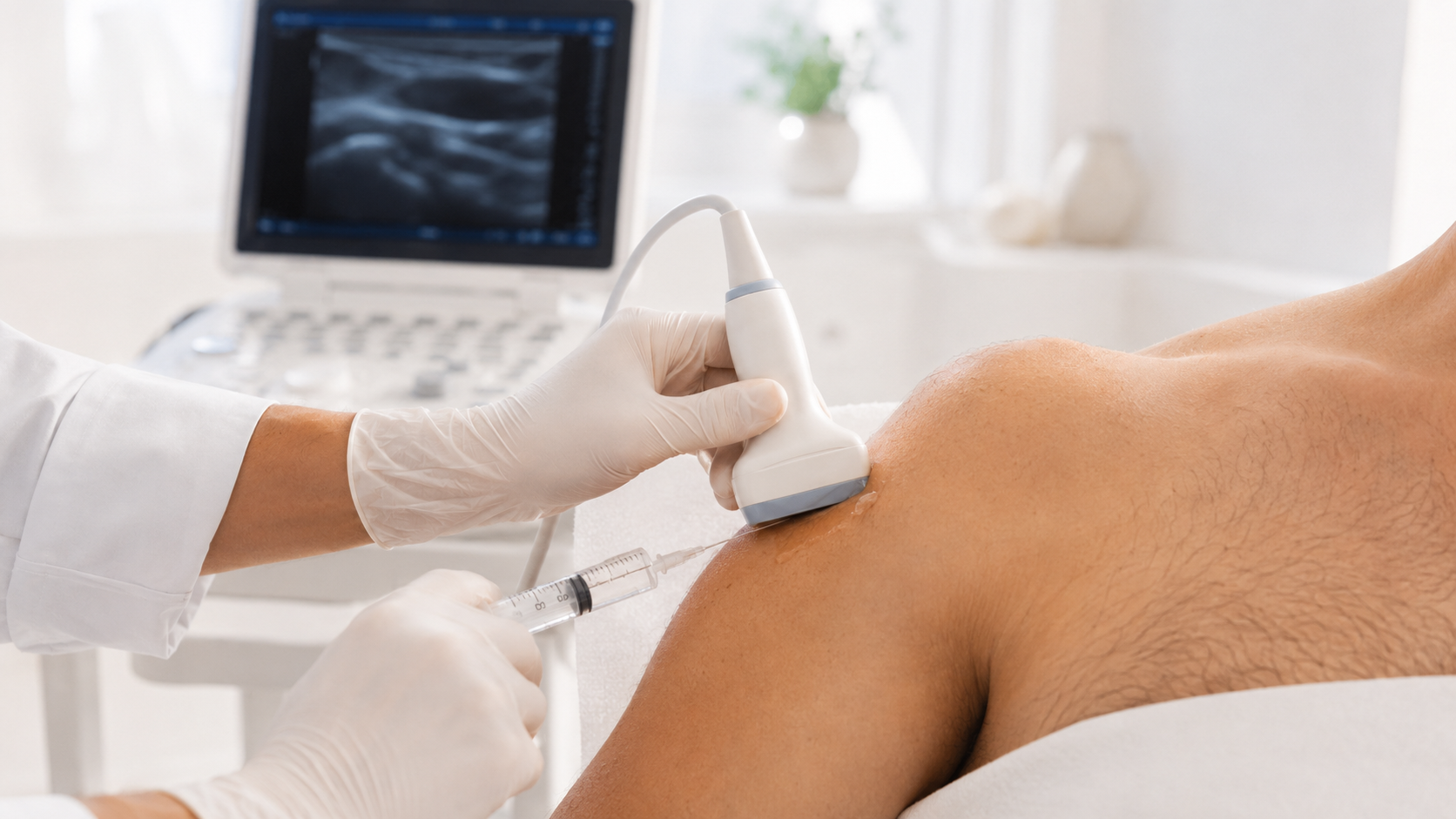
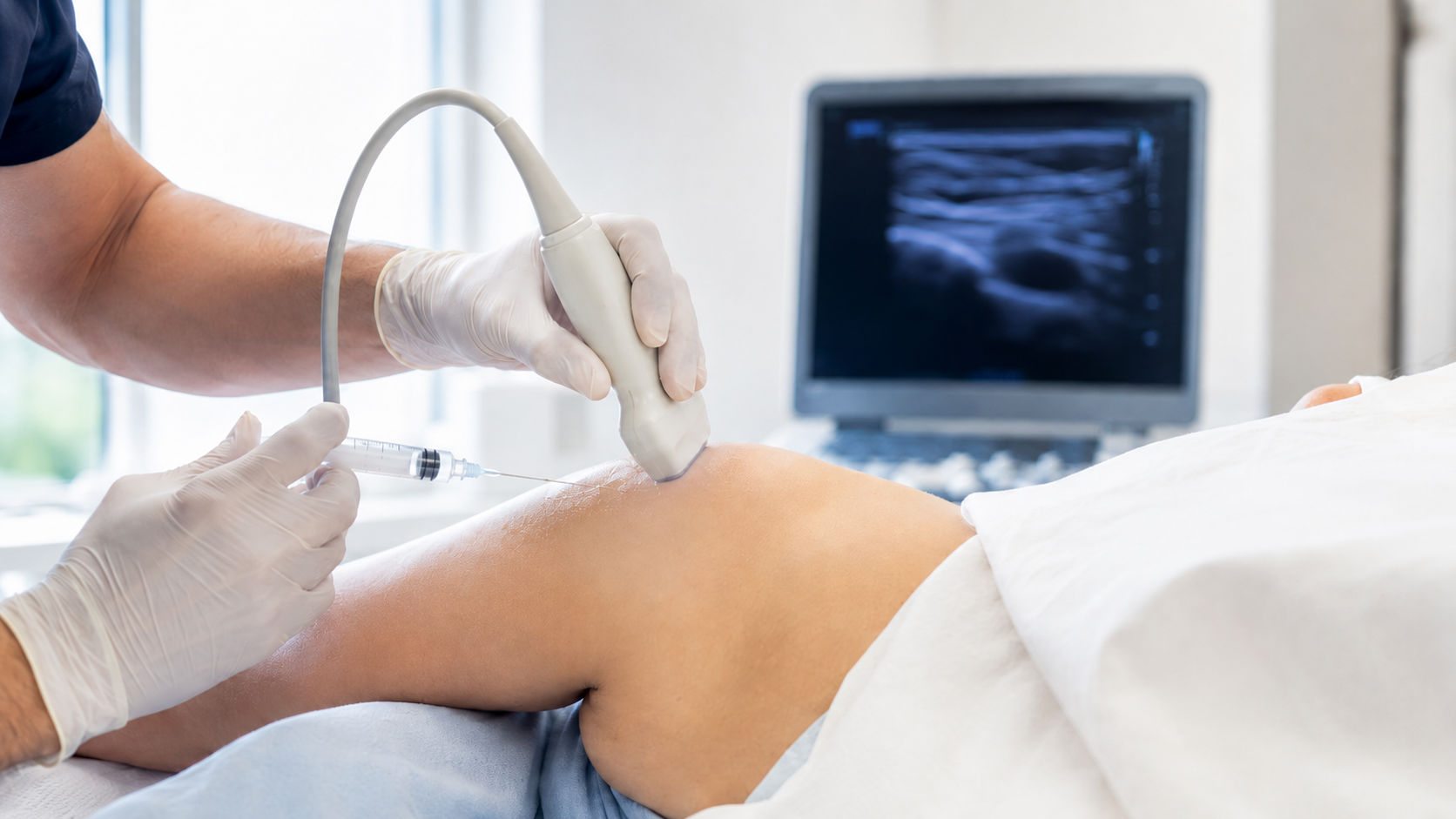
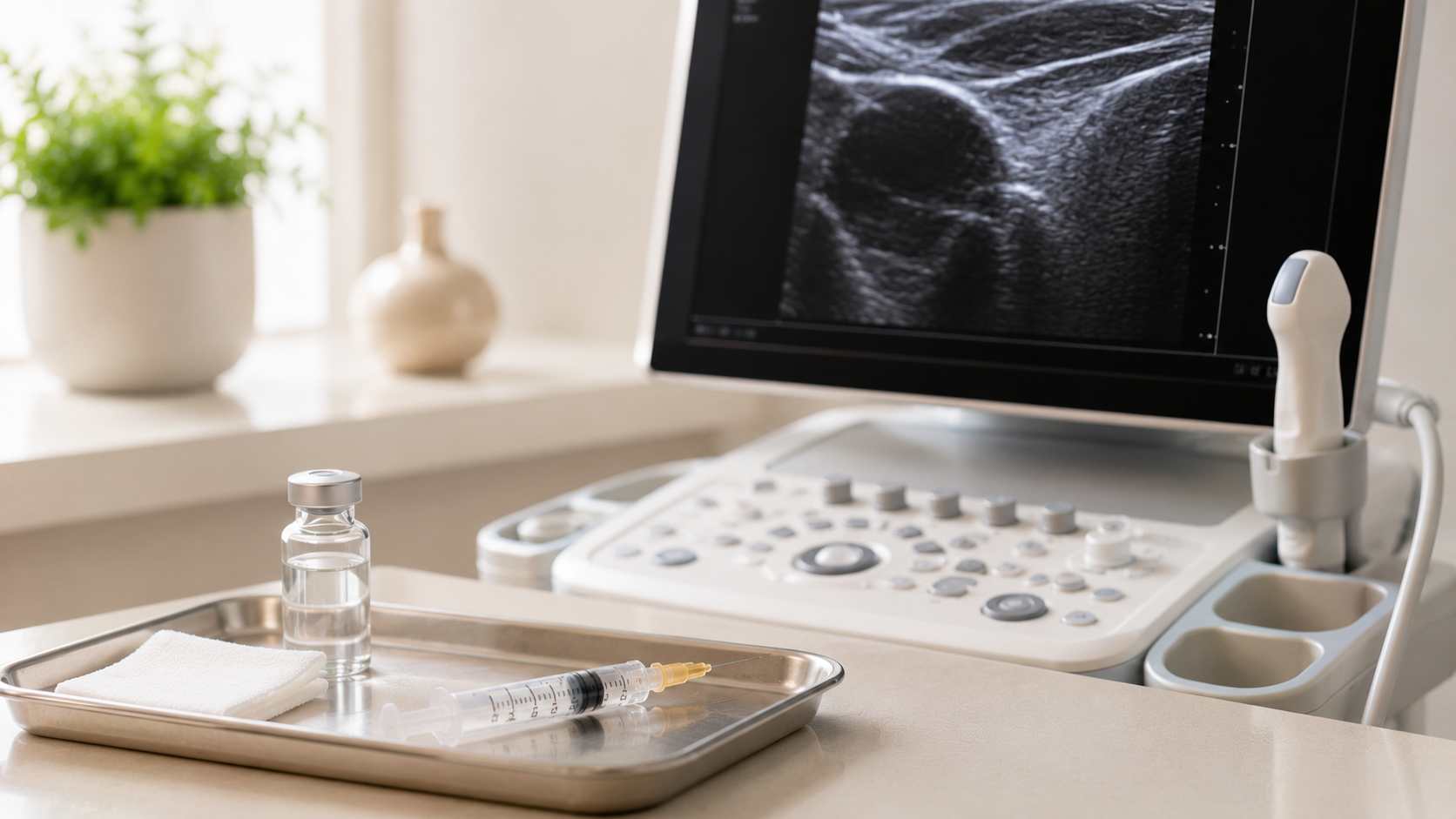
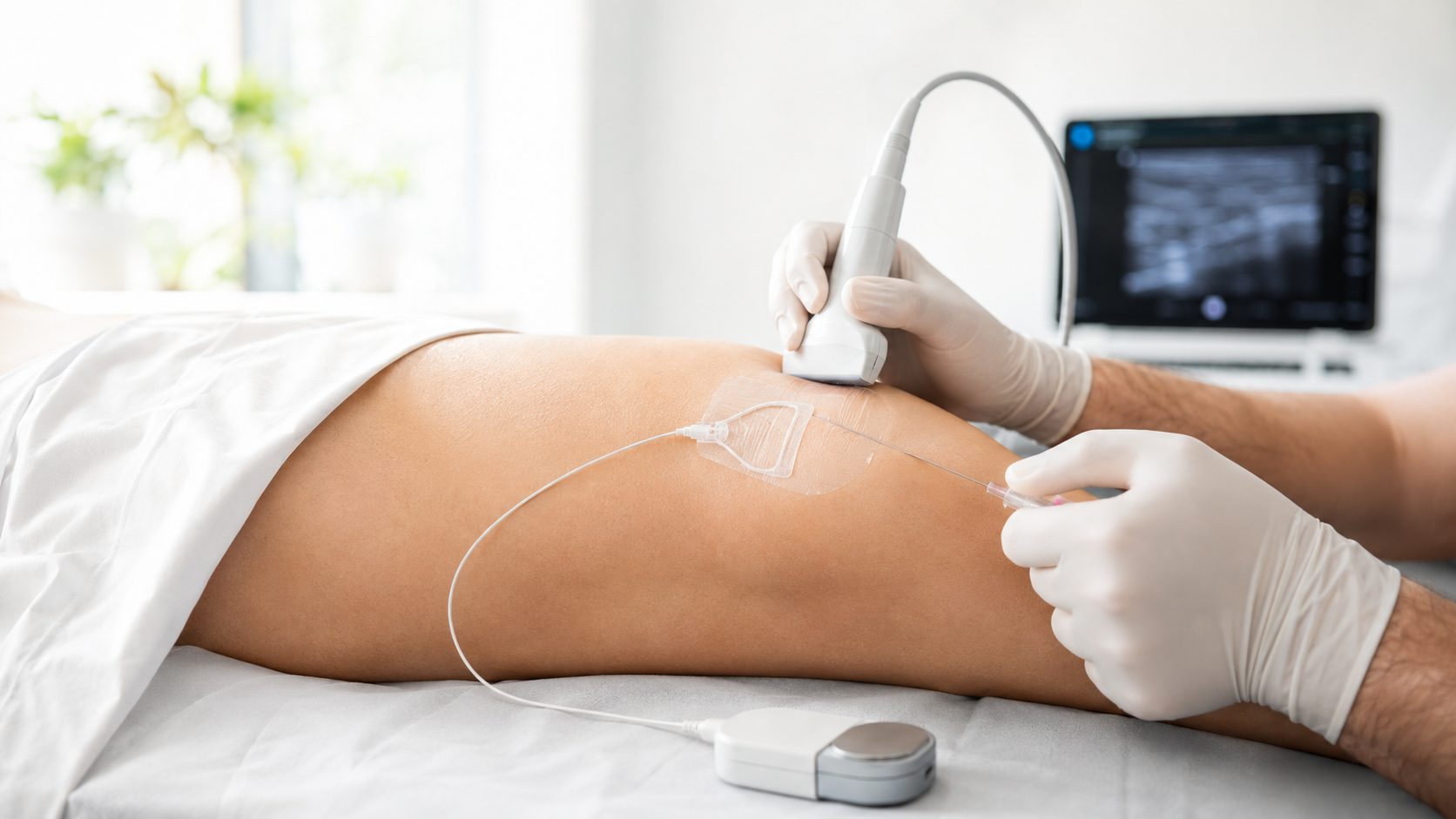
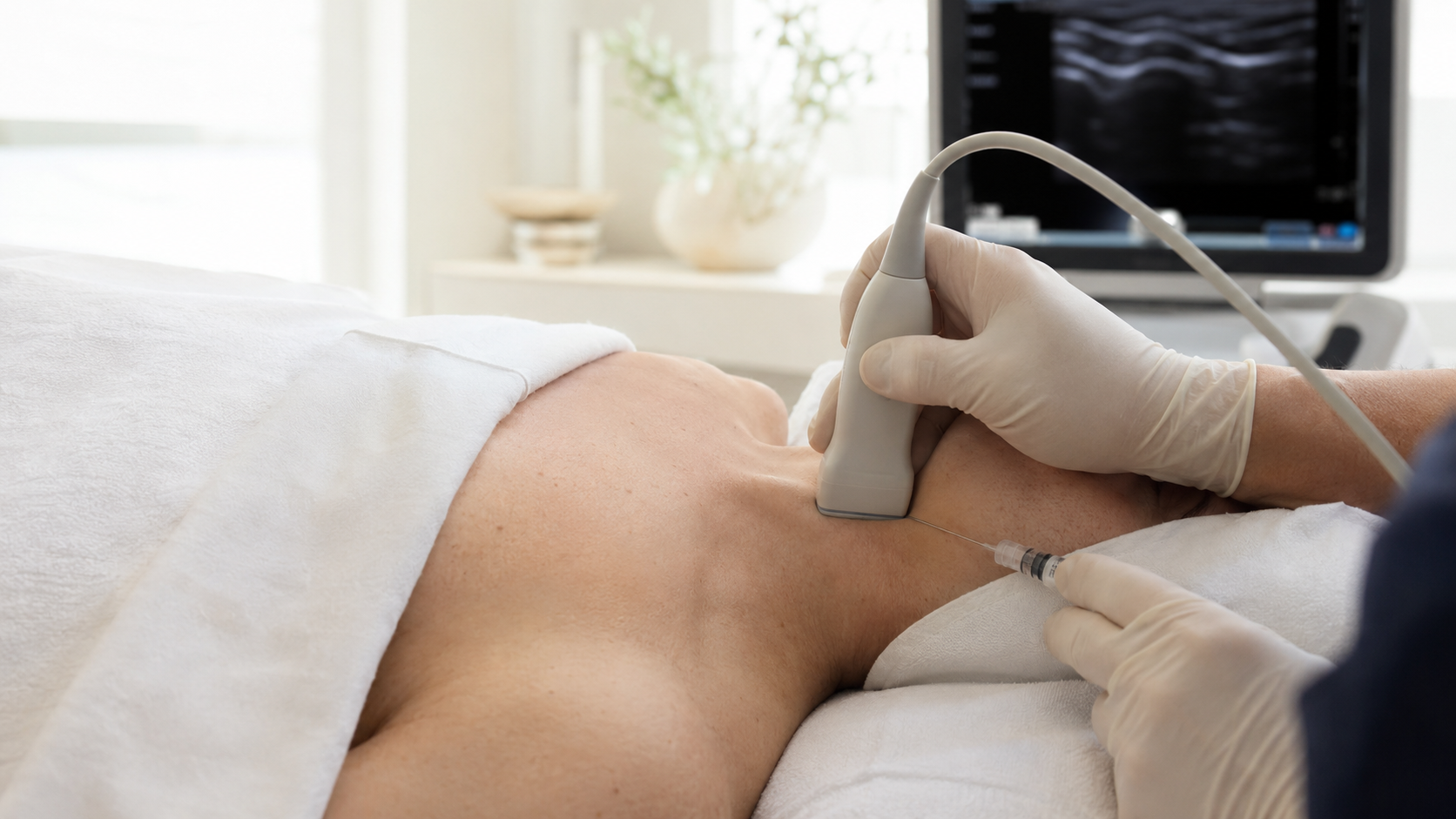
Ultrasound guidance may be used for selected scar neuroma injections. It can help evaluate the painful region, nearby soft tissue, vessels, and possible nerve-related structures in certain cases. It may also help guide medication placement around a suspected nerve target.
Ultrasound guidance does not guarantee relief. The most important step is matching the injection target to the patient’s symptoms, exam findings, and clinical history. MPM determines whether ultrasound guidance is appropriate based on anatomy, scar location, and treatment goals.
Scar Neuroma Injection vs. Nerve Hydrodissection and Peripheral Nerve Stimulation
A scar neuroma injection places medication near a suspected painful scar-related nerve target. Nerve hydrodissection may be considered when a nerve appears restricted by surrounding tissue and fluid is used to separate tissue planes around the nerve. Peripheral nerve stimulation may be considered in selected chronic nerve pain cases when less invasive treatment has not provided enough relief and the nerve target is appropriate.
A response to scar neuroma injection can help guide these decisions. Temporary relief may suggest that a nerve-focused treatment pathway should be considered. Limited or no relief may suggest another diagnosis or the need for further evaluation.
Coordinated Care for Post-Surgical and Post-Traumatic Pain
Persistent scar pain can affect movement, sleep, clothing tolerance, work, exercise, and emotional wellbeing. Some patients also develop fear of touch or movement after repeated pain flares. MPM may coordinate scar neuroma treatment with medication management, rehabilitation, desensitization work, pain psychology, nerve hydrodissection, peripheral nerve stimulation, neuromodulation, or surgical consultation when appropriate.
The goal is not simply to numb the scar. The goal is to understand the pain generator and build a medically responsible plan that matches the patient’s condition.
Risks and Urgent Symptoms
Risks may include pain flare, bruising, bleeding, infection, allergic reaction, temporary numbness or weakness, nerve irritation, vascular injury, local anesthetic toxicity, steroid-related side effects when steroids are used, incomplete relief, temporary relief only, or no relief.
Patients should seek urgent evaluation for fever, spreading redness, drainage, severe swelling, wound opening, new weakness, new numbness, rapidly spreading pain, limb discoloration, loss of pulses, severe allergic reaction, severe post-surgical pain with systemic symptoms, suspected infection, or rapidly worsening symptoms.
For selected patients, scar neuroma injection may be an important step in understanding post-surgical or post-traumatic nerve pain. MPM’s role is to determine whether the scar-related nerve target is clinically appropriate and how the injection fits within a coordinated pain care plan.