Abdominal Cutaneous Nerve Entrapment Syndrome (ACNES)
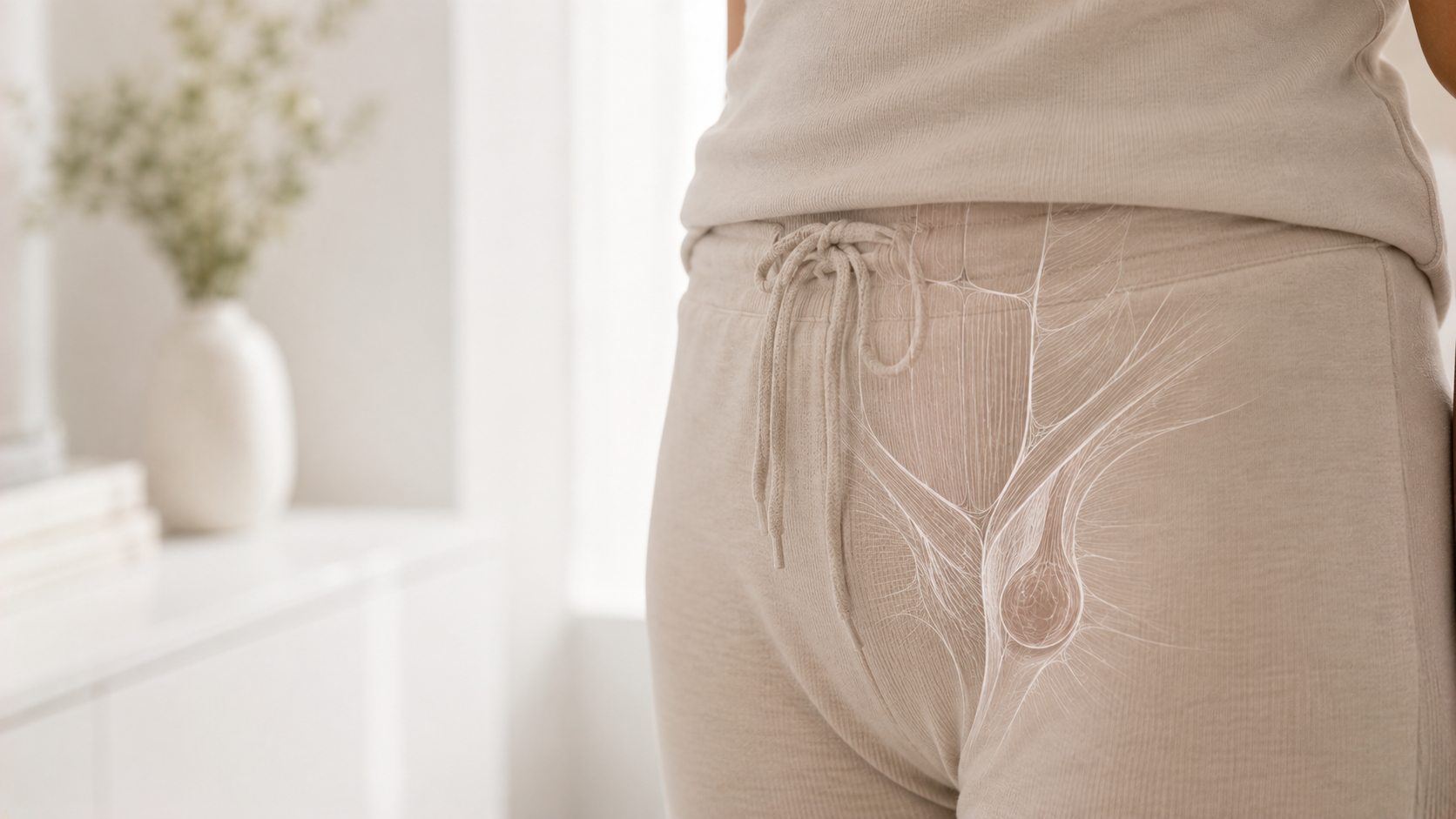
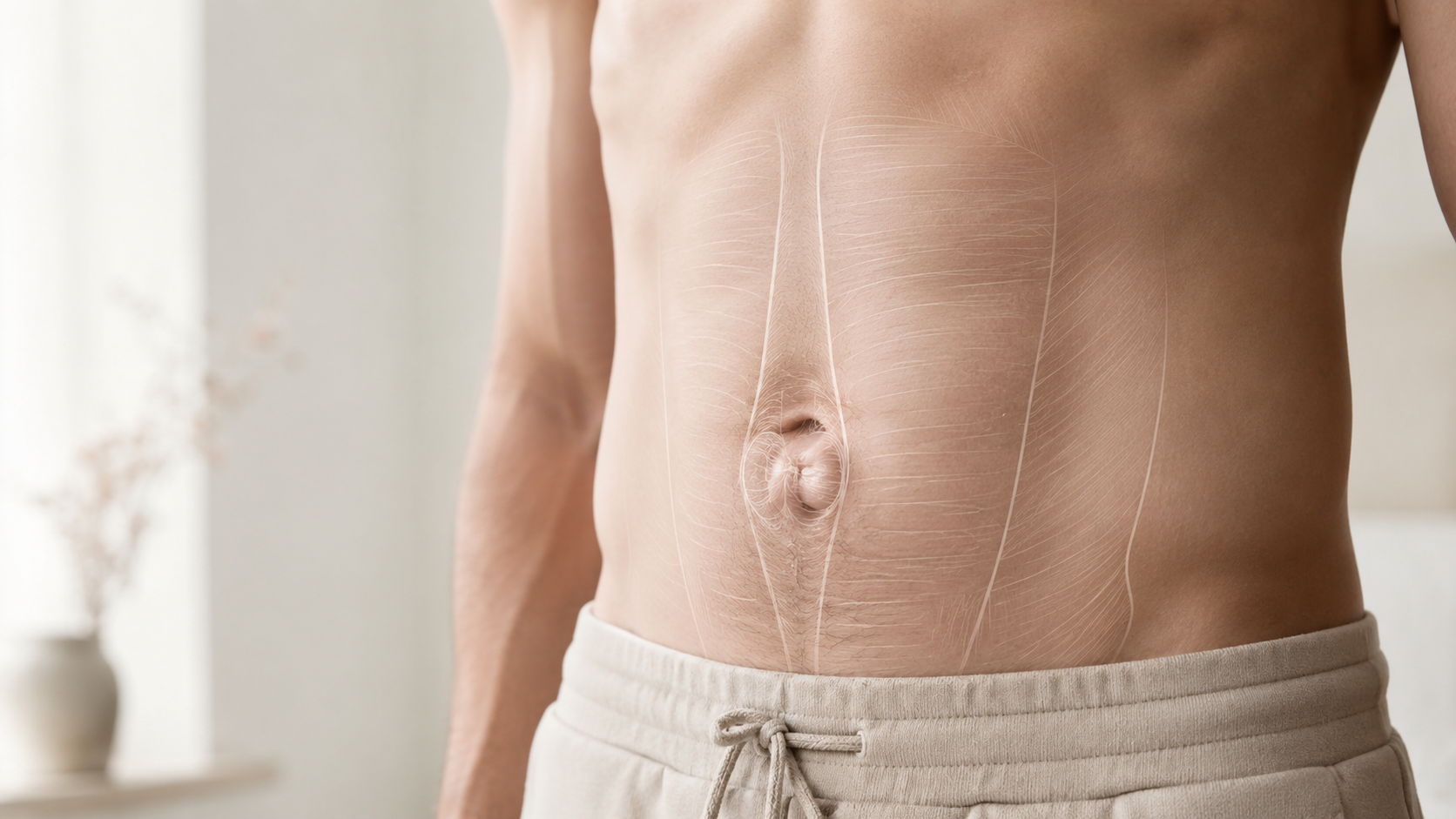
Abdominal Cutaneous Nerve Entrapment Syndrome, often called ACNES, is a specific cause of chronic abdominal wall pain. It occurs when small sensory nerves that supply the skin and abdominal wall become irritated or trapped as they pass through the abdominal muscles and fascia. When this happens, pain can feel sharp, burning, stabbing, or highly localized.
For many patients, ACNES is frustrating because the pain feels like it is coming from inside the abdomen, yet GI testing, imaging, pelvic evaluation, or hernia workup may not provide a clear explanation. This does not mean the pain is imagined. Abdominal wall nerves can produce real pain, especially when irritated by pressure, movement, muscle tension, scar tissue, or mechanical strain.
What ACNES May Feel Like
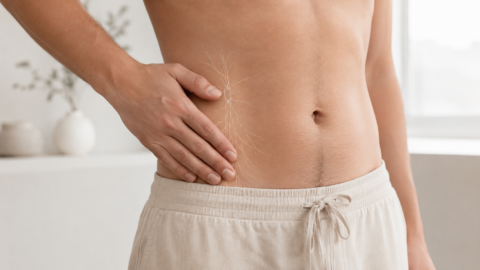
ACNES usually causes pain in a small, specific area of the abdominal wall. A patient may be able to point to the painful spot with one finger. The area may be tender to touch, sensitive to clothing, or painful when pressed. Pain may worsen with twisting, bending, coughing, sitting up, standing for long periods, exercise, or tensing the abdominal muscles. Some patients describe burning, stabbing, pulling, electric, or sharp pain.
Symptoms may be constant or intermittent. Some patients notice pain after abdominal surgery or near a scar. Others develop symptoms without a clear trigger. ACNES can occur near the rectus abdominis muscle, along the abdominal wall, or in areas where small nerves pass through tight fascial openings.
Why ACNES Is Often Confused With Other Conditions
ACNES can resemble several abdominal and pelvic conditions. It may be mistaken for stomach pain, chronic abdominal pain, pelvic pain, hernia pain, sports hernia, muscle strain, hip-related pain, or scar tissue pain. Patients may undergo GI evaluation, pelvic evaluation, imaging, or surgical assessment before the abdominal wall is considered as the pain source.
The distinction matters. Internal organ pain, hernia complications, pelvic pathology, infection, cancer-related pain, and vascular conditions require different evaluation and treatment. ACNES should be considered only after appropriate screening for urgent or visceral causes. MPM’s approach is to evaluate abdominal wall nerve pain without overlooking conditions that require GI, surgical, pelvic, oncologic, or emergency care.
ACNES vs. Hernia, Pelvic Pain, and GI Pain
A hernia may cause a bulge, pressure, or pain that worsens with straining, lifting, or coughing. Pelvic pain may overlap with lower abdominal pain, hip mechanics, pelvic floor dysfunction, and nerve sensitivity. GI pain may relate to eating, bowel movements, nausea, bloating, constipation, or other digestive symptoms. ACNES tends to be more focal and may worsen when the abdominal wall is activated.
These patterns are helpful but not absolute. A patient can have more than one contributor. For example, someone may have pelvic pain and abdominal wall nerve sensitivity. Another patient may have a small hernia and muscle trigger points. Another may have hip impingement that changes abdominal wall loading. This is why diagnosis-first care matters.
How ACNES Is Evaluated
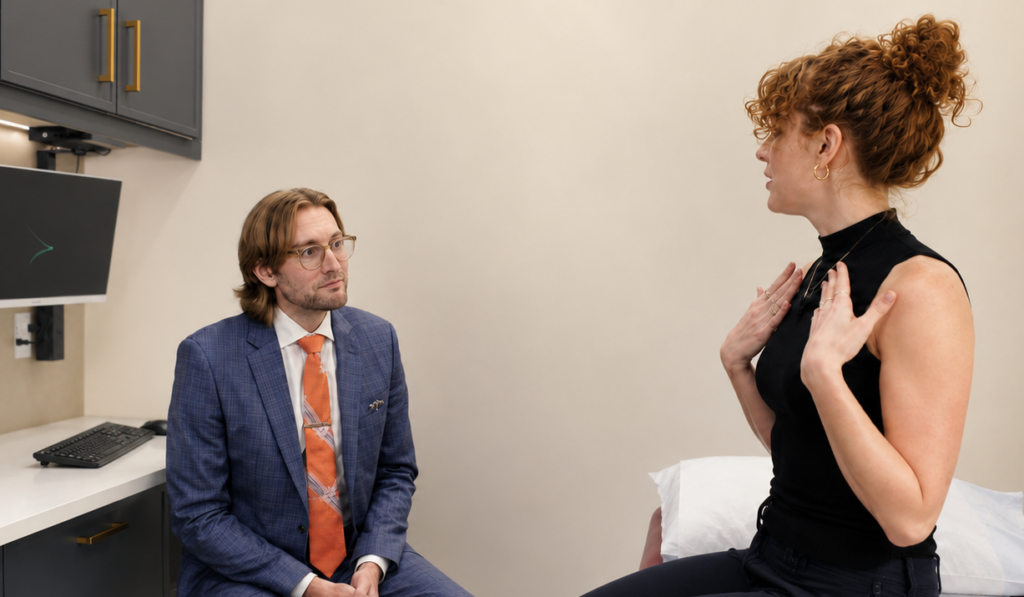
Evaluation begins with a detailed history and focused physical examination. MPM reviews pain location, timing, triggers, prior surgeries, scar sensitivity, GI symptoms, pelvic symptoms, hernia evaluations, imaging, and previous treatments. The physical exam may include palpation of the painful area, abdominal wall activation, movement testing, and assessment for Carnett sign.
Carnett sign can be helpful when abdominal wall pain is suspected. If the pain stays the same or worsens when the abdominal muscles are tensed, the abdominal wall may be contributing. However, a positive Carnett sign alone is not a complete diagnosis. It must be interpreted with the full clinical picture.
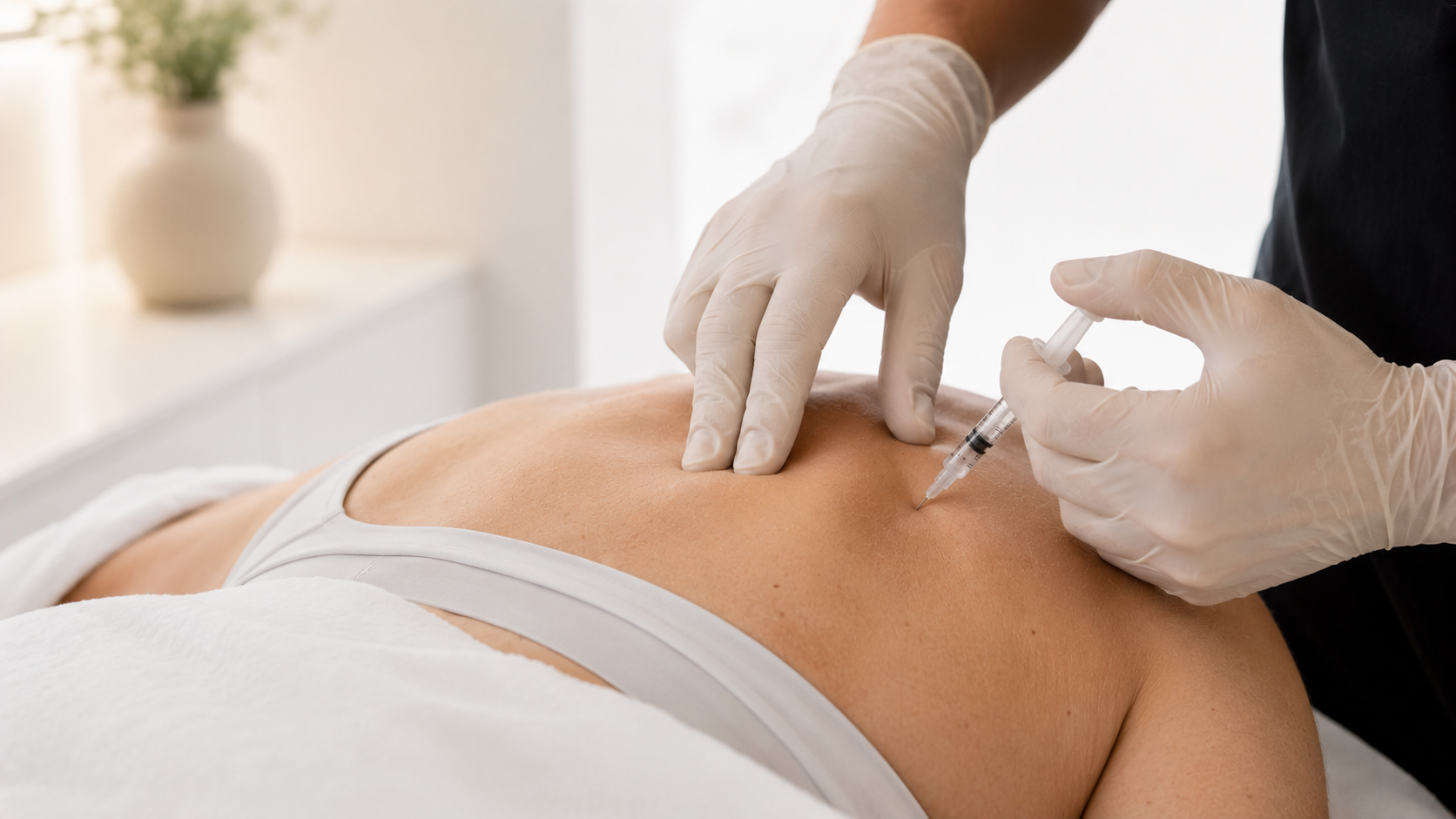
Diagnostic ultrasound may be used when clinically appropriate to evaluate soft tissue anatomy, assess for abdominal wall concerns, or guide injections. Diagnostic injections with local anesthetic may help determine whether a specific nerve or abdominal wall site is contributing to pain. The response to injection can provide useful information, but it must be considered alongside history and exam findings.
Treatment Options for ACNES
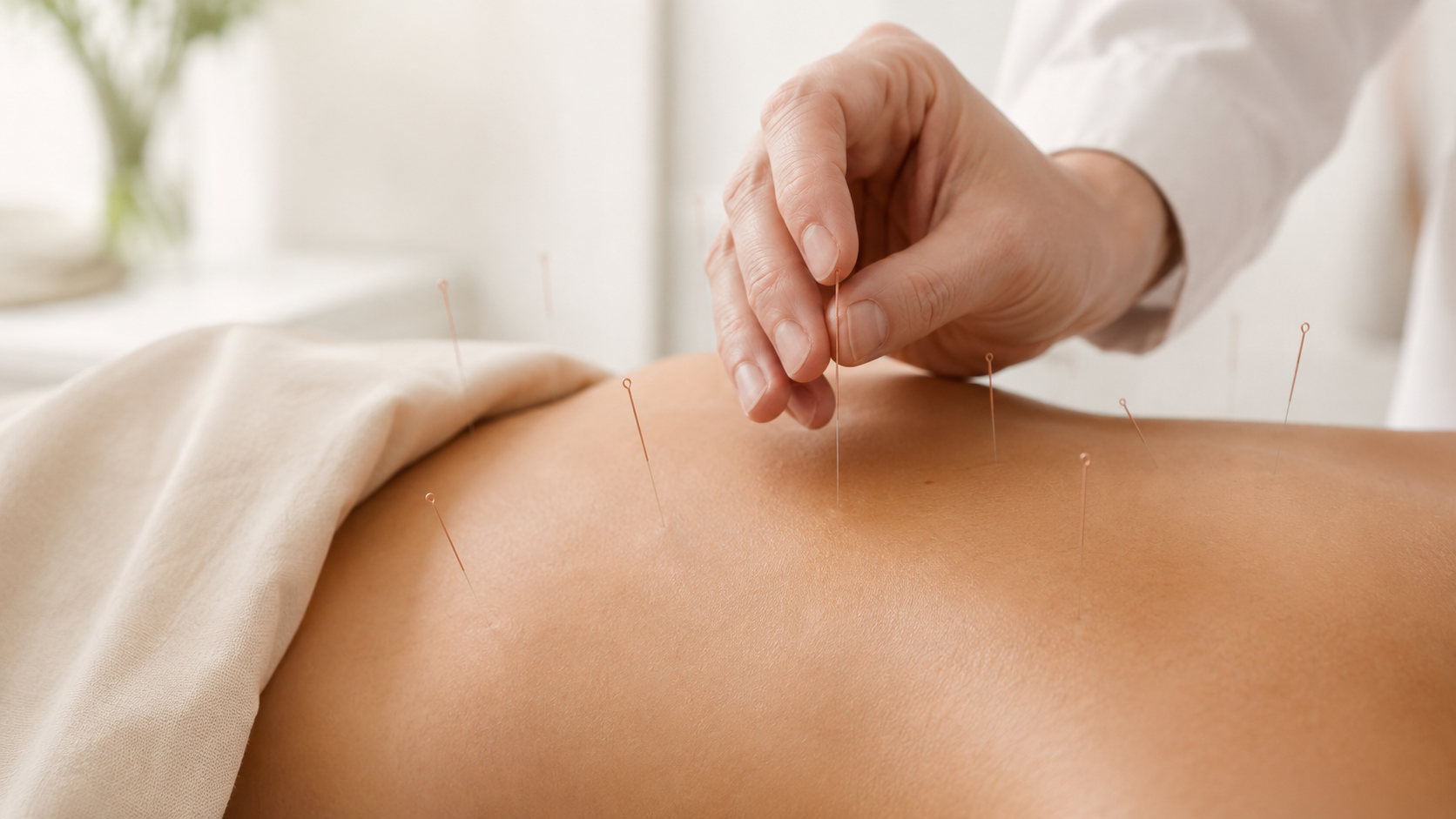
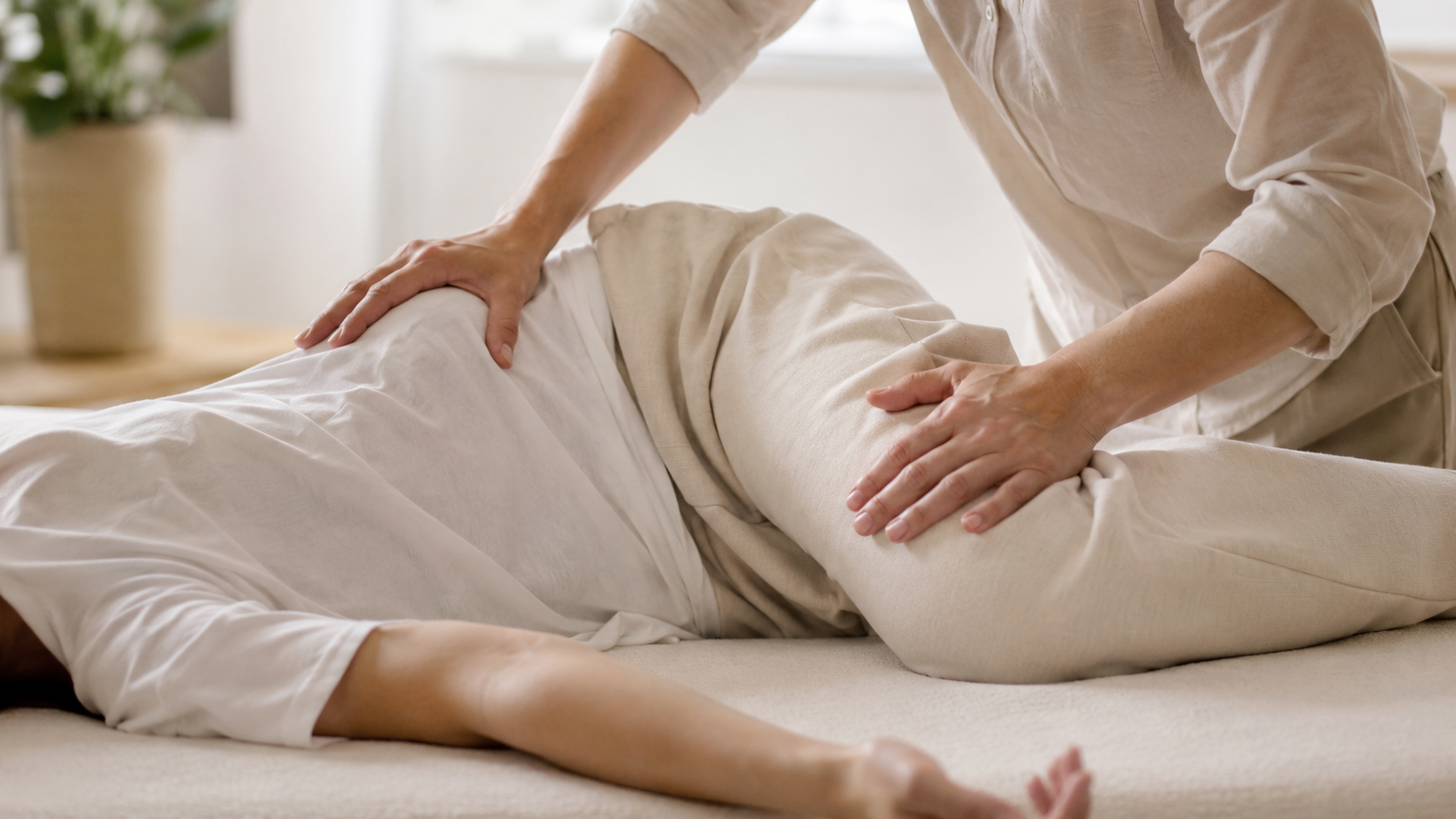
Treatment is stepwise and individualized. Education and activity modification may help patients understand which movements or positions aggravate symptoms. Movement-based therapy, including Feldenkrais, may help address guarding, breath mechanics, posture, and abdominal wall loading. Acupuncture may be considered as part of a broader pain management plan for selected patients.
Trigger-point injections or local anesthetic injections may be considered when focal abdominal wall pain is suspected. In some cases, local anesthetic with or without corticosteroid can serve both a diagnostic and therapeutic role. Botulinum toxin injections may be considered selectively, especially when muscle overactivity, guarding, or refractory abdominal wall pain contributes to symptoms. These treatments require careful patient selection and clinician supervision.
When injections do not help, the next step depends on the diagnosis. MPM may reconsider whether the pain source is truly ACNES, whether another abdominal wall structure is involved, whether pelvic or hip mechanics are contributing, or whether a hernia, scar neuroma, nerve pathway, or visceral condition needs further evaluation. In selected refractory cases, surgical consultation may be considered.
ACNES, Hypermobility, and Pelvic Overlap
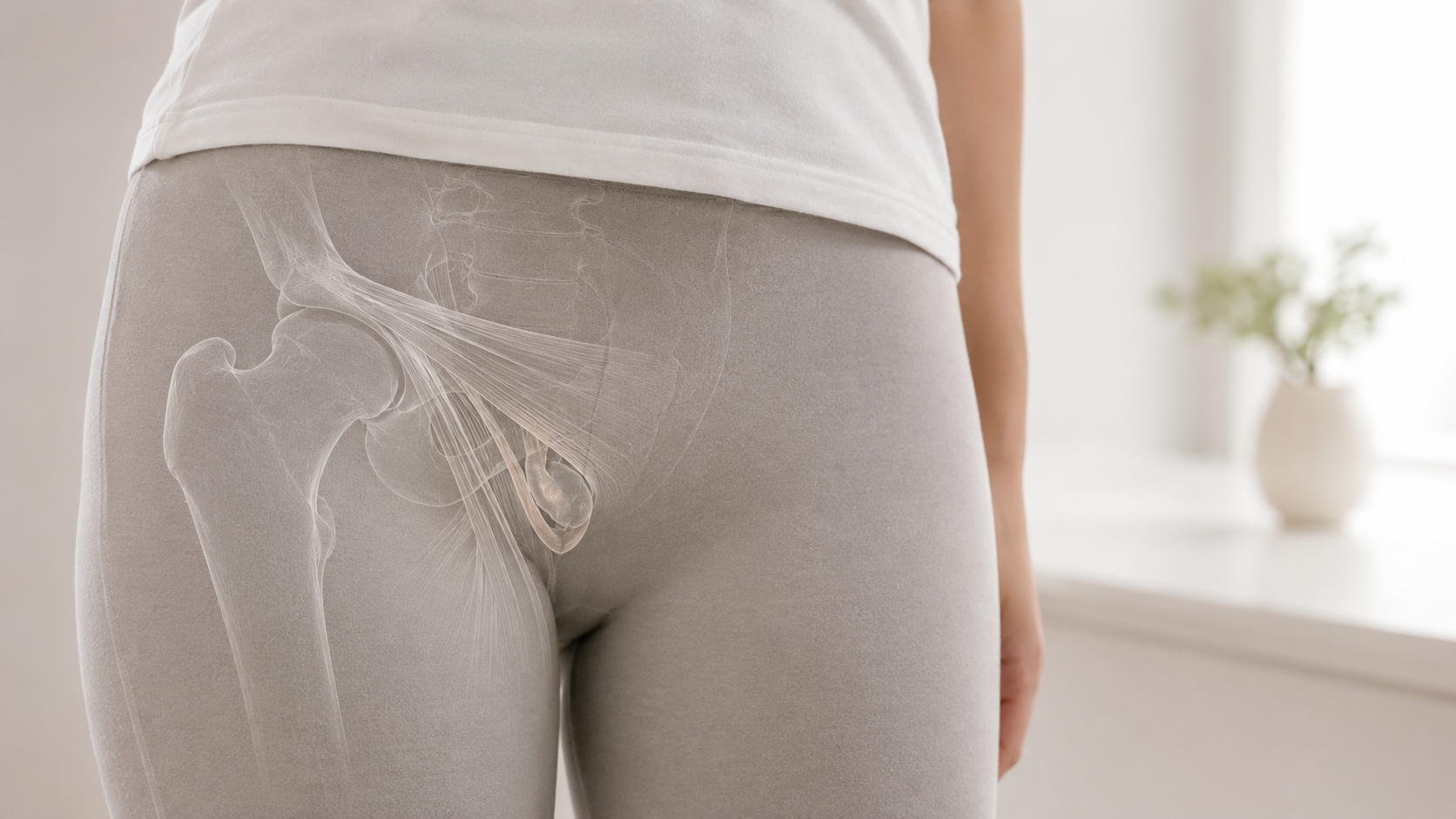
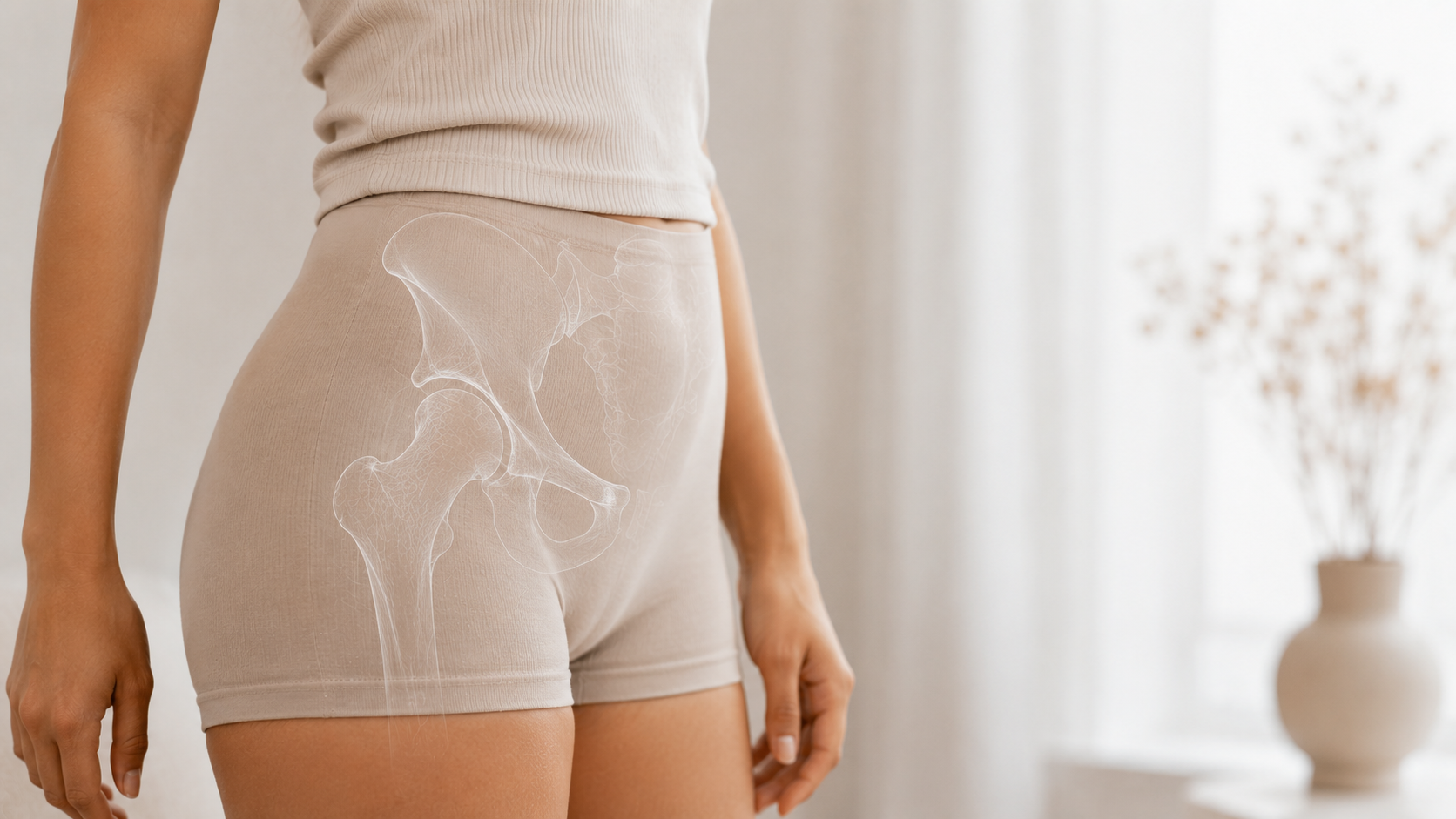
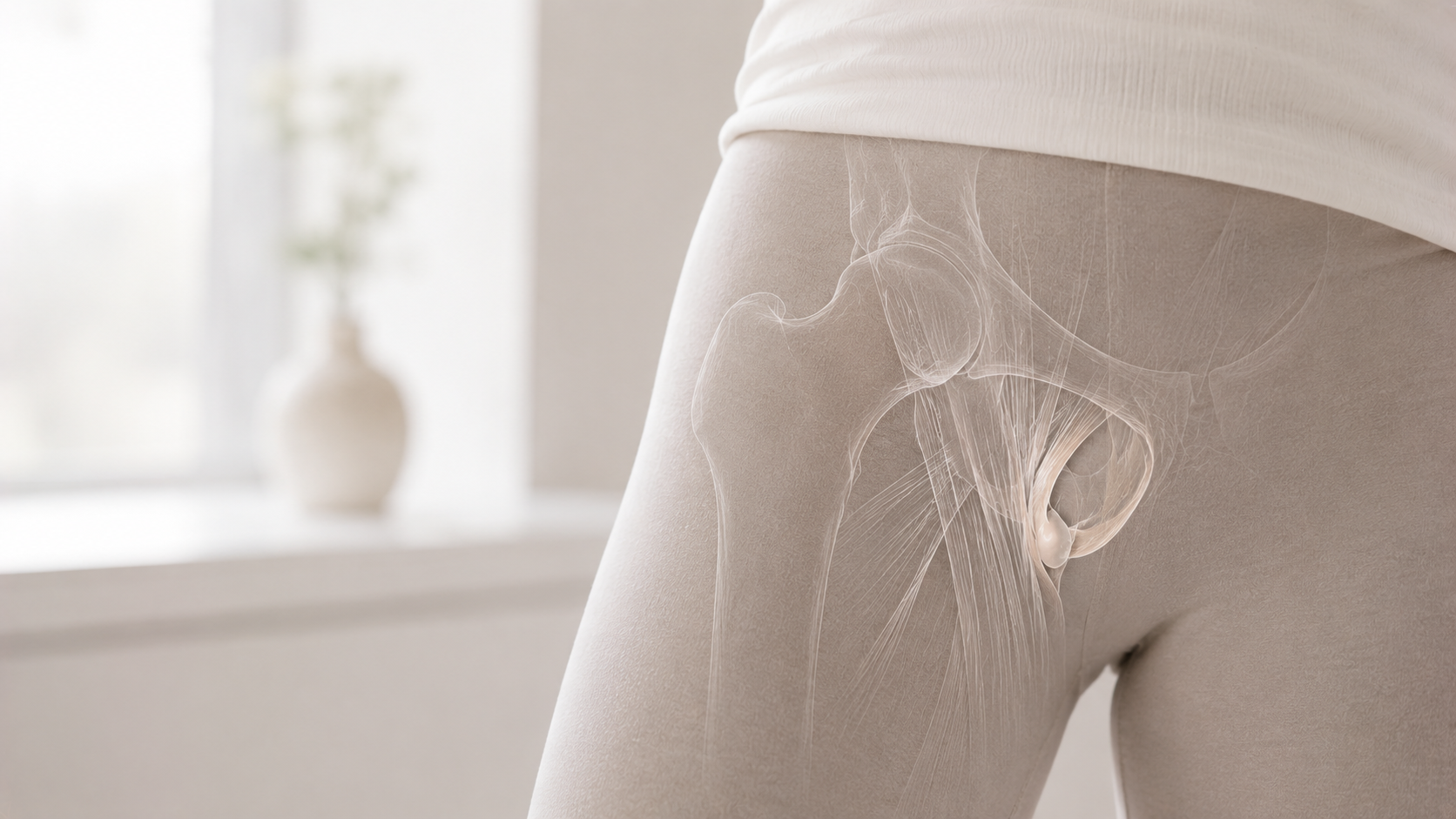
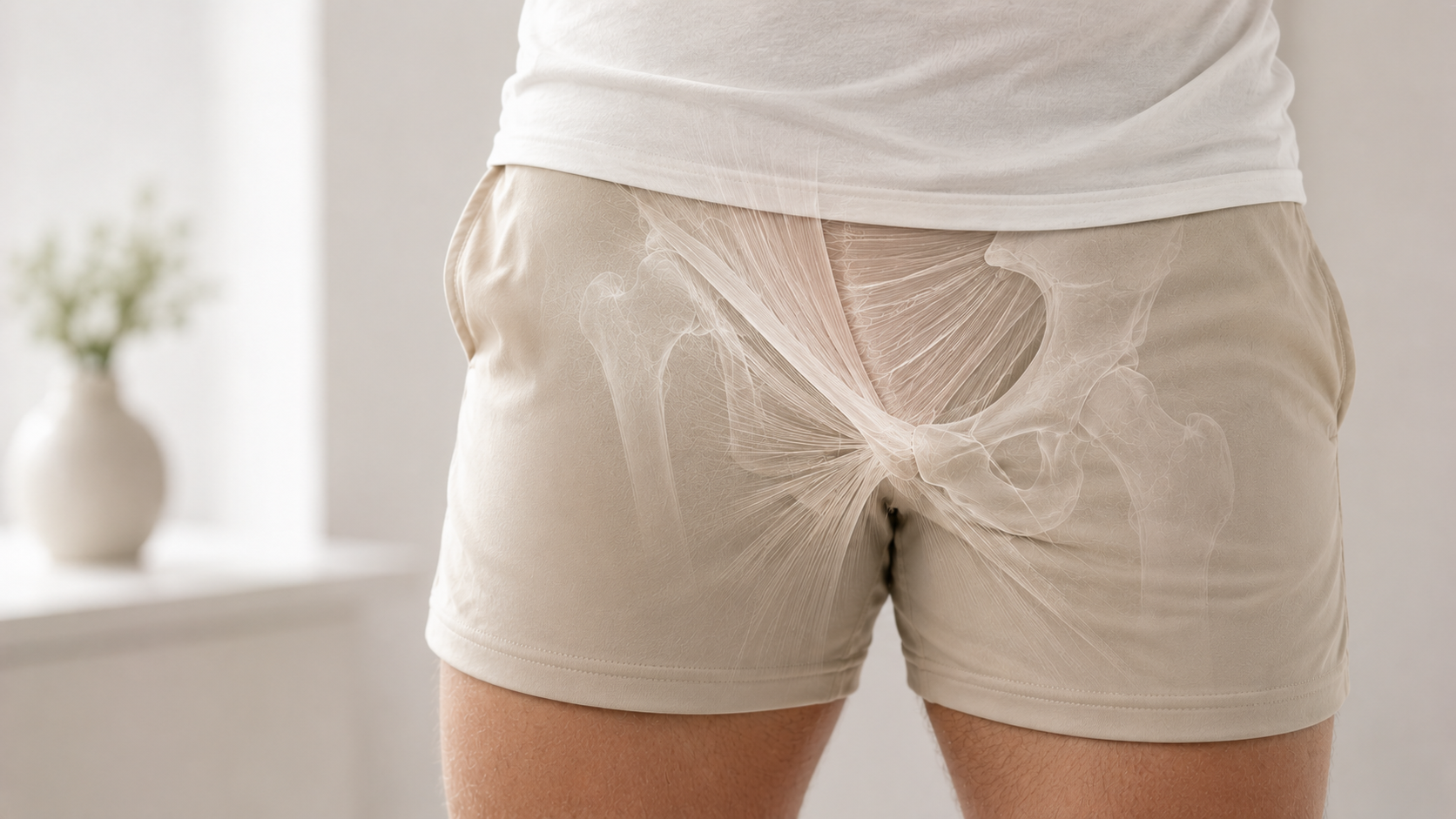
Some patients with ACNES-like pain also have hypermobility, pelvic pain, hip impingement, sports hernia symptoms, or abdominal wall strain. Hypermobility may affect tissue loading and muscle guarding. Pelvic floor dysfunction may refer pain into the lower abdomen. Hip mechanics may change how the pelvis and abdominal wall share load. These overlapping patterns can make abdominal wall pain more persistent.
MPM evaluates these connections through its Hypermobility and Pelvic Pain Zones of Expertise. The goal is to understand how the abdominal wall, pelvis, hip, nerves, and movement patterns may interact. This can help patients avoid fragmented care and guide a more coordinated treatment plan.
When Abdominal Pain Needs Urgent Care
Some abdominal pain should not wait for an outpatient pain evaluation. Patients should seek urgent or emergency care for severe or rapidly worsening pain, fever, repeated vomiting, vomiting blood, blood in stool, black stool, fainting, chest pain, shortness of breath, rigid abdomen, significant abdominal swelling, pregnancy-related pain, new neurologic symptoms, incarcerated hernia symptoms, or pain after major injury.
How MPM Approaches ACNES Care
MPM approaches ACNES through a diagnosis-first, coordinated model. The evaluation considers abdominal wall nerves, muscles, fascia, scar tissue, hernias, pelvic structures, hip mechanics, prior surgery, visceral symptoms, and chronic pain contributors. Care may involve movement-based therapy, acupuncture, trigger-point injections, local anesthetic injections, selected botulinum toxin use, and coordination with GI, surgery, pelvic pain specialists, or other clinicians when needed.
For patients looking for ACNES treatment in Manhattan, MPM offers a careful, patient-centered approach to focal abdominal wall pain and suspected abdominal nerve entrapment. The goal is to clarify the pain source, avoid unnecessary assumptions, and build a treatment plan that reflects the patient’s anatomy, prior workup, symptoms, and goals.