Gastroparesis
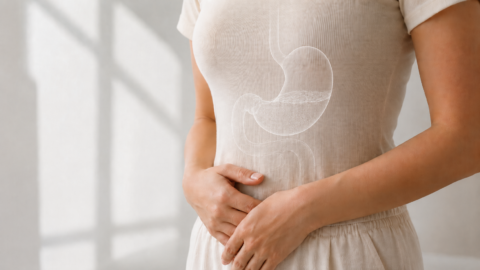
Gastroparesis, also called delayed gastric emptying, is a disorder in which food moves too slowly from the stomach to the small intestine without a blockage. When the stomach does not empty normally, patients may feel full quickly, remain full long after eating, or develop nausea, vomiting, bloating, belching, upper abdominal pain, heartburn, and poor appetite.
For some patients, gastroparesis is primarily a GI motility condition. For others, it becomes part of a larger pattern involving chronic abdominal pain, autonomic dysfunction, POTS, EDS, hypermobility spectrum disorder, MCAS-like symptoms, pelvic pain, fibromyalgia, post-viral symptoms, medication effects, or chronic pain sensitization. MPM’s role is not to replace GI care, but to help evaluate pain contributors that may overlap with gastroparesis.
What Gastroparesis May Feel Like
Many patients with gastroparesis describe nausea, bloating, early fullness, and discomfort after eating. Some feel full after only a few bites. Others feel as though food sits in the stomach for hours. Vomiting, reflux, poor appetite, weight changes, dehydration, and fatigue may occur. Symptoms can make eating unpredictable and may affect social life, work, sleep, and emotional wellbeing.
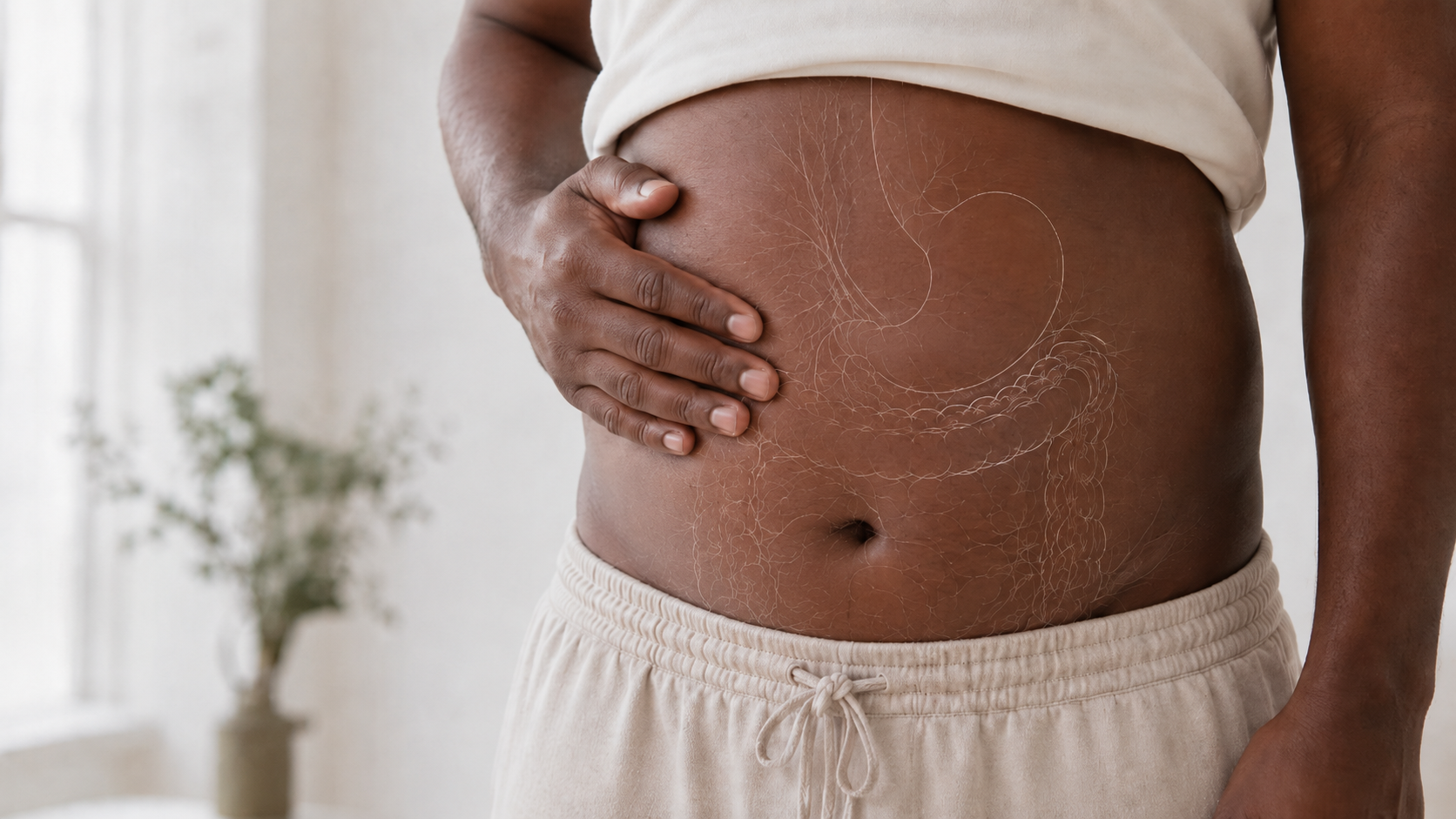
Upper abdominal pain can be part of the picture. Pain may feel pressure-like, burning, cramping, or aching. It may worsen after meals, during bloating, with constipation, or during autonomic flares. Some patients develop fear around eating because meals are followed by discomfort, nausea, or pain.
What Causes Gastroparesis?
Gastroparesis may be associated with diabetes, nerve injury, prior surgery, infections, neurologic conditions, autoimmune disorders, and medications that slow stomach emptying. Some cases are idiopathic, meaning no clear cause is found. Medications that may impair gastric emptying can include opioids, GLP-1 agonists, and high-dose tricyclic antidepressants, among others.
The cause matters because treatment may change depending on whether symptoms are related to diabetes, medication effects, post-surgical changes, post-infectious onset, autonomic dysfunction, neurologic disease, or another medical condition. Patients should not stop or change medications without guidance from the prescribing clinician.
How Gastroparesis Is Diagnosed
Gastroparesis diagnosis requires evidence of delayed stomach emptying and evaluation for other conditions that can cause similar symptoms. Testing may include a gastric emptying study, endoscopy or imaging to rule out blockage, blood tests, motility testing, gastric accommodation testing, gastroduodenal manometry, and autonomic nervous system testing when appropriate.
A normal endoscopy does not rule out gastroparesis, because endoscopy evaluates structure rather than stomach emptying. At the same time, delayed emptying does not automatically explain every pain symptom. This is why MPM reviews the full workup, symptom pattern, and pain presentation before recommending pain-focused care.
Gastroparesis, Autonomic Dysfunction, and Chronic Pain
The autonomic nervous system helps regulate digestion. When autonomic function is disrupted, patients may experience changes in heart rate, blood pressure, sweating, temperature regulation, and GI motility. Some patients with POTS or autonomic dysfunction also report nausea, bloating, constipation, early fullness, abdominal pain, and variable digestion.
Hypermobility and EDS may also overlap with GI symptoms and pain sensitivity. Pelvic pain, endometriosis, fibroids, hernia-related pain, abdominal wall pain, and fibromyalgia can further complicate the picture. These overlaps do not mean one diagnosis explains everything. They mean the evaluation should consider motility, autonomic regulation, connective tissue mechanics, pelvic overlap, and pain processing together.
Treatment Options for Gastroparesis-Related Pain
Gastroparesis treatment is typically led by gastroenterology and may include dietary changes, smaller meals, lower fat or lower fiber approaches when recommended, nutrition support, hydration strategies, blood sugar management, anti-nausea medications, prokinetic medications, and selected advanced GI interventions. Eating habit changes can help control symptoms and support nutrients, calories, and liquids, which is important because dehydration and malnutrition are major complications.
MPM focuses on pain-related contributors. Depending on the clinical picture, care may include medication management, pain psychology, acupuncture, autonomic-informed strategies, and selected interventional options. Pain psychology may help patients manage the nervous system effects of chronic nausea, food fear, symptom vigilance, sleep disruption, and stress. This does not mean symptoms are psychological. It means chronic GI symptoms and pain can affect the nervous system and daily function.
Celiac Plexus Block and Other Pain Procedures
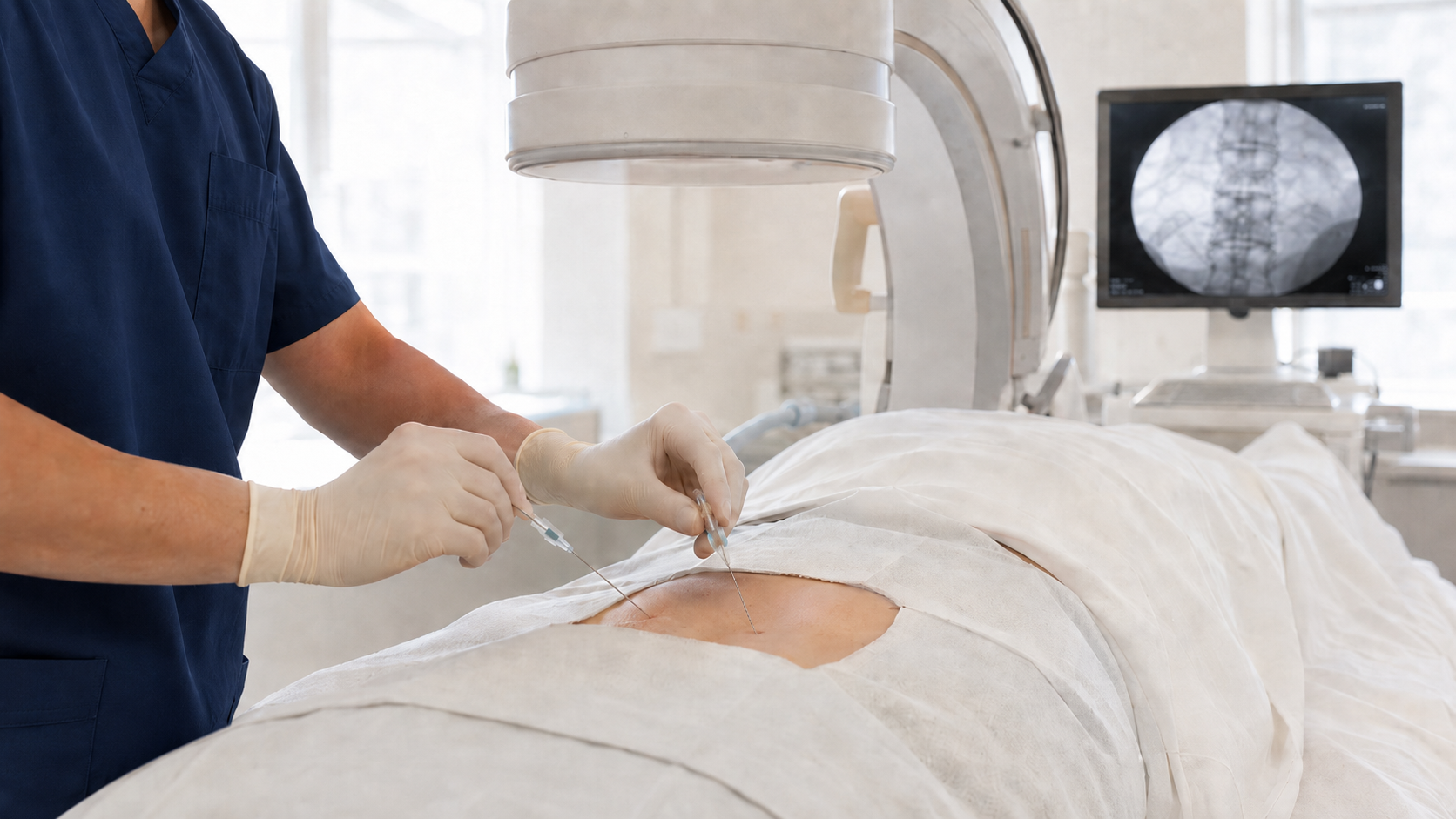
A celiac plexus block targets a group of nerves that supply many abdominal organs. It may be performed for selected severe chronic abdominal pain or abdominal pain from cancer. It is not a standard treatment for delayed gastric emptying and should not be presented as a routine gastroparesis treatment.
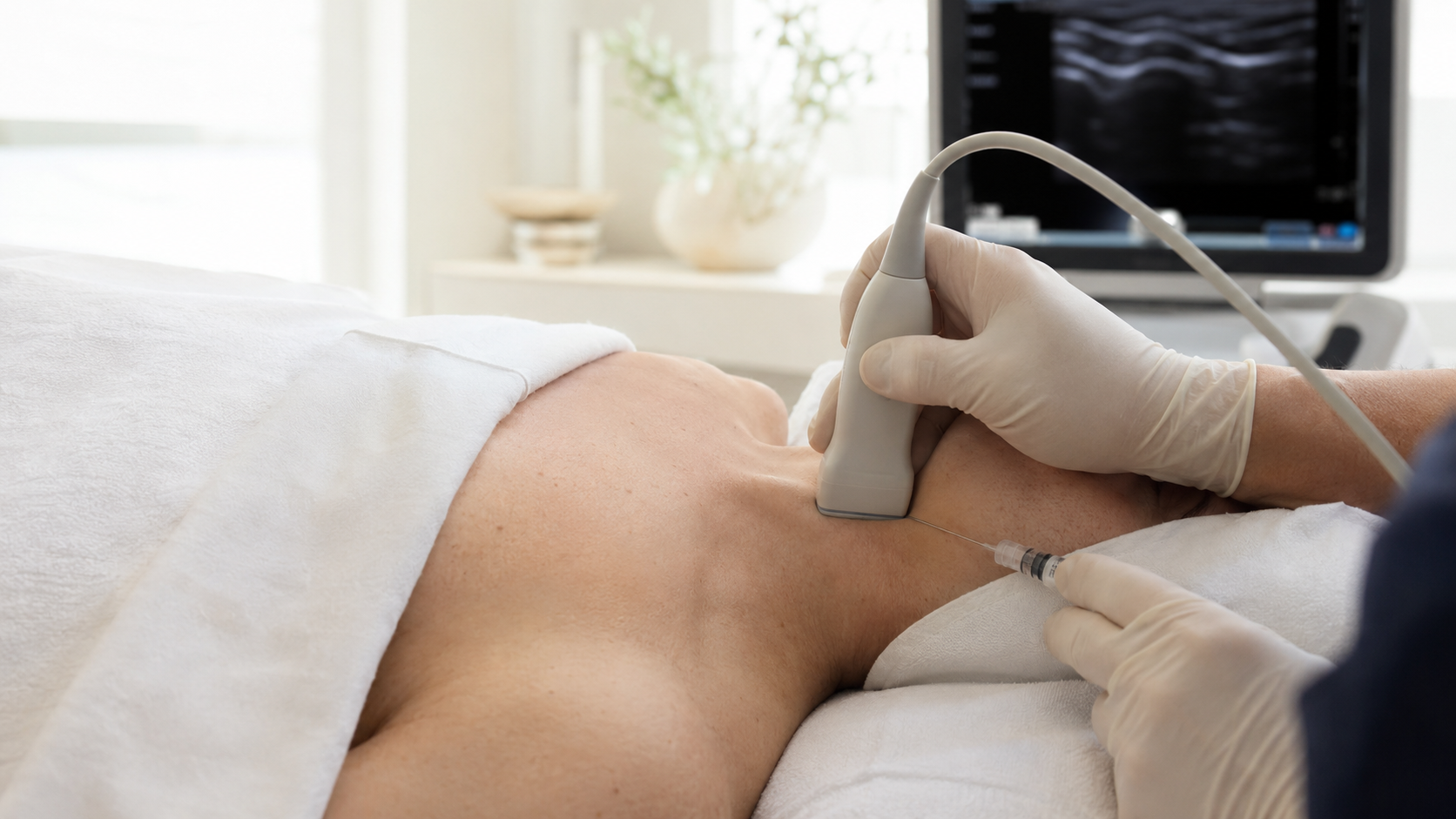
Stellate ganglion blocks, lidocaine and ketamine infusions, and other pain-focused treatments should also be discussed only for selected pain, autonomic, or chronic pain patterns. They do not directly correct stomach emptying. The decision depends on diagnosis, anatomy, prior workup, severity, risk, and care goals.
When Gastroparesis Symptoms Need Urgent Care
Patients should seek prompt medical evaluation for persistent or worsening symptoms, dehydration, inability to keep food or fluids down, unintentional weight loss, vomiting blood, black stool, severe abdominal pain, fever, fainting, chest pain, blood sugar instability, or signs of malnutrition. These symptoms may require GI, emergency, nutrition, endocrinology, or primary care evaluation.
How MPM Approaches Gastroparesis-Related Pain
MPM approaches gastroparesis-related pain through a diagnosis-first, coordinated model. The evaluation considers GI diagnosis, stomach motility, abdominal pain, visceral sensitivity, autonomic symptoms, pelvic overlap, nerve-related pain, hypermobility, medication effects, nutrition concerns, and chronic pain sensitization. Care may involve coordination with gastroenterology, nutrition, primary care, endocrinology, pelvic pain specialists, psychology, or other clinicians when needed.
For patients looking for gastroparesis treatment in Manhattan, MPM offers a careful, patient-centered approach to the pain patterns that may overlap with delayed gastric emptying. The goal is to support clearer evaluation, safer coordination, and a treatment plan that reflects the patient’s digestive symptoms, pain drivers, prior workup, function, and long-term goals.