Cluneal Neuralgia
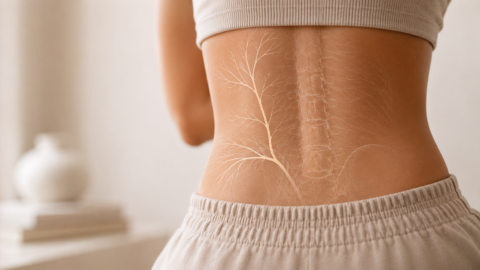
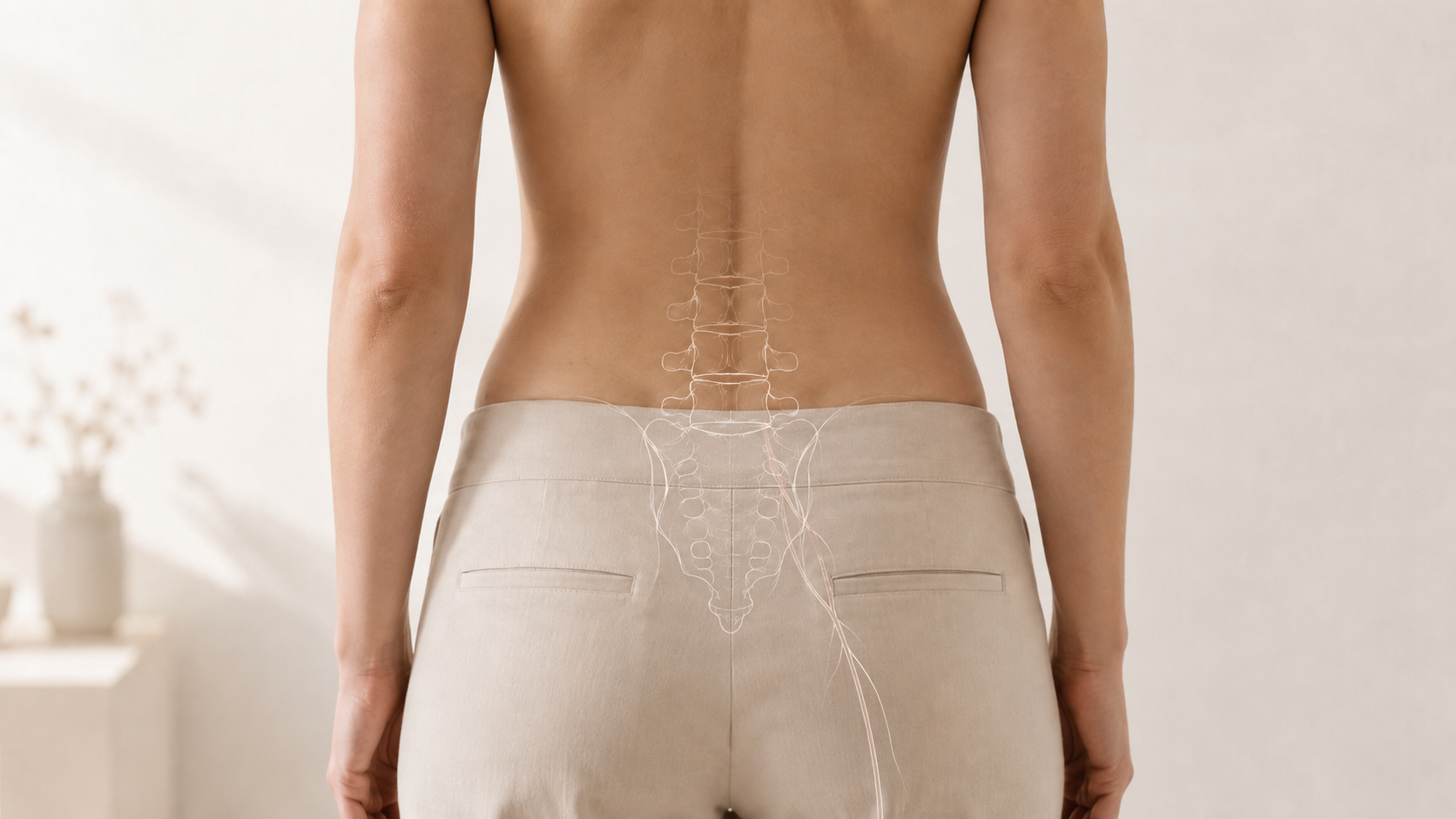
Cluneal neuralgia occurs when one or more of the cluneal nerves become irritated, compressed, or entrapped. These nerves are sensory nerves, meaning they carry sensation from the skin and soft tissues rather than controlling muscle movement. Because they supply areas around the lower back, posterior iliac crest, buttock, and pelvic-region tissue, cluneal nerve pain can be confused with many other conditions.
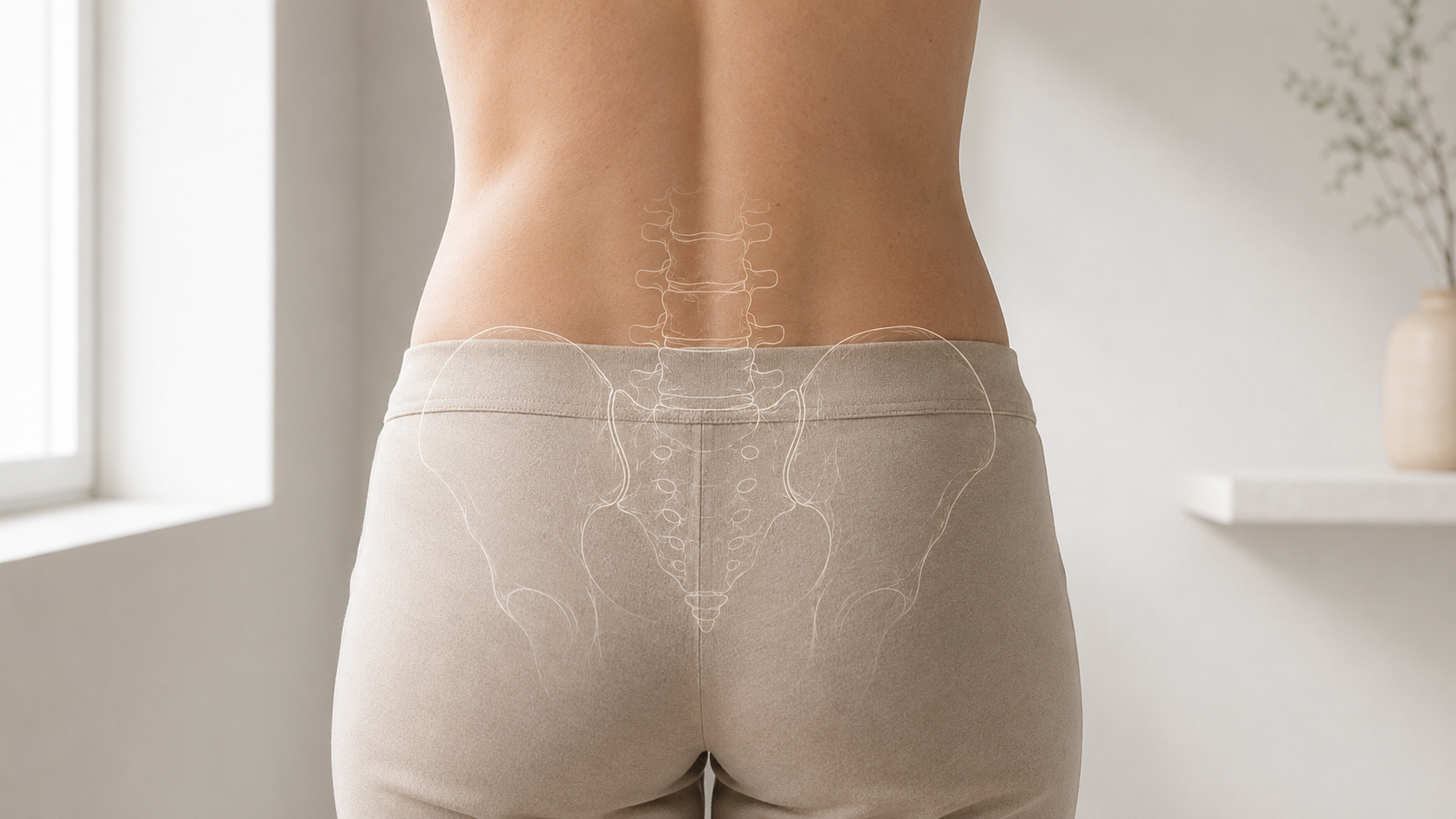
The superior cluneal nerves travel near the top of the pelvis and can contribute to pain near the posterior iliac crest, low back, and upper buttock. The middle cluneal nerves are located closer to the sacrum and SI joint region. The inferior cluneal nerves supply parts of the lower buttock region. Irritation in any of these pathways may cause pain that is local, radiating, pressure-sensitive, or difficult to explain through standard spine imaging.
What Cluneal Neuralgia Can Feel Like
Patients with cluneal neuralgia may describe pain over the back of the hip, low back, iliac crest, sacrum, buttock, or pelvic-region area. The pain may be sharp, burning, aching, tingling, electric, or tender to pressure. Some patients feel symptoms that travel into the buttock, groin, hip, or thigh.
Pain may worsen with sitting, standing, walking, bending, twisting, pressure over the iliac crest, or certain pelvic and spine movements. In some cases, patients describe sciatica-like pain even though the source is not a lumbar disc or spinal nerve root.
Why Cluneal Neuralgia Can Mimic Sciatica
Sciatica usually refers to pain caused by irritation of a nerve root or the sciatic nerve pathway. Cluneal neuralgia can feel similar because it may cause pain in the low back, buttock, hip-region, or thigh. However, cluneal nerves are different from the sciatic nerve and may be irritated in different locations.
This distinction matters. A patient may have buttock or leg-like pain with a lumbar MRI that does not fully explain symptoms. In that situation, MPM may evaluate whether the pain is coming from the cluneal nerves, SI joint, hip, piriformis-region structures, pelvic floor, peripheral nerves, or another source.
Cluneal Neuralgia vs SI Joint Dysfunction
Cluneal neuralgia and SI joint dysfunction can overlap closely. SI joint dysfunction may cause pain near the lower back, buttock, pelvis, groin, or thigh. Cluneal neuralgia may cause pain in nearby areas because the nerves travel close to the posterior pelvis and sacral region.
A careful physical exam helps separate these possibilities. MPM evaluates localized tenderness, sensory changes, SI joint provocation tests, movement triggers, imaging, and prior response to treatment. In selected cases, diagnostic injections may help clarify whether pain is primarily nerve-related, joint-related, or mixed.
Cluneal Neuralgia vs Hip and Pelvic Pain
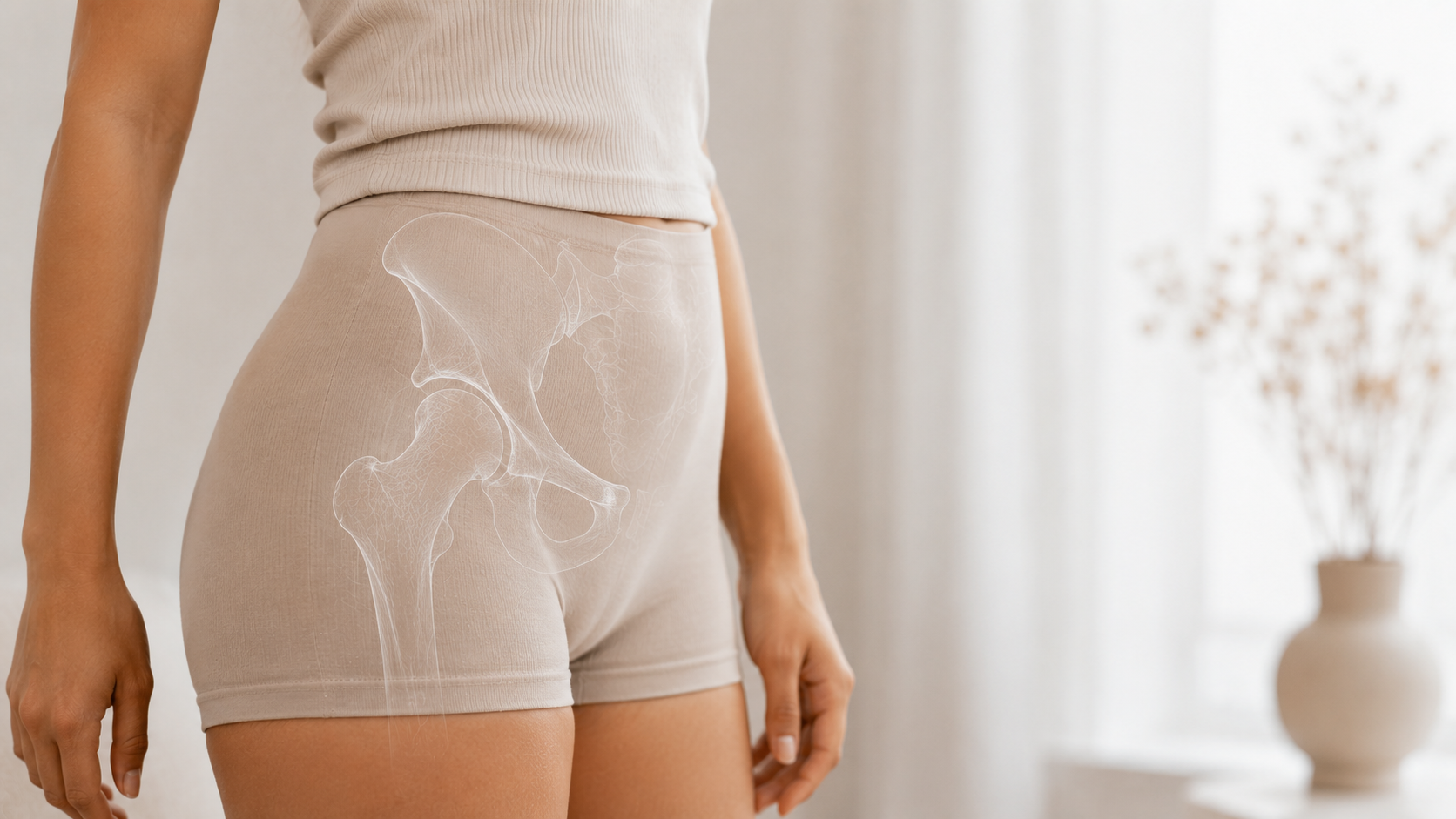
Hip impingement, labral pathology, pelvic floor dysfunction, piriformis-region pain, and chronic pelvic pain can also resemble cluneal neuralgia. Some patients feel pain in the buttock, groin, lateral hip, sacral region, or pelvis and may have more than one contributing pain source.
MPM evaluates the hip, pelvis, SI joint, lumbar spine, and surrounding soft tissue structures together when symptoms overlap. This helps determine whether cluneal nerve irritation is the main driver or whether another condition should be treated first.
Common Causes of Cluneal Nerve Irritation
Cluneal nerve irritation may occur when the nerve becomes compressed or restricted near the iliac crest, fascia, sacral region, or surrounding soft tissues. Symptoms may follow trauma, repetitive loading, prolonged pressure, altered posture, prior surgery, scar tissue, muscle tension, pelvic mechanics, or chronic low back and buttock pain patterns.
In some patients, the cause is not obvious. The nerve may be sensitive because of surrounding tissue irritation, overlapping SI joint dysfunction, spine mechanics, hip mechanics, pelvic pain, peripheral nerve sensitivity, or chronic pain sensitization.
How MPM Evaluates Cluneal Neuralgia
MPM begins by reviewing the patient’s pain story in detail. This includes where the pain occurs, whether it radiates, what positions or activities trigger symptoms, whether there is tenderness over the iliac crest or buttock, whether sensory changes are present, and whether spine, hip, pelvic, or SI joint treatments have helped.
The evaluation may include a musculoskeletal exam, neurologic screening, SI joint assessment, hip assessment, lumbar spine review, pelvic-region pain screening, and myofascial evaluation. Prior imaging is reviewed in context, especially when symptoms have been attributed to disc findings, SI joint pain, hip pain, or pelvic pain without clear improvement.
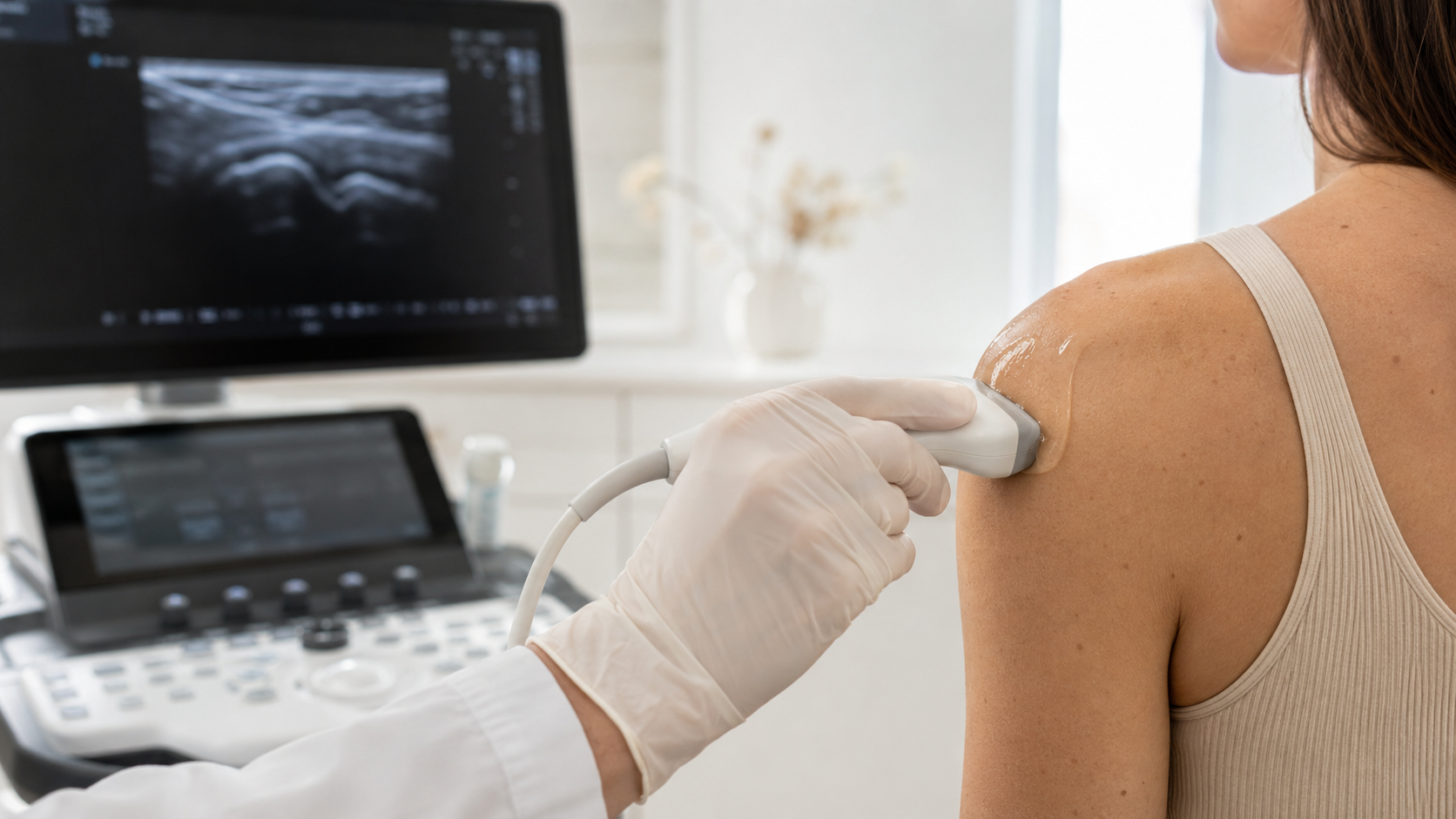
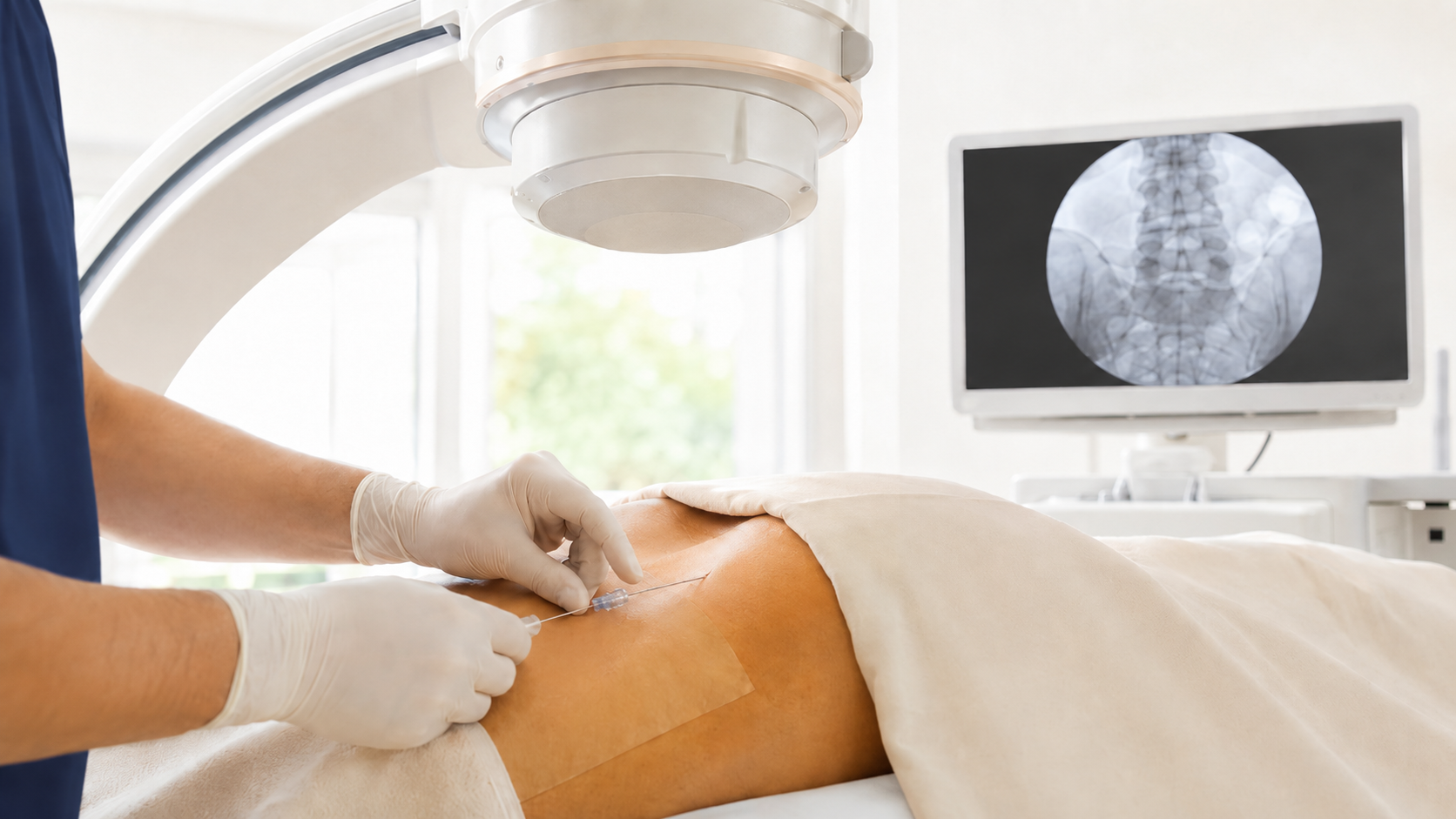
Diagnostic ultrasound may be considered when appropriate, especially when soft tissue, nerve pathway, or image-guided treatment planning is relevant. A diagnostic cluneal nerve block may be used in selected cases to help confirm whether the nerve is contributing to pain.
Treatment Options for Cluneal Neuralgia
Treatment depends on the suspected pain generator. When cluneal neuralgia is suspected, care may begin with activity modification, reducing direct pressure over the painful region, movement retraining, physical therapy coordination, medication management, and evaluation of related SI joint, hip, spine, muscle, or pelvic contributors.
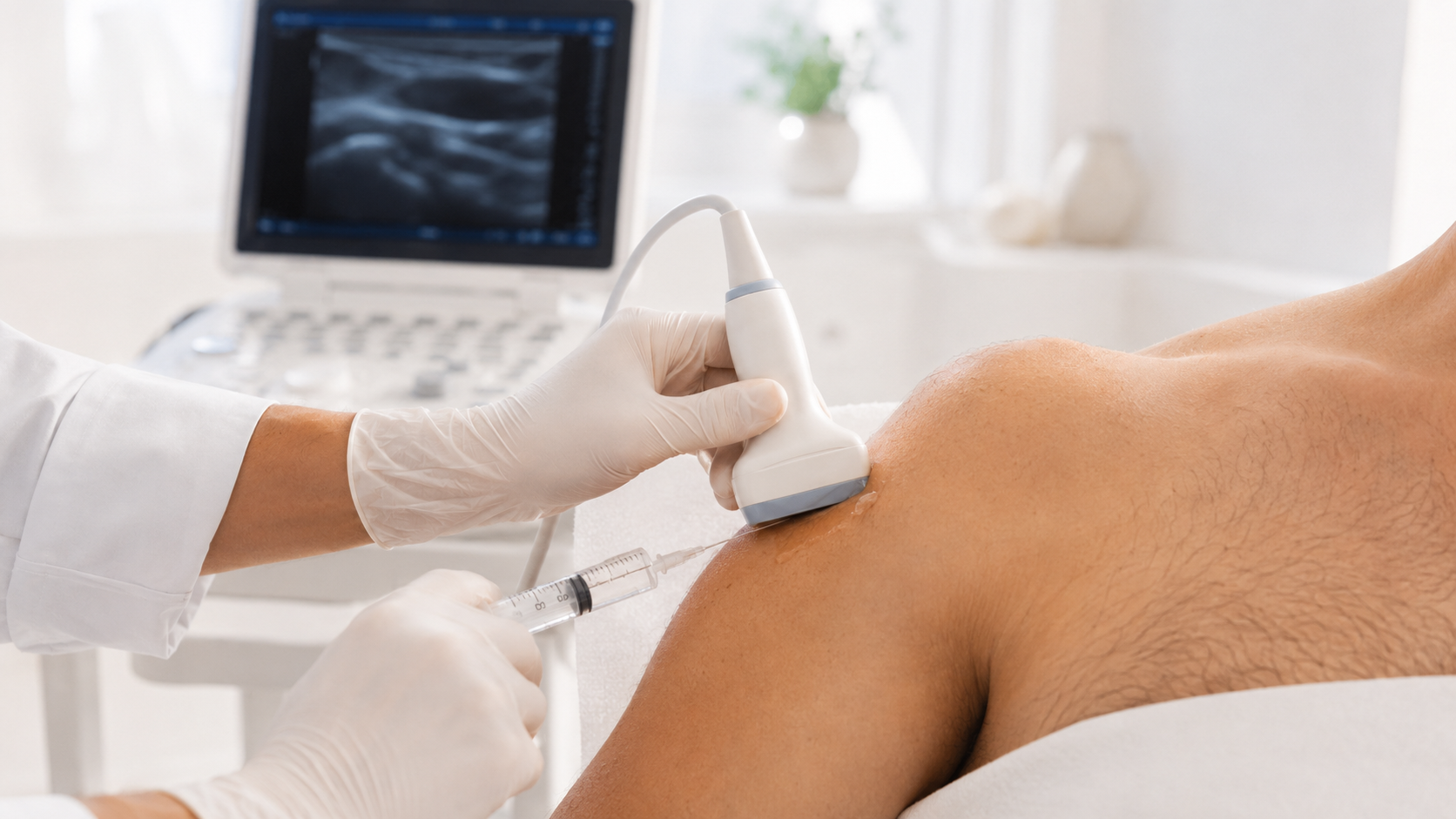
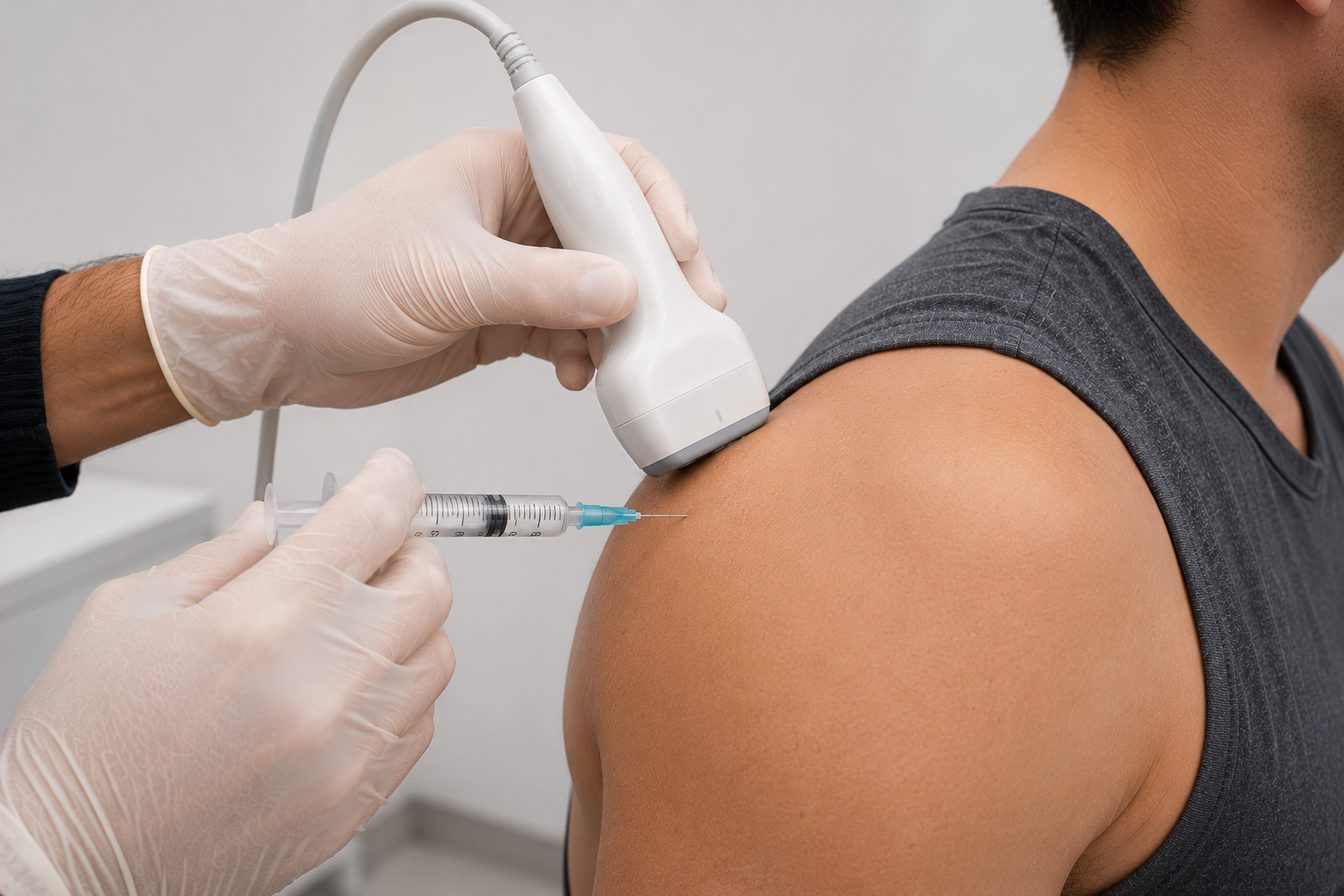
When symptoms remain persistent and the clinical pattern supports cluneal nerve involvement, MPM may consider ultrasound-guided injections, cluneal nerve blocks, or nerve hydrodissection in selected cases. These procedures are not routine treatments for all low back or buttock pain. They are considered only when the suspected anatomy, pain pattern, and risk profile support that plan.
What Is Nerve Hydrodissection?
Nerve hydrodissection is an ultrasound-guided technique that uses fluid to separate a nerve from surrounding tissue when entrapment or restricted nerve movement is suspected. For cluneal nerve pain, hydrodissection may be considered only in selected cases where the clinical and anatomical findings support focal nerve irritation or entrapment.
Hydrodissection does not repair nerves, guarantee symptom relief, or replace surgery when surgery is indicated. It is one possible image-guided option within a broader diagnosis-first treatment plan.
When Multiple Pain Generators Overlap
Many patients with chronic low back, buttock, hip-region, or pelvic-region pain have more than one pain generator. A patient may have cluneal nerve irritation and SI joint dysfunction. Another may have hip impingement, pelvic floor dysfunction, and myofascial pain. Another may have sciatica-like symptoms from the spine with secondary muscle guarding.
MPM’s approach is to identify the dominant pain generator, then build a stepwise plan. This helps avoid chasing symptoms with unrelated treatments and supports more precise care decisions.
When Symptoms Require Urgent Evaluation
Patients should seek urgent evaluation for new or worsening leg weakness, foot drop, bowel or bladder dysfunction, saddle anesthesia, fever, unexplained weight loss, history of cancer, major trauma, severe night pain, trouble walking, rapidly worsening numbness, or severe progressive neurologic symptoms.
Cluneal neuralgia-like symptoms can overlap with herniated disc, lumbar radiculopathy, spinal stenosis, SI joint dysfunction, hip disease, pelvic floor dysfunction, piriformis syndrome, peripheral neuropathy, vascular disease, infection, fracture, malignancy, inflammatory disease, and central pain syndromes.
How MPM Approaches Cluneal Neuralgia Care
MPM approaches cluneal neuralgia through a diagnosis-first model. The goal is to determine whether the cluneal nerve is truly involved, whether another condition is driving symptoms, or whether several pain generators are interacting.
For patients looking for cluneal neuralgia treatment in Manhattan or NYC, MPM provides careful evaluation of low back, buttock, hip-region, pelvic-region, and sciatica-like pain. Treatment is individualized and may include conservative care, diagnostic ultrasound, ultrasound-guided injections, cluneal nerve blocks, nerve hydrodissection in selected cases, and coordination across spine, hip, SI joint, pelvic pain, and peripheral nerve care.