Lidocaine and Ketamine Infusions
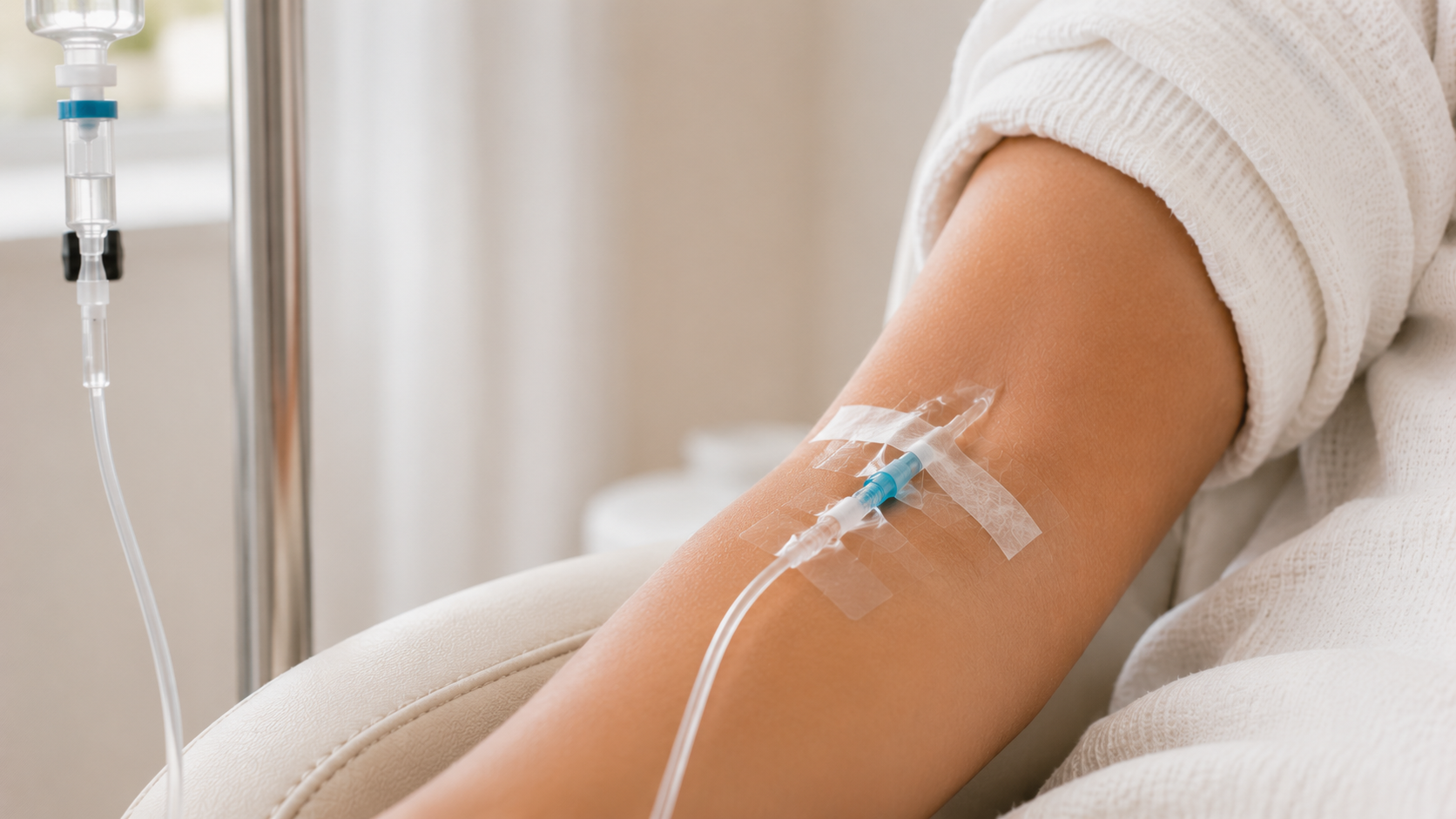
Lidocaine and ketamine infusions are medically supervised IV treatments that may be considered for selected patients with refractory neuropathic, centralized, CRPS-related, pelvic, post-viral, or complex chronic pain. These treatments are not wellness IVs. They are not first-line treatments and are not appropriate for every pain condition.
At Manhattan Pain Medicine (MPM), lidocaine and ketamine infusions NYC care begins with diagnosis-first evaluation. The goal is to understand the patient’s pain mechanism, prior treatment response, medical safety profile, psychological context, autonomic symptoms, and treatment goals before deciding whether infusion therapy belongs in the care plan.
How Lidocaine and Ketamine Differ
Lidocaine and ketamine are different medications with different purposes and risks. Lidocaine is an anesthetic medication that may influence nerve signaling and has been studied for selected neuropathic pain conditions. It may be considered for certain patients with burning nerve pain, small fiber neuropathy symptoms, refractory neuropathic pain, or nerve-related pain patterns when safety factors support treatment.
Ketamine affects NMDA receptor-related pain signaling and may be considered in selected complex chronic pain or CRPS-related pain patterns. It may be relevant when central sensitization, severe pain amplification, allodynia, or refractory pain mechanisms are part of the clinical picture. Response varies, and long-term benefit is not guaranteed.
Infusions for Neuropathic Pain and CRPS
Patients seeking infusion therapy for refractory neuropathic pain often have symptoms such as burning, electric pain, severe sensitivity, allodynia, numbness, tingling, or persistent pain despite nerve medications. Conditions may include small fiber neuropathy, CRPS, post-viral pain, pelvic nerve pain, or complex neurological pain patterns.
Ketamine infusion for complex regional pain syndrome NYC care may be considered for selected patients, but it should be integrated with the rest of CRPS treatment. This may include rehabilitation, pain psychology, medication management, sympathetic blocks, functional restoration, and specialist coordination. Infusions do not cure CRPS, but they may help some patients reduce symptom burden enough to participate more effectively in care.
Infusions for Pelvic Pain and Complex Symptoms
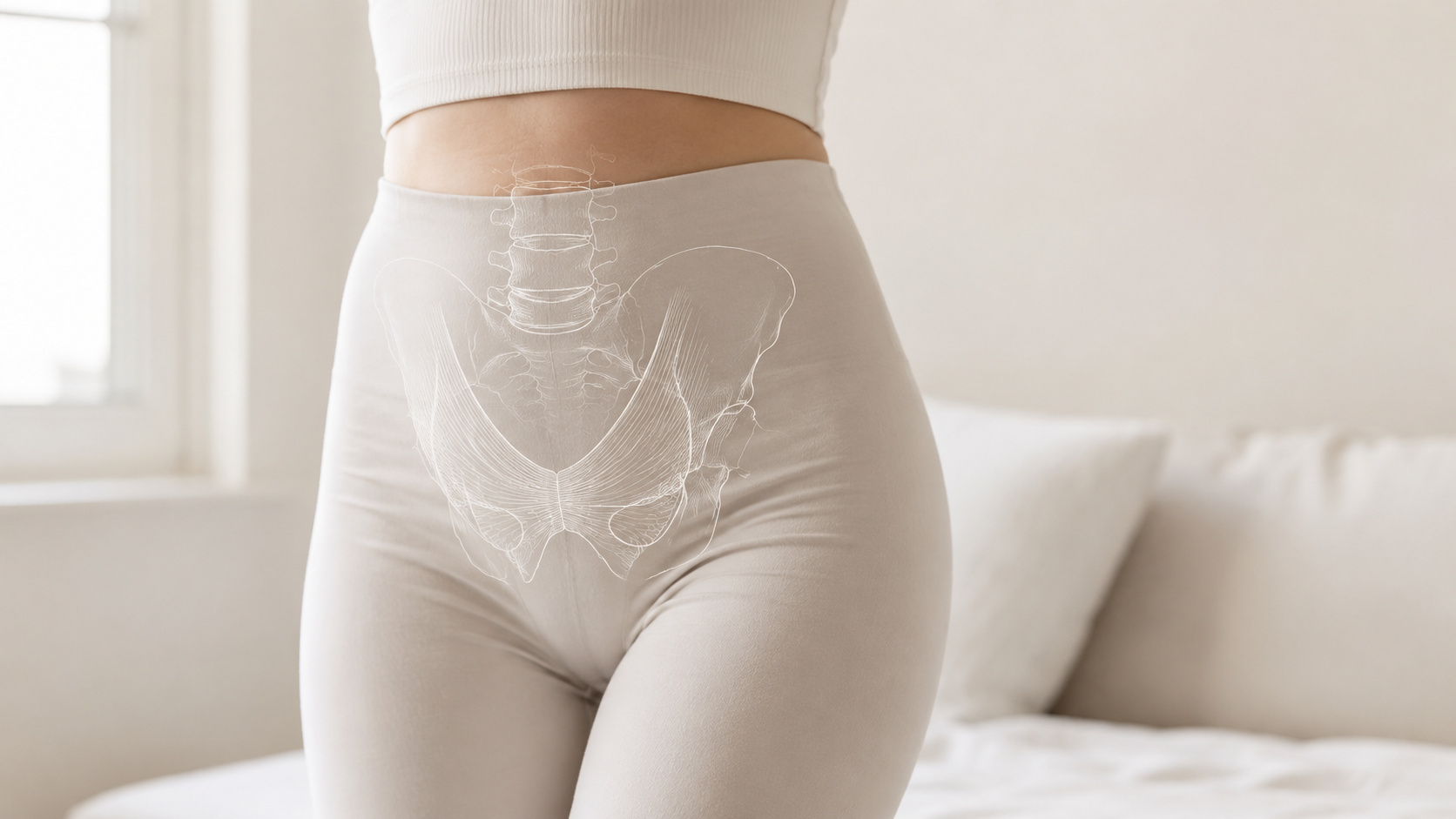
Some patients with chronic pelvic pain, pudendal neuralgia, pelvic dystonia, PGAD, pelvic floor dysfunction, endometriosis-related pain overlap, or pelvic nerve pain may ask whether infusions can help. MPM evaluates whether the pain pattern appears neuropathic, centralized, refractory, or CRPS-like before considering infusion therapy. Pelvic pain often requires coordinated care, including pelvic floor therapy, gynecology, urology, pain psychology, nerve-targeted procedures, or other specialty evaluation.
Patients with fibromyalgia, post-COVID pain, EBV-related pain, Medical PTSD, autonomic symptoms, mast cell activation concerns, gastroparesis, or POTS-like symptoms may need even more careful screening. These conditions can affect medication tolerance, monitoring needs, psychological safety, and recovery planning.
Safety Screening and Monitoring
Lidocaine infusions may involve cardiac and neurologic risks, including dizziness, numbness, metallic taste, ringing in the ears, confusion, seizure, arrhythmia, or toxicity. Ketamine infusions may involve sedation, dissociation, hallucinations, nausea, blood pressure or heart rate changes, mood changes, anxiety, urinary symptoms, liver considerations, medication interactions, and psychological safety concerns.
MPM uses caution in patients with significant cardiac disease, uncontrolled hypertension, seizure history, severe liver disease, active psychosis, severe uncontrolled psychiatric instability, substance use concerns, pregnancy or breastfeeding considerations, medication interactions, or unstable medical conditions. Patients may need medication review, lab work, cardiac screening, mental health safety review, medical clearance, or coordination with other clinicians before treatment.
Coordinated Care Before and After Infusions
Infusion therapy works best when it is connected to the rest of the pain plan. A patient may also need medication management, pain psychology, biofeedback, acupuncture, procedures, sympathetic blocks, pelvic specialty care, neurology, rheumatology, or rehabilitation. MPM monitors whether the infusion changes pain intensity, function, flare patterns, mood, autonomic symptoms, or treatment tolerance.
If an infusion helps, future treatment may be considered at clinically appropriate intervals. If it does not help, or if side effects are significant, MPM may recommend a different pathway. The goal is not to continue infusions automatically, but to use response data to guide care.
Patients should seek urgent evaluation for chest pain, trouble breathing, fainting, severe confusion, severe agitation, suicidal thoughts, new neurological deficits, seizure, severe allergic reaction, fever, severe abdominal or pelvic pain, bowel or bladder dysfunction, rapidly worsening weakness, or rapidly worsening symptoms.
For selected patients, lidocaine and ketamine infusions may be meaningful advanced tools in complex pain care. MPM’s role is to determine whether the diagnosis, safety profile, monitoring needs, and treatment goals support their use within a coordinated, medically supervised plan.