Autoimmune and 
Inflammatory Disorders

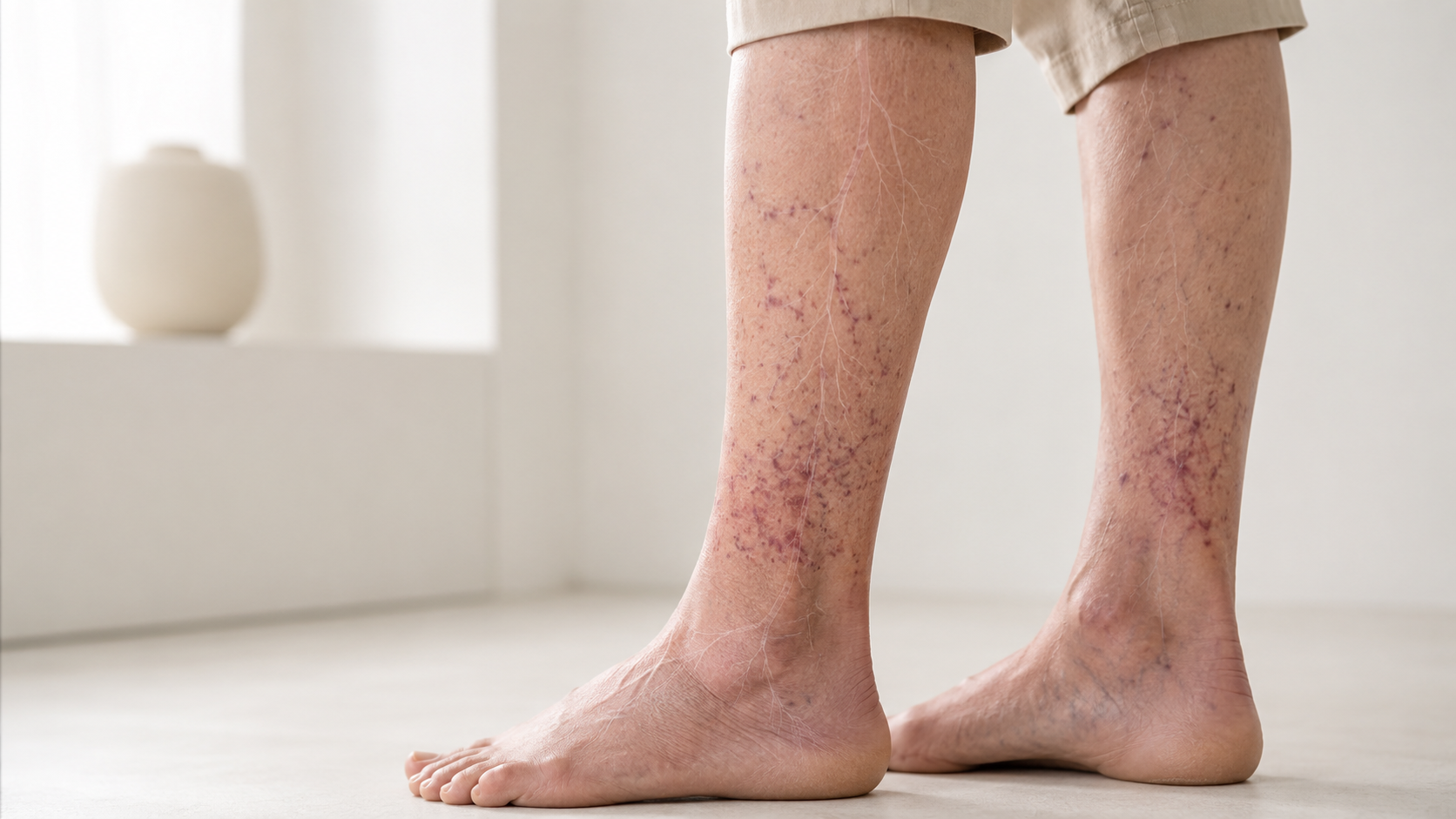
Autoimmune and inflammatory disorders can create pain that goes beyond one joint, muscle, or injury. At Manhattan Pain Medicine, we evaluate how immune dysregulation, systemic inflammation, connective tissue changes, post-infectious syndromes, and nervous system sensitization may contribute to chronic pain, flare patterns, fatigue, stiffness, and impaired healing.

Autoimmune and inflammatory disorders can cause pain throughout the body. Dr. Nino explains the connection and what you can do about it.

About Autoimmune & Inflammatory Disorders

Inflammation is a normal part of healing. It helps the body respond to injury, infection, and stress. But when the immune system becomes dysregulated, inflammation can become excessive, persistent, or misdirected.

This can happen in autoimmune conditions such as rheumatoid arthritis, lupus, psoriatic arthritis, Sjögren’s syndrome, vasculitis, and ankylosing spondylitis. It can also occur after infections such as Lyme disease, Epstein-Barr virus, or COVID, or in overlapping conditions involving mast cell activation, small fiber neuropathy, hypermobility, and chronic pain sensitization.

At Manhattan Pain Medicine, we look at autoimmune and inflammatory pain as part of a larger system. The goal is to understand what is driving the inflammation, how it is affecting the tissues and nervous system, and what needs to be treated first so the body can respond more effectively.

Our Autoimmune & Inflammatory Disorders Team

Autoimmune and inflammatory pain often requires collaboration across rheumatology, pain medicine, rehabilitation, pain psychology, and other clinical perspectives. At Manhattan Pain Medicine, care is coordinated around the patient’s full presentation, including symptoms, lab findings, imaging, physical examination, treatment response, and the broader pain pattern.

When Should I Seek Evaluation?

Patients may benefit from evaluation when pain is associated with prolonged morning stiffness, unexplained swelling, fatigue, brain fog, heat or redness around joints, flares after minor strain, symptoms after infection, hypermobility-related instability, or pain that feels body-wide rather than purely mechanical.

Request An Appointment

APPROACH

Our Approach to Autoimmune & Inflammatory Pain

We evaluate autoimmune and inflammatory pain by looking for the immune, structural, and neurologic factors that may be driving symptoms and interfering with healing.
  • 1

    Discovery

    We begin by identifying the pattern of inflammation, stiffness, pain, fatigue, flares, and tissue sensitivity. This may include a detailed history, physical examination, laboratory testing, review of imaging, musculoskeletal ultrasound, MRI, medication response, and evaluation for related conditions such as hypermobility, mast cell activation, small fiber neuropathy, dysautonomia, or post-infectious syndromes.
  • 2

    Treatment

    Treatment focuses on calming the exaggerated immune or inflammatory response before escalating into structural repair. Care may include anti-inflammatory medication trials, disease-modifying therapies, biologics, low-dose naltrexone, IVIG in selected cases, targeted injections, rehabilitation, and coordinated pain management depending on the clinical driver.
  • 3

    Maintenance

    Once inflammation is better controlled, the focus shifts to preventing flares, protecting tissues, improving function, supporting joint stability, and helping the patient understand which symptoms reflect inflammation, mechanical strain, nervous system sensitization, or a new clinical change.

In autoimmune and inflammatory pain, treatment order matters. If systemic inflammation is active, the body may overreact to mechanical strain, procedures, or even normal tissue stress. We work to identify and calm the inflammatory driver first, then address the structural, neurologic, or rehabilitation needs that remain.

What to Expect During Evaluation

Your evaluation may include a detailed review of pain patterns, morning stiffness, swelling, fatigue, flare triggers, prior lab results, imaging, medication response, and family or infection history. When appropriate, the team may use advanced imaging, musculoskeletal ultrasound, targeted medication trials, or diagnostic injections to help determine whether inflammation is contributing to the pain.

Request An Appointment

RELATED CONDITIONS

Conditions Related to Autoimmune & Inflammatory Pain

Autoimmune and inflammatory disorders can overlap with many chronic pain conditions. The condition list below connects this zone with related diagnoses, symptoms, and clinical patterns that may require coordinated evaluation.

Why Inflammation Changes the Treatment Path

Inflammation can amplify pain, sensitize nerves, weaken connective tissue, and make the body more reactive to strain or procedures. Understanding whether inflammation is active helps determine which treatments should come first and which treatments may need to wait until the system is more stable.

PATIENT STORIES

Real Patients. Real Progress.

Hear from patients who came to Manhattan Pain Medicine looking for answers, clarity, and a more thoughtful path forward.
  • Michael O.

    5 star review

    These guys are the best. I've been going here for over 6 years and their familiarity with my Schwannomatosis (most ppl have never even heard of it - its rather rare) and their ability to diagnose my CRPS quickly and accurately and then treat it like I was merely getting a flu shot is just incredible...

    Google

  • John A.

    5 star review

    Highly recommended for those who need Pain Management. Everyone at Manhattan Pain Medicine is extremely nice and helpful. I have had very good interactions with both Dr. Siefferman and Dr. Louis. All of the staff is very responsive. 5 stars.

    Google

  • Rakhee K.

    5 star review

    The providers at Manhattan Pain Medicine are exceptional. I wish I had found them 30 years ago!

    Google

  • Annie R.

    5 star review

    I genuinely can’t say enough good things about the team at Manhattan Pain Medicine. I have MCAS, EDS, and an inflammatory autoimmune disease, and I’ve basically been searching for answers since I was a kid. I had years of unexplained inflammation markers, chronic pain, and allergic reactions despite...

    Google

  • Karine S.

    5 star review

    I have a complex medical history and have seen a lot of doctors over the years. Dr. Mikaberidze and Dr. Siefferman each took the time to really listen and understand everything I had been dealing with. I also appreciated how they work together and communicated about my care. I left with a plan that...

    Google

  • Edwin F-S.

    5 star review

    Sharing my gratitude for the pleasant experience last week during my visit, the medical team provided great care and also treated my session as a learning experience, I left my session with a wealth of knowledge. A big thank you to the kind, and professional staff who welcomed me to the office as a...

    Google

  • Madaline. M

    5 star review

    I cannot say enough good things about Manhattan Pain Medicine. From the moment I walked in, I felt truly cared for and taken seriously. Dr. Nino Mikaberidze, Director of Rheumatology, is exceptional — knowledgeable, compassionate, and incredibly thorough. She takes the time to listen, explains every...

    Google

  • Lauren W.

    5 star review

    Dr Siefferman is the most thorough, patient doctor I have even been to. Currently I travel from miami to nyc to see him because his bed side manner and desire to help is incomparable.

    ZocDoc

  • Dana S.

    5 star review

    This practice is wonderful. I have been a patient of Dr. Siefferman’s since 2019 and he’s extremely helpful and kind. He has brought in a Rheumatologist who is also great. They handle very complex pain issues and always try to find new ways to help me.

    Google

  • Frans M.

    5 star review

    Dr. Siefferman is an incredible doctor! He is extremely diligent and knowledgeable. It feels like you are his only patient. He invests a lot of time and effort into your injuries and concerns. I did not find these wonderful qualities with other pain specialists before, who were always rushed and som...

    ZocDoc

  • Gregory S.

    5 star review

    Dr. Siefferman is a doctor who combines the old world bedside manner of doctors from my childhood (60 years ago) with a sta te of the art embrace of modern technology. It is always a pleasure to have an appointment with him...always has options and solutions to my medical issues. He is truly the doc...

    ZocDoc

  • Judith R.

    5 star review

    Dr. Siefferman is a genius. He is very informed and listens attentively.

    ZocDoc

  • Joshua M.

    5 star review

    Dr. Siefferman and his entire team continue to be efficient, dedicated, and driven by precision and a genuine desire to give fantastic care. Will always recommend.

    ZocDoc

  • Michael W. S

    5 star review

    Doctor Siefferman is fantastic. Have been seeing him for 5 years. Couldn’t recommend more.

    ZocDoc

  • Stephanie G.

    5 star review

    Dr. Siefferman is the ONLY doctor who has ever been able to diagnose my pain and treat it. He is hands down the best

    ZocDoc

FAQ

Frequently Asked Questions

Common questions about autoimmune pain, inflammatory disorders, seronegative disease, and how Manhattan Pain Medicine approaches evaluation and treatment.

Understanding Insurance Before You Begin

Before care begins, our team helps patients understand the practical side of treatment, including insurance verification, out-of-network benefits, cost-share estimates, self-pay options, and billing questions. We believe patients should have as much clarity as possible before moving forward.

Insurance & Billing

Find Out Whether Inflammation Is Driving the Pain

If pain is associated with morning stiffness, swelling, fatigue, flare patterns, hypermobility, post-infectious symptoms, or unexplained systemic inflammation, our team can help evaluate whether autoimmune or inflammatory drivers may be contributing and guide the next step in care.

Request An Appointment

RESEARCH

Research on Autoimmune & Inflammatory Disorders

Explore MPM research related to autoimmune and inflammatory pain, including studies and clinical research efforts that help clarify how inflammation, connective tissue changes, and nervous system sensitization may contribute to complex pain.
GO DEEPER

Autoimmune & Inflammatory Disorders: The MPM Approach

Autoimmune and inflammatory pain can affect joints, connective tissue, nerves, and the body as a whole. Our approach begins by identifying whether inflammation is active, what may be driving it, and how it interacts with the patient’s broader pain pattern.

Autoimmune and inflammatory disorders occur when the immune system becomes dysregulated and creates inflammation that is excessive, persistent, or misdirected. Inflammation is part of normal healing, but when it stays active or attacks the wrong tissues, it can create pain, stiffness, fatigue, tissue irritation, and nervous system sensitization.

At Manhattan Pain Medicine, we evaluate autoimmune and inflammatory pain as part of the full clinical picture. The question is not simply whether a patient has a named autoimmune diagnosis. The question is whether inflammation is contributing to pain, impairing healing, amplifying the nervous system, or changing the order in which treatment should happen.

Why Inflammation Matters in Pain Care

Inflammation can change the behavior of tissues and nerves. Inflamed tissue releases chemical mediators that make surrounding nerves more reactive. This can cause pain to spread, intensify, or persist even when the original mechanical strain seems minor.

In patients with hypermobility or connective tissue laxity, inflammation can be especially disruptive. A small mechanical strain may create a larger-than-expected immune response. When the immune system overreacts to irritation, the body can turn a minor strain into a severe flare.

Inflammation can also affect collagen and connective tissue. In some autoimmune conditions, the immune system may contribute to tissue breakdown, joint laxity, tendon irritation, ligament pain, or progressive instability. For this reason, the inflammatory system must be understood before structural repair is considered.

Common Clinical Patterns

Seronegative Inflammatory Disease

Some patients have inflammatory symptoms even when standard autoimmune blood tests appear normal. These are often called seronegative conditions. In these cases, the diagnosis may depend on the clinical pattern, physical examination, medication response, ultrasound, MRI, or signs of inflammation in tendons, ligaments, joints, or soft tissues.

Morning Stiffness and Systemic Flares

Mechanical pain often worsens with use. Inflammatory pain often behaves differently. Patients may wake with deep stiffness, pain, swelling, or heaviness that improves slowly with movement and worsens again after prolonged inactivity. Fatigue, brain fog, and whole-body flares may also point toward an inflammatory driver.

Enthesitis and Soft-Tissue Inflammation

Enthesitis is inflammation where tendons or ligaments attach to bone. It can be severe and focal, especially in conditions such as psoriatic arthritis or other spondyloarthropathies. Enthesitis may appear around the sacroiliac region, pelvis, ribs, Achilles tendon, shoulder, jaw, or other attachment points.

Inflammation, Nerve Sensitivity, and Systemic Sensitization

Inflammation does not only affect joints. It can sensitize the nervous system and make the body more reactive to normal stimuli. Patients may experience widespread pain, burning, tingling, fatigue, temperature sensitivity, autonomic symptoms, or pain that seems disproportionate to visible findings.

Discovery

Discovery begins with the pattern. We look at where symptoms occur, when they are worst, what triggers flares, what improves them, and whether the pain behaves mechanically, inflammatory, neurologically, or as a combination.

Evaluation may include a detailed history, physical examination, review of prior labs, targeted laboratory testing, musculoskeletal ultrasound, MRI review, medication response, and assessment for related conditions such as hypermobility, mast cell activation, small fiber neuropathy, dysautonomia, post-infectious syndromes, or chronic pain sensitization.

When standard labs are normal but the clinical picture suggests inflammation, the team may look for other forms of evidence. A short anti-inflammatory or steroid trial may help clarify whether inflammation is a meaningful driver. Advanced imaging may reveal synovitis, tenosynovitis, ligament thickening, tendon inflammation, or early erosive changes that standard X-rays can miss.

Treatment

Treatment starts by controlling the fire. If autoimmune or inflammatory activity is active, it often needs to be addressed before procedures, rehabilitation progression, or regenerative treatments can succeed.

  • Anti-inflammatory trials: A carefully selected medication trial may help determine whether inflammation is a major contributor to pain, stiffness, fatigue, or flare patterns.
  • DMARDs: Disease-modifying antirheumatic drugs may be used to calm the immune response and reduce ongoing inflammatory activity.
  • Biologic therapies: For more severe, progressive, or treatment-resistant inflammatory disease, targeted biologic medications may be considered to block specific inflammatory pathways.
  • Low-dose naltrexone: Low-dose naltrexone may be used off-label in selected patients as part of a broader strategy to reduce immune hyper-reactivity and pain amplification.
  • IVIG: Intravenous immunoglobulin may be considered in selected cases where autoimmune symptoms overlap with immune deficiency, severe small fiber neuropathy, or broader immune dysregulation.
  • Targeted injections: Diagnostic or therapeutic injections may help determine whether a joint, tendon, ligament, or enthesis is inflamed and contributing to the pain pattern.
  • Rehabilitation and pain psychology: Once inflammation is better controlled, movement retraining, pacing strategies, and pain psychology can support function, confidence, and long-term self-management.

Why Treatment Order Matters

Regenerative medicine depends on a controlled healing response. Treatments such as prolotherapy and platelet-rich plasma are designed to stimulate tissue repair. If the immune system is actively dysregulated, that controlled response may become excessive and painful.

For this reason, MPM works to identify and calm autoimmune or inflammatory activity before pursuing structural repair when inflammation appears to be active. The goal is not to avoid regenerative or procedural care, but to choose the right timing and sequence.

Maintenance

Maintenance begins when inflammation is better understood, major flare drivers are controlled, and the patient has a clearer plan for recognizing and responding to symptoms. Some patients may require ongoing medication management. Others may need periodic monitoring, rehabilitation, flare plans, or coordination across specialties.
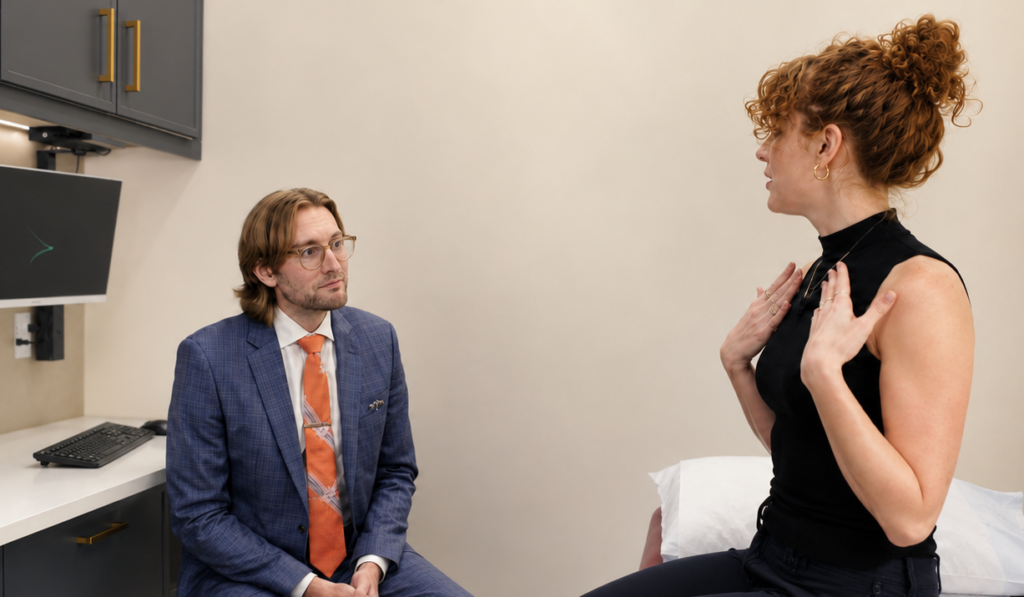
Long-term care focuses on helping patients distinguish between inflammatory flares, mechanical strain, nerve sensitization, and new clinical changes. This body literacy helps reduce fear, prevent unnecessary escalation, and support more confident self-management.