Morton’s Neuroma
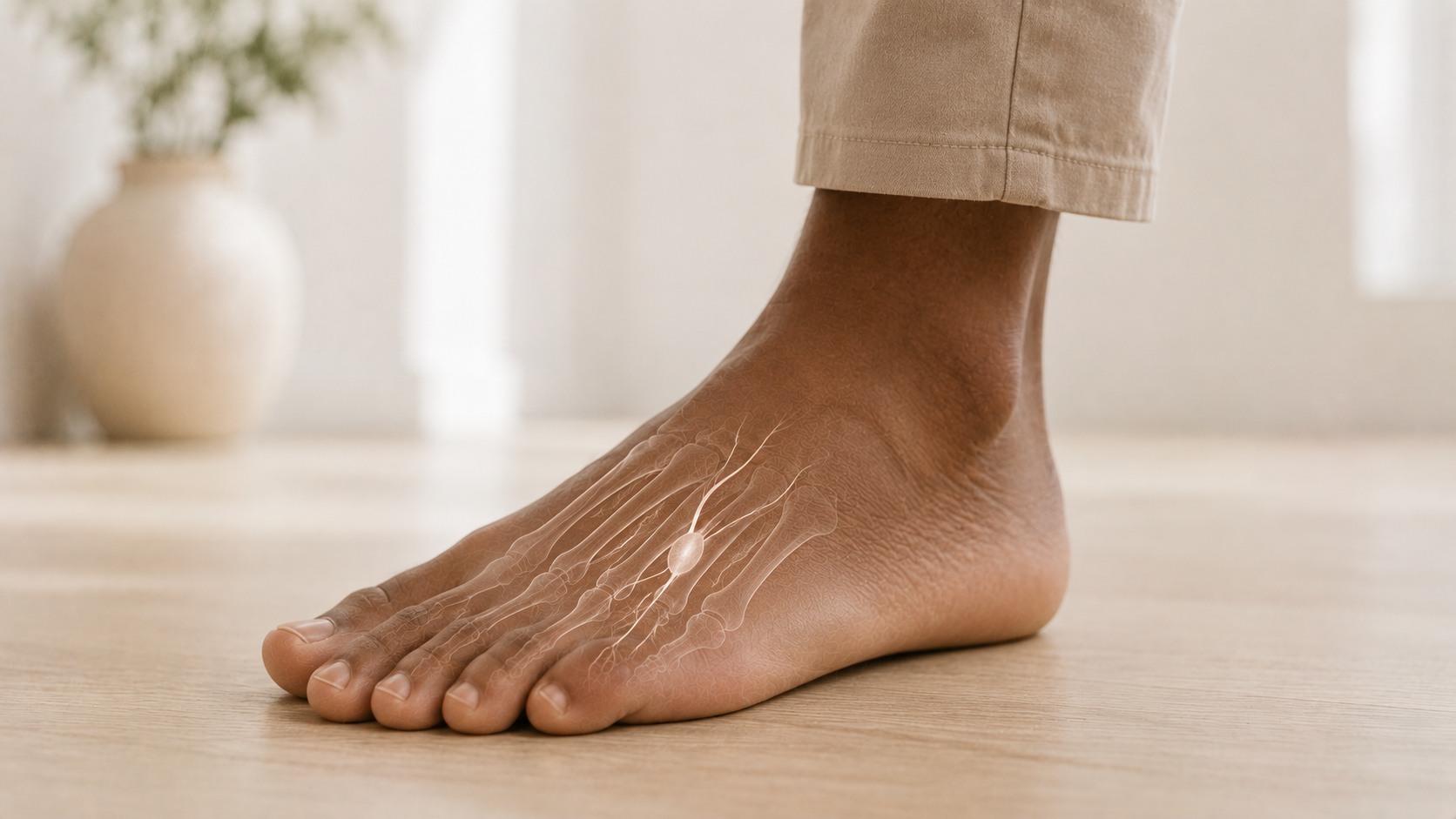
Morton’s neuroma is a nerve irritation condition that usually affects the ball of the foot, often between the third and fourth toes. It occurs when the tissue around a forefoot nerve becomes irritated, thickened, compressed, or sensitized.
Patients may feel burning pain, tingling, numbness, electric irritation, toe symptoms, or pain that feels like stepping on a pebble or marble. Symptoms often worsen with walking, running, standing, high heels, narrow shoes, or pressure through the forefoot.
Although Morton’s neuroma is a common cause of forefoot nerve pain, it should not be assumed based on symptoms alone. Many other foot, nerve, joint, tendon, ligament, inflammatory, and chronic pain conditions can create similar symptoms.
What Morton’s Neuroma Can Feel Like
Morton’s neuroma may cause pain in the ball of the foot, usually between the metatarsal heads near the base of the toes. The pain may feel burning, sharp, electric, tingling, numb, or pressure-like. Some patients feel irritation that spreads into the toes.
A classic description is the feeling of walking on a pebble, marble, or folded sock. Others describe needing to take off their shoe and rub the foot during walking or activity.
Symptoms may come and go at first. Over time, pain can become more persistent if the nerve remains irritated or the underlying mechanical driver is not addressed.
Why Morton’s Neuroma Happens
Morton’s neuroma is often related to pressure through the forefoot. Narrow shoes, high heels, repetitive walking or running, foot shape, forefoot overload, and certain gait patterns may increase irritation around the interdigital nerve.
Other factors may contribute as well. Hypermobility, EDS, chronic sprain patterns, joint instability, tendon overload, arthritis, inflammatory disease, or altered foot mechanics may change how pressure moves through the ball of the foot.
The goal of evaluation is to understand why the nerve region is irritated and whether the symptoms are truly coming from Morton’s neuroma or another condition.
Morton’s Neuroma vs. Metatarsalgia
Morton’s neuroma and metatarsalgia often overlap in patient descriptions because both can cause ball-of-foot pain. Metatarsalgia refers to pain and inflammation under the metatarsal heads. Morton’s neuroma refers to nerve irritation between the toes.
Metatarsalgia may feel more like aching, soreness, pressure, or pain under the ball of the foot. Morton’s neuroma is more likely to cause burning, tingling, numbness, electric pain, or toe symptoms. However, the symptoms can overlap, and some patients may have more than one contributor.
MPM evaluates the location, nerve symptoms, tenderness pattern, footwear triggers, walking mechanics, and imaging findings when available to help distinguish these conditions.
Morton’s Neuroma vs. Tarsal Tunnel Syndrome and Peripheral Neuropathy
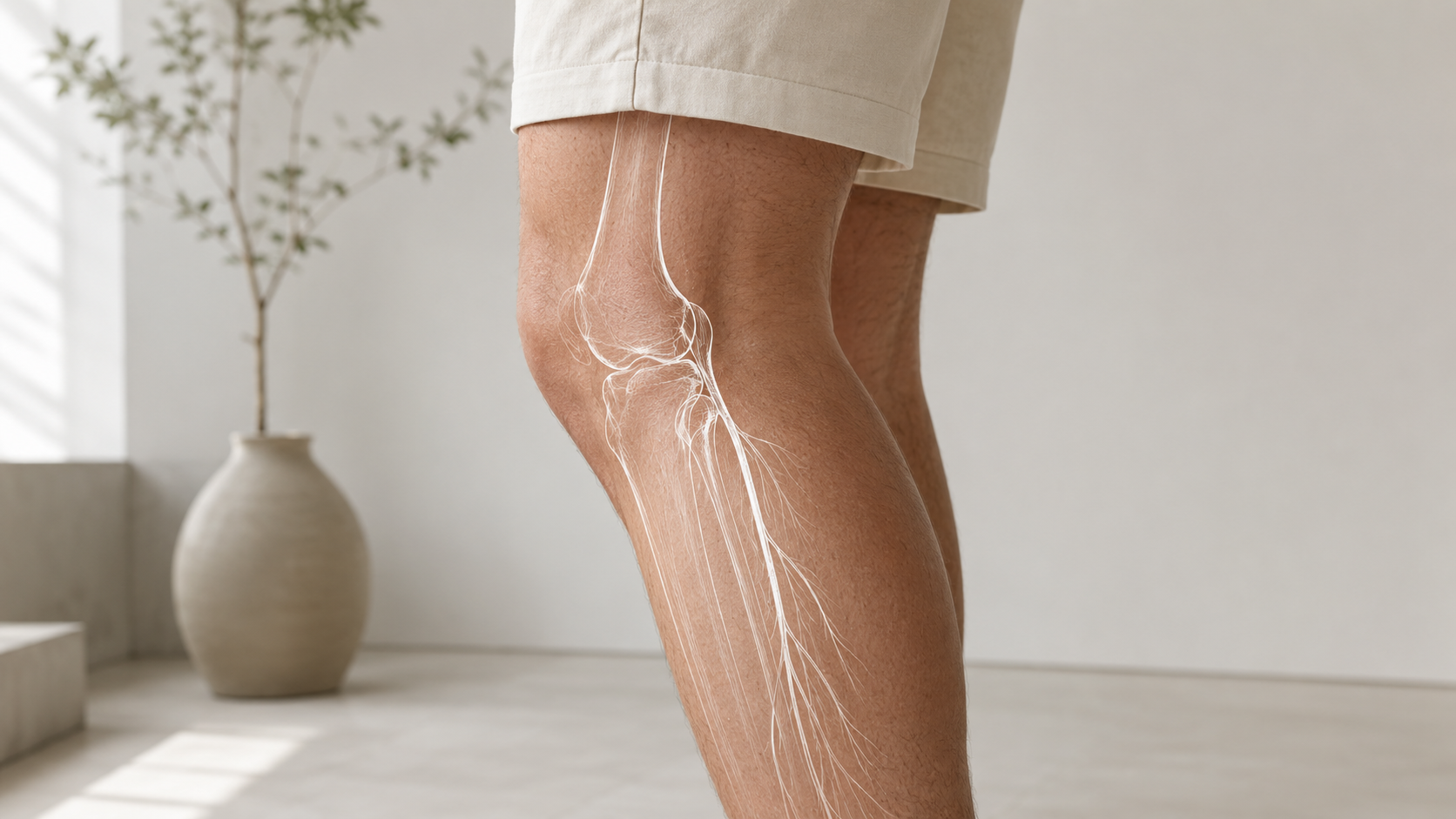
Tarsal tunnel syndrome and peripheral neuropathy can also cause burning, tingling, numbness, or electric pain in the foot. Tarsal tunnel syndrome usually involves the tibial nerve near the inside of the ankle and may affect the bottom of the foot or toes. Peripheral neuropathy often causes more diffuse symptoms, sometimes affecting both feet.
Morton’s neuroma is usually more localized to the forefoot and toes. However, symptoms do not always follow a perfect pattern. Some patients have overlapping local nerve irritation, neuropathy, spine-related nerve symptoms, or inflammatory pain.
This is why MPM evaluates the broader nerve pathway when symptoms include burning, tingling, numbness, or electric pain.
Hypermobility, EDS, and Forefoot Nerve Irritation
Patients with hypermobility spectrum disorder or Ehlers-Danlos syndrome may experience recurrent foot pain because of altered joint stability, ligament laxity, proprioceptive strain, or abnormal pressure distribution. The forefoot may absorb more load during standing, walking, or push-off.
This can contribute to metatarsalgia, Morton’s neuroma-like symptoms, chronic sprain patterns, tendon irritation, joint pain, or nerve sensitivity. Orthotics or shoe changes may help some patients, but persistent symptoms may require a broader evaluation of gait, stability, strength, and pain generators.
MPM considers hypermobility when the history suggests recurrent injuries, joint laxity, instability, multi-joint pain, or symptoms that do not respond as expected to standard care.
Why Morton’s Neuroma Can Become Chronic
Morton’s neuroma symptoms can become chronic when the nerve continues to be irritated or when the underlying cause of forefoot pressure is not addressed. Pain may persist despite shoe changes, orthotics, rest, stretching, or medication if there is ongoing nerve compression, joint overload, tendon strain, inflammation, or altered gait.
Chronic pain may also lead to guarding, activity avoidance, and changes in walking mechanics. These compensations can place stress on the ankle, knee, hip, pelvis, or lower back.
A diagnosis-first evaluation helps determine whether treatment should focus on the neuroma itself, forefoot load, nerve sensitivity, hypermobility, inflammation, or another pain source.
How MPM Evaluates Morton’s Neuroma
MPM begins with a detailed history and physical exam. The evaluation reviews where the pain is felt, whether symptoms spread into the toes, what shoes worsen symptoms, how long the pain lasts, whether numbness or tingling is present, and what treatments have already been tried.
The exam may assess forefoot tenderness, nerve irritation, joint mobility, gait, footwear mechanics, swelling, sensory changes, and signs of inflammatory or neuropathic involvement. Prior X-rays, MRI, ultrasound, EMG, or other testing may be reviewed when available.
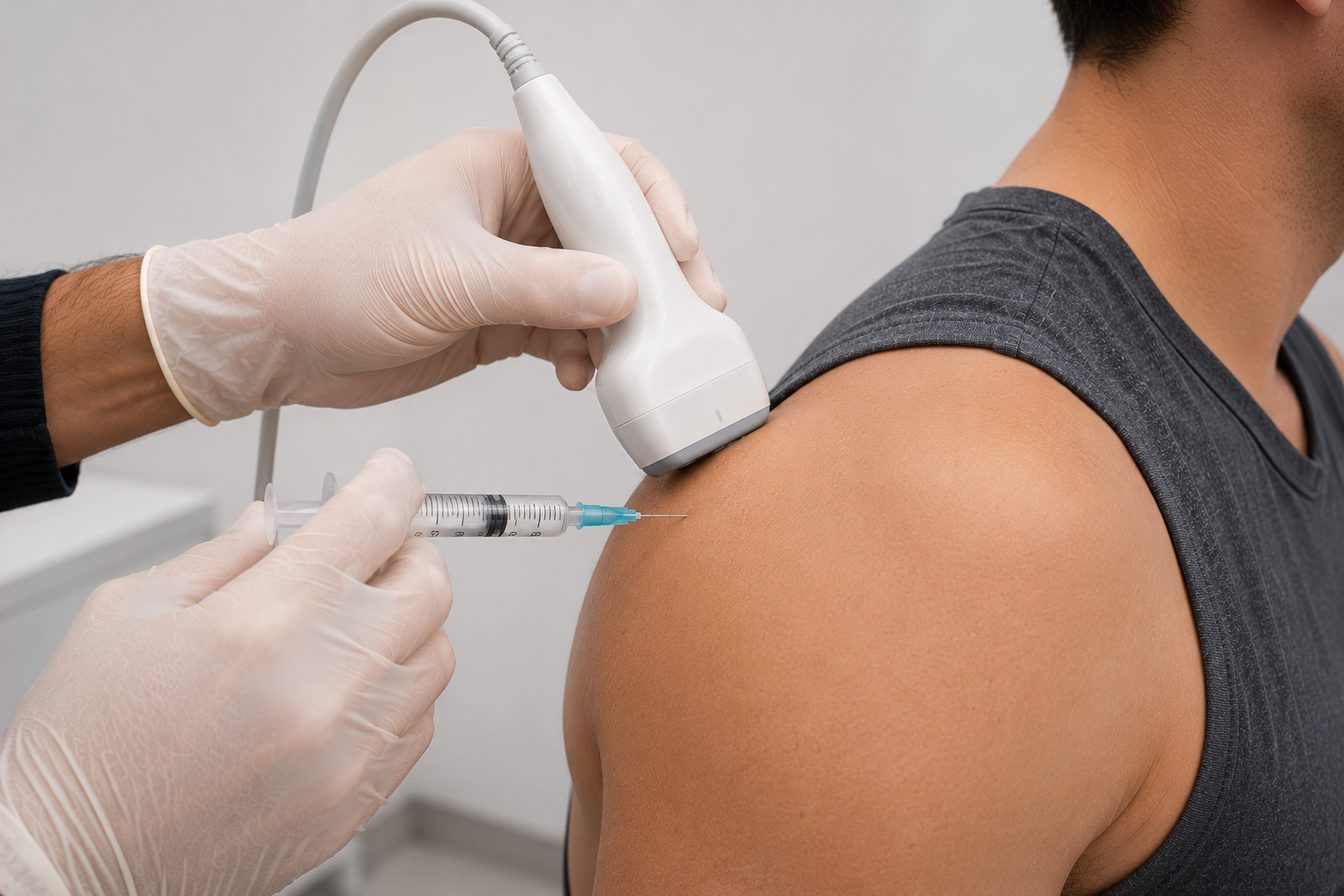
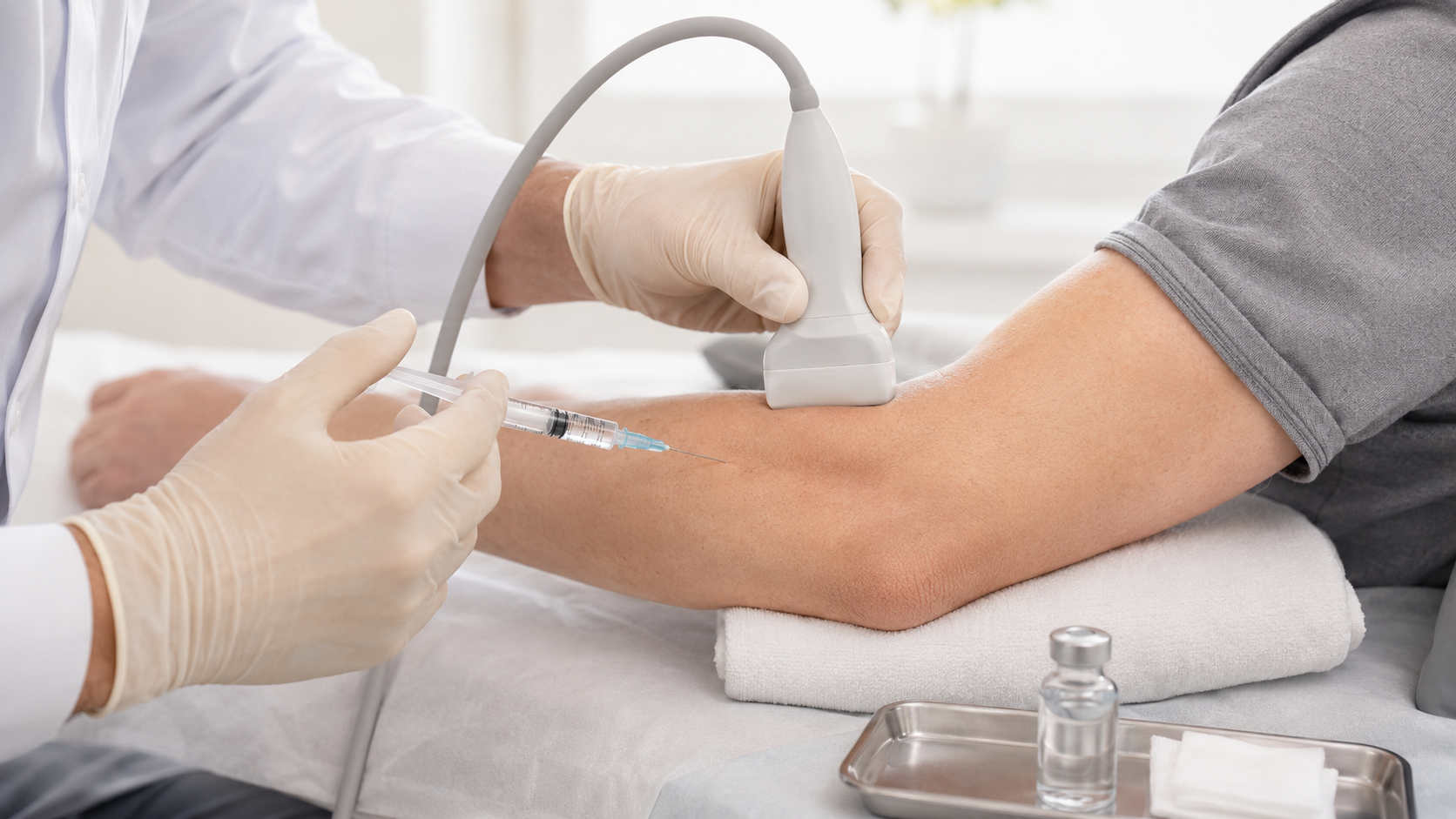
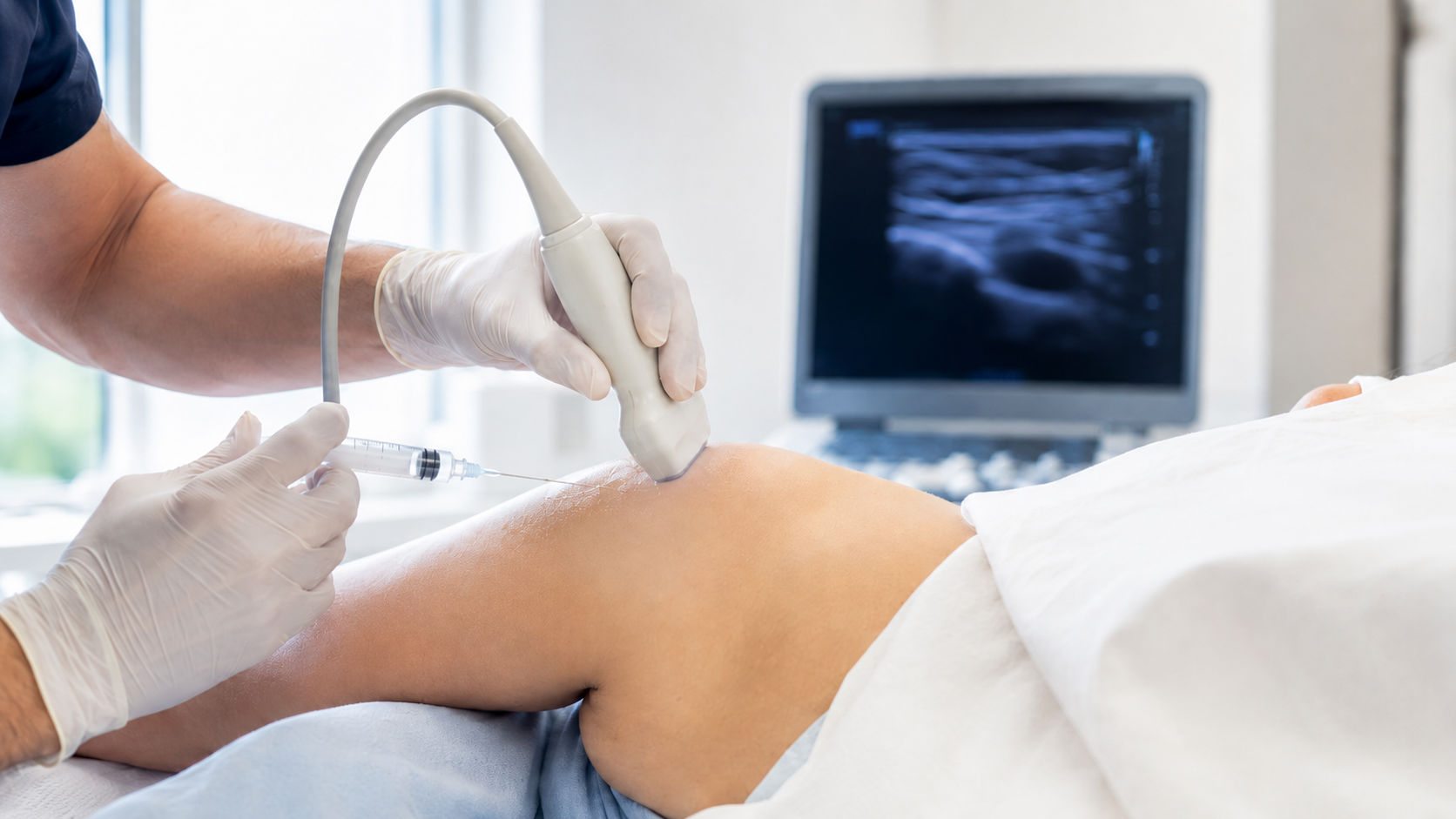
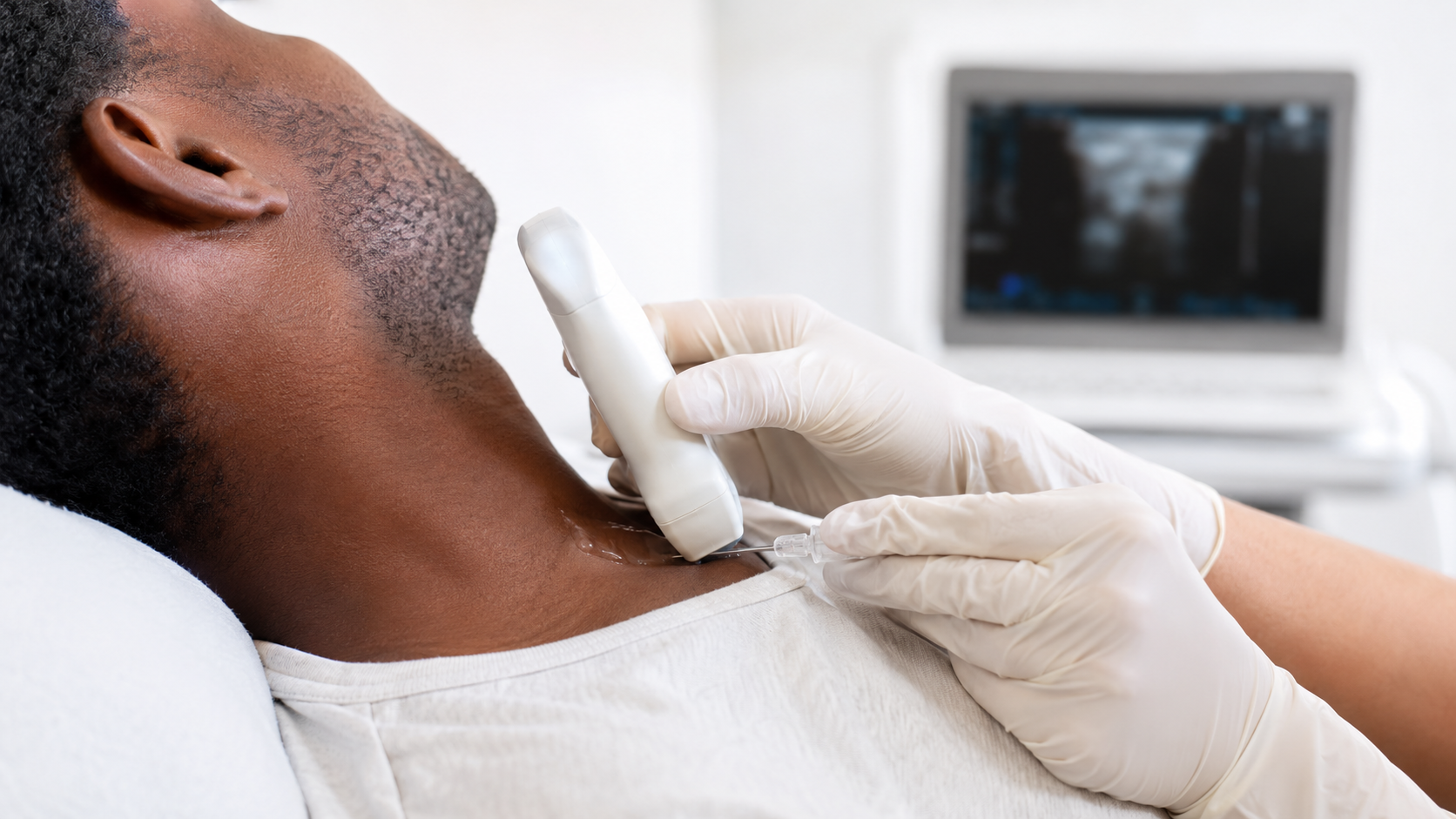
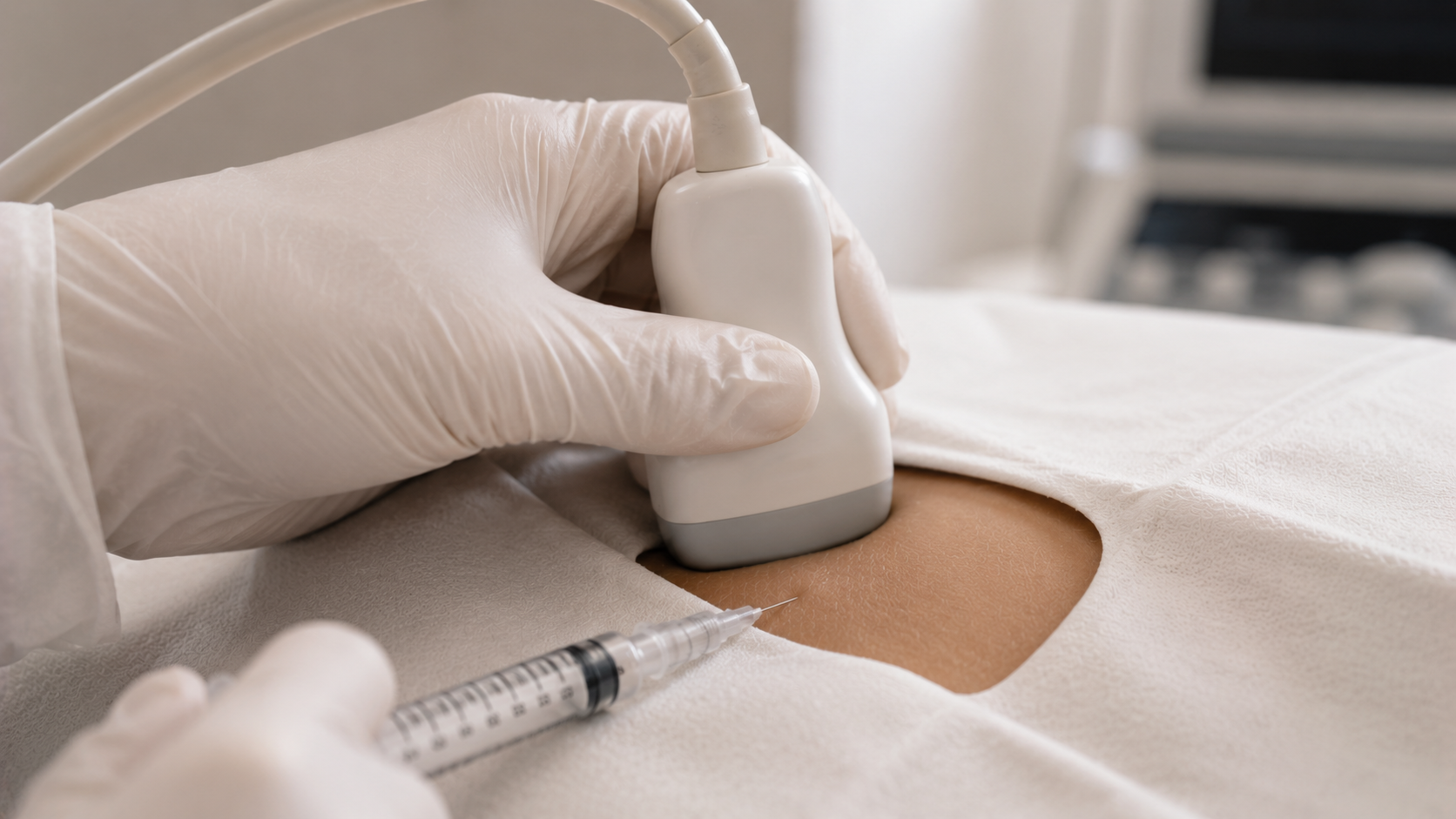
Diagnostic ultrasound may be considered when the clinical question involves a suspected Morton’s neuroma or another soft tissue, joint, tendon, ligament, or nerve-related contributor that may be evaluated with ultrasound.
Treatment Options for Morton’s Neuroma
Treatment depends on the severity and source of symptoms. Conservative options may include shoe modification, wider toe-box footwear, avoiding high-pressure shoes, metatarsal pads, orthotic coordination, activity modification, physical therapy coordination, and medication management when appropriate.
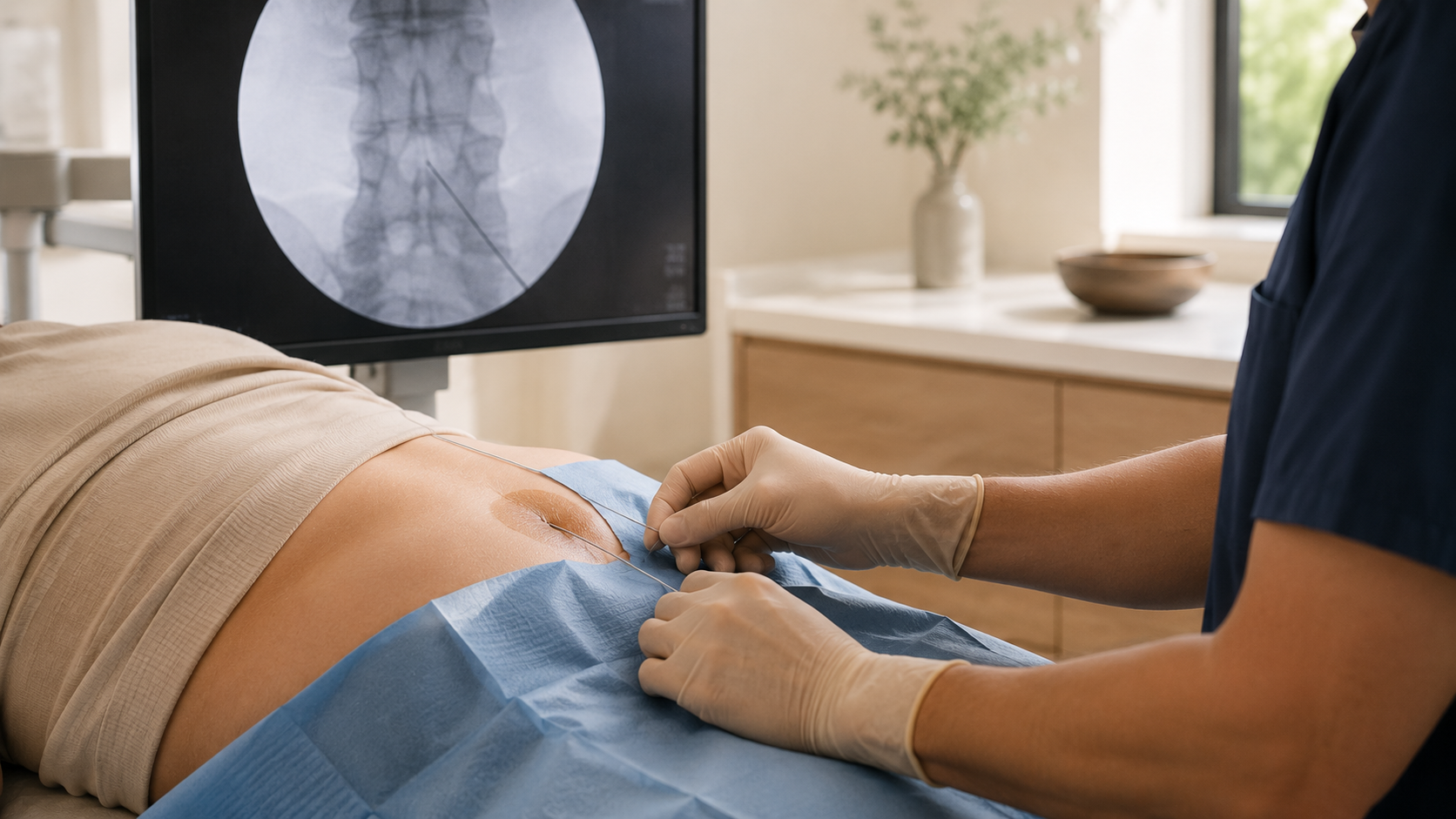
When the evaluation suggests a specific nerve or inflammatory target, ultrasound-guided injections may be considered. Steroid injections may be considered in selected cases when inflammation is likely and the risk profile is appropriate. Peripheral nerve blocks may be considered for selected nerve pain patterns.
Regenerative options such as PRP or prolotherapy may be considered only when a specific musculoskeletal contributor is identified and after careful review of diagnosis, anatomy, goals, risk, and evidence. They are not automatic treatments for Morton’s neuroma.
When Other Specialists May Be Needed
Some patients may need coordination with podiatry, orthopedics, rheumatology, neurology, endocrinology, vascular medicine, or primary care. Referral may be appropriate when symptoms suggest stress fracture, severe arthritis, gout, inflammatory arthritis, diabetic foot complications, infection, vascular disease, progressive neuropathy, or a surgical condition.
MPM’s role is to identify the likely pain generator, provide pain-focused treatment when appropriate, and coordinate care when another specialist is needed.
When Symptoms Require Urgent Evaluation
Patients should seek urgent evaluation for sudden inability to bear weight, severe swelling, deformity, open wound, spreading redness, fever, a hot swollen joint, sudden severe pain, new numbness or weakness, color or temperature change in the foot, loss of pulses, diabetic foot wound, suspected infection, trauma, or rapidly worsening symptoms.
Morton’s neuroma-like symptoms can overlap with metatarsalgia, plantar plate injury, stress fracture, arthritis, gout, tarsal tunnel syndrome, peripheral neuropathy, tendon injury, ligament injury, infection, vascular disease, and complex regional pain syndrome. Red flags should not be ignored.
How MPM Approaches Morton’s Neuroma Care
MPM approaches Morton’s neuroma through a diagnosis-first process. The goal is to understand whether forefoot pain is coming from local nerve irritation, metatarsalgia, joint inflammation, tendon or ligament injury, tarsal tunnel syndrome, peripheral neuropathy, gout, arthritis, hypermobility, or a broader chronic pain pattern.
For patients looking for Morton’s neuroma treatment in Manhattan or NYC, MPM offers a careful pain medicine perspective focused on localization, nerve pattern recognition, diagnostic ultrasound when appropriate, targeted image-guided care, and coordination with the right specialists. Treatment is individualized and selected only after the likely pain generator is identified.