Stellate Ganglion Block
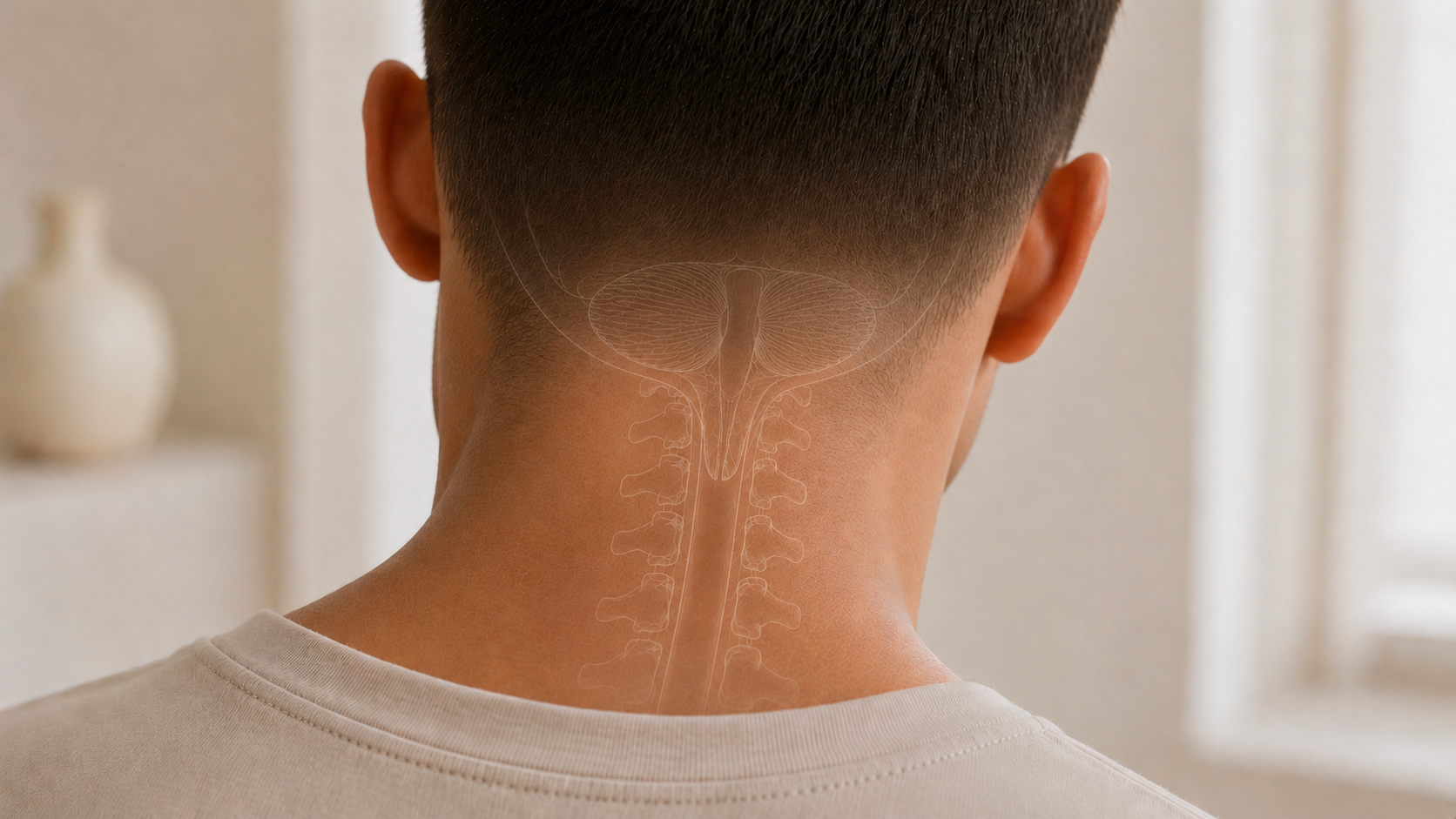
A stellate ganglion block is a targeted sympathetic nerve block performed near the stellate ganglion, a nerve structure located in the neck. The stellate ganglion is part of the sympathetic nervous system and can influence pain signaling, blood flow, temperature, sweating, and autonomic responses involving the head, neck, upper chest, and upper extremity.
At Manhattan Pain Medicine (MPM), stellate ganglion block NYC care begins with diagnosis-first evaluation. The goal is to determine whether the stellate ganglion is a clinically reasonable target, whether the procedure can be performed safely, and how the response may guide the broader care plan.
How the Sympathetic Nervous System Can Influence Pain
The sympathetic nervous system can become involved in some acute and chronic pain states. In selected patients, pain may be associated with temperature changes, color changes, swelling, sweating changes, hypersensitivity, circulation-like symptoms, or nervous system activation. These features may occur in CRPS and other complex pain conditions.
However, these symptoms are not specific to one diagnosis. Similar features can occur with vascular conditions, neurological disease, inflammatory disease, spine-related pain, peripheral nerve entrapment, hypermobility-related conditions, autonomic dysfunction, post-viral syndromes, medication effects, or central sensitization. MPM evaluates these possibilities before recommending a stellate ganglion block.
Stellate Ganglion Block for CRPS and Upper Extremity Pain
A stellate ganglion block may be considered for selected upper limb CRPS or upper extremity pain patterns when sympathetic involvement appears likely. CRPS may involve severe pain, sensitivity, color changes, temperature changes, sweating changes, swelling, stiffness, and movement limitation.
A stellate ganglion block does not cure CRPS. If relief occurs, it may help support participation in rehabilitation, desensitization, physical therapy, medication management, pain psychology, or functional restoration. The response may also help guide discussion of spinal cord stimulation, dorsal root ganglion stimulation, or other neuromodulation options in selected patients.
Stellate Ganglion Block for Autonomic Symptoms, Medical PTSD, and Post-COVID Overlap
Some patients ask about stellate ganglion block for autonomic symptoms, medical PTSD-related nervous system activation, or post-COVID dysautonomia-type symptoms. These are complex areas that require careful, individualized evaluation. Evidence for SGB in PTSD and post-COVID symptoms is still evolving, and the procedure should not be presented as a cure or a replacement for evidence-based mental health care, autonomic evaluation, neurology, cardiology, rehabilitation, or primary medical care.
MPM evaluates the patient’s symptom pattern, medical history, psychiatric stability, trauma history, medications, safety factors, and care goals before discussing whether SGB may be reasonable. For some patients, pain psychology, biofeedback, medication management, autonomic care, or specialty coordination may be more appropriate or should be part of the same care plan.
What to Expect During the Procedure
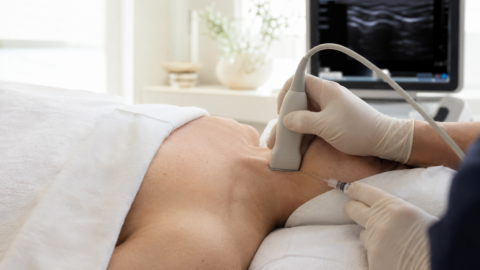
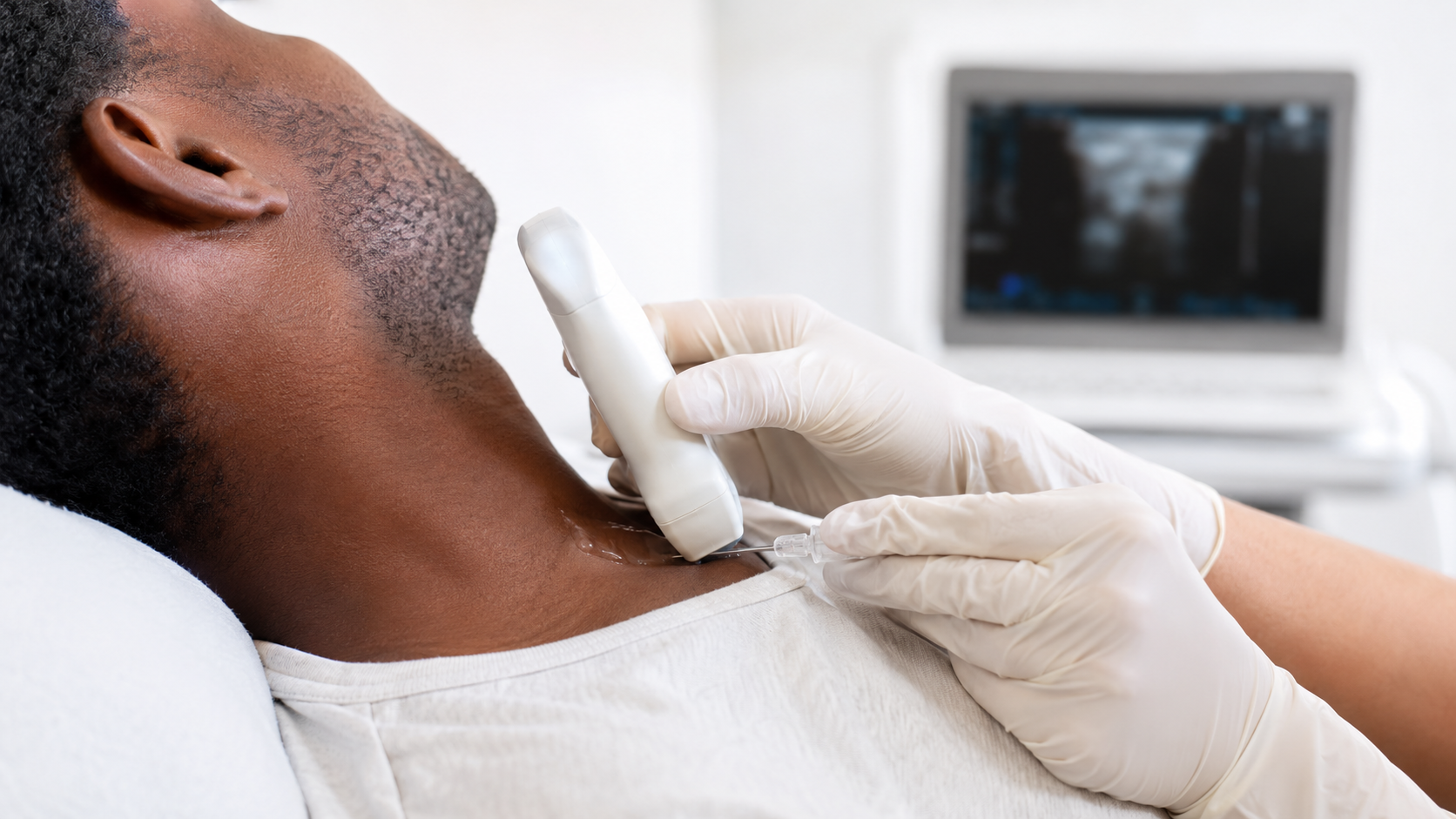
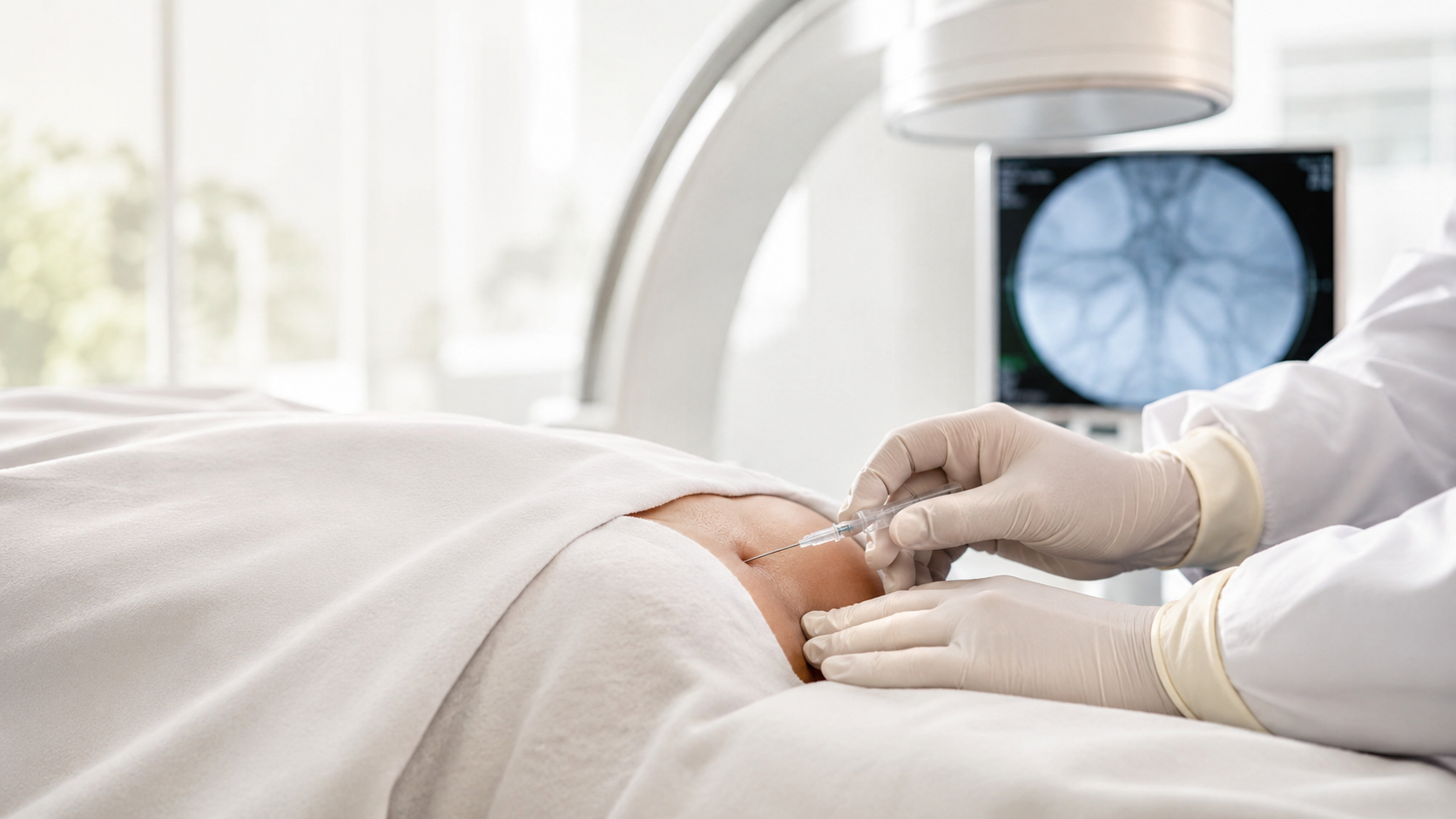
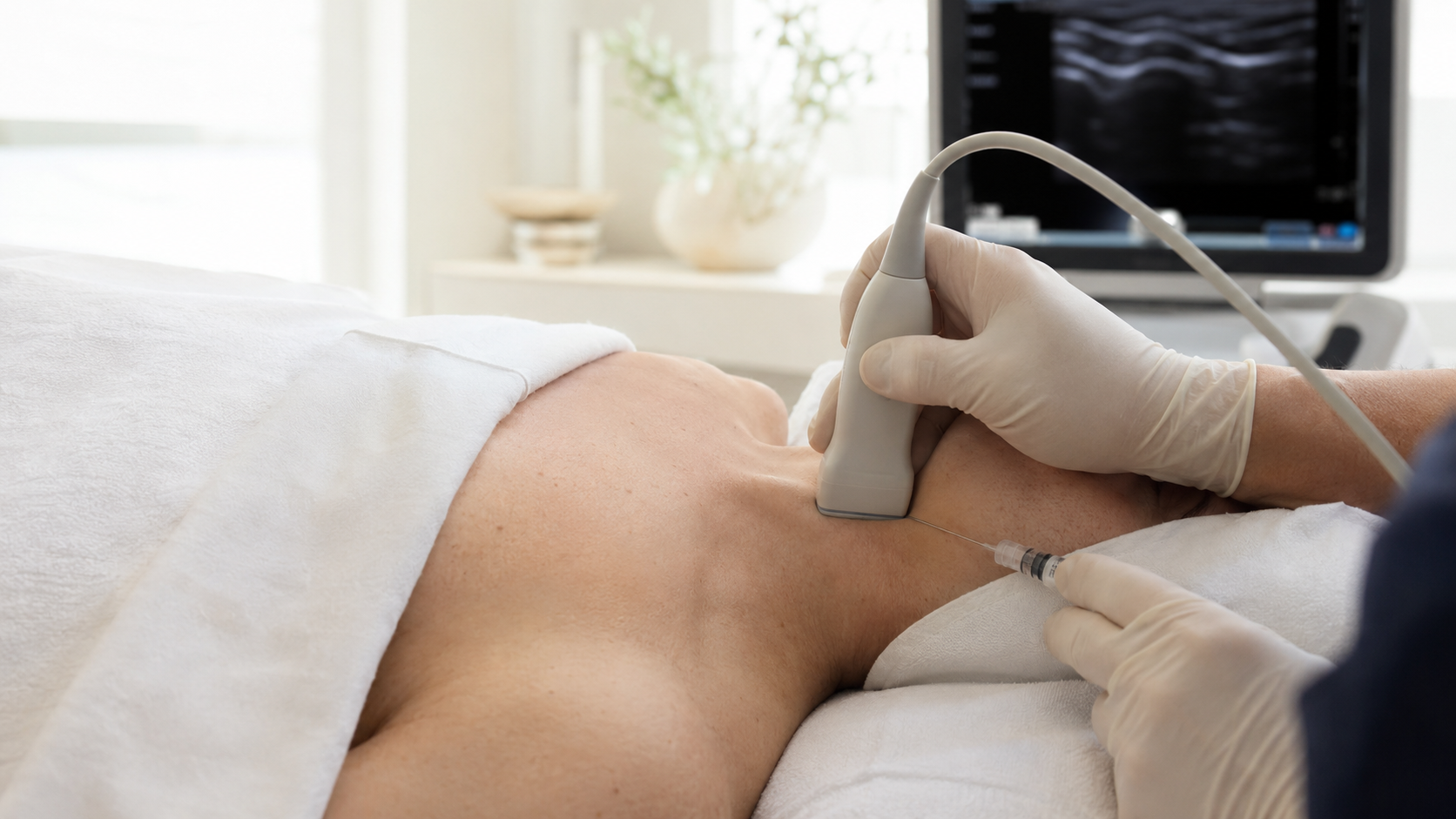
A stellate ganglion block is typically performed with image guidance to help place medication near the stellate ganglion region. Because the target is in the neck, safety screening is important. MPM reviews bleeding risk, infection risk, medication use, swallowing or breathing concerns, neurological symptoms, vascular concerns, and other relevant medical factors.
After the block, temporary effects may include hoarseness, drooping eyelid, red eye, facial warmth, nasal congestion, throat sensation changes, trouble swallowing, dizziness, or arm heaviness. These may occur when the sympathetic pathway is affected, but symptoms should be monitored carefully.
Diagnostic vs. Therapeutic Value
A stellate ganglion block may be diagnostic, therapeutic, or both. A diagnostic block may help determine whether sympathetic pathways are contributing to symptoms. A therapeutic block is intended to reduce symptoms for a period of time.
Relief may last hours, days, weeks, or longer, and some patients do not respond. Temporary relief can still be useful because it may help guide next steps. If symptoms improve in a meaningful way, MPM may consider additional rehabilitation, pain psychology, biofeedback, medication management, repeat evaluation, or neuromodulation planning. If symptoms do not improve, the diagnosis may need refinement.
Risks and Urgent Symptoms
Risks can include pain flare, bruising, bleeding, infection, allergic reaction, temporary hoarseness, drooping eyelid, red eye, facial warmth, nasal congestion, trouble swallowing, temporary numbness or weakness, dizziness, low blood pressure, local anesthetic toxicity, vascular injury, nerve irritation, pneumothorax, incomplete relief, temporary relief only, or no relief.
Patients should seek urgent evaluation for chest pain, shortness of breath, trouble breathing, trouble swallowing, fainting, new neurological deficits, sudden severe headache, severe neck swelling, worsening voice or swallowing difficulty, limb discoloration, loss of pulses, fever, suspected infection, severe allergic reaction, suicidal thoughts, severe dissociation or psychiatric crisis, or rapidly worsening symptoms.
For selected patients, a stellate ganglion block may be an important part of understanding sympathetic and autonomic contributions to pain. MPM’s role is to determine whether the procedure is appropriate, safe, and aligned with a coordinated care plan.