Trigeminal Autonomic Cephalalgias
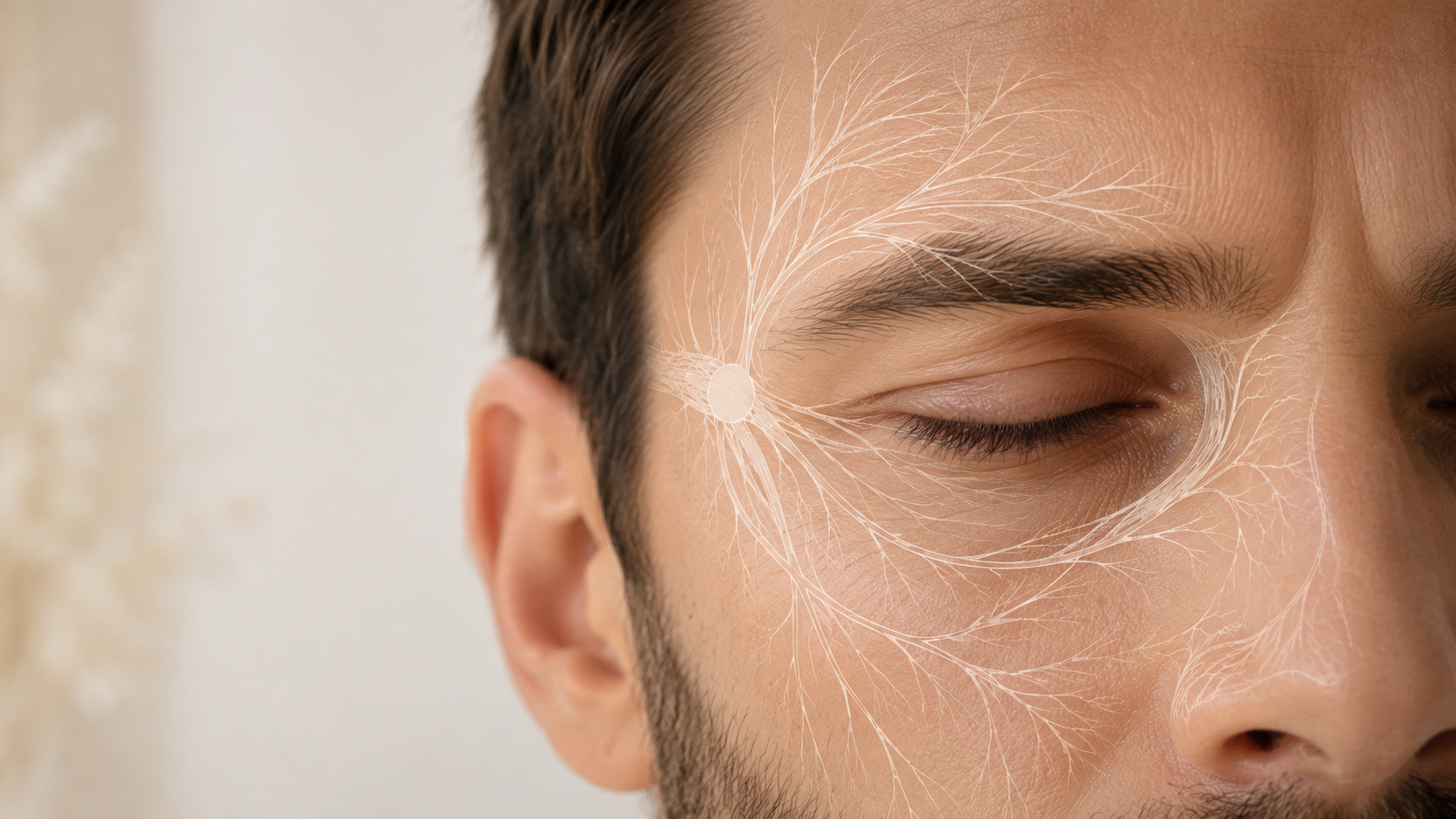
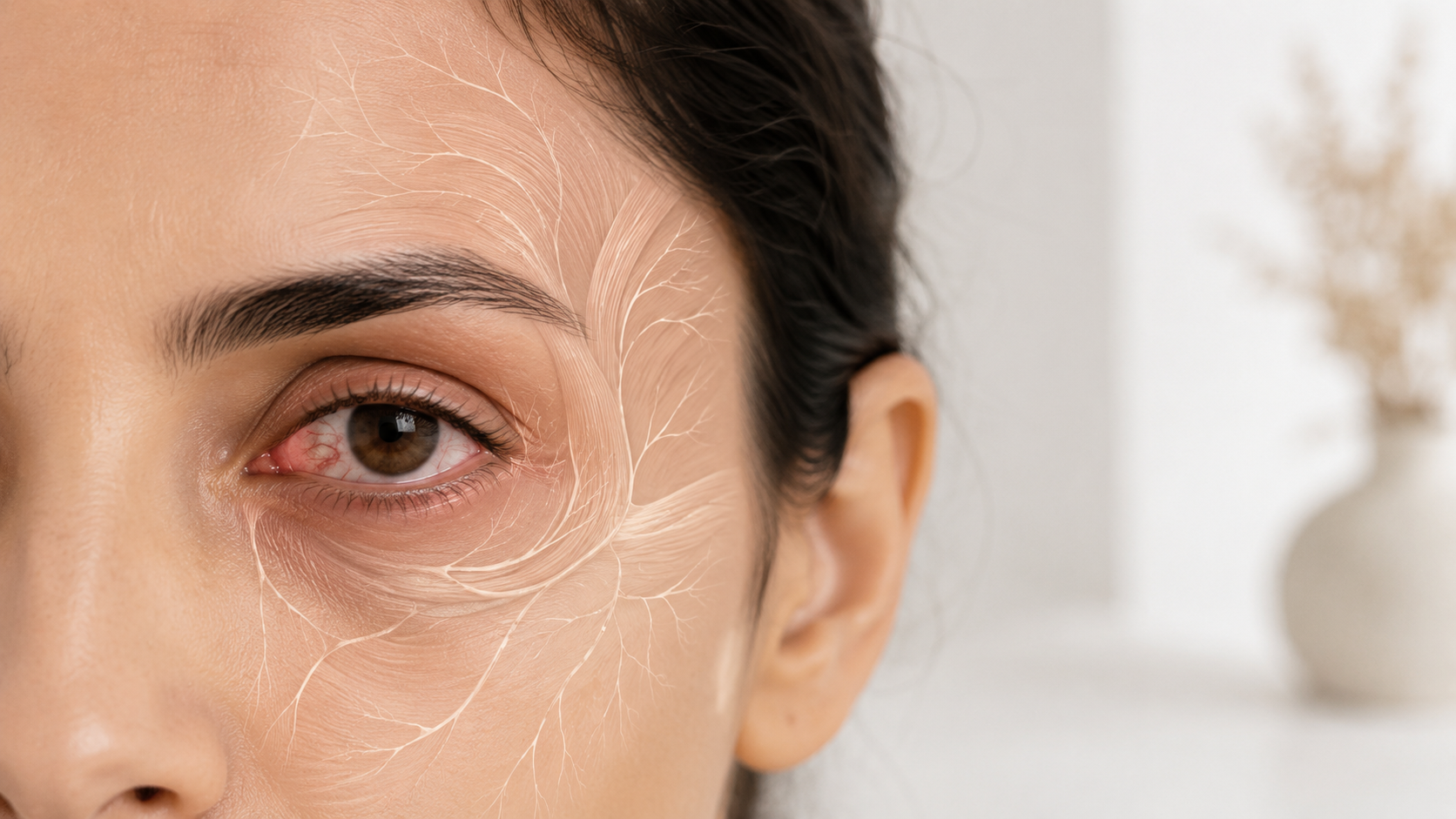
Trigeminal autonomic cephalalgias are a family of headache disorders that usually cause severe one-sided head or facial pain with autonomic symptoms on the same side. These symptoms may include tearing, red eye, nasal congestion, runny nose, eyelid swelling, eyelid drooping, pupil changes, facial sweating, or restlessness.
The word “trigeminal” refers to the trigeminal nerve pathways involved in head and facial pain. The word “autonomic” refers to the involuntary symptoms that may occur during attacks, such as eye watering, nasal symptoms, eyelid changes, or facial sweating. “Cephalalgia” means headache.
TACs Are Not All the Same
TACs include several related but distinct headache disorders. Cluster headache typically causes severe one-sided attacks, often around the eye or temple, and may occur in cycles over weeks or months. Paroxysmal hemicrania involves shorter, more frequent one-sided attacks and is known for response to indomethacin when appropriately used. Hemicrania continua is usually a continuous one-sided headache with possible flares and autonomic features. SUNCT and SUNA involve very short attacks of one-sided head or facial pain with prominent autonomic symptoms.
Because these disorders share some features, they are often confused with one another. They can also be mistaken for migraine, sinus headache, trigeminal neuralgia, TMJ dysfunction, dental pain, eye pain, or stress-related headache.
Why TAC Diagnosis Requires Pattern Recognition
TAC diagnosis depends heavily on the headache pattern. Important details include where the pain is located, whether it is always on the same side, how long each attack lasts, how often attacks occur, whether attacks happen in cycles, and whether autonomic symptoms occur on the same side as the pain.
For example, severe one-sided pain around the eye with tearing and nasal congestion may suggest cluster headache, but attack duration and frequency matter. Short, repeated attacks may suggest SUNCT, SUNA, or paroxysmal hemicrania. Continuous one-sided pain with exacerbations may suggest hemicrania continua. A careful history helps determine which pathway is most likely.
MPM reviews the full headache history, including prior migraine diagnoses, sinus evaluations, dental workups, TMJ symptoms, facial pain, medication response, imaging, and neurologic findings.
TAC Headache vs. Migraine
Migraine is a neurological headache disorder that may cause throbbing pain, nausea, light sensitivity, sound sensitivity, aura, dizziness, neck pain, and functional impairment. Some migraine patients also have eye watering or nasal congestion, which can make the distinction difficult.
TACs are more defined by one-sided pain with same-side cranial autonomic symptoms and specific attack patterns. Cluster headache attacks, for example, are typically shorter than many migraine attacks and may be associated with restlessness. Hemicrania patterns may be strongly linked to indomethacin response. SUNCT and SUNA attacks are often very brief and frequent.
Because overlap can occur, MPM does not assume that every one-sided headache is a TAC or that every autonomic symptom means cluster headache. The diagnosis must fit the full pattern.
TAC Headache vs. Trigeminal Neuralgia
Trigeminal neuralgia usually causes sudden, brief, electric-shock facial pain in a trigeminal nerve distribution. It may be triggered by brushing teeth, touching the face, chewing, shaving, speaking, or wind exposure. TACs can also be sharp and severe, but they are headache disorders with autonomic features and characteristic attack patterns.
Some patients have facial pain that does not fit neatly into one category. MPM evaluates whether symptoms are more consistent with trigeminal neuralgia, painful trigeminal neuropathy, TAC headache, migraine, TMJ dysfunction, dental pathology, or another cranial pain condition.
Autonomic Symptoms and Headache
Autonomic symptoms are a key feature of TACs. These symptoms may include tearing, red eye, nasal congestion, runny nose, eyelid swelling, eyelid drooping, pupil changes, facial sweating, or restlessness. They typically occur on the same side as the headache pain.
Autonomic symptoms can be alarming, especially when attacks are severe or occur repeatedly. They can also lead to misdiagnosis as sinus disease, allergy, eye disease, or anxiety. In some cases, evaluation by neurology, ophthalmology, ENT, or other specialists may be needed to confirm the pattern and rule out other causes.
When Secondary Causes Must Be Considered
Some TAC-like symptoms can be caused or worsened by structural, vascular, inflammatory, infectious, intracranial pressure, medication-related, or neurologic conditions. This is especially important when symptoms are new, atypical, progressive, or associated with neurologic signs.
MPM considers whether additional workup is needed for conditions such as intracranial hypertension, Chiari malformation, CSF outflow obstruction, craniocervical instability, inflammatory disease, infection, tumor, vascular compression, post-viral symptoms, or medication-related headache patterns.
The goal is to avoid both underdiagnosis and overdiagnosis. TACs are real and severe headache disorders, but they should not be assigned without careful evaluation.
How MPM Evaluates TAC Headaches
MPM begins with a detailed headache and facial pain history. The evaluation reviews attack timing, duration, frequency, side consistency, autonomic symptoms, pain quality, triggers, restlessness, baseline pain between attacks, medication response, prior imaging, neurologic symptoms, and prior diagnoses.
MPM also considers overlapping contributors such as migraine, TMJ dysfunction, cervical dystonia, orofacial dystonia, neck pain, trigeminal neuralgia, hypermobility, EDS, MCAS, lupus, post-COVID pain, CCI, Chiari malformation, intracranial hypertension, and CSF outflow concerns.
The exam may include neurologic screening, headache pattern review, cervical and jaw assessment when relevant, and coordination with outside records or specialists.
Treatment Options for TAC Headaches
Treatment depends on the specific TAC subtype. Cluster headache may require fast-acting acute strategies and preventive planning. Hemicrania continua and paroxysmal hemicrania may involve indomethacin when clinically appropriate and safe. SUNCT and SUNA may require specialized medication strategies and neurologic coordination.
Medication management is often central to TAC care, but it must be individualized. Some medications require monitoring for side effects, interactions, kidney risk, gastrointestinal risk, cardiovascular risk, or other safety concerns.
Selected patients may be considered for nerve-targeted procedures, such as trigeminal nerve-related approaches or other nerve blocks, depending on the diagnosis and pain pattern. Pain psychology, biofeedback, acupuncture, and trigger point treatment may support function, stress physiology, muscle tension, or chronic pain burden, but they do not replace headache-specific care.
Botulinum toxin, ketamine therapy, lidocaine and ketamine infusions, and other advanced options should not be presented as standard TAC treatments for every patient. They may be relevant only when a specific overlapping diagnosis or carefully selected clinical pattern supports them.
Coordinated Care for Complex TAC Symptoms
TAC headaches often require coordination. Neurology may be needed for headache classification and medication management. Ophthalmology may be needed when eye symptoms are prominent or vision concerns are present. ENT may help when sinus or nasal symptoms create diagnostic uncertainty. Dentistry or oral surgery may be involved when jaw or dental pain overlaps. Neurosurgery may be needed when imaging suggests a structural or vascular contributor.
MPM’s role is to help map the pain pattern, evaluate overlapping pain generators, support headache-focused treatment planning, and coordinate care when symptoms are complex.
When Urgent Evaluation Is Needed
Severe one-sided headache should not automatically be assumed to be a TAC. Patients should seek urgent medical evaluation for a sudden worst headache, new weakness or numbness, facial droop, speech difficulty, vision loss, confusion, fainting, seizure, fever, stiff neck, head injury, cancer history, immune suppression, pregnancy or postpartum headache, new headache after age 50, or a major change in headache pattern.
These red flags may suggest a secondary headache or another urgent medical condition that requires prompt evaluation.
How MPM Approaches TAC Headache Care
MPM approaches trigeminal autonomic cephalalgia through a diagnosis-first, coordinated model. The goal is to identify the specific headache pattern, distinguish TACs from migraine and other facial pain disorders, evaluate autonomic symptoms, consider secondary causes when needed, and build a treatment plan based on the diagnosis.
For patients looking for trigeminal autonomic cephalalgia treatment in NYC or Manhattan, MPM offers a careful headache and pain medicine perspective focused on rare headache recognition, autonomic symptom evaluation, and coordinated care.
The goal is to clarify the source of severe one-sided headache symptoms and guide appropriate next steps without overpromising outcomes.