Pediatric Pain
Pediatric pain is different from adult pain in important ways. Children and teens are still growing physically, emotionally, socially, and developmentally. Pain can affect school attendance, sleep, sports, friendships, mood, independence, family routines, and confidence in movement. When pain persists, the goal is not only to reduce symptoms. The goal is to understand the pain pattern, protect safety, and help the child return to function in an age-appropriate way.
Persistent pain should not be dismissed as growing pains, stress, attention-seeking, or normal sports soreness when it is interfering with life. At the same time, not every pain complaint means there is a dangerous structural problem. Pediatric pain often requires a balanced approach that validates symptoms while carefully identifying the most likely drivers.
Common Pediatric Pain Patterns
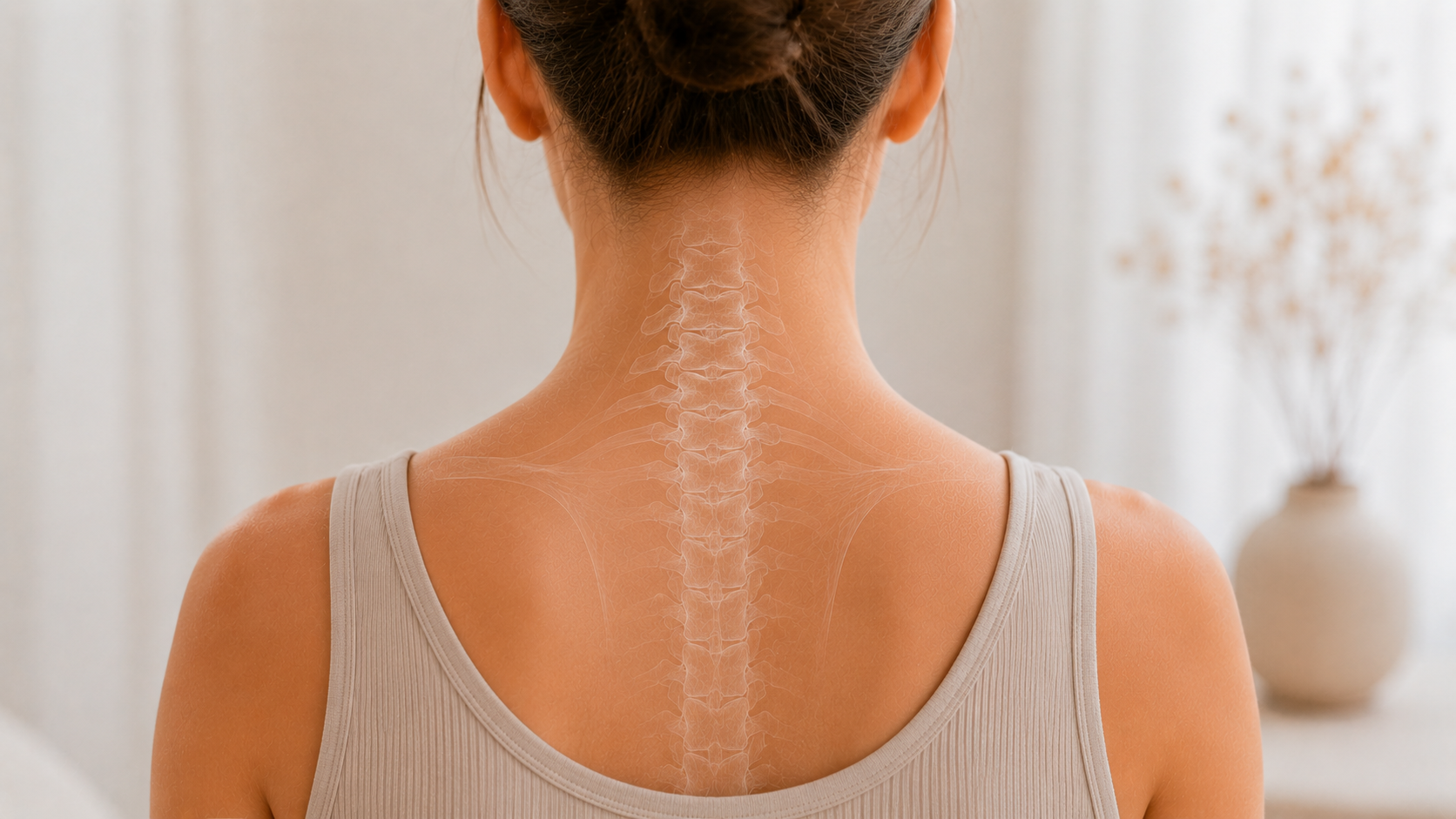
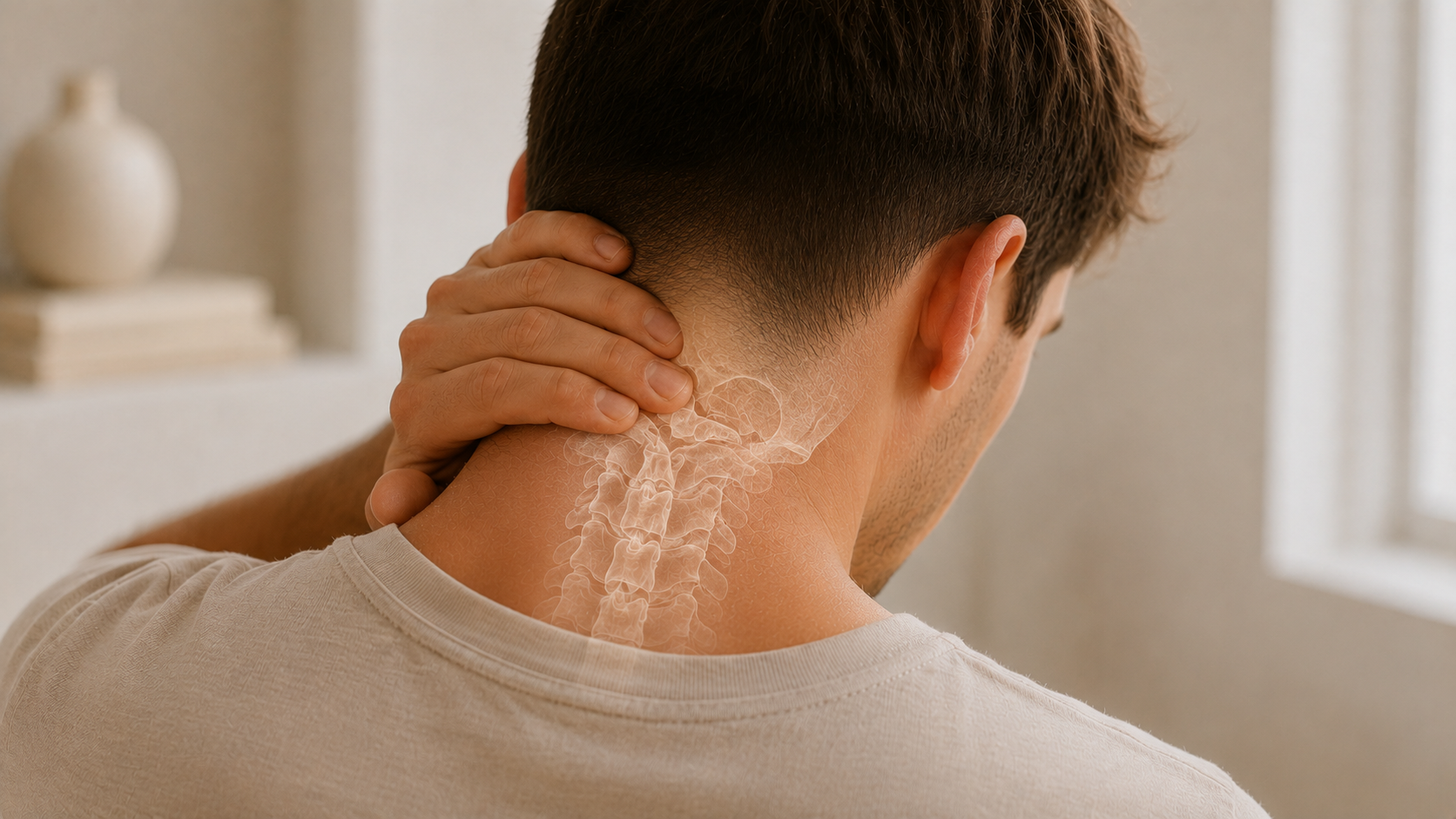
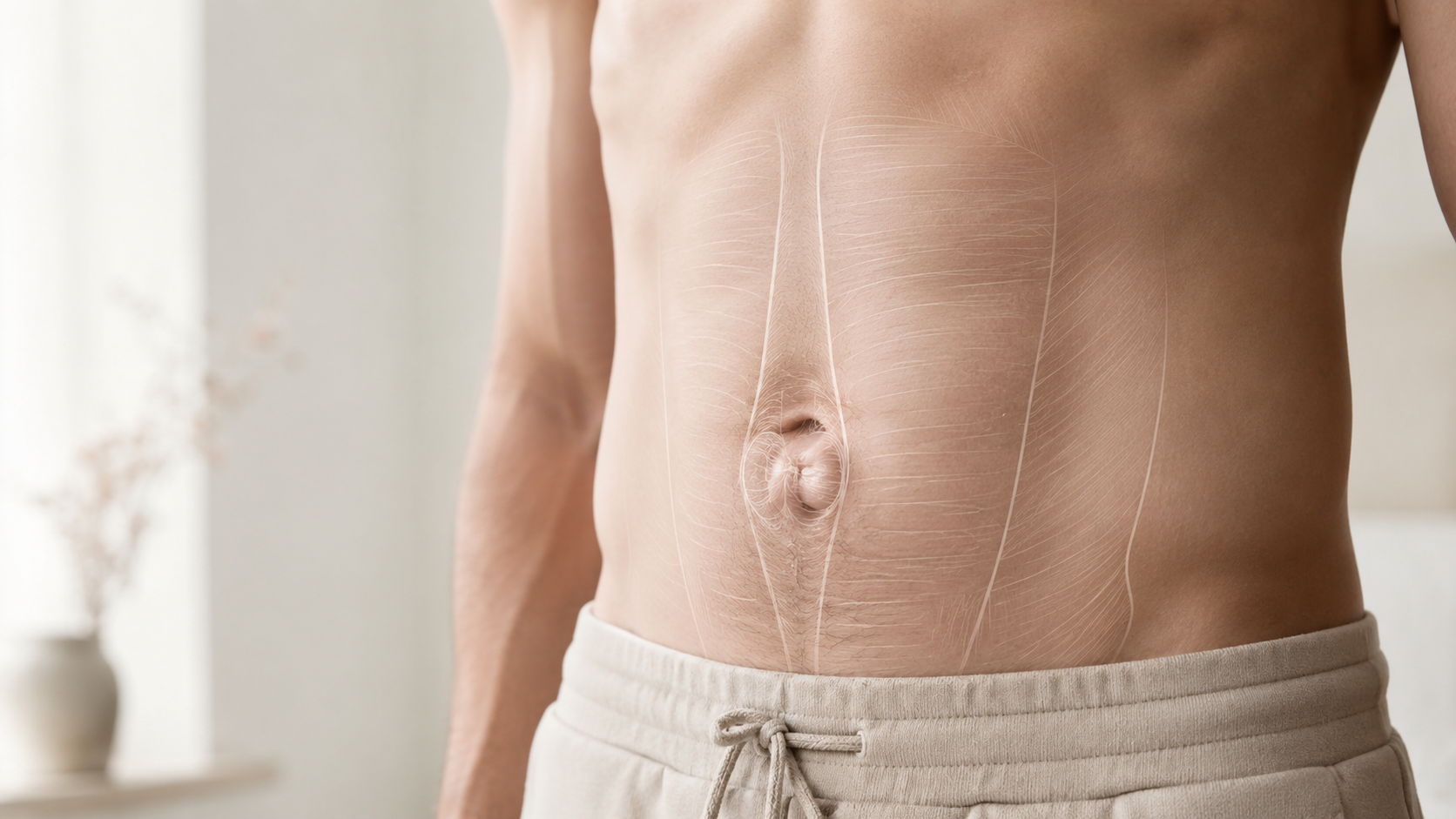
Children and teens may develop pain for many reasons. Some have headaches or migraine. Others have joint pain related to hypermobility, EDS, recurrent sprains, or sports injuries. Some have abdominal pain, pelvic pain, menstrual pain, endometriosis-related symptoms, spine pain, CRPS, muscle pain, slipping rib syndrome, dystonia, spasticity, TMJ disorders, or neurologic symptoms.
Pain may begin after an injury, illness, surgery, viral infection, immobilization, sports activity, or a period of stress. In other cases, the pain begins gradually and becomes more noticeable as it affects school, sleep, sports, or daily routines.
Why Normal Imaging Does Not Always Explain Pediatric Pain
Families often feel confused when a child has significant pain but imaging or labs do not show a clear cause. Normal testing can be reassuring, but it does not always explain why pain is happening. Pain may come from joint instability, muscle guarding, nerve sensitivity, migraine biology, inflammation, pelvic floor dysfunction, autonomic symptoms, or nervous system sensitization.
This is why MPM evaluates the full clinical pattern. The question is not simply whether a scan is normal. The question is whether the pain pattern, exam, function, history, and prior workup point toward a structural, inflammatory, neurologic, musculoskeletal, pelvic, headache-related, or complex chronic pain contributor.
Pediatric Headache and Migraine
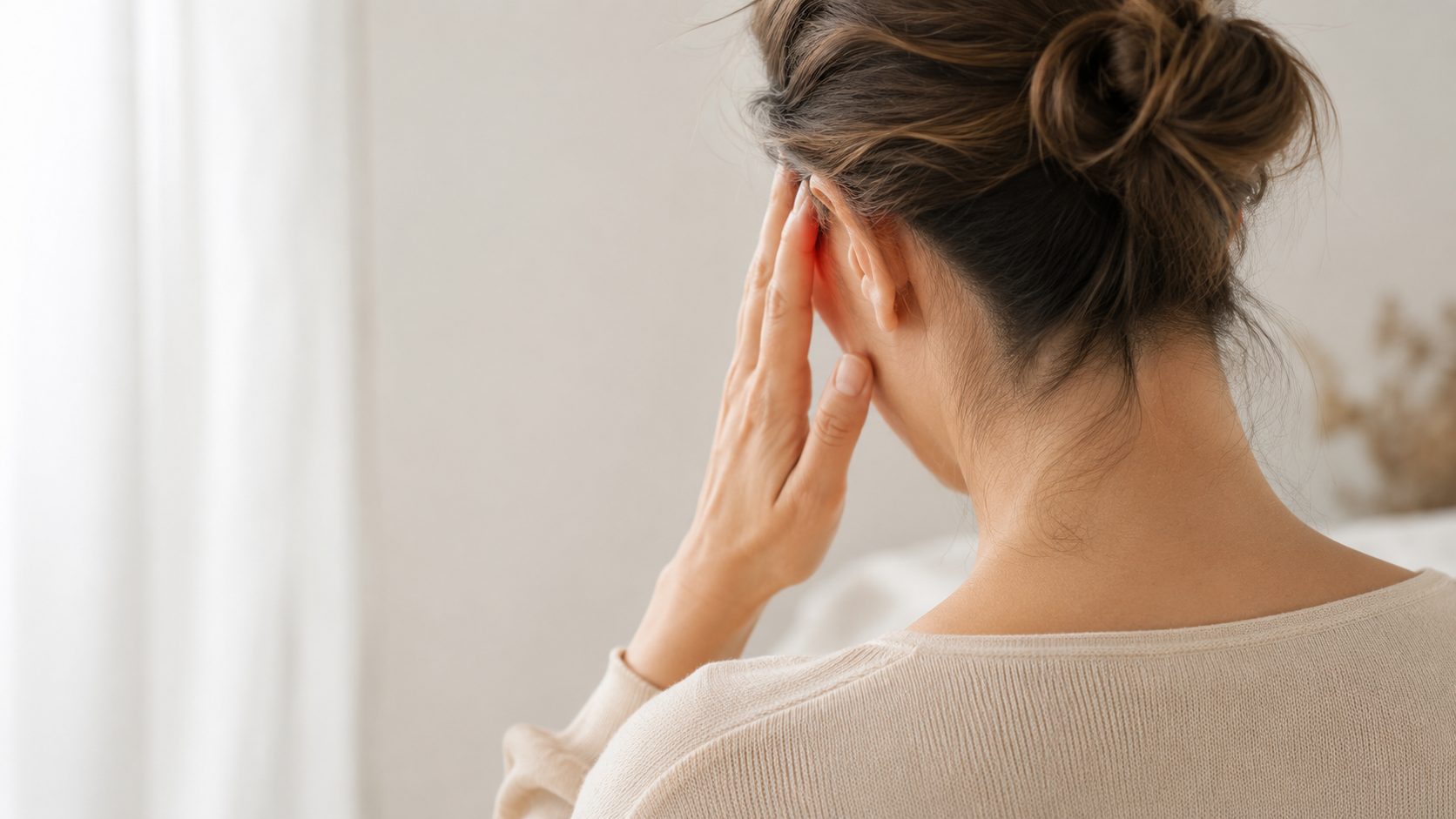
Headache and migraine are common reasons children and teens need further evaluation. Pediatric migraine may involve head pain, nausea, vomiting, light sensitivity, sound sensitivity, dizziness, fatigue, abdominal symptoms, and school disruption. Some patients have chronic migraine or headaches that happen frequently enough to affect daily life.
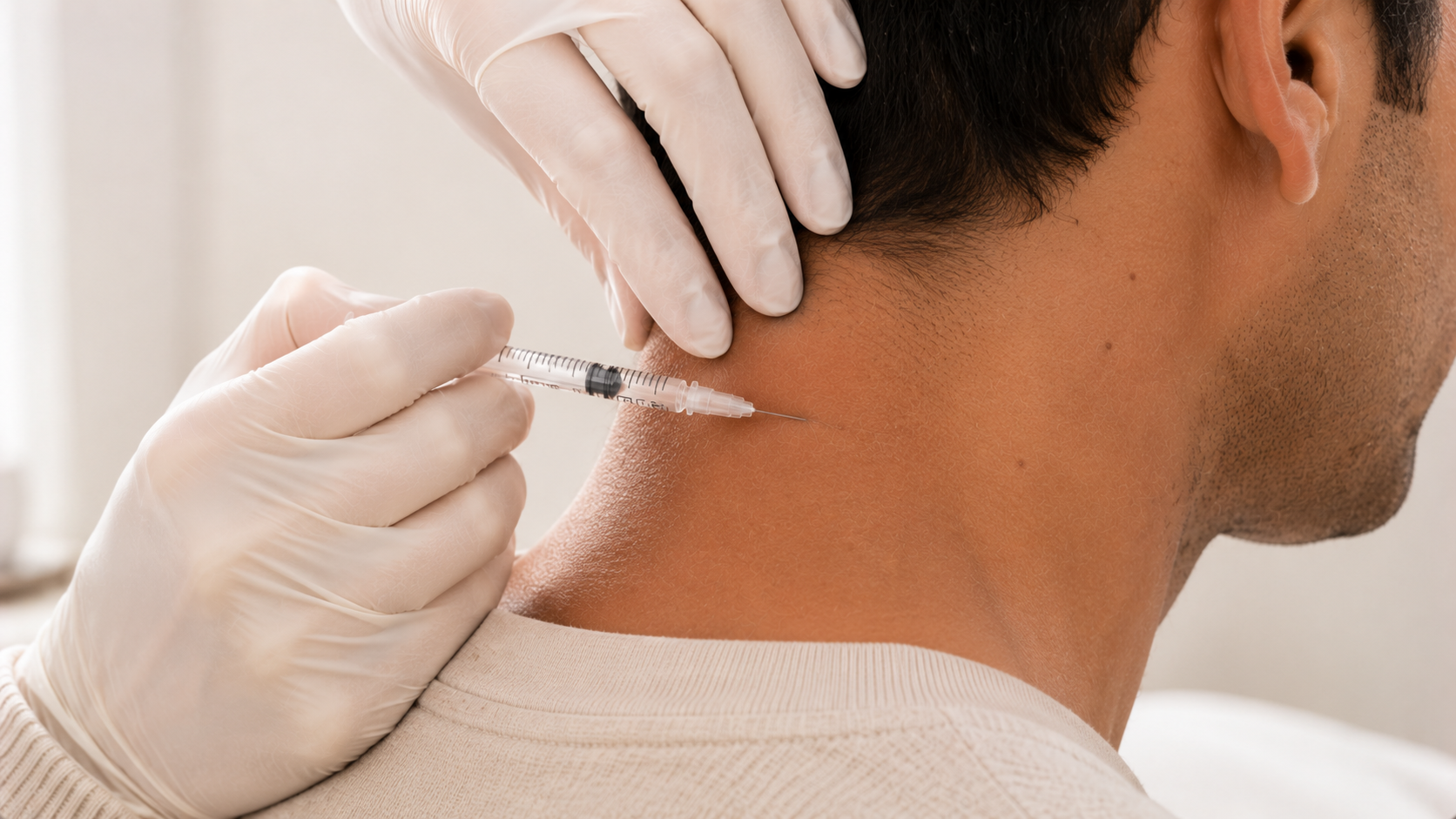
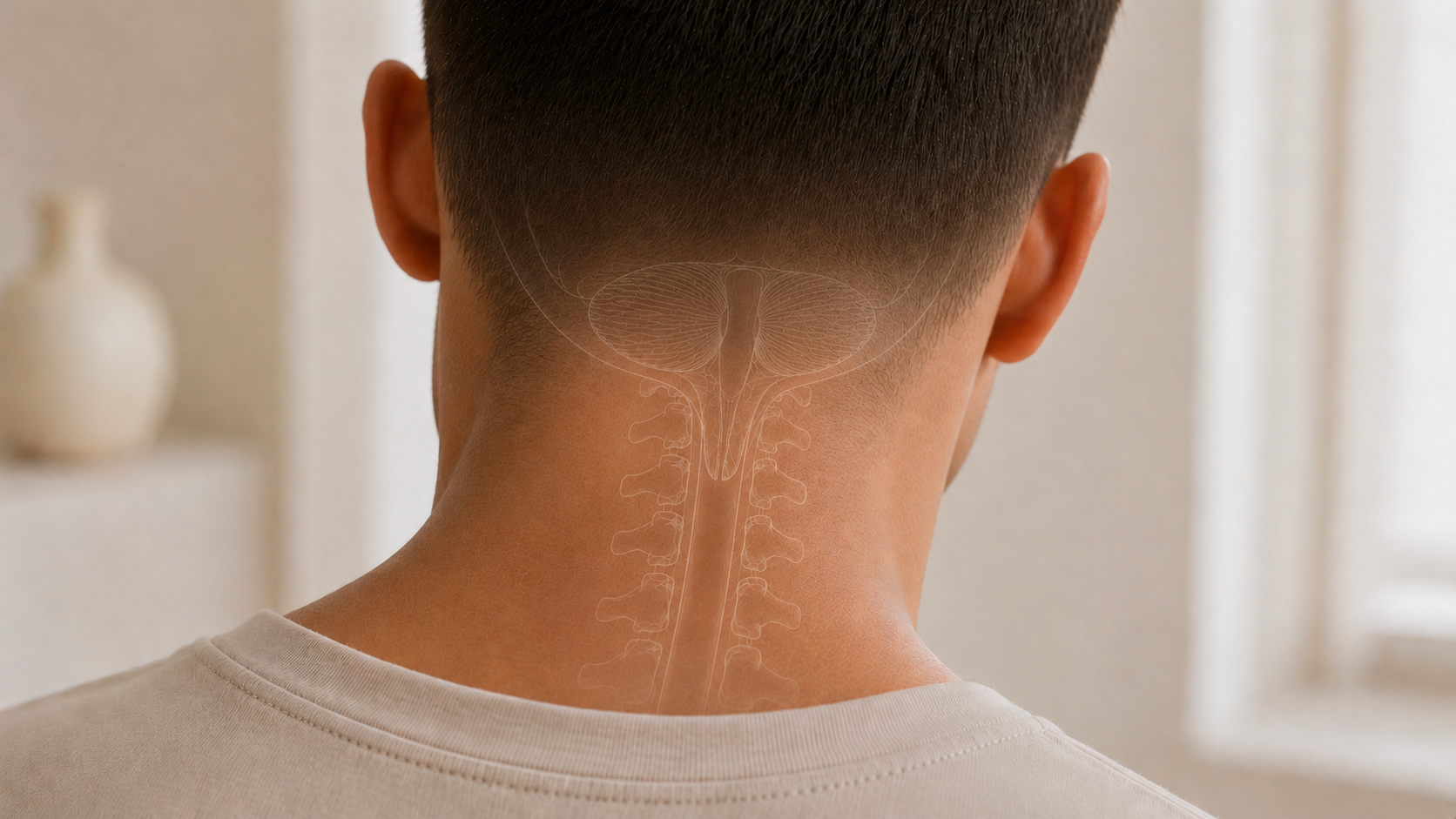
MPM evaluates headache patterns carefully, including frequency, triggers, medication use, neck pain, TMJ symptoms, dizziness, autonomic symptoms, sleep, prior imaging, and prior neurology care. Treatment may involve medication management, headache education, lifestyle and school planning, pain psychology, biofeedback, Botox for migraine in selected patients, or coordination with neurology when appropriate.
Hypermobility, EDS, and Joint Pain
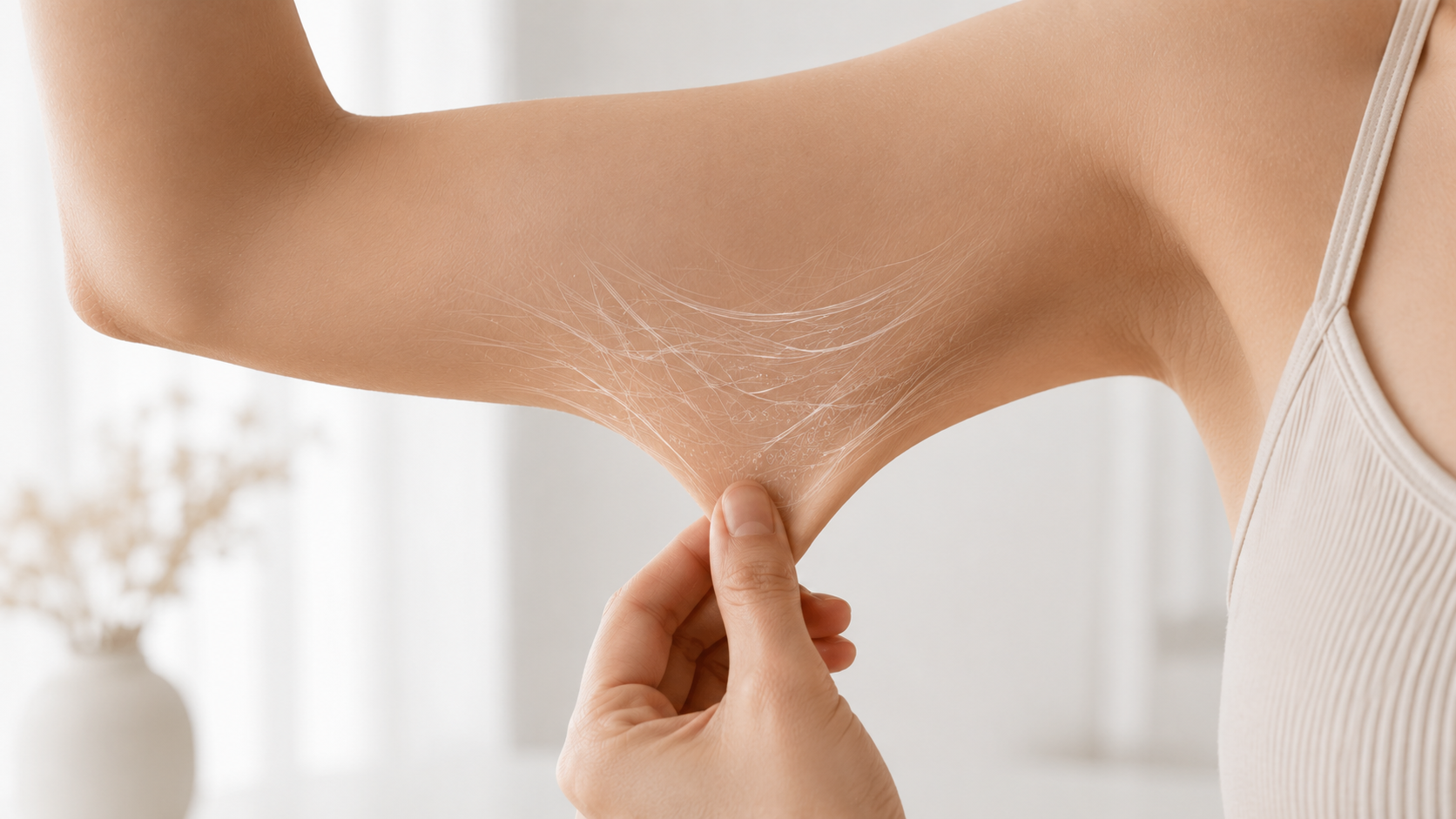
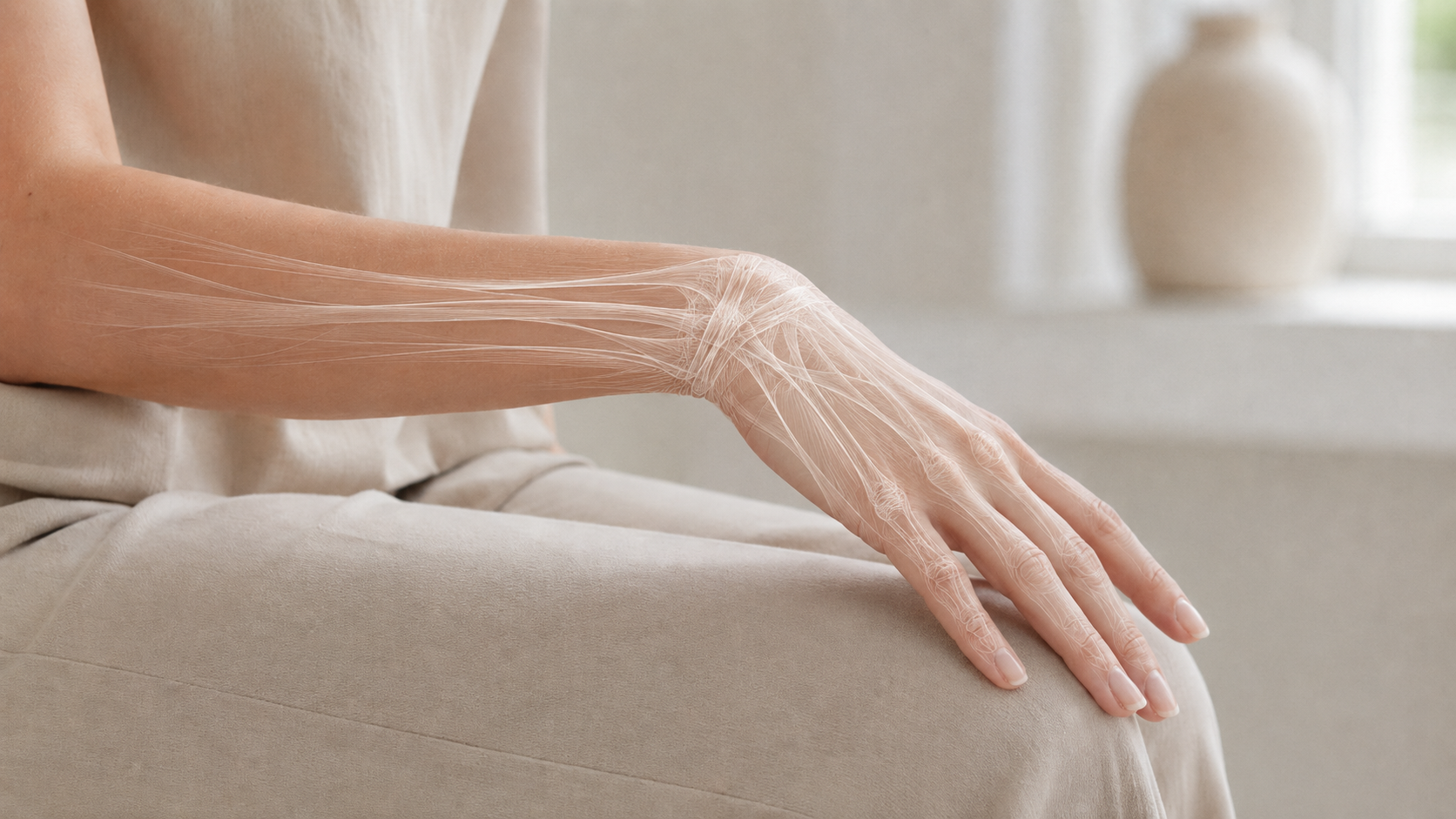
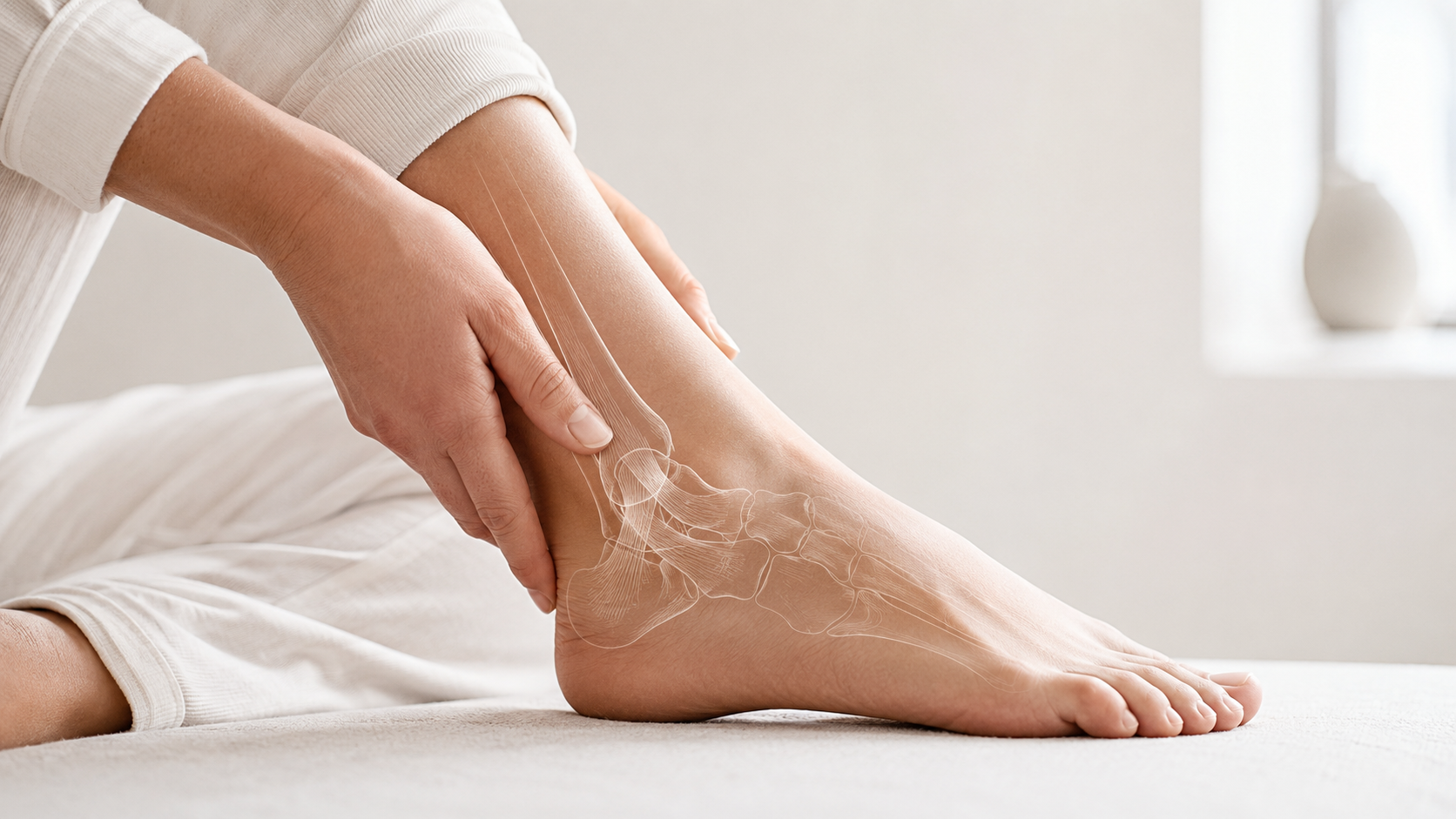
Hypermobility can be asymptomatic in some children, but in others it may contribute to joint pain, sprains, subluxations, muscle fatigue, headaches, abdominal symptoms, dizziness, and functional limitation. Children and teens with EDS or hypermobility spectrum disorder may have pain across multiple joints, repeated injuries, poor tolerance of aggressive stretching, or symptoms that are not fully explained by routine imaging.
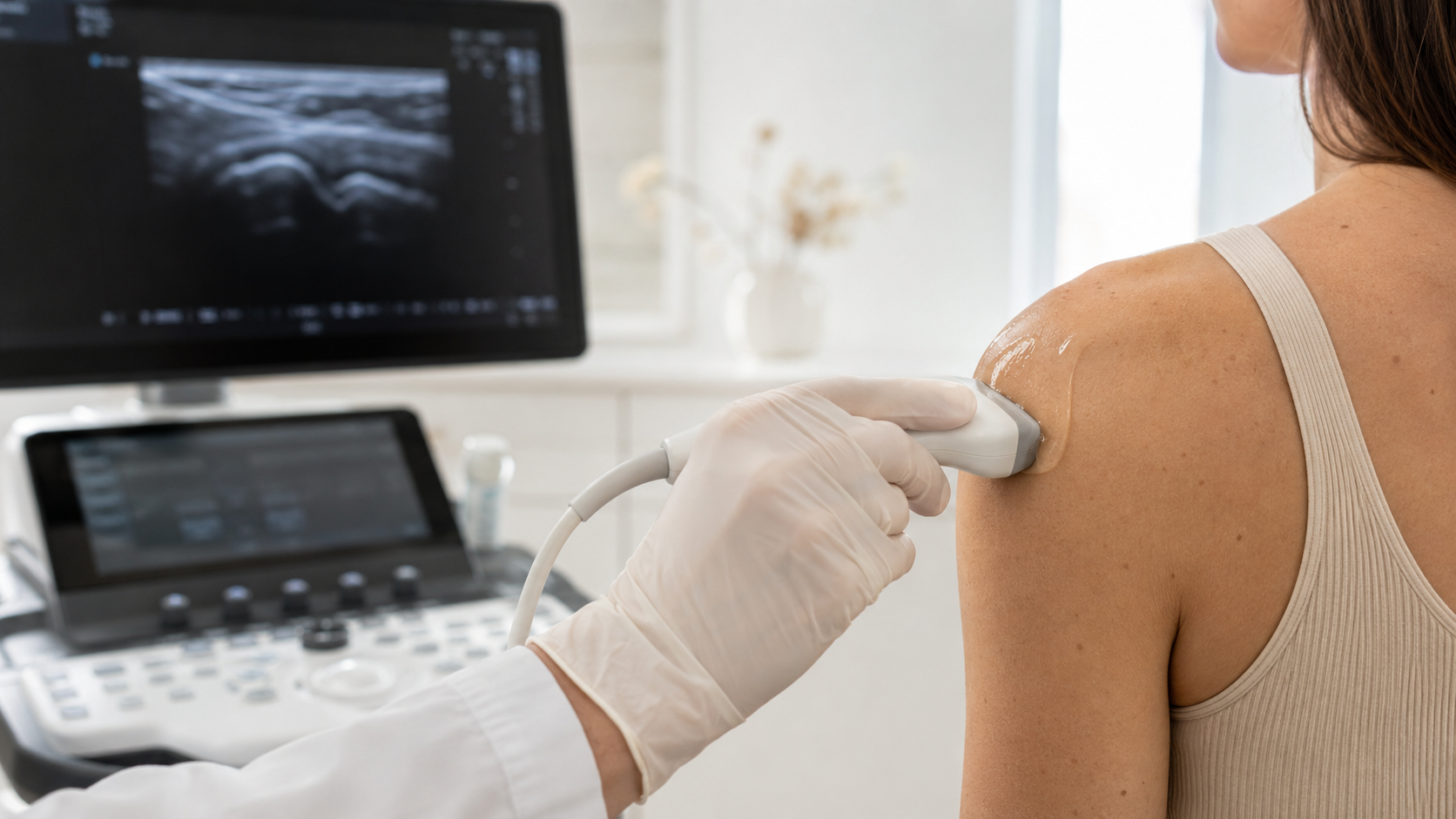
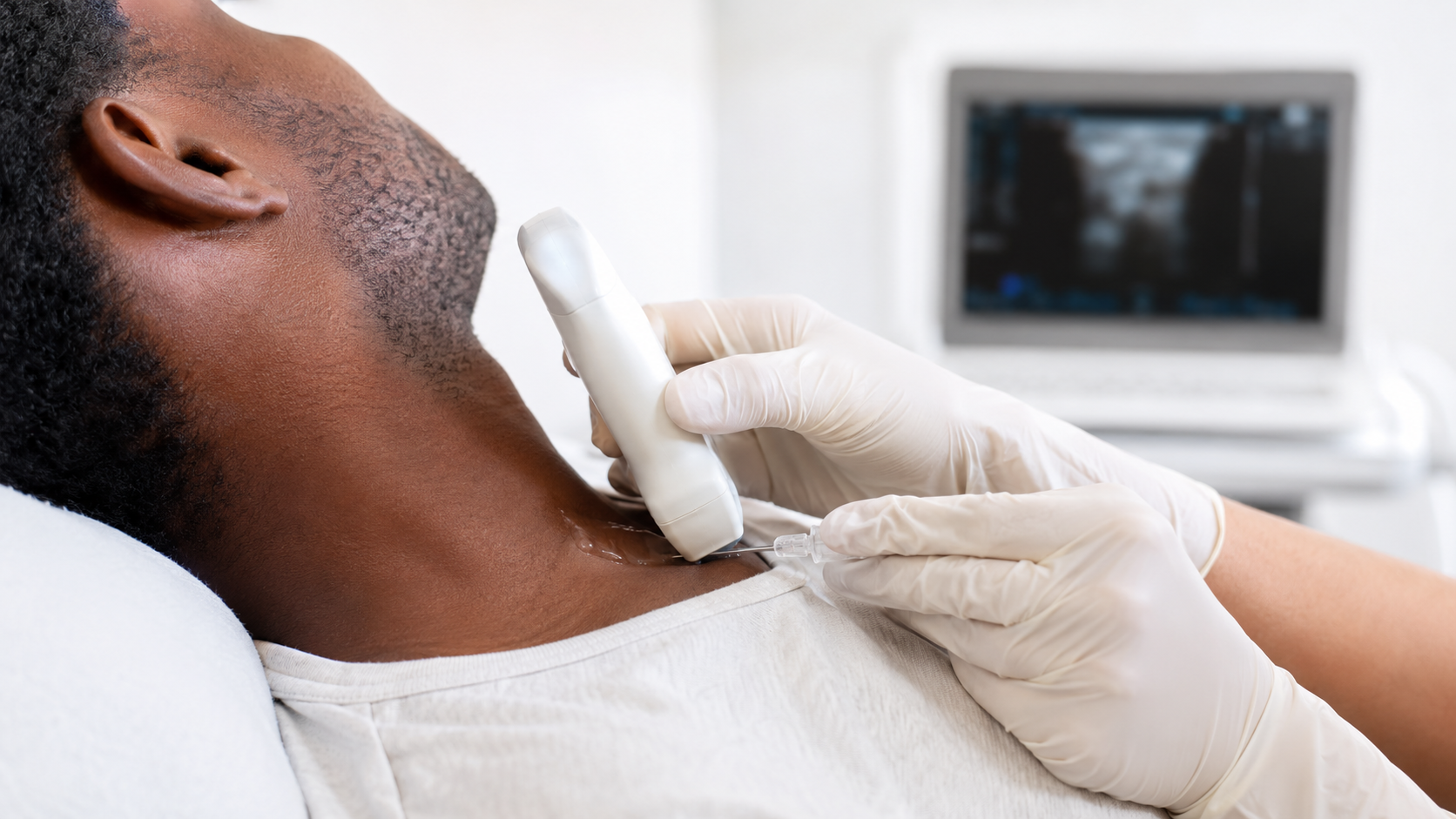
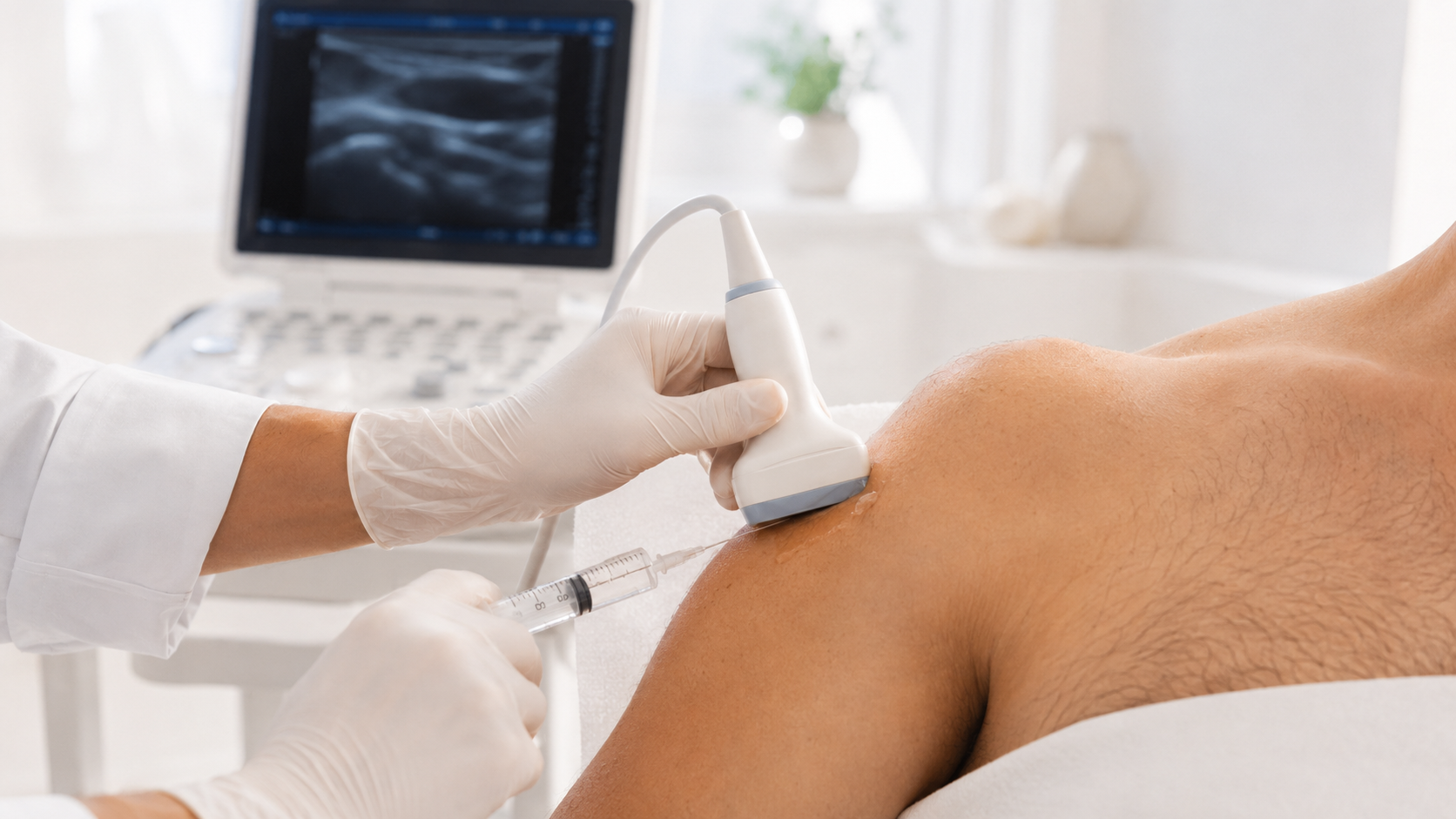
MPM evaluates joint mobility, stability, injury history, movement patterns, strength, pain location, and functional goals. Treatment planning may include stabilization-focused rehabilitation, activity modification, school or sports planning, diagnostic ultrasound when appropriate, and carefully selected interventions only when the diagnosis supports them.
Musculoskeletal and Sports-Related Pain
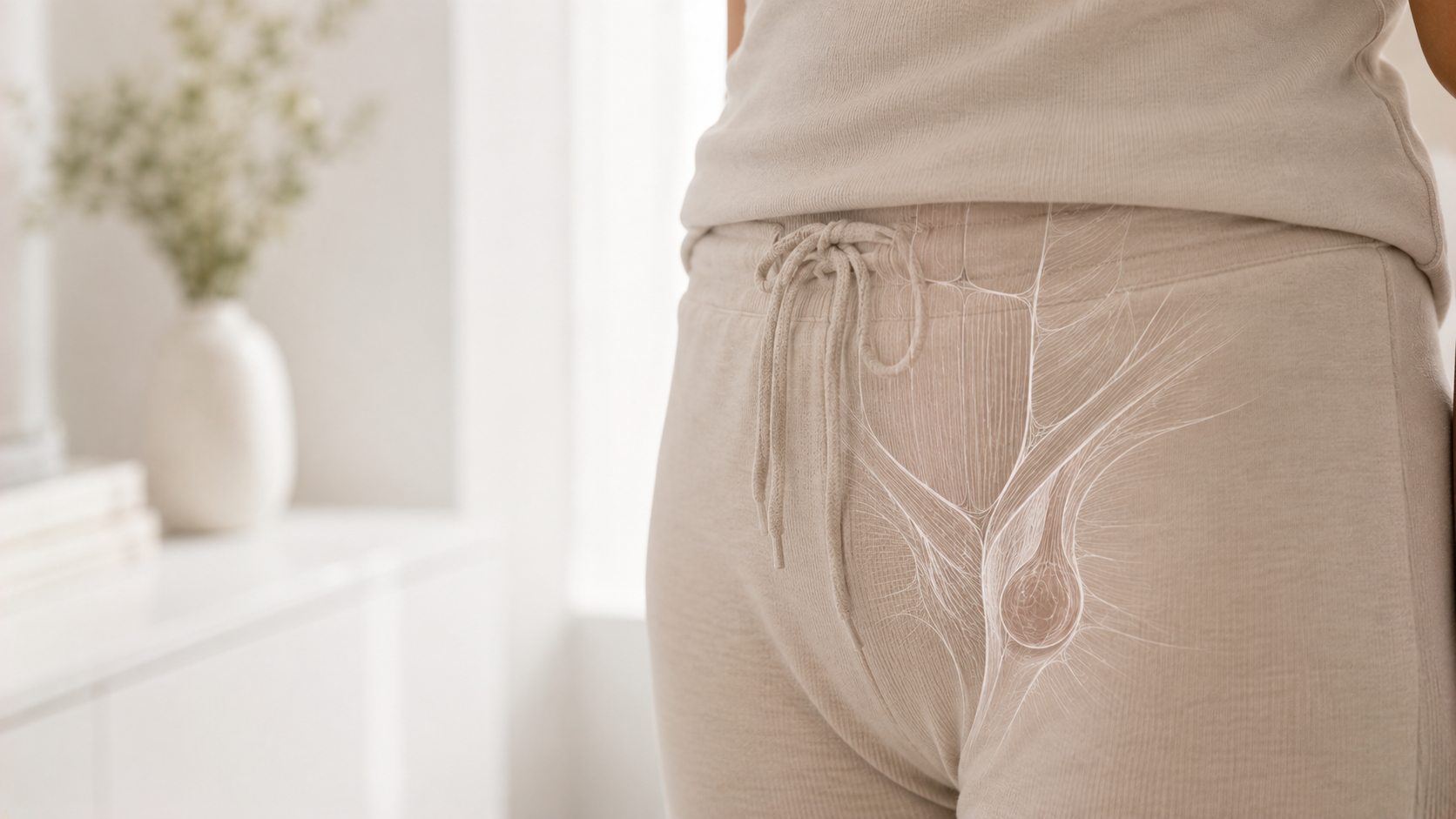
Sports and activity are important for many children and teens, but persistent sports pain should be evaluated when it does not improve as expected. Pain may come from a chronic sprain, tendon injury, joint instability, spine pain, muscle pain, slipping rib syndrome, hernia-related pain, athletic pubalgia, or nerve irritation.
MPM’s goal is to identify whether pain is coming from the injured tissue, altered mechanics, muscle guarding, joint instability, nerve sensitivity, or an overlapping chronic pain process. This helps guide safer return-to-activity planning and avoids assuming that every persistent injury simply needs more rest or more stretching.
Pediatric Pelvic Pain and Adolescent Endometriosis Symptoms
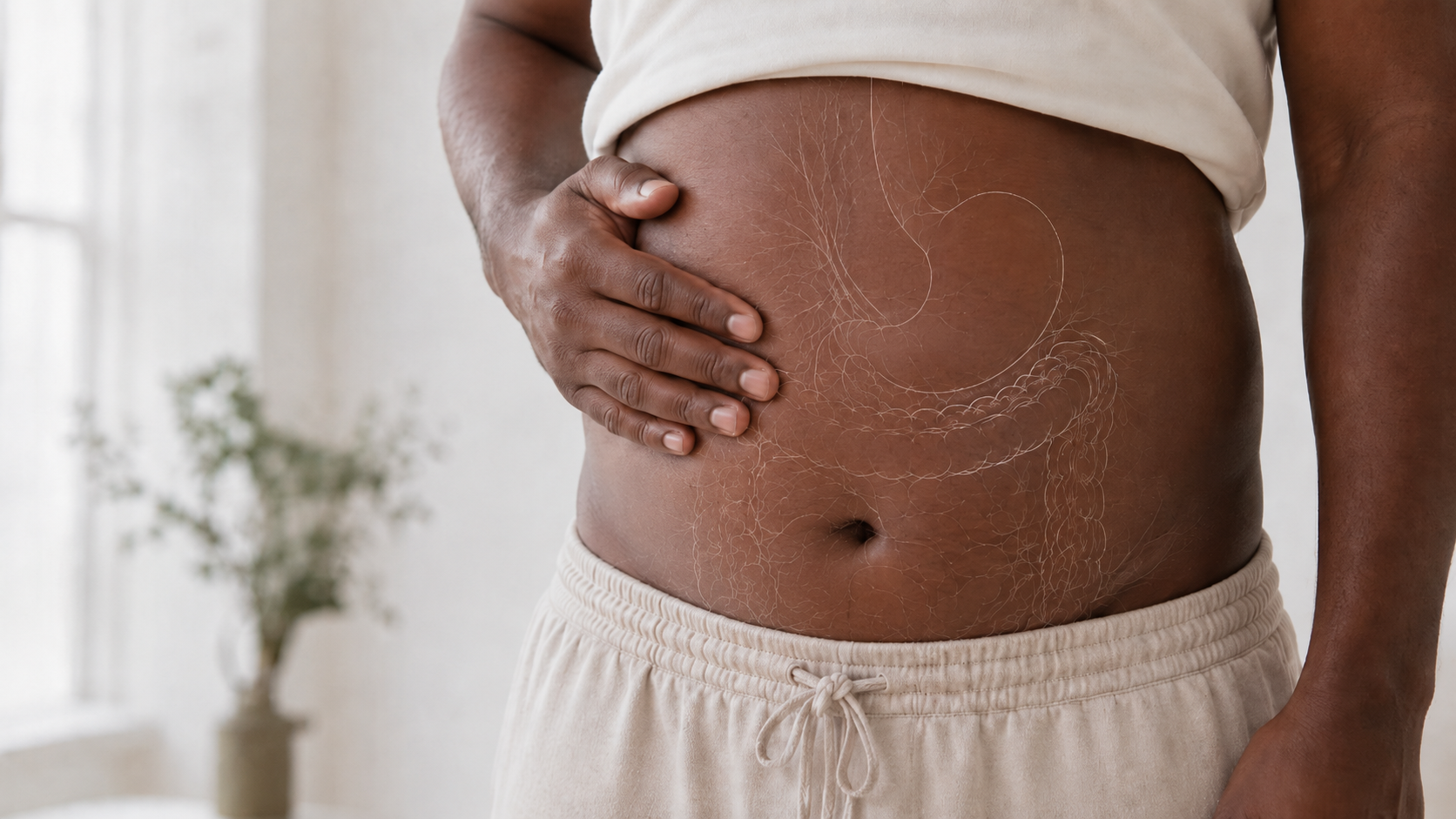
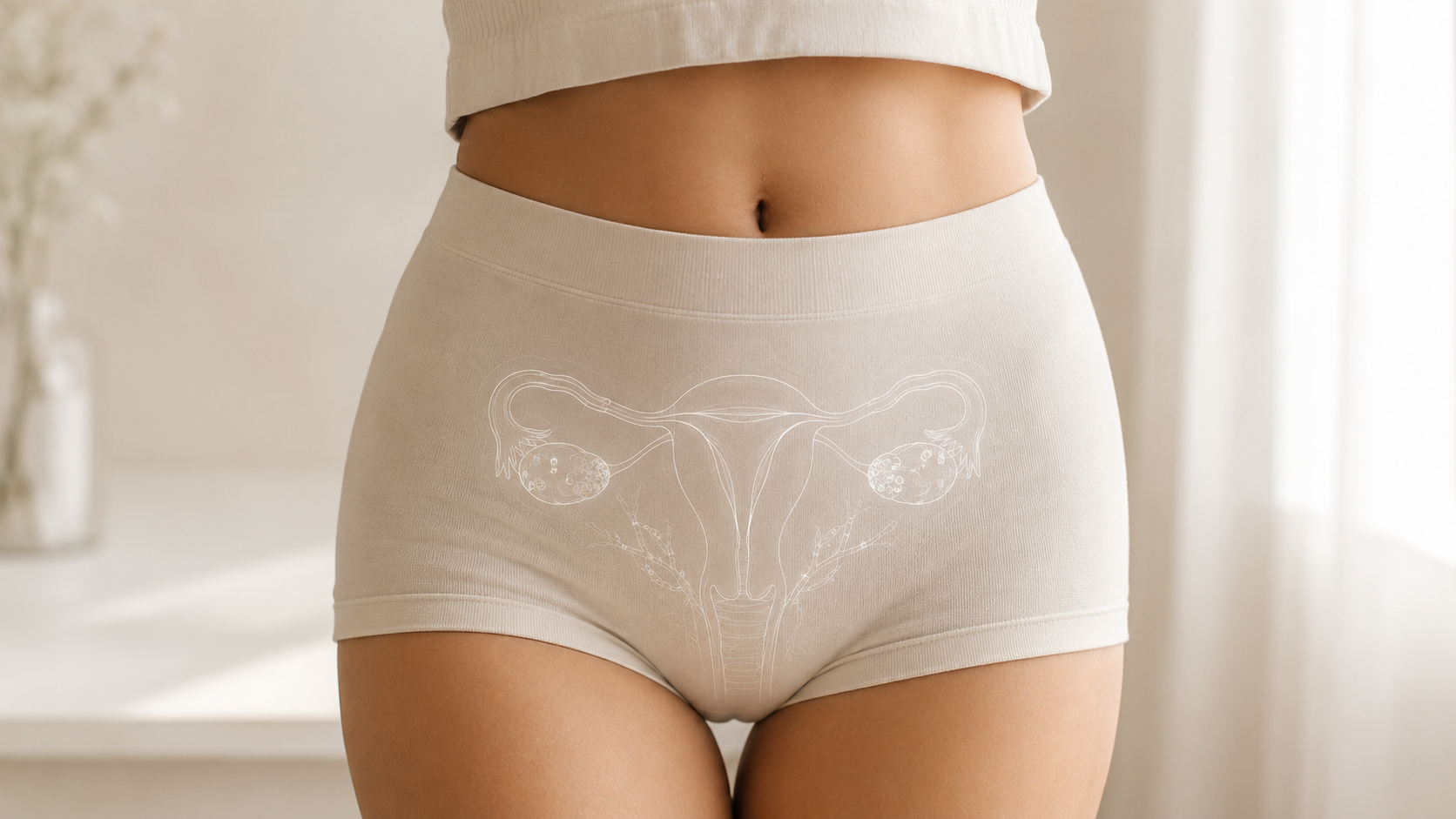
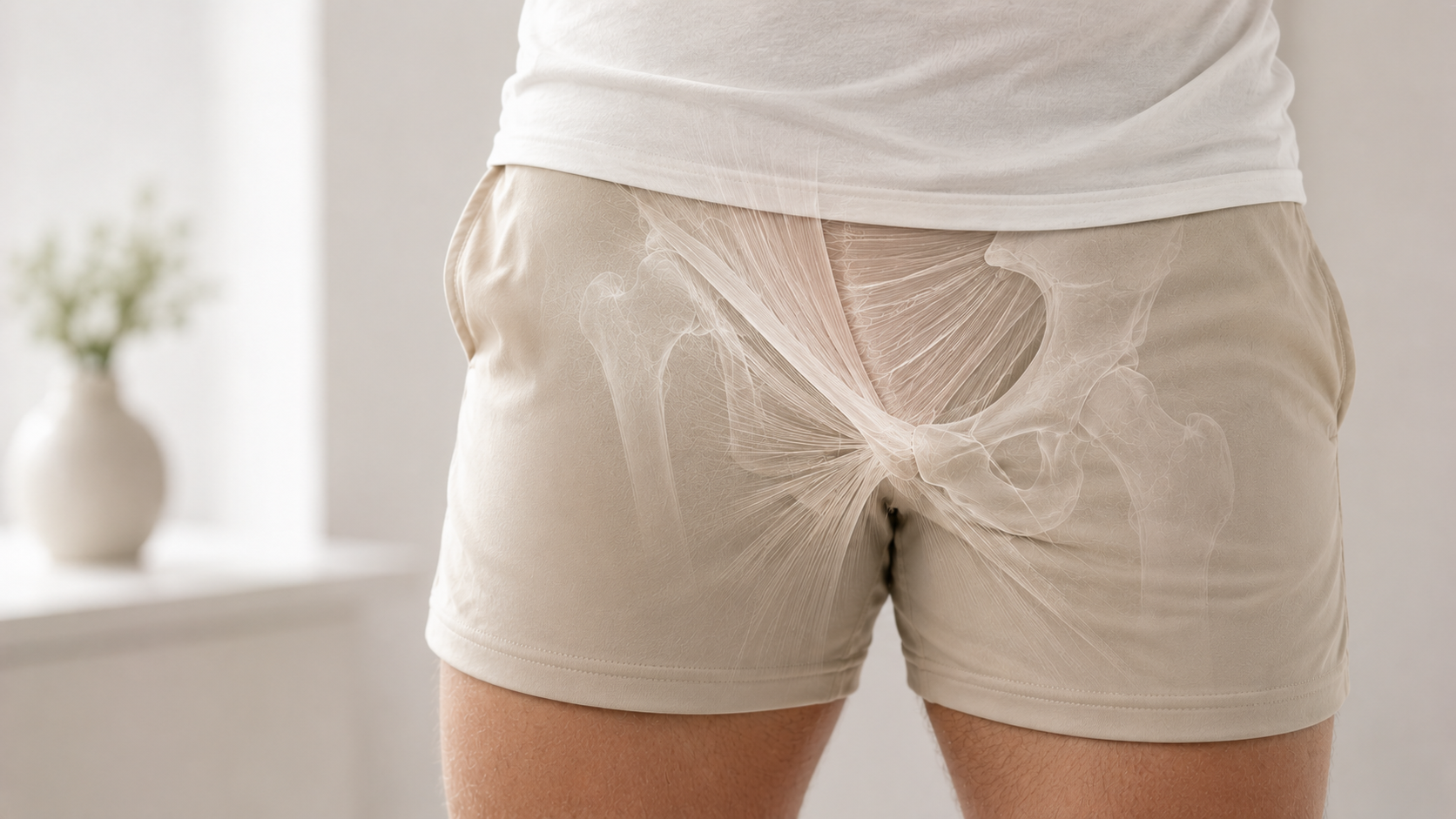
Pelvic pain in adolescents should be taken seriously, especially when pain affects school, sleep, movement, menstruation, bowel function, bladder function, sitting, or daily life. Possible contributors may include endometriosis-related symptoms, pelvic floor dysfunction, hip-related pelvic pain, sacroiliac joint pain, abdominal pain, nerve pain, hernia-related pain, or central pain sensitization.
MPM does not replace gynecology or pediatric specialty care. Instead, MPM can help evaluate pelvic pain generators and coordinate with gynecology, pelvic floor therapy, gastroenterology, urology, pediatrics, and other clinicians when needed.
Pediatric CRPS and Complex Chronic Pain
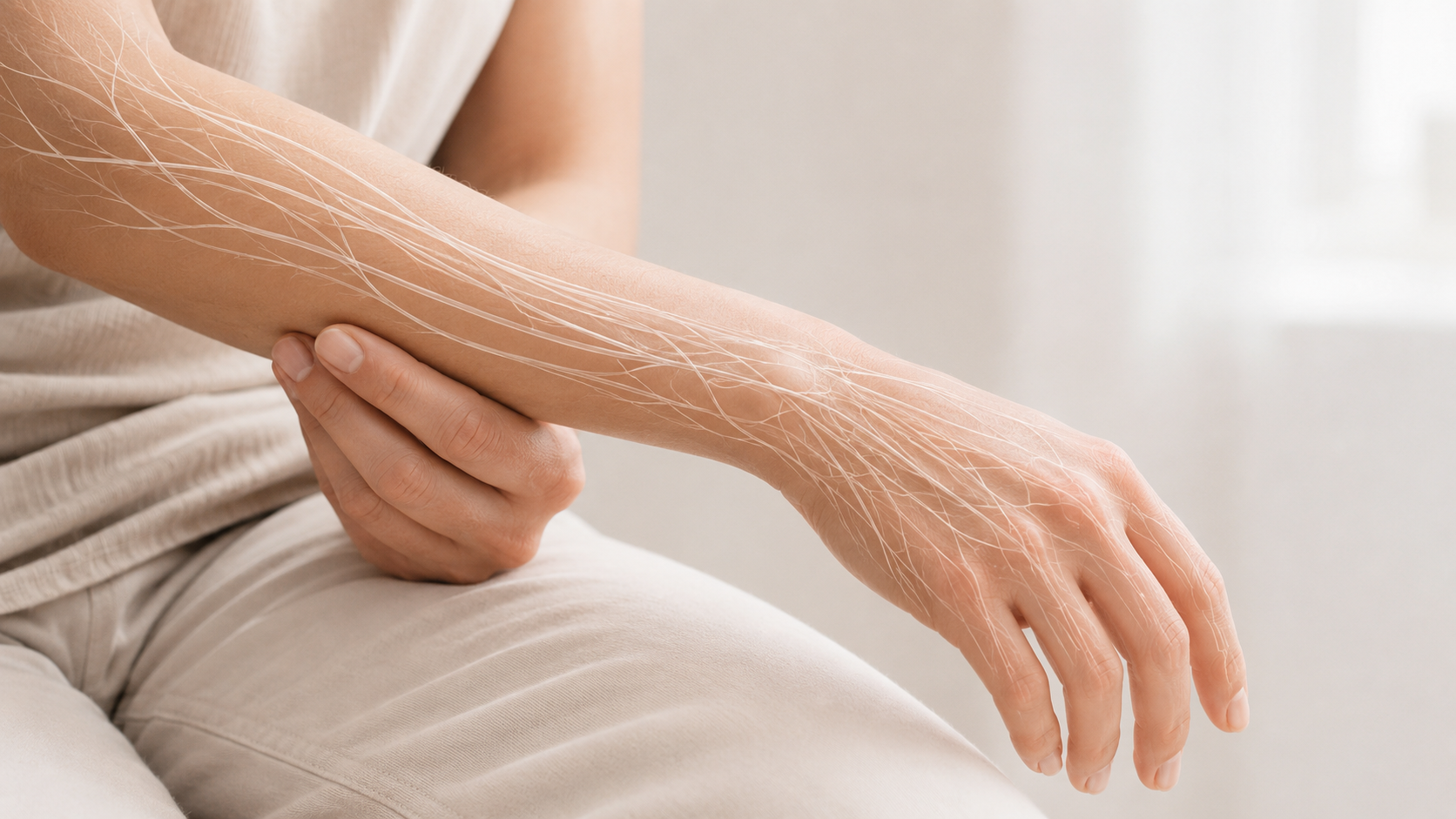
Complex regional pain syndrome can affect children and teens, often causing severe pain, sensitivity, swelling, color or temperature changes, movement difficulty, and functional loss. Care often requires a coordinated plan that may include rehabilitation, pain psychology, family support, medication review, and selected interventions only when clinically appropriate.
Complex chronic pain can also develop without CRPS. Pain may become more widespread, more sensitive, or more disruptive over time. This does not mean the child is exaggerating. It means the nervous system, body, and daily life have become part of the pain cycle and require coordinated treatment.
The Role of Pain Psychology
Pain psychology is often an important part of pediatric chronic pain care. It helps children and teens learn strategies for coping, nervous system regulation, sleep, school participation, movement confidence, and stress-related pain amplification. Pain psychology does not mean pain is “all in the head.” It is a clinical tool that helps the nervous system and the child’s daily function recover alongside medical and physical care.
When Procedures May Be Considered
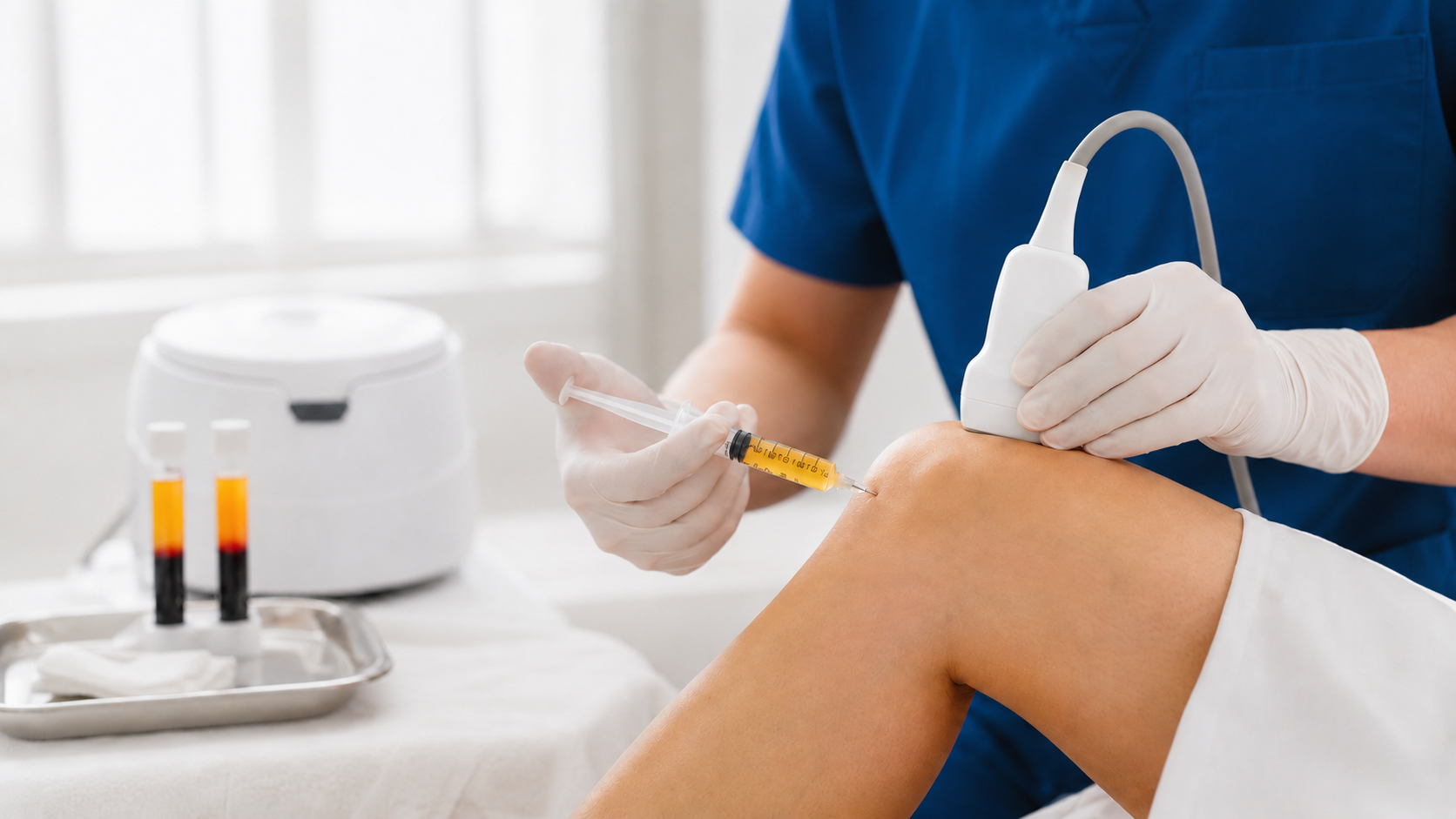
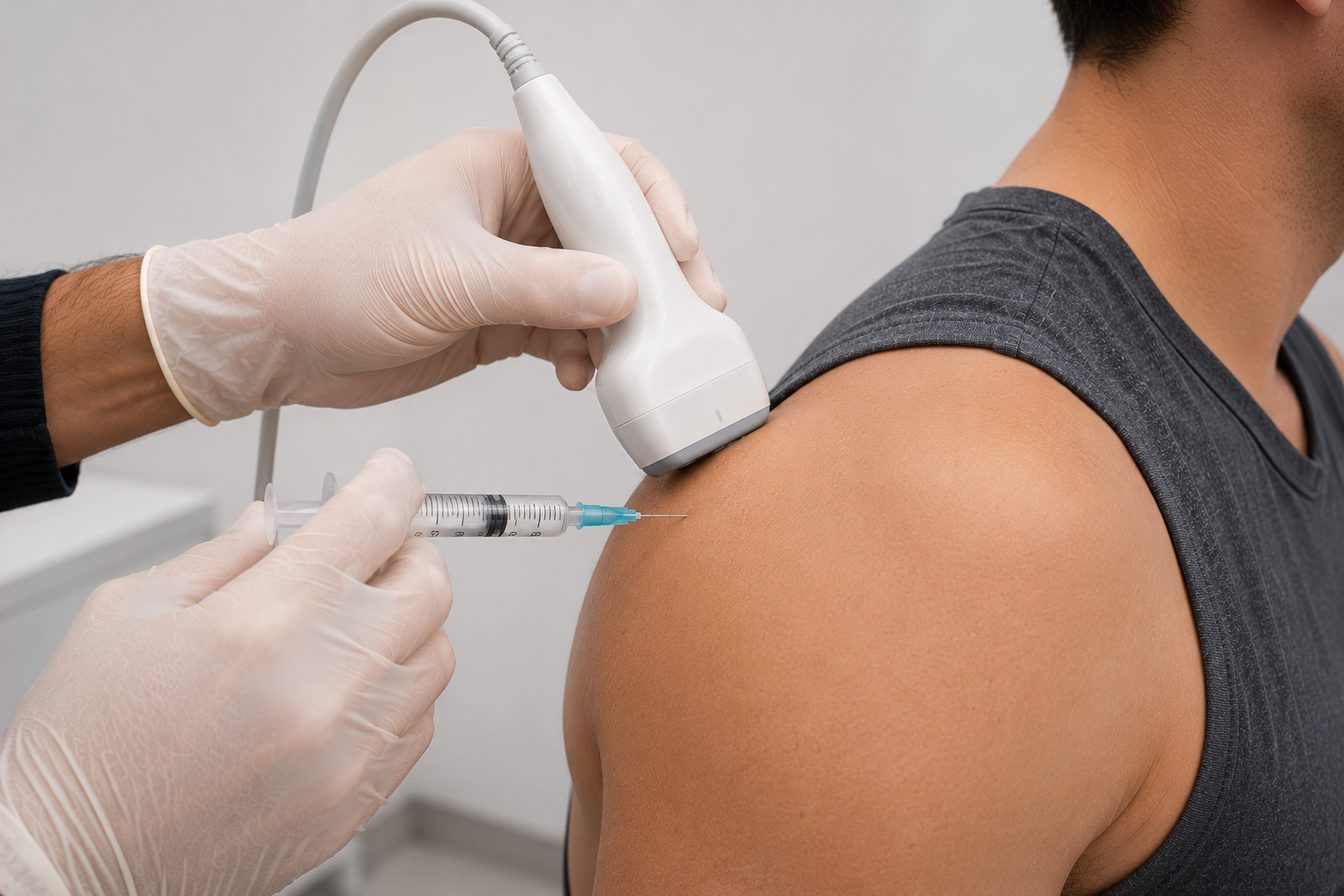
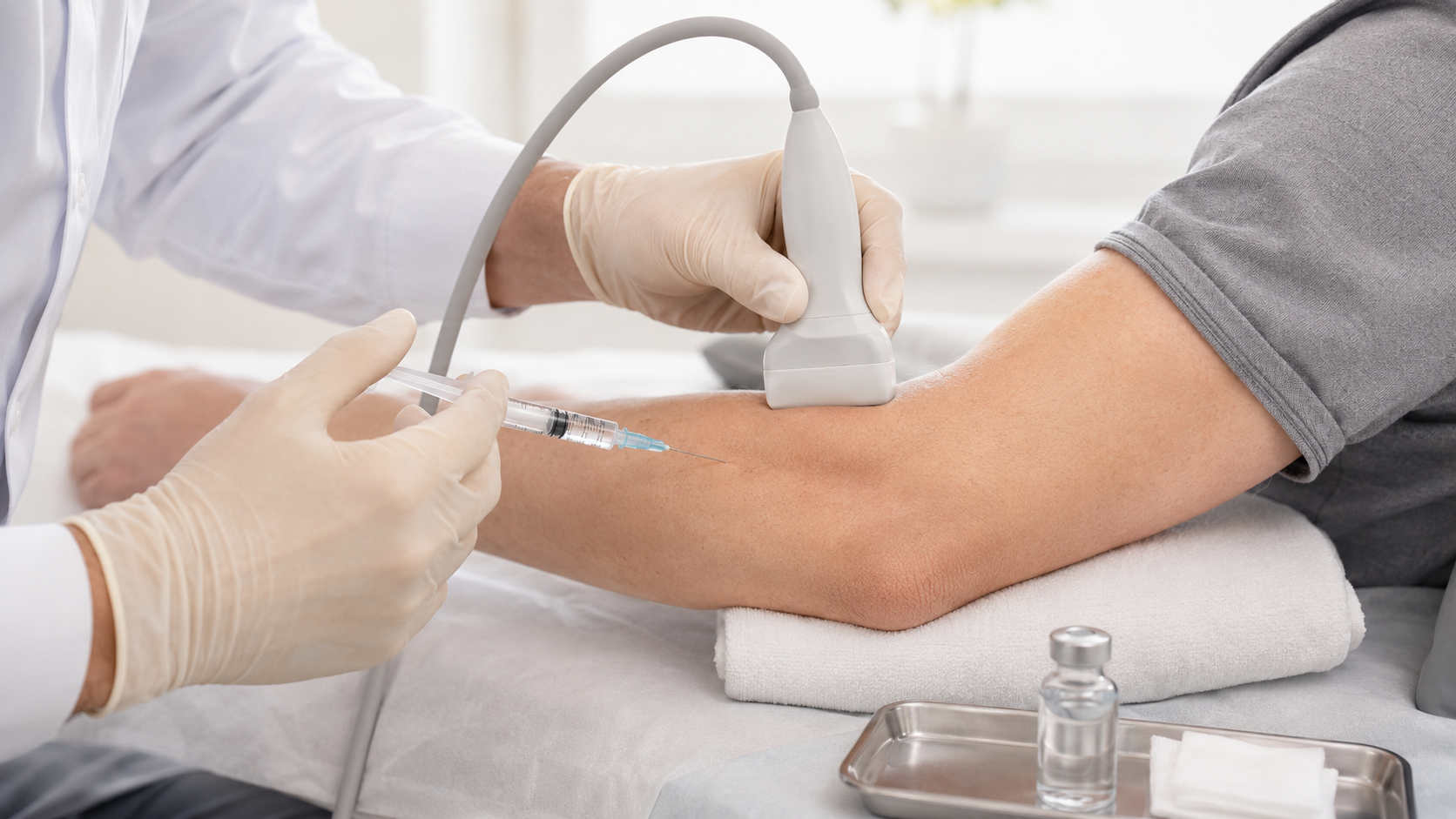
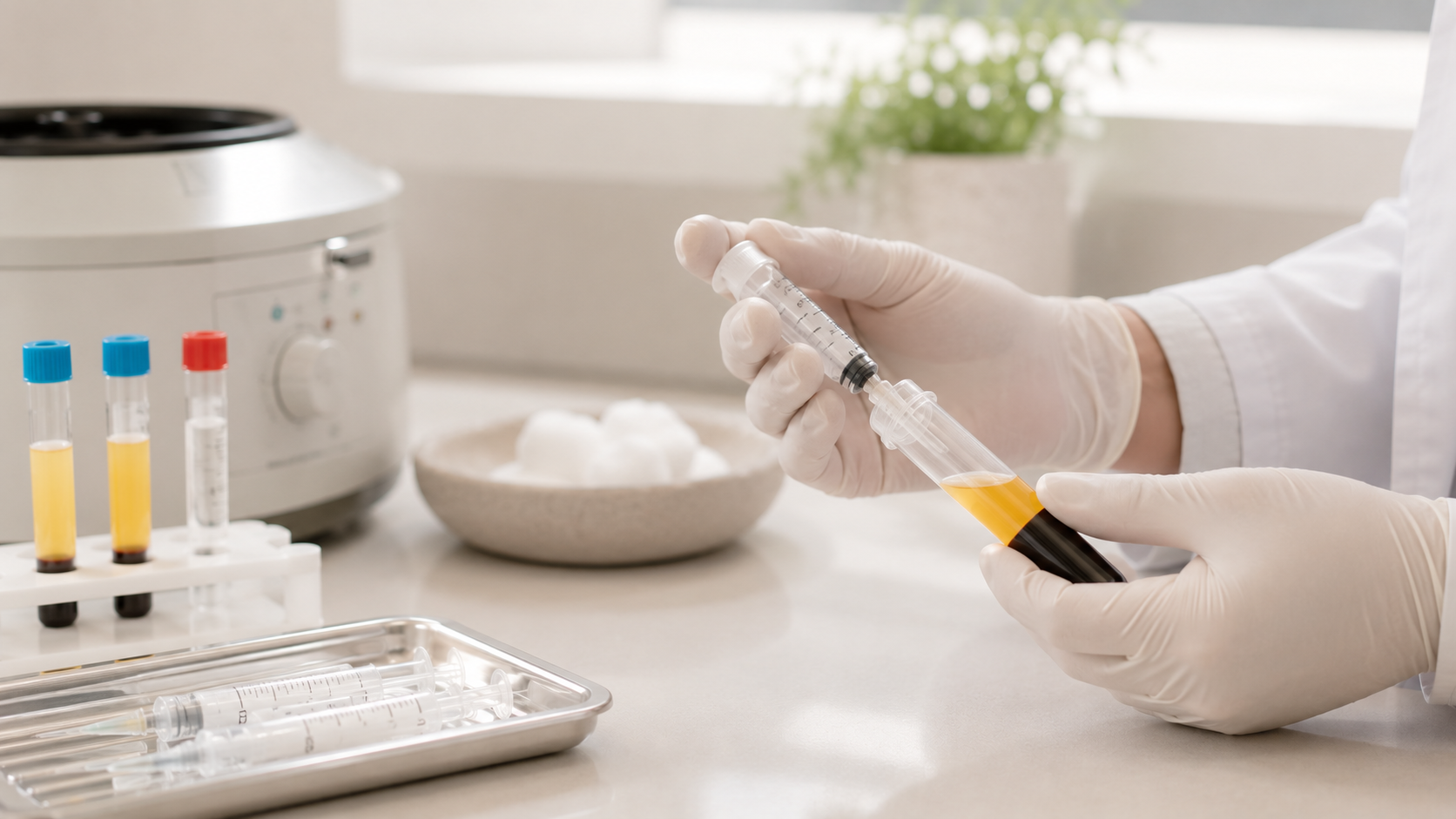
Some pediatric and adolescent pain conditions may involve procedures, but these decisions require caution. Ultrasound-guided injections, steroid injections, nerve hydrodissection, sympathetic blocks, botulinum toxin, chemodenervation, prolotherapy, PRP, or regenerative medicine should not be presented as standard treatment for all pediatric pain.
When considered, procedures must be diagnosis-specific, age-appropriate, carefully consented, and supported by a clear treatment goal. MPM evaluates whether the suspected pain generator, risk profile, developmental stage, and prior treatment response support procedural care.
When Symptoms Require Urgent Evaluation
Families should seek urgent evaluation when pediatric pain is associated with fever, unexplained weight loss, severe night pain, new weakness, numbness, trouble walking, bowel or bladder dysfunction, saddle anesthesia, sudden severe headache, vision changes, neck stiffness, severe abdominal pain, testicular pain, fainting, chest pain, shortness of breath, major trauma, suspected infection, suicidal thoughts, or rapidly worsening symptoms.
These symptoms may indicate a condition that requires immediate medical attention.
How MPM Approaches Pediatric Pain Care
MPM approaches pediatric pain through diagnosis-first, family-centered care. The goal is to understand the pain pattern, identify treatable contributors, support function, coordinate with the right specialists, and select treatments carefully.
For families looking for pediatric pain treatment in Manhattan or NYC, MPM provides a structured pain medicine perspective for children, teens, and young adults with persistent pain. Care is grounded in clinical evaluation, safety, coordination, and the understanding that pediatric pain is real, meaningful, and deserving of thoughtful care.