Nerve Hydrodissection
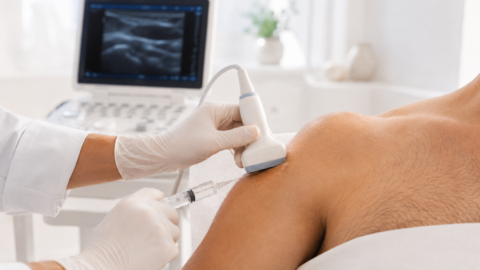
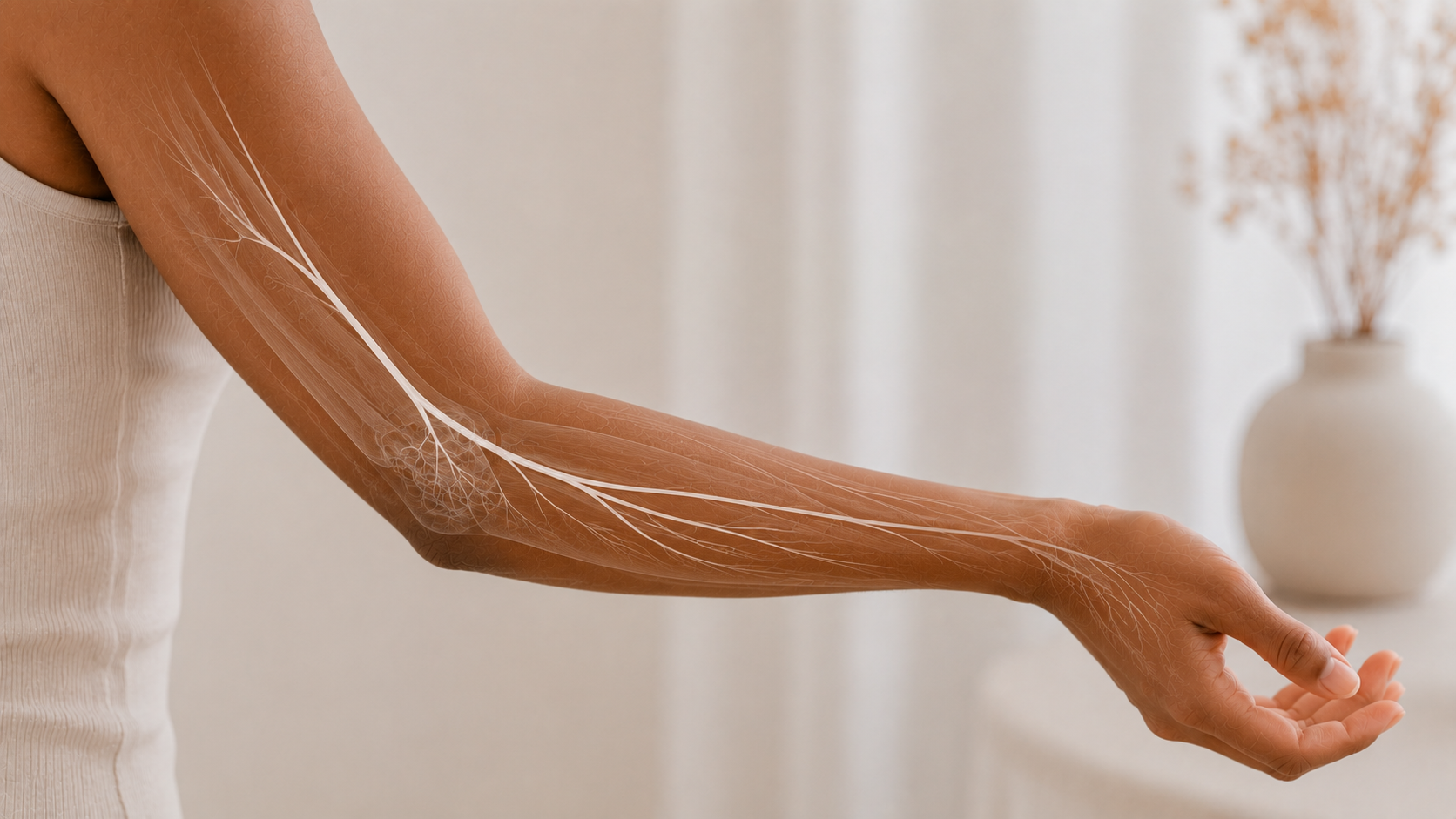
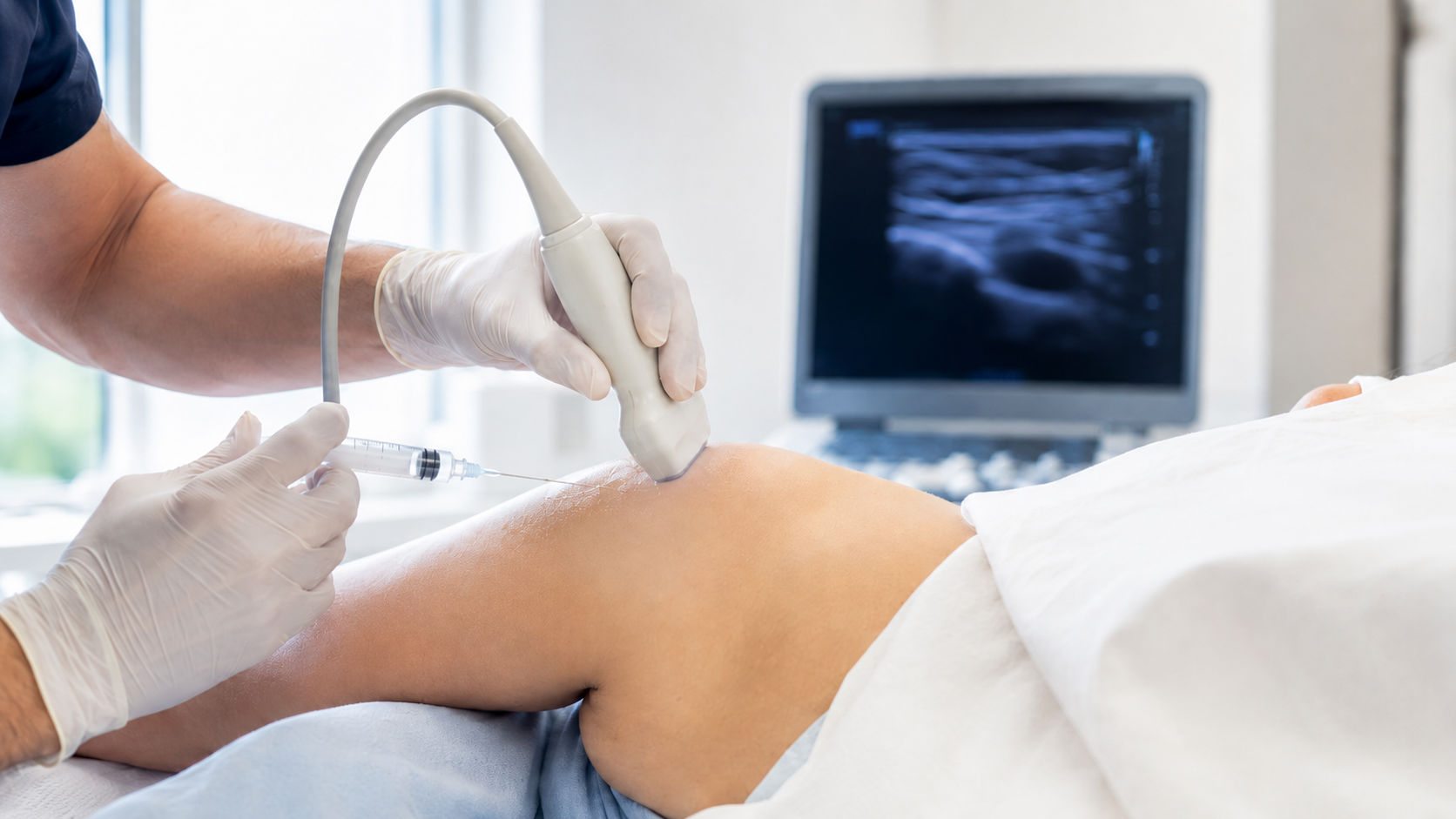
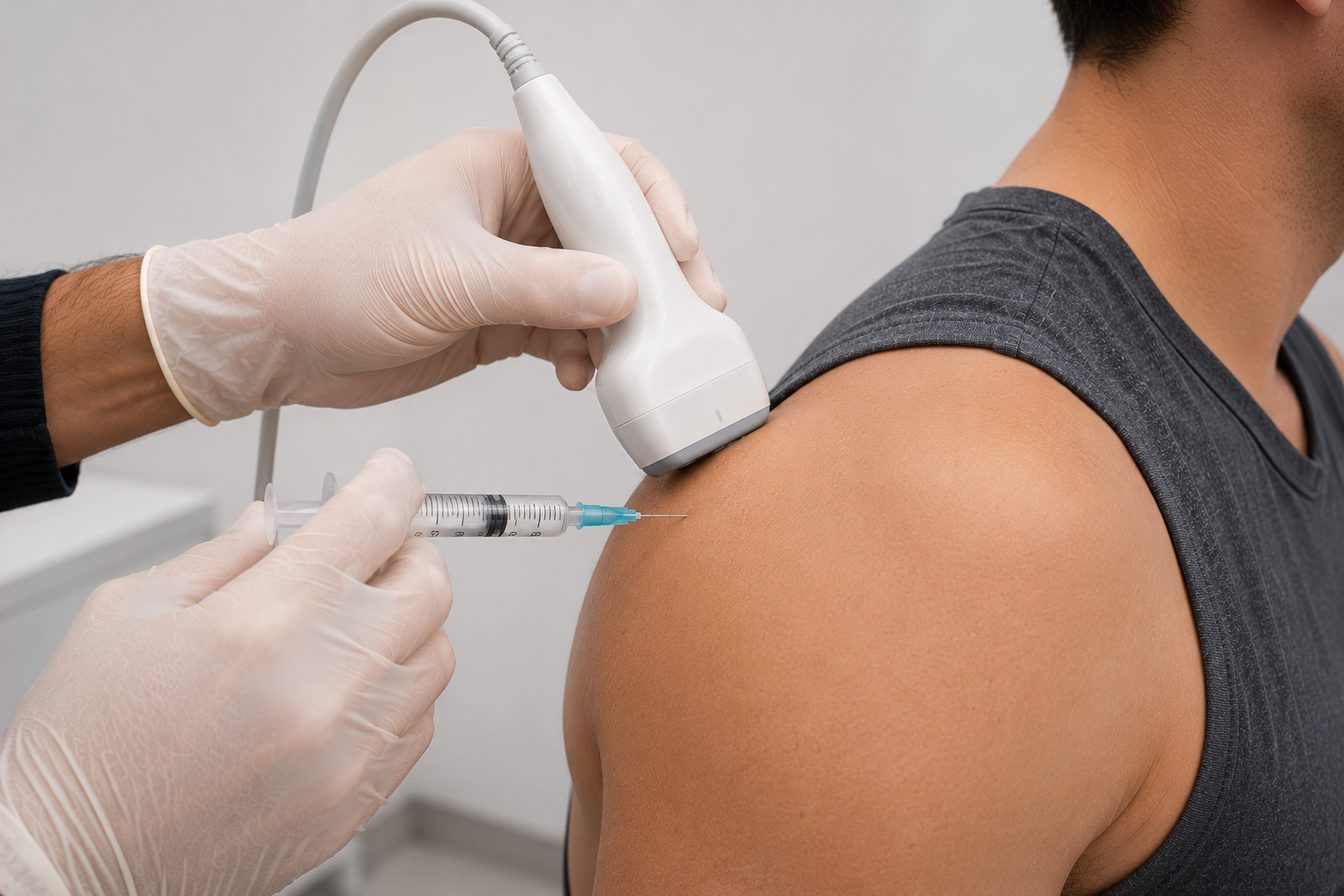
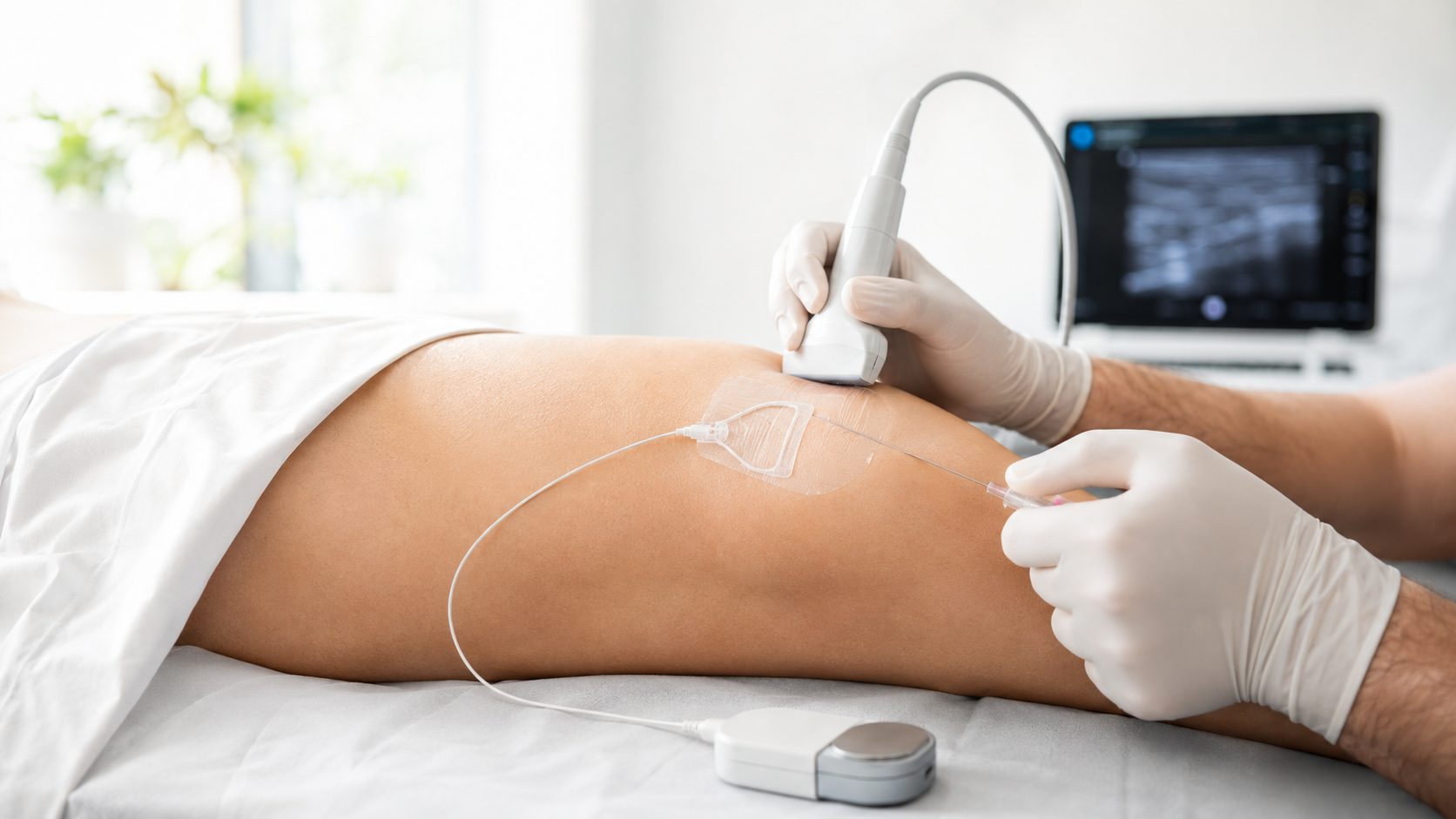
Nerve hydrodissection is an ultrasound-guided procedure that uses fluid to separate a peripheral nerve from surrounding tissue, fascia, scar tissue, muscle, ligament, or other nearby structures when nerve entrapment or mechanical irritation is suspected. The goal is to create space around the nerve and reduce tissue restriction in selected cases.
At Manhattan Pain Medicine (MPM), nerve hydrodissection NYC care begins with diagnosis-first evaluation. The goal is to determine whether a specific peripheral nerve appears to be involved, whether hydrodissection is appropriate, and how the response may guide the broader care plan.
How Nerve Hydrodissection Works
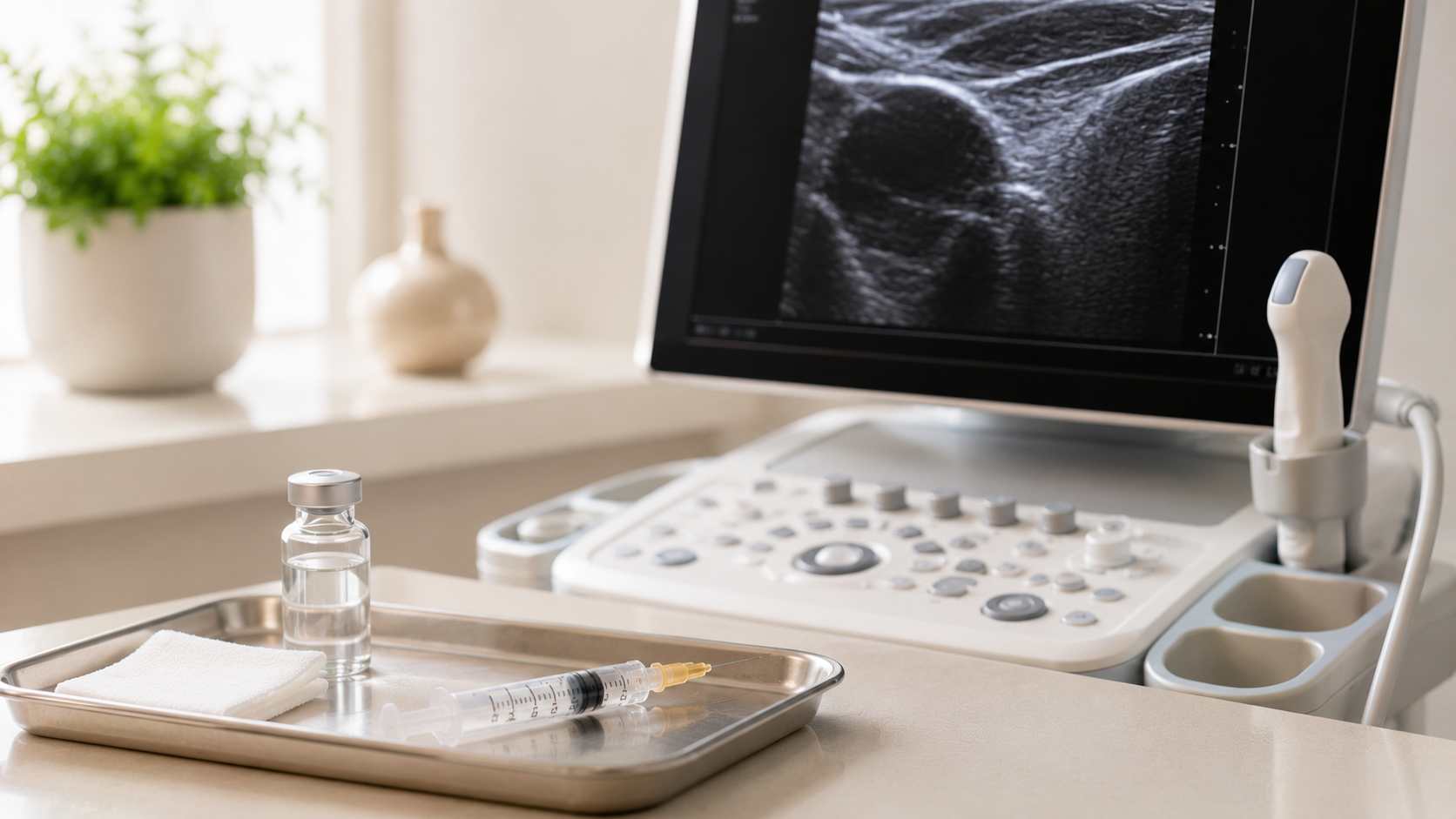
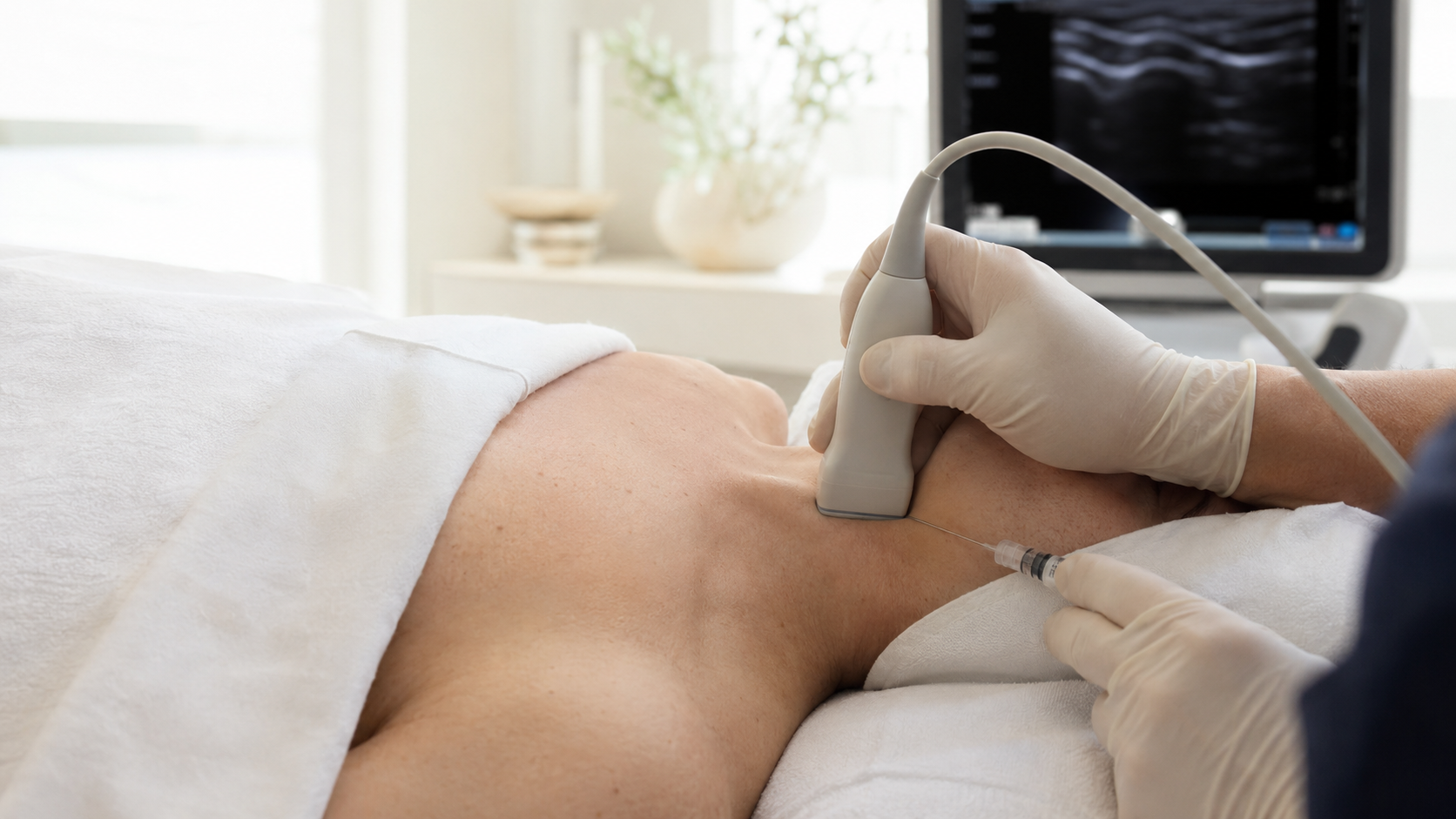
During nerve hydrodissection, ultrasound is used to visualize the target region and guide fluid around the nerve or surrounding tissue plane. The injectate may vary depending on the clinical situation and may include local anesthetic, saline, dextrose solution, or other medication when clinically appropriate.
This is different from a standard nerve block. A nerve block primarily places medication near a nerve to temporarily interrupt pain signaling or help confirm the pain source. Hydrodissection focuses on mechanically separating the nerve from surrounding tissue planes when entrapment, scar restriction, or mechanical irritation is suspected.
Conditions Where Hydrodissection May Be Considered
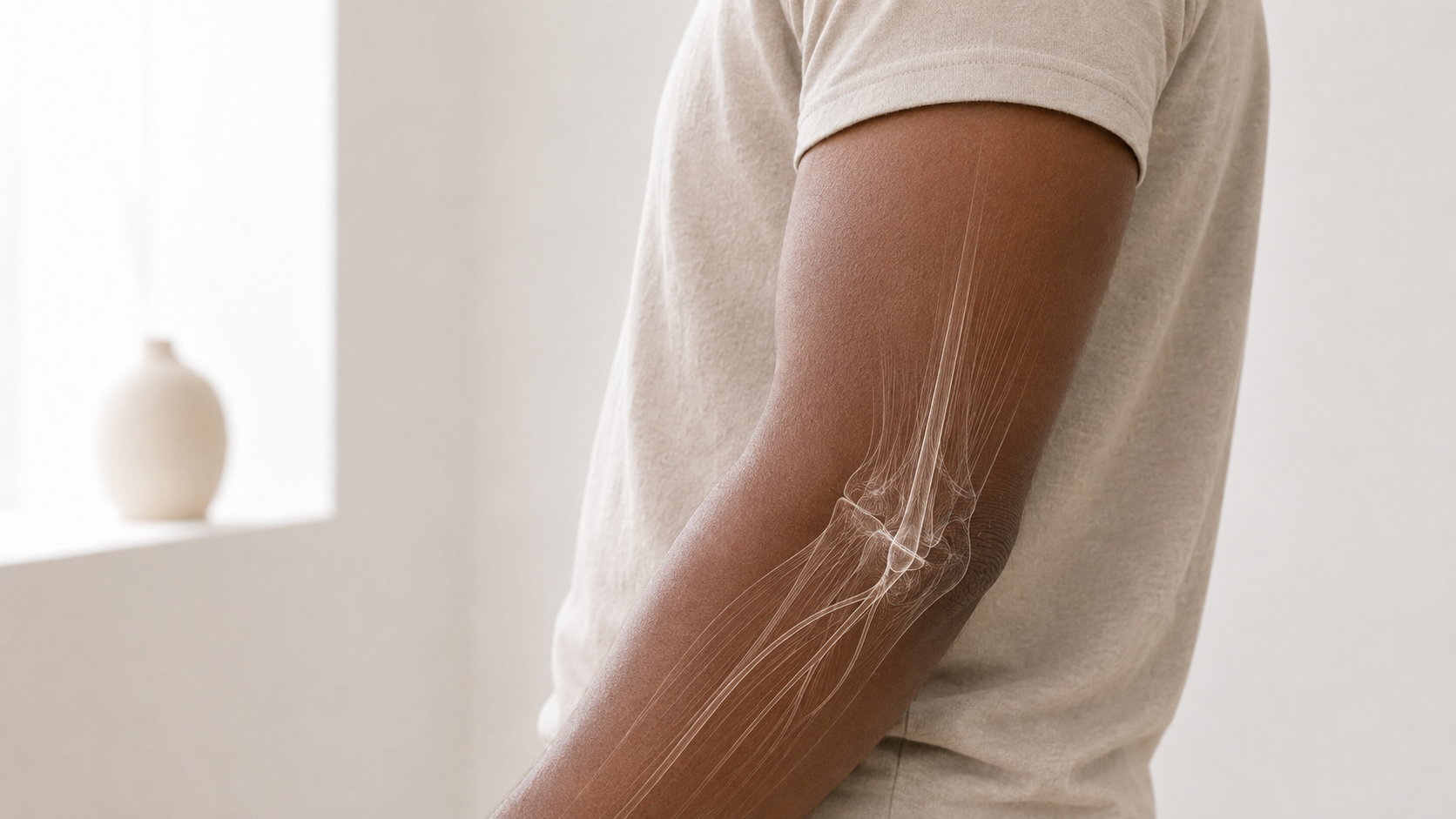
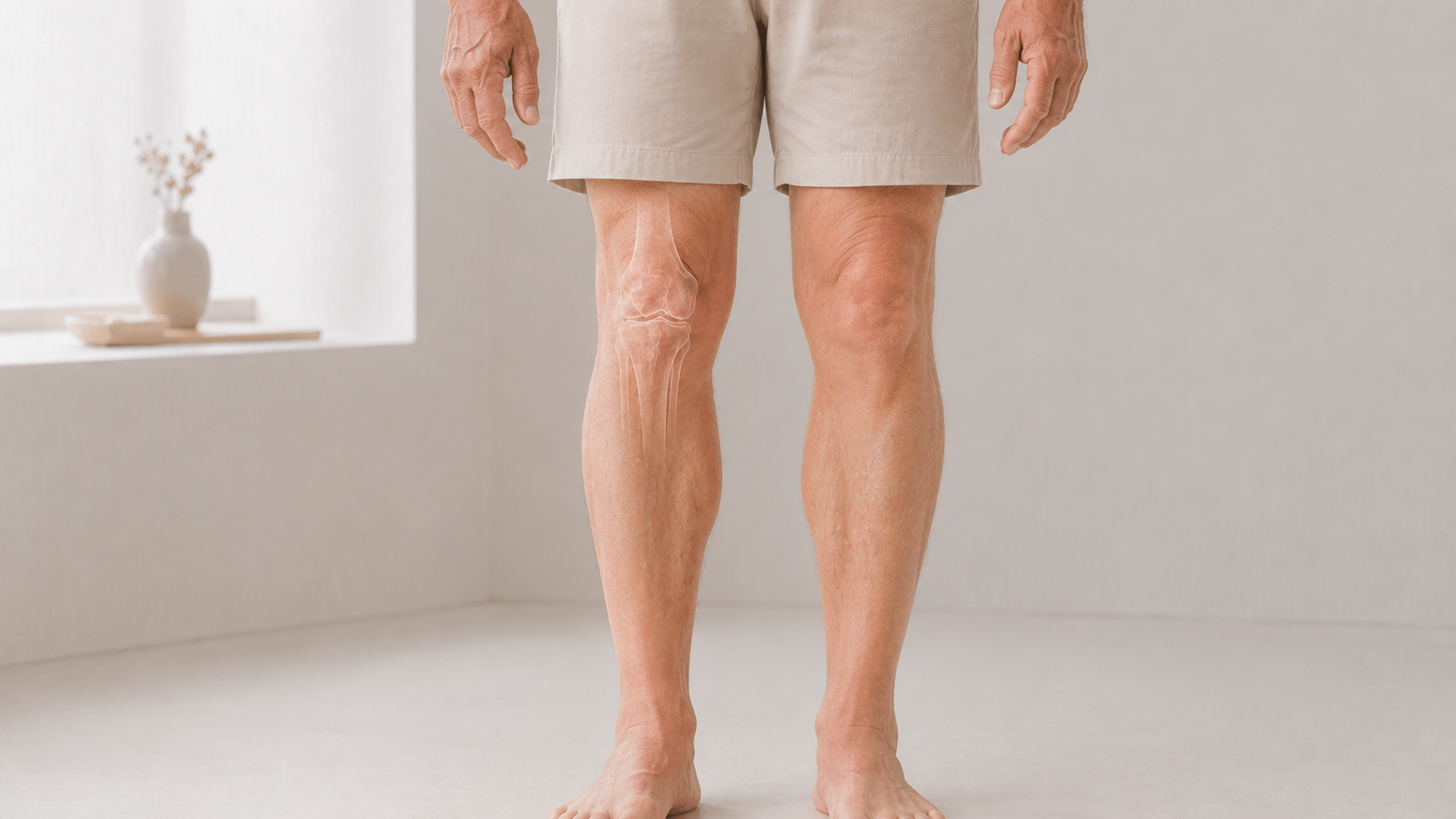
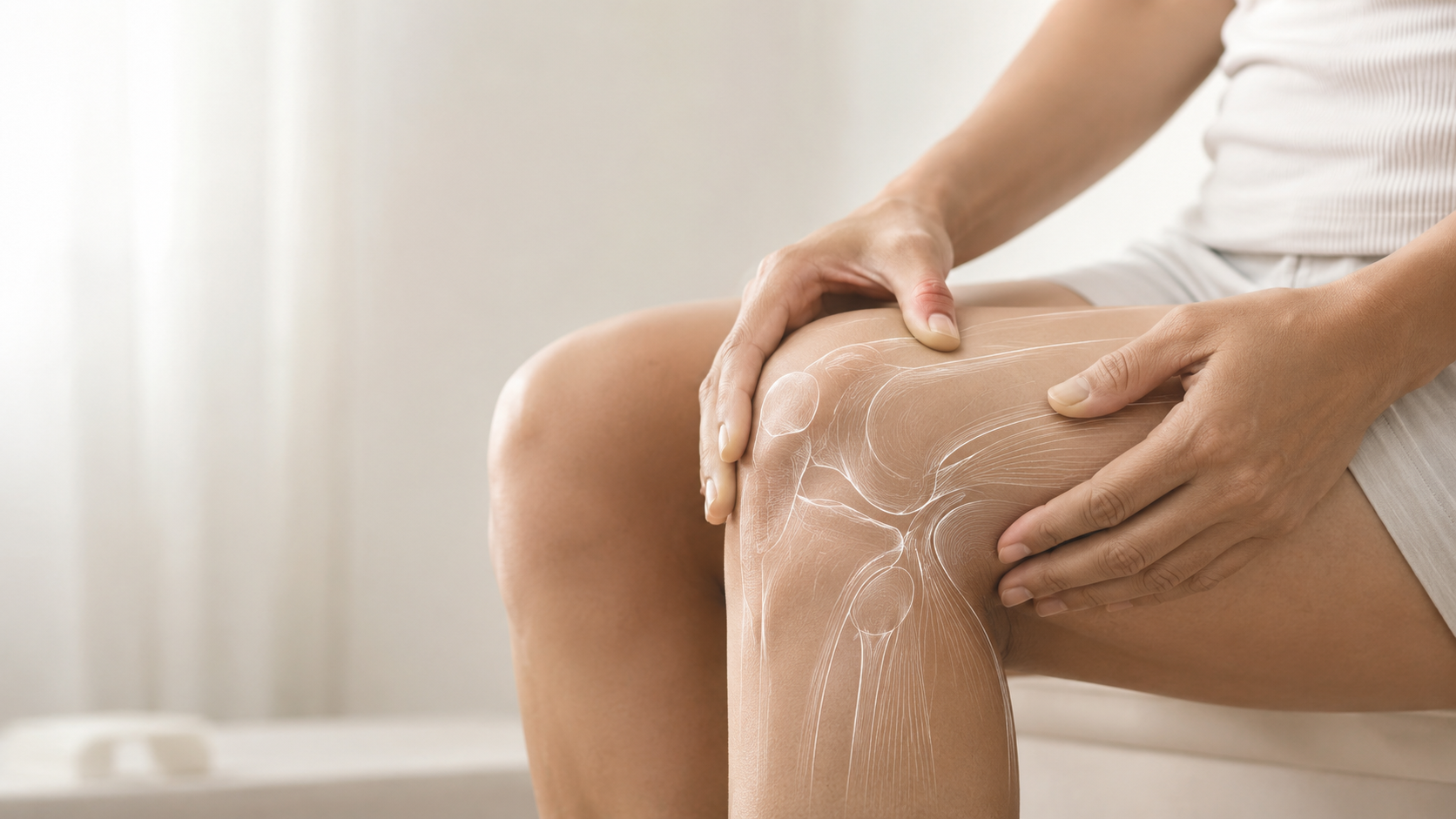
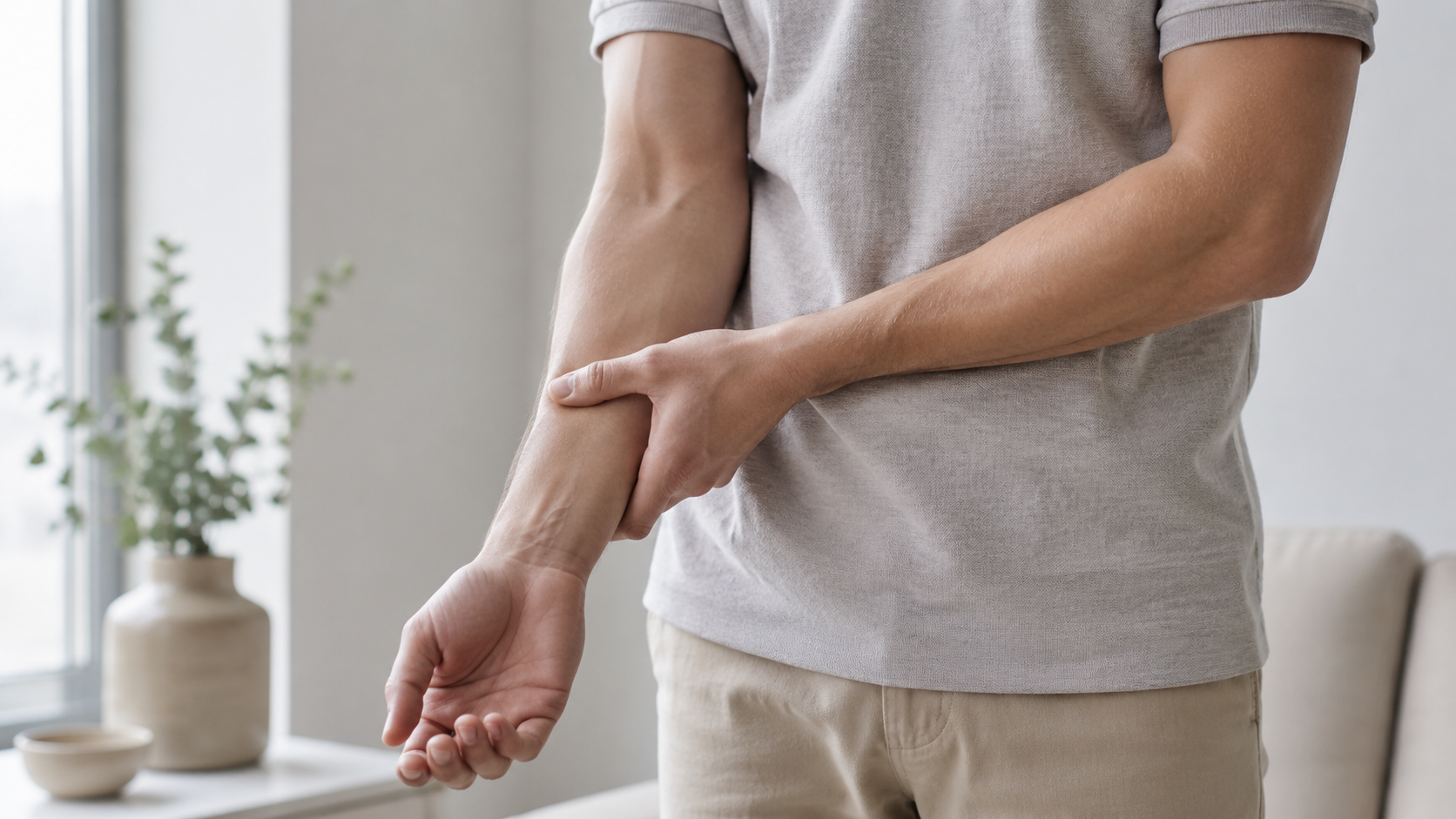
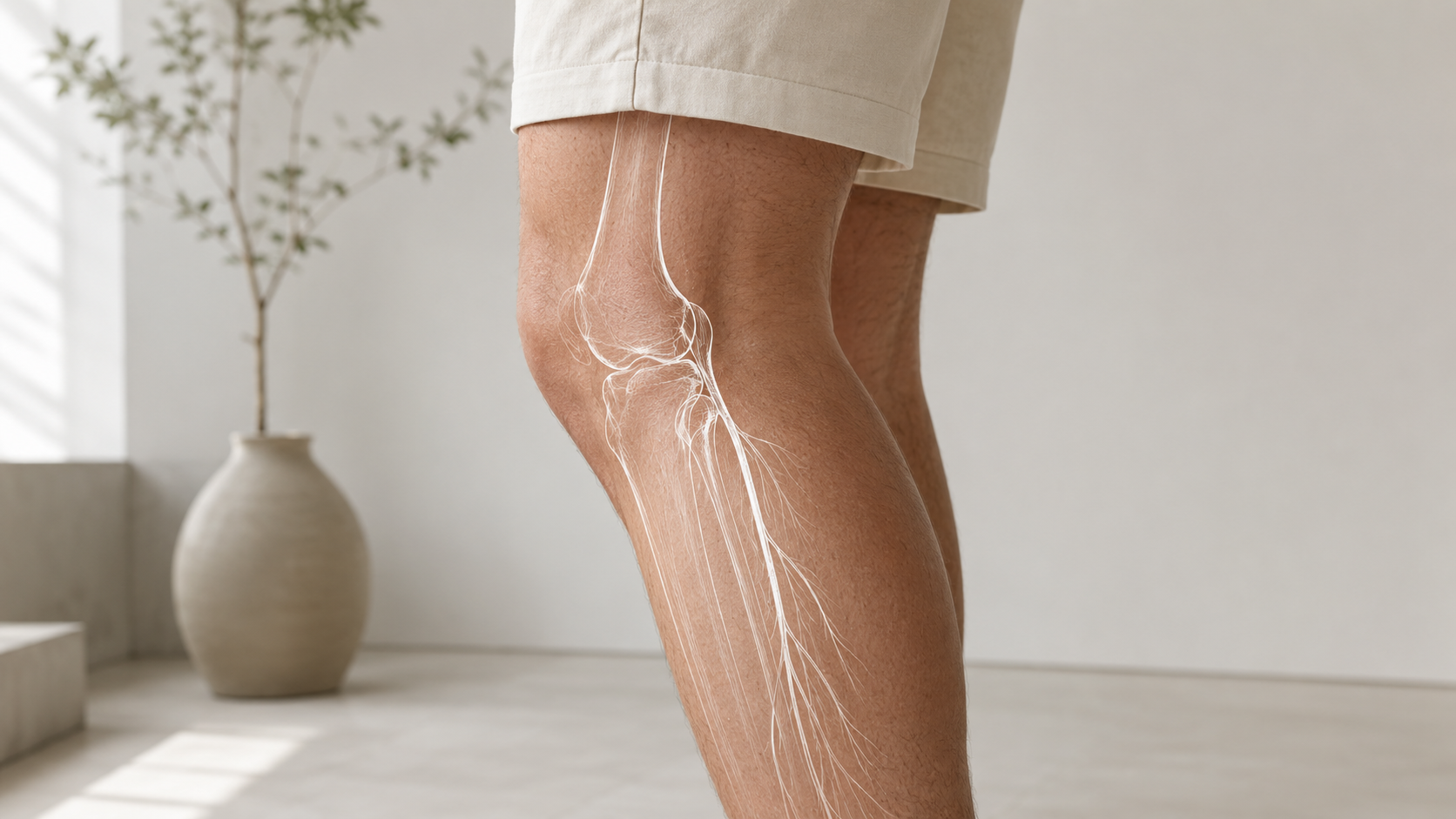
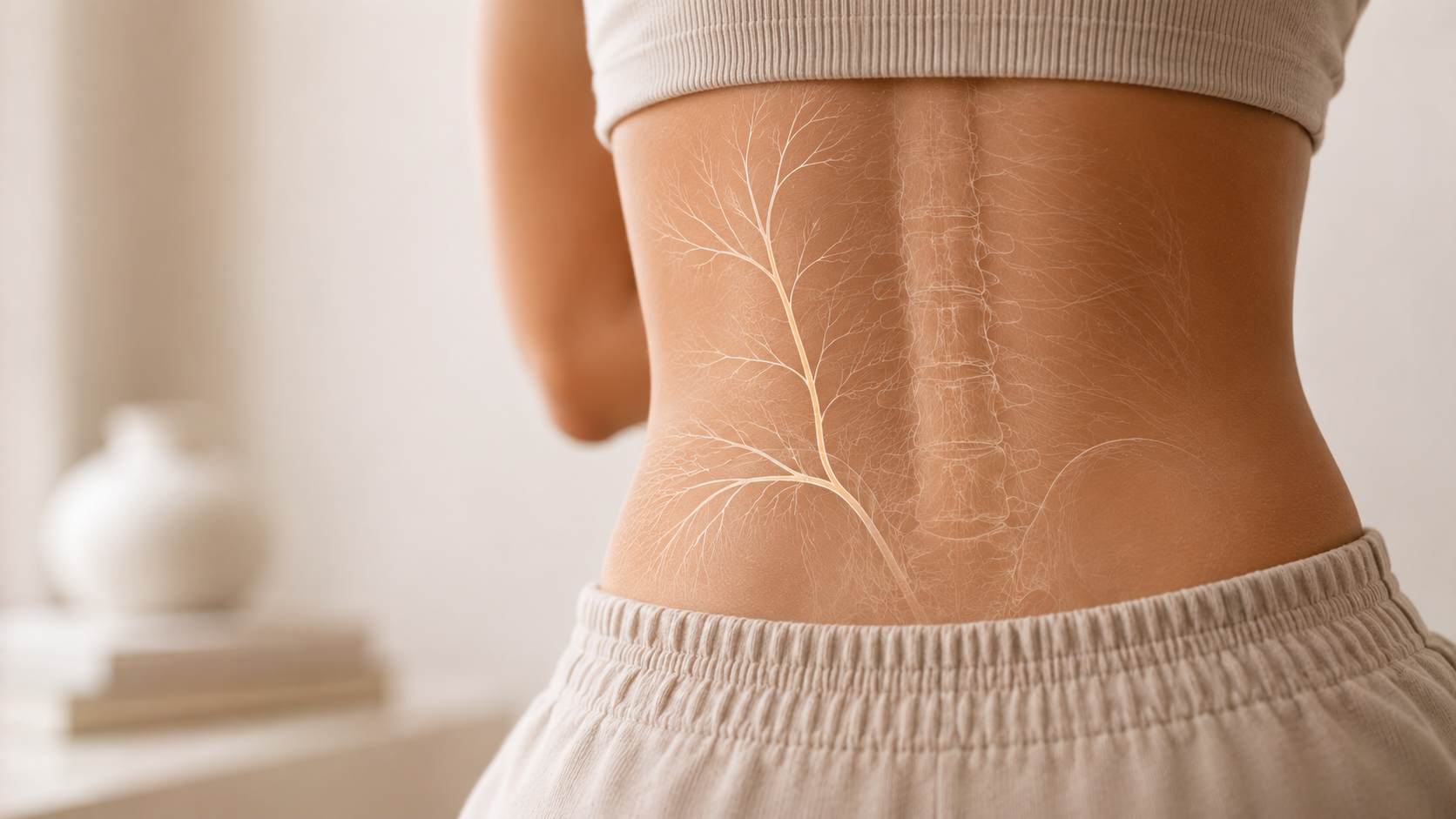
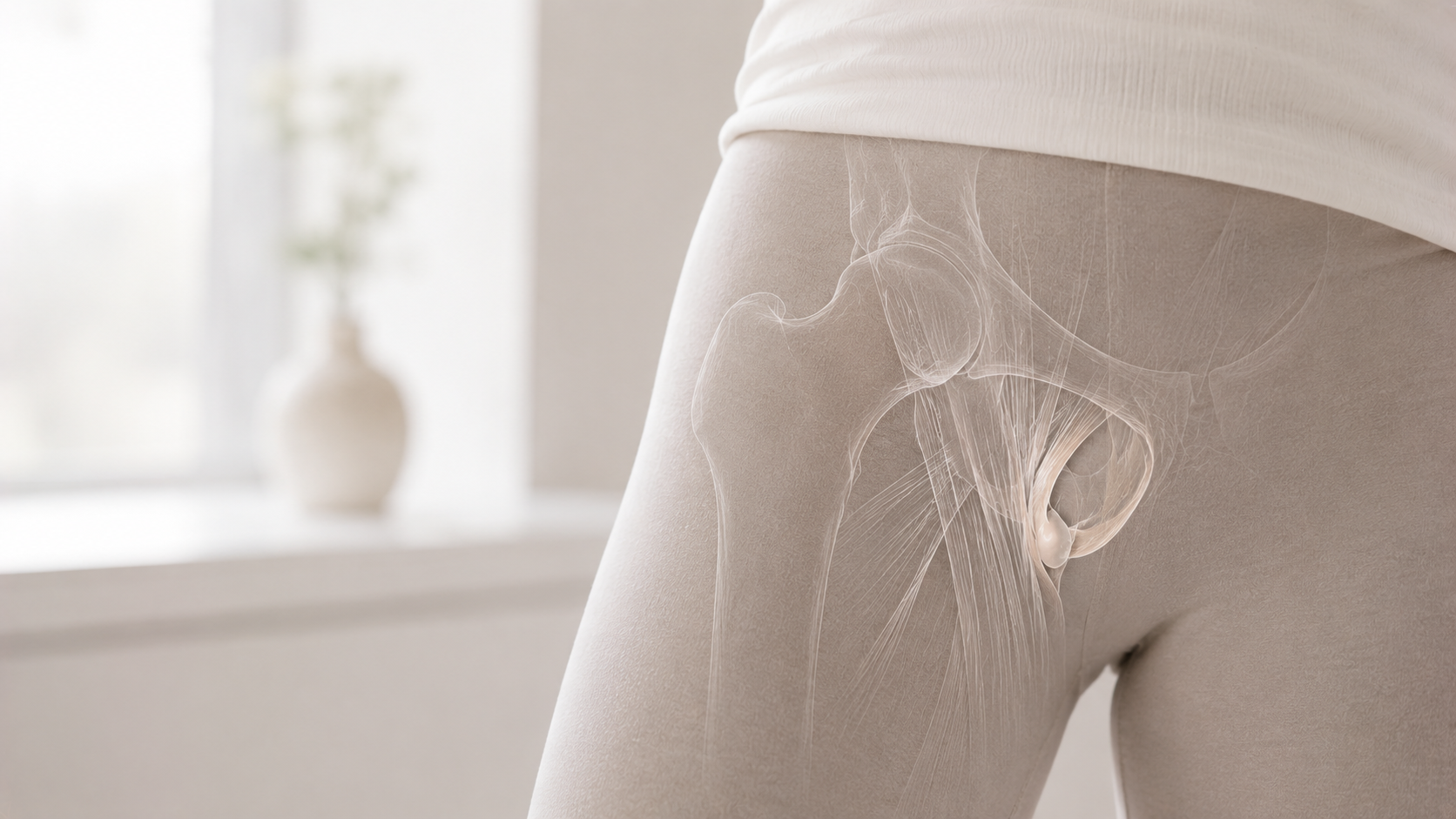
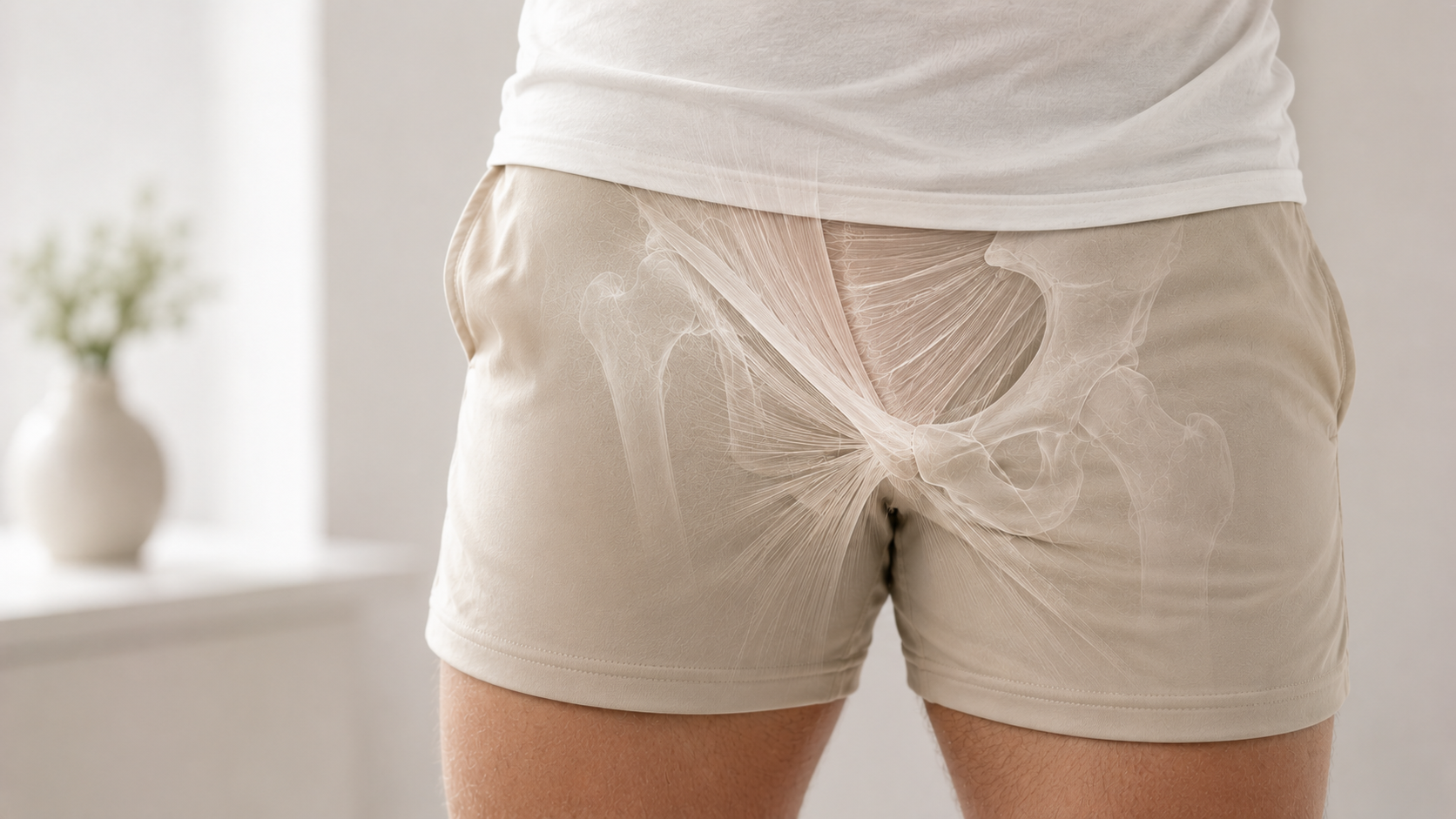
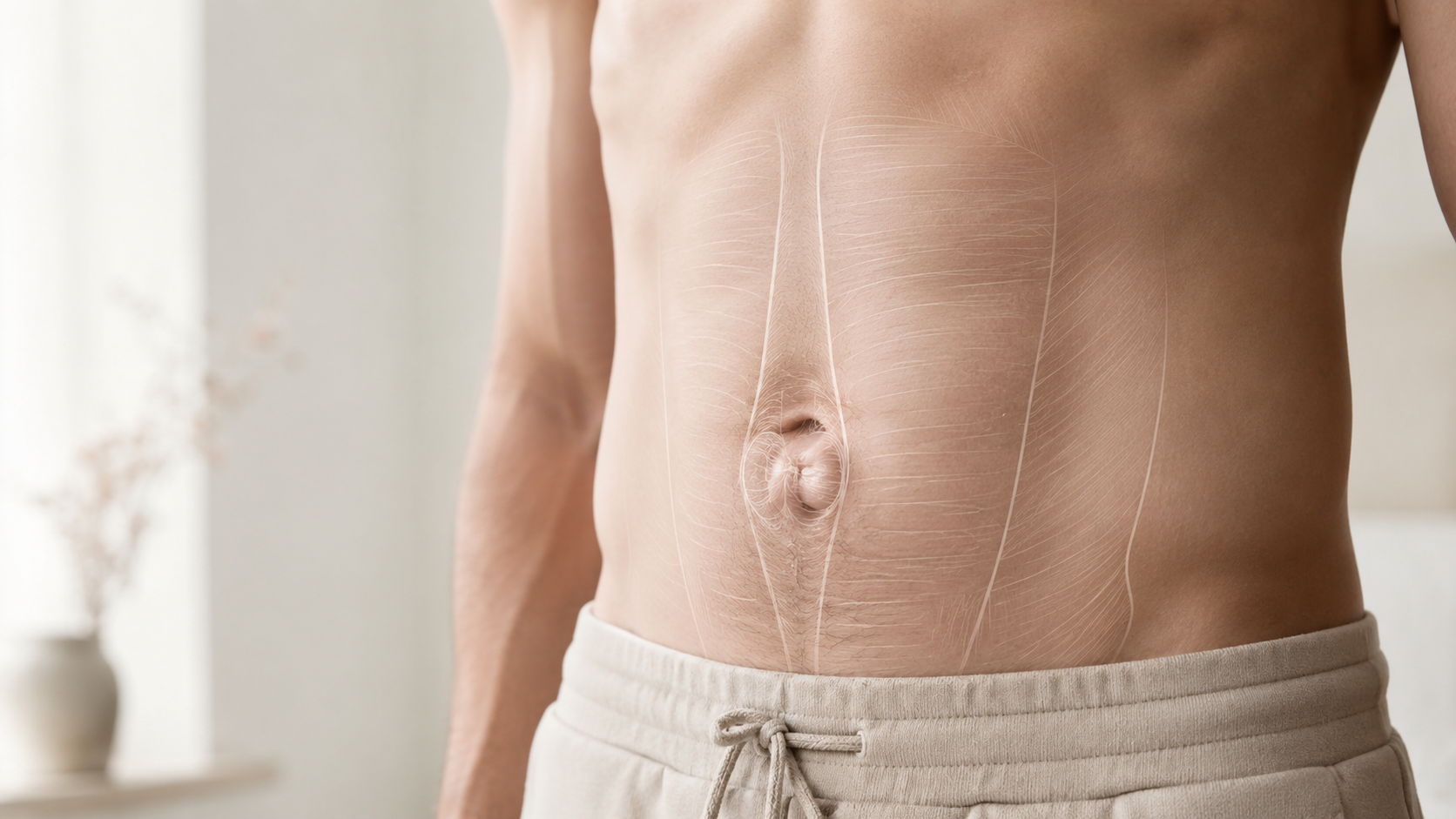
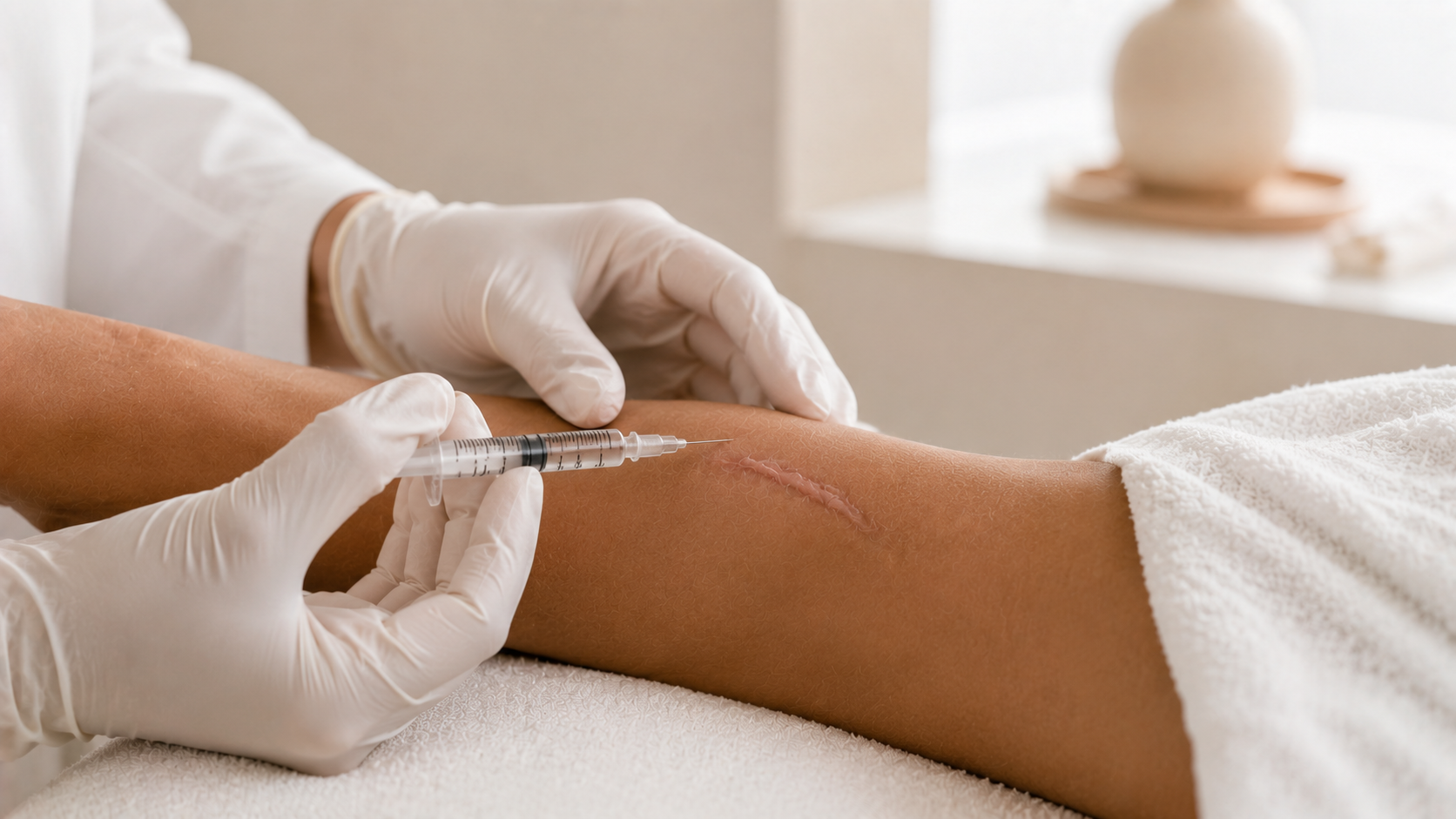
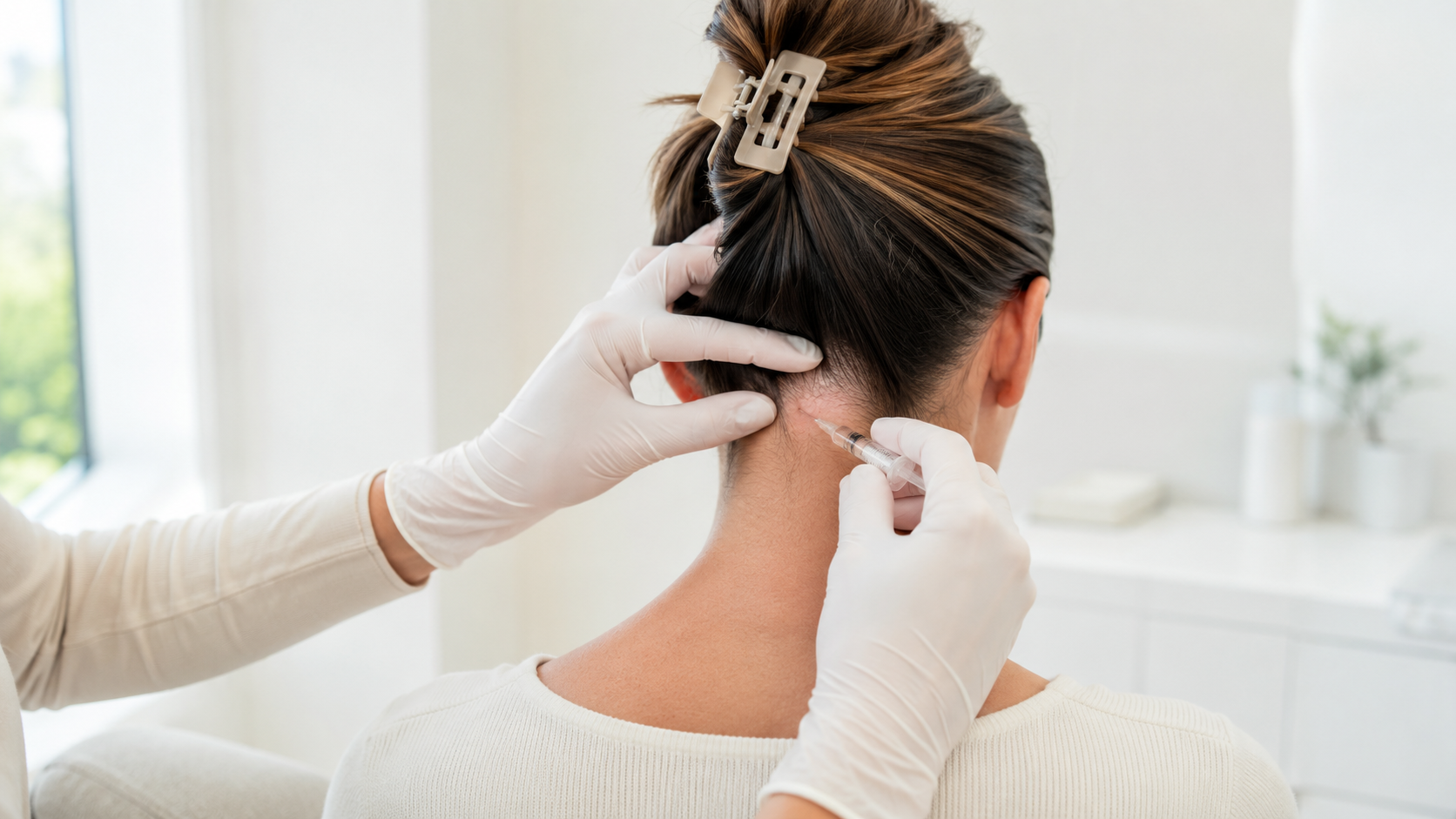
Nerve hydrodissection may be considered for selected peripheral nerve entrapment or irritation patterns. These may include scar-related nerve pain, cluneal neuralgia, abdominal wall nerve pain, hernia-related nerve pain, pelvic nerve pain, pudendal nerve irritation, peroneal nerve entrapment, cubital tunnel syndrome, and certain foot or ankle nerve symptoms.
It may also be considered after a diagnostic nerve block provides temporary relief and suggests a meaningful nerve target. However, hydrodissection is not appropriate for every patient with neuropathy, nerve pain, pelvic pain, abdominal pain, foot pain, or complex chronic pain.
Why Diagnosis Matters
Nerve-like pain can feel burning, tingling, shooting, electric, stabbing, radiating, or numb. These symptoms may suggest nerve involvement, but they do not automatically identify the source. Similar symptoms can come from spine-related nerve pain, peripheral neuropathy, vascular disease, CRPS, inflammatory conditions, pelvic floor dysfunction, joint mechanics, scar tissue, hernia-related pathology, or central sensitization.
MPM evaluates the full clinical picture before recommending hydrodissection. This may include symptom mapping, physical exam, ultrasound evaluation, imaging review, medication review, prior injection response, EMG or nerve testing when available, and coordination with other specialists when appropriate.
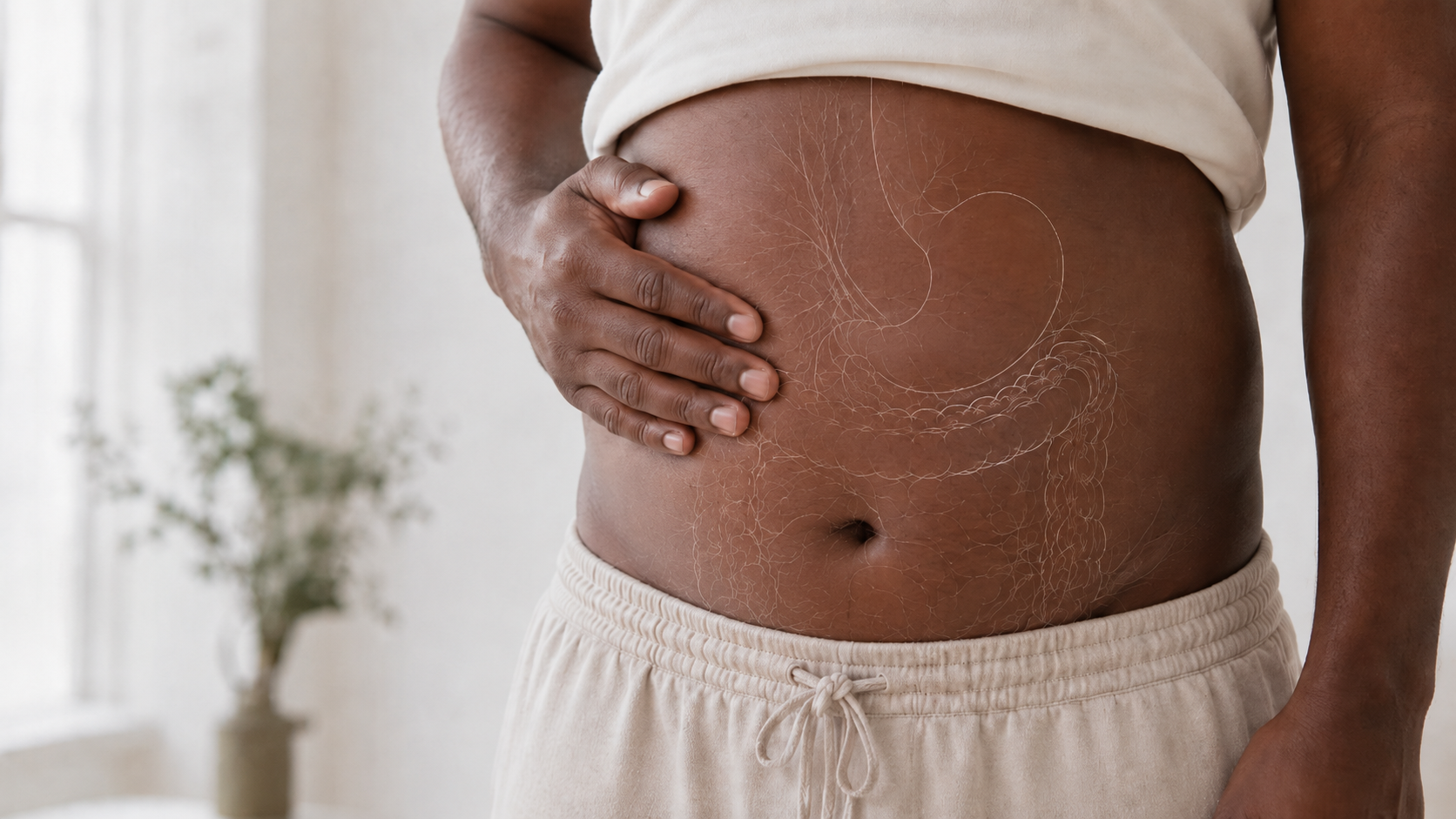
Pelvic, Abdominal Wall, and Hernia-Related Nerve Pain
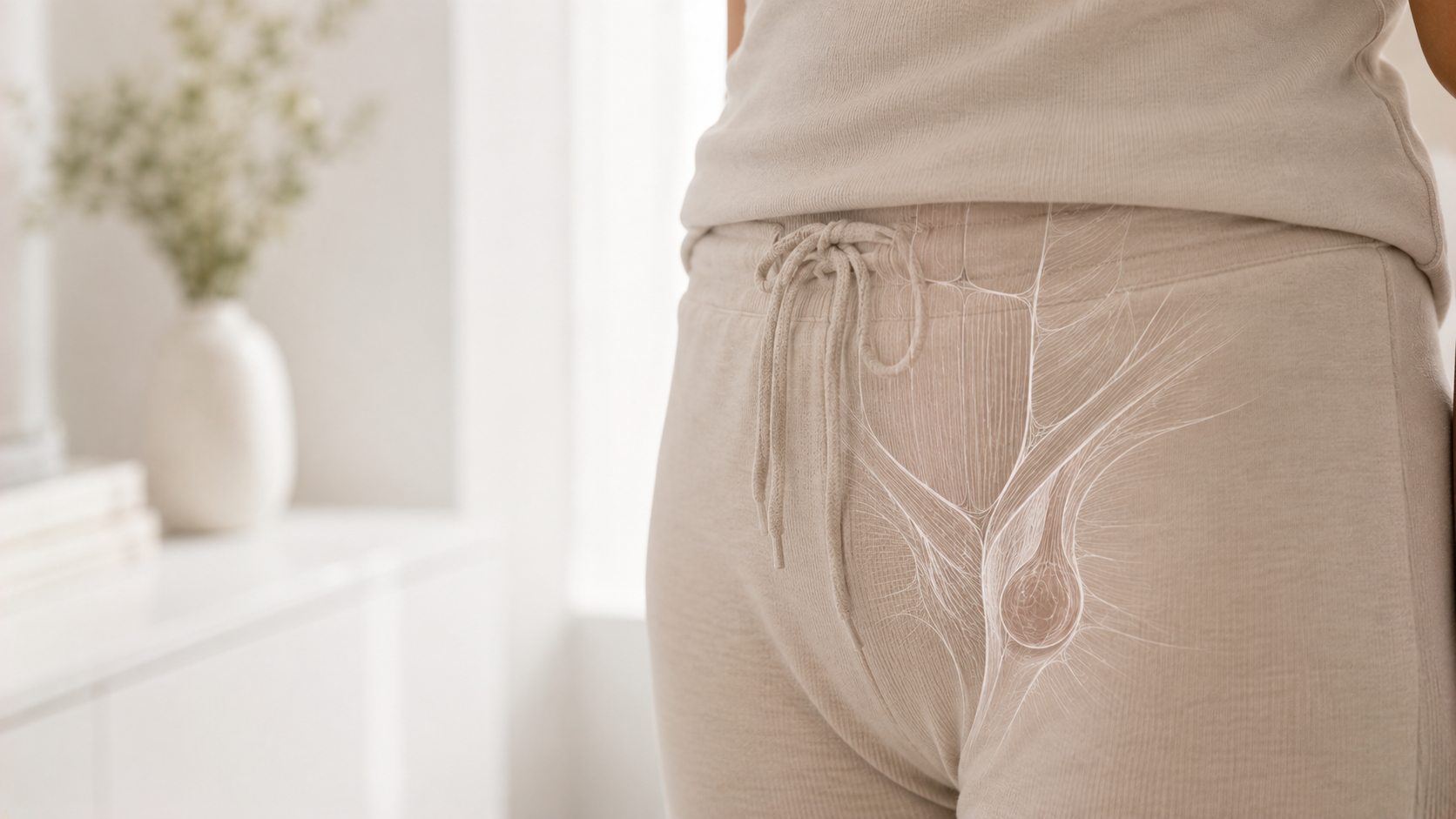
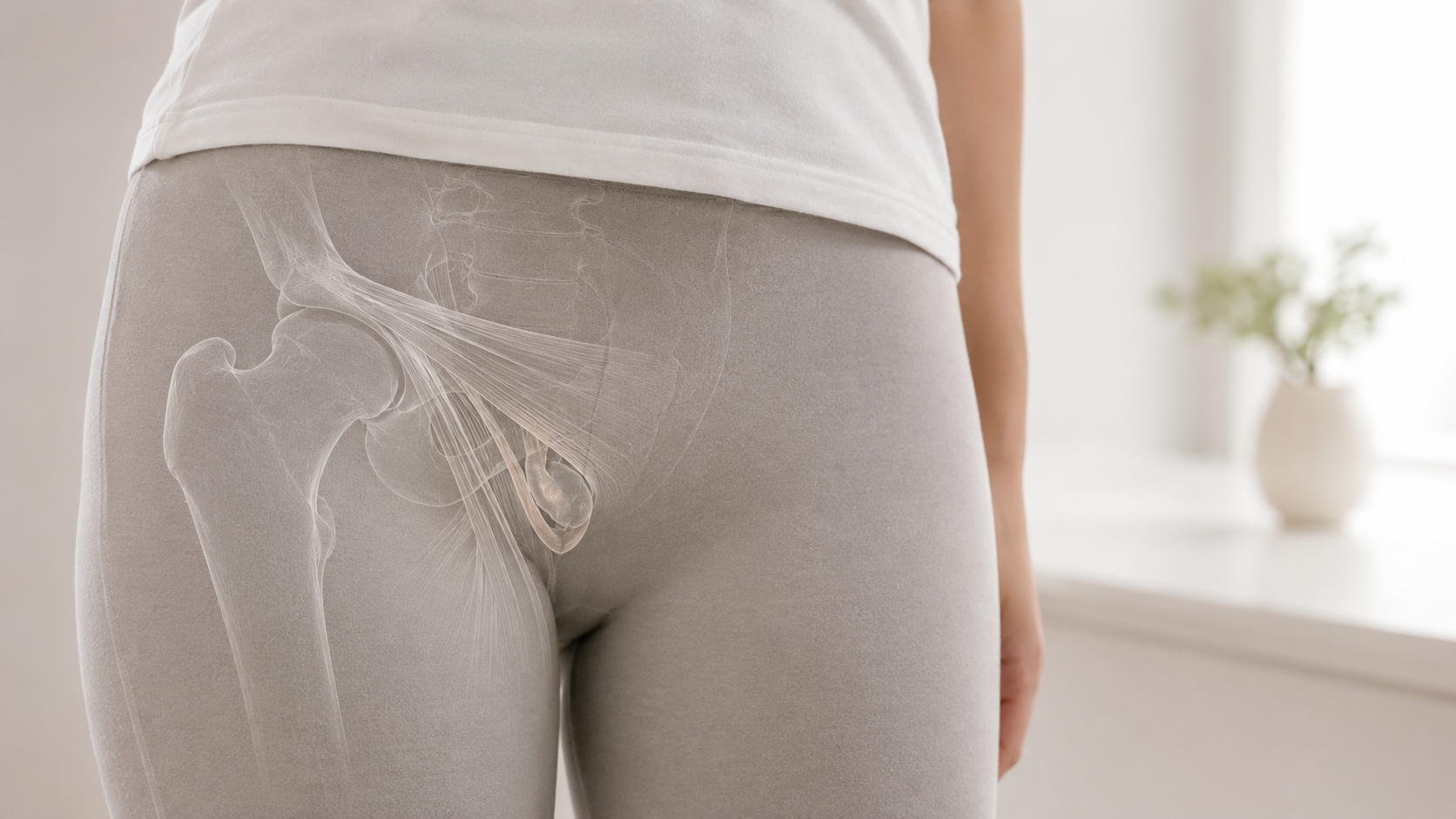
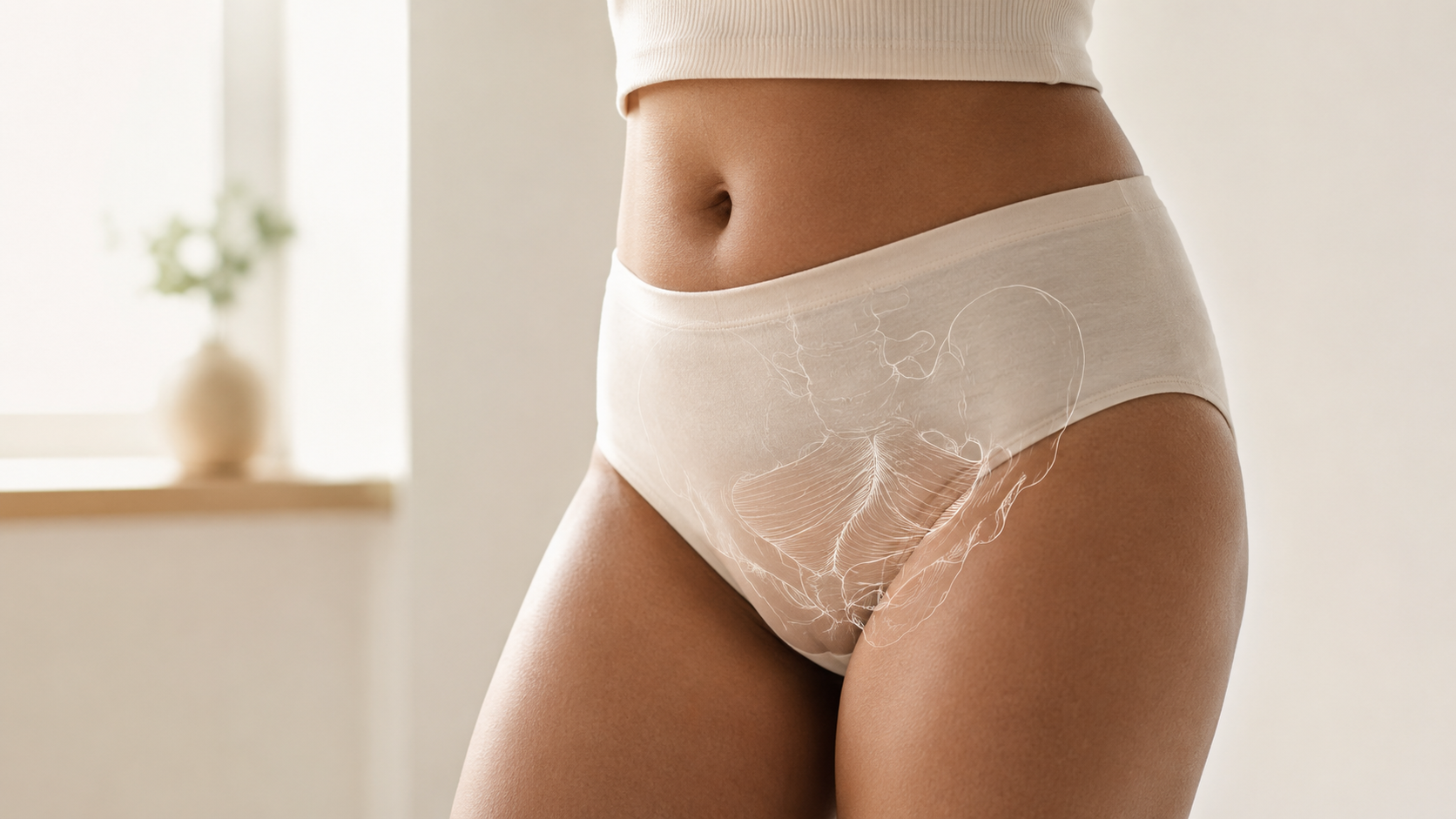
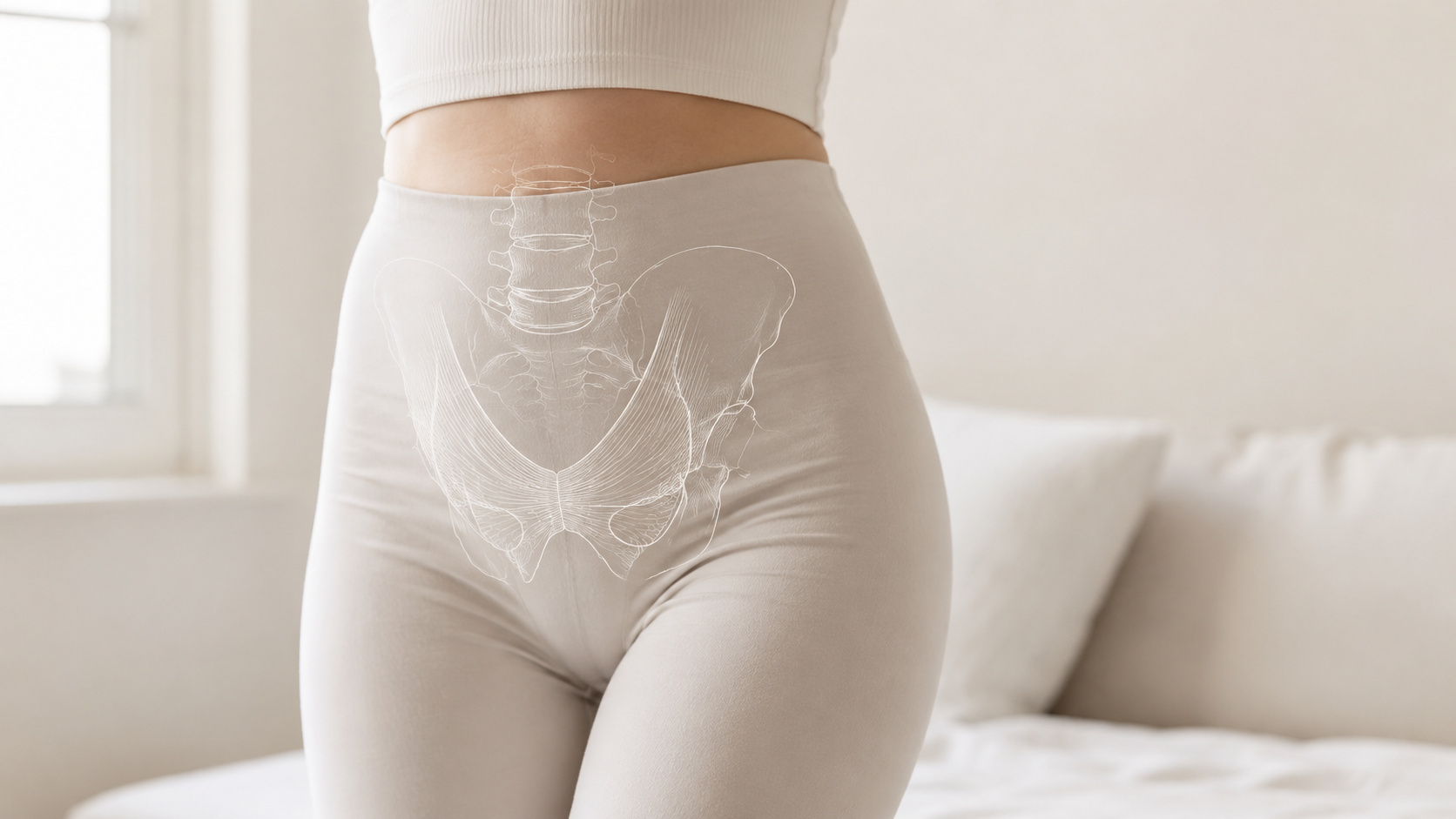
MPM’s experience with complex pain allows nerve hydrodissection to be considered in selected pelvic, abdominal wall, and hernia-related nerve pain patterns. These cases require careful evaluation because pain may come from nerves, fascia, pelvic floor dysfunction, prior surgery, abdominal wall structures, hernia repair, spine conditions, or visceral sources.
For pelvic pain, MPM may consider whether symptoms suggest pudendal neuralgia, pelvic floor dysfunction, pelvic dystonia, PGAD-related sensory symptoms, cluneal nerve involvement, or another peripheral nerve pattern. For abdominal or hernia-related pain, MPM considers whether surgical evaluation, gastrointestinal evaluation, or imaging should occur before a nerve procedure.
Nerve Hydrodissection and Next-Step Planning
The response to nerve hydrodissection can help guide future care. If relief is meaningful, it may support the nerve target as clinically relevant. Next steps may include rehabilitation, medication management, repeat evaluation, nerve hydrodissection in selected cases, peripheral nerve stimulation, neuromodulation, or specialist coordination.
If relief is limited or absent, the pain is still real. It may mean that the target was not the primary pain generator, the diagnosis needs refinement, or another mechanism is contributing. MPM may then consider a different nerve target, spine evaluation, pelvic specialty care, surgery referral, neurology evaluation, medication management, or a broader complex pain plan.
Risks and Urgent Symptoms
Risks may include pain flare, bruising, bleeding, infection, allergic reaction, temporary numbness or weakness, nerve irritation, vascular injury, local anesthetic toxicity, steroid-related side effects when steroids are used, incomplete relief, temporary relief only, or no relief.
Patients should seek urgent evaluation for fever, spreading redness, severe swelling, new weakness, new numbness, rapidly worsening pain, bowel or bladder dysfunction, saddle anesthesia, chest pain, shortness of breath, sudden severe headache, severe abdominal or pelvic pain, loss of pulses, limb discoloration, suspected infection, severe allergic reaction, or rapidly worsening symptoms.
For selected patients, nerve hydrodissection may be an important step in understanding and managing peripheral nerve pain. MPM’s role is to determine whether the nerve target is clinically appropriate and how hydrodissection fits within a coordinated, medically responsible care plan.