Undifferentiated Connective Tissue Disease (UCTD)
Undifferentiated connective tissue disease, or UCTD, is a systemic autoimmune pattern that does not yet fit neatly into a defined connective tissue disease. A patient may have symptoms and blood test findings that suggest autoimmune disease, but not enough features to meet criteria for lupus, rheumatoid arthritis, Sjogren’s syndrome, scleroderma, myositis, or mixed connective tissue disease.
For many patients, this can feel confusing and frustrating. They may be told their ANA is positive, their symptoms look autoimmune, or their condition needs monitoring, but they still do not have a single clear diagnosis. MPM approaches this uncertainty carefully. The goal is not to force a label too early, but also not to dismiss symptoms that are affecting pain, energy, function, and quality of life.
What UCTD Symptoms May Look Like
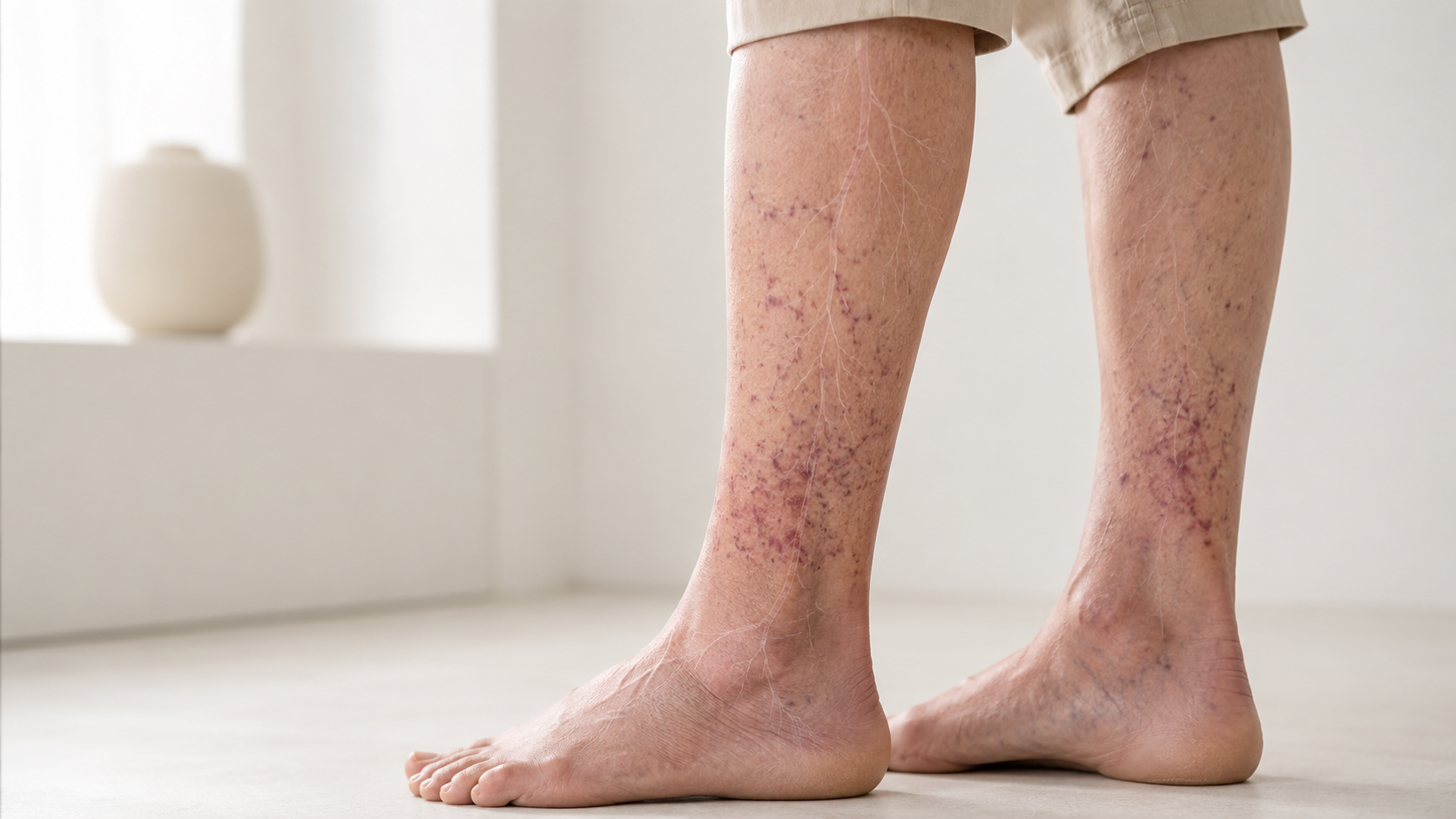
UCTD symptoms vary from person to person. Common symptoms may include joint aches, arthritis, muscle pain, fatigue, Raynaud’s phenomenon, dry eyes, dry mouth, photosensitivity, rashes, oral ulcers, and chest pain with breathing related to pleuritis or pericarditis. Some patients also experience numbness, tingling, headaches, widespread pain, or symptoms that resemble fibromyalgia, peripheral neuropathy, hypermobility spectrum disorder, or post-COVID pain.
Symptoms may come and go. A patient may have flares of joint pain and fatigue, followed by periods of relative stability. Another patient may have a positive ANA and Raynaud’s symptoms for years without developing lupus or another defined condition. Because symptoms can evolve, ongoing monitoring is important, especially when new symptoms appear or existing symptoms become more severe.
What Does a Positive ANA Mean?
A positive ANA can be part of the UCTD picture, but it does not confirm UCTD by itself. ANA testing can be positive in some autoimmune diseases, but it can also appear in people who do not have a defined autoimmune condition. This is why the result must be interpreted with the full clinical picture: symptoms, exam findings, additional antibody testing, inflammatory markers, urine testing, imaging, family history, medication history, and changes over time.
For patients with positive ANA, joint pain, fatigue, Raynaud’s, or rashes, the key question is not only whether the lab is abnormal. The question is whether the symptoms and test results form a consistent autoimmune pattern, whether a defined disease is emerging, and whether other conditions may better explain the pain.
UCTD vs. Lupus, Rheumatoid Arthritis, and Sjogren’s
UCTD is different from lupus, rheumatoid arthritis, and Sjogren’s syndrome because it does not meet diagnostic criteria for one defined disease. Lupus may involve specific patterns of rash, arthritis, kidney disease, blood abnormalities, neurologic symptoms, and autoantibodies. Rheumatoid arthritis more typically involves inflammatory joint disease with specific clinical and laboratory patterns. Sjogren’s often centers on dry eyes, dry mouth, salivary gland involvement, and systemic features.
UCTD can share symptoms with all of these conditions, which is why diagnosis takes time. It can also overlap with vasculitis, arthritis joint pain, enthesitis, gastroparesis, POTS, fibromyalgia, EBV-related pain, chronic constipation, neck and back pain, TMJ disorders, sacroiliac joint dysfunction, EDS, headache and migraine, muscle pain, spine pain, and tendinopathy. MPM evaluates these overlaps so patients are not reduced to one lab result or one symptom category.
Treatment Options for UCTD
Treatment for UCTD is usually based on symptoms, because there is no single treatment approved specifically for UCTD. Some patients may use pain relievers or NSAIDs for joint or muscle pain when medically appropriate. Skin symptoms may be treated with topical corticosteroids. Hydroxychloroquine may be considered for certain autoimmune symptoms. Short courses of oral corticosteroids may be used in selected situations, while immunosuppressants are generally reserved for more significant or evolving disease features.
These medications require clinician supervision. NSAIDs, corticosteroids, hydroxychloroquine, DMARDs, immunosuppressants, and biologics can carry risks and monitoring needs. Patients should not start, stop, or change medications without medical guidance.
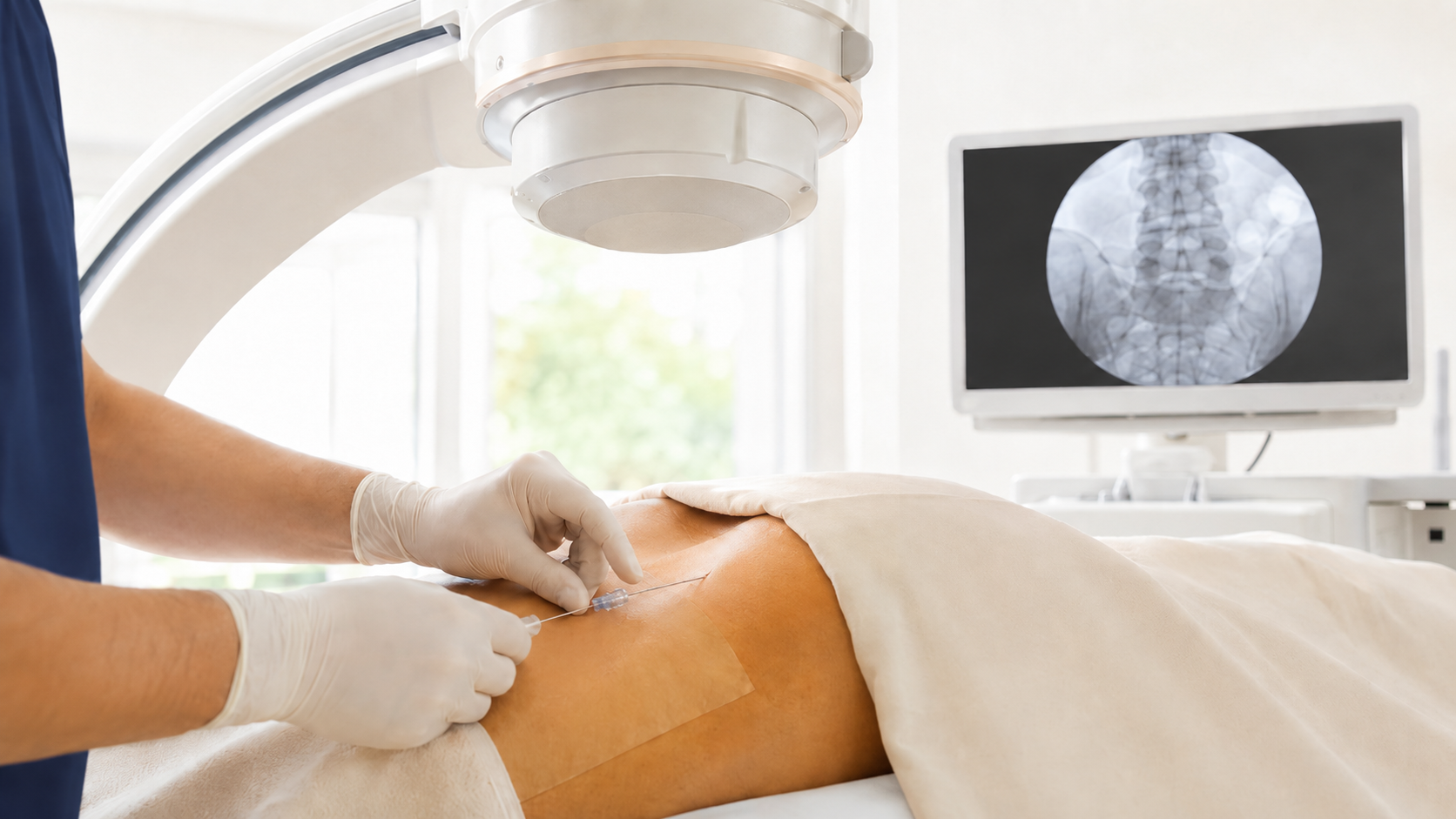
At MPM, care focuses on UCTD-related pain and overlapping pain conditions. Depending on the clinical picture, care may include medication management, diagnostic ultrasound, peripheral joint injections when appropriate, sacroiliac joint injection, B12 replacement when deficiency is relevant, pain psychology, weight-management support, functional restoration, and coordination with physical therapy. Infusions or biologics may be relevant only when clinically indicated and coordinated with the broader autoimmune treatment plan.
Why Pain May Persist With UCTD
Some patients continue to experience pain even when autoimmune labs are stable or the condition is considered mild. This does not mean the pain is not real. It may mean there are additional pain drivers, such as tendon irritation, myofascial pain, peripheral neuropathy, spine pain, sacroiliac joint dysfunction, TMJ disorders, hypermobility, fibromyalgia, medical PTSD, deconditioning, or chronic pain sensitization.
A pain medicine perspective can help clarify these layers. MPM evaluates whether pain appears inflammatory, musculoskeletal, neuropathic, autonomic, centralized, or multifactorial. This supports more targeted care and helps avoid both over-attributing symptoms to autoimmune disease and dismissing symptoms when a defined autoimmune diagnosis is not present.
When to Seek Prompt Evaluation
Patients should seek medical evaluation for persistent joint pain, swelling, fatigue, Raynaud’s symptoms, rashes, dry eyes, dry mouth, mouth ulcers, photosensitivity, or autoimmune symptoms with abnormal lab findings. More urgent evaluation may be needed for chest pain with breathing, shortness of breath, neurologic symptoms, significant weakness, kidney-related symptoms, new severe rashes, unexplained fevers, rapidly worsening symptoms, or symptoms that feel sudden or severe.
How MPM Approaches UCTD Care
MPM approaches UCTD through a diagnosis-first, coordinated model. The evaluation looks at autoimmune disease activity, pain pattern, joint and soft tissue findings, nerve symptoms, fatigue, prior medication response, functional impact, and overlapping autoimmune or chronic pain conditions. Care may involve coordination with rheumatology, neurology, ophthalmology, dentistry, physical therapy, psychology, or other specialists when needed.
For patients looking for undifferentiated connective tissue disease treatment in Manhattan, MPM offers a careful, patient-centered approach to understanding autoimmune-related pain and diagnostic uncertainty. The goal is to support clearer evaluation, safer treatment planning, long-term monitoring, function, and coordinated care that respects the complexity of UCTD and related conditions.