Pelvic Floor Dysfunction Treatment in Manhattan and NYC

Pelvic floor dysfunction can contribute to pelvic pain, constipation, urinary symptoms, sexual pain, hip pain, low back pain, SI joint pain, and tailbone-region pain.

Related Zones of Expertise

Learn how Dr. Ahmed explains pelvic floor dysfunction, how it can contribute to chronic pelvic pain, and personalized treatment options to help improve function and quality of life.

Understanding Pelvic Floor Dysfunction

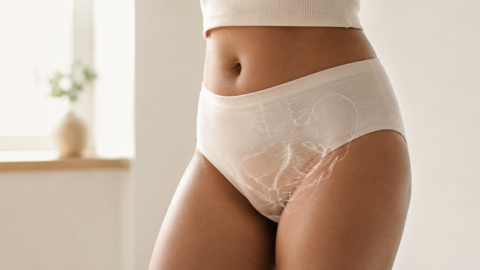
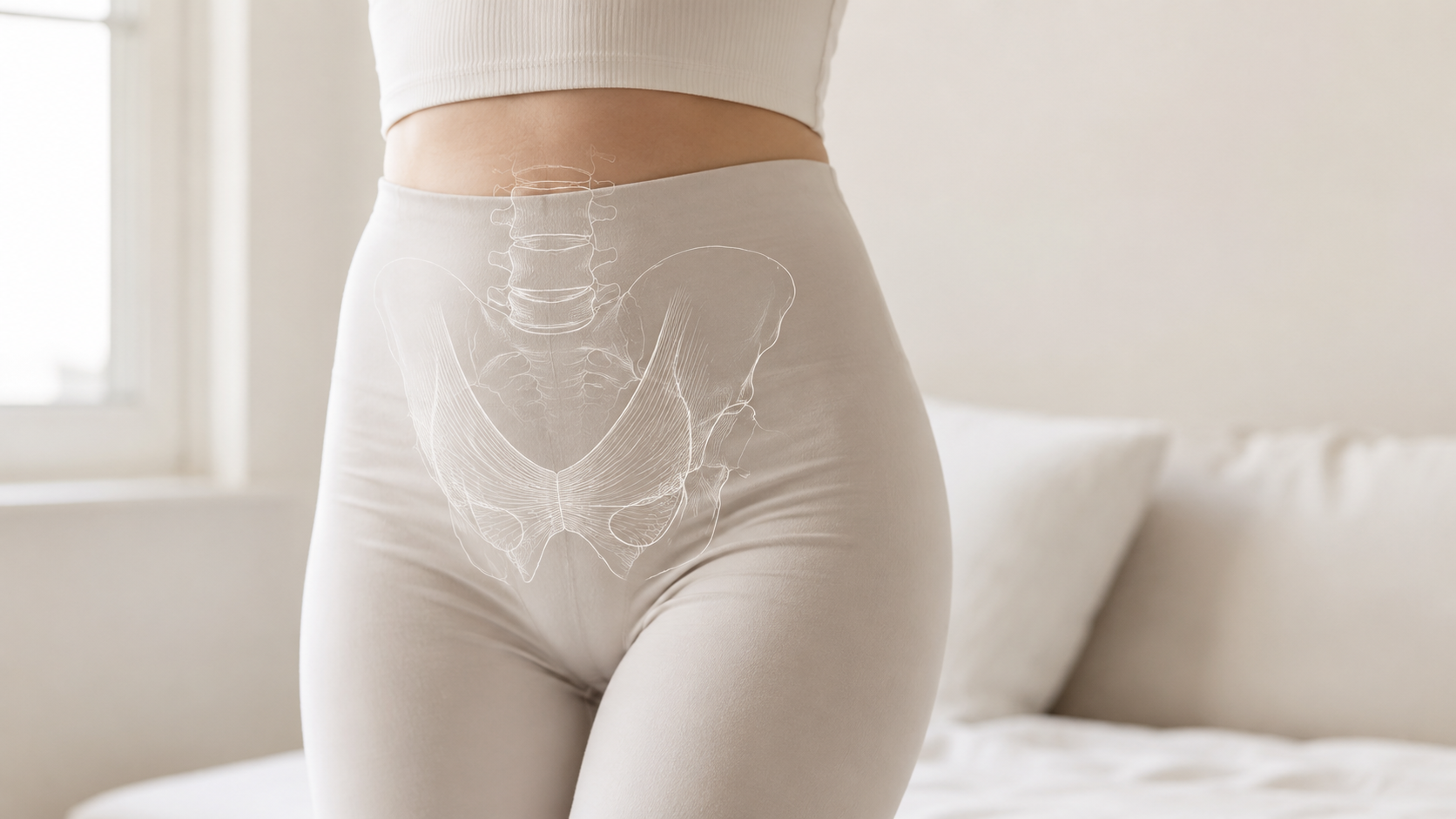
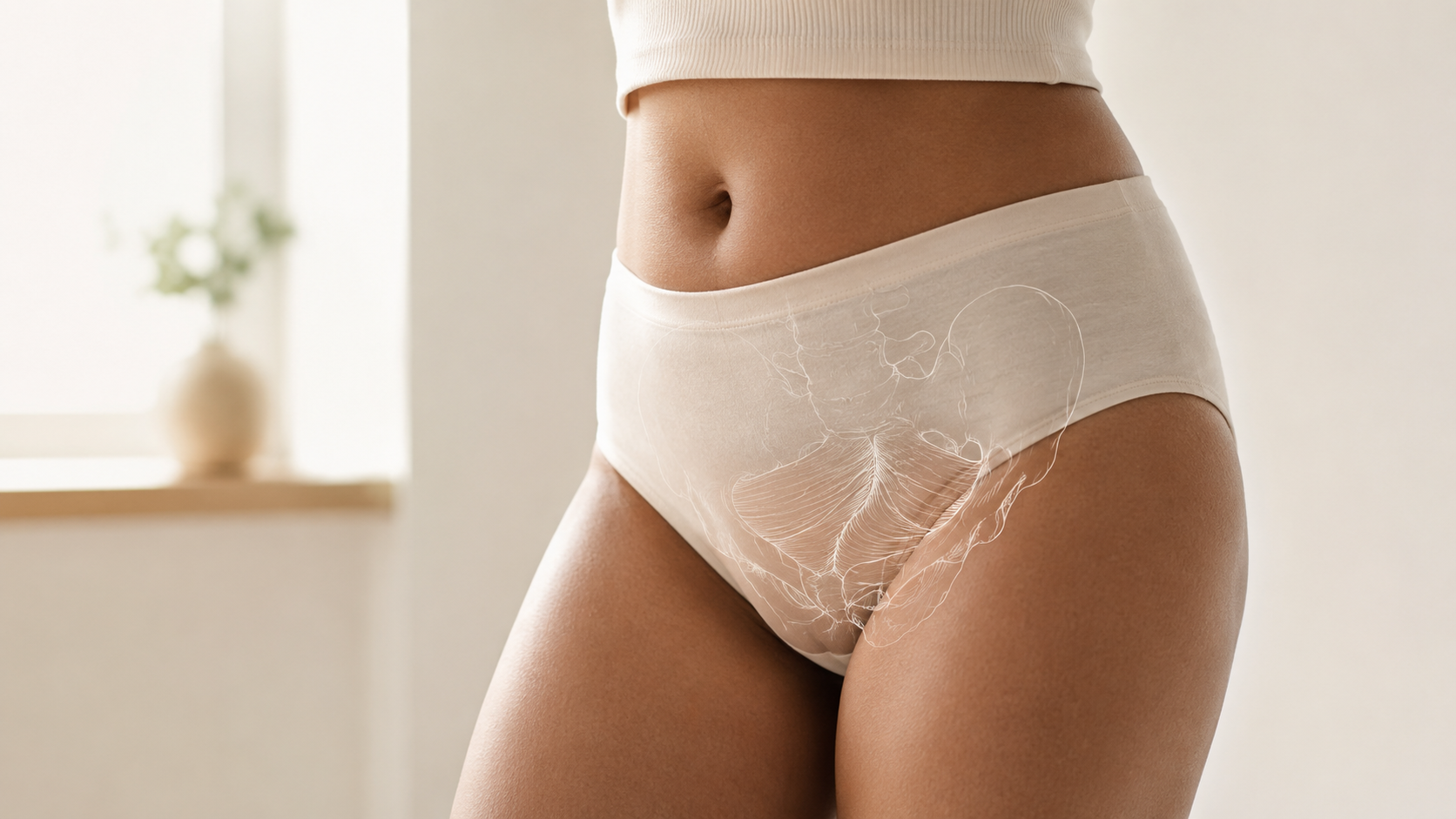
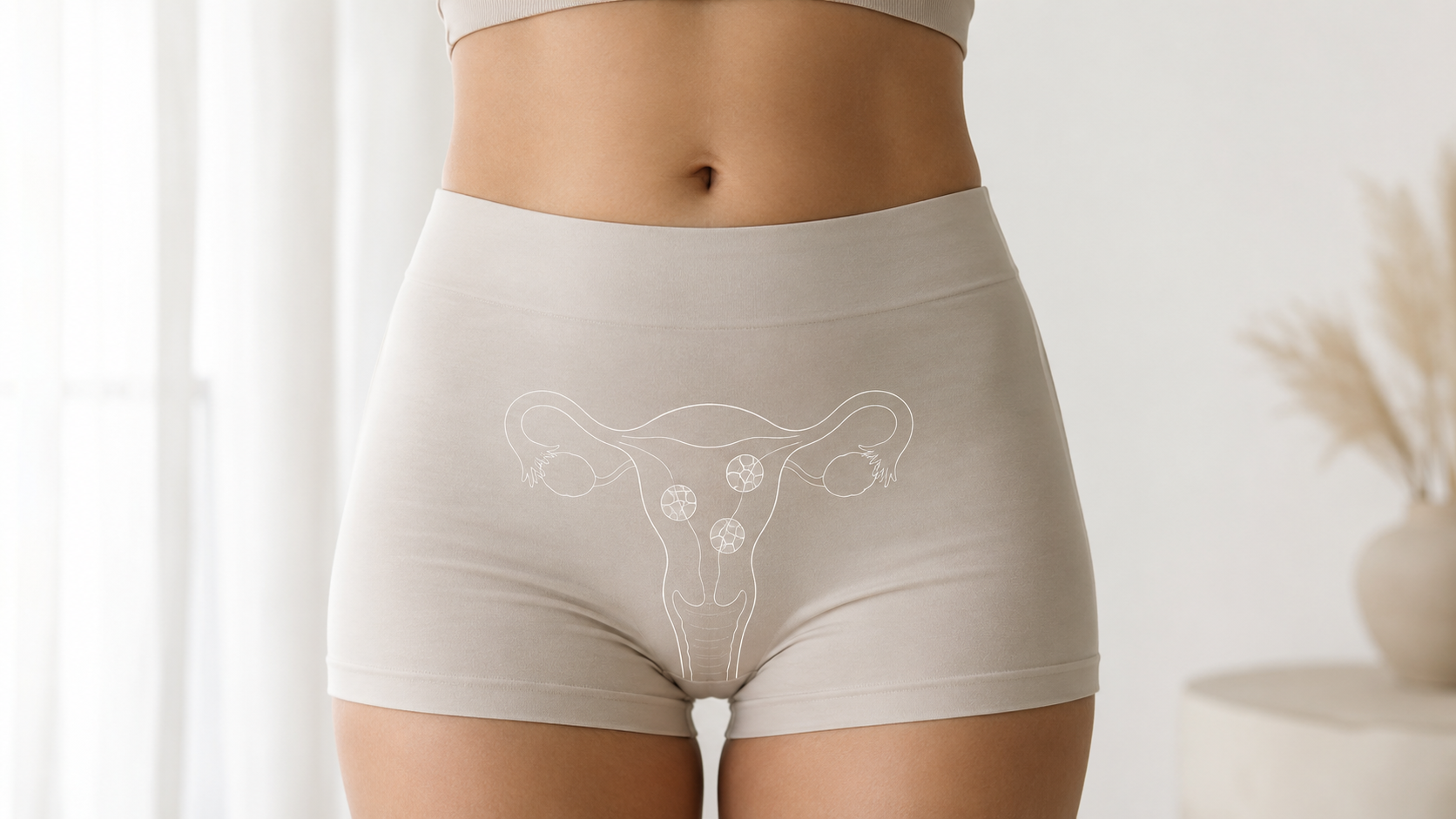
Pelvic floor dysfunction occurs when the muscles of the pelvic floor do not relax, contract, coordinate, or support the pelvis normally. For some patients, the pelvic floor becomes overactive or hypertonic, creating muscle tightness, spasms, trigger points, pelvic pressure, burning, deep aching, bowel symptoms, bladder symptoms, sexual pain, hip pain, low back pain, sacroiliac joint pain, or tailbone-region pain.

Pelvic floor dysfunction can be primary, but it may also develop in response to endometriosis, fibroids, constipation, pelvic surgery, childbirth, injury, trauma, hip impingement, sacroiliac joint dysfunction, anterior pelvic tilt, pudendal neuralgia, sciatica-like pain, hypermobility, EDS, vascular compression syndromes, or chronic pain sensitization.

At Manhattan Pain Medicine (MPM), evaluation begins by identifying whether symptoms are driven by pelvic floor muscle overactivity, trigger points, nerve irritation, joint or spine mechanics, endometriosis, fibroids, bowel or bladder contributors, hypermobility, or overlapping chronic pain mechanisms.

Specialist Care for Pelvic Floor-Related Pain

For patients looking for pelvic floor dysfunction treatment in Manhattan or NYC, MPM provides a diagnosis-first evaluation of pelvic, rectal, vaginal, testicular, bladder, bowel, hip, low back, SI joint, and tailbone-region pain patterns.

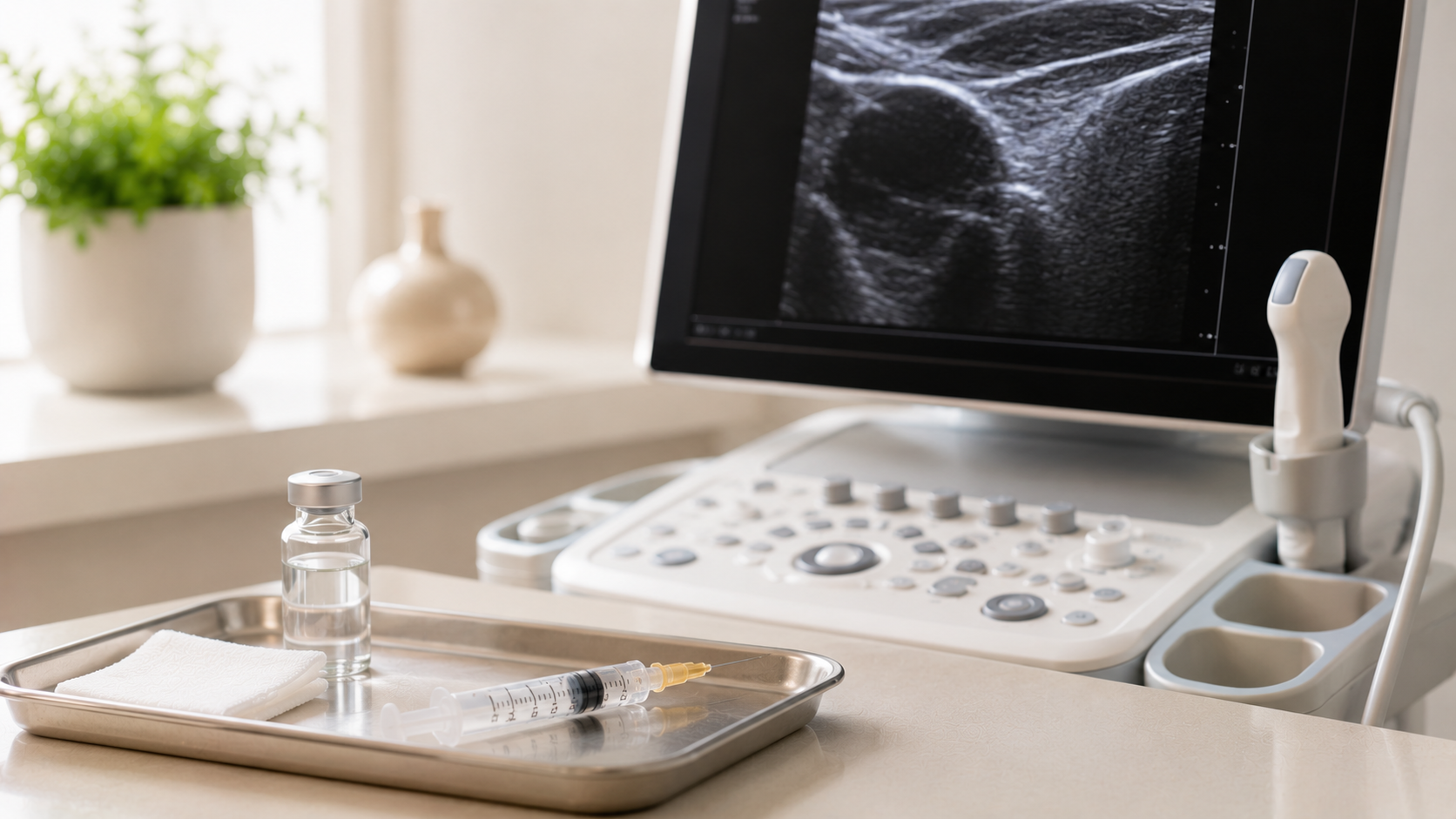
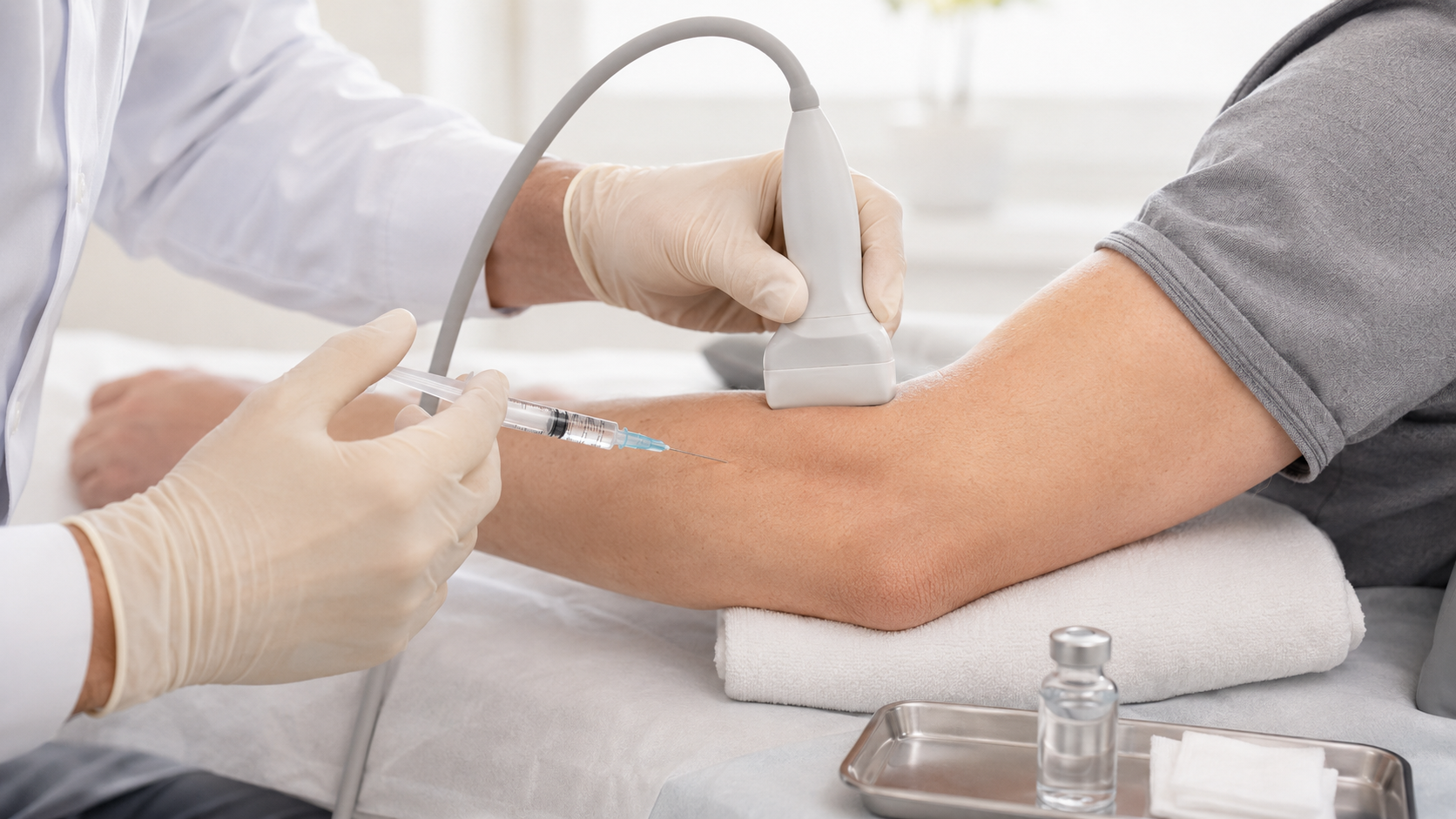
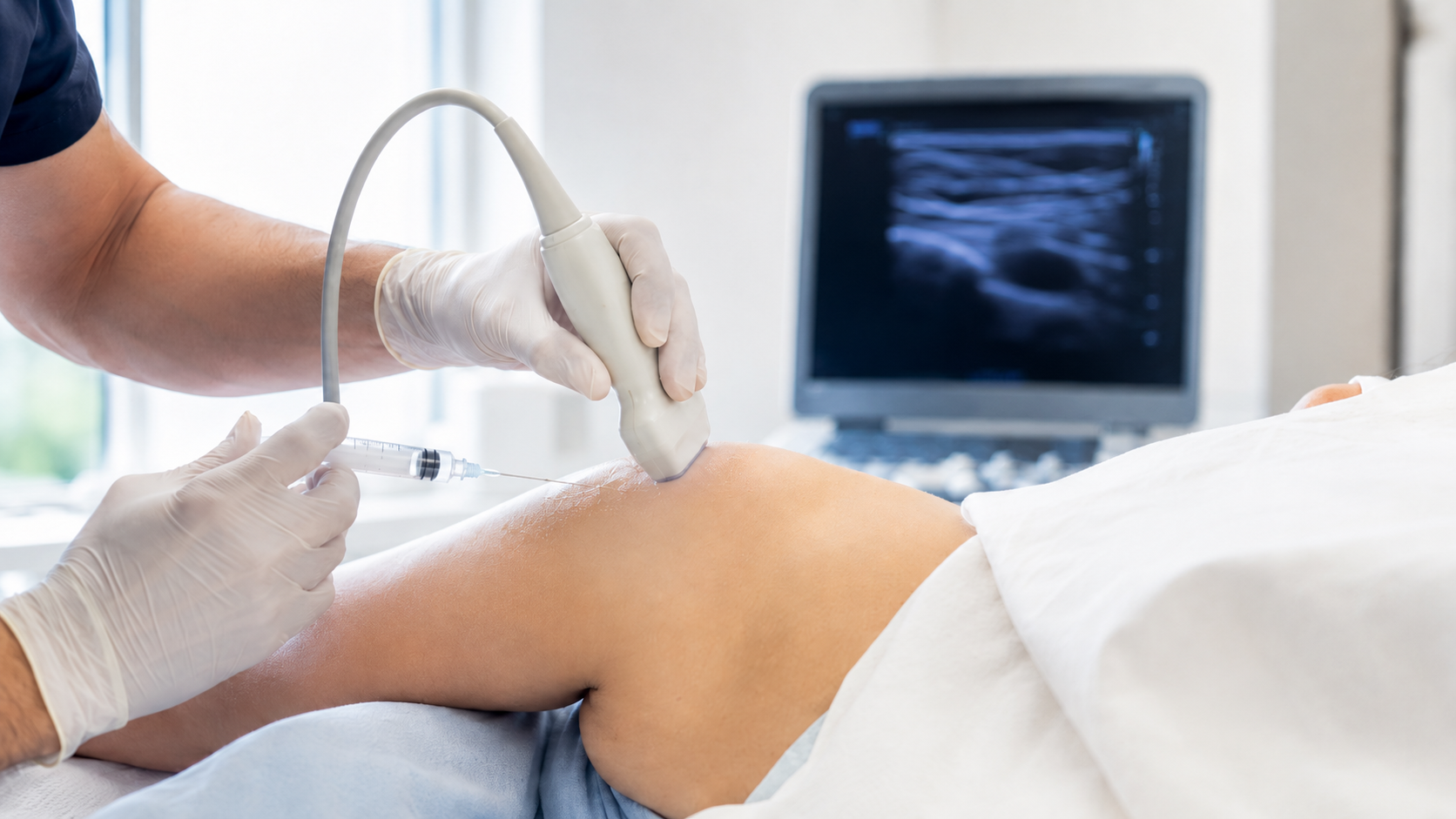
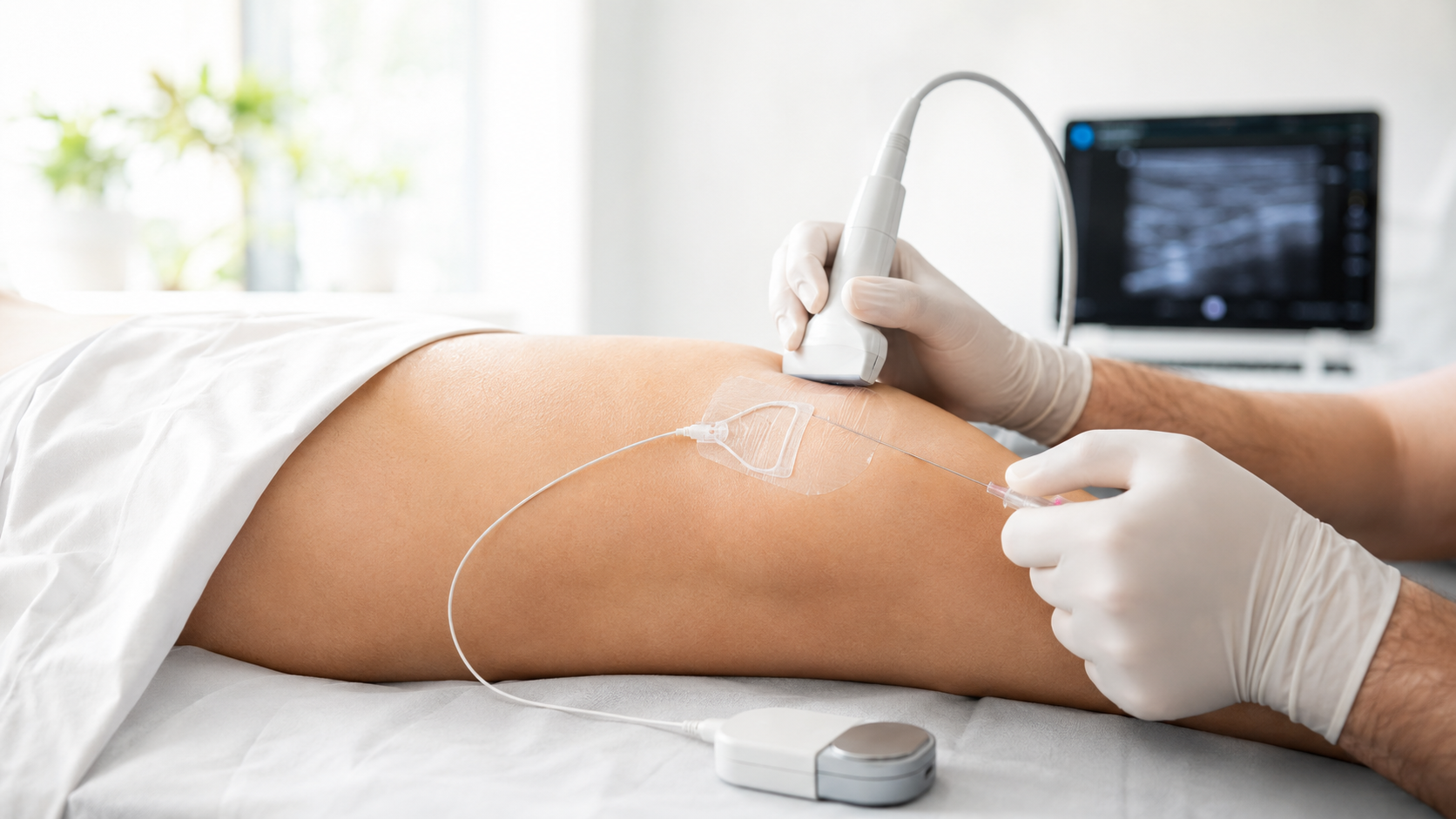
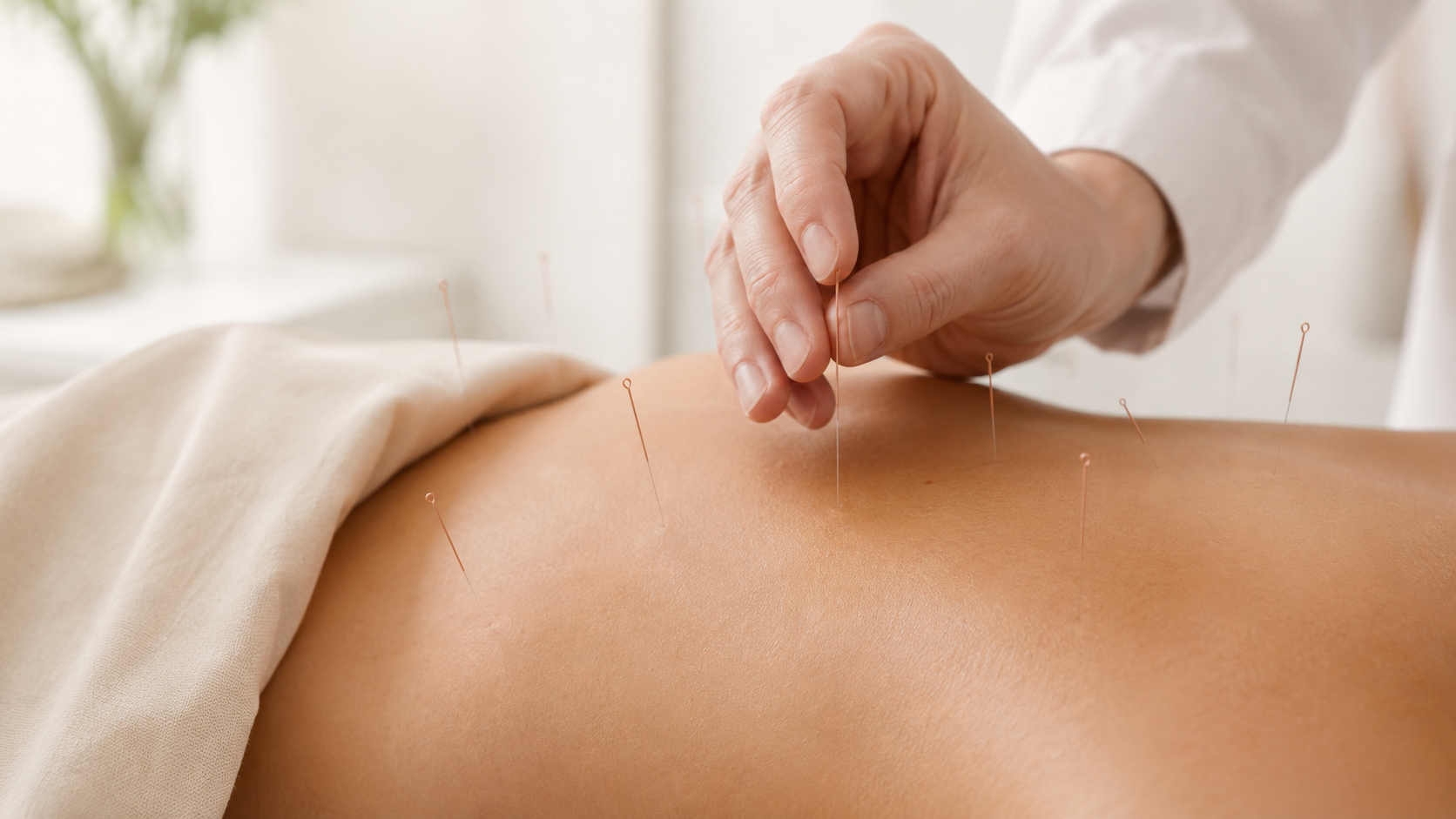
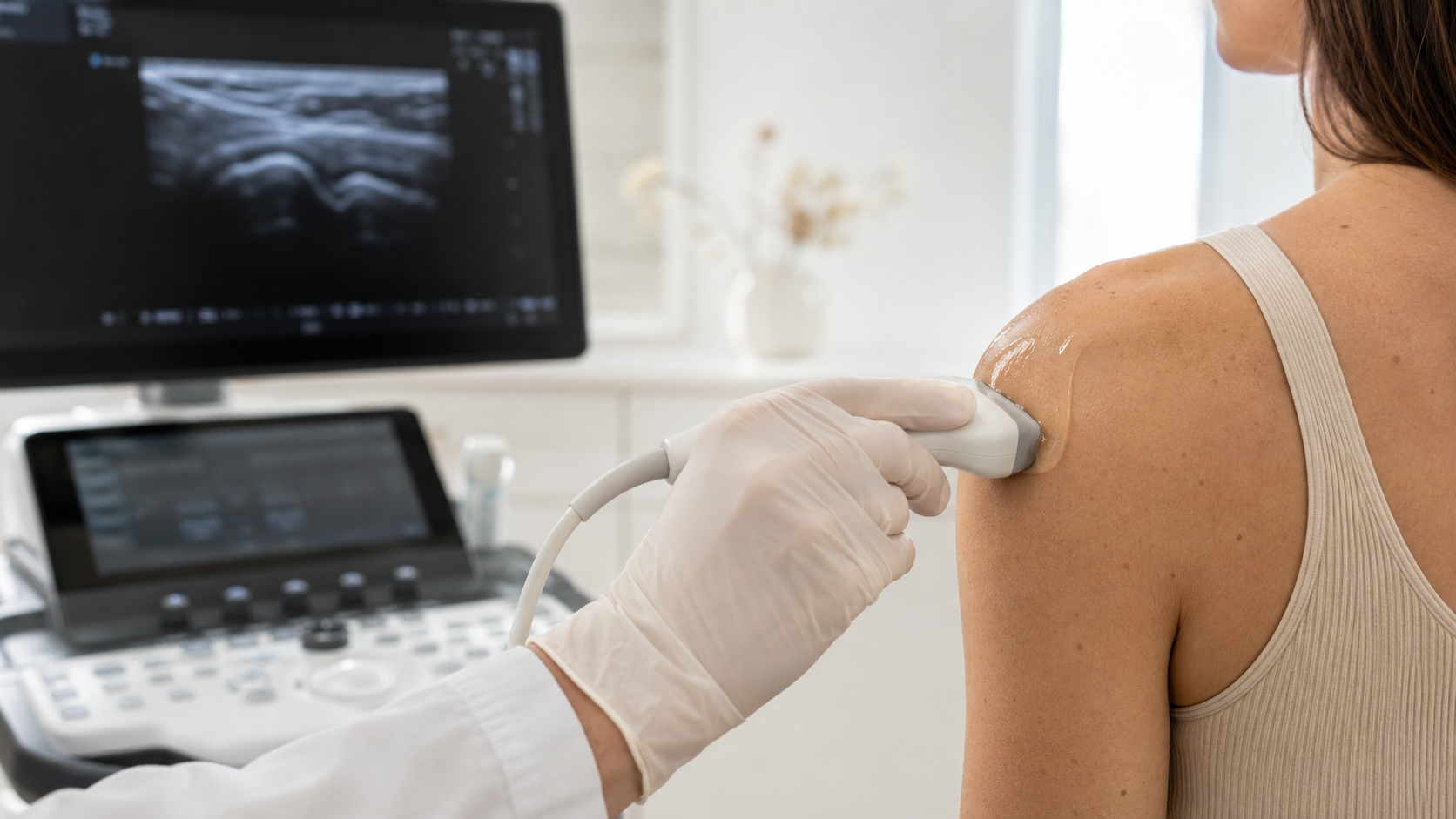
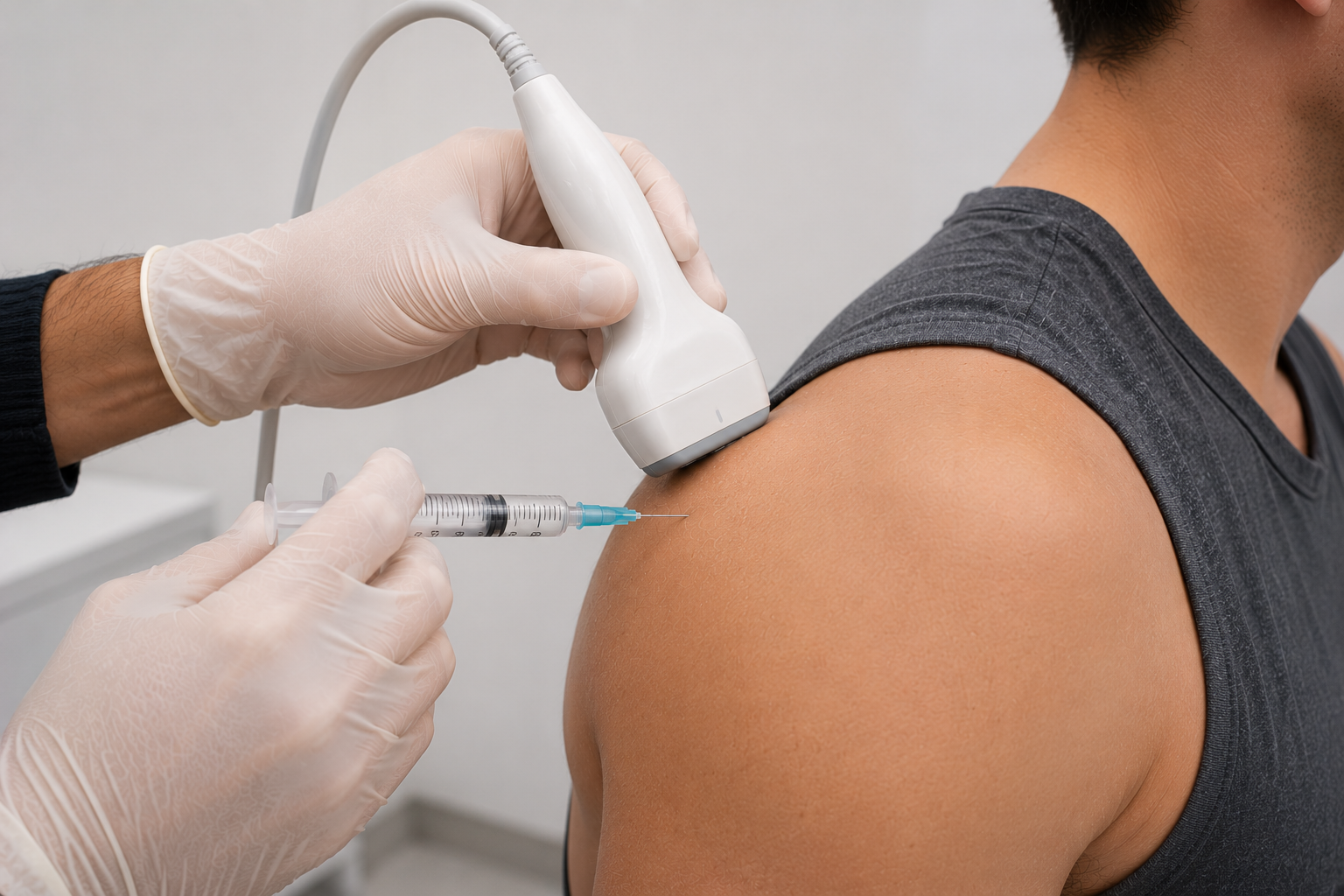
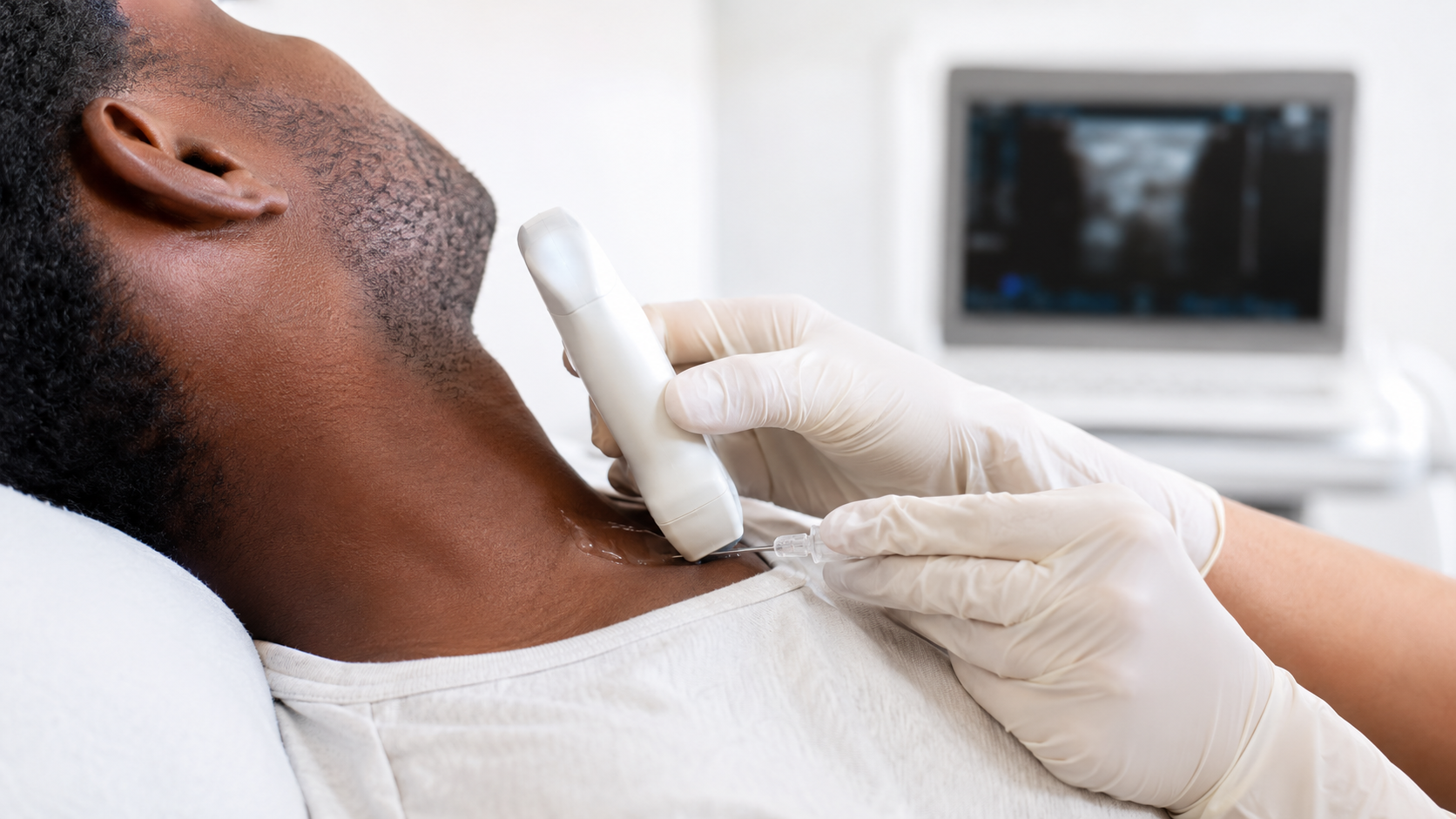
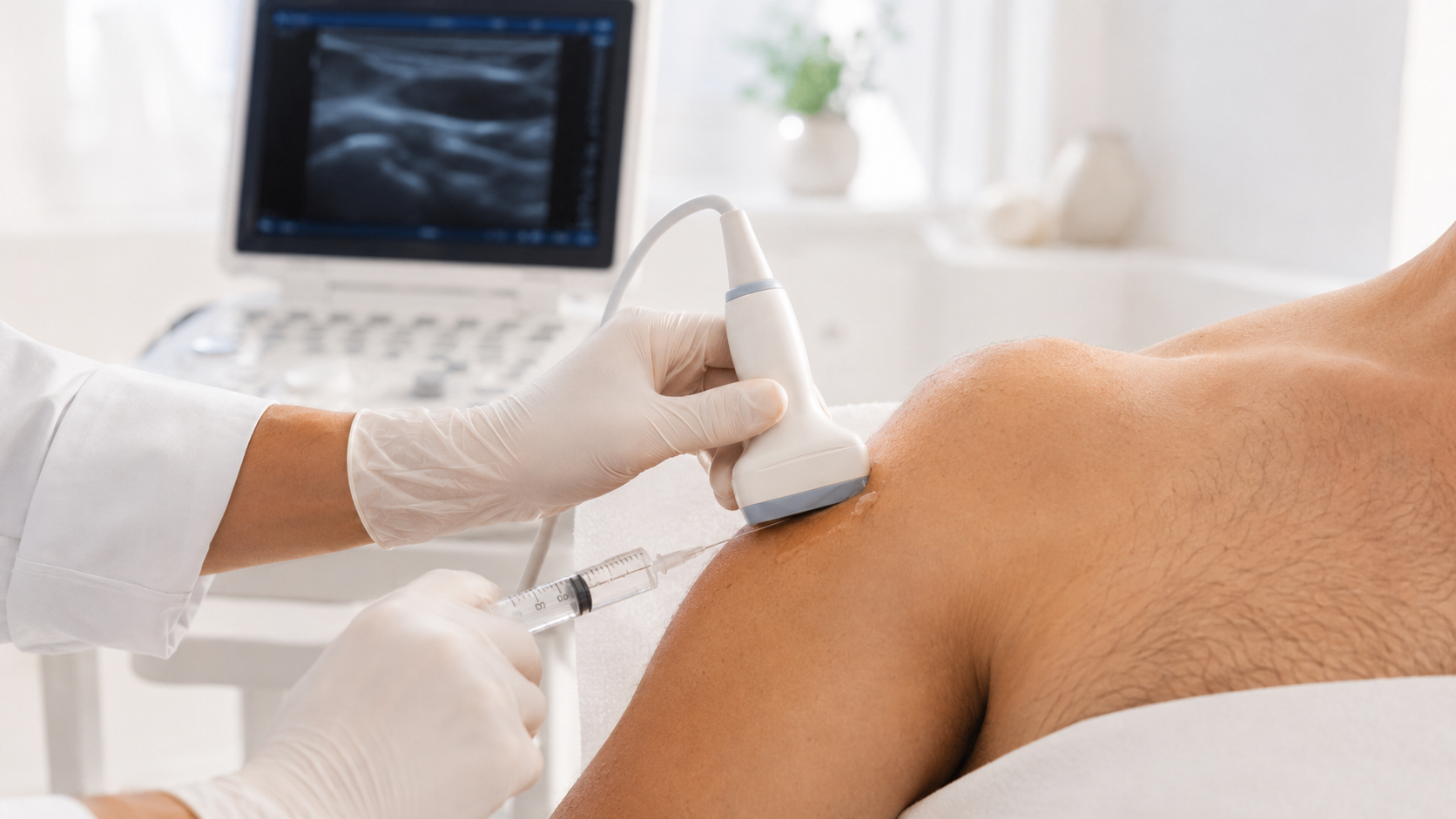
MPM reviews the pain location, bowel and bladder symptoms, sexual pain, sitting tolerance, pelvic pressure, muscle spasm, prior pelvic floor therapy, endometriosis history, fibroid history, hip or SI joint symptoms, spine findings, nerve-type pain, hypermobility, EDS, vascular compression concerns, prior imaging, prior procedures, and response to treatment. Care may involve pelvic floor therapy coordination, medication management, biofeedback, pain psychology, acupuncture, Feldenkrais, diagnostic ultrasound when appropriate, ultrasound-guided injections, pelvic floor trigger point injections, pudendal nerve blocks, ganglion impar block, superior hypogastric plexus block, sympathetic blocks, neuromodulation, or coordination with gynecology, urology, GI, colorectal, vascular, orthopedic, or pelvic floor specialists when needed.
Why Pelvic Floor Dysfunction Is Often Missed

Pelvic floor dysfunction can be difficult to recognize because symptoms may appear in several systems at once. Patients may experience pelvic pain, constipation, painful bowel movements, urinary urgency, bladder pain, painful intercourse, rectal pain, vaginal pain, testicular pain, hip pain, low back pain, SI joint pain, or tailbone pain. Imaging may be normal, and symptoms may be attributed to stress, gynecologic conditions, urologic conditions, bowel problems, spine pain, or hip pain without fully evaluating the pelvic floor.
MPM’s diagnosis-first approach is designed to avoid assuming that every pelvic pain pattern is caused by the pelvic floor alone. The evaluation considers pelvic floor dysfunction, pudendal neuralgia, pelvic dystonia, hip impingement, sacroiliac joint dysfunction, anterior pelvic tilt, endometriosis, fibroids, constipation, May Thurner Syndrome, Nutcracker Syndrome, hypermobility, EDS, sciatica, disc herniations, nerve entrapment, and chronic pain sensitization.

Request an Appointment

Diagnosis-first care

How MPM Approaches Pelvic Floor Dysfunction Evaluation

MPM evaluates pelvic floor dysfunction by identifying whether symptoms are muscle-driven, nerve-related, joint-related, vascular, gynecologic, bowel-related, bladder-related, spine-related, or mixed.
  • 1

    Map the Symptoms

    MPM begins by reviewing pelvic pain, pressure, tightness, burning, spasms, deep aching, constipation, painful bowel movements, urinary urgency, bladder symptoms, sexual pain, sitting intolerance, hip pain, low back pain, SI joint pain, tailbone pain, and symptom triggers.
  • 2

    Identify Overlapping Pain Generators

    Pelvic floor dysfunction may overlap with pudendal neuralgia, pelvic dystonia, endometriosis, fibroids, hip impingement, sacroiliac joint dysfunction, anterior pelvic tilt, sciatica, disc herniations, constipation, vascular compression syndromes, hypermobility, EDS, and central pain mechanisms.
  • 3

    Review Prior Care and Response

    Many patients have already tried pelvic floor therapy, gynecology, urology, GI evaluation, colorectal care, orthopedics, imaging, medications, injections, or pain management. MPM reviews what helped, what did not, and whether the remaining pain pattern suggests muscle, nerve, joint, spine, pelvic organ, or chronic pain contributors.
  • 4

    Coordinate a Treatment Plan

    Treatment may include pelvic floor therapy coordination, medication management, biofeedback, pain psychology, acupuncture, Feldenkrais, trigger point injections, pelvic floor trigger point injections, pudendal nerve block, ganglion impar block, superior hypogastric plexus block, sympathetic blocks, diagnostic ultrasound, ultrasound-guided injections, or neuromodulation in selected cases. Care depends on the diagnosis, anatomy, symptom pattern, risk profile, and treatment goals.

Pelvic Floor Dysfunction, Musculoskeletal Pain, and Pelvic Mechanics

Pelvic floor dysfunction fits within MPM’s Pelvic Pain and Musculoskeletal issues Zones of Expertise because pelvic floor symptoms often overlap with hip mechanics, sacroiliac joint dysfunction, anterior pelvic tilt, low back pain, sciatica-like symptoms, tailbone pain, and pelvic-region nerve irritation.
In selected patients, hypermobility spectrum disorder or Ehlers-Danlos syndrome may contribute to altered pelvic mechanics, joint instability, muscle guarding, pelvic floor overactivity, recurrent strain, or chronic pain sensitivity. MPM evaluates these relationships carefully without assuming that hypermobility is the only cause of pelvic floor dysfunction.

PATIENT STORIES

Real Patients. Real Progress.

Hear from patients who came to Manhattan Pain Medicine looking for answers, clarity, and a more thoughtful path forward.
  • Michael O.

    5 star review

    These guys are the best. I've been going here for over 6 years and their familiarity with my Schwannomatosis (most ppl have never even heard of it - its rather rare) and their ability to diagnose my CRPS quickly and accurately and then treat it like I was merely getting a flu shot is just incredible...

    Google

  • John A.

    5 star review

    Highly recommended for those who need Pain Management. Everyone at Manhattan Pain Medicine is extremely nice and helpful. I have had very good interactions with both Dr. Siefferman and Dr. Louis. All of the staff is very responsive. 5 stars.

    Google

  • Rakhee K.

    5 star review

    The providers at Manhattan Pain Medicine are exceptional. I wish I had found them 30 years ago!

    Google

  • Annie R.

    5 star review

    I genuinely can’t say enough good things about the team at Manhattan Pain Medicine. I have MCAS, EDS, and an inflammatory autoimmune disease, and I’ve basically been searching for answers since I was a kid. I had years of unexplained inflammation markers, chronic pain, and allergic reactions despite...

    Google

  • Karine S.

    5 star review

    I have a complex medical history and have seen a lot of doctors over the years. Dr. Mikaberidze and Dr. Siefferman each took the time to really listen and understand everything I had been dealing with. I also appreciated how they work together and communicated about my care. I left with a plan that...

    Google

  • Edwin F-S.

    5 star review

    Sharing my gratitude for the pleasant experience last week during my visit, the medical team provided great care and also treated my session as a learning experience, I left my session with a wealth of knowledge. A big thank you to the kind, and professional staff who welcomed me to the office as a...

    Google

  • Madaline. M

    5 star review

    I cannot say enough good things about Manhattan Pain Medicine. From the moment I walked in, I felt truly cared for and taken seriously. Dr. Nino Mikaberidze, Director of Rheumatology, is exceptional — knowledgeable, compassionate, and incredibly thorough. She takes the time to listen, explains every...

    Google

  • Lauren W.

    5 star review

    Dr Siefferman is the most thorough, patient doctor I have even been to. Currently I travel from miami to nyc to see him because his bed side manner and desire to help is incomparable.

    ZocDoc

  • Dana S.

    5 star review

    This practice is wonderful. I have been a patient of Dr. Siefferman’s since 2019 and he’s extremely helpful and kind. He has brought in a Rheumatologist who is also great. They handle very complex pain issues and always try to find new ways to help me.

    Google

  • Frans M.

    5 star review

    Dr. Siefferman is an incredible doctor! He is extremely diligent and knowledgeable. It feels like you are his only patient. He invests a lot of time and effort into your injuries and concerns. I did not find these wonderful qualities with other pain specialists before, who were always rushed and som...

    ZocDoc

  • Gregory S.

    5 star review

    Dr. Siefferman is a doctor who combines the old world bedside manner of doctors from my childhood (60 years ago) with a sta te of the art embrace of modern technology. It is always a pleasure to have an appointment with him...always has options and solutions to my medical issues. He is truly the doc...

    ZocDoc

  • Judith R.

    5 star review

    Dr. Siefferman is a genius. He is very informed and listens attentively.

    ZocDoc

  • Joshua M.

    5 star review

    Dr. Siefferman and his entire team continue to be efficient, dedicated, and driven by precision and a genuine desire to give fantastic care. Will always recommend.

    ZocDoc

  • Michael W. S

    5 star review

    Doctor Siefferman is fantastic. Have been seeing him for 5 years. Couldn’t recommend more.

    ZocDoc

  • Stephanie G.

    5 star review

    Dr. Siefferman is the ONLY doctor who has ever been able to diagnose my pain and treat it. He is hands down the best

    ZocDoc

Pelvic Floor Dysfunction FAQs

Related conditions

Conditions That May Overlap With Pelvic Floor Dysfunction

Pelvic floor dysfunction may overlap with pelvic pain, pelvic dystonia, pudendal neuralgia, anterior pelvic tilt, sacroiliac joint dysfunction, hip impingement, May Thurner Syndrome, Nutcracker Syndrome, chronic constipation, enthesitis, Ehlers-Danlos syndrome, hypermobility spectrum disorder, sciatica and herniated discs, endometriosis, and fibroids.

Understanding Insurance Before You Begin

Before care begins, our team helps patients understand the practical side of treatment, including insurance verification, out-of-network benefits, cost-share estimates, self-pay options, and billing questions. We believe patients should have as much clarity as possible before moving forward.

Insurance & Billing

Request a Pelvic Floor Dysfunction Evaluation

If pelvic pain, pressure, constipation, urinary symptoms, sexual pain, hip pain, SI joint pain, low back pain, tailbone pain, or sitting-related pain is affecting your life, MPM can help evaluate what may be contributing. Our diagnosis-first approach considers pelvic floor dysfunction, pudendal neuralgia, pelvic dystonia, endometriosis, fibroids, hip impingement, SI joint dysfunction, sciatica, vascular compression syndromes, hypermobility, EDS, and chronic pain mechanisms. Request an appointment to discuss your symptoms and care options.

Request An Appointment

Insights & Research

Explore MPM Insights and Research, including patient-friendly articles, clinical perspectives, and research from our team to help explain how we understand complex pain, evaluate care options, and guide the path to treatment
Patient education

A Deeper Look at Pelvic Floor Dysfunction and Chronic Pelvic Pain

Pelvic floor dysfunction can involve pelvic muscles, nerves, joints, bowel and bladder symptoms, gynecologic conditions, hypermobility, and chronic pain mechanisms.

Pelvic Floor Dysfunction

Pelvic floor dysfunction occurs when the muscles that support the pelvis, bladder, bowel, and sexual function do not coordinate normally. Some patients have pelvic floor muscles that are too tight or overactive. Others have weakness, poor coordination, or a mixed pattern. When the pelvic floor cannot relax or function properly, pain and dysfunction can appear across several systems.

Symptoms may include pelvic pain, pelvic pressure, rectal pain, vaginal pain, testicular pain, tailbone pain, bladder discomfort, urinary urgency, constipation, painful bowel movements, painful intercourse, hip pain, low back pain, sacroiliac joint pain, or sciatica-like symptoms. Because these symptoms involve private and overlapping areas of the body, many patients feel dismissed or confused before receiving a clear explanation.

Hypertonic Pelvic Floor and Pelvic Muscle Spasm

A hypertonic pelvic floor means the pelvic floor muscles are overactive, tight, or unable to relax fully. This can create muscle spasm, trigger points, pressure, deep aching, burning, pain with sitting, pain with sex, or pain with bowel and bladder activity.

Pelvic floor tightness may develop after injury, surgery, childbirth, endometriosis, constipation, trauma, hip pain, SI joint dysfunction, nerve irritation, or chronic pelvic pain. In some cases, the pelvic floor tightens protectively in response to pain elsewhere. Over time, that protective guarding can become a pain generator of its own.

Pelvic Floor Dysfunction, Constipation, and Bowel Symptoms

Pelvic floor dysfunction can affect bowel function when the muscles do not relax or coordinate during bowel movements. Patients may experience constipation, straining, incomplete evacuation, rectal pressure, painful bowel movements, or worsening pelvic pain after bowel activity.

Chronic constipation can also make pelvic floor symptoms worse by increasing strain, pressure, and muscle guarding. For this reason, pelvic floor dysfunction and constipation often require coordinated evaluation with GI, colorectal, pelvic floor therapy, and pain medicine when symptoms are persistent or complex.

Pelvic Floor Dysfunction, Bladder Symptoms, and Sexual Pain

Pelvic floor dysfunction can contribute to urinary urgency, frequency, bladder pressure, difficulty starting urination, incomplete emptying sensations, or pain related to urination. It can also contribute to painful intercourse, genital pain, rectal pain, testicular pain, or pain after sexual activity.

These symptoms should be evaluated carefully because they may also overlap with urinary tract disease, bladder pain syndromes, gynecologic conditions, prostate or testicular conditions, endometriosis, pudendal neuralgia, pelvic floor trigger points, or nerve sensitization.

Pelvic Floor Dysfunction, Hip Pain, SI Joint Pain, and Low Back Pain

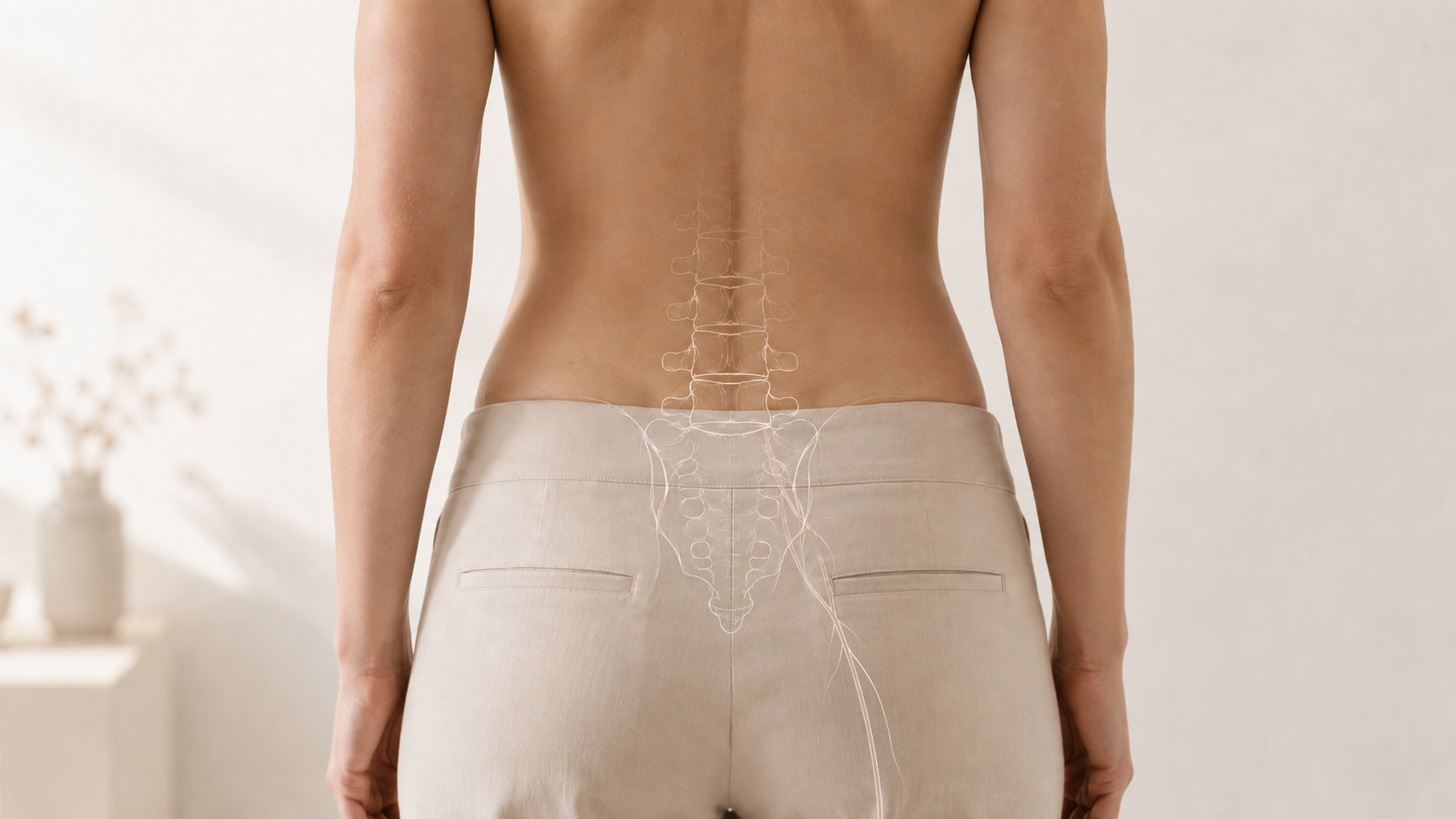
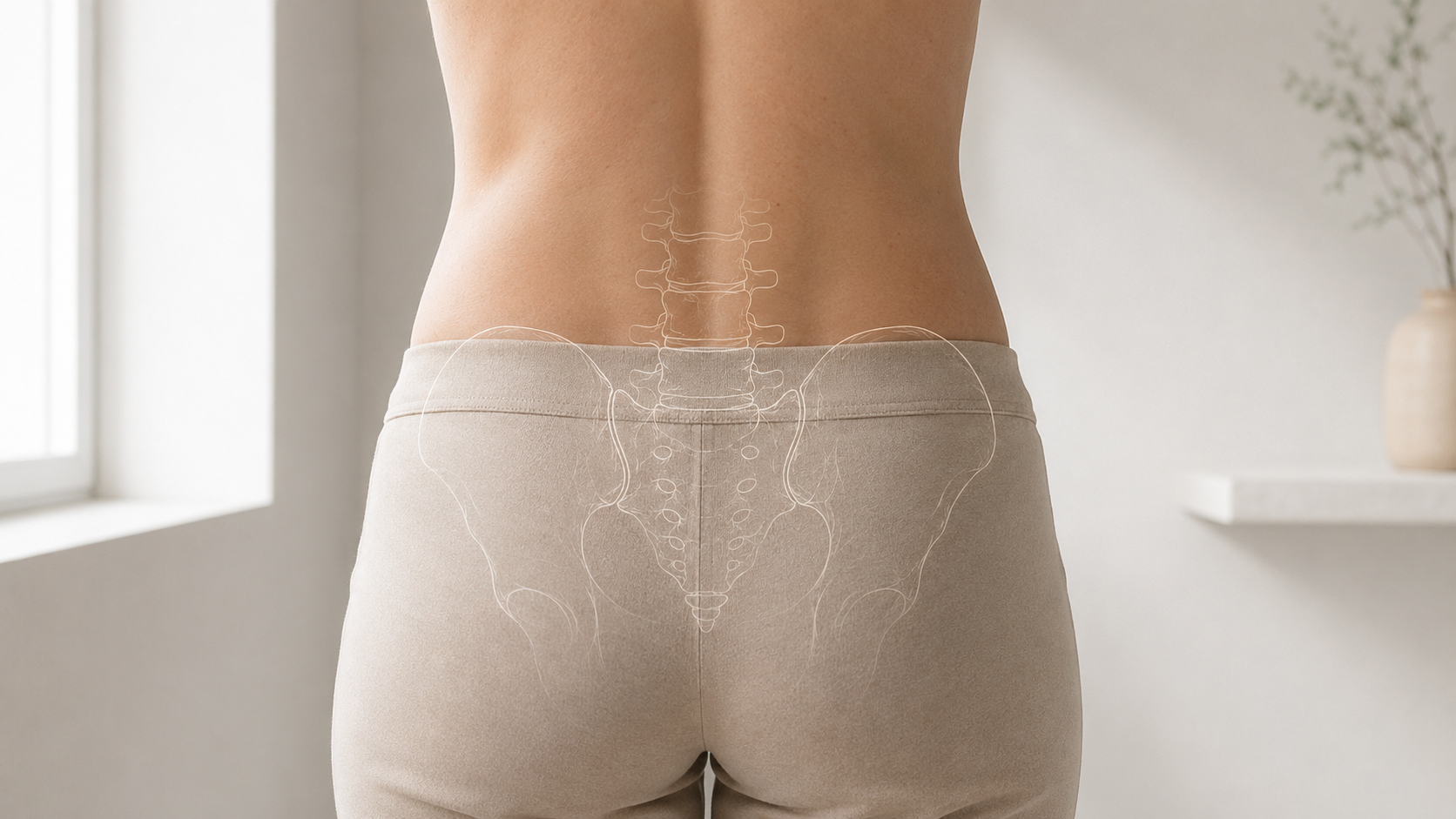
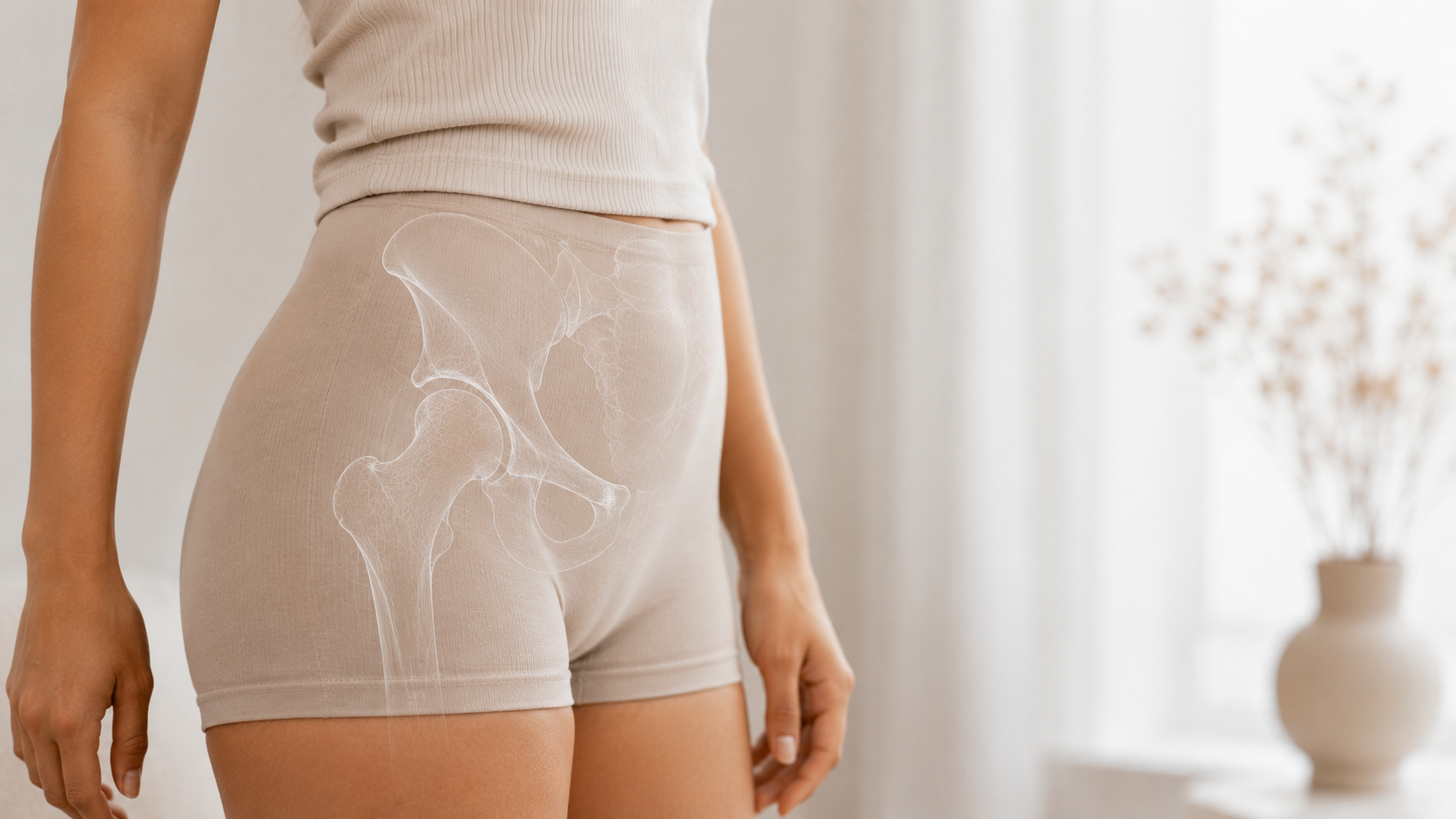
The pelvic floor is part of a larger musculoskeletal system that includes the hips, sacroiliac joints, low back, tailbone, abdominal wall, and deep core muscles. When hip mechanics, SI joint dysfunction, anterior pelvic tilt, or low back pain are present, the pelvic floor may become overactive or poorly coordinated.

Some patients have pelvic pain that is actually driven by hip impingement, sacroiliac joint dysfunction, lumbar spine irritation, or sciatica-like symptoms. Others have primary pelvic floor dysfunction that refers pain into the hip, groin, tailbone, low back, or thighs. MPM evaluates these relationships before treatment is selected.

Pelvic Floor Dysfunction, Endometriosis, and Fibroids

Endometriosis and fibroids can coexist with pelvic floor dysfunction. Chronic gynecologic pain may cause pelvic floor guarding, trigger points, painful intercourse, bowel symptoms, bladder symptoms, or nerve sensitization. Some patients continue to have pain after gynecologic treatment because the pelvic floor, pudendal nerve, abdominal wall, SI joint, hip, or chronic pain mechanisms remain involved.

MPM does not replace gynecology or gynecologic treatment. Instead, MPM evaluates the pain generators that may persist alongside endometriosis, fibroids, pelvic floor dysfunction, or chronic pelvic pain.

Pelvic Floor Dysfunction vs Pudendal Neuralgia, Sciatica, and Hip Impingement

Pelvic floor dysfunction can mimic or overlap with several conditions. Pudendal neuralgia may cause burning, electric, rectal, genital, perineal, or sitting-related pain. Sciatica or lumbar nerve irritation may cause low back, buttock, leg, or pelvic-region symptoms. Hip impingement may cause groin pain, hip pain, pelvic pain, or pain with movement.

These conditions can coexist. A patient may have pelvic floor trigger points and pudendal nerve irritation. Another may have hip impingement and pelvic floor guarding. Another may have SI joint dysfunction, sciatica-like pain, and pelvic floor overactivity. MPM’s role is to map the pattern and identify the most likely drivers.

Pelvic Floor Dysfunction, Hypermobility, and EDS

In selected patients, hypermobility spectrum disorder or Ehlers-Danlos syndrome may contribute to pelvic floor dysfunction. Joint laxity, SI joint instability, hip mechanics, anterior pelvic tilt, ligamentous strain, recurrent injury, or connective tissue vulnerability may cause muscles to guard in an attempt to stabilize the pelvis.

This does not mean every pelvic floor dysfunction case is caused by hypermobility. It means that when a patient has hypermobility, EDS, recurrent sprains, pelvic instability, hip pain, SI joint pain, or multi-region pain, the evaluation should consider how pelvic mechanics and connective tissue may be influencing symptoms.

How Vascular Conditions Fit Into Pelvic Pain Evaluation

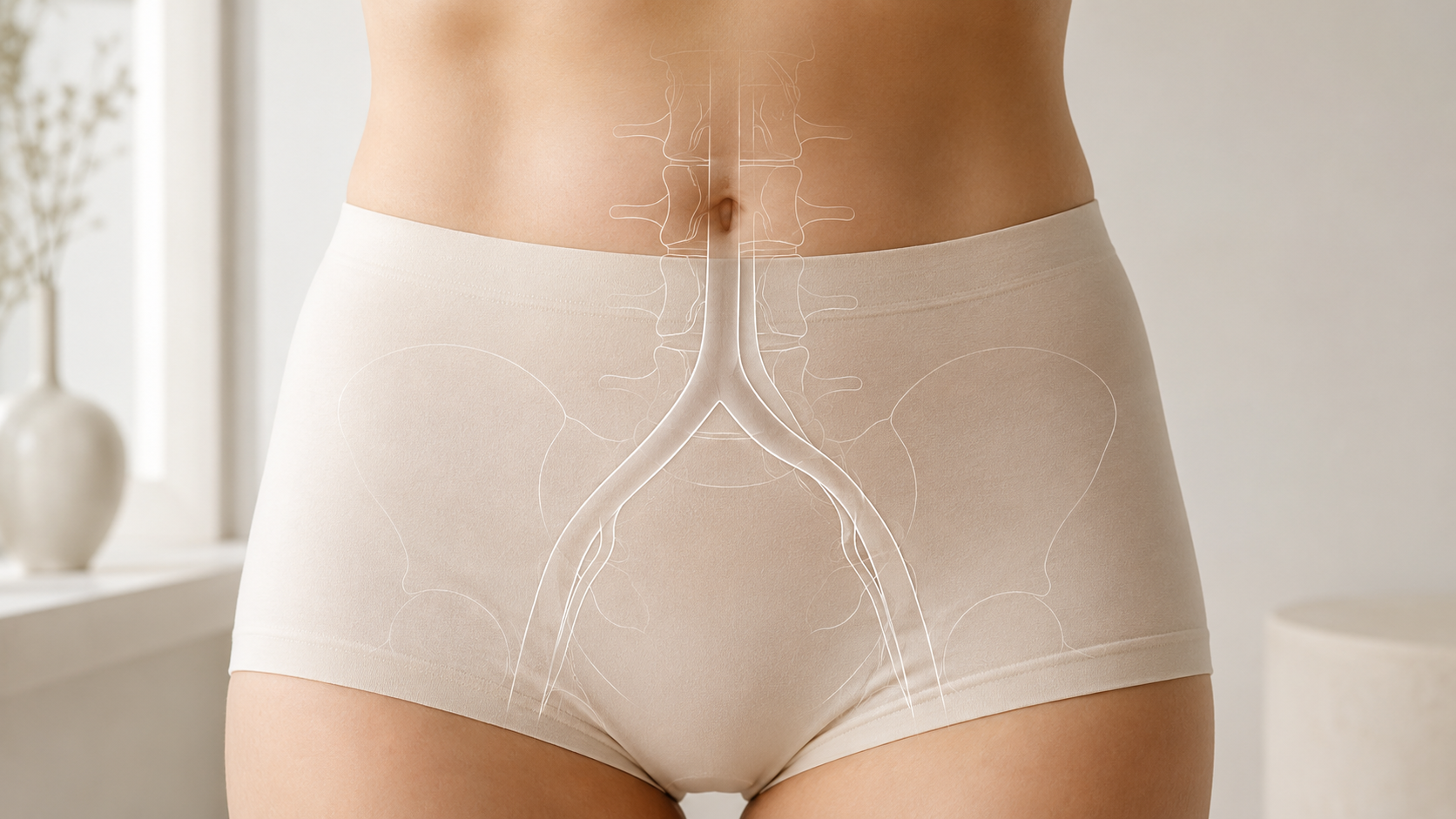
May Thurner Syndrome and Nutcracker Syndrome are vascular compression conditions that may overlap with pelvic pain in selected patients. They are not pelvic floor diagnoses, but they may be part of the broader pelvic pain differential when symptoms include pelvic heaviness, vascular findings, leg swelling, flank pain, blood in urine, pelvic congestion-type symptoms, or other vascular concerns.

MPM does not replace vascular, urology, nephrology, or surgical evaluation for these conditions. However, MPM may help evaluate whether persistent pain is vascular, pelvic floor-related, nerve-related, musculoskeletal, or mixed and coordinate referral when appropriate.

How MPM Evaluates Pelvic Floor Dysfunction

MPM begins with a detailed history and symptom map. This includes pain location, bowel and bladder symptoms, sexual pain, sitting tolerance, pelvic pressure, muscle spasm, prior pelvic floor therapy, prior gynecology, urology, GI, colorectal, orthopedic, or spine evaluation, prior imaging, prior procedures, and treatment response.

The evaluation also considers pelvic floor dysfunction, pelvic dystonia, pudendal neuralgia, hip impingement, SI joint dysfunction, anterior pelvic tilt, constipation, endometriosis, fibroids, vascular compression syndromes, hypermobility, EDS, sciatica, disc herniations, and chronic pain sensitization.

Treatment Options for Pelvic Floor Dysfunction

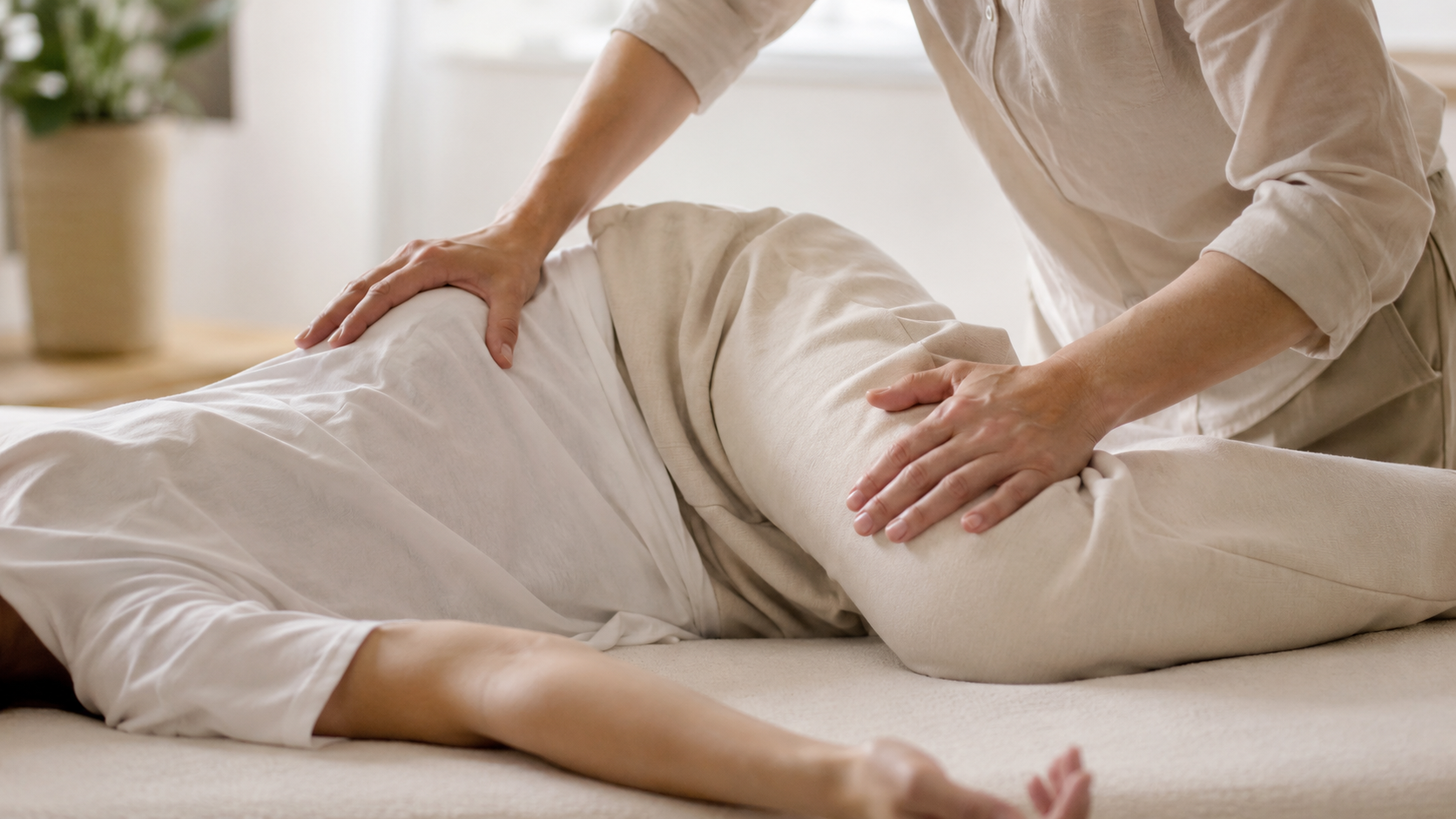
Treatment depends on the diagnosis. Some patients benefit most from pelvic floor physical therapy, biofeedback, medication management, pain psychology, movement retraining, acupuncture, or Feldenkrais. Others may need evaluation of hip, SI joint, spine, nerve, bowel, bladder, gynecologic, or vascular contributors.

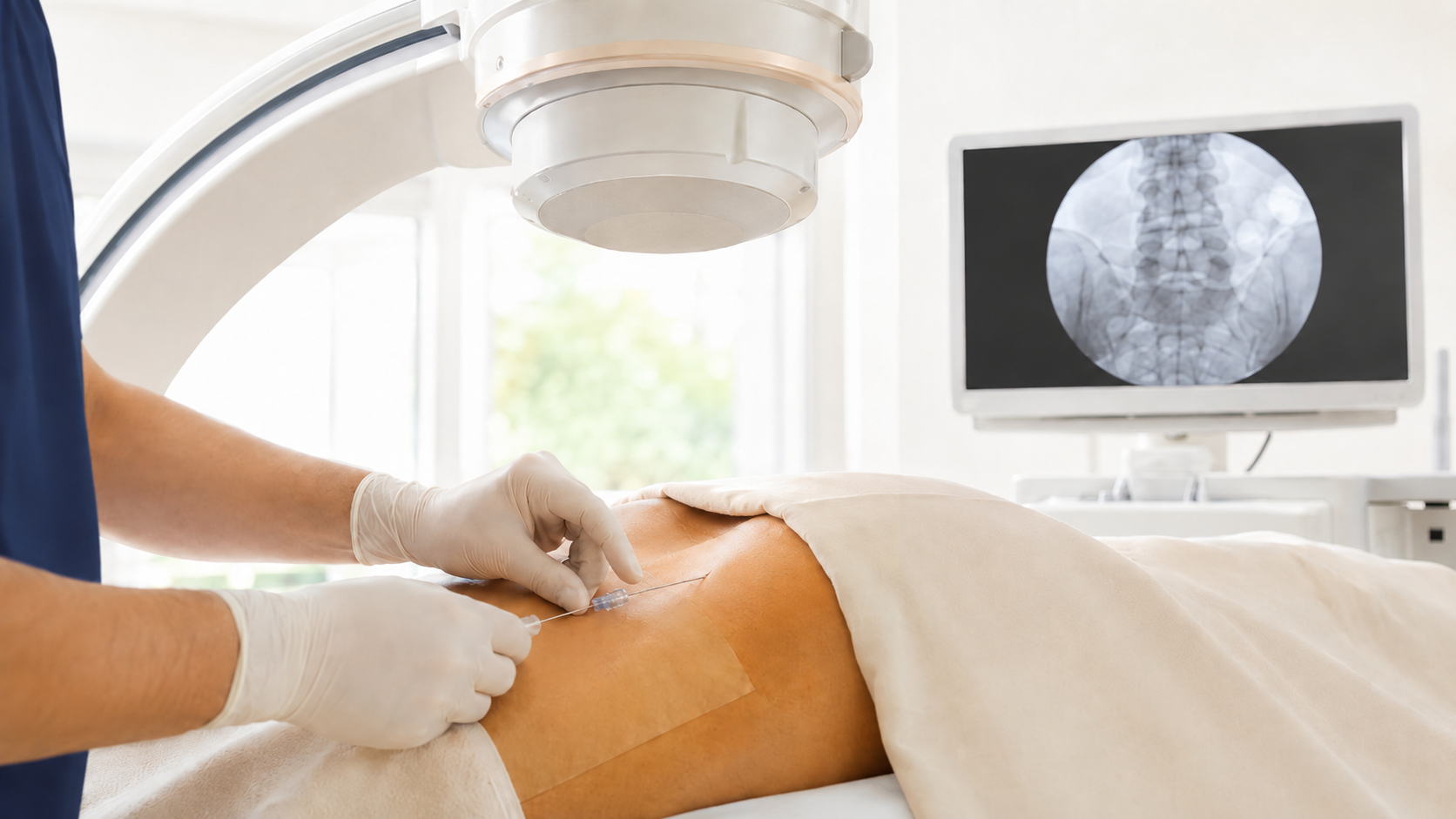
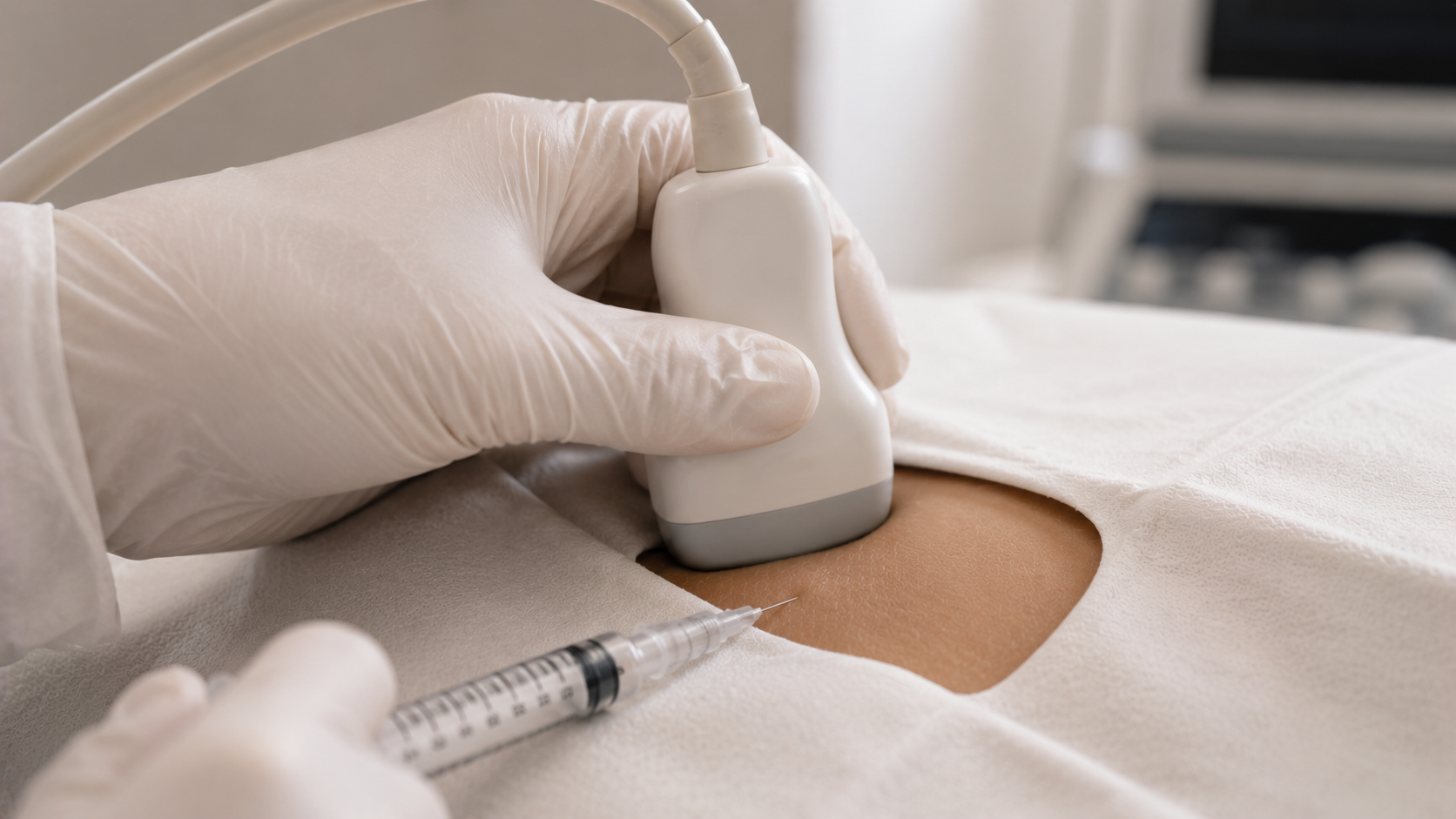
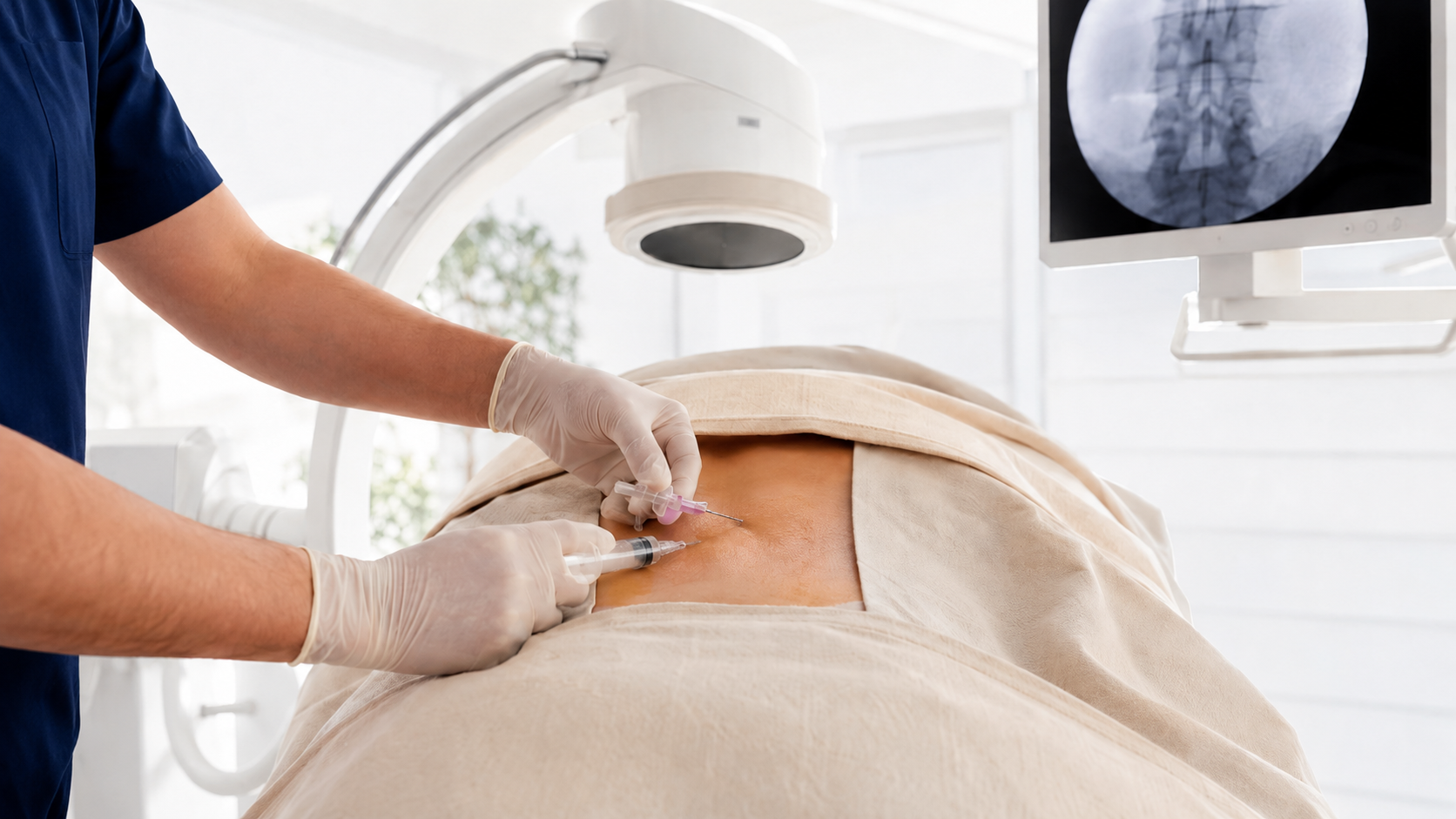
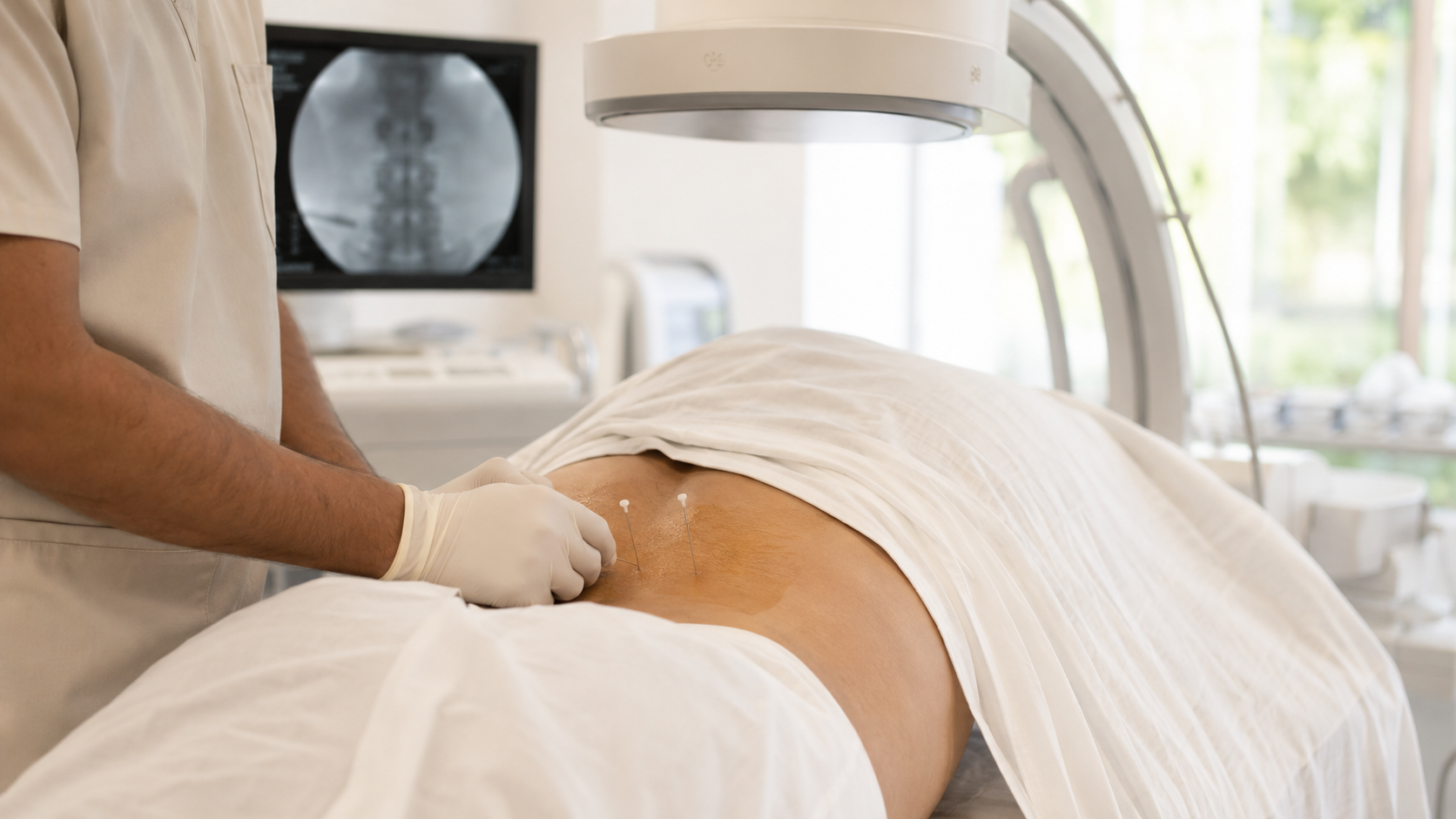
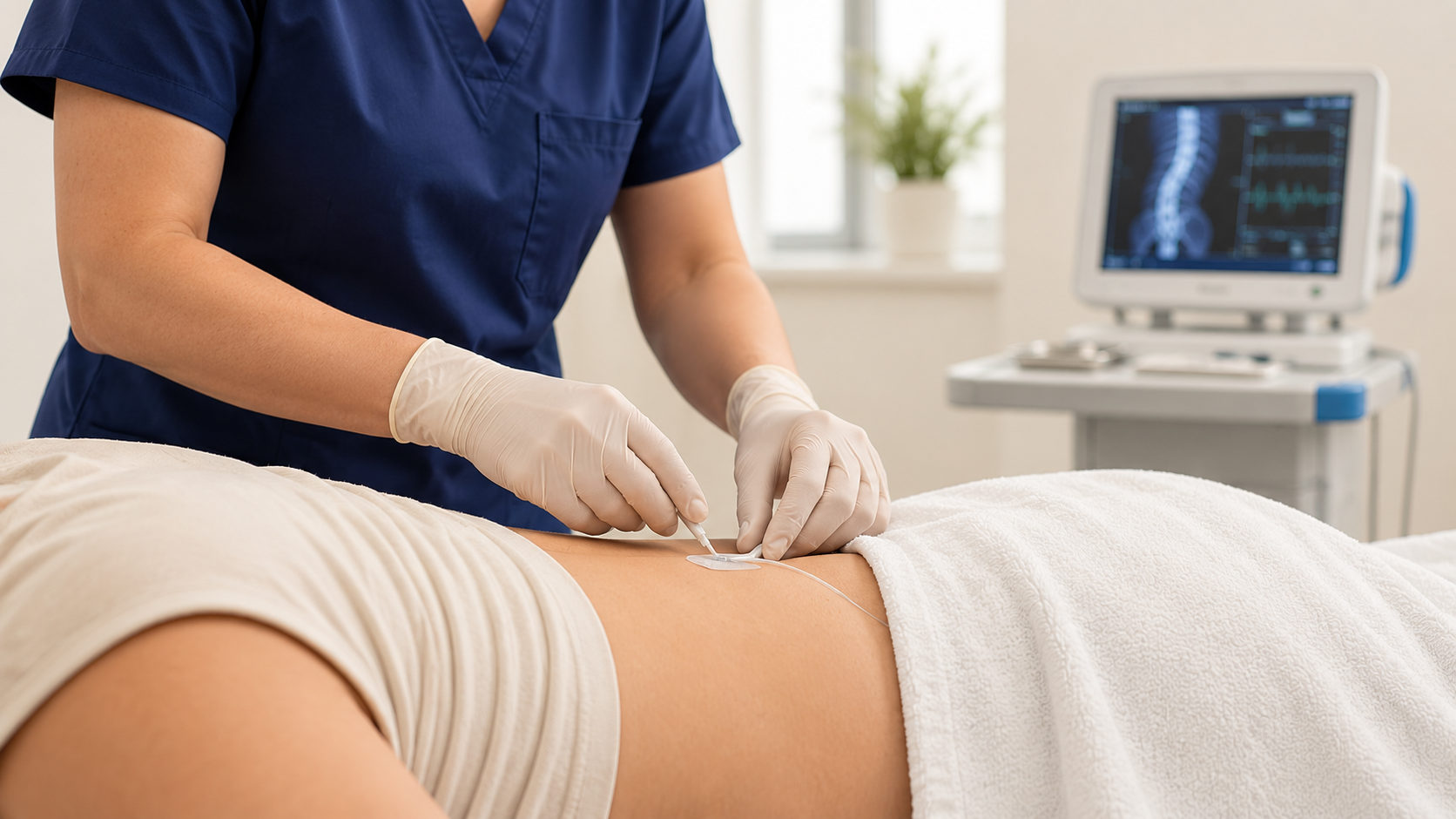
Selected patients may be considered for trigger point injections, pelvic floor trigger point injections, pudendal nerve blocks, peripheral nerve blocks, ganglion impar block, superior hypogastric plexus block, sympathetic blocks, diagnostic ultrasound, ultrasound-guided injections, botulinum toxin, nerve hydrodissection, or neuromodulation. These options are not routine for every patient. They depend on the pain generator, anatomy, risks, prior response, and care goals.

When Pelvic Floor Trigger Point Injections May Be Considered

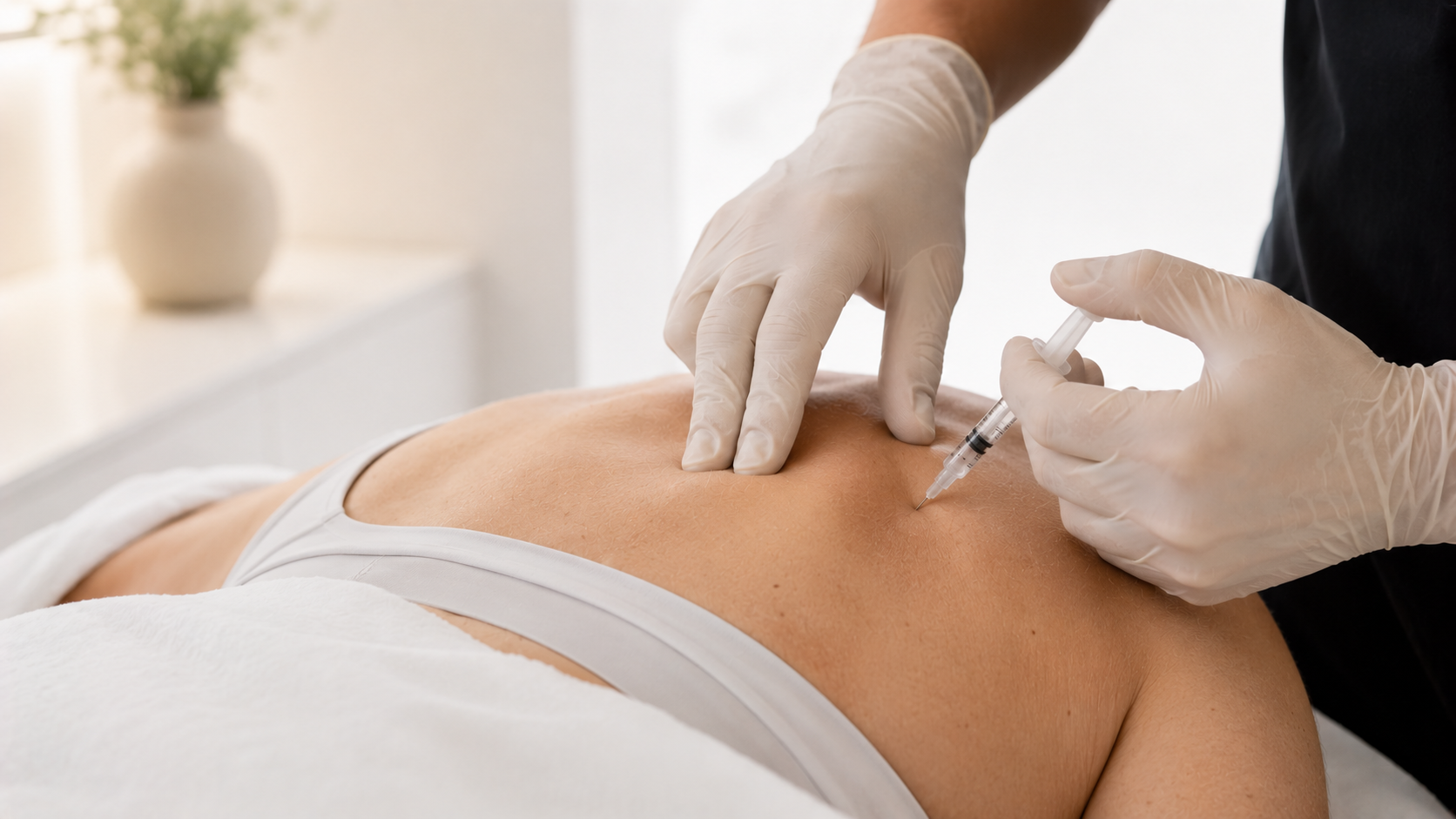
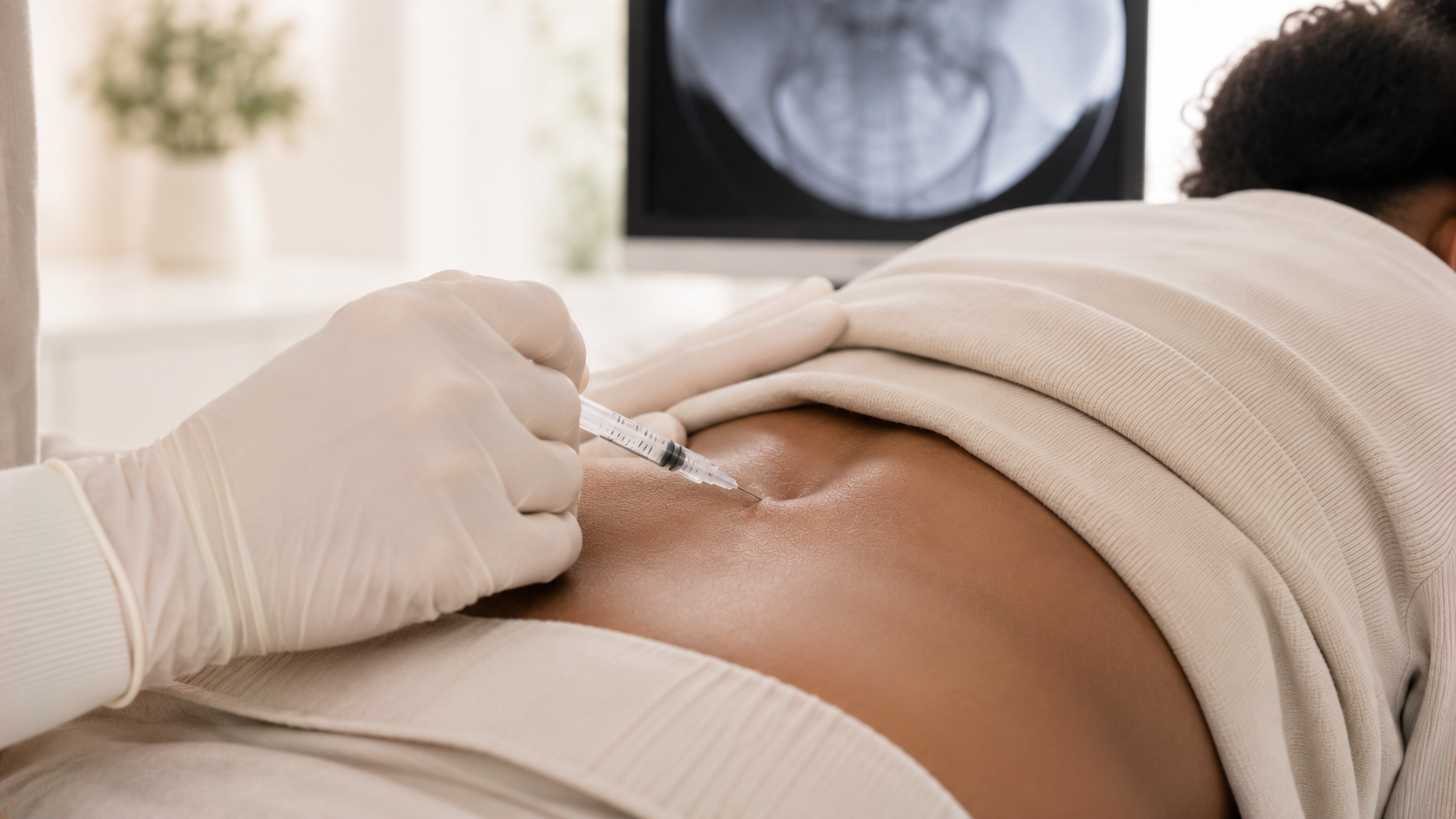
Pelvic floor trigger point injections may be considered when focal pelvic floor muscle trigger points are contributing to pain. These injections may help reduce muscle-related pain in selected cases, but they should be part of a broader plan that may include pelvic floor therapy, movement retraining, medication management, pain psychology, or treatment of overlapping conditions.

The purpose is not to treat every pelvic pain condition with an injection. The purpose is to target a specific muscle-related pain generator when the clinical pattern supports it.

When Nerve Blocks or Sympathetic Blocks May Be Considered

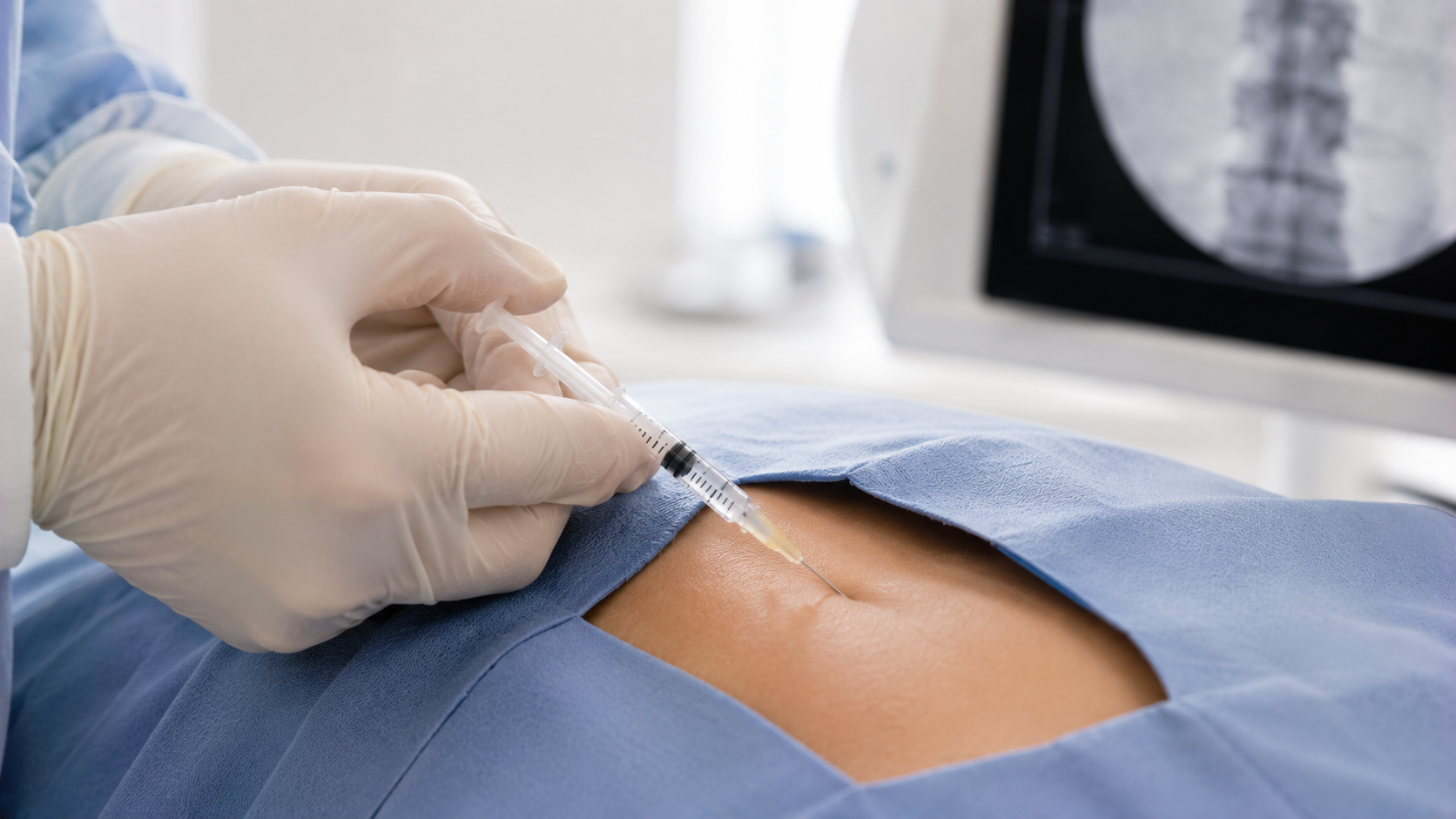
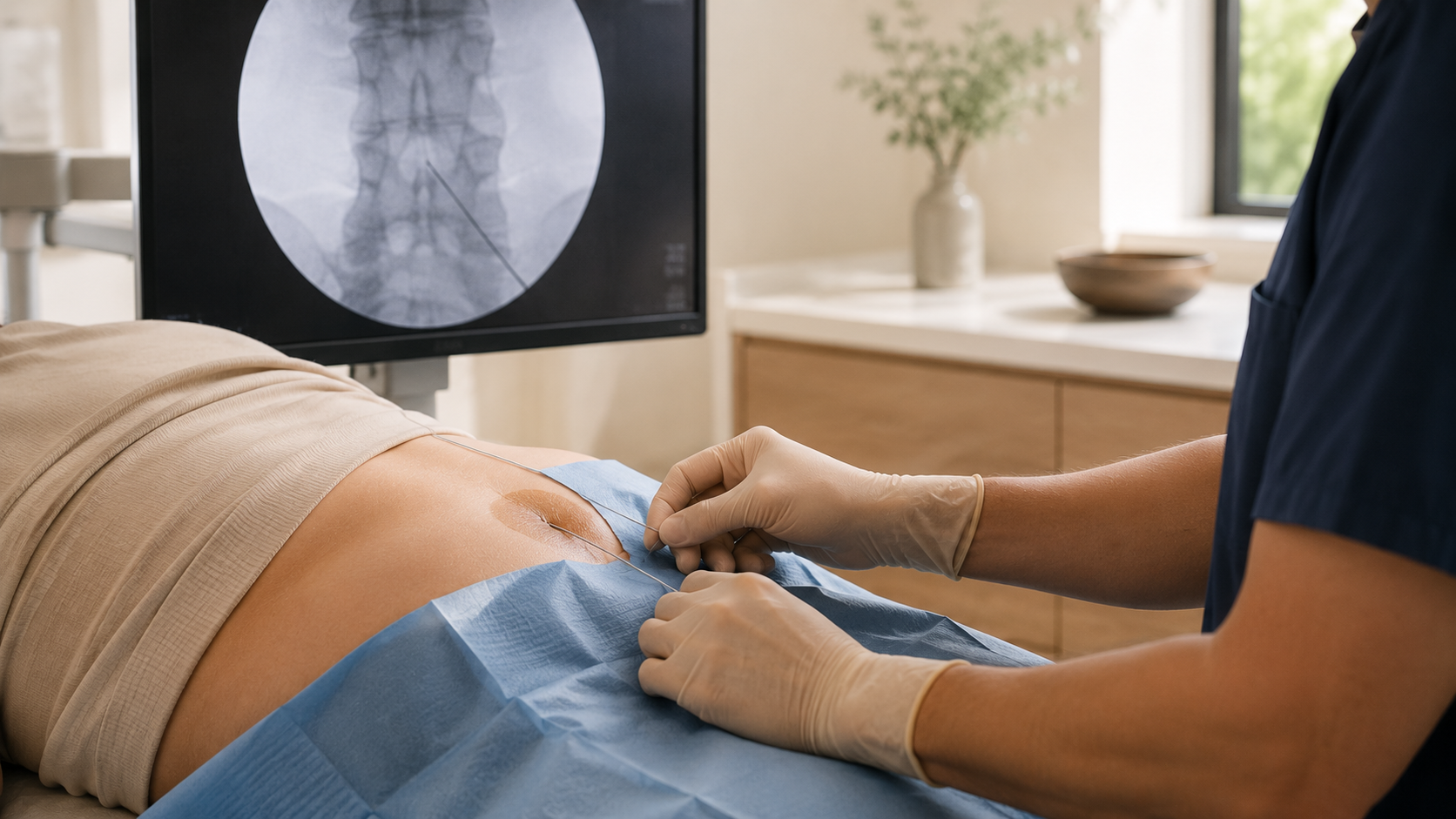
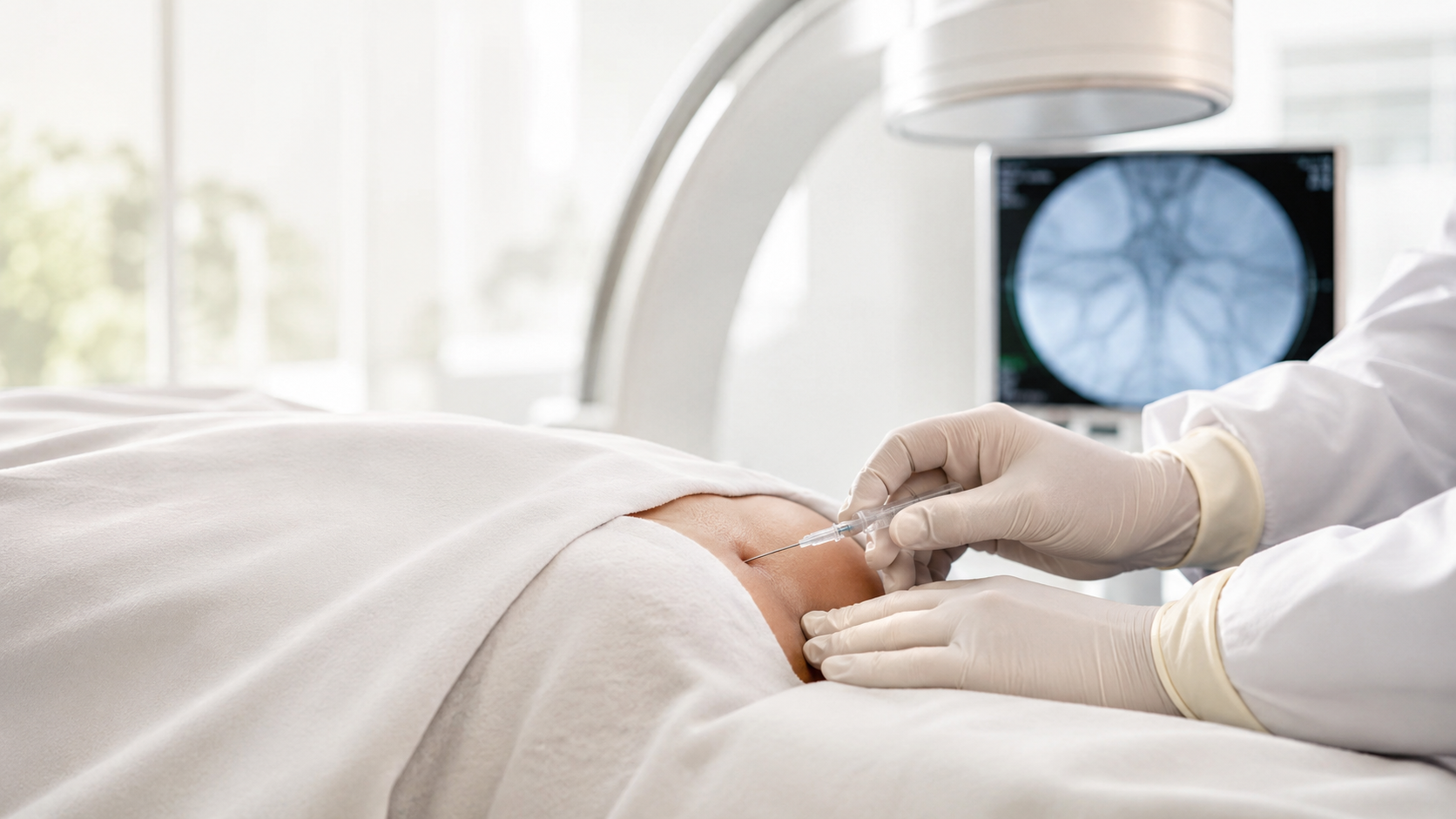
Pudendal nerve blocks may be considered when symptoms suggest pudendal nerve irritation or pudendal neuralgia. Ganglion impar block may be considered in selected tailbone, rectal, perineal, or pelvic pain patterns. Superior hypogastric plexus block may be considered in selected visceral pelvic pain patterns. Lumbar sympathetic blocks or other sympathetic blocks may be considered only when the pain pattern suggests a sympathetically mediated component.

Each of these procedures requires diagnosis-specific evaluation, risk discussion, and clinician supervision.

When Neuromodulation May Be Considered

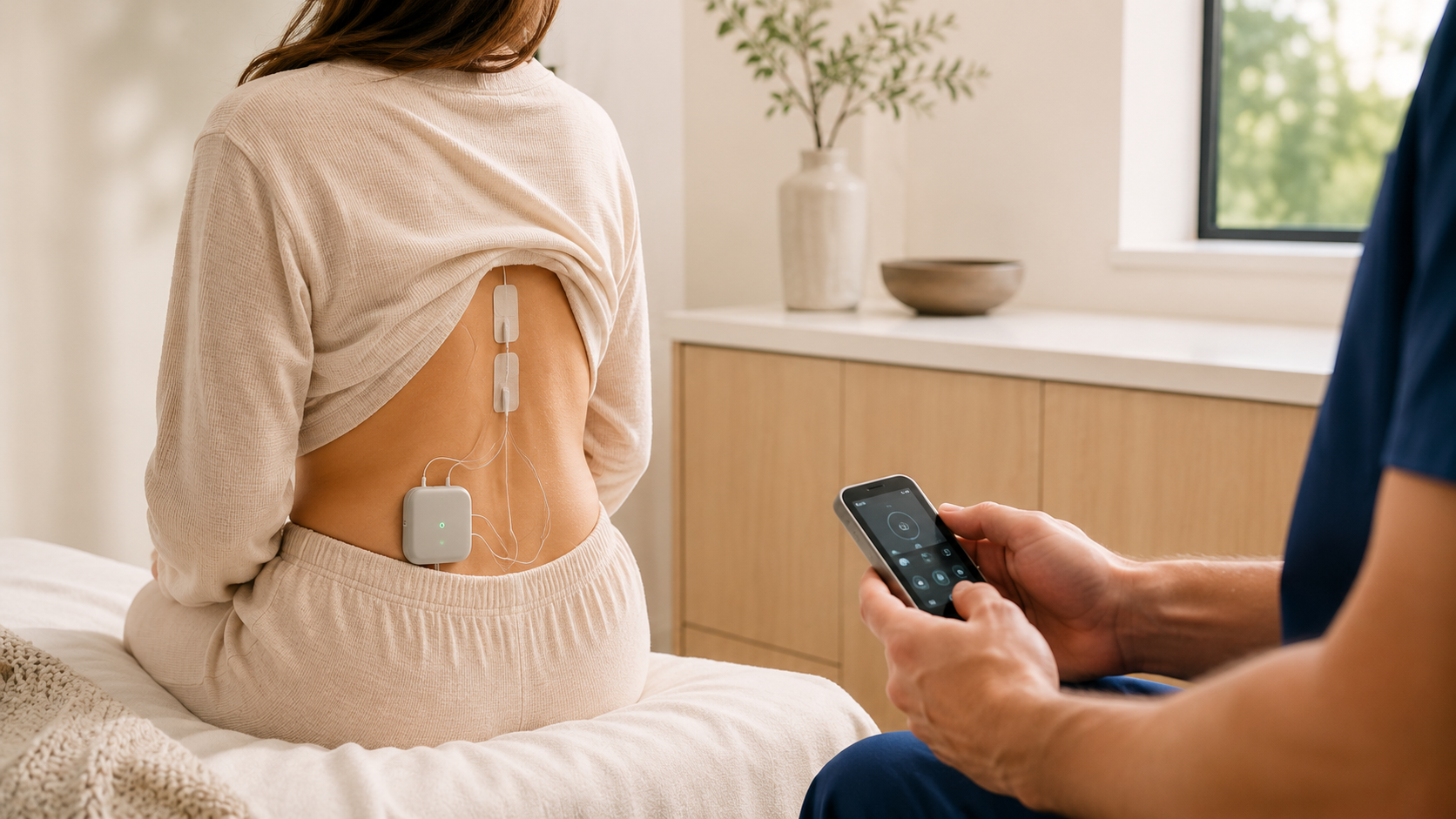
Neuromodulation, including peripheral nerve stimulation, spinal cord stimulation, or dorsal root ganglion stimulation, may be considered for selected chronic pelvic, nerve, or complex pain patterns when conservative care and less invasive options have not provided sufficient relief. These options are not first-line treatments for pelvic floor dysfunction and should only be considered after careful evaluation.

When Urgent Evaluation Is Needed

Pelvic floor-like symptoms should not be assumed to be benign. Patients should seek urgent evaluation for fever, severe or sudden pelvic or abdominal pain, heavy bleeding, pregnancy-related pain, fainting, blood in urine or stool, inability to urinate, new bowel or bladder dysfunction, saddle anesthesia, new leg weakness, unexplained weight loss, severe testicular pain, signs of infection, chest pain, shortness of breath, or rapidly worsening symptoms.

These symptoms may indicate conditions that require emergency, gynecologic, urologic, gastrointestinal, vascular, neurologic, or surgical evaluation.

How MPM Approaches Pelvic Floor Dysfunction Care

MPM approaches pelvic floor dysfunction through a diagnosis-first, coordinated model. The goal is to identify whether pain is coming from pelvic floor muscle dysfunction, pelvic dystonia, pudendal neuralgia, hip impingement, SI joint dysfunction, anterior pelvic tilt, endometriosis, fibroids, constipation, vascular compression syndromes, hypermobility, EDS, spine-related nerve pain, or chronic pain sensitization.

For patients looking for pelvic floor dysfunction treatment in Manhattan or NYC, MPM offers a careful pain medicine perspective focused on symptom mapping, musculoskeletal evaluation, nerve pain differentiation, pelvic PT collaboration, image-guided options when appropriate, and coordination with the right specialists. Treatment is individualized and selected only after the likely pain generators are better understood.