Spinal Stenosis
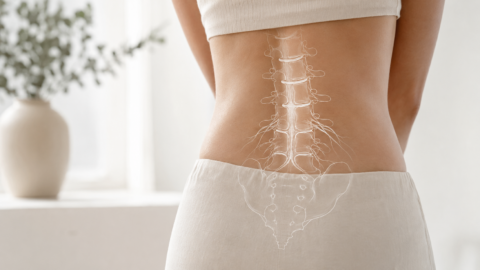
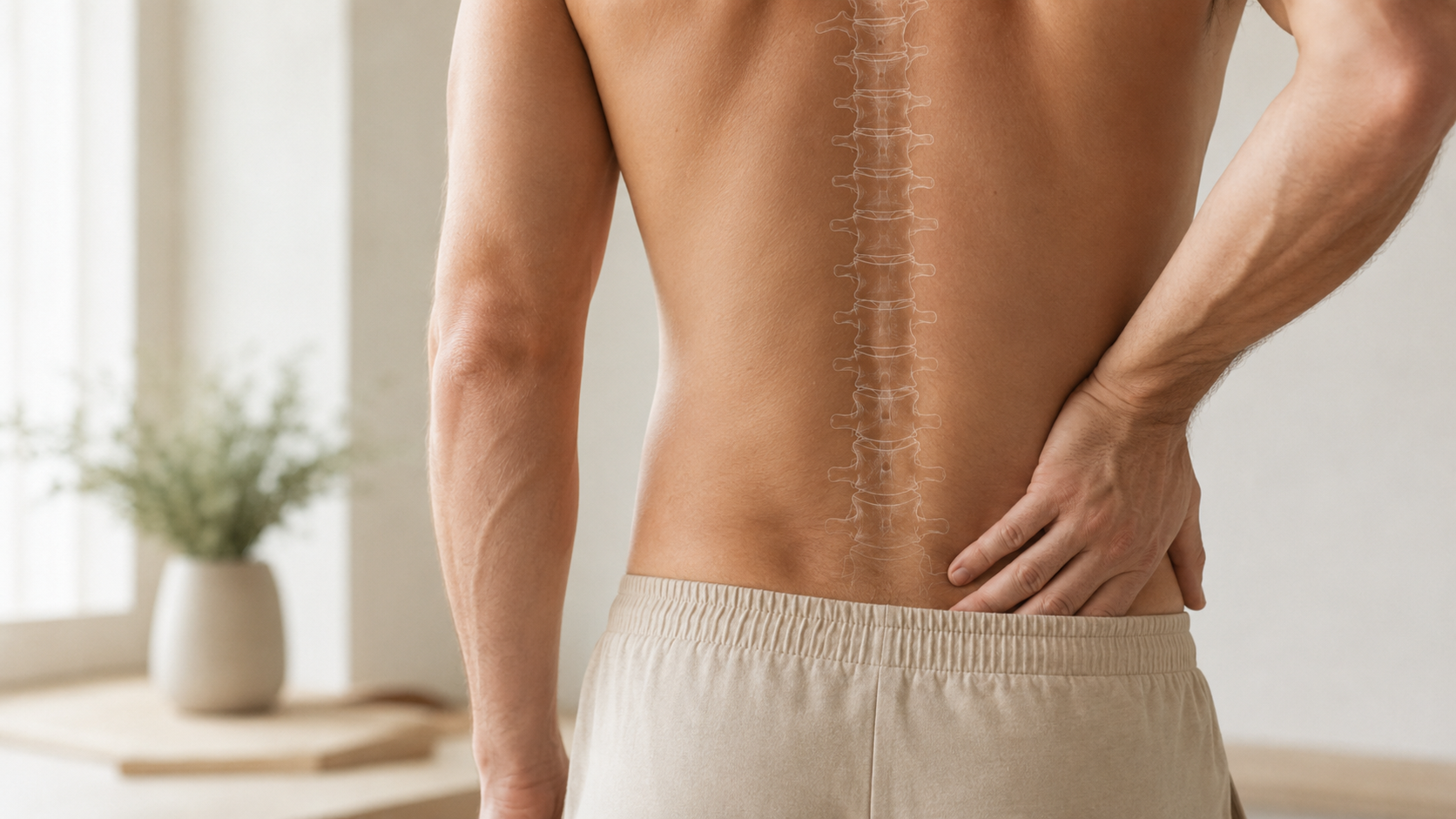
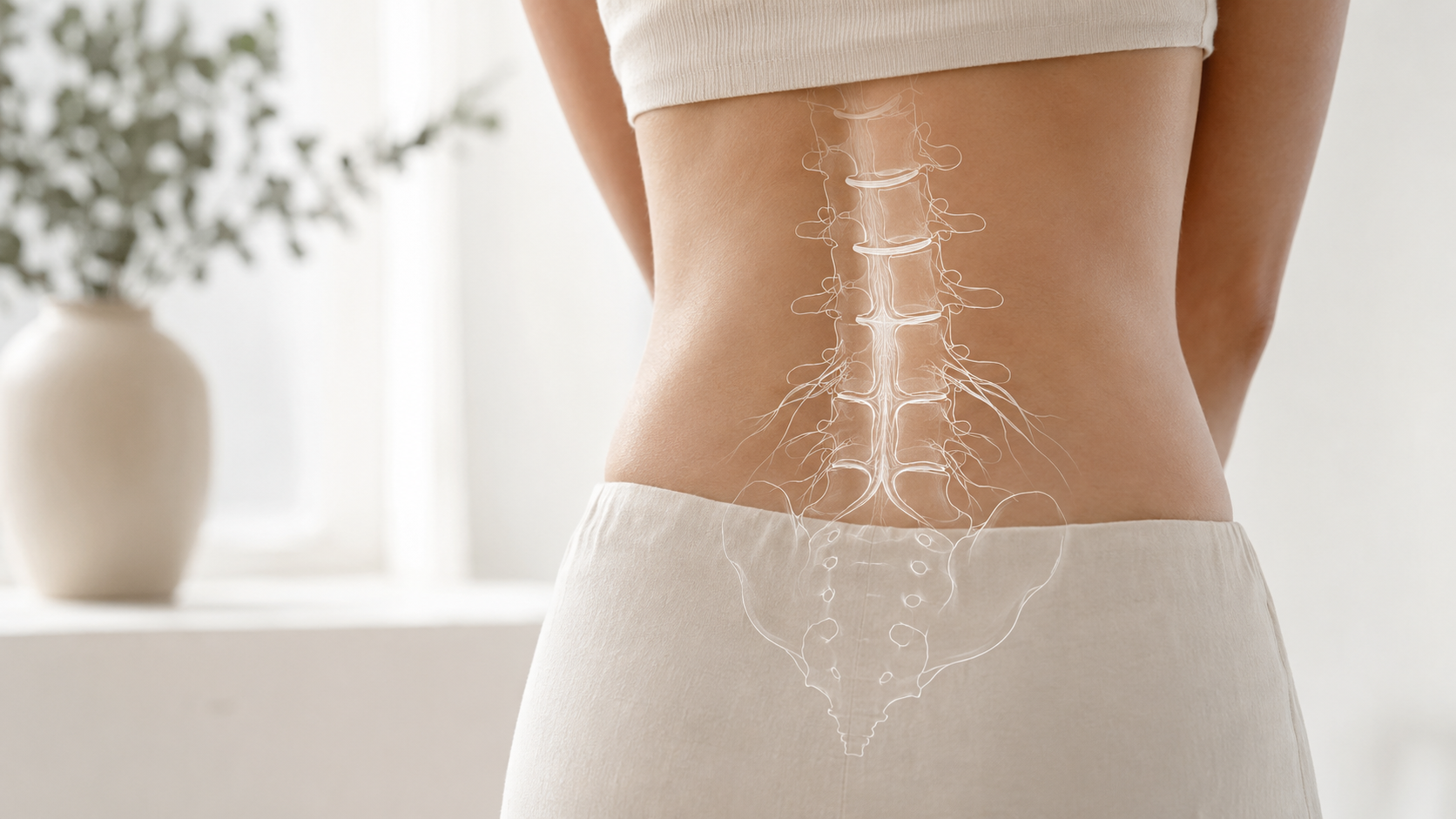
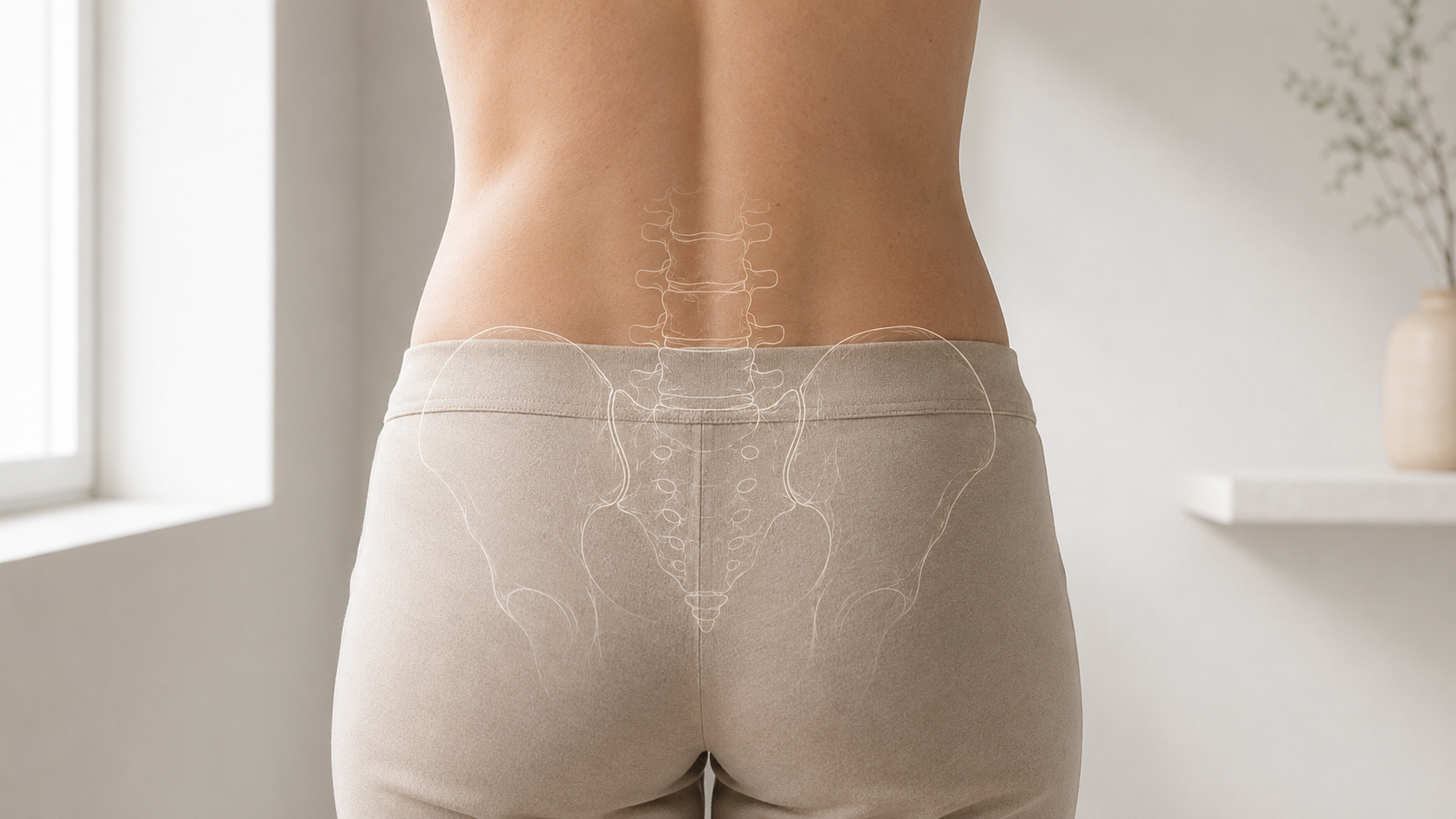
Spinal stenosis means there is narrowing around the spinal canal, spinal cord, or nerve passageways. This narrowing can irritate or compress nerves and may contribute to neck pain, back pain, arm pain, leg pain, numbness, tingling, weakness, balance changes, or walking limitation.
Spinal stenosis is common, especially with age-related or degenerative spine changes. It may occur together with disc bulging, facet arthritis, ligament thickening, spondylosis, spondylolisthesis, or prior spine injury. In some patients, stenosis is the main pain generator. In others, it is one finding among several.
MPM approaches spinal stenosis by asking whether the imaging finding explains the patient’s symptoms, neurologic exam, walking pattern, and functional limitation.
What Is Spinal Stenosis?
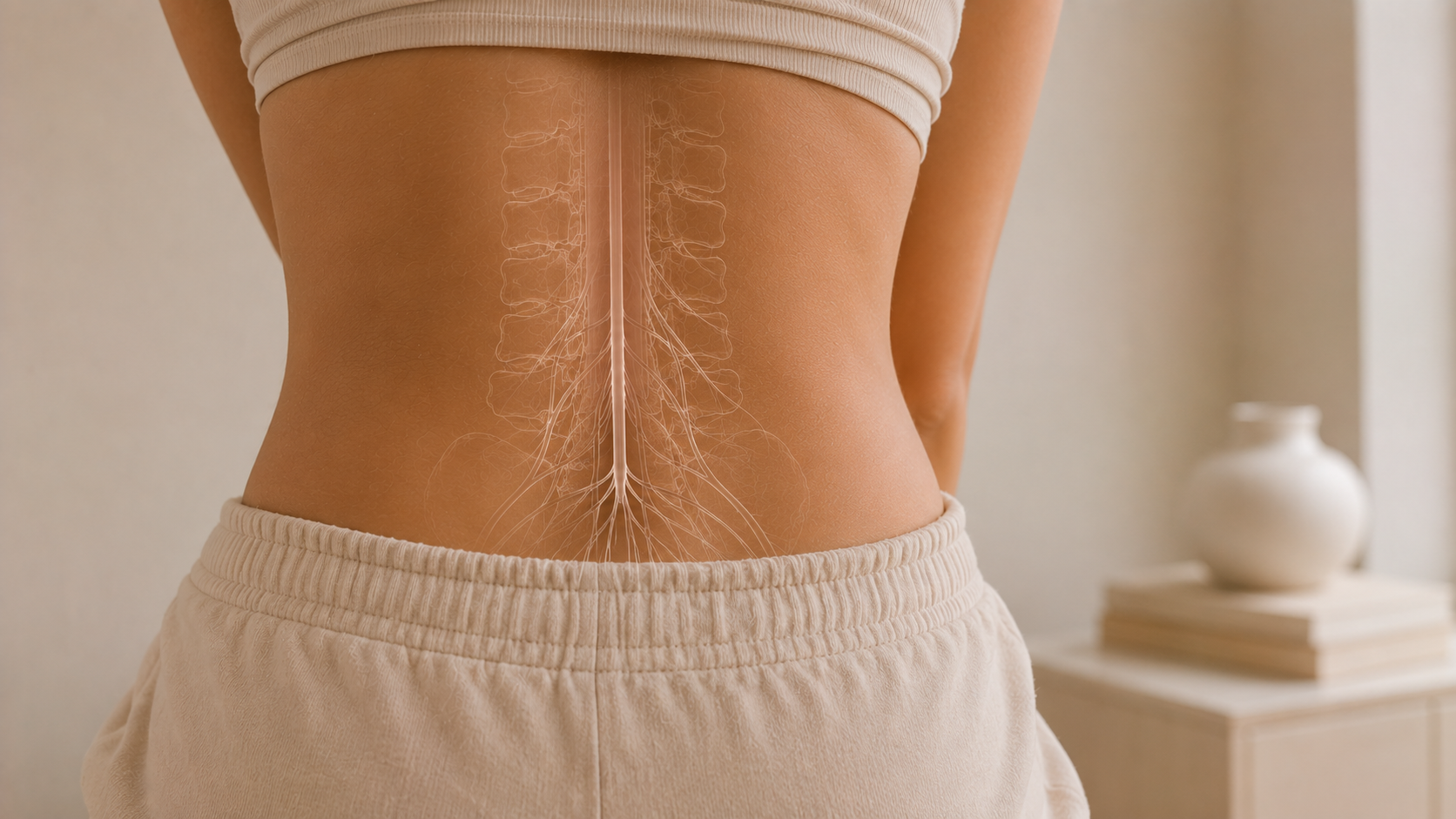
Spinal stenosis is narrowing in the spaces where the spinal cord or nerve roots travel. When the narrowing affects nerve roots, symptoms may radiate into the arms or legs. When narrowing affects the spinal cord, especially in the cervical spine, symptoms may involve balance, coordination, hand function, weakness, or walking changes.
The degree of stenosis on imaging does not always predict symptom severity. Some patients have significant narrowing and mild symptoms. Others have moderate narrowing with substantial walking limitation or nerve pain. The clinical pattern matters.
Lumbar vs Cervical Spinal Stenosis
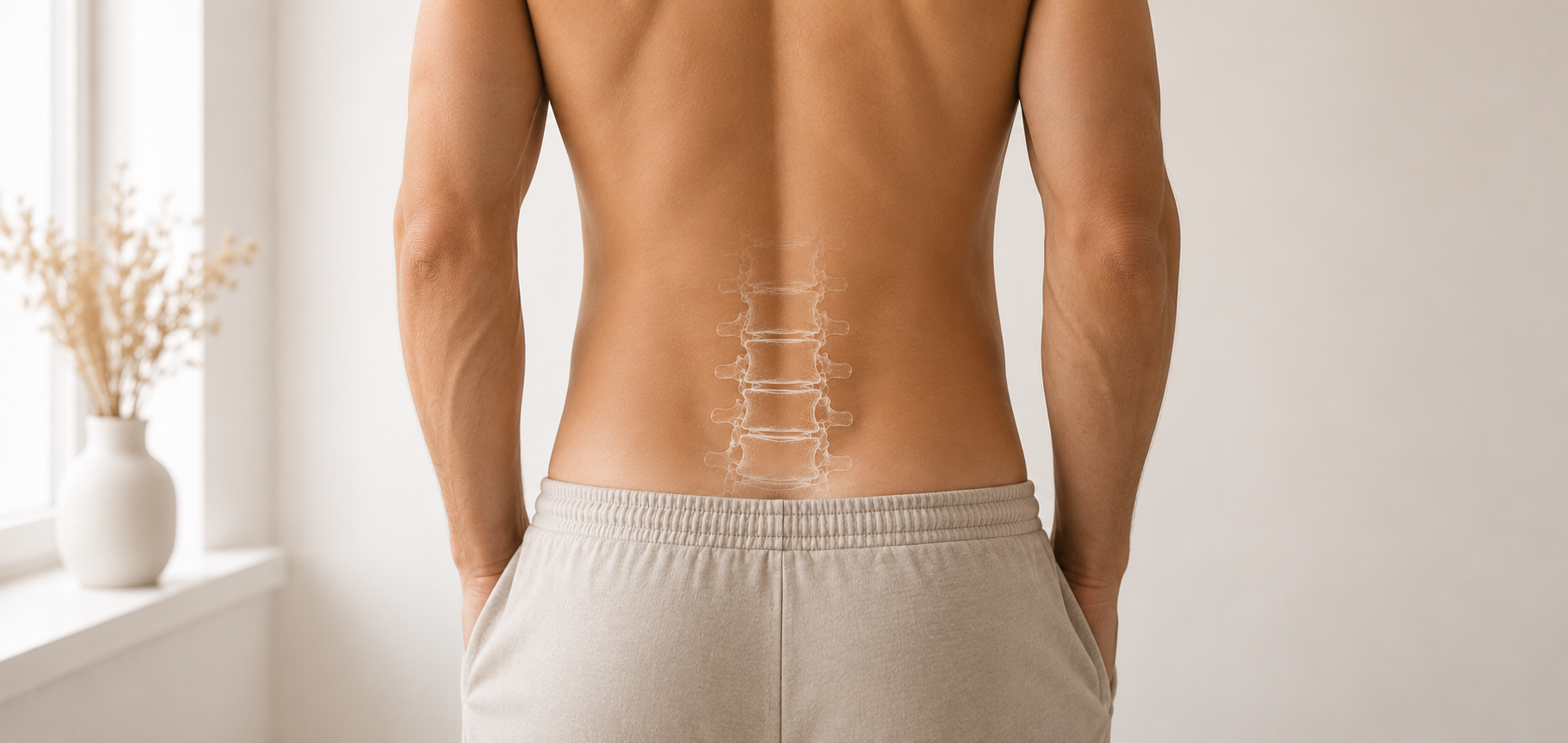
Lumbar spinal stenosis occurs in the lower back. It may cause low back pain, buttock pain, hip-region pain, leg pain, numbness, tingling, heaviness, weakness, or walking limitation. Symptoms may worsen with standing or walking and improve with sitting or leaning forward.
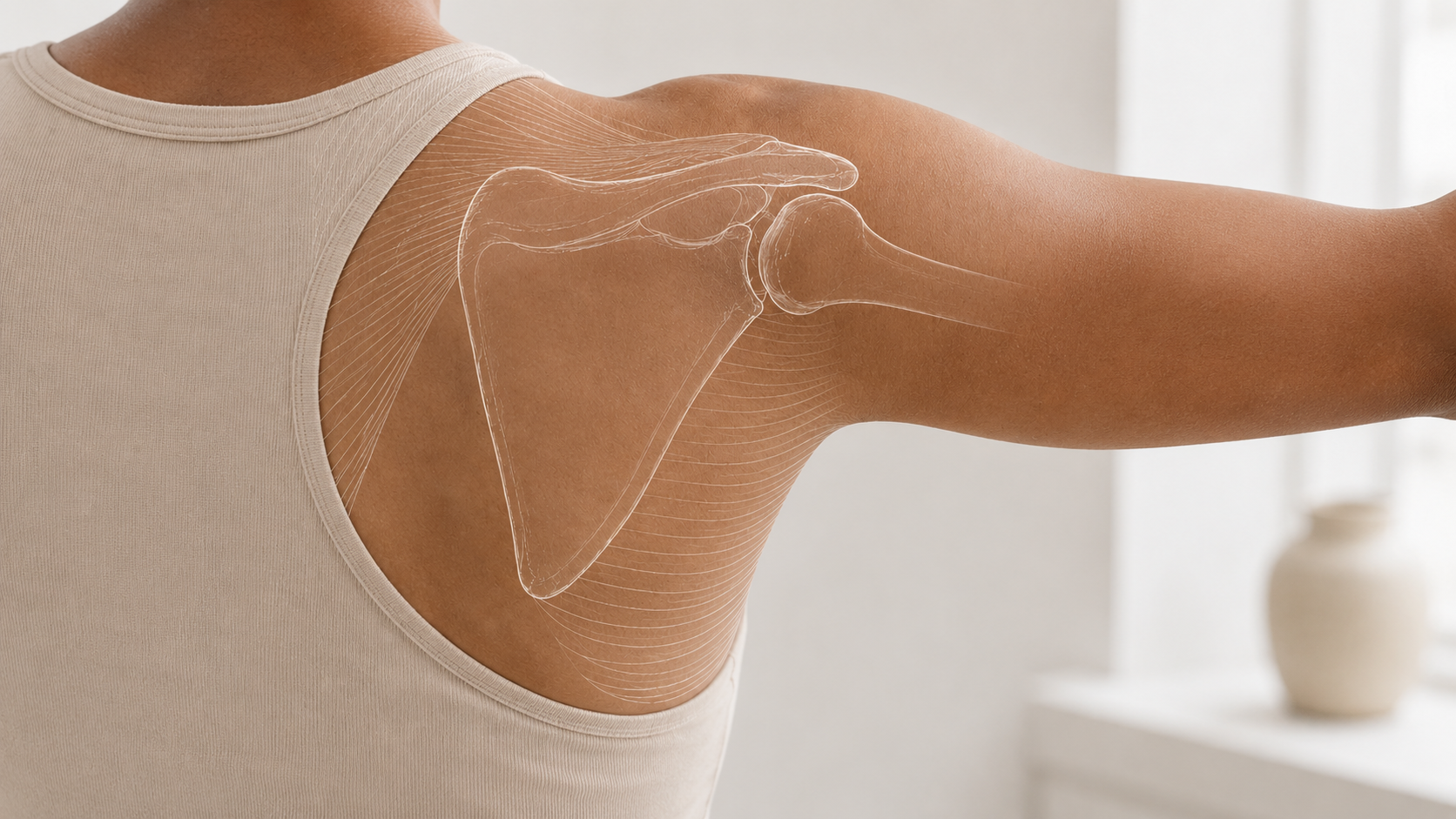
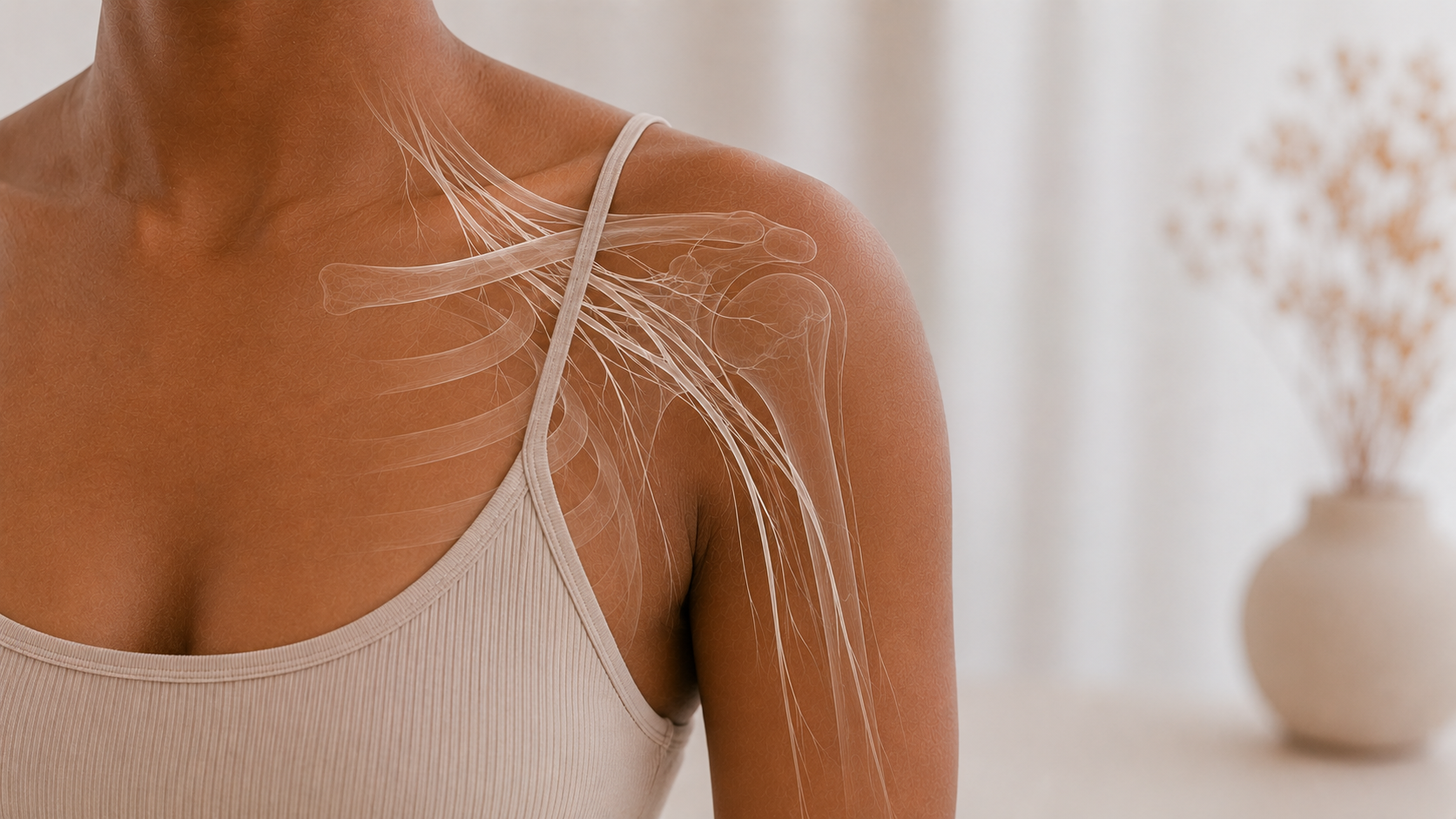
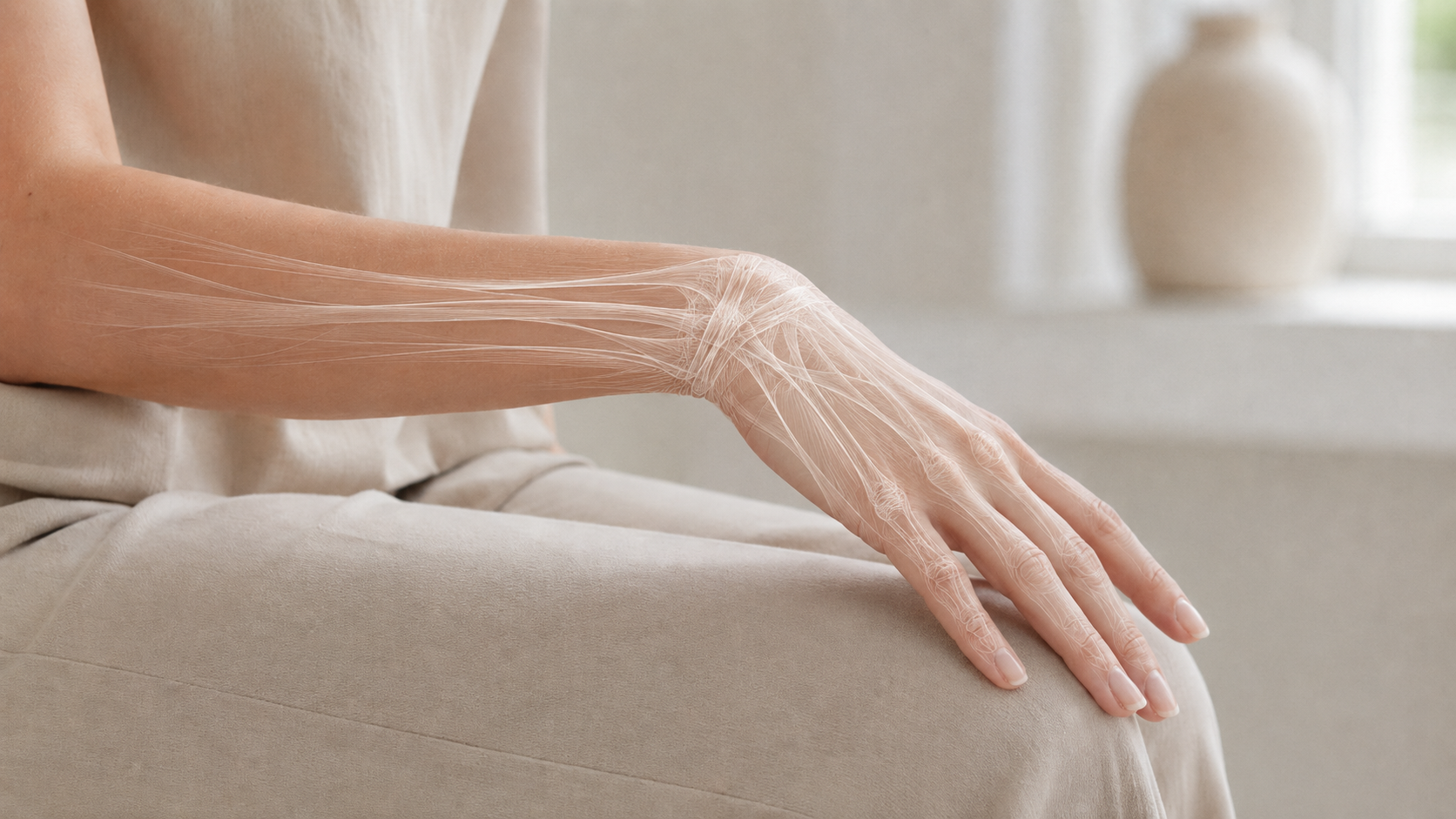
Cervical spinal stenosis occurs in the neck. It may cause neck pain, shoulder pain, arm pain, numbness, tingling, weakness, hand clumsiness, balance problems, coordination changes, or signs of spinal cord compression. Cervical stenosis requires careful neurologic evaluation because spinal cord involvement can be serious.
Common Symptoms of Spinal Stenosis
Symptoms depend on where the narrowing occurs and which nerve structures are affected. Lumbar symptoms may include back pain, leg pain, sciatica-like symptoms, numbness, tingling, burning, heaviness, cramping, or weakness. Cervical symptoms may include neck pain, arm pain, hand symptoms, numbness, tingling, weakness, or balance changes.
Some patients have symptoms only with walking or standing. Others have symptoms at rest. Some have pain that changes with posture. Others have chronic nerve pain that persists even after the original mechanical trigger has become less clear.
Spinal Stenosis and Neurogenic Claudication
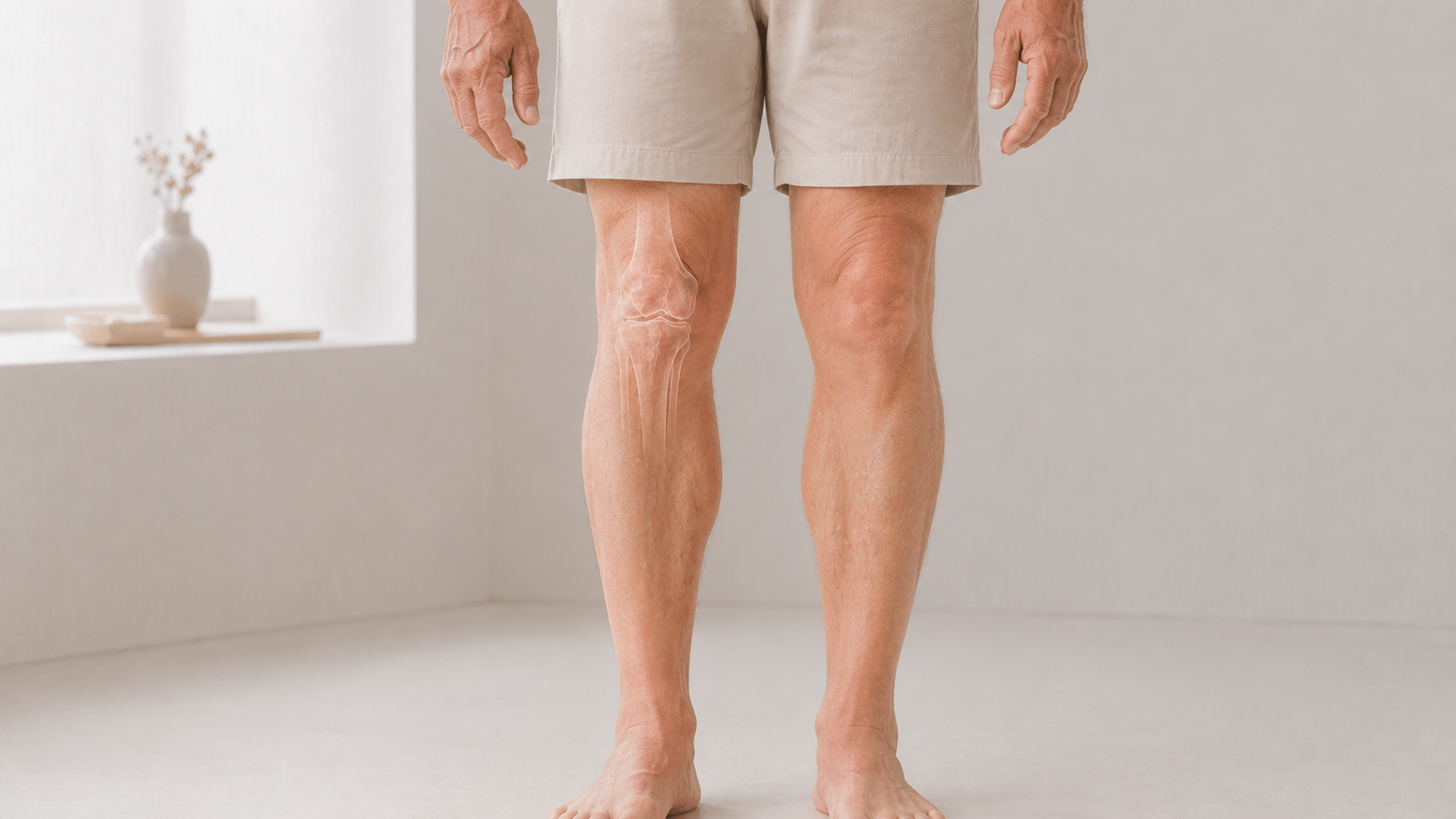
Neurogenic claudication is a common symptom pattern in lumbar spinal stenosis. Patients may feel leg pain, heaviness, cramping, numbness, tingling, or weakness when walking or standing. Symptoms may improve after sitting or bending forward.
Patients sometimes describe needing to lean on a shopping cart, sit frequently, or limit walking distance. This pattern can strongly suggest lumbar stenosis, but it can overlap with vascular claudication, hip arthritis, peripheral neuropathy, SI joint dysfunction, and deconditioning.
MPM evaluates the walking pattern, neurologic findings, pulses or vascular concerns when relevant, hip mechanics, and imaging before confirming the most likely cause.
Spinal Stenosis vs Sciatica and Herniated Disc Pain
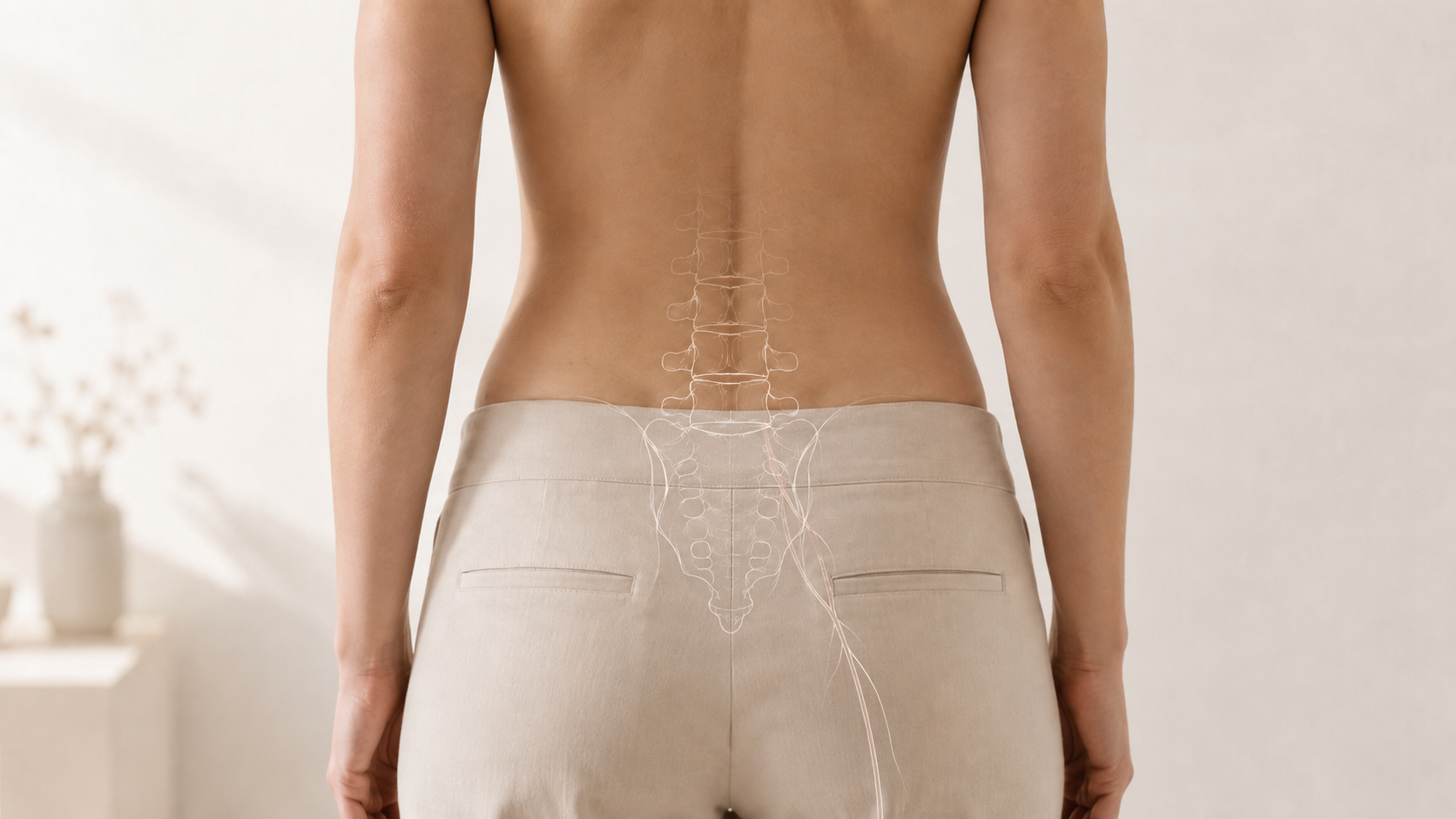
Sciatica is a symptom pattern that involves pain traveling into the buttock, leg, or foot. A herniated disc can cause sciatica by irritating a nerve root. Spinal stenosis can also cause sciatica-like symptoms by narrowing the space around the nerves.
The pattern may differ. Disc herniation pain often has a more acute onset and may worsen with sitting, bending, coughing, or sneezing. Stenosis-related pain often worsens with standing or walking and improves with sitting or flexion. However, the patterns can overlap, and both conditions may appear on the same MRI.
MPM evaluates which finding best matches the patient’s symptoms and exam.
Spinal Stenosis, Spondylosis, and Spondylolisthesis
Spondylosis refers to degenerative changes in the spine, including disc and joint changes. Spondylolisthesis occurs when one vertebra slips forward relative to another. Both can contribute to spinal stenosis by narrowing the spaces where nerves travel.
When stenosis occurs with spondylolisthesis, symptoms may be influenced by instability, posture, walking, and mechanical loading. Treatment planning may need to account for nerve compression, joint pain, ligament strain, muscle guarding, and stability.
Why Imaging Findings Do Not Always Match Symptoms
MRI and other imaging tests are important, but they do not diagnose the pain generator by themselves. Some patients have stenosis on imaging but symptoms from SI joint dysfunction, facet arthropathy, hip disease, inflammatory arthritis, peripheral neuropathy, vascular disease, or centralized pain.
Other patients have symptoms that seem more severe than expected based on imaging. This may happen when nerve sensitivity, inflammation, musculoskeletal compensation, hypermobility, chronic pain sensitization, or overlapping diagnoses are present.
MPM evaluates the relationship between imaging, symptoms, neurologic findings, movement triggers, walking tolerance, and prior treatment response.
Spinal Stenosis and Inflammatory Back Pain Mimics
Inflammatory back pain can sometimes be mistaken for degenerative spine pain. Conditions such as seronegative spondyloarthropathy, autoimmune-related pain, rheumatoid arthritis, Sjogren’s, arthritis-related pain, and enthesitis may contribute to back, neck, SI joint, or tendon attachment pain.
Inflammatory clues may include prolonged morning stiffness, pain that improves with movement, pain that worsens with rest, SI joint inflammation, tendon attachment pain, fatigue, psoriasis, eye inflammation, bowel symptoms, or systemic inflammatory history.
MPM evaluates whether the pain pattern appears mechanical, inflammatory, nerve-related, instability-related, centrally amplified, or mixed.
Spinal Stenosis, Hypermobility, and EDS
In patients with hypermobility or Ehlers-Danlos syndrome, spine pain may involve more than narrowing around the nerves. Joint instability, ligamentous laxity, muscle guarding, recurrent sprains, SI joint dysfunction, facet irritation, spondylolisthesis, and altered mechanics may all contribute.
A stenosis finding may still be relevant, but treatment should consider the broader mechanical context. MPM evaluates spinal stenosis in relation to stability, movement mechanics, pain distribution, neurologic findings, and functional goals.
How MPM Evaluates Spinal Stenosis
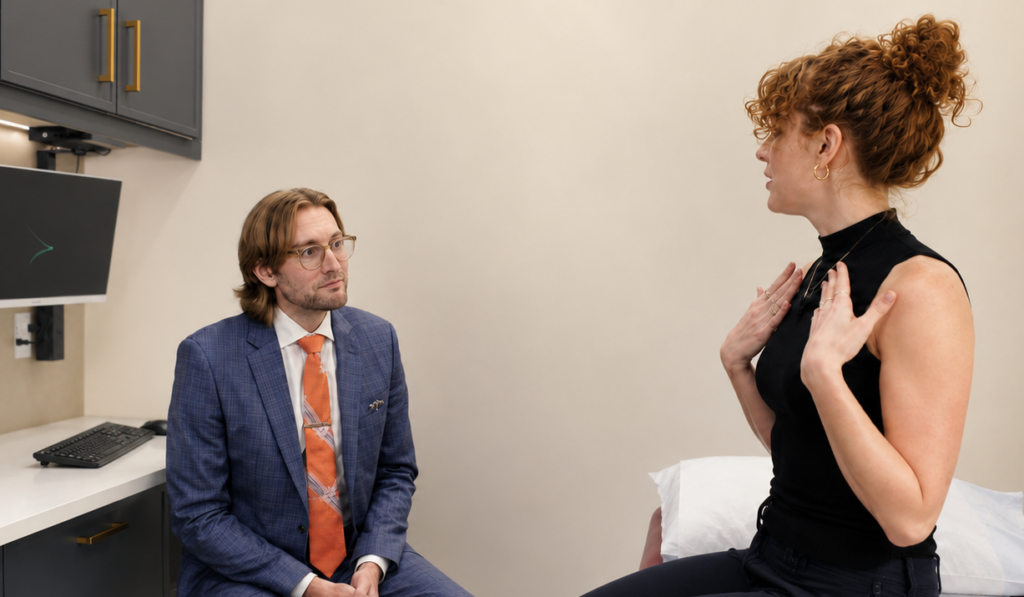
MPM begins with a detailed history and symptom map. This includes pain location, walking tolerance, standing tolerance, sitting relief, posture-related changes, arm or leg symptoms, numbness, tingling, weakness, balance concerns, prior imaging, prior physical therapy, prior medications, prior injections, and prior surgical consultation.
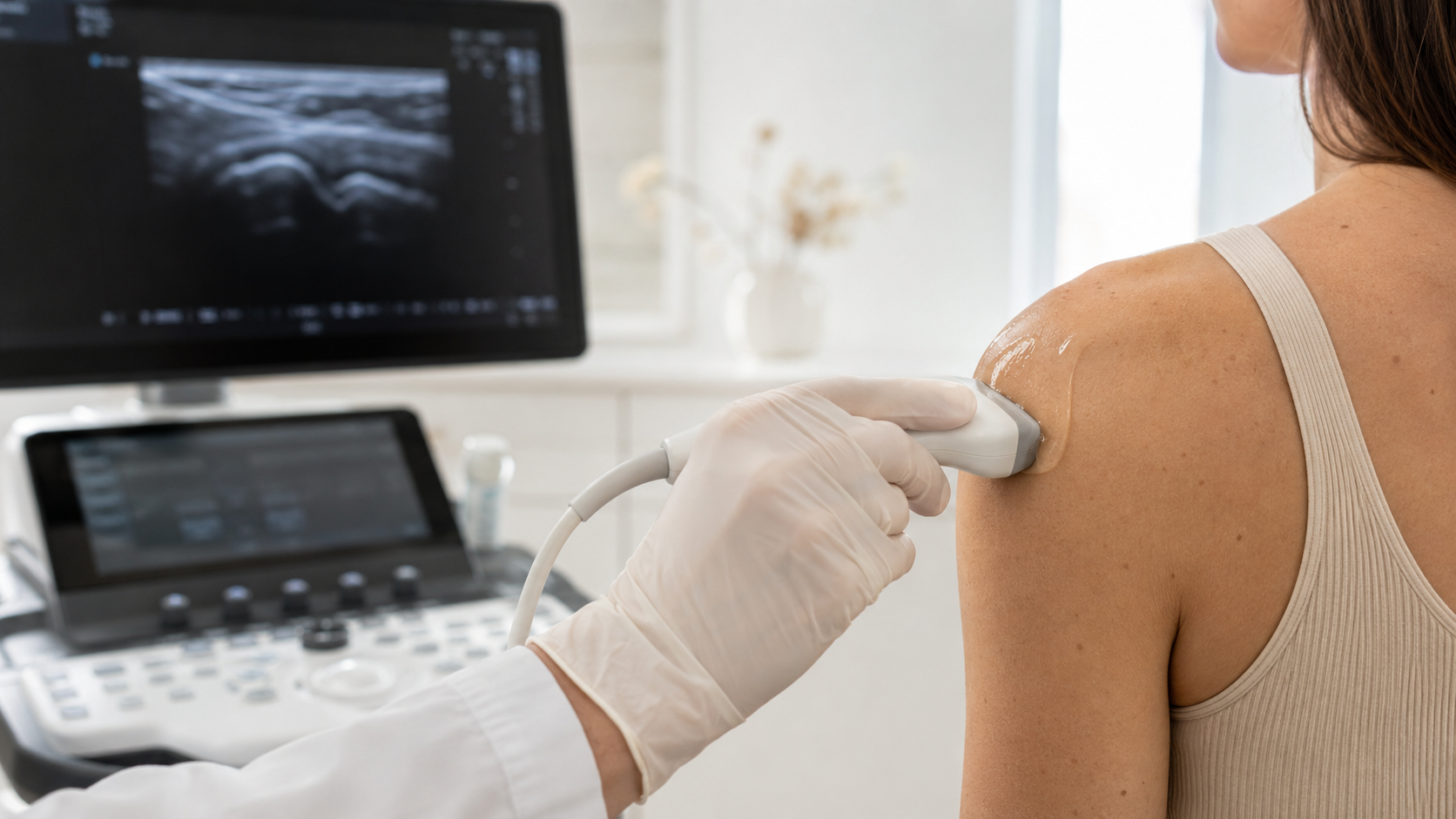
The evaluation may include neurologic screening, strength testing, sensory testing, reflex testing, gait assessment, balance screening, spine range of motion, and assessment of hip, SI joint, facet, inflammatory, peripheral nerve, or vascular overlap.
The goal is to determine whether spinal stenosis is the primary pain generator, one contributor, or an incidental imaging finding.
Treatment Options for Spinal Stenosis
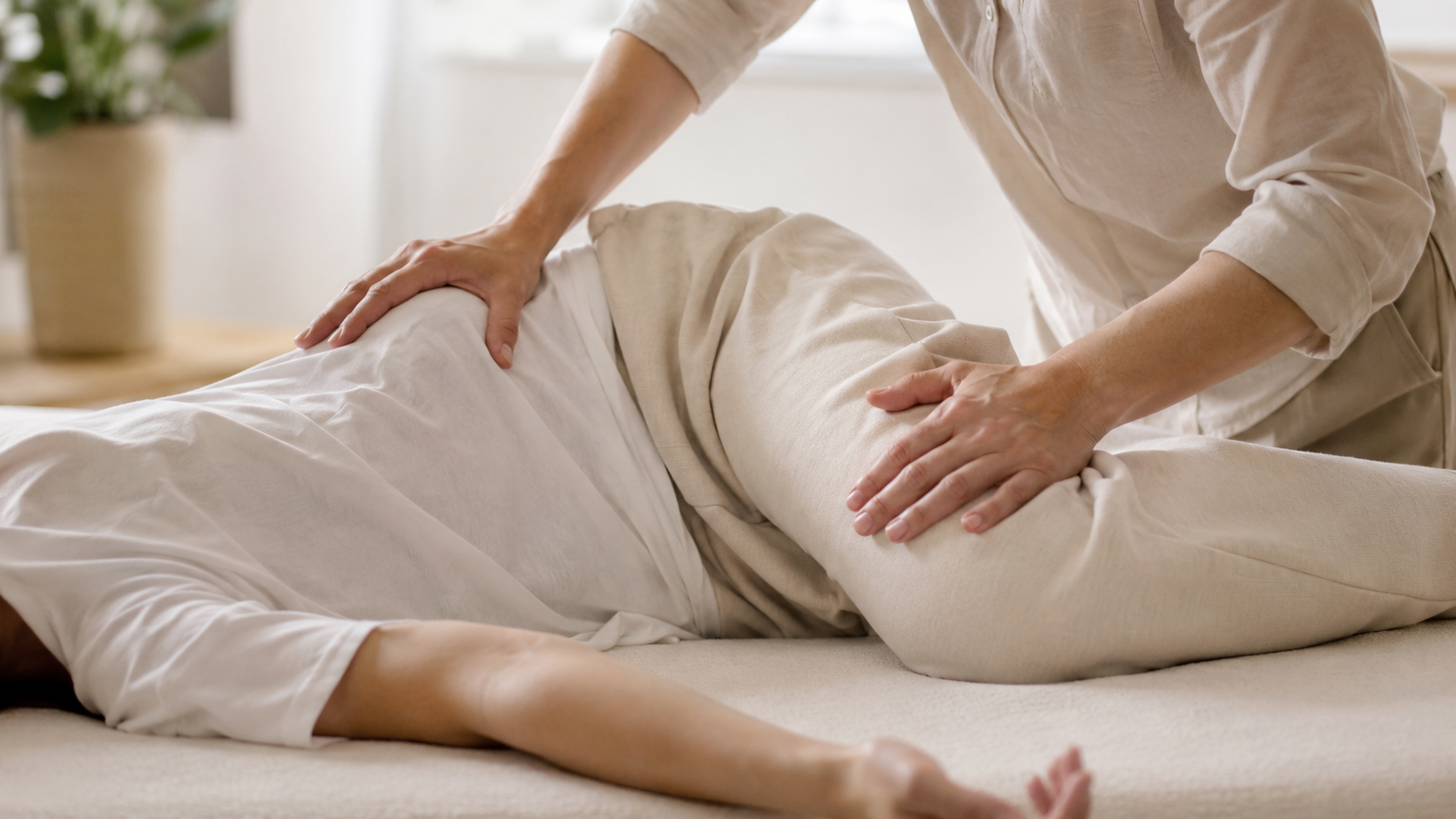
Treatment depends on the severity of symptoms, neurologic findings, functional limitation, imaging correlation, medical history, and patient goals. Some patients benefit from rehabilitation coordination, activity modification, medication management, acupuncture, Feldenkrais, weight-loss support when appropriate, biofeedback, pain psychology, or other conservative care.
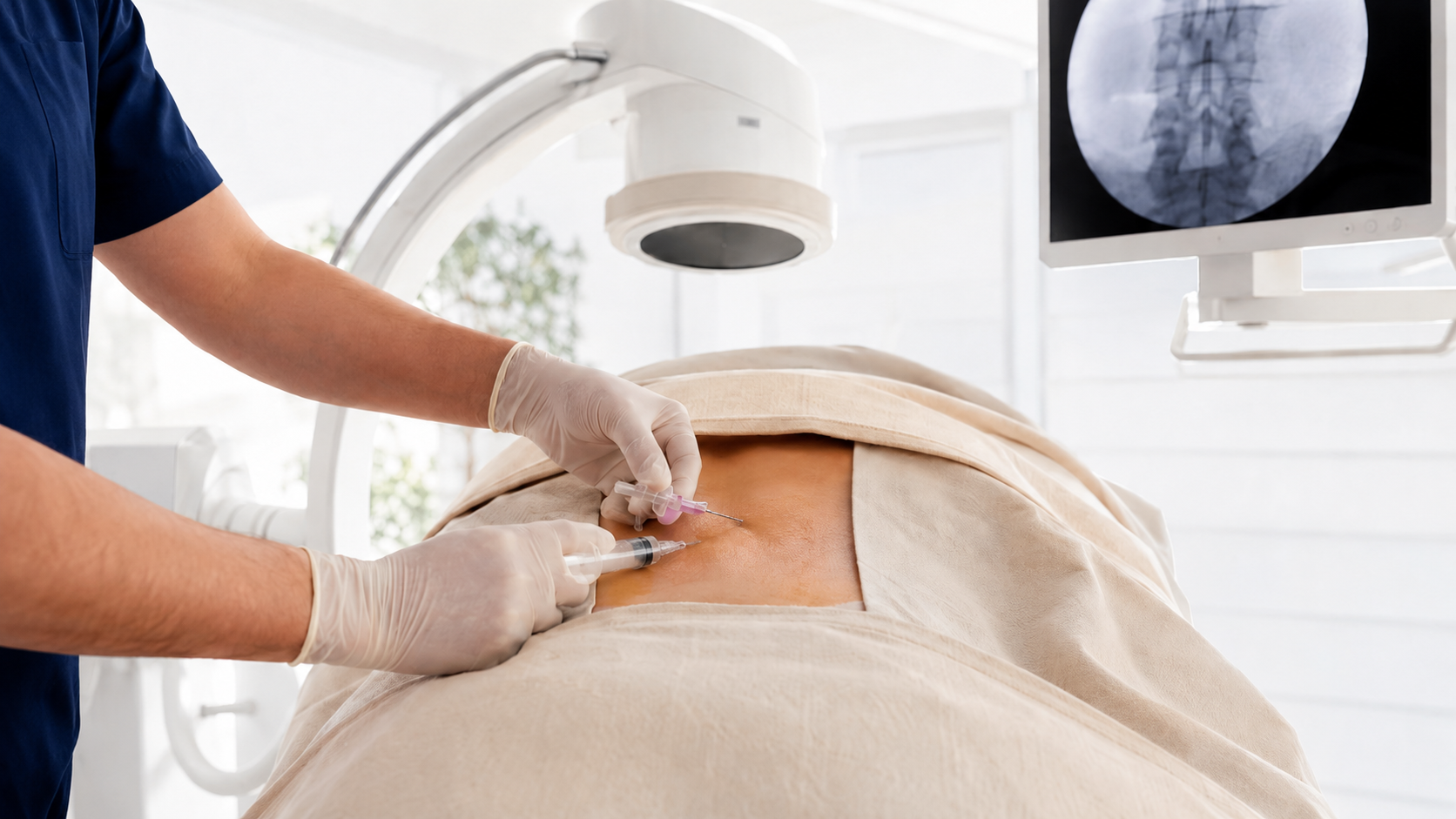
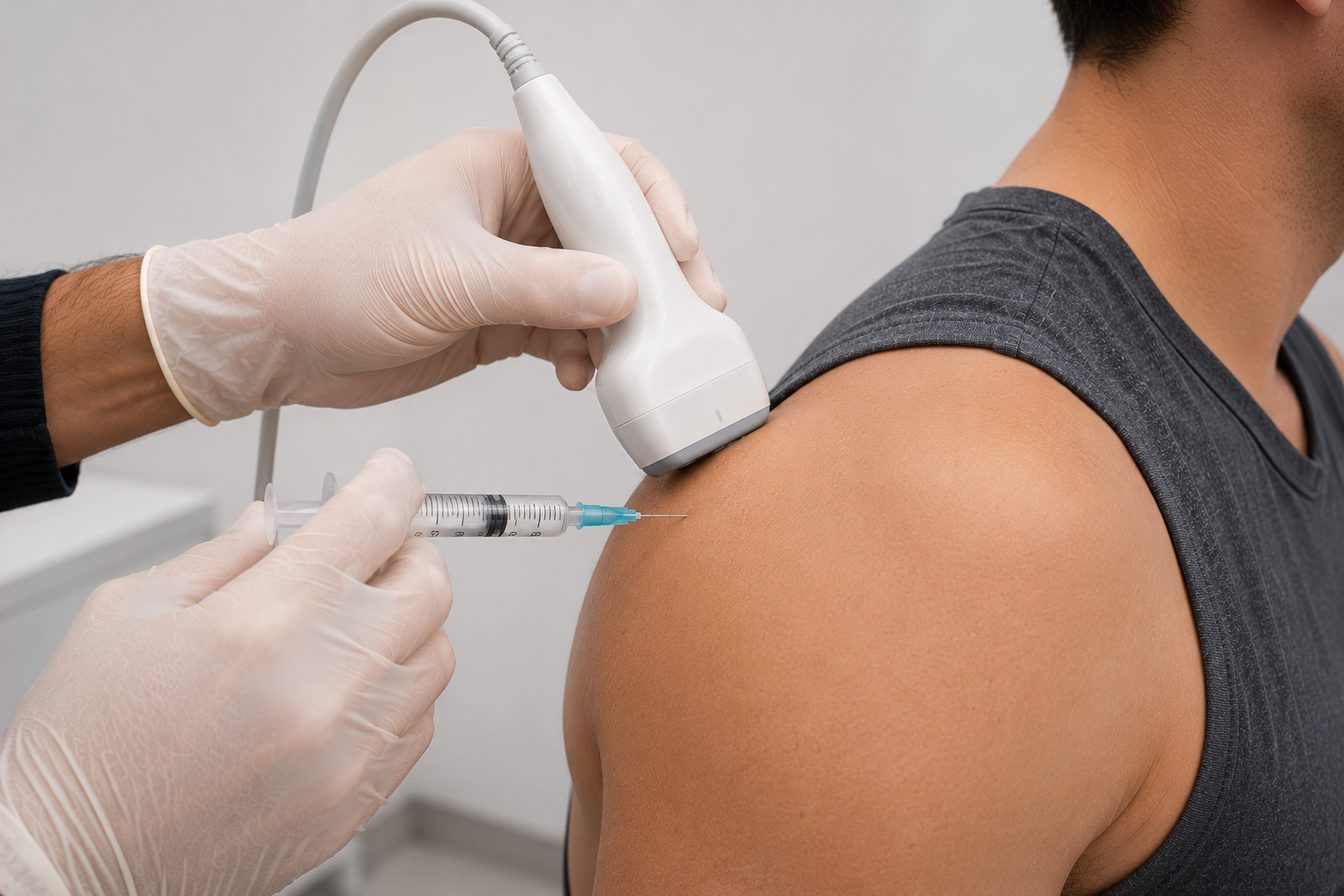
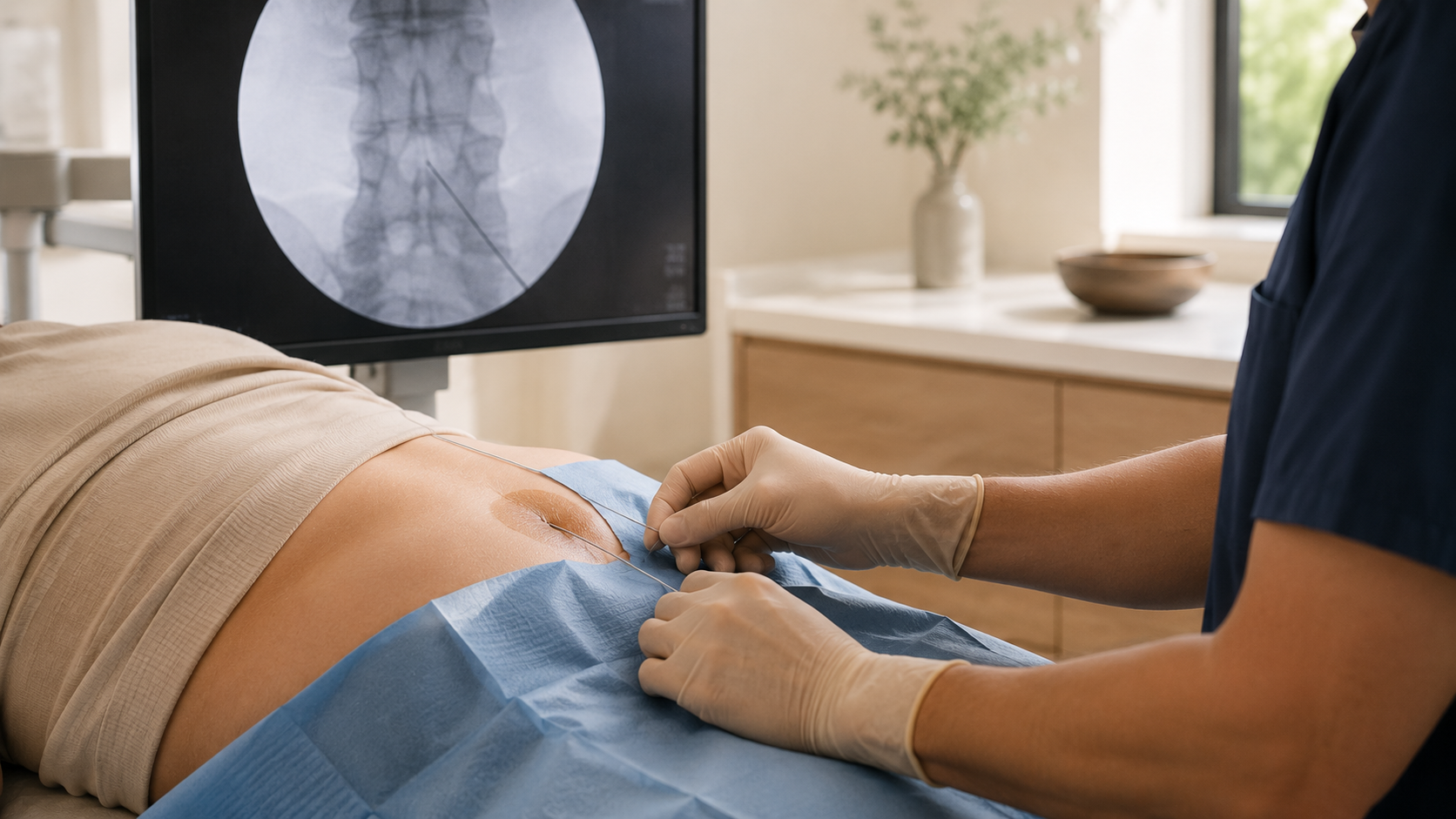
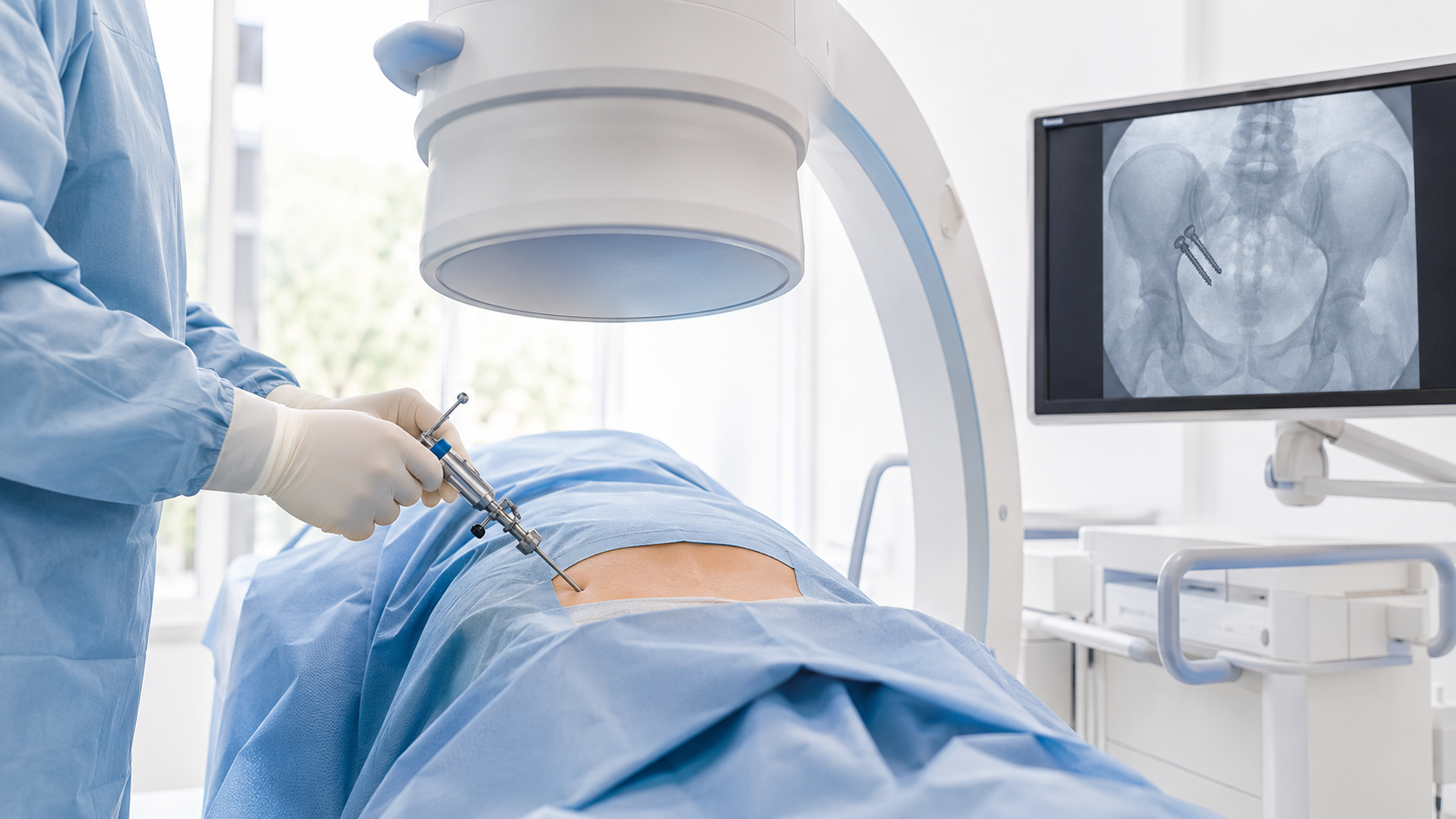
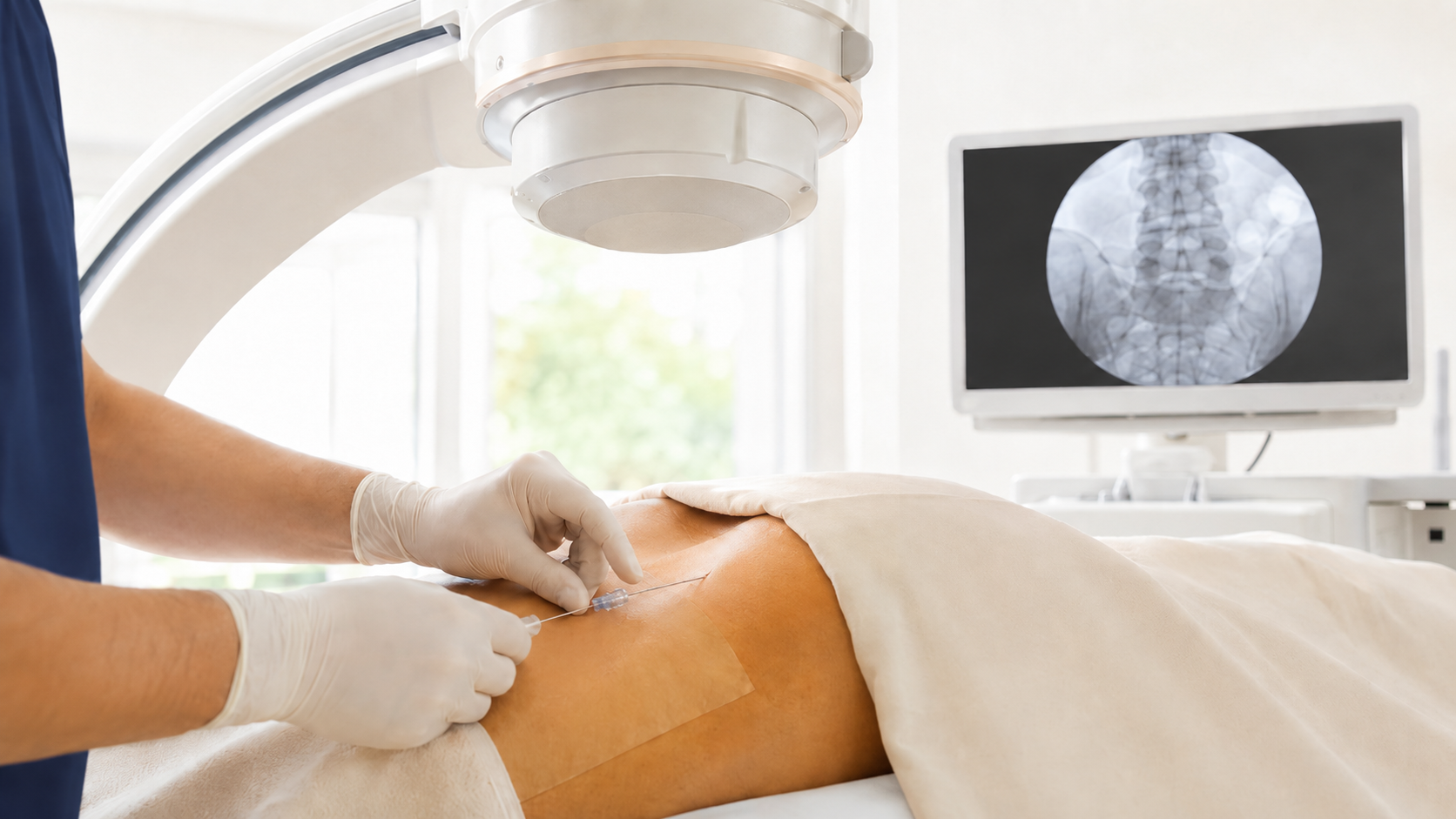
Selected patients may be considered for epidural injections, steroid injections, spine injections, epidural lysis of adhesions, or other image-guided procedures when the clinical pattern supports a nerve-related or inflammatory pain target.
Treatment is not one-size-fits-all. The goal is to select care that matches the pain generator and avoids unnecessary procedures.
Epidural Injections and Image-Guided Spine Procedures
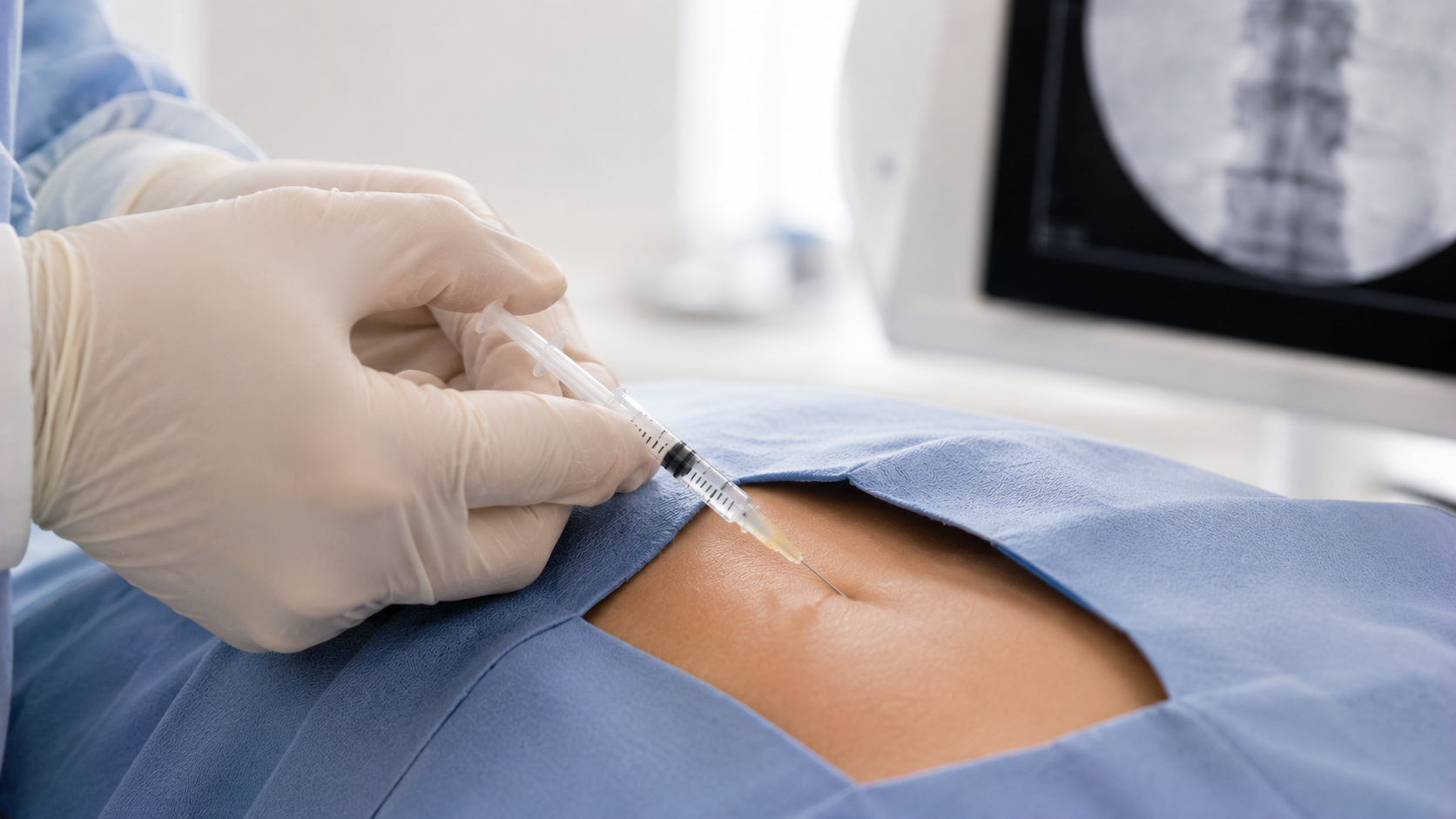
Epidural injections may be considered when spinal stenosis is causing nerve root irritation, leg pain, sciatica-like symptoms, or inflammation around irritated nerves. These injections may reduce inflammation and pain in selected patients, but they do not remove the narrowing.
Epidural injections may be diagnostic, therapeutic, or both, depending on the clinical context. They are not appropriate for every stenosis patient and should be selected based on imaging, exam findings, symptoms, risks, and goals.
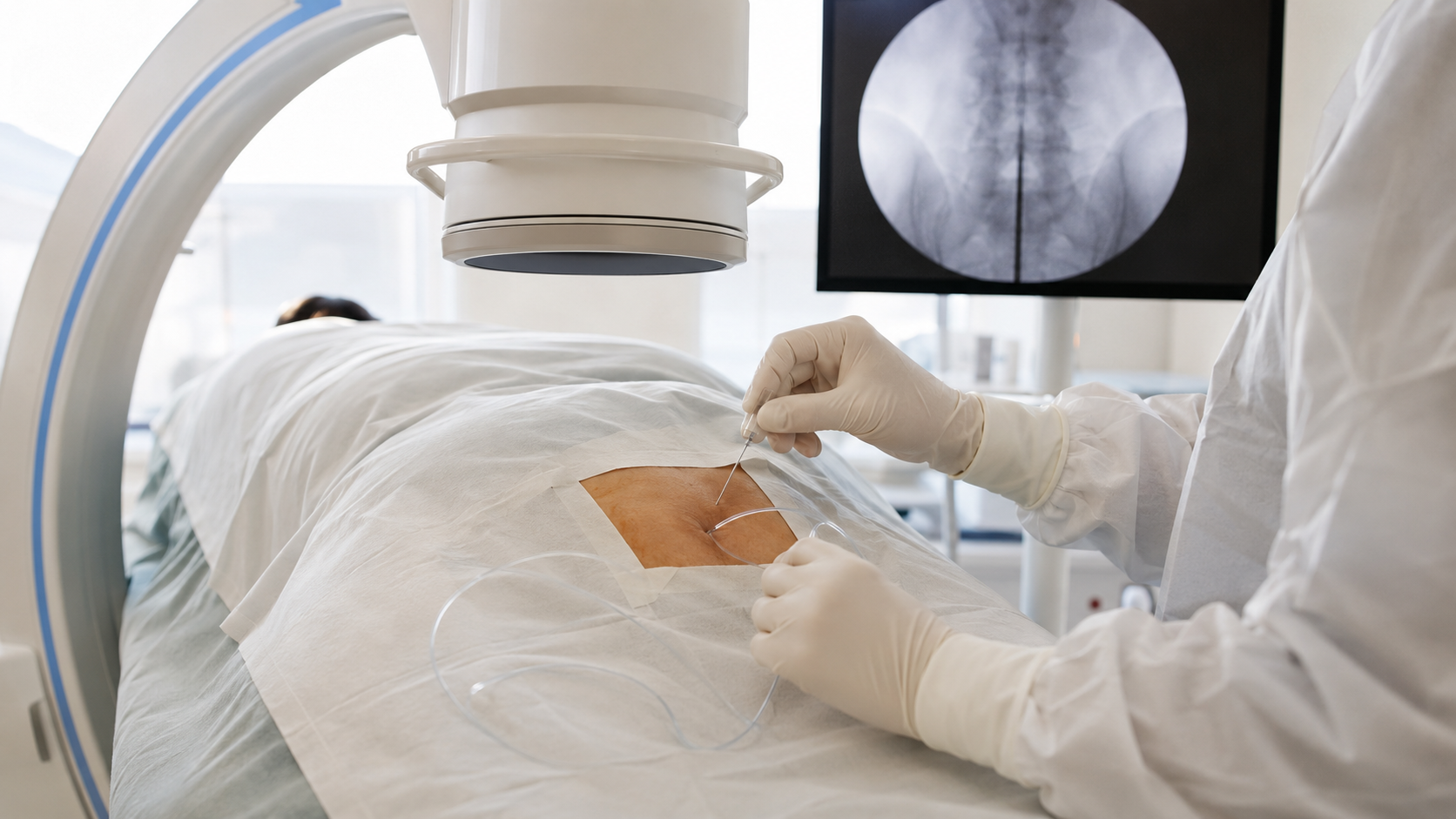
Epidural lysis of adhesions or Racz catheter procedures may be considered in selected complex spine pain patterns, especially when scarring or persistent radicular symptoms are part of the picture. These options require careful evaluation and risk discussion.
Advanced Options for Persistent Spine and Nerve Pain
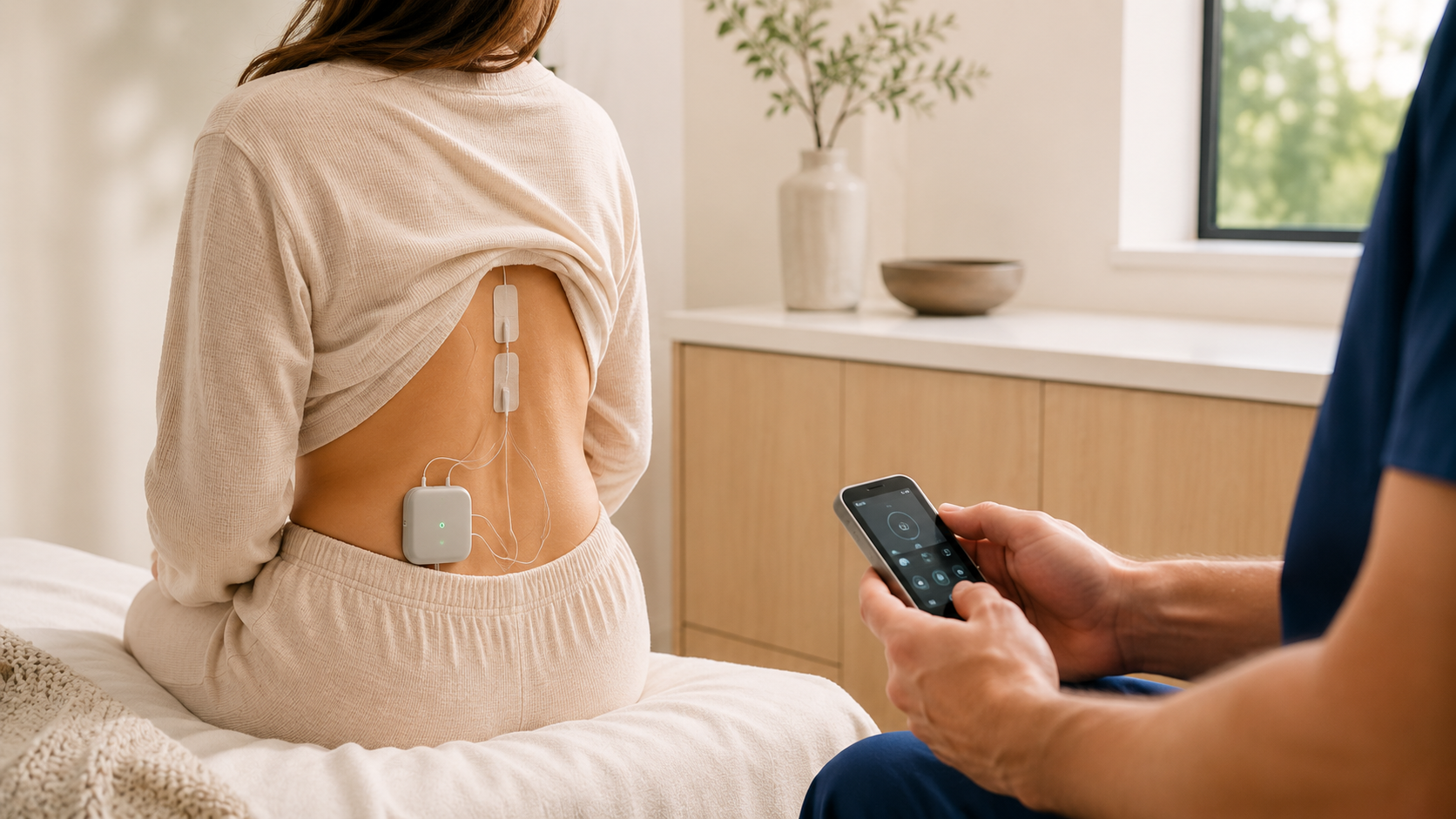
Some patients have persistent neuropathic pain despite conservative care, injections, or surgical evaluation. In selected cases, spinal cord stimulation or dorsal root ganglion stimulation may be considered as part of a chronic pain treatment strategy.
Neuromodulation does not decompress the spine or remove stenosis. It is used to modulate pain signaling in selected chronic nerve pain patterns. It is not a first-line or universal treatment for spinal stenosis.
When Surgery May Be Considered
Surgical evaluation may be appropriate when spinal stenosis causes progressive weakness, severe walking limitation, spinal cord compression, disabling symptoms that do not improve with appropriate non-surgical care, or bowel, bladder, balance, or neurologic concerns.
Surgical procedures may be designed to relieve pressure on nerves or stabilize the spine when needed. MPM does not replace surgical evaluation. When symptoms suggest that surgery may be needed, MPM coordinates referral to the appropriate spine specialist.
Coordinated Care for Complex Spine Pain
Spinal stenosis care may involve several disciplines. Some patients need physical therapy, medication management, pain psychology, or interventional pain care. Others may need rheumatology evaluation for inflammatory disease, neurology evaluation for neuropathy or neurologic symptoms, vascular evaluation for leg symptoms with walking, or spine surgery consultation.
MPM coordinates care based on the full clinical picture. This is especially important when spinal stenosis overlaps with spondylosis, spondylolisthesis, SI joint dysfunction, hypermobility, EDS, autoimmune-related pain, chronic nerve pain, or complex chronic pain.
When Urgent Evaluation Is Needed
Patients should seek urgent evaluation for new or worsening weakness, trouble walking, loss of coordination, bowel or bladder dysfunction, saddle anesthesia, progressive numbness, fever, unexplained weight loss, history of cancer, major trauma, severe night pain, chest pain, shortness of breath, or rapidly worsening symptoms.
These symptoms may indicate serious neurologic, infectious, inflammatory, traumatic, vascular, or structural conditions that require timely medical attention.
How MPM Approaches Spinal Stenosis Care
MPM approaches spinal stenosis through a diagnosis-first, coordinated model. The goal is to determine whether symptoms are driven by spinal narrowing, nerve root irritation, neurogenic claudication, disc herniation, facet arthropathy, SI joint dysfunction, spondylosis, spondylolisthesis, inflammatory spine disease, hypermobility-related instability, peripheral neuropathy, vascular claudication, or chronic pain sensitization.
For patients searching for spinal stenosis treatment in Manhattan or NYC, MPM offers careful imaging review, symptom mapping, neurologic screening, pain generator identification, conservative care coordination, image-guided procedures when appropriate, advanced pain options for selected patients, and referral when surgical evaluation is needed.
Treatment is individualized and selected only after the likely pain generators, safety concerns, and patient goals are better understood.