Scoliosis
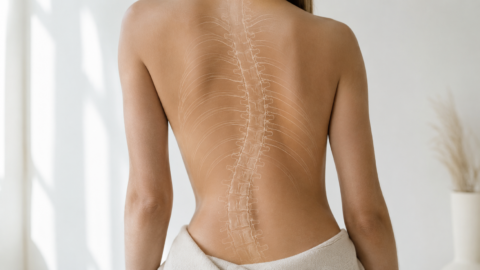
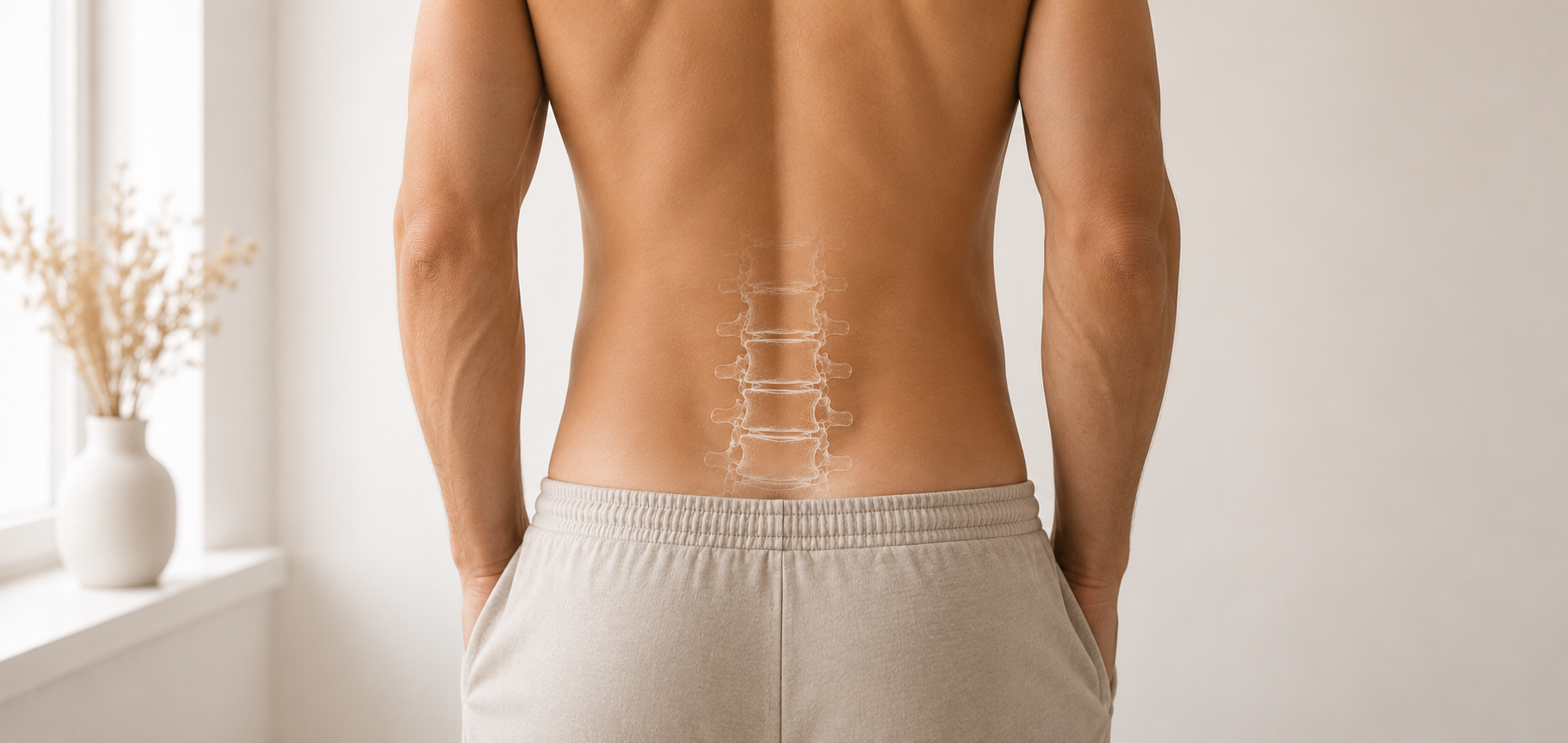
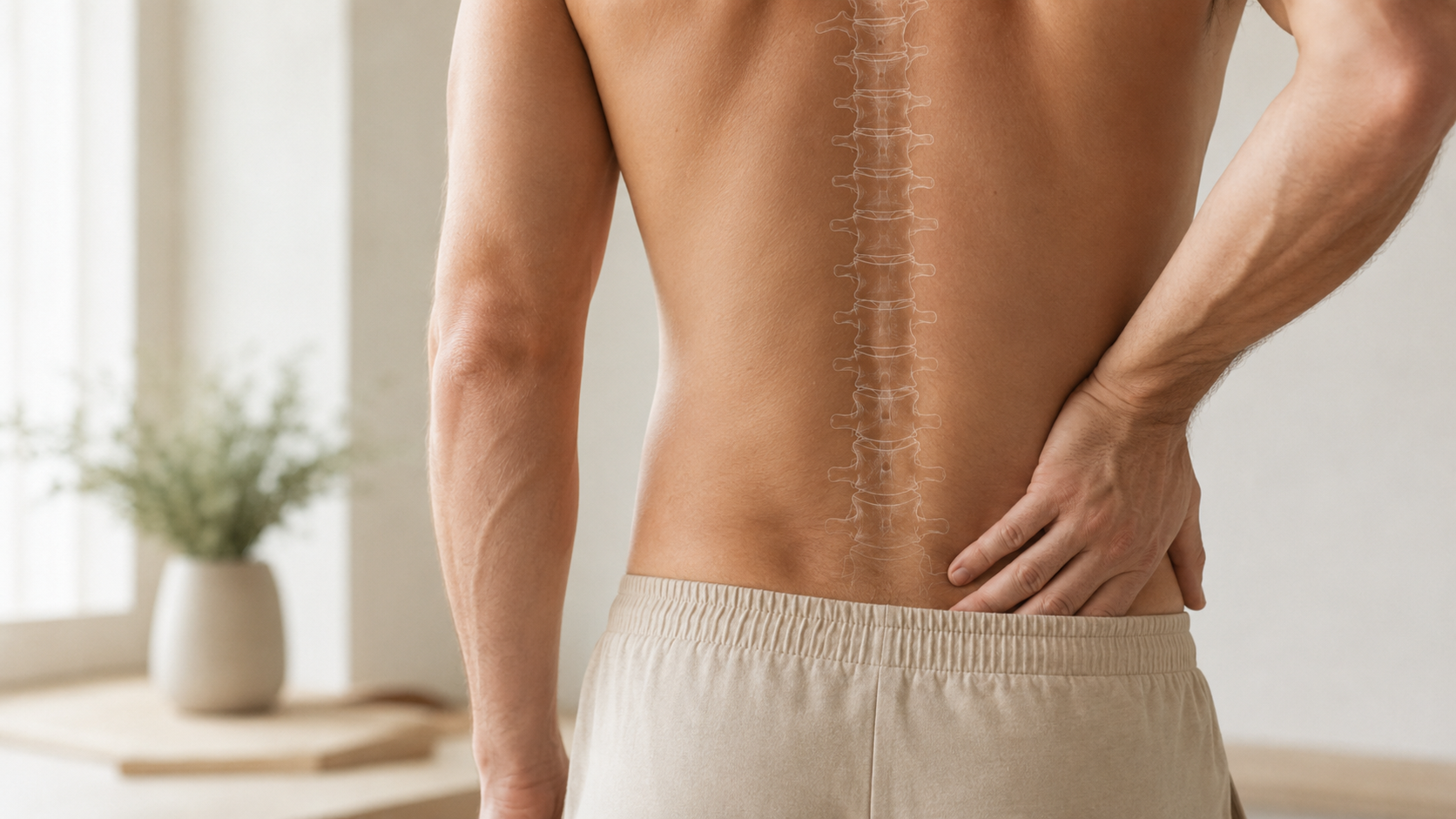
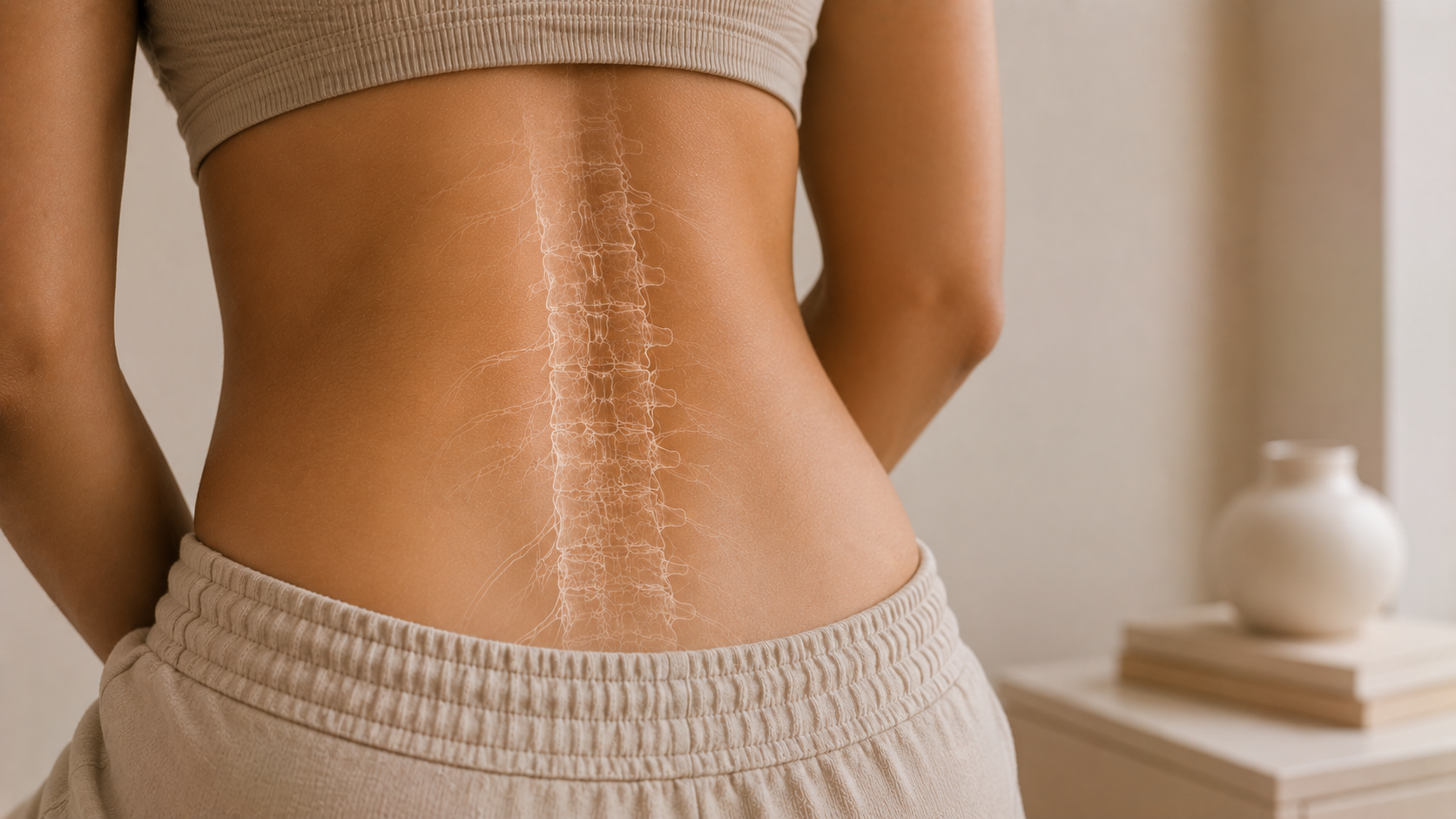
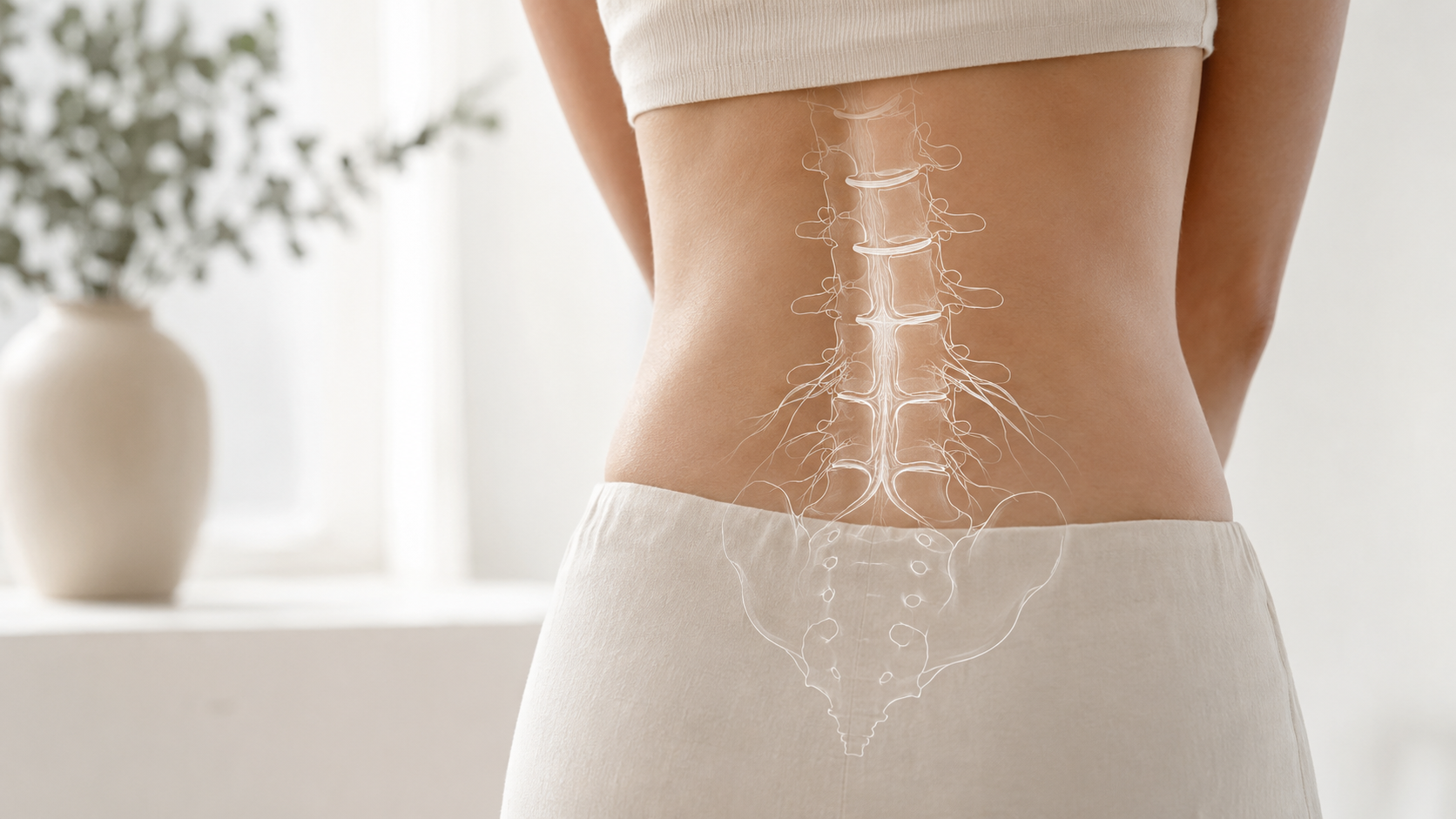
Scoliosis is a sideways curvature of the spine. Some curves are mild and stable, while others are more pronounced or progress over time. The curve may involve the thoracic spine, lumbar spine, or both, and may affect posture, rib position, pelvic alignment, muscle loading, and how force travels through the spine and hips.
Many patients first learn they have scoliosis through imaging. Others are diagnosed earlier in life and later develop pain as adults. For some patients, scoliosis is mainly a structural finding that requires monitoring. For others, it may contribute to pain, fatigue, stiffness, or nerve-related symptoms.
Can Scoliosis Cause Pain?
Scoliosis can cause or contribute to pain, but the relationship is not always straightforward. A spinal curve can create asymmetrical loading across the muscles, discs, facet joints, ribs, hips, pelvis, and SI joints. Over time, this may lead to muscle fatigue, joint irritation, altered movement, degenerative changes, or nerve compression.
At the same time, scoliosis may be present without being the primary cause of pain. A patient may have scoliosis and also have a herniated disc, spinal stenosis, SI joint dysfunction, hip pathology, inflammatory arthritis, hypermobility, or chronic pain sensitization. This is why MPM evaluates the curve in context rather than assuming it explains every symptom.
Adult Scoliosis and Degenerative Spine Pain
Adult scoliosis may be related to a curve that began earlier in life or may develop later due to degenerative spine changes. As discs, facet joints, and supporting tissues change with age, the spine may become more asymmetric. This can contribute to back pain, stiffness, difficulty standing upright, leg symptoms, or reduced walking tolerance.
Degenerative scoliosis may overlap with spondylosis, spondylolisthesis, spinal stenosis, facet arthropathy, and nerve root irritation. Patients may feel lower back pain, buttock pain, hip-region pain, or radiating symptoms into the leg. Imaging may show several findings, but the key question is which finding best matches the pain pattern.
Scoliosis, Muscle Imbalance, and Rib Pain
Scoliosis can change how muscles work along the spine, shoulders, ribs, and pelvis. Some muscles may become overworked while others may become inhibited or underused. This can contribute to tightness, fatigue, trigger points, stiffness, or pain that worsens with posture or activity.
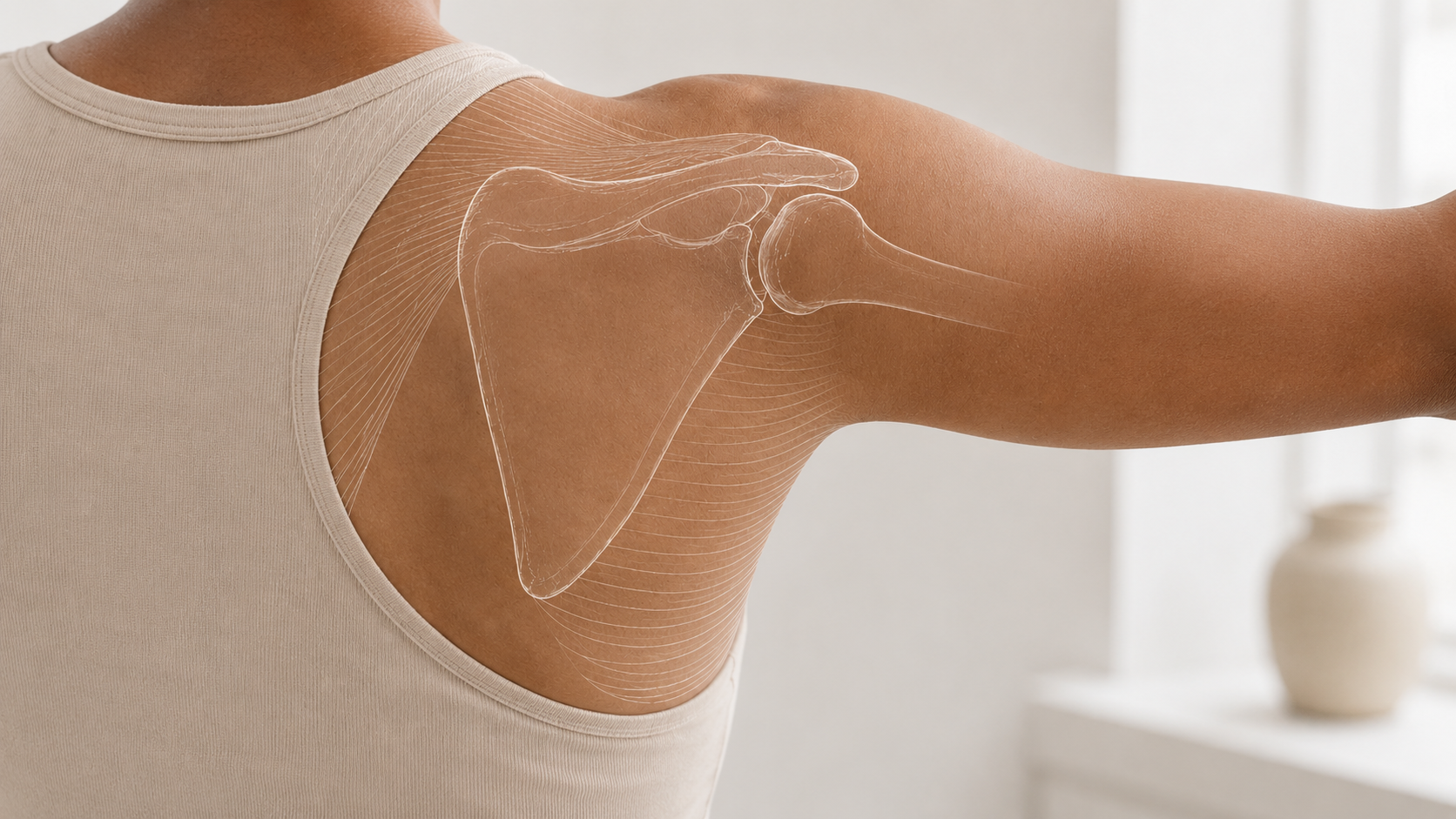
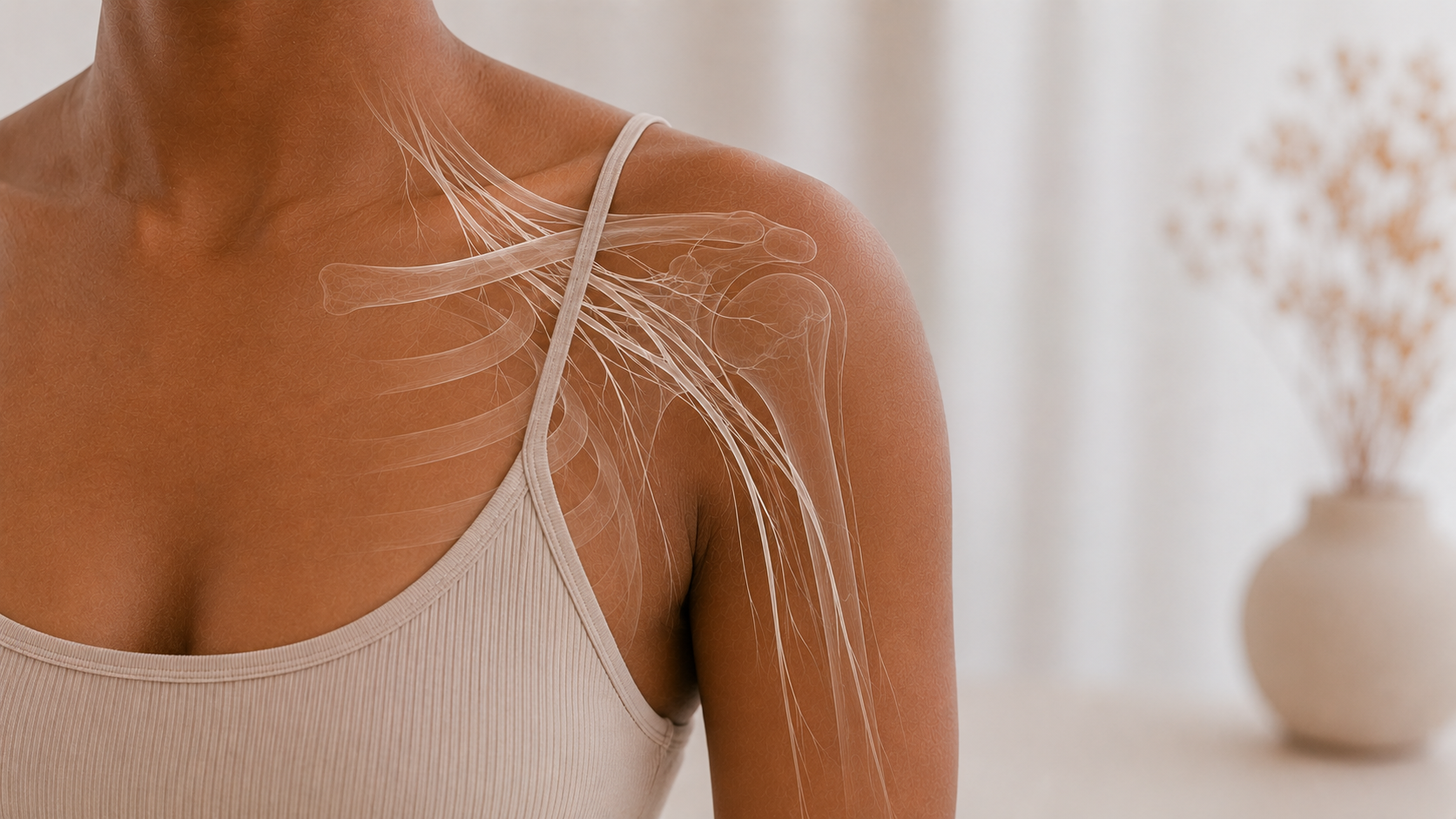
In thoracic curves, some patients may feel rib discomfort, chest wall tension, shoulder blade pain, or symptoms that overlap with slipping rib syndrome, scapular dyskinesia, thoracic outlet syndrome, or neck and back pain. These patterns require careful evaluation because rib or shoulder blade symptoms may not come from the curve alone.
Scoliosis, Pelvic Tilt, SI Joint Pain, and Hip Pain
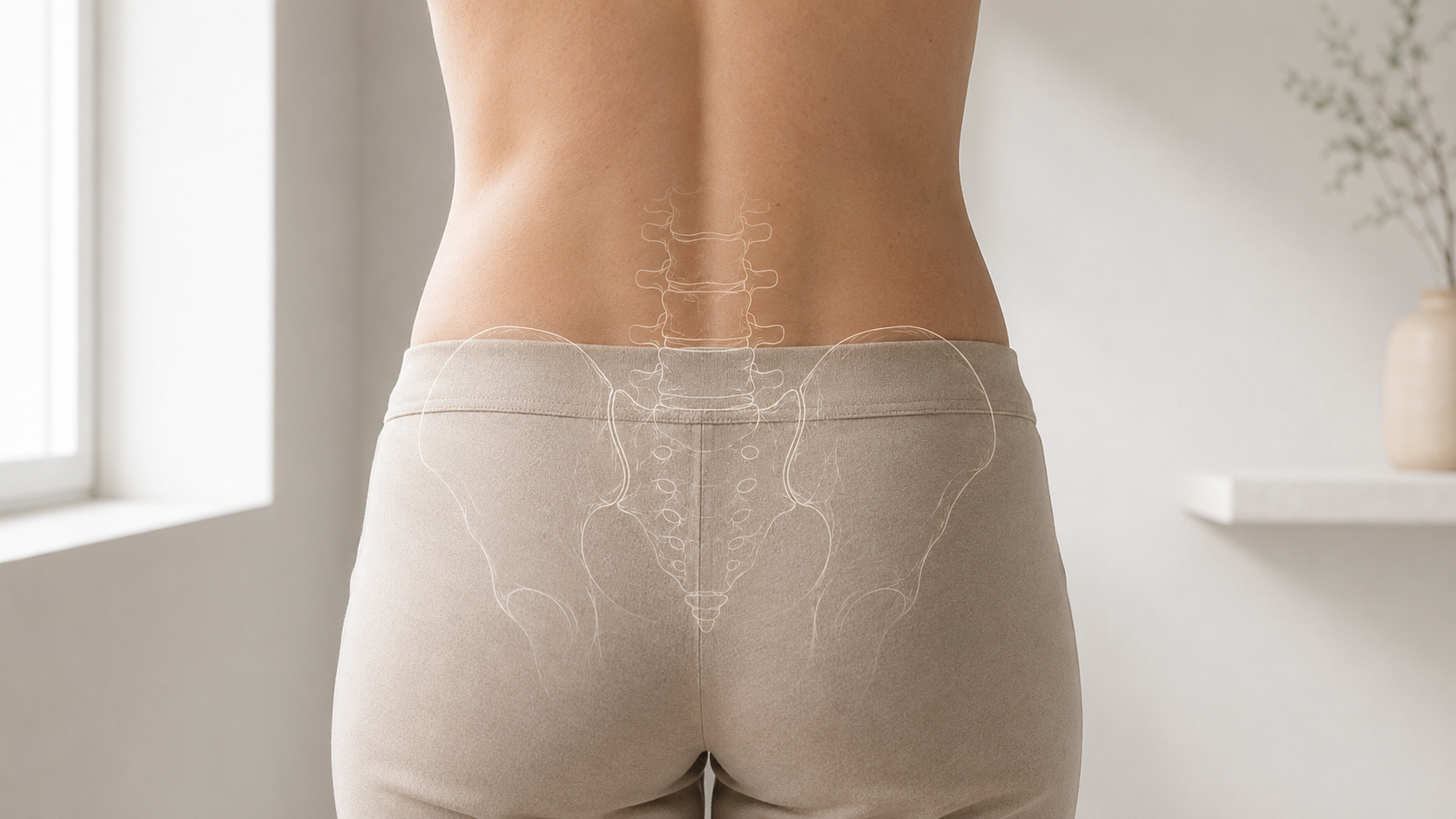
The spine and pelvis function together. When scoliosis changes alignment or loading, some patients develop pain around the pelvis, SI joint, hip, groin, or buttock. This can be especially relevant when scoliosis overlaps with anterior pelvic tilt, sacroiliac joint dysfunction, hip impingement, labral pathology, pelvic pain, or hypermobility.
Patients may describe one-sided lower back pain, pelvic imbalance, hip tightness, groin discomfort, or pain that worsens with standing, walking, stairs, or transitions. MPM evaluates the spine, SI joint, hip, and pelvis together when symptoms suggest a connected pattern.
Scoliosis, Sciatica, and Nerve-Related Symptoms
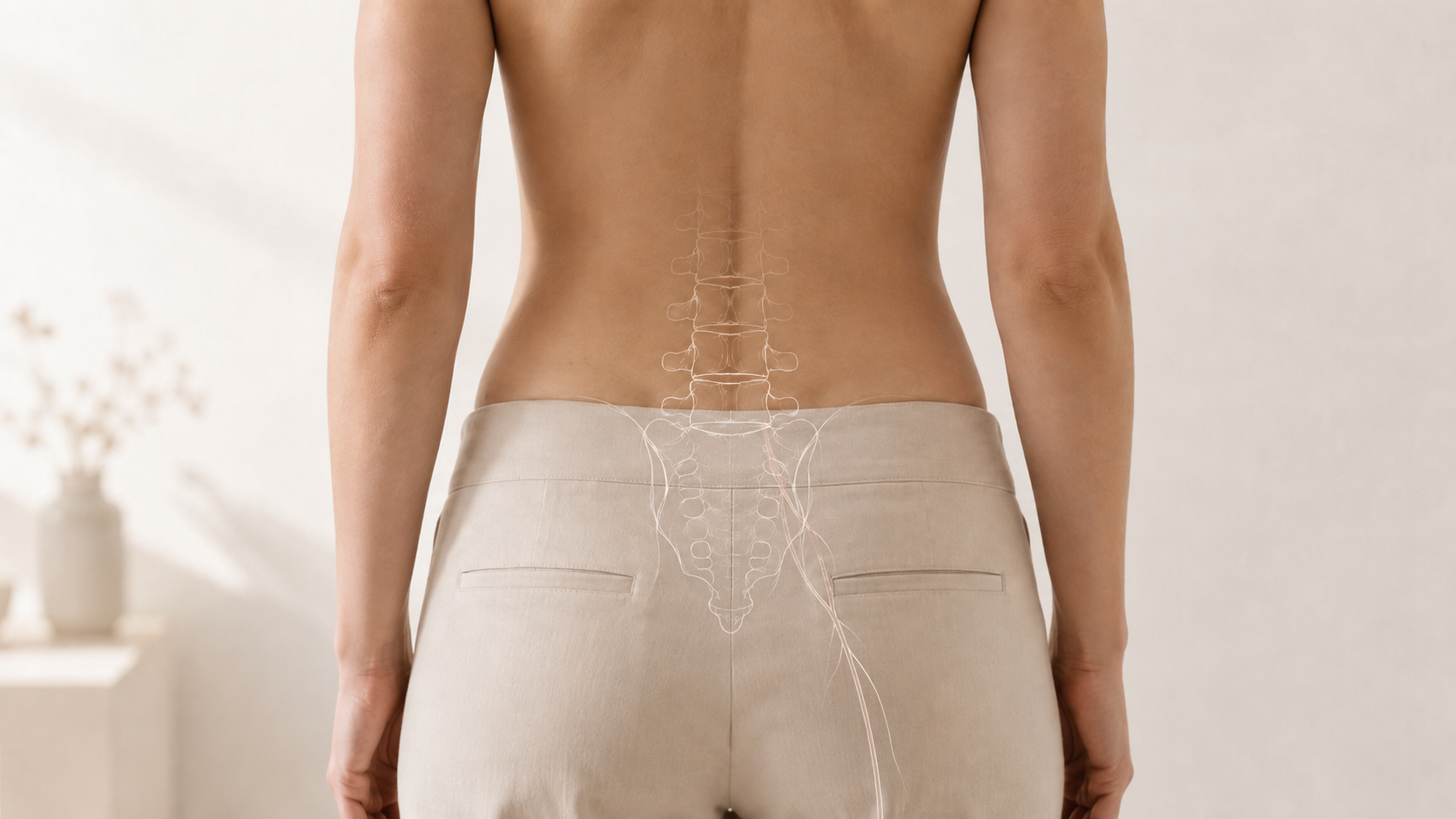
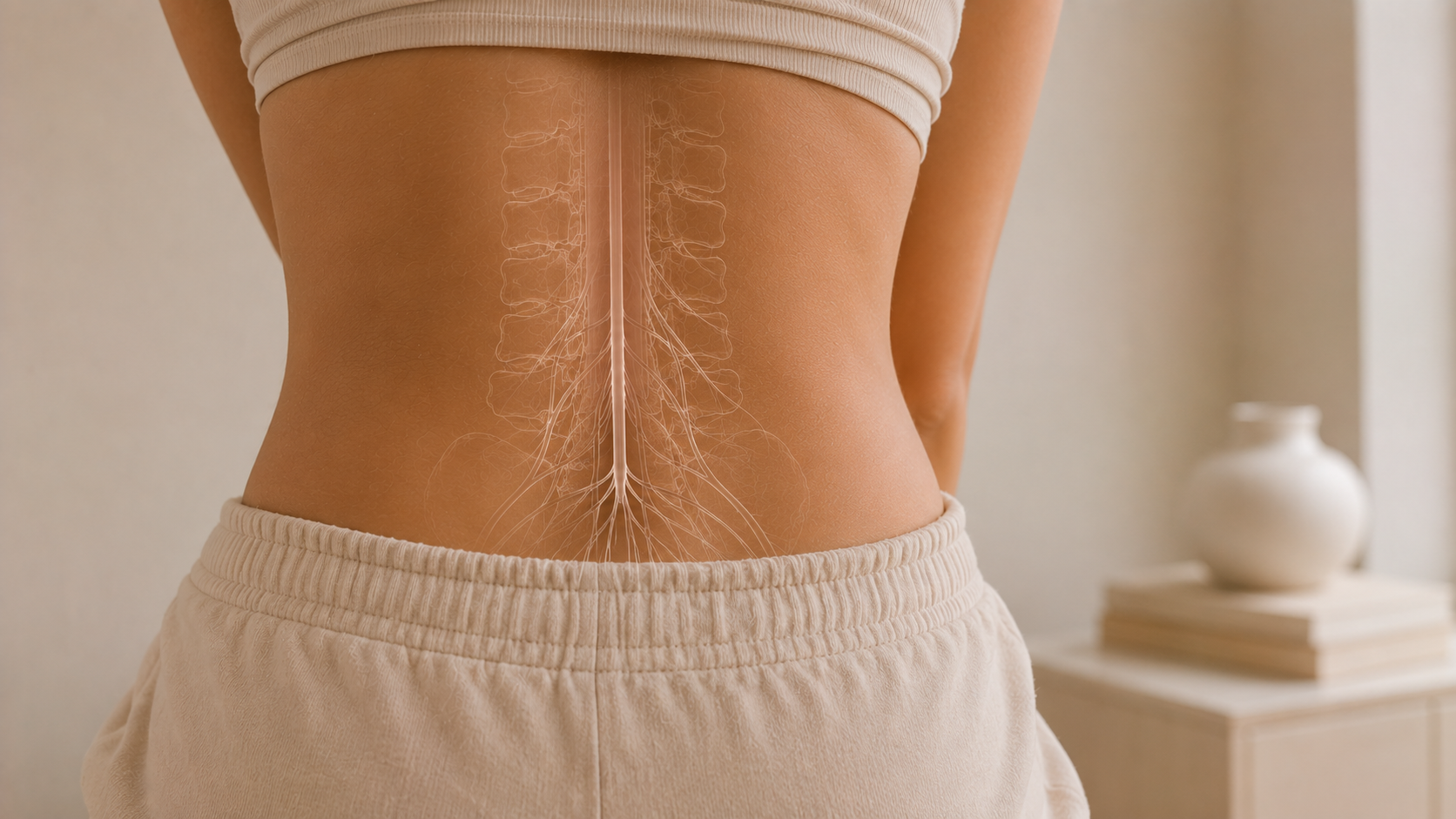
Scoliosis can contribute to nerve-related symptoms when spinal alignment, disc changes, stenosis, or foraminal narrowing irritate a nerve root. This may cause pain, numbness, tingling, burning, or weakness that travels into the buttock, hip, thigh, calf, or foot.
However, radiating pain does not always mean scoliosis is the cause. Similar symptoms may come from herniated discs, spinal stenosis, spondylolisthesis, peripheral neuropathy, piriformis-region irritation, SI joint dysfunction, hip pathology, or pelvic nerve irritation. MPM evaluates neurologic findings, imaging, movement triggers, and pain distribution to clarify the source.
Scoliosis, Hypermobility, and EDS
In patients with hypermobility spectrum disorder or Ehlers-Danlos syndrome, scoliosis-related pain can be more complex. Joint laxity, ligamentous instability, altered proprioception, and muscle guarding may affect how the spine and pelvis are supported. Muscles may overwork to stabilize the body, creating fatigue, tightness, or recurrent pain flares.
Hypermobility can also contribute to overlapping conditions such as SI joint instability, chronic sprain patterns, thoracic outlet symptoms, slipping rib symptoms, hip pain, pelvic pain, and nerve irritation. MPM evaluates these relationships carefully and avoids one-size-fits-all treatment plans.
Scoliosis and Inflammatory Back Pain
Not all spine pain in a patient with scoliosis is mechanical. Autoimmune or inflammatory conditions can also cause back pain, stiffness, SI joint pain, tendon pain, and fatigue. Conditions such as seronegative spondyloarthropathy, inflammatory sacroiliitis, rheumatoid arthritis, Sjogren’s-related pain, autoimmune-related pain, and enthesitis may overlap with mechanical scoliosis-related symptoms.
Inflammatory clues may include morning stiffness, pain that improves with movement, pain that worsens with rest, alternating buttock pain, heel pain, swollen joints, eye inflammation, psoriasis, bowel symptoms, or systemic symptoms. These features do not diagnose inflammatory disease by themselves, but they may indicate the need for rheumatology coordination.
Why Imaging Does Not Always Explain Scoliosis Pain
Imaging is important, but it does not always tell the full story. A patient may have a visible curve and mild symptoms. Another patient may have a moderate curve and severe pain because of nerve irritation, facet joint pain, SI joint dysfunction, muscle overload, or inflammatory overlap. Some imaging findings may be incidental, while others may be clinically meaningful.
MPM reviews imaging in the context of the patient’s symptoms, physical exam, neurologic findings, and prior treatment response. This helps determine whether pain is most likely coming from the scoliosis mechanics, a specific spinal structure, SI joint, hip, nerve pathway, muscle pattern, inflammatory process, or chronic pain mechanism.
How MPM Evaluates Scoliosis-Related Pain
MPM begins with a detailed history of the scoliosis diagnosis, pain location, activity triggers, standing or walking tolerance, sitting tolerance, neurologic symptoms, prior imaging, prior physical therapy, prior injections, surgical history, hypermobility, inflammatory symptoms, and functional goals.
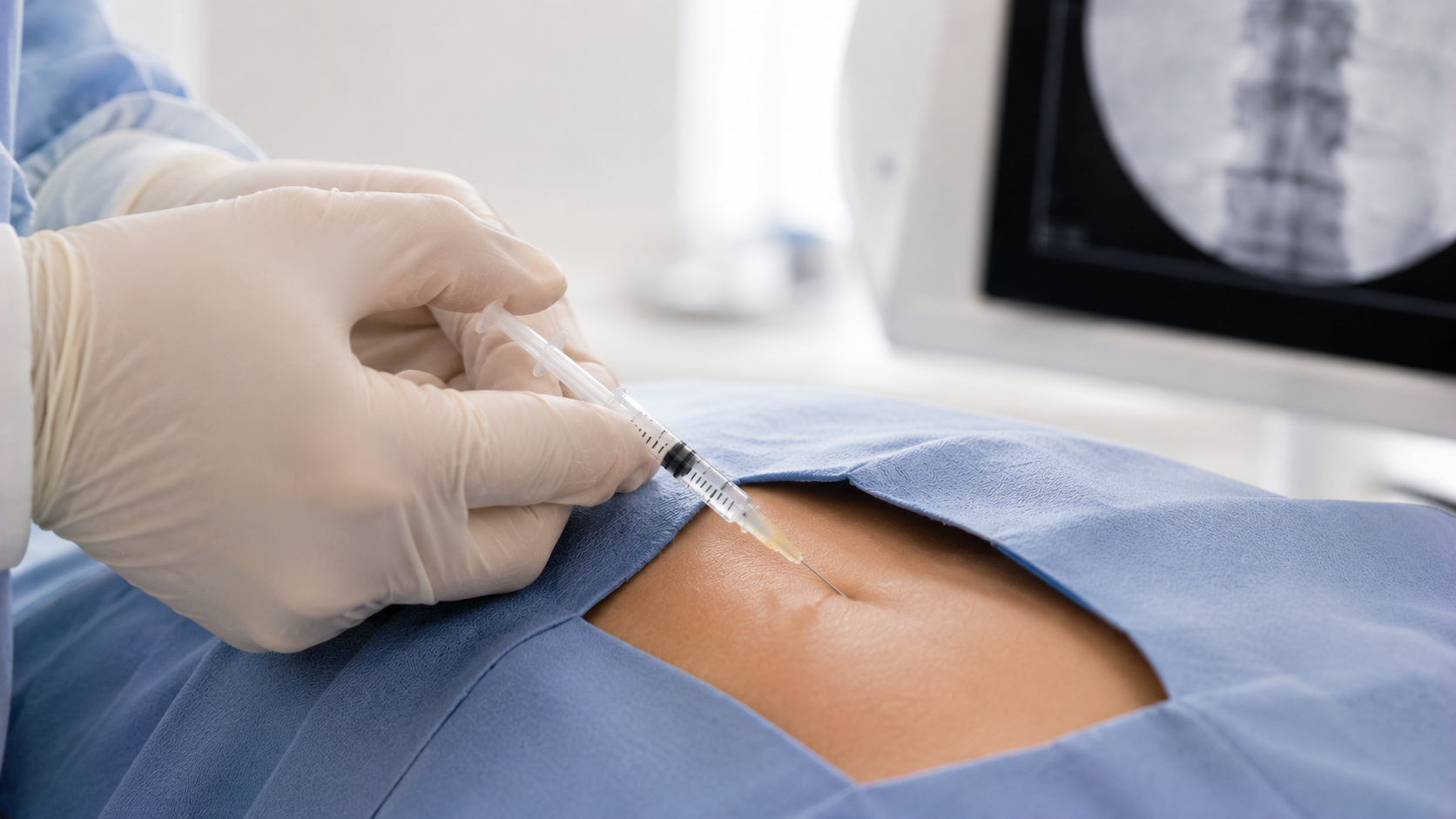
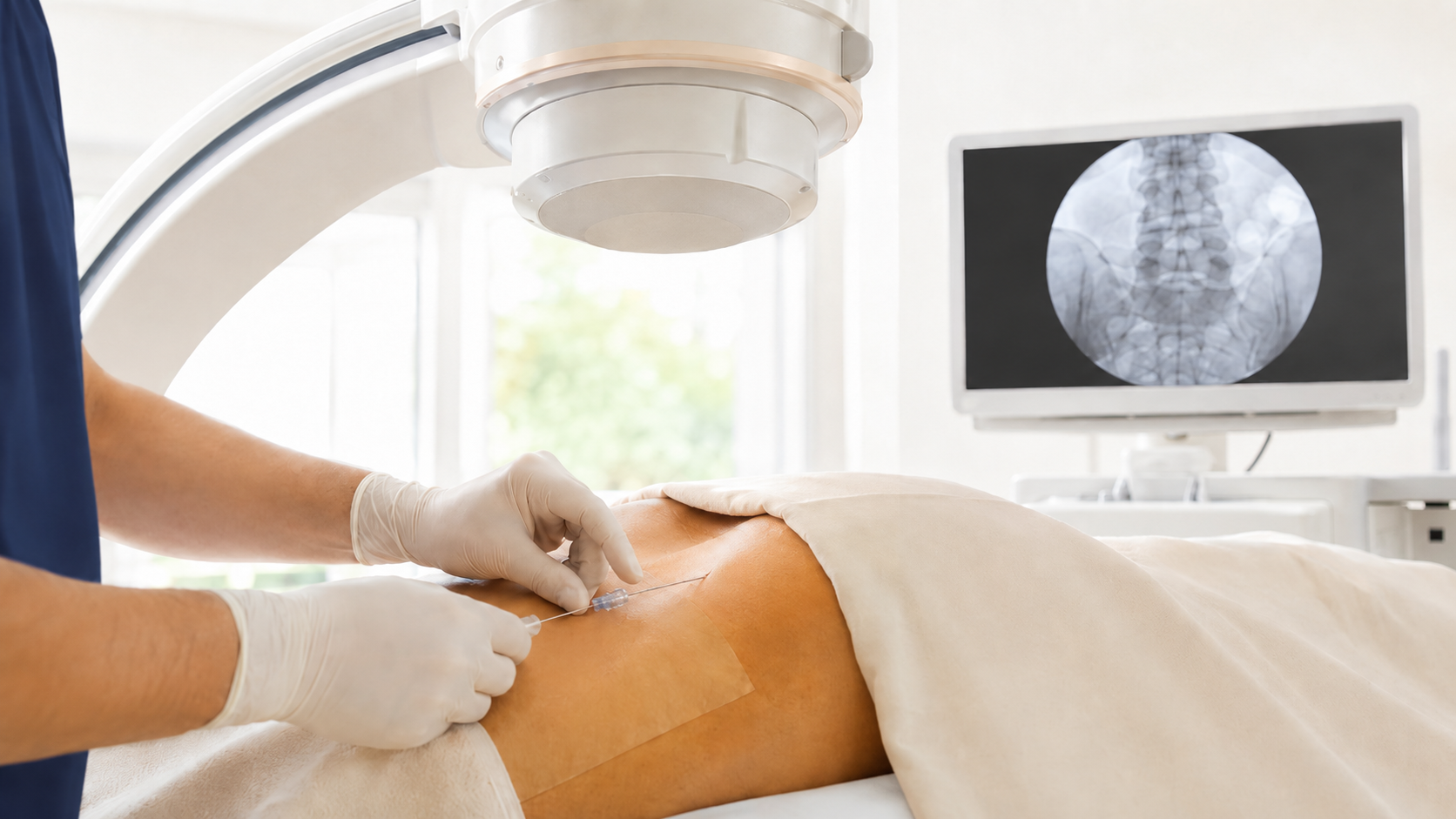
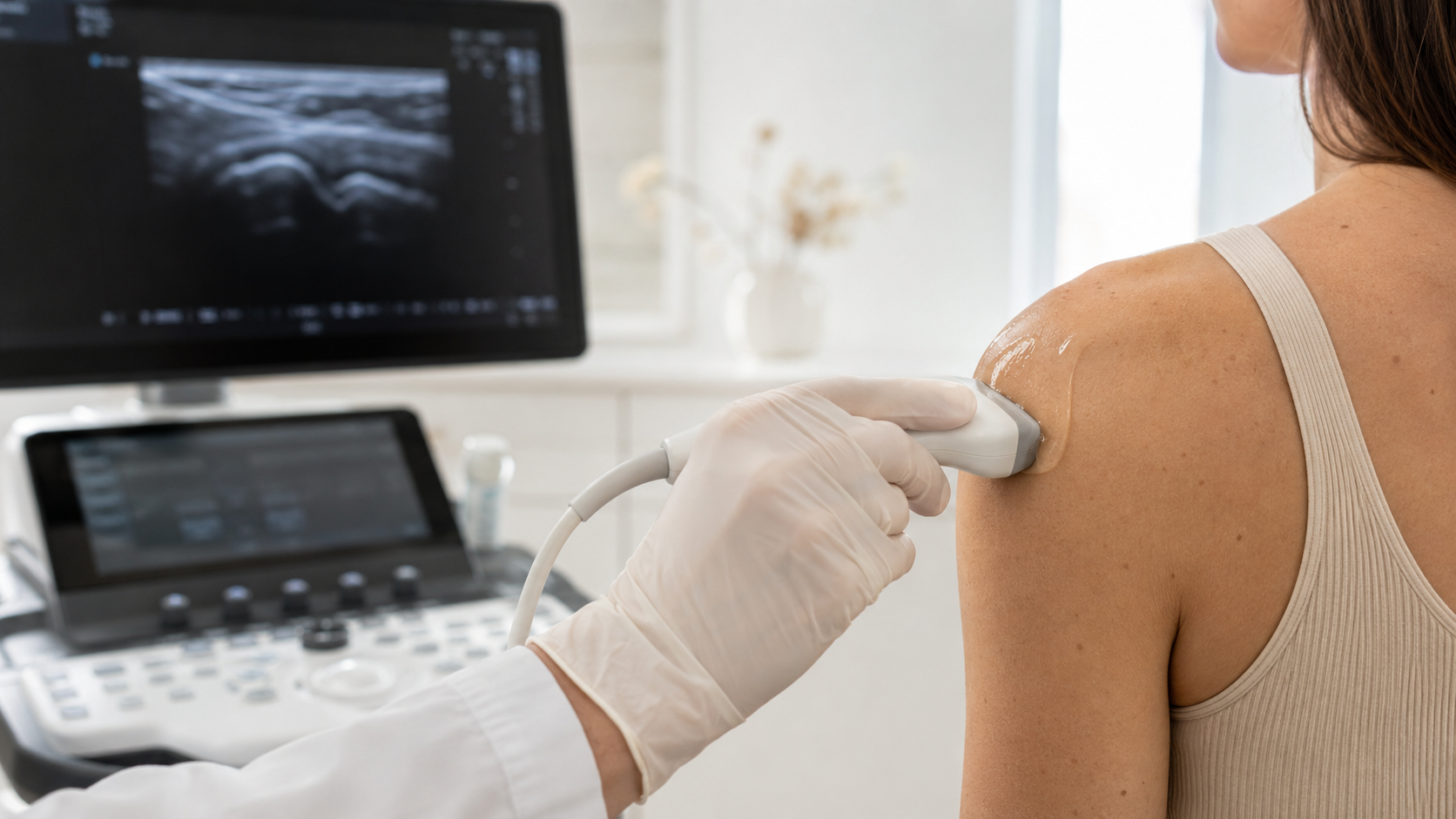
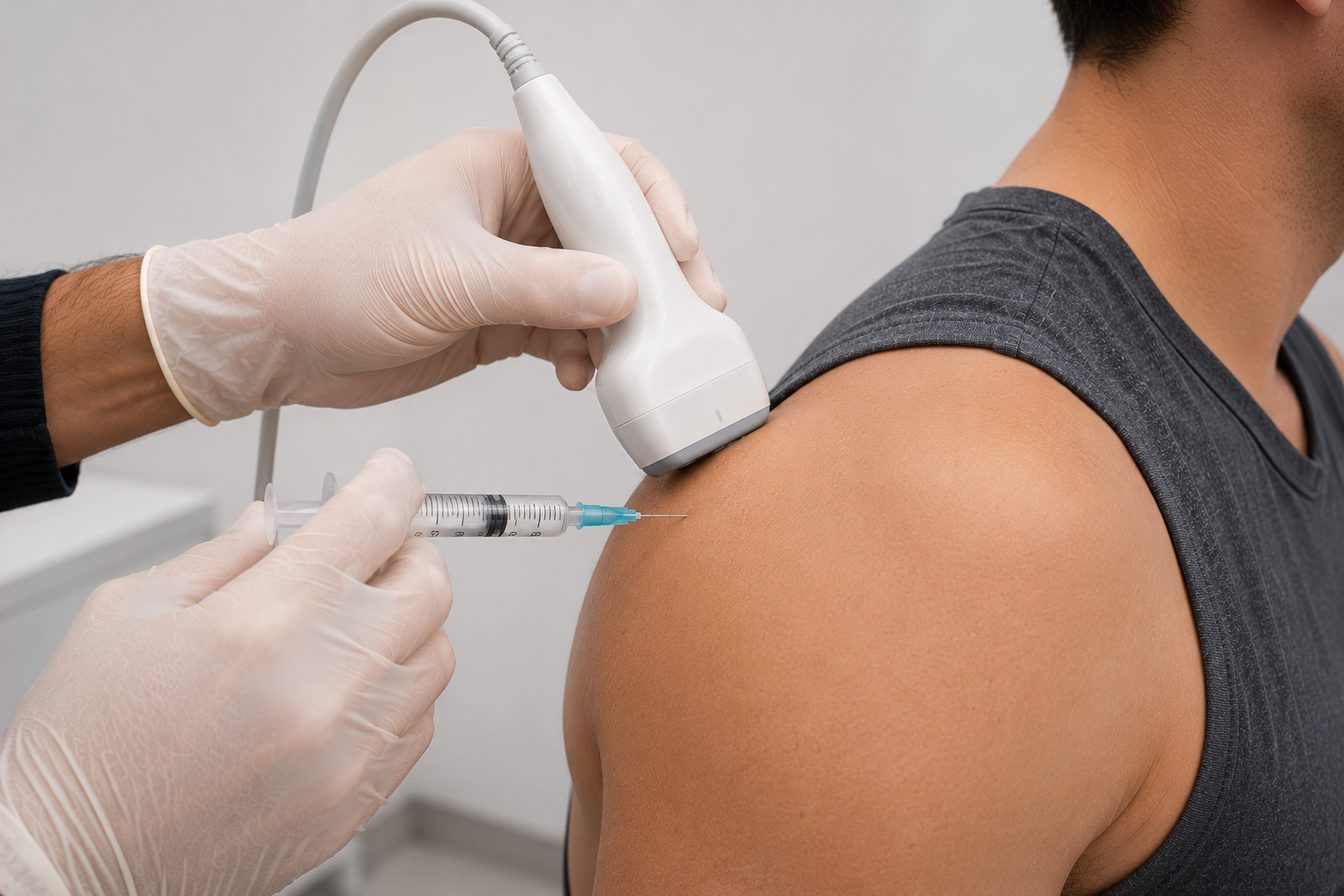
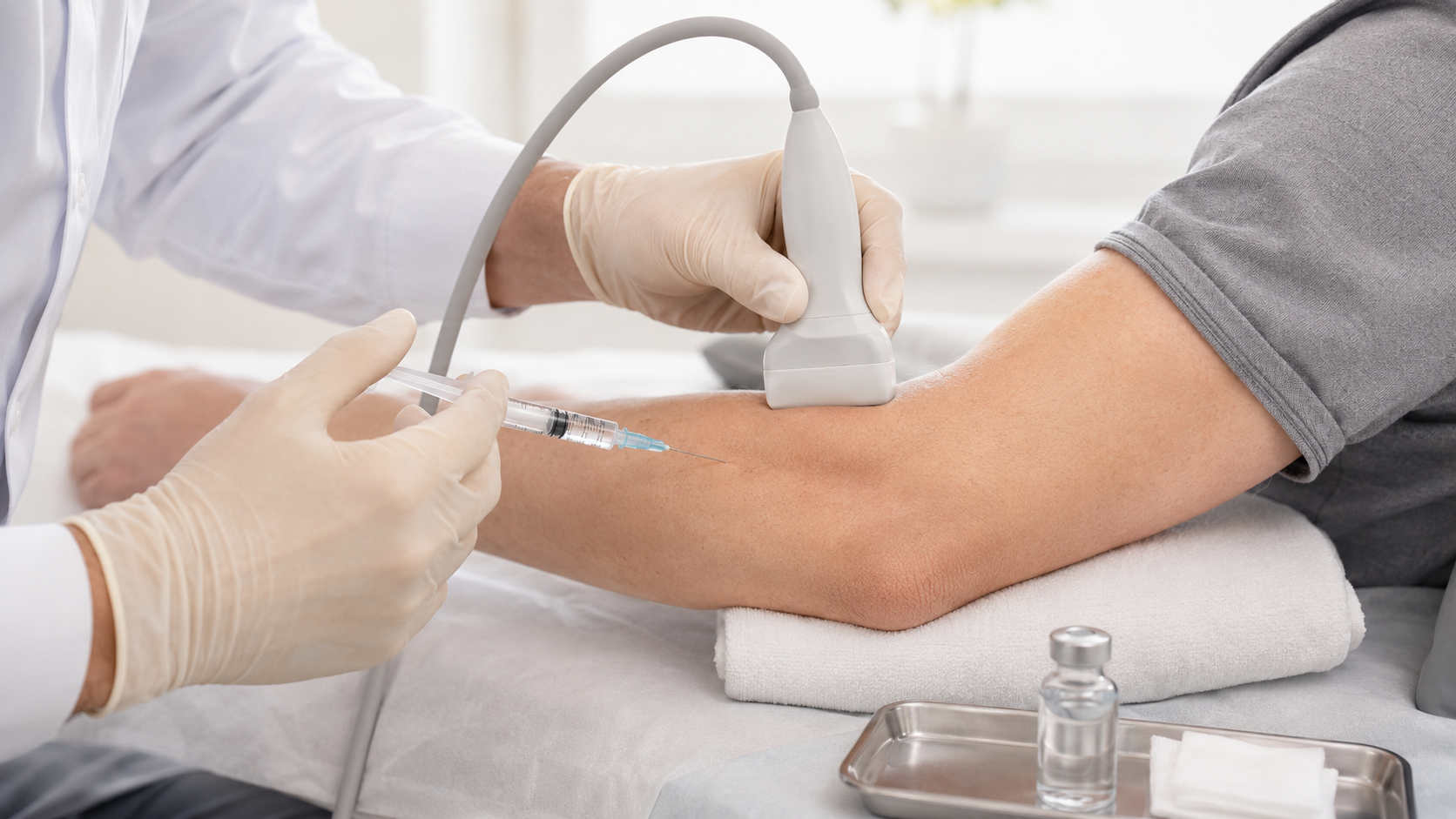
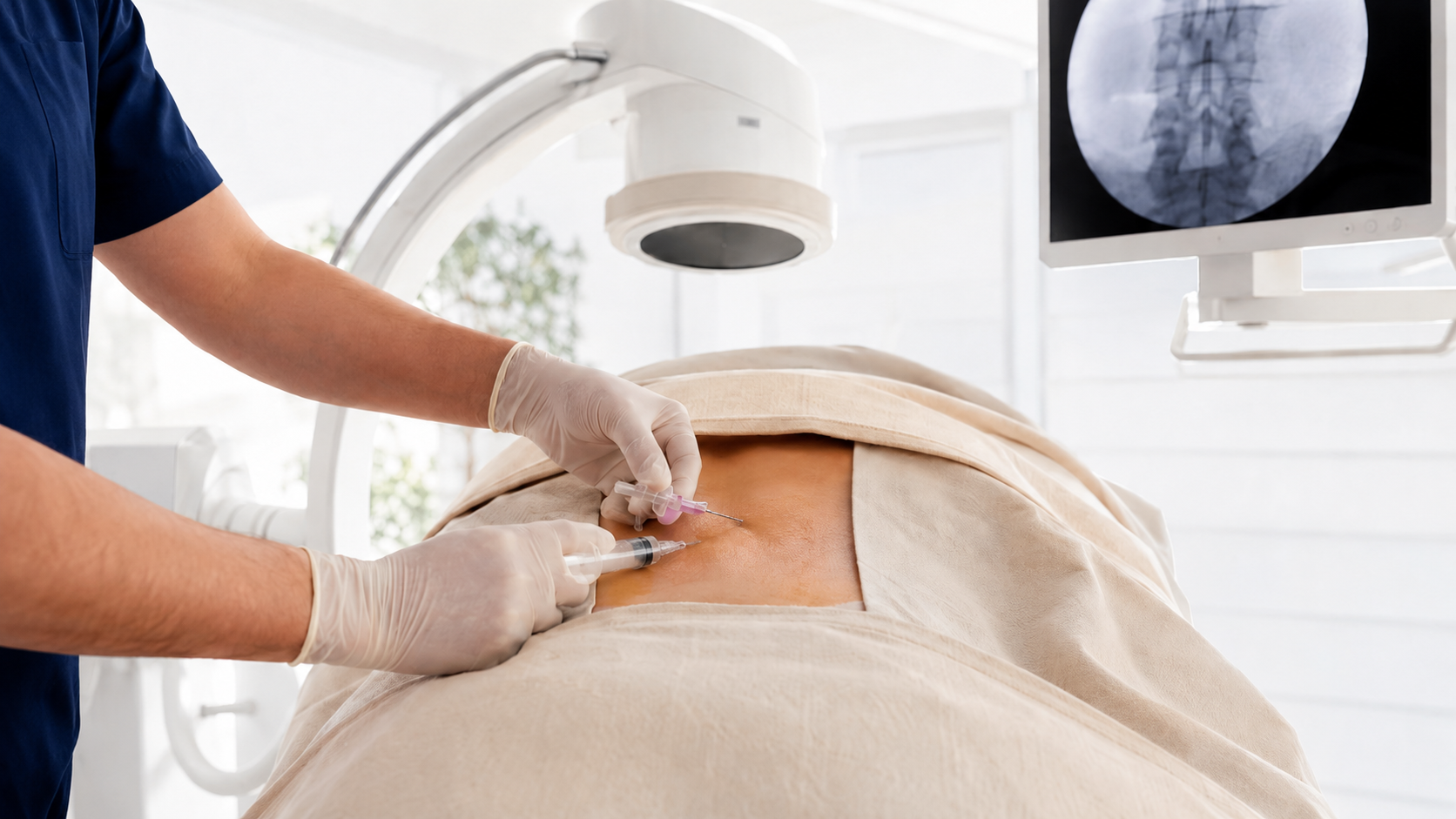
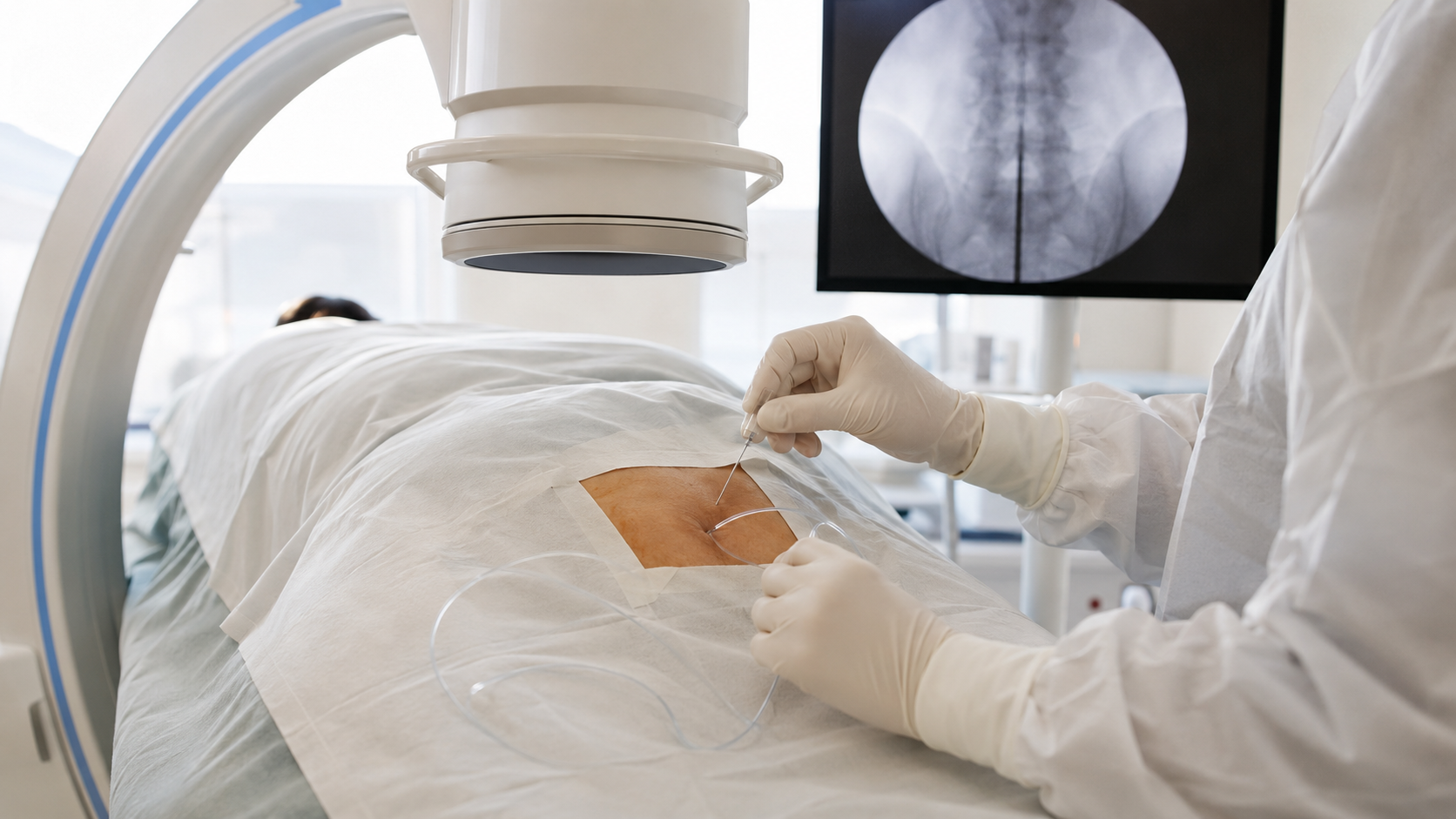
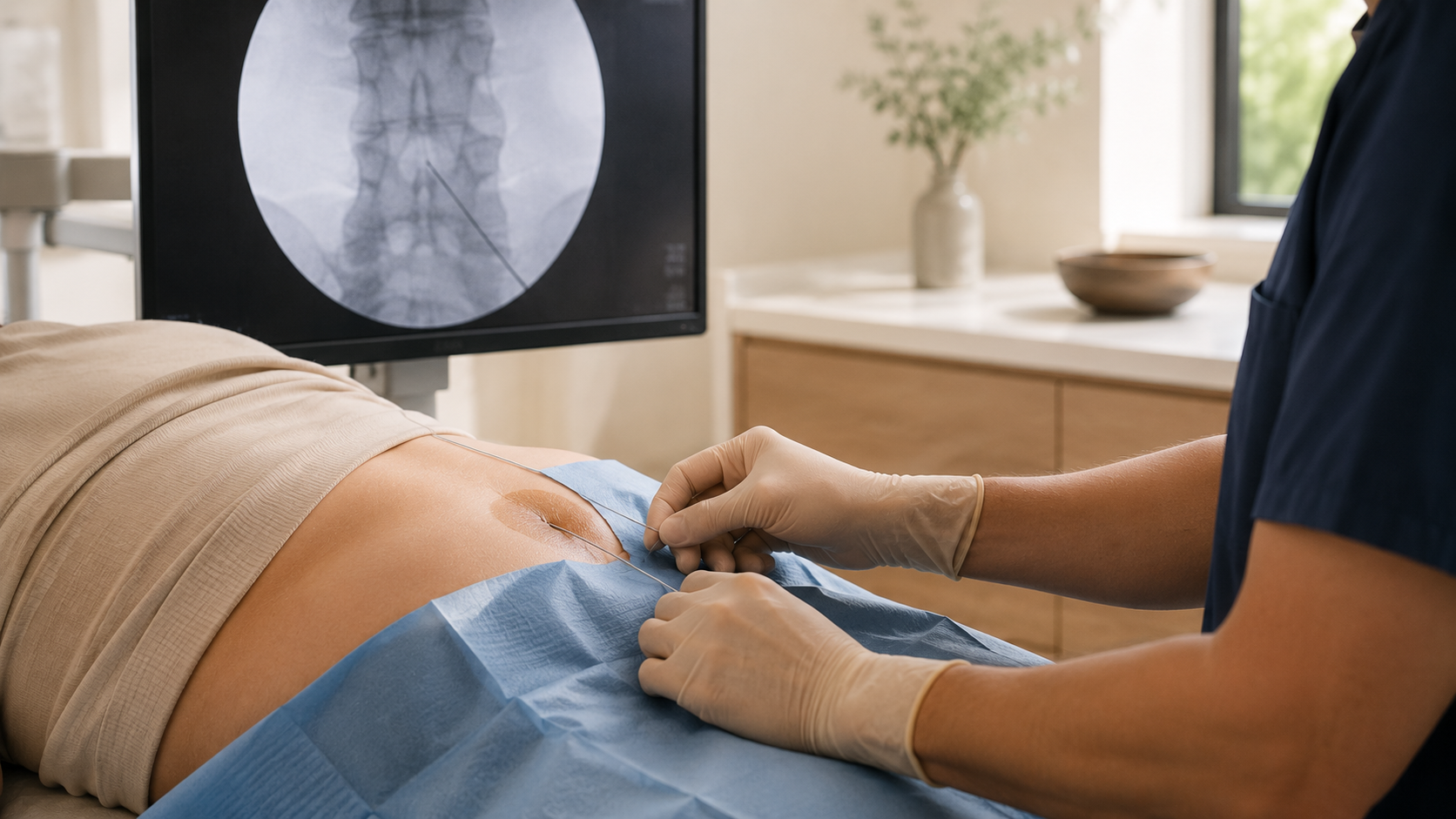
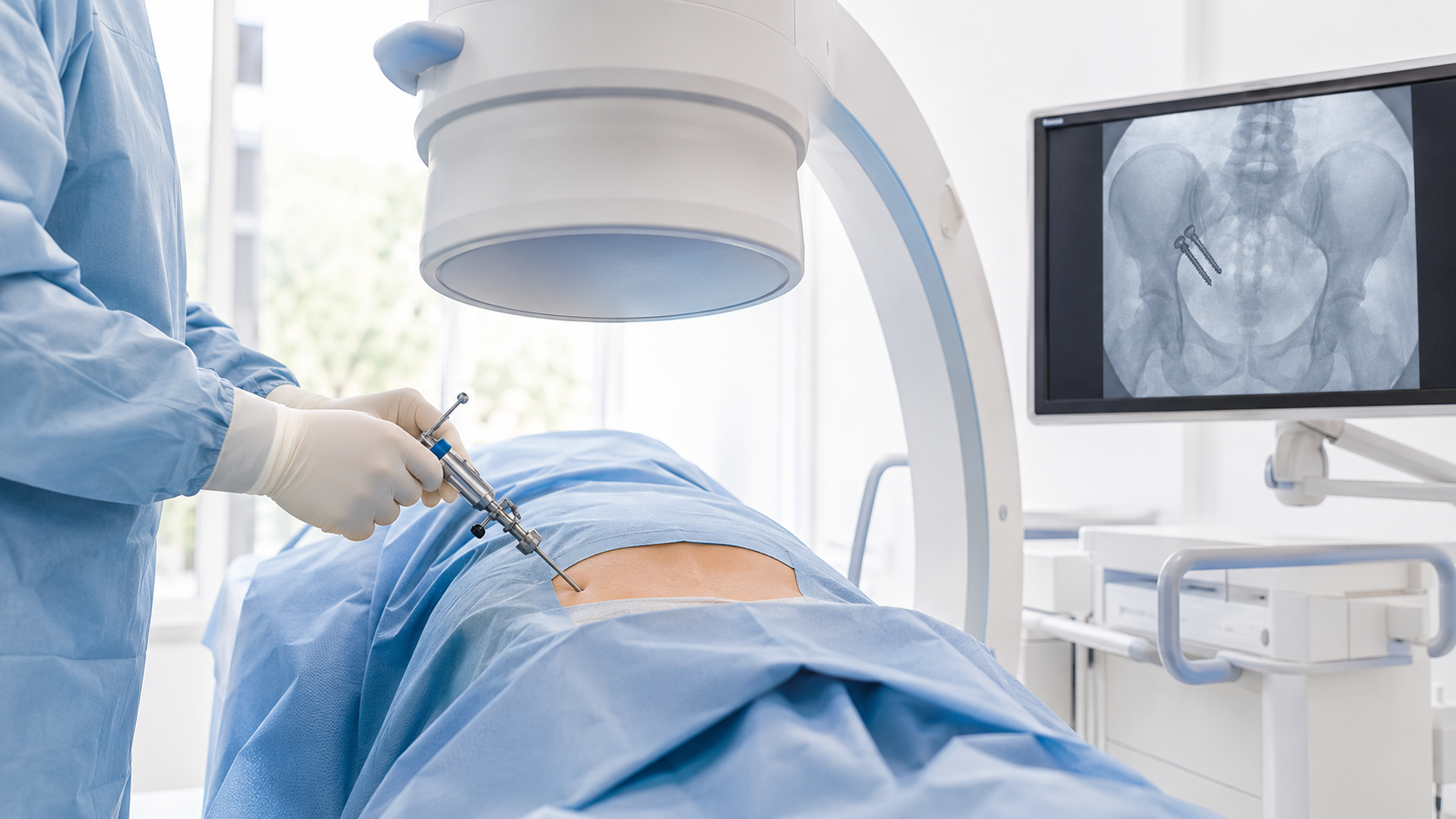
The exam may include spine movement assessment, posture and gait review, neurologic screening, SI joint evaluation, hip assessment, muscle and myofascial exam, and review of how symptoms behave with specific positions or activities. When appropriate, MPM may use diagnostic ultrasound for selected soft tissue or peripheral pain contributors, or image-guided diagnostic injections to clarify a suspected pain generator.
Treatment Options for Scoliosis Pain
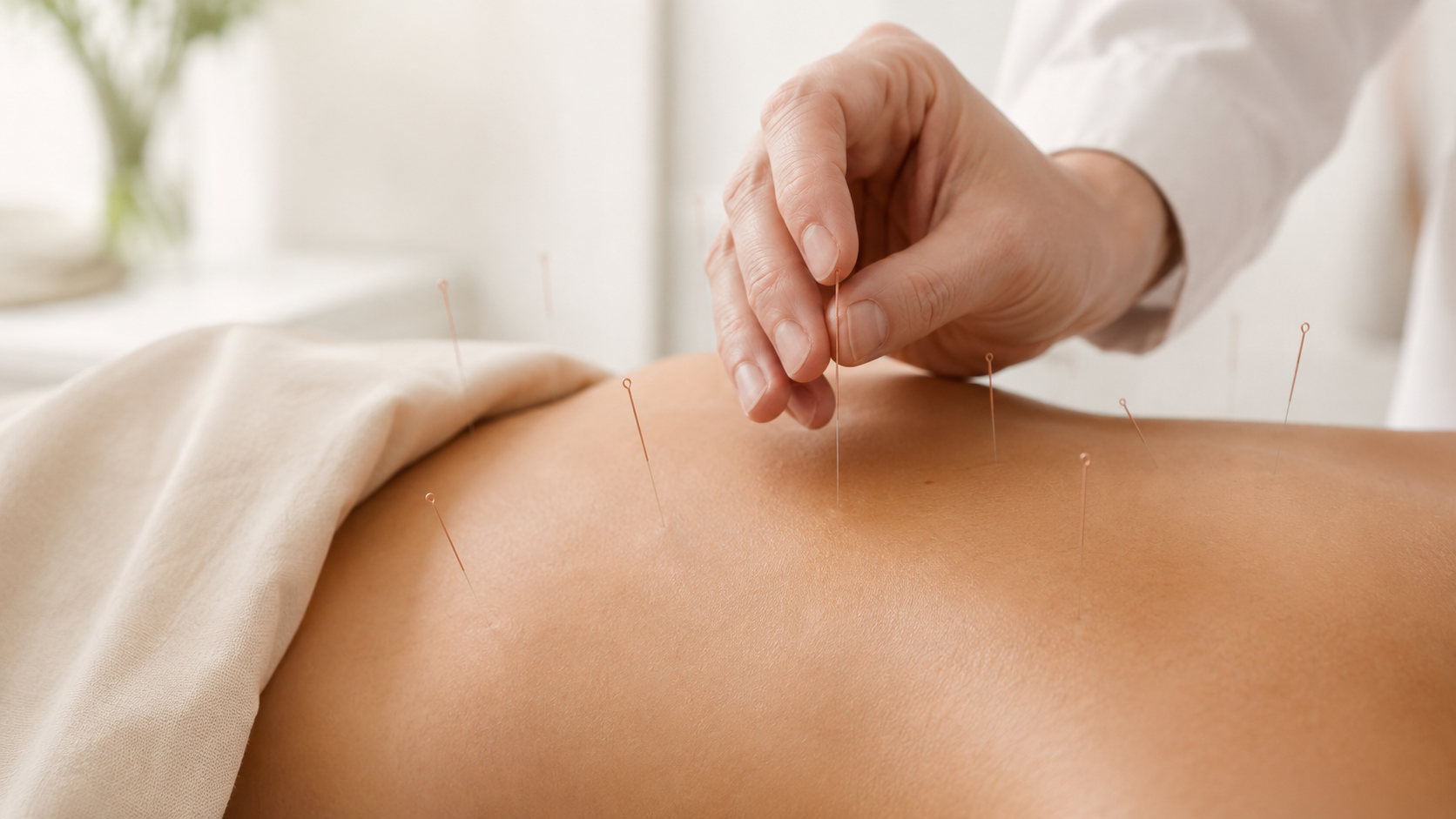
Treatment depends on the pain source. For many patients, care may include physical therapy coordination, strengthening, load management, activity modification, Feldenkrais, acupuncture, posture and movement retraining, medication management, or pain psychology support when chronic pain is affecting daily function.
When a specific pain generator is identified, image-guided interventions may be considered. Epidural injections may be appropriate for selected nerve root irritation or radicular pain patterns. SI joint injections may be considered when SI joint dysfunction is a meaningful contributor. Steroid injections may be considered when inflammation is present and clinically appropriate. Trigger point-focused care may be helpful when muscle pain is a major contributor.
Regenerative options such as PRP, prolotherapy, or other treatments may be considered only in selected cases after careful diagnosis, imaging review, risk discussion, and treatment goal clarification. These options should not be presented as curve correction or as guaranteed treatment for scoliosis.
Advanced Options for Chronic Nerve-Related Pain
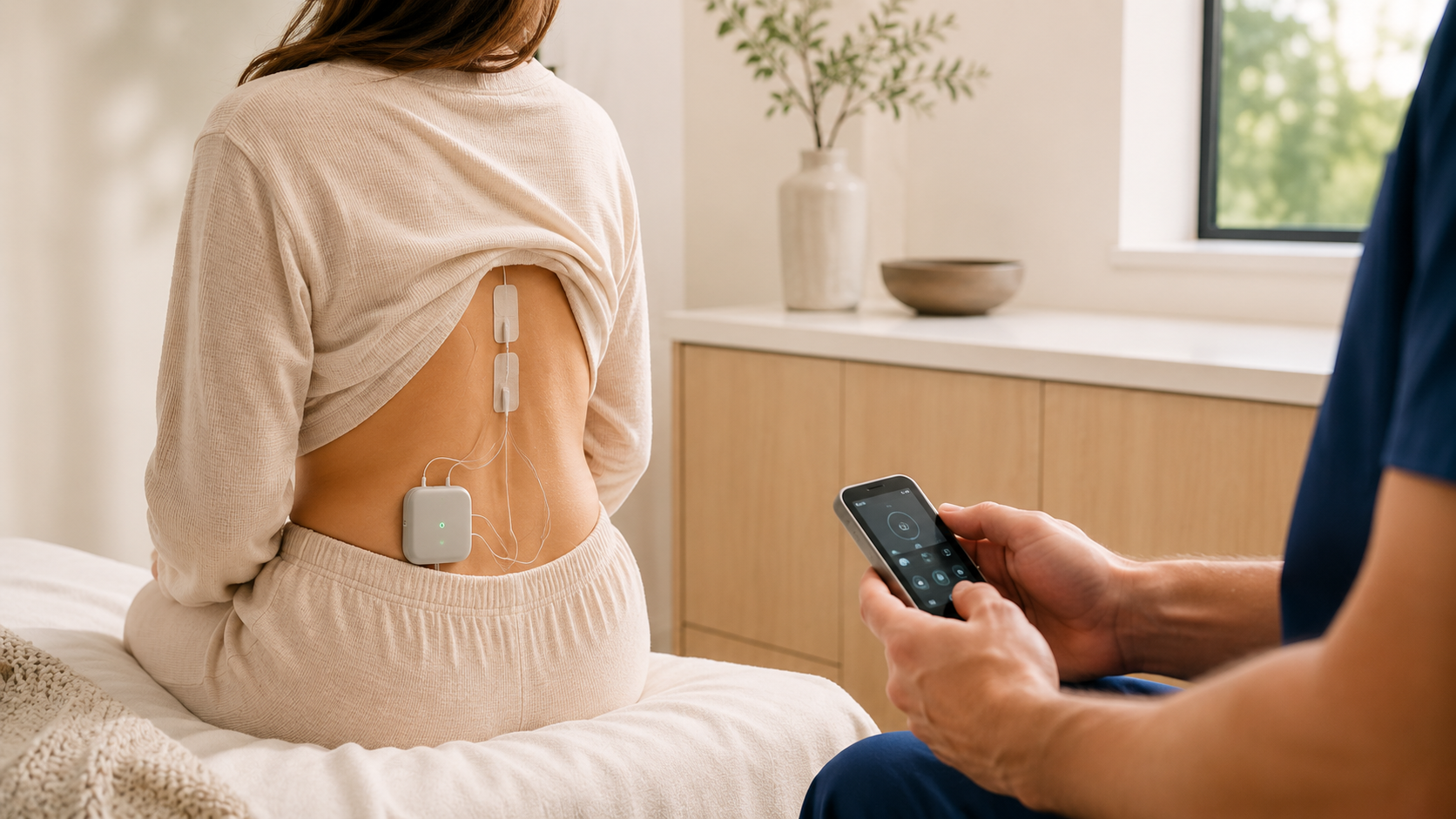
Some patients with scoliosis-related spine disease develop persistent nerve pain despite appropriate conservative and interventional care. In selected chronic neuropathic pain patterns, spinal cord stimulation or dorsal root ganglion stimulation may be considered after careful evaluation. These treatments are not routine scoliosis treatments and do not correct the curve, but they may be relevant for selected patients with persistent nerve-related pain.
When Scoliosis Needs Orthopedic Spine or Neurosurgical Evaluation
MPM may coordinate referral to orthopedic spine surgery or neurosurgery when symptoms suggest progressive deformity, severe structural compression, significant neurologic deficits, worsening function, or curve-related issues that may require surgical evaluation. Surgery is not required for every patient with scoliosis, and many patients are managed without surgery.
The decision depends on curve severity, progression, neurologic findings, functional limitation, age, overall health, imaging, prior treatment response, and specialist assessment.
When Scoliosis-Like Symptoms May Be Something Else
Back, neck, hip, rib, pelvic, or leg pain in a patient with scoliosis may also come from disc disease, spinal stenosis, facet arthropathy, SI joint dysfunction, hip pathology, inflammatory disease, hypermobility, EDS, nerve entrapment, pelvic conditions, infection, fracture, malignancy, or central pain syndromes.
This is why MPM avoids assuming that scoliosis is always the cause of pain. A diagnosis-first approach helps clarify which findings matter and which treatments are most likely to be appropriate.
When Symptoms Require Urgent Evaluation
Patients should seek urgent evaluation for scoliosis-related or spine-related pain associated with new weakness, progressive numbness, bowel or bladder dysfunction, saddle anesthesia, fever, unexplained weight loss, history of cancer, major trauma, severe night pain, chest pain, shortness of breath, trouble walking, rapidly worsening deformity, or severe progressive neurologic symptoms.
These symptoms may indicate a more serious spine, neurologic, infectious, inflammatory, vascular, or systemic condition and should not be treated as routine scoliosis pain.
How MPM Approaches Scoliosis Pain Care
MPM approaches scoliosis pain through a diagnosis-first model. The goal is to determine whether symptoms are driven by the spinal curve, secondary mechanical overload, discs, facet joints, nerves, SI joints, pelvic mechanics, hip involvement, hypermobility, inflammation, or chronic pain sensitization.
For patients looking for scoliosis pain treatment in Manhattan or NYC, MPM provides careful evaluation, coordinated care planning, and individualized treatment options focused on function, safety, and diagnostic clarity.