Biofeedback Therapy
Biofeedback therapy is a non-surgical, skills-based treatment that helps patients observe and influence certain physical responses related to pain, tension, autonomic activation, breathing, and nervous system regulation. It uses sensors to measure body signals such as muscle activity, breathing patterns, heart rate changes, skin temperature, or other physical responses. Patients receive real-time visual or auditory feedback while practicing strategies to influence those signals.
At Manhattan Pain Medicine (MPM), biofeedback therapy NYC care is not used to suggest that pain is imaginary, emotional, or only caused by stress. Chronic pain is real and can involve muscles, joints, nerves, inflammation, pelvic floor dysfunction, headache pathways, autonomic dysfunction, trauma responses, central sensitization, and structural conditions. Biofeedback may be one supportive tool when the patient’s symptoms and clinical picture suggest that nervous system regulation, muscle awareness, breathing, or body signal recognition may help.
How Biofeedback May Help With Pain
Pain often involves more than one pathway. A patient with migraine may also have neck tension, poor sleep, and autonomic sensitivity. A patient with pelvic pain may have pelvic floor guarding, nervous system activation, and fear of symptom flares. A patient with fibromyalgia or central pain syndromes may have widespread sensitivity, fatigue, sleep disruption, and difficulty calming the body after stress or exertion.
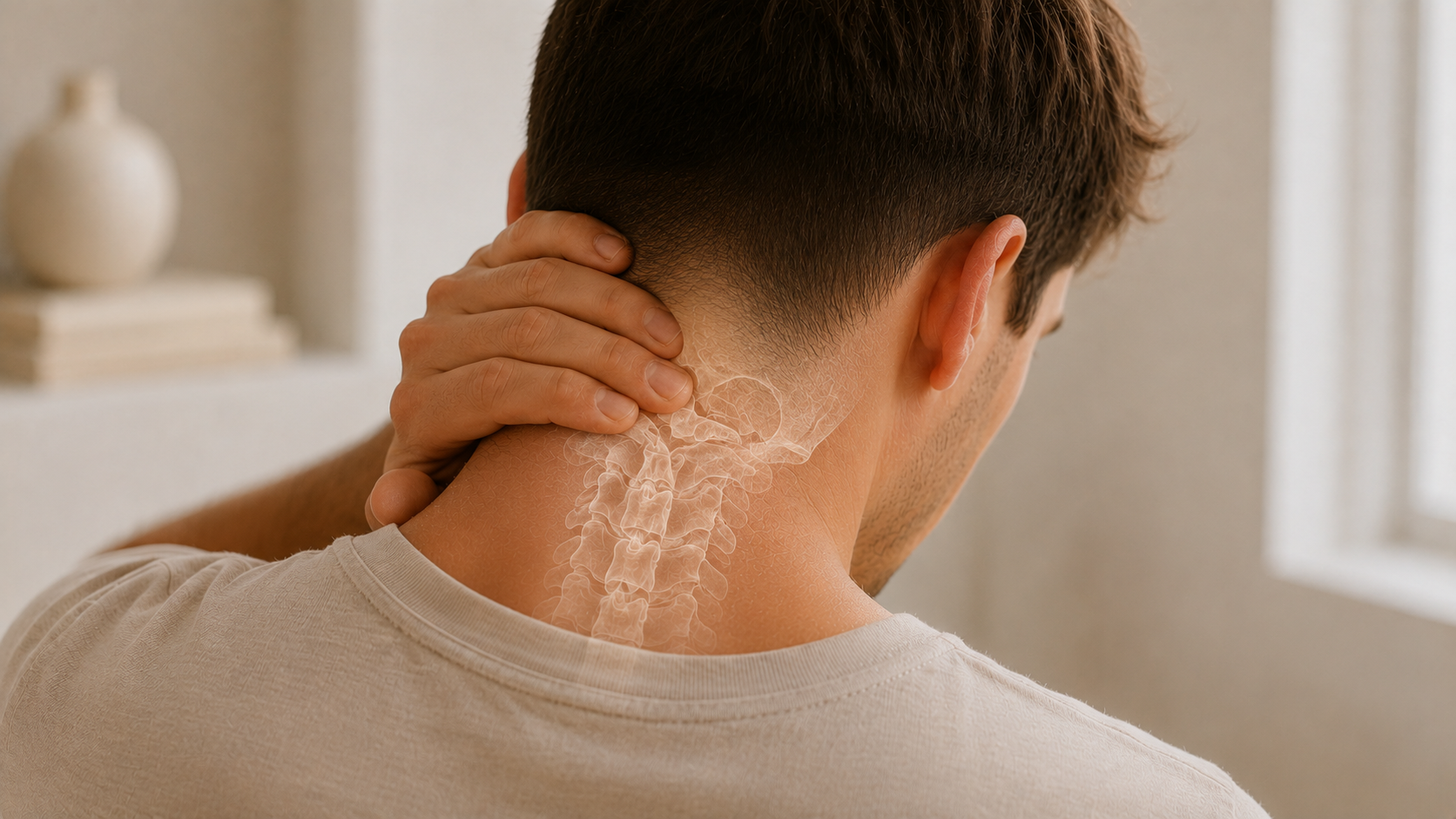
Biofeedback may help selected patients recognize patterns that contribute to flares. This can include muscle tension, shallow breathing, elevated arousal, difficulty relaxing the pelvic floor, or physical signs of stress physiology. With training, patients may learn to shift some of these responses. The goal is not perfect control. The goal is practical skill-building that may reduce symptom reactivity, improve confidence, and support function.
Biofeedback for Headache and Migraine
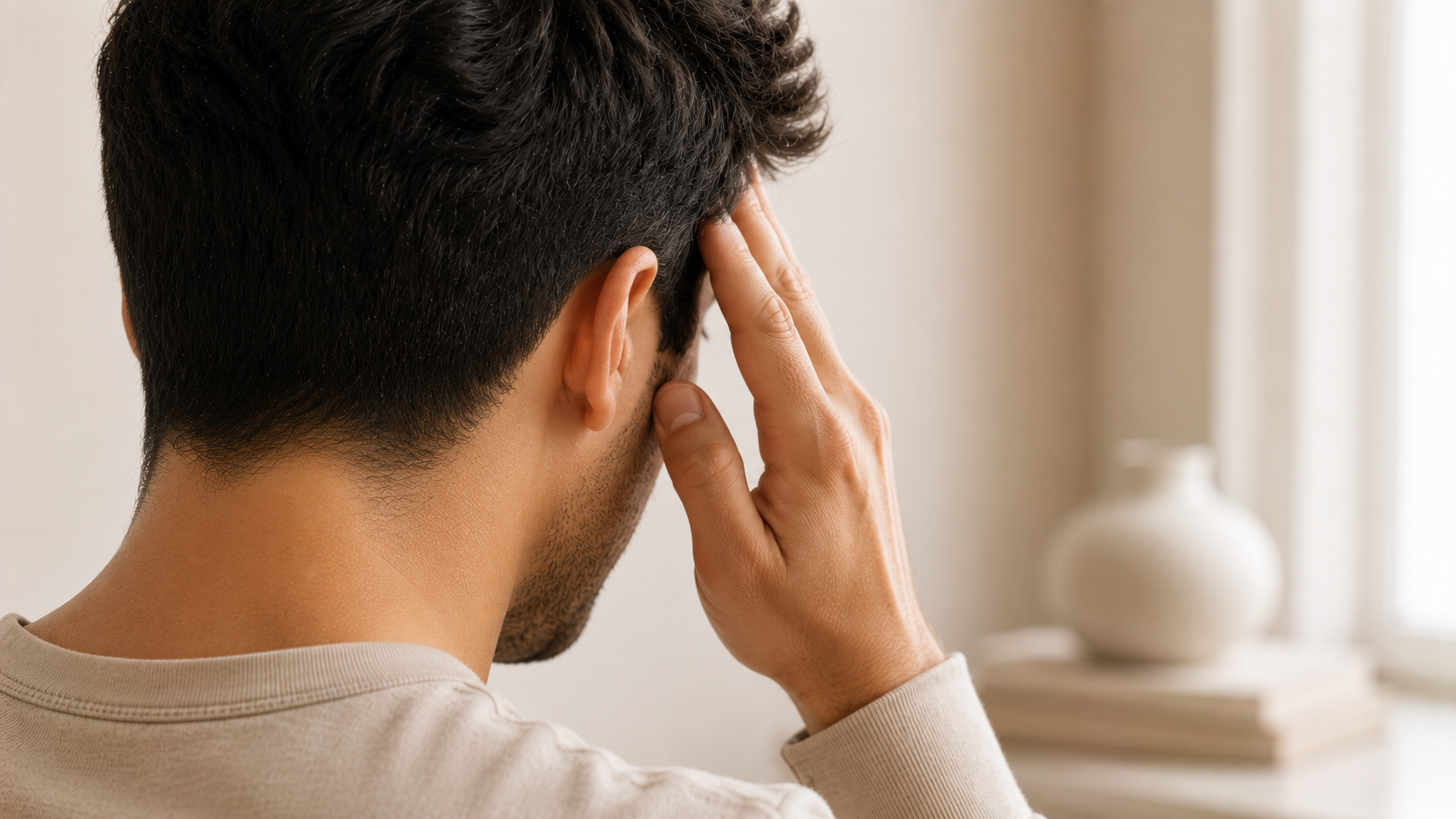
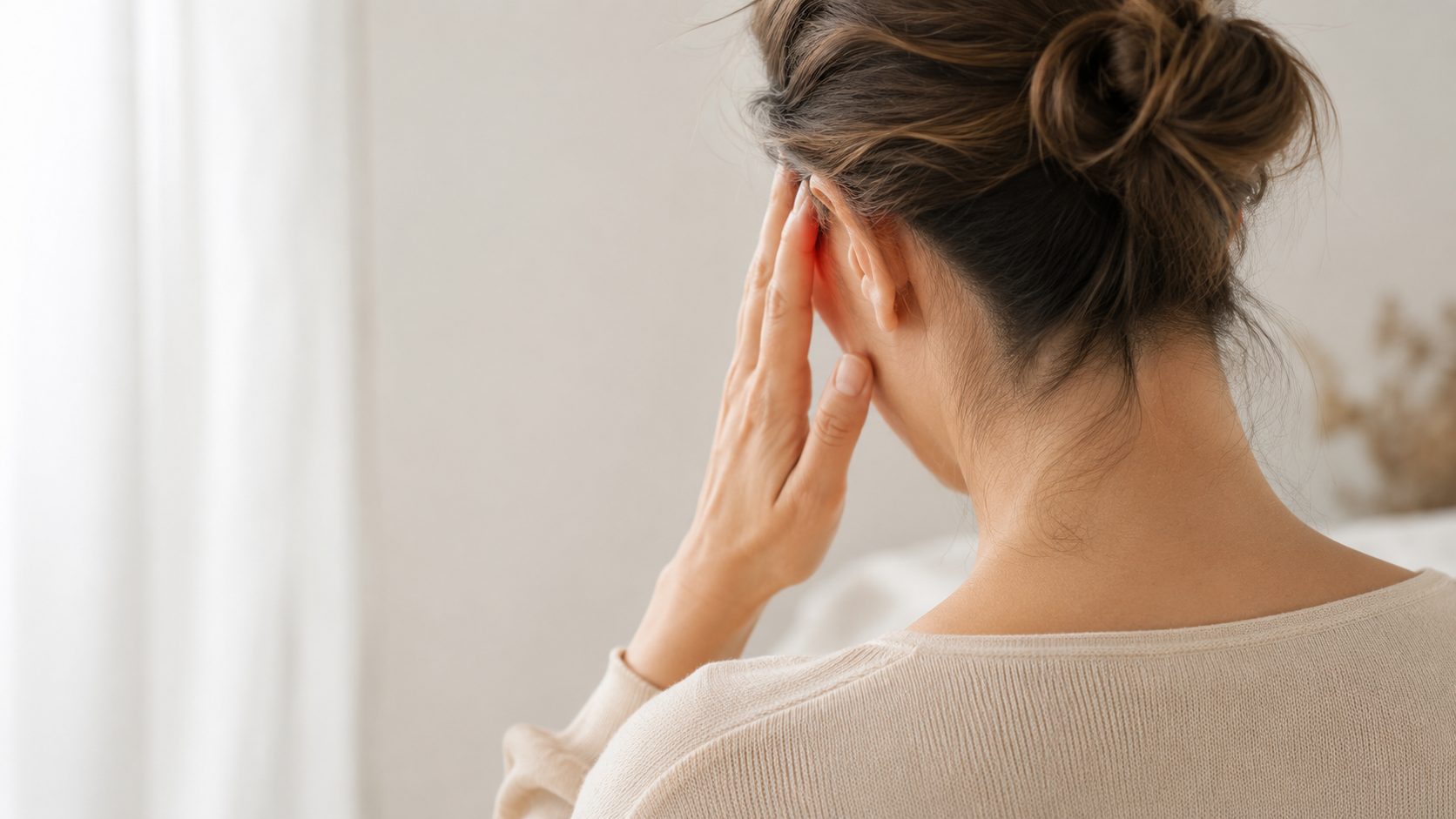
Biofeedback for migraines and headaches NYC care may be considered when headache patterns are influenced by muscle tension, autonomic activation, stress physiology, breathing changes, or difficulty identifying early warning signs. Some patients with migraine or tension headache may benefit from learning how to reduce physical tension, regulate breathing, or recognize activation patterns before symptoms escalate.
This does not replace headache diagnosis. Sudden severe headache, new neurological symptoms, rapidly changing headache patterns, fainting, fever, trauma, weakness, or visual changes require medical evaluation. MPM considers biofeedback as part of a coordinated headache plan that may also include medication management, procedures, trigger planning, physical treatment, pain psychology, or specialist coordination.
Biofeedback for Pelvic Pain and Pelvic Floor Dysfunction
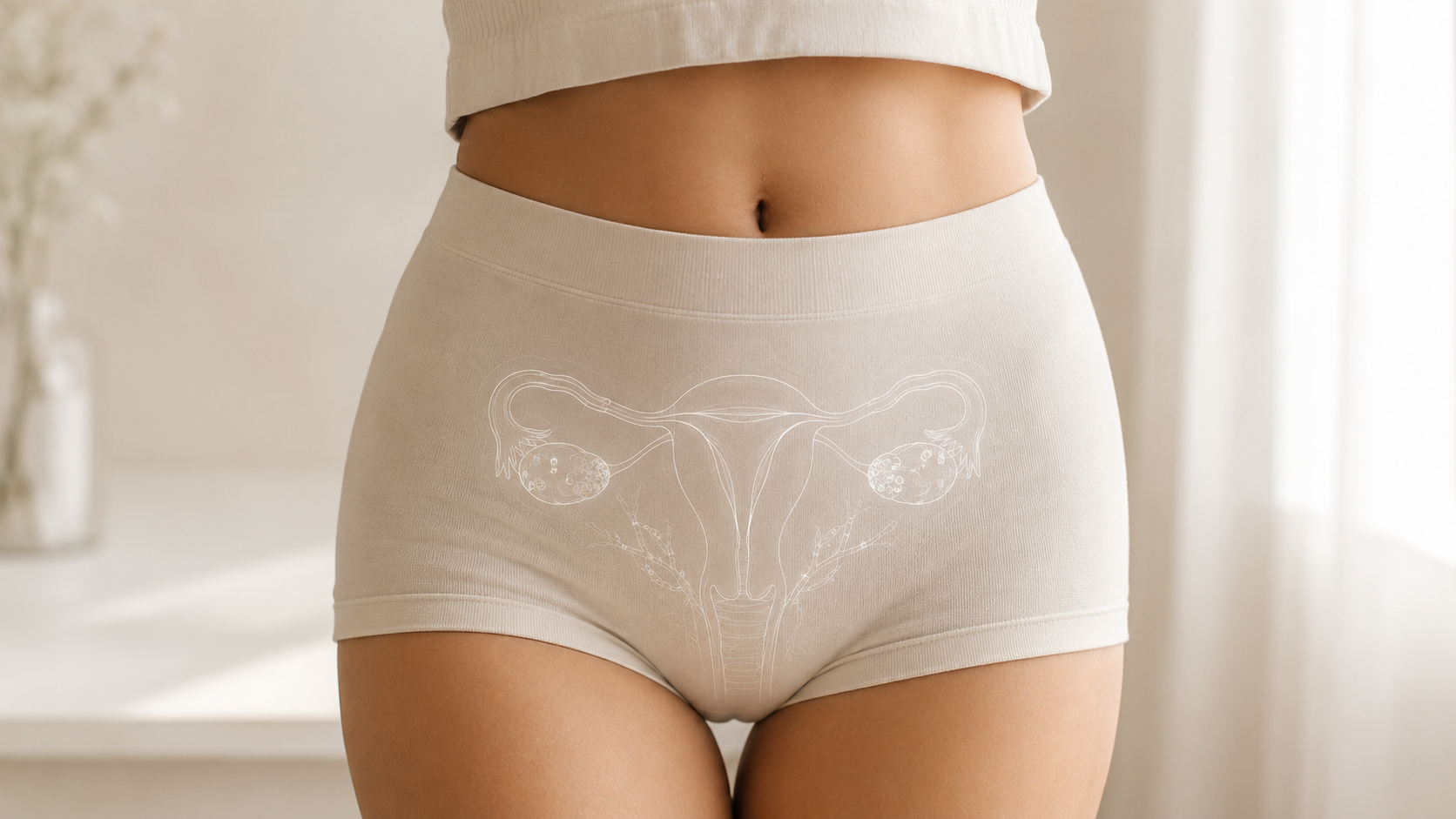
Biofeedback for pelvic floor dysfunction and pelvic pain may help selected patients improve awareness, relaxation, or coordination of pelvic floor muscles. This can be relevant when pelvic pain involves muscle guarding, pelvic floor overactivity, pudendal neuralgia, pelvic dystonia, PGAD, bowel or bladder coordination concerns, or pain flares linked to nervous system activation.
Pelvic pain can also involve endometriosis, urologic conditions, gynecologic conditions, gastrointestinal contributors, nerve irritation, inflammatory disease, or structural issues. Biofeedback does not replace pelvic specialty care or medical diagnosis. At MPM, it may be integrated with pelvic pain evaluation, pain psychology, acupuncture, physical therapy, medication management, or other treatments when appropriate.
Biofeedback for Autonomic Symptoms and Complex Chronic Pain
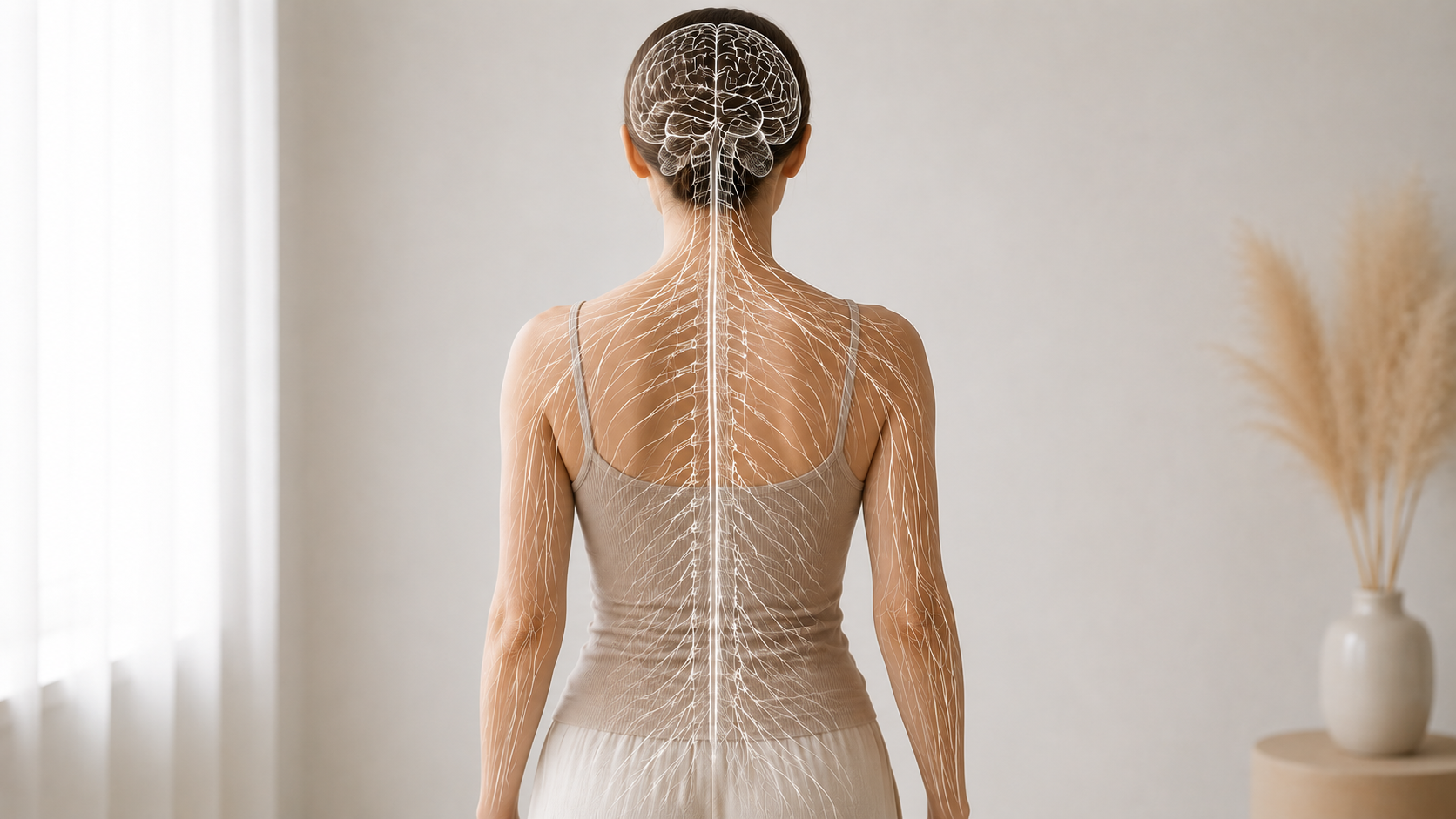
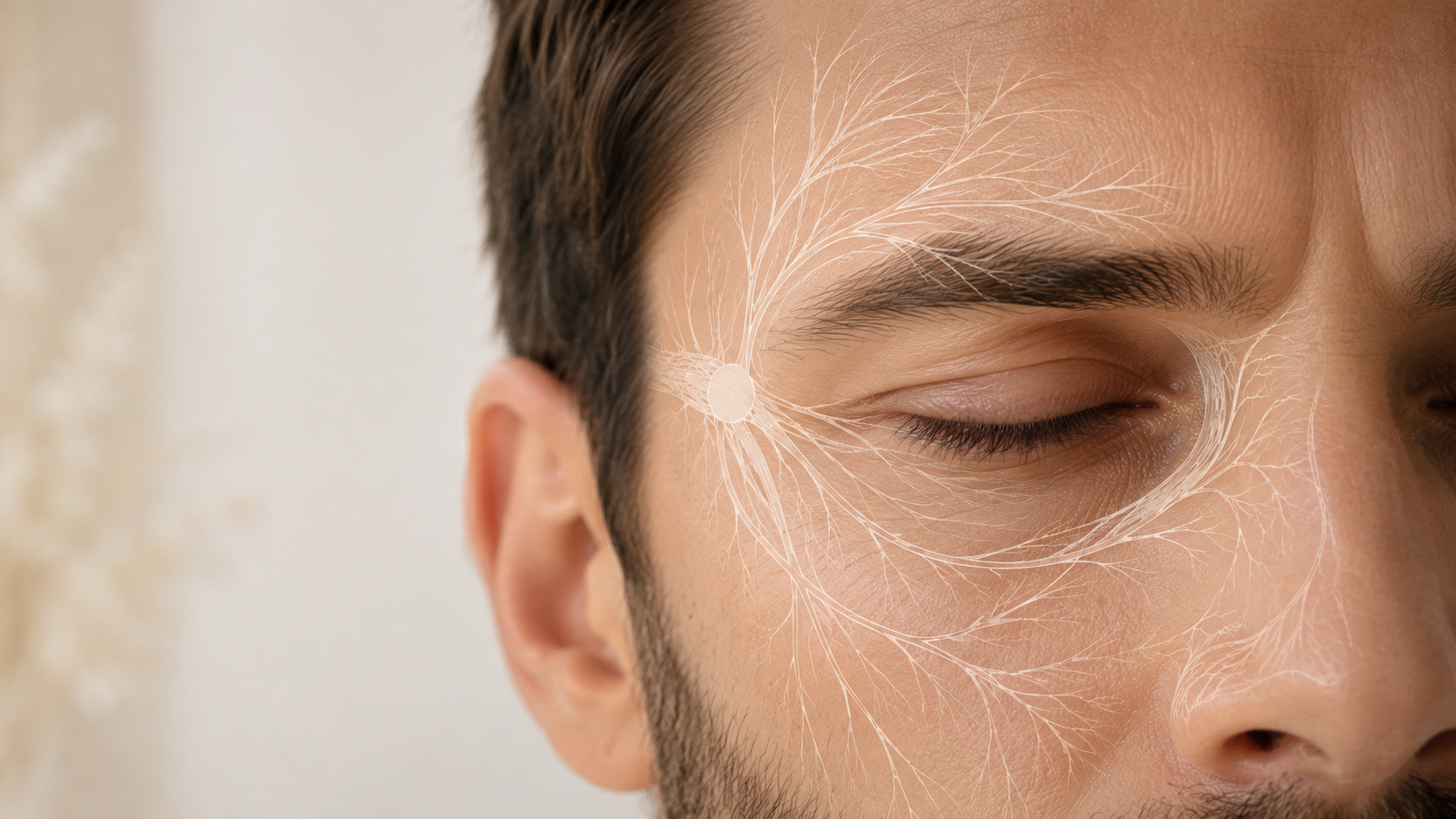
Biofeedback for autonomic dysfunction NYC care may help some patients observe body responses such as breathing patterns, heart rate variability, or activation signals. It does not cure POTS, small fiber neuropathy, autonomic dysfunction, EDS, Chiari malformation, intracranial hypertension, jugular stenosis, tethered cord, or other medical conditions. Patients with fainting, chest pain, shortness of breath, severe dizziness, new neurological deficits, or unstable symptoms need medical evaluation.
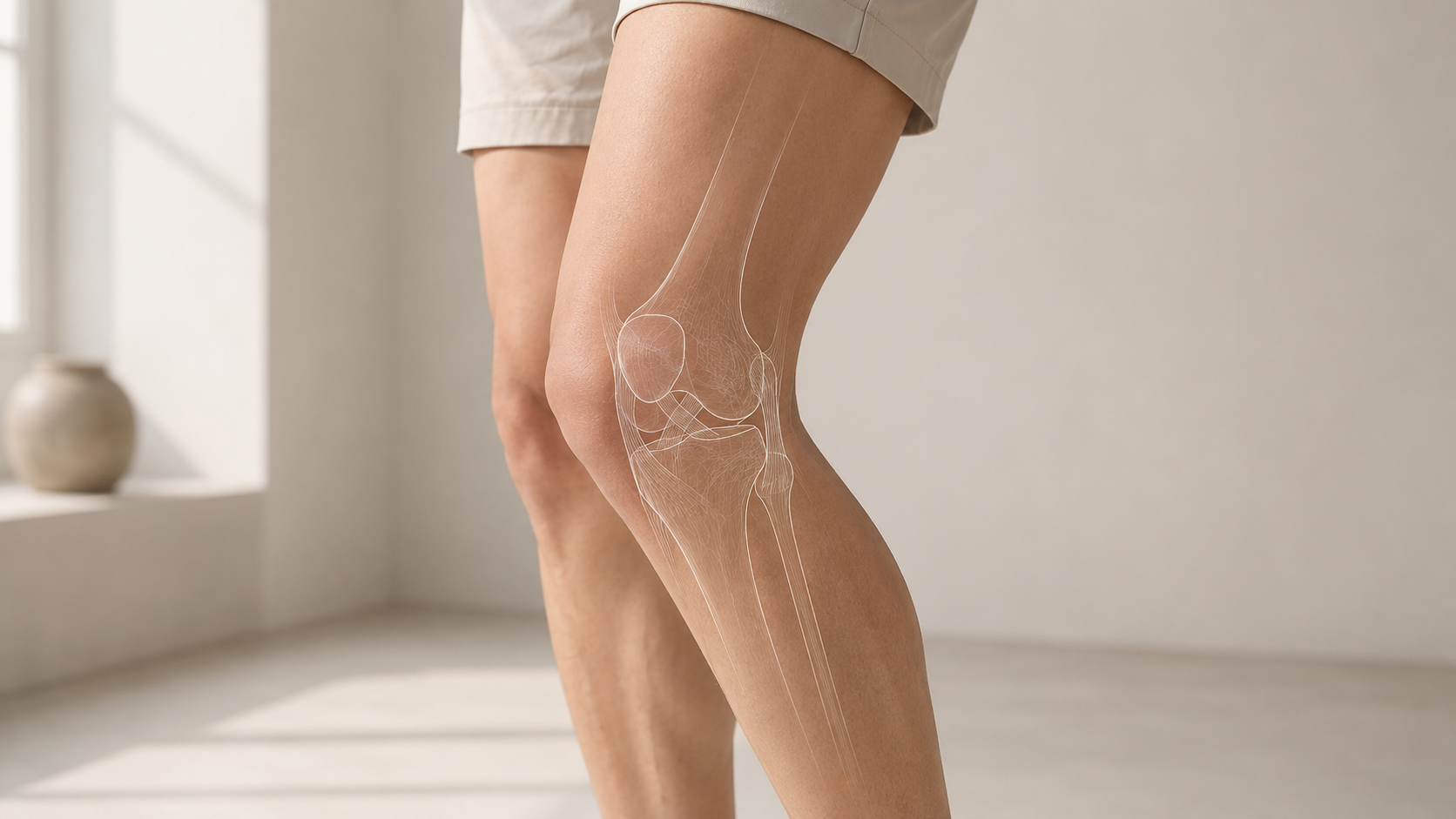
For fibromyalgia, CRPS, central pain syndromes, Medical PTSD, post-COVID pain, EBV-related pain, and chronic pain after trauma, biofeedback may support nervous system regulation and symptom awareness. MPM may coordinate biofeedback with pain psychology, pacing, acupuncture, movement-based care, medication management, procedures, or specialist care depending on the patient’s needs.
When Biofeedback May Not Be the Right Fit
Biofeedback may need to be adapted or delayed for patients with severe trauma responses, dissociation, acute psychiatric crisis, significant autonomic instability, uncontrolled medical conditions, or symptoms that worsen with body monitoring. For some patients, focusing closely on body signals may initially increase distress. MPM considers this carefully and uses a patient-centered approach.
Biofeedback should not replace urgent medical or mental health care. Patients should seek immediate support for suicidal thoughts, severe distress with inability to function, sudden severe headache, new neurological deficits, chest pain, shortness of breath, fainting, new weakness, bowel or bladder dysfunction, saddle anesthesia, severe pelvic or abdominal pain, fever, unexplained weight loss, major trauma, rapidly worsening pain, or rapidly worsening symptoms.
For the right patient, biofeedback may be a meaningful part of multidisciplinary pain care. MPM’s role is to determine whether it fits safely within the patient’s diagnosis-first plan and how it can support function, confidence, and long-term symptom management.