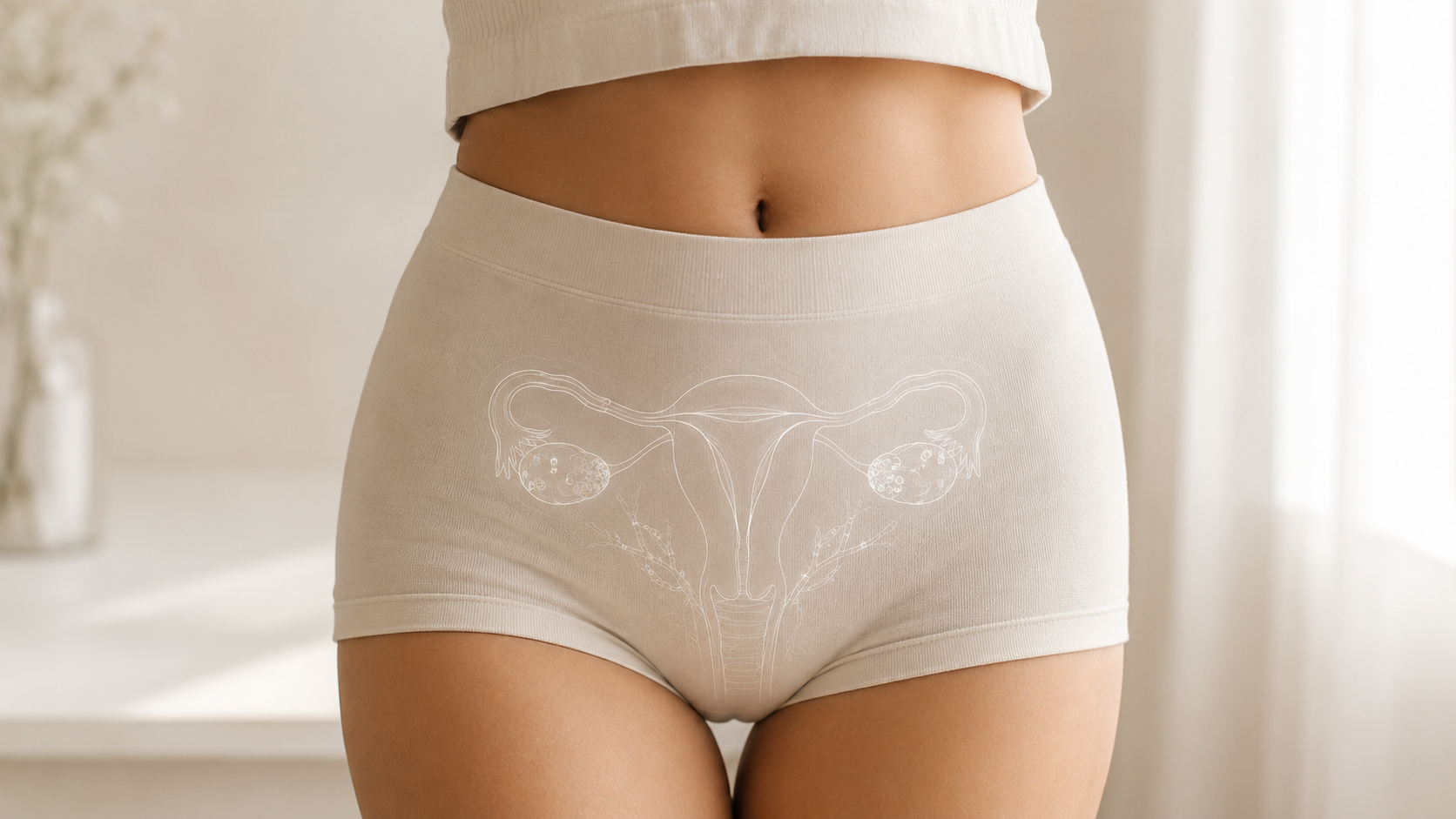
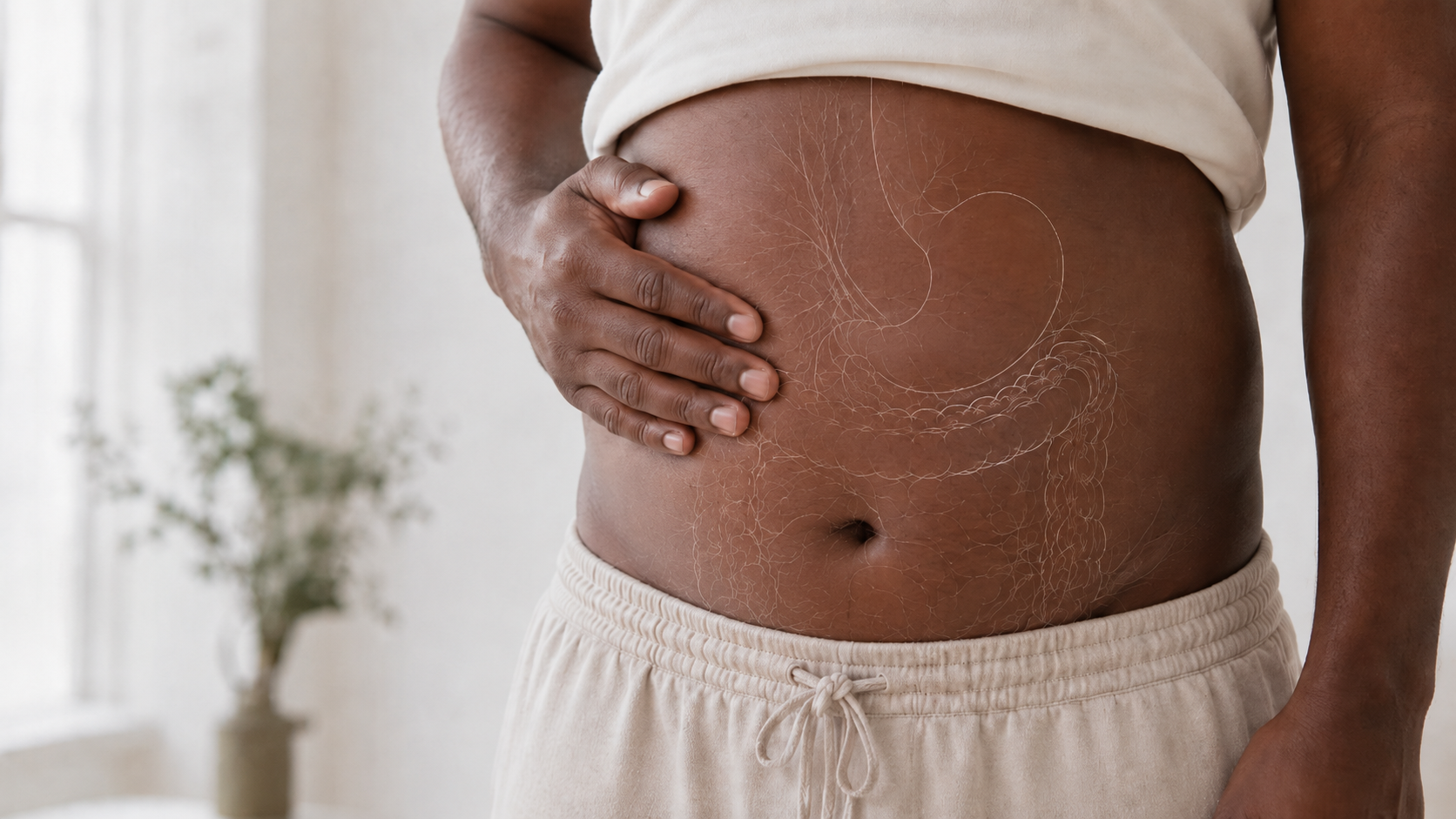
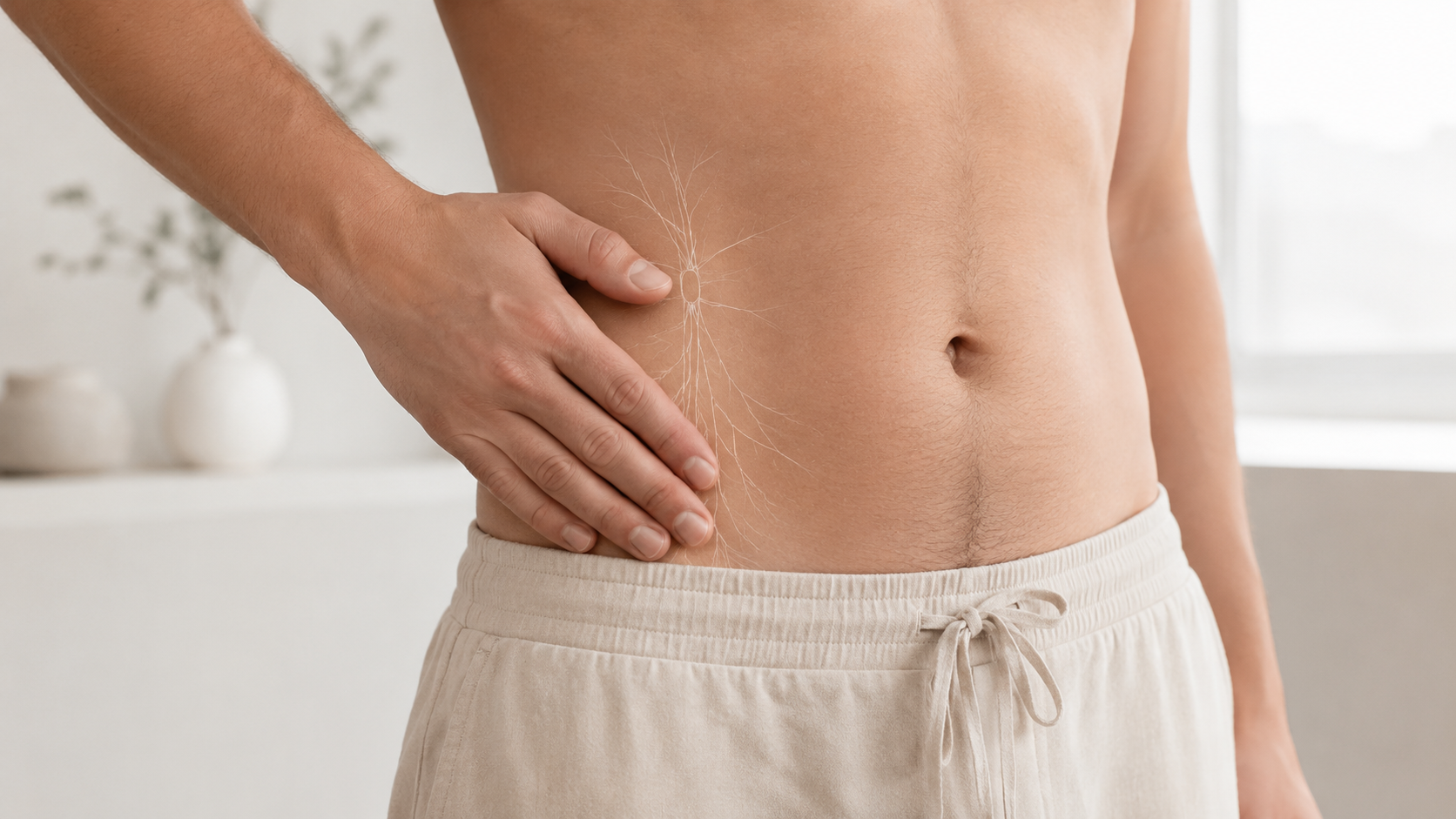
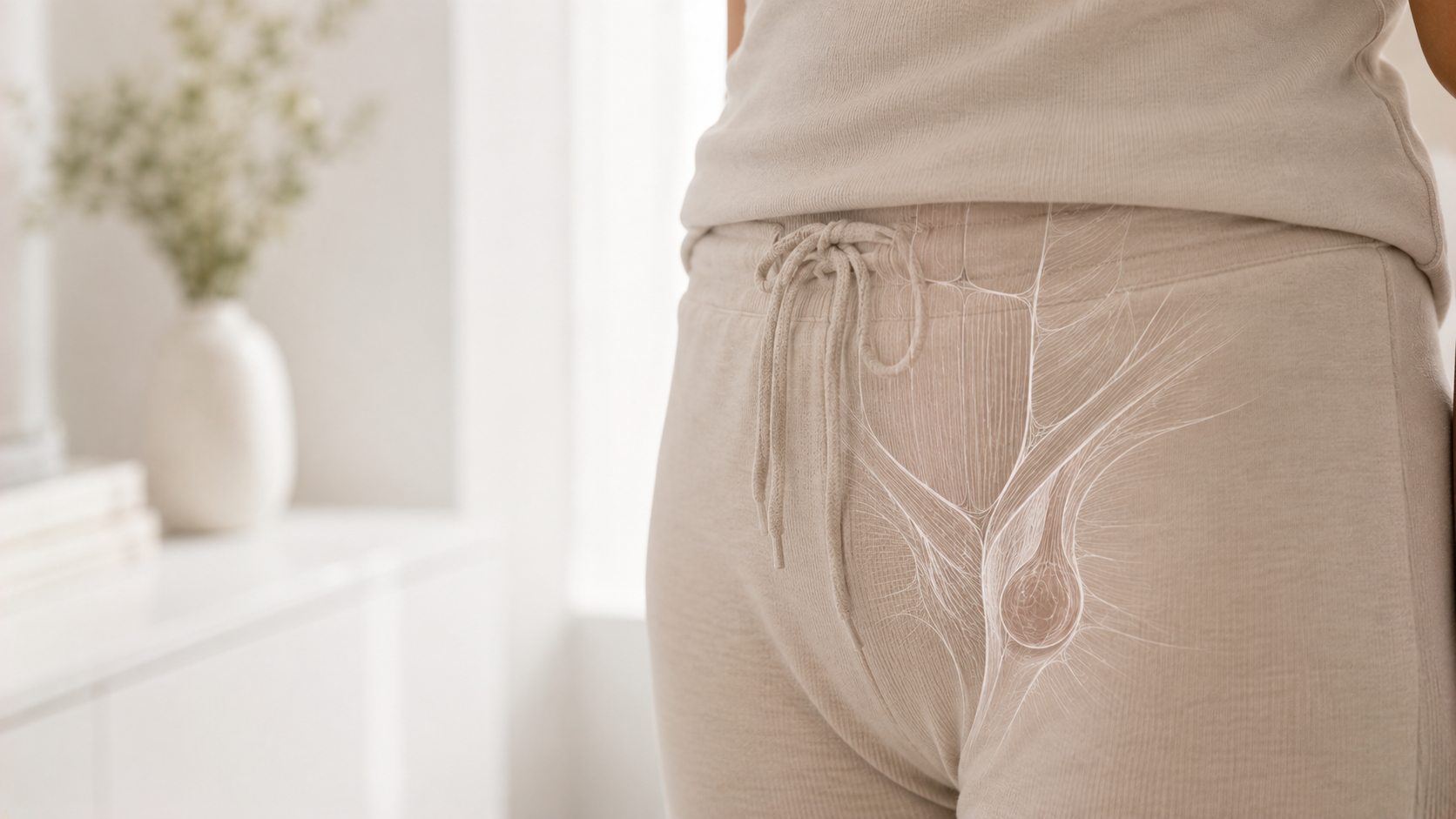
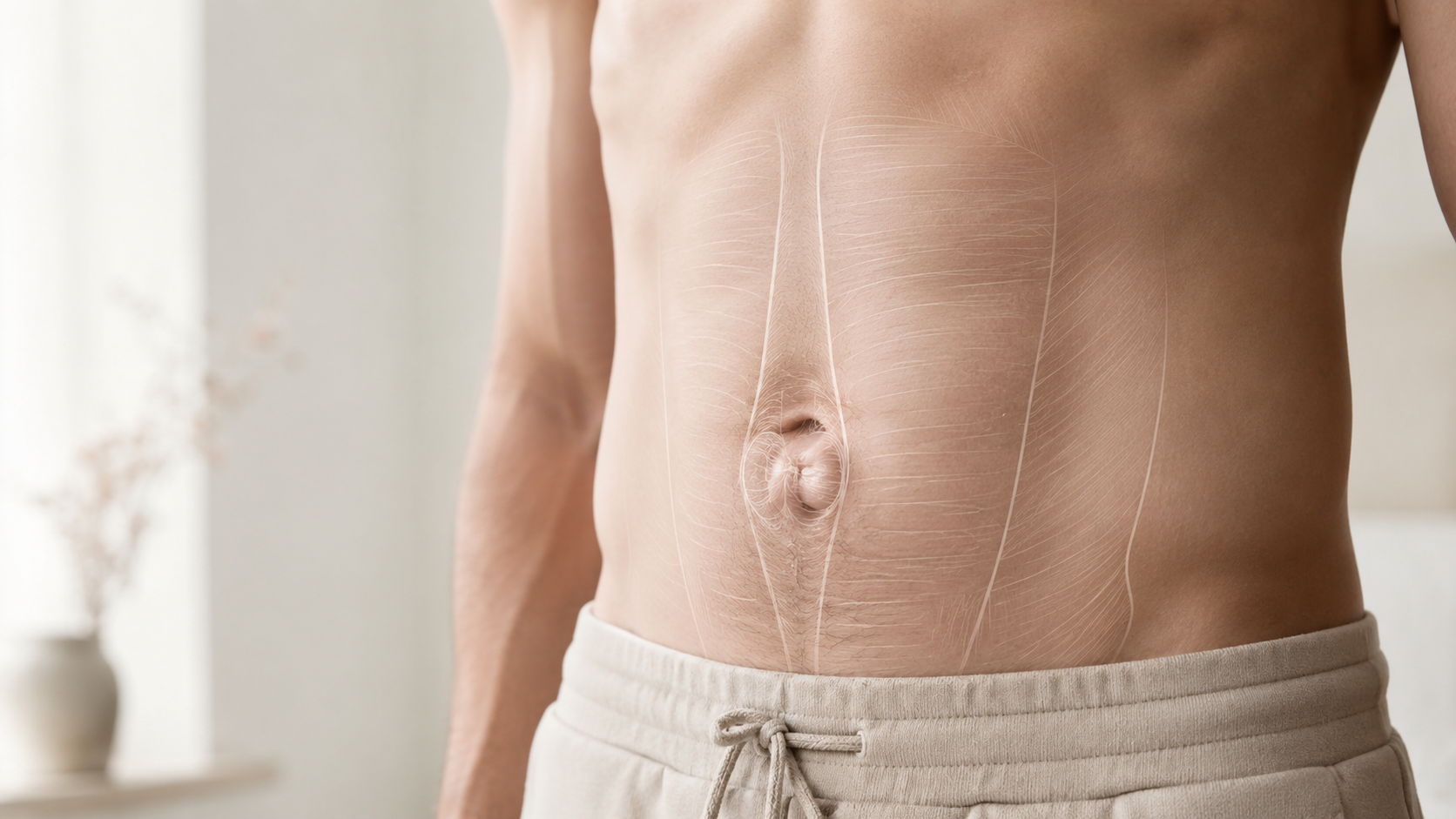
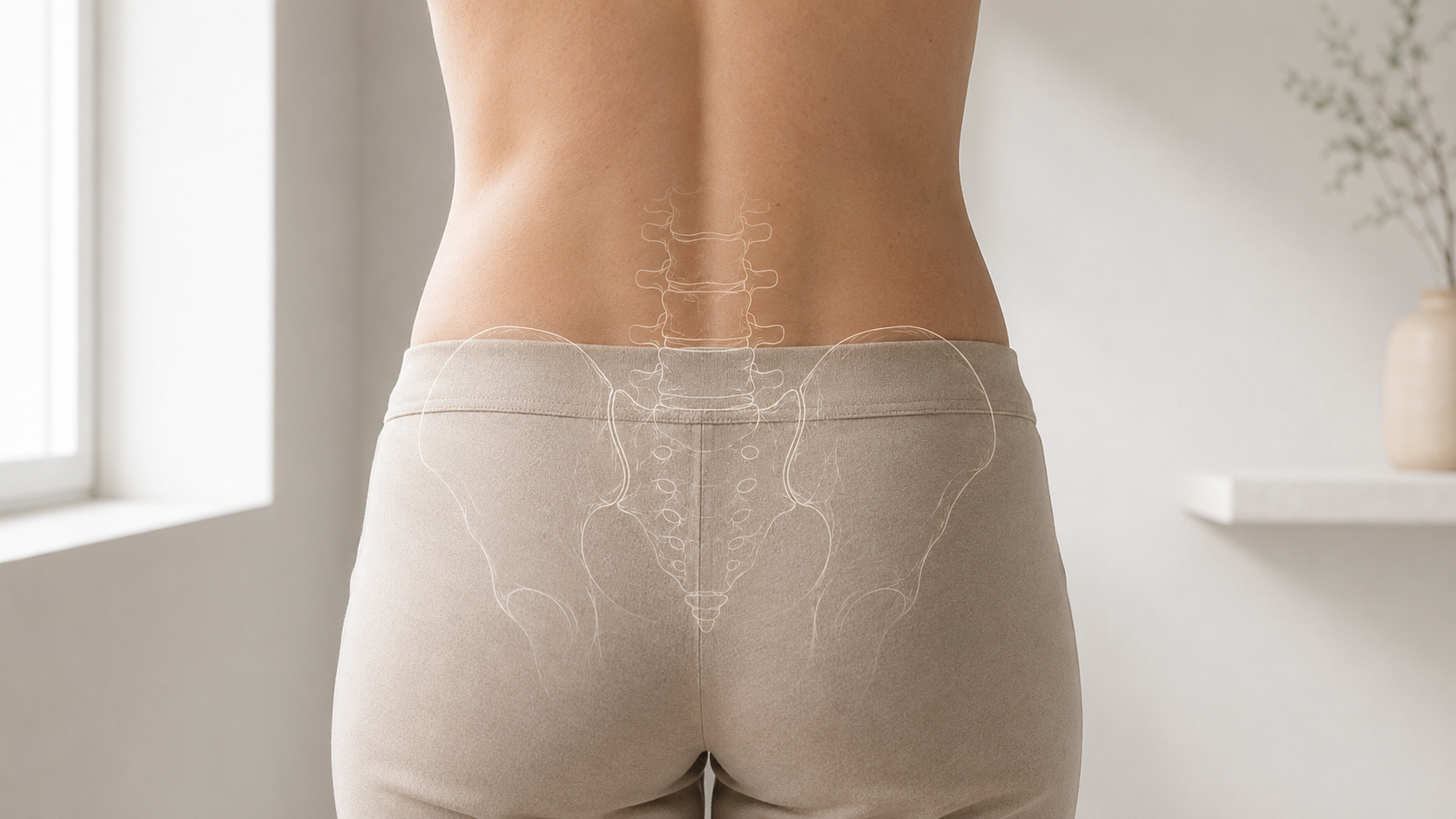
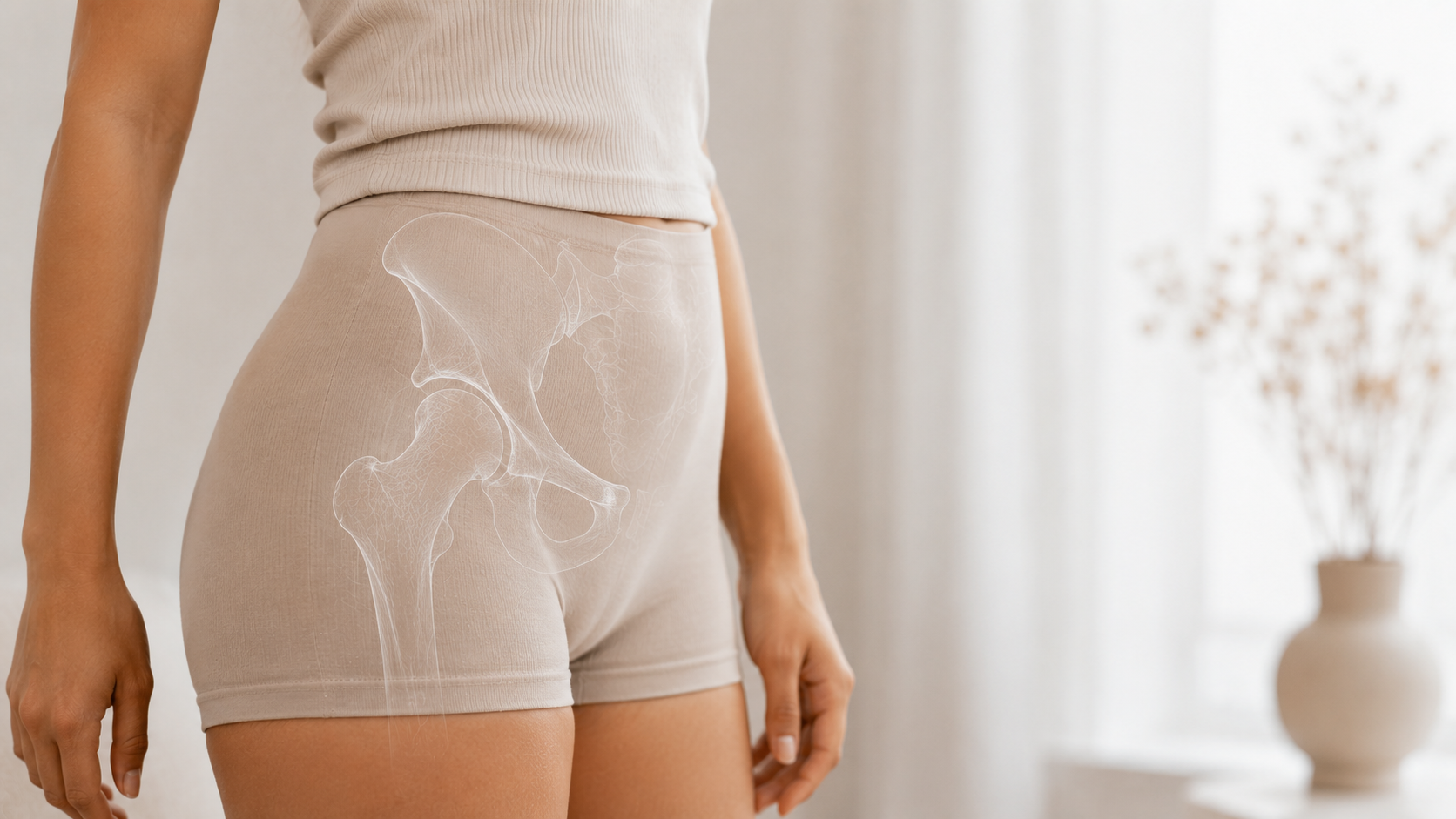
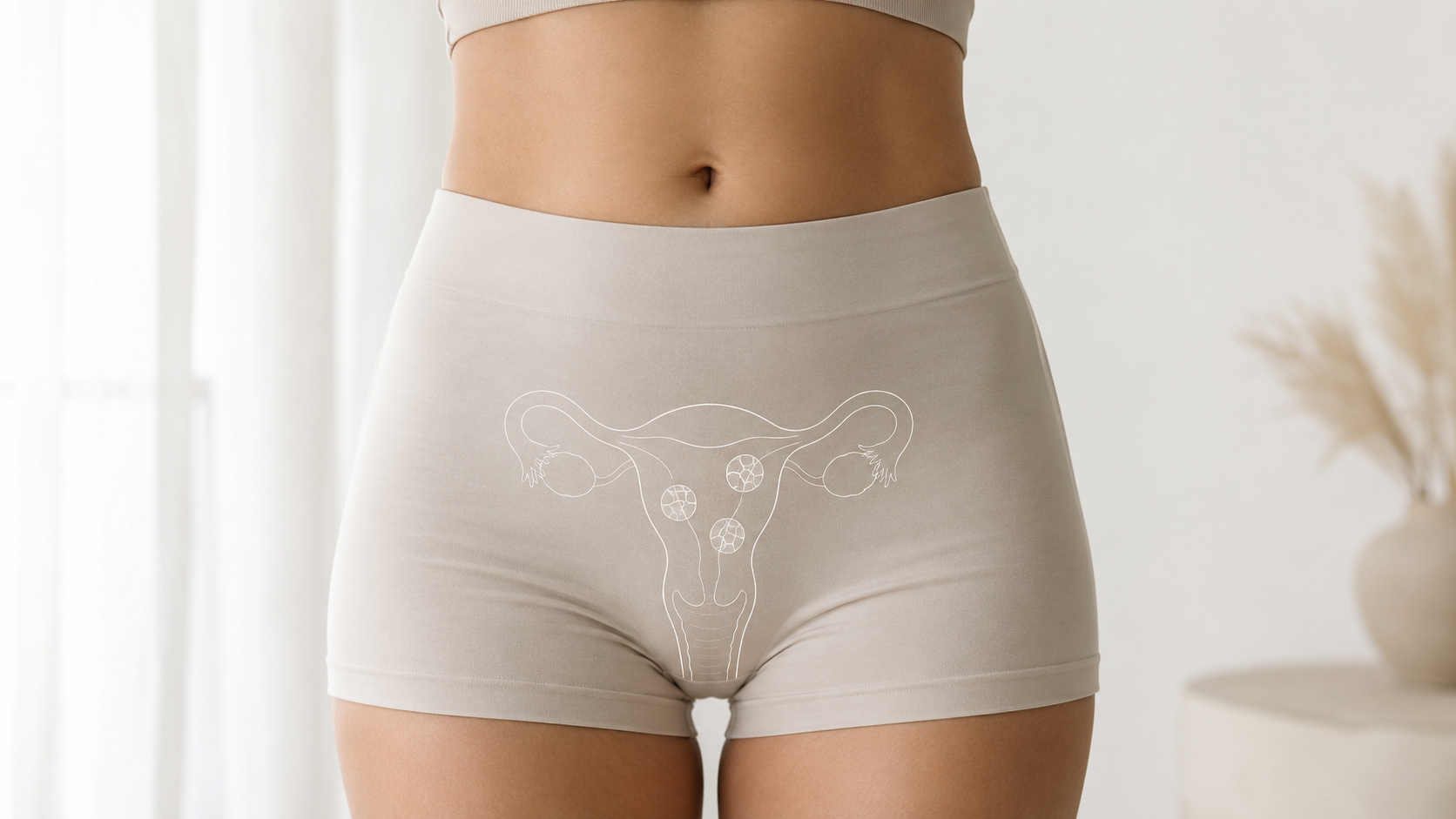
Pelvic pain is complex because the pelvis contains many structures in a small space. Pain may come from the bladder, bowel, uterus, ovaries, prostate, pelvic floor muscles, sacroiliac joints, hips, spine, nerves, blood vessels, abdominal wall, connective tissue, or hernias. These structures share overlapping nerve pathways, so the brain may feel pain in one location even when it is generated somewhere else.
At Manhattan Pain Medicine, we evaluate pelvic pain by looking at the pelvis as a dynamic crossroad. We ask whether the pain is local, referred, nerve-driven, mechanically driven, visceral, vascular, inflammatory, or part of a broader sensitization pattern. Often, more than one answer is true.
Pelvic Floor Dysfunction Is Often Secondary
Pelvic floor dysfunction is commonly described as a diagnosis, but in many patients it is a response. The pelvic floor may tighten to protect the pelvis, hips, sacroiliac joints, spine, nerves, or irritated organs. This guarding can become painful and can create symptoms that seem primary, even when the original driver is elsewhere.
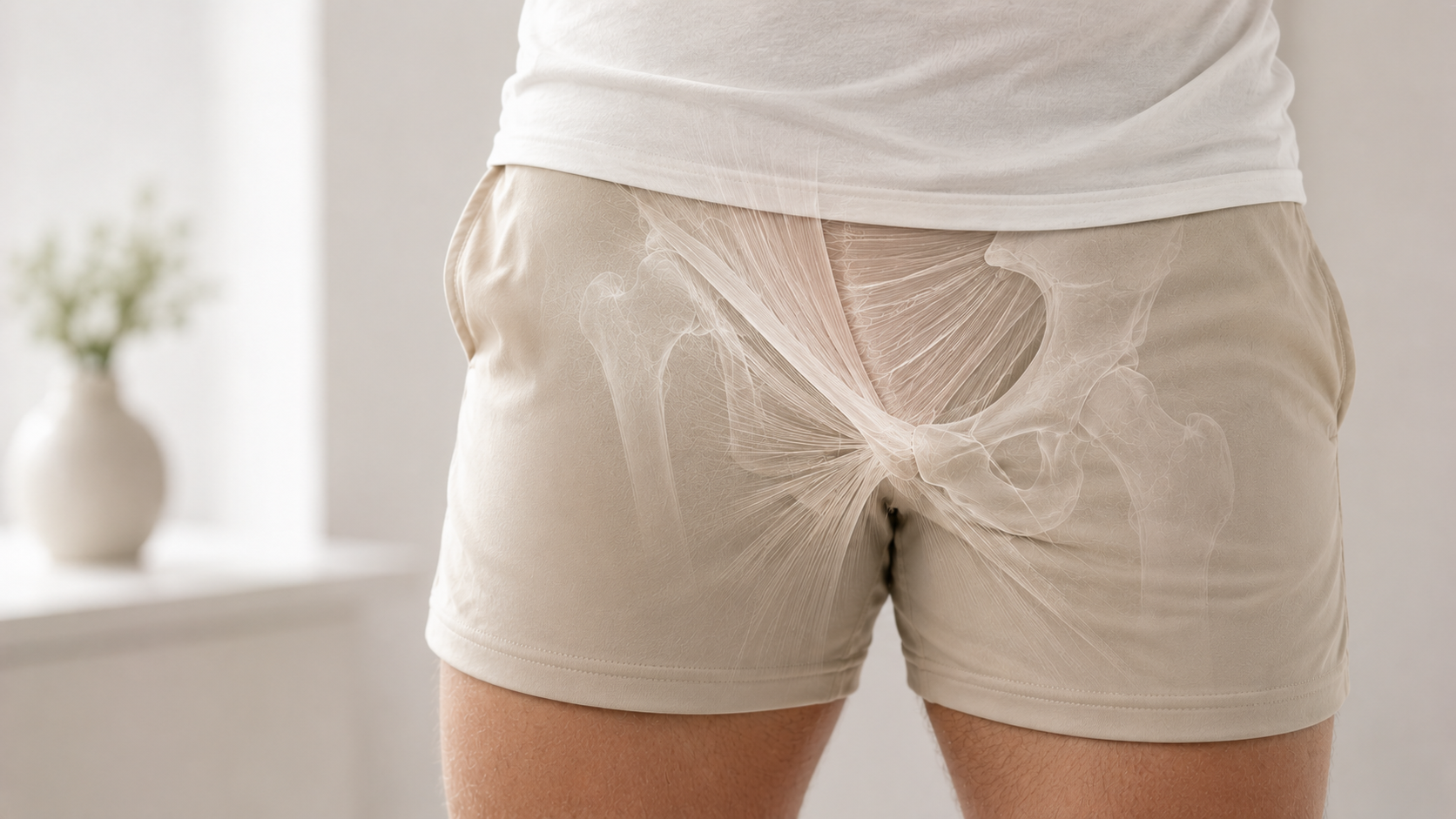
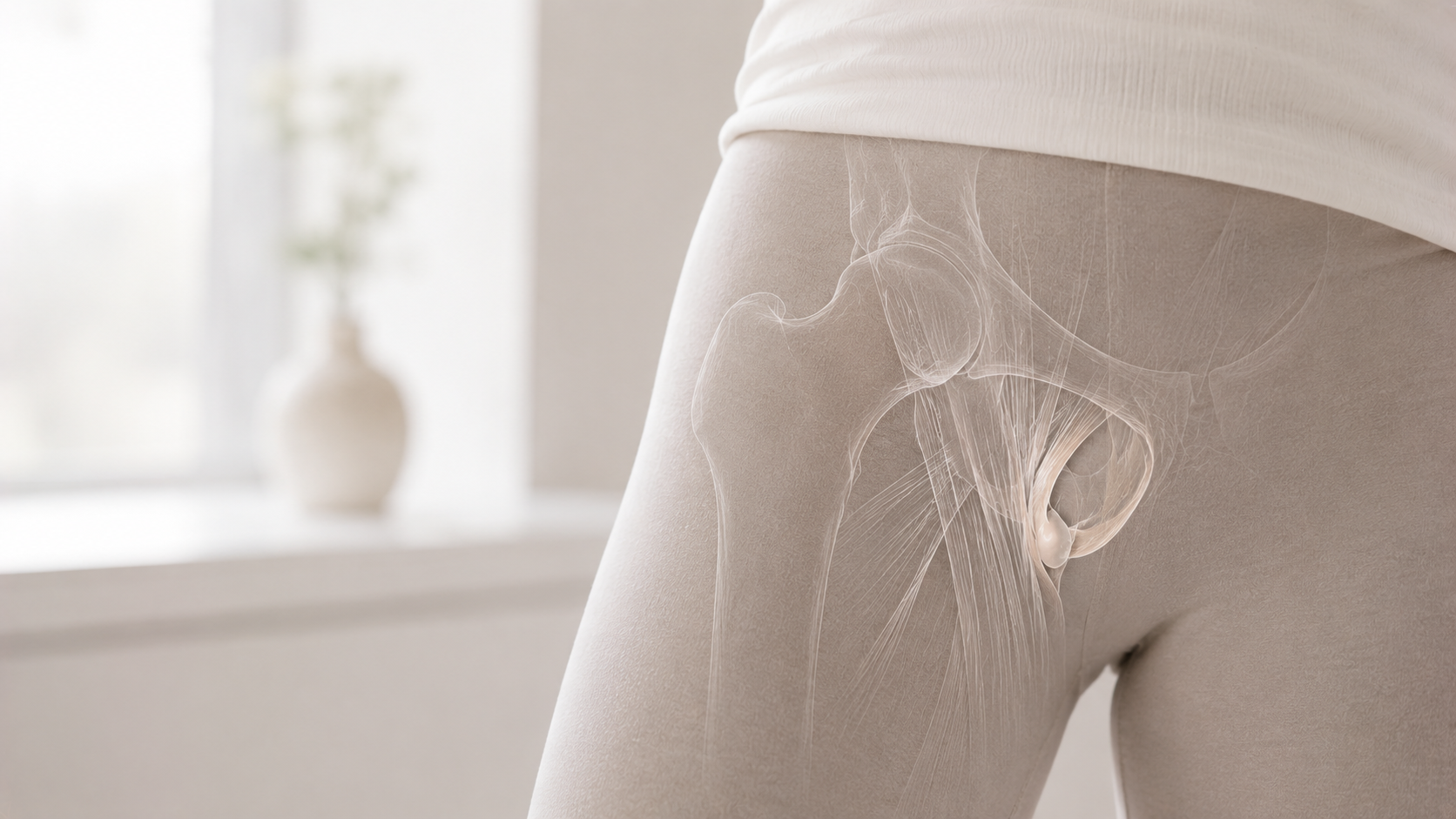
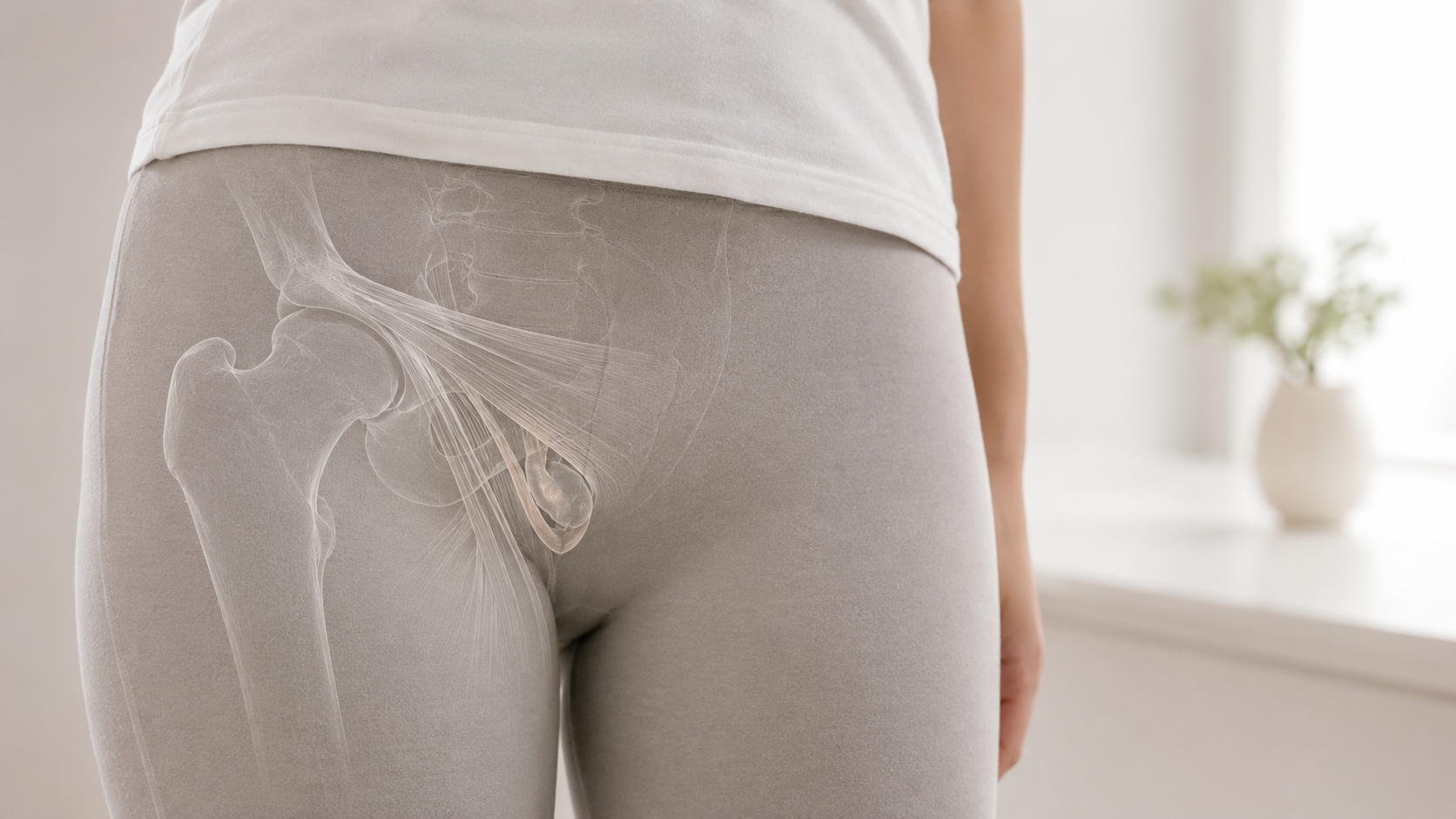
For example, unstable hips or sacroiliac joints may cause the obturator internus, piriformis, levator ani, or other deep pelvic muscles to contract as functional splints. Over time, these muscles may become enlarged, tight, painful, and crowded around nearby nerves. The pudendal nerve may become irritated, creating genital, perineal, rectal, or sitting-related pain.
The Pelvic Pain Crossroad
Pelvic pain can be driven by multiple systems at once. A patient may have endometriosis, sacroiliac instability, pelvic floor guarding, pudendal nerve irritation, constipation, dysautonomia, and medical trauma all feeding into the same pain pattern. Treating only one piece may help, but it may not be enough.
MPM’s role is often to help organize the full pattern and determine what needs to be treated directly, what needs referral coordination, and what needs to be calmed before the next step can work.
Common Clinical Patterns
Pudendal Neuralgia
Pudendal neuralgia may cause burning, stabbing, electric, pins-and-needles, or numb sensations involving the vulva, clitoris, penis, scrotum, perineum, or rectum. Sitting intolerance is common. Some patients feel better standing or walking because sitting increases pressure or tension through the nerve pathway.
Endometriosis and Visceral Sensitization
Endometriosis, adenomyosis, interstitial cystitis, painful bladder syndrome, bowel inflammation, and other visceral conditions can place the nervous system in a high-alert state. Over time, the body may become more sensitive to pelvic signals, leading to pain with intercourse, clothing sensitivity, bladder urgency, bowel flares, pelvic floor guarding, and cross-organ symptoms.
Bladder Pressure and Phantom UTI Symptoms
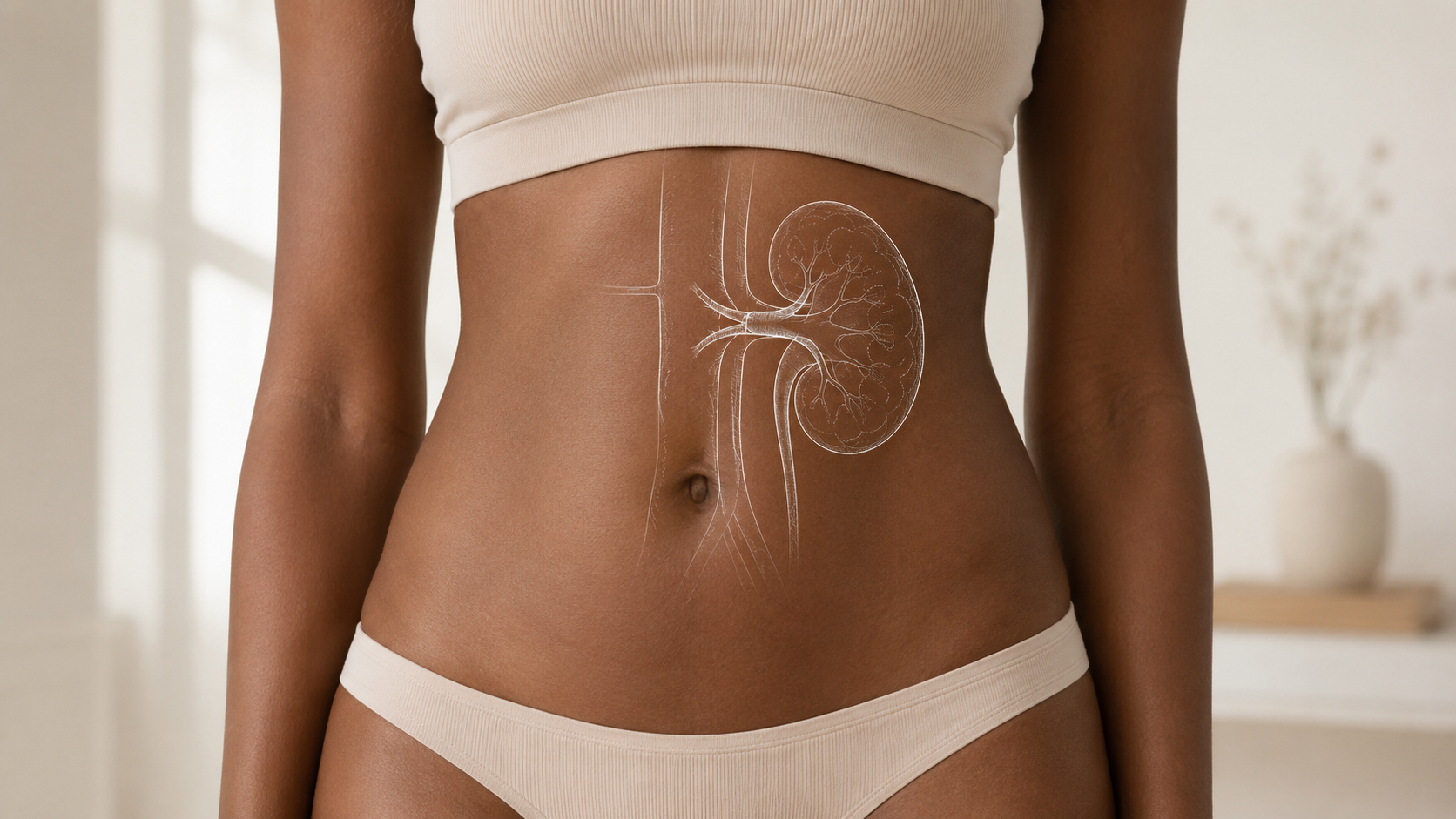
Some patients feel constant bladder pressure, burning, urgency, or frequency despite normal urine testing. These symptoms may be related to bladder pain syndrome, pelvic floor guarding, sympathetic nervous system sensitization, pudendal nerve irritation, occult hernia, or referred pain from nearby structures.
Hip, Sacroiliac, and Pelvic Ring Instability
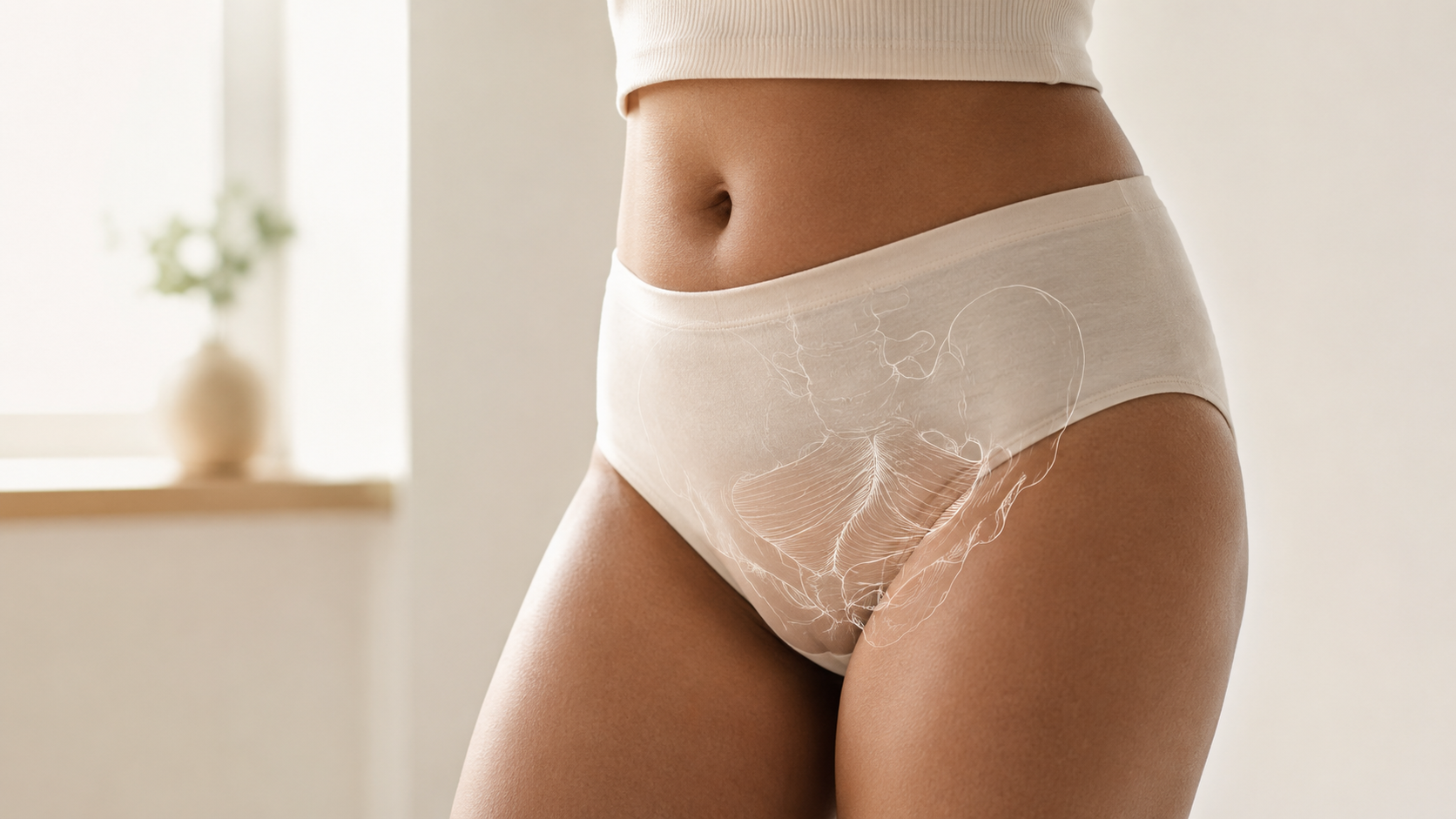
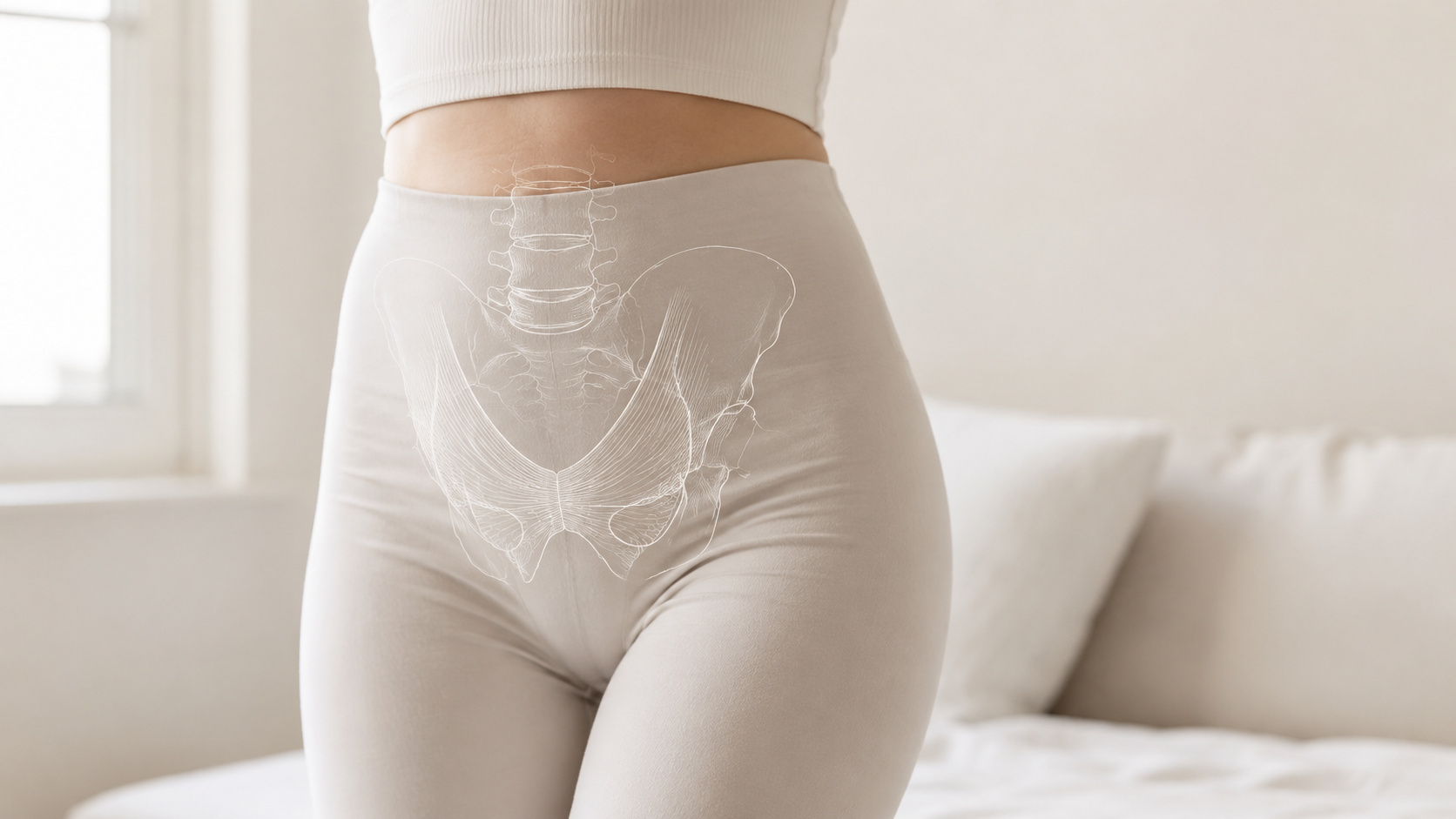
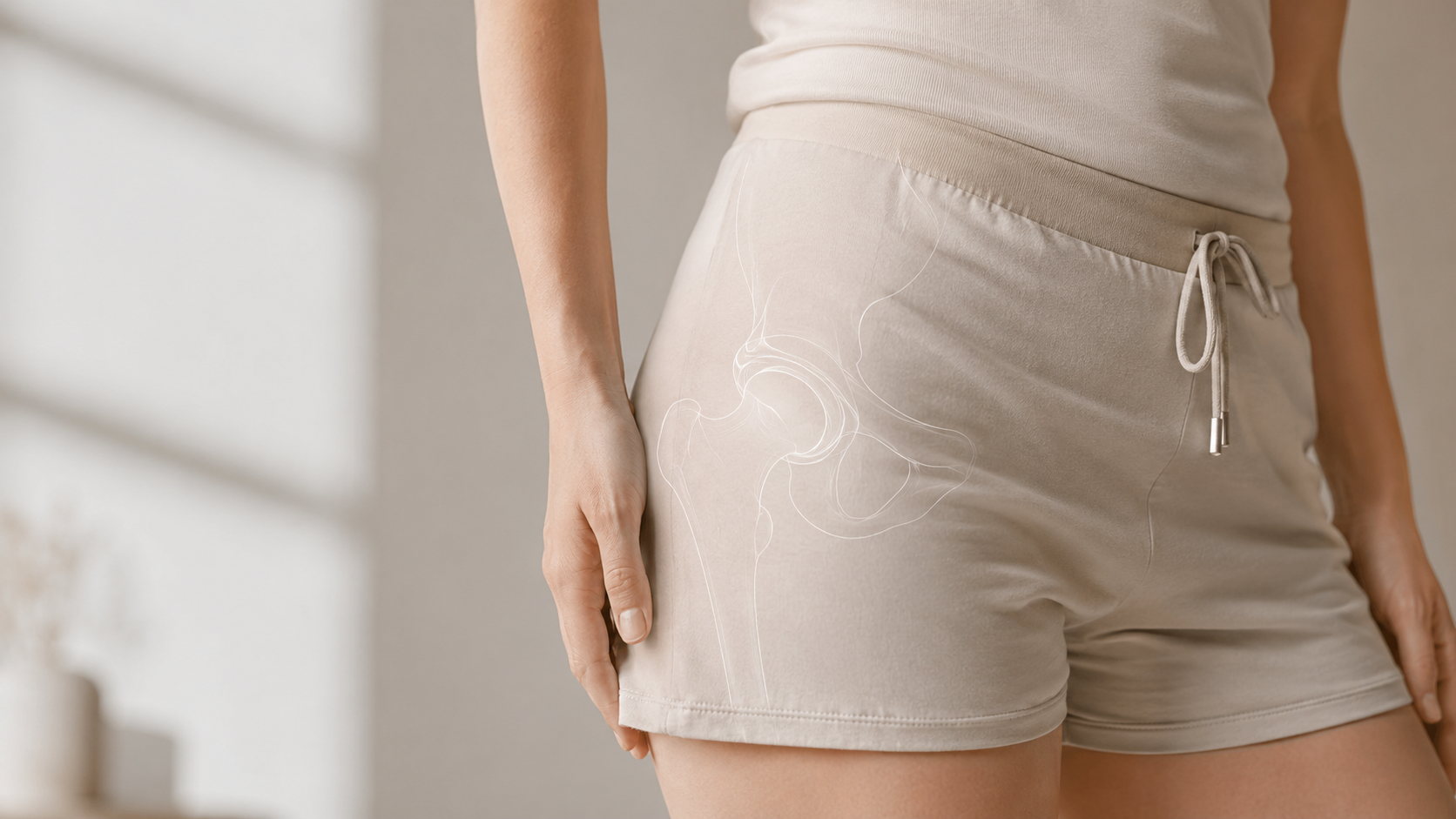
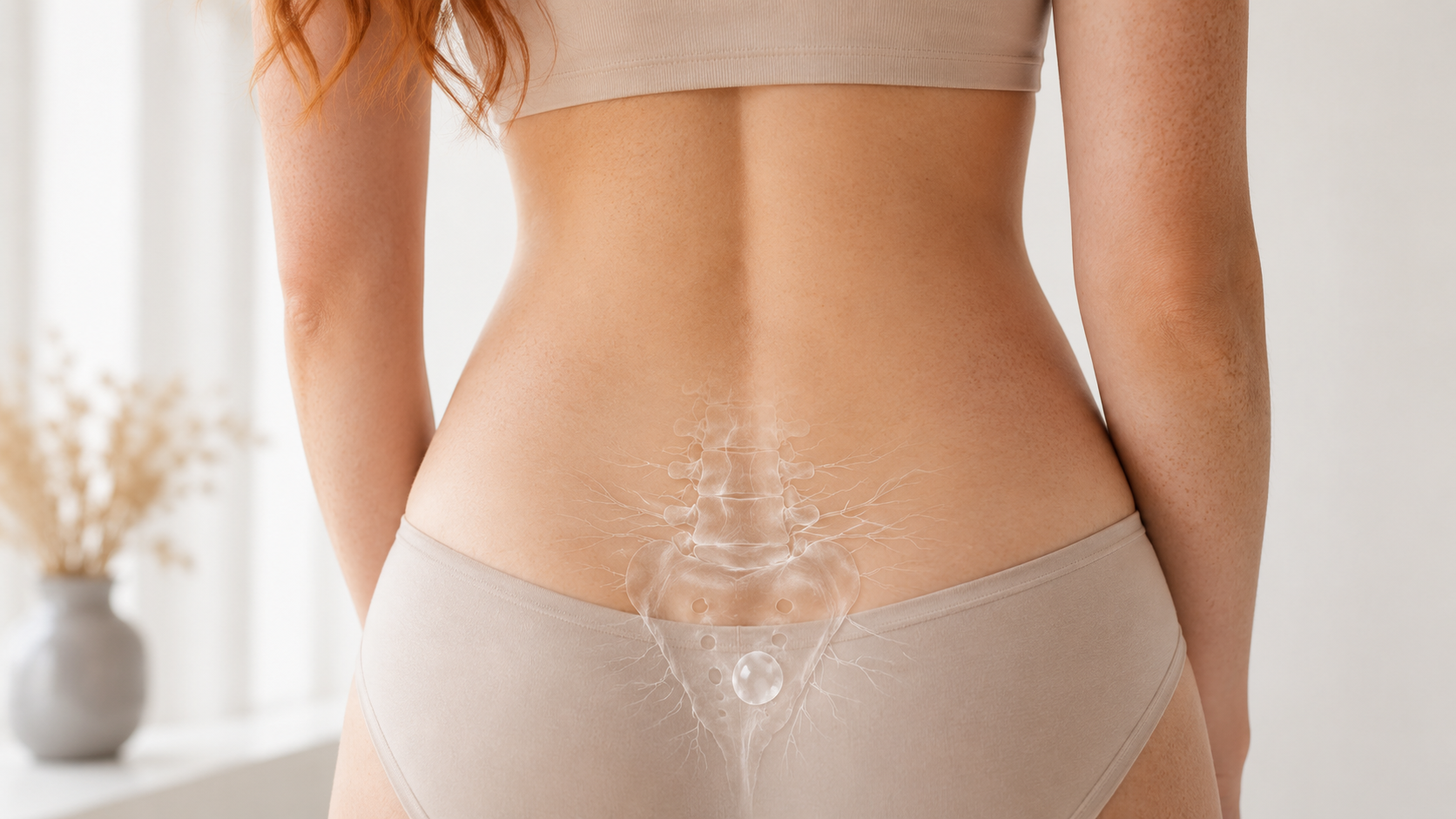
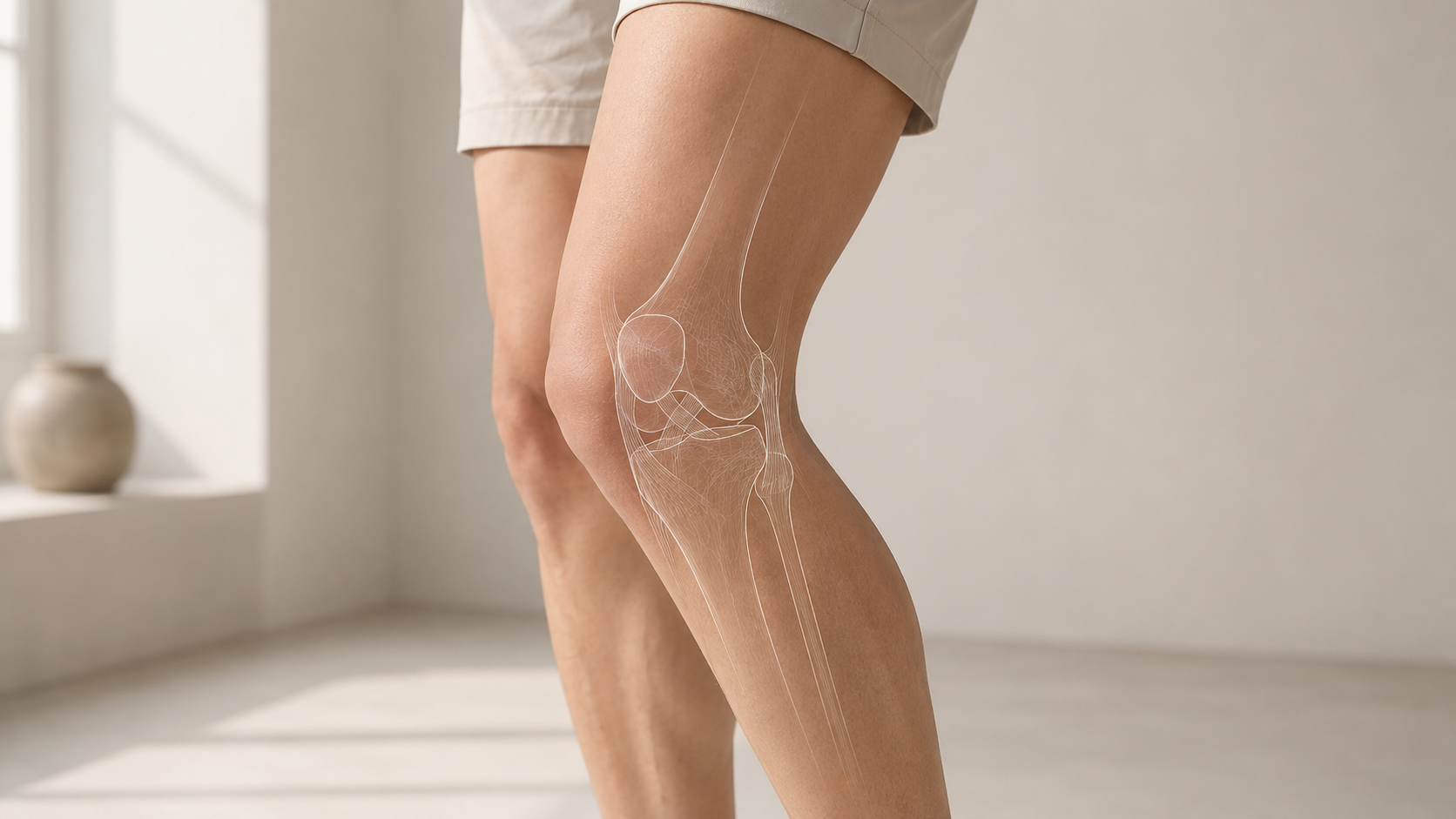
The pelvis depends on the hips, sacroiliac joints, pubic symphysis, ligaments, and deep stabilizing muscles. When these structures are unstable, the pelvic floor may tighten to protect the region. This can create pain in the pelvis, low back, groin, rectum, vagina, perineum, hip, or tailbone.
Spinal Drivers and Double Crush Patterns
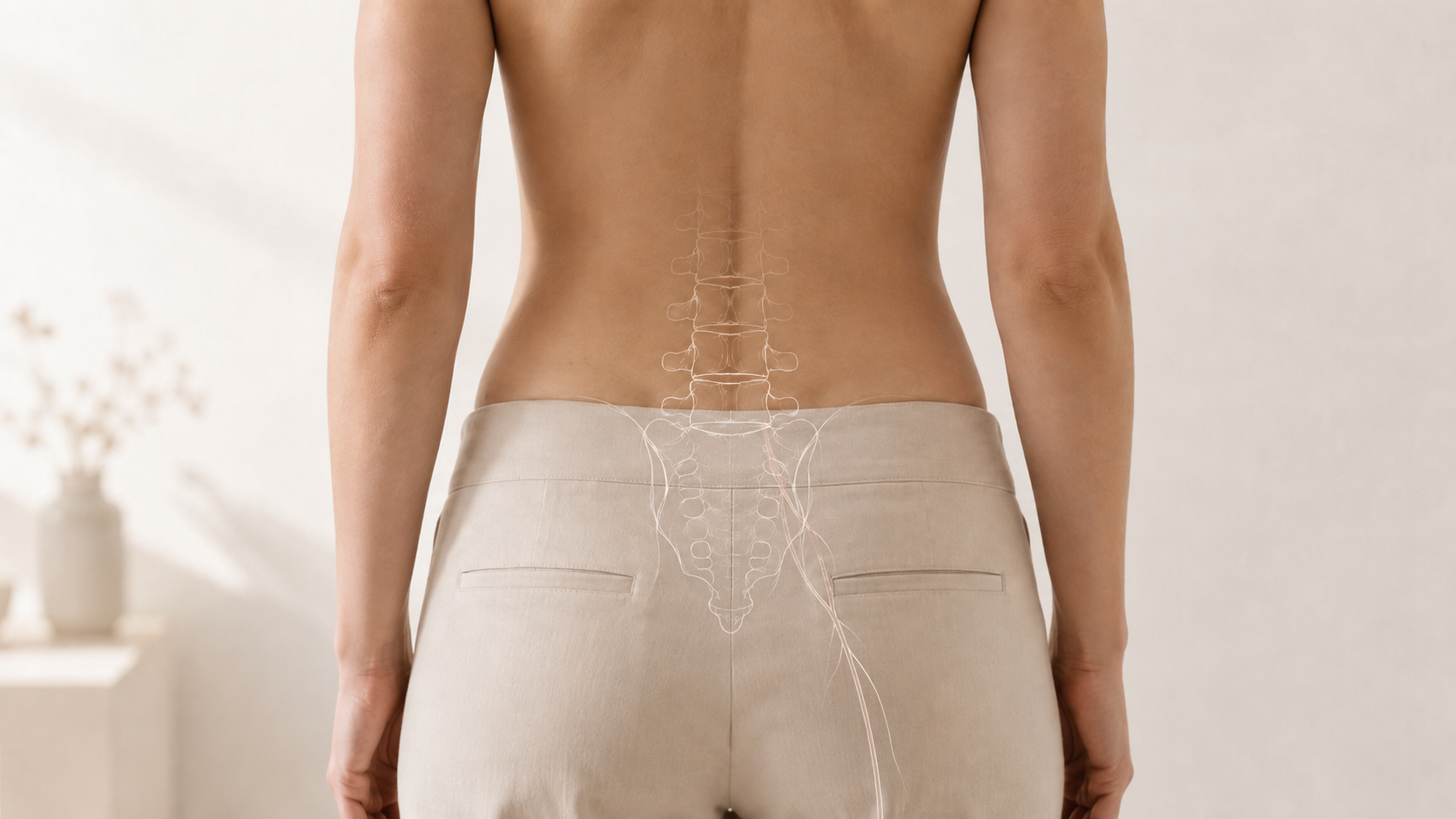
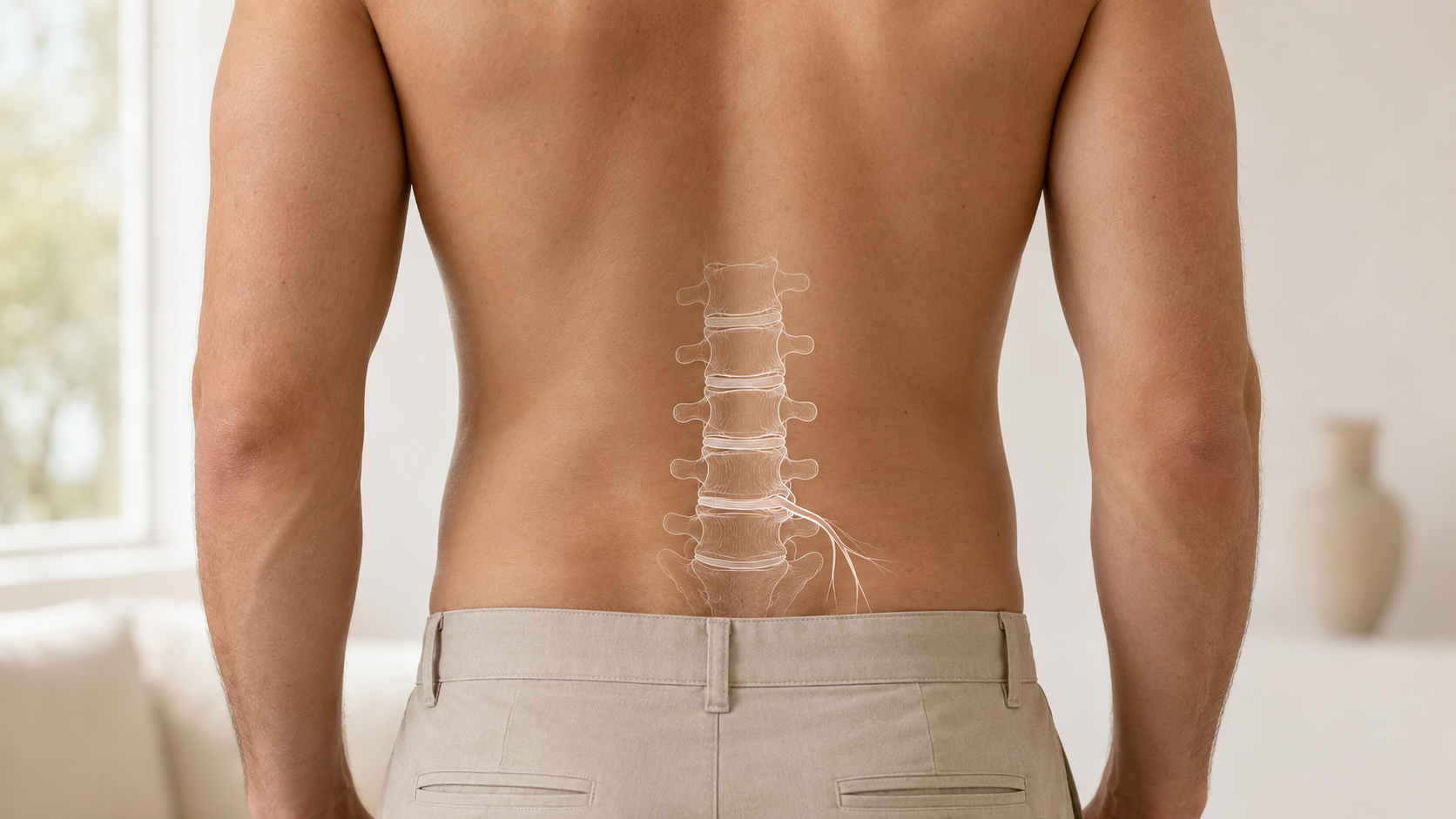
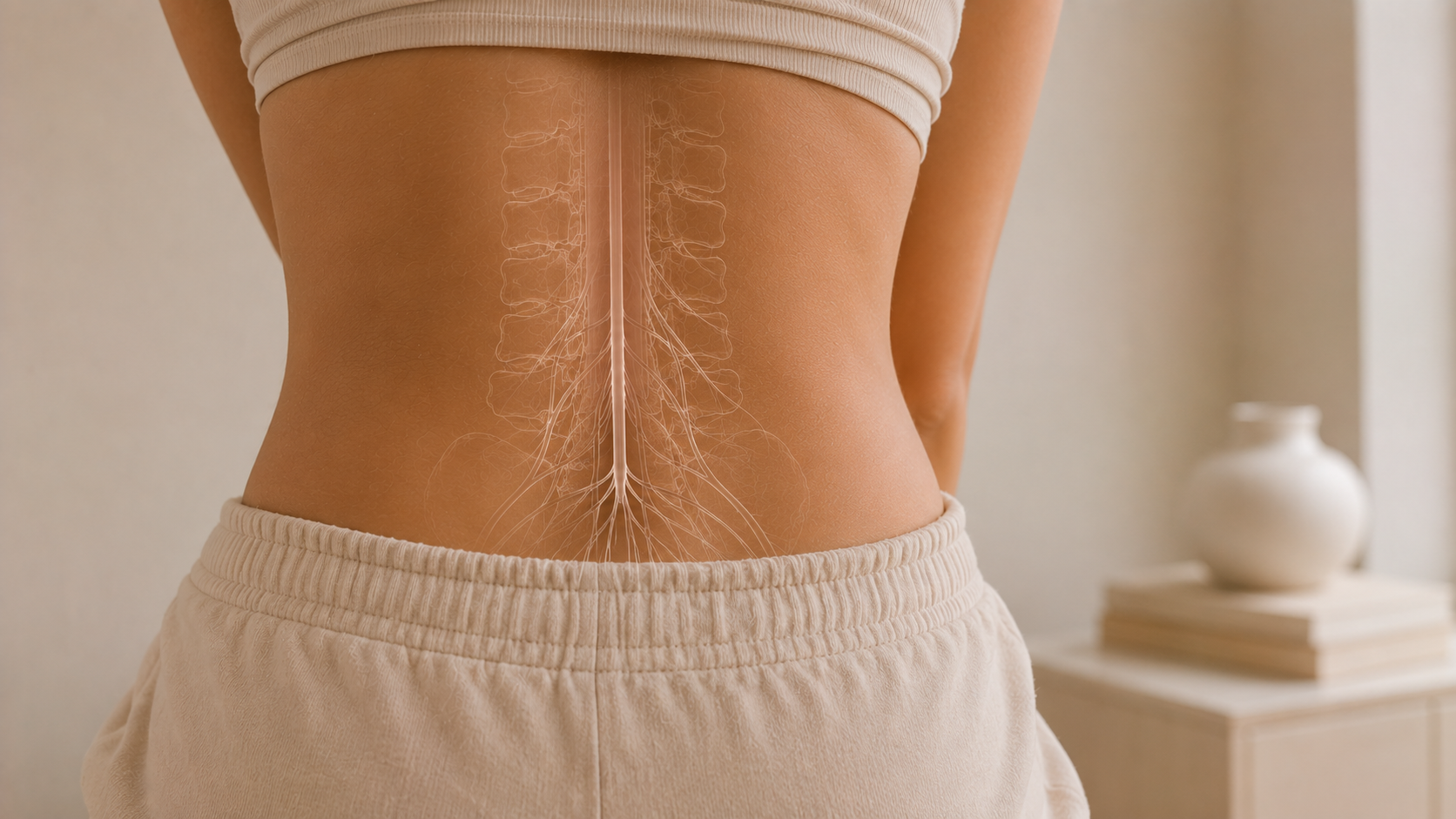
Pelvic nerves are influenced by the lower spine and sacral nerve roots. A disc herniation, inflammatory irritation, scar tissue, or tethered nerve root may contribute to pelvic pain. A nerve may also be irritated in two locations, such as near the spine and again within the pelvis. This double crush pattern can make symptoms more severe and more difficult to interpret.
Vascular Congestion, Hernias, and Variant Anatomy
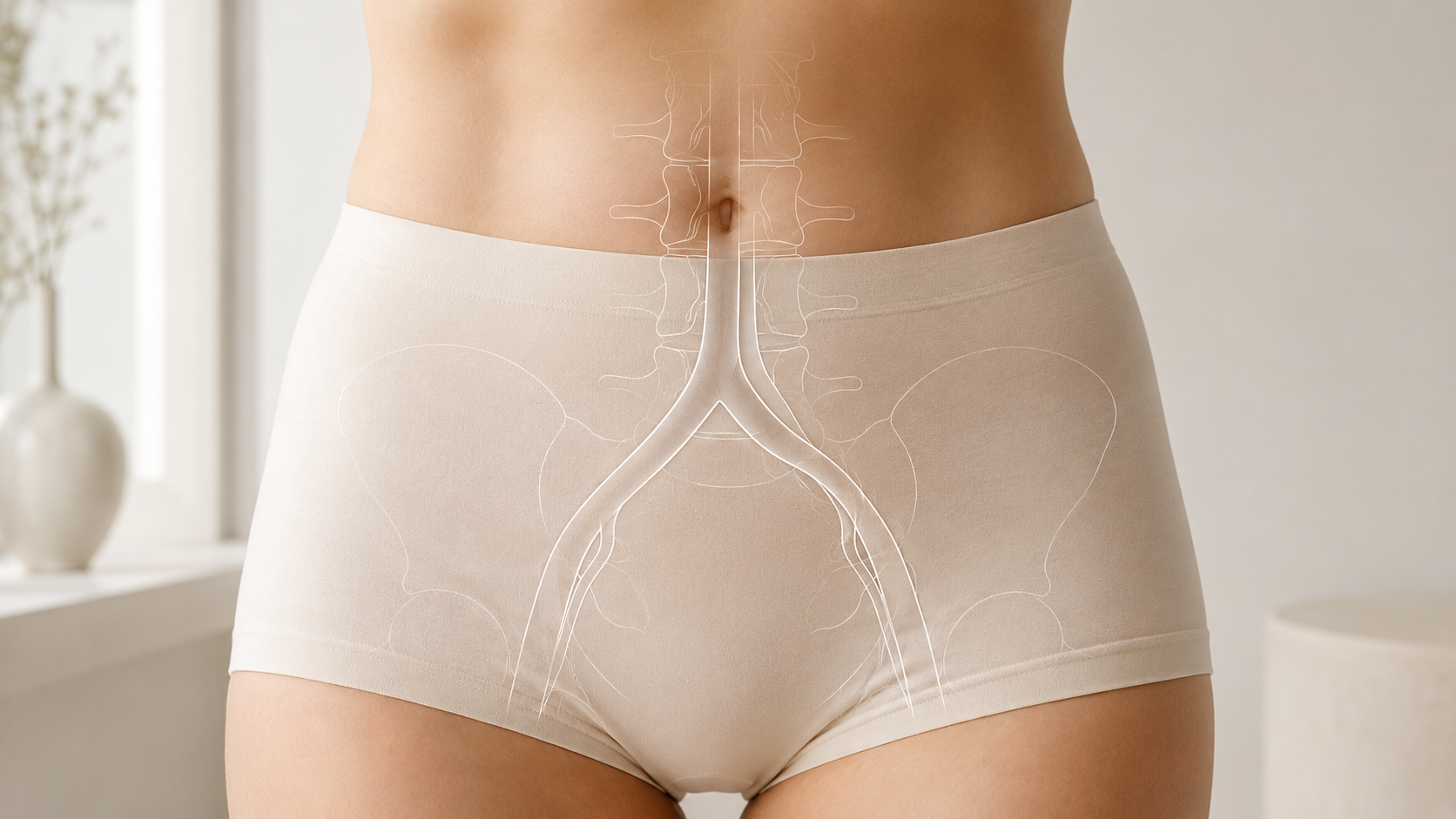
Pelvic pain may also come from vascular congestion, occult hernias, abdominal wall defects, or variant anatomy such as Bertolotti syndrome. These conditions can mimic pudendal neuralgia, bladder pain, hip pain, low back pain, or genital pain. When suspected, the team helps coordinate appropriate imaging, referrals, or procedural evaluation.
Discovery
Discovery begins by separating the symptoms. We ask where the pain is felt, what it feels like, what triggers it, what relieves it, whether sitting changes it, whether bowel or bladder function is involved, whether intercourse is painful, and whether symptoms change with the menstrual cycle, posture, hip motion, spine motion, or activity.
We also look for referred pain. A structure may generate pain in one area while the patient feels it somewhere else. This is common in the pelvis because the organs, nerves, muscles, joints, and connective tissues share overlapping pathways.
Diagnostic blocks may help isolate variables. A pudendal nerve block may clarify whether pudendal neuralgia is a major contributor. Superior hypogastric plexus or ganglion impar blocks may help evaluate visceral or sympathetic pain. Hip, sacroiliac, spine, or pelvic ligament injections may help determine whether mechanical instability is driving pelvic floor guarding.
When hypermobility or instability is suspected, diagnostic fluid distension or targeted joint testing may help determine whether stabilizing a joint reduces pelvic floor guarding or referred nerve pain. Imaging may be reviewed carefully, and dynamic or specialty imaging may be considered when standard studies do not explain the symptoms.
Treatment
Treatment depends on the driver and the sequence. Pelvic pain treatment often works best when the nervous system is calmed, bowel and bladder contributors are addressed, mechanical instability is treated when present, and the pelvic floor is retrained after the upstream drivers are better controlled.
- Sensitization control: Superior hypogastric plexus blocks, ganglion impar blocks, medication strategies, and pain psychology may help calm visceral alarm signals and reduce nervous system amplification.
- Local pelvic floor support: Compounded vaginal or rectal suppositories may be considered in selected patients to help relax pelvic floor spasm and soothe local nerve irritation.
- Bowel optimization: Constipation can increase internal pelvic pressure and worsen nerve, hernia, bladder, and pelvic floor symptoms. Bowel function is often addressed as part of the treatment plan.
- Structural repair: When sacroiliac, hip, pubic symphysis, or pelvic ligament instability is driving guarding, regenerative medicine such as dextrose prolotherapy or platelet-rich plasma may be considered in selected cases.
- Nerve and muscle interventions: Pudendal nerve blocks, Botox or Xeomin for selected pelvic floor or obturator internus spasm patterns, and targeted injections may help reduce nerve irritation and muscle-driven compression.
- Spine-directed care: If pelvic pain is driven by sacral nerve root irritation, disc inflammation, or scar tissue, epidural procedures or lysis of adhesions may be considered when appropriate.
- Pelvic floor physical therapy: Once the key drivers are better understood, pelvic floor physical therapy can help retrain muscles, reduce guarding, restore coordination, and improve tolerance for sitting, movement, bowel function, and sexual activity.
- Pain psychology: Chronic pelvic pain can affect identity, intimacy, safety, trust, and medical decision-making. Pain psychology can support nervous system regulation, medical trauma processing, and flare planning.
Why Treatment Order Matters
Pelvic pain often persists when treatment focuses only on the most obvious symptom. Pelvic floor therapy may flare if the sacroiliac joint remains unstable. Pudendal nerve treatment may be incomplete if the nerve is also irritated at the spine. Bladder treatment may fail if the driver is pelvic floor guarding, hernia, or sympathetic sensitization. Surgery may not solve pain if the nervous system has become sensitized.
MPM works to identify what should be calmed first, what should be repaired, what should be referred, and what should be retrained. This order of care helps the pelvis move from alarm and guarding toward better function.
Maintenance
Maintenance begins when the patient has a clearer map of the pelvic pain pattern and the major drivers are more stable. The goal is to help the patient recognize familiar flares, understand what system is likely involved, and know which tools to use before symptoms escalate.
Patients may continue pelvic floor physical therapy, bowel support, strengthening, pacing, medication strategies, periodic procedures, or coordinated care with gynecology, urology, gastroenterology, vascular specialists, or hernia specialists when needed.
Pelvic pain can feel overwhelming because so many systems may be involved. With a structured diagnostic process, the pain pattern can become more understandable, and the treatment path can become more precise.