Disc Herniation
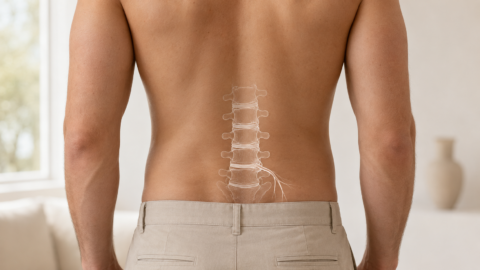
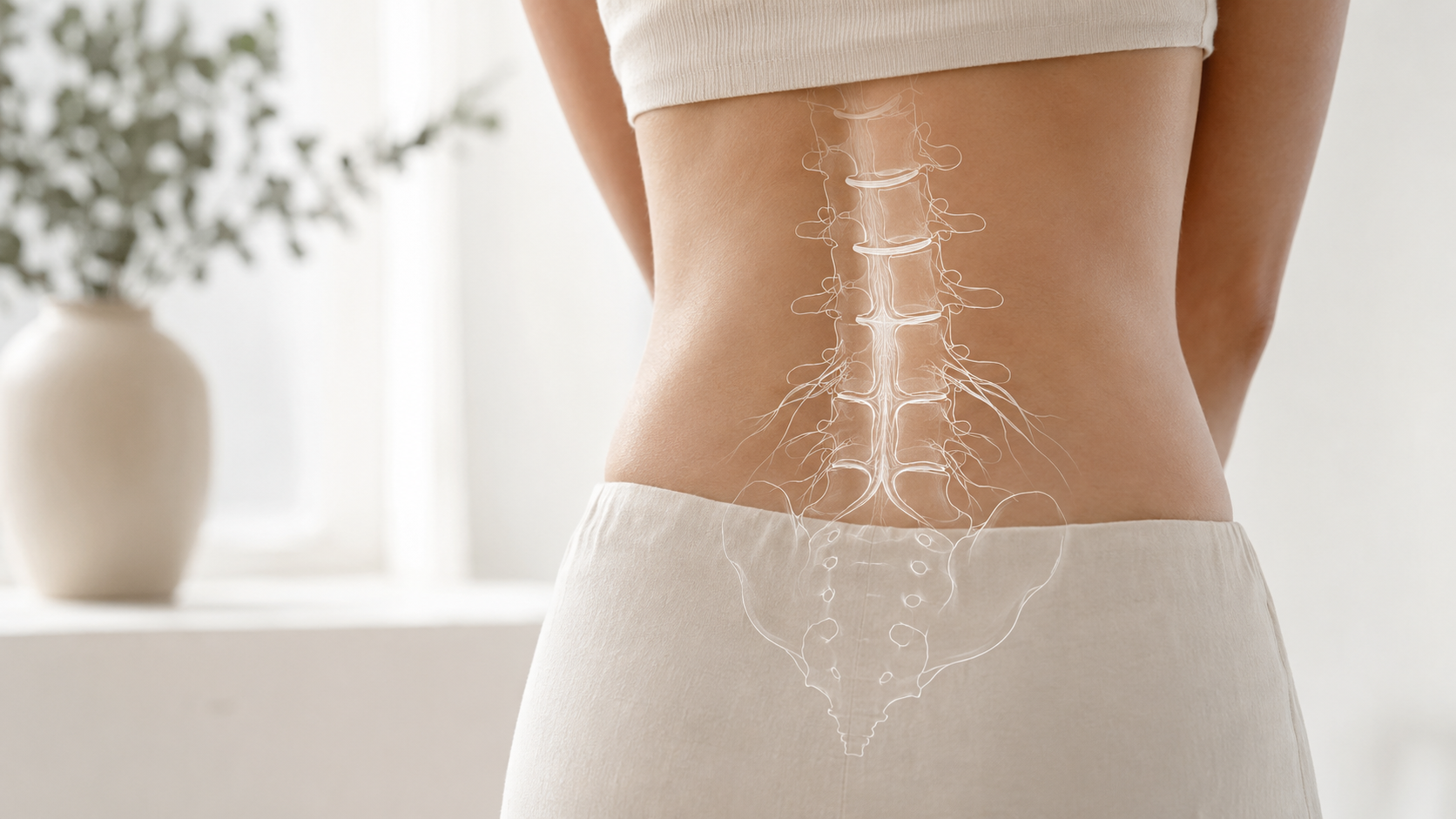
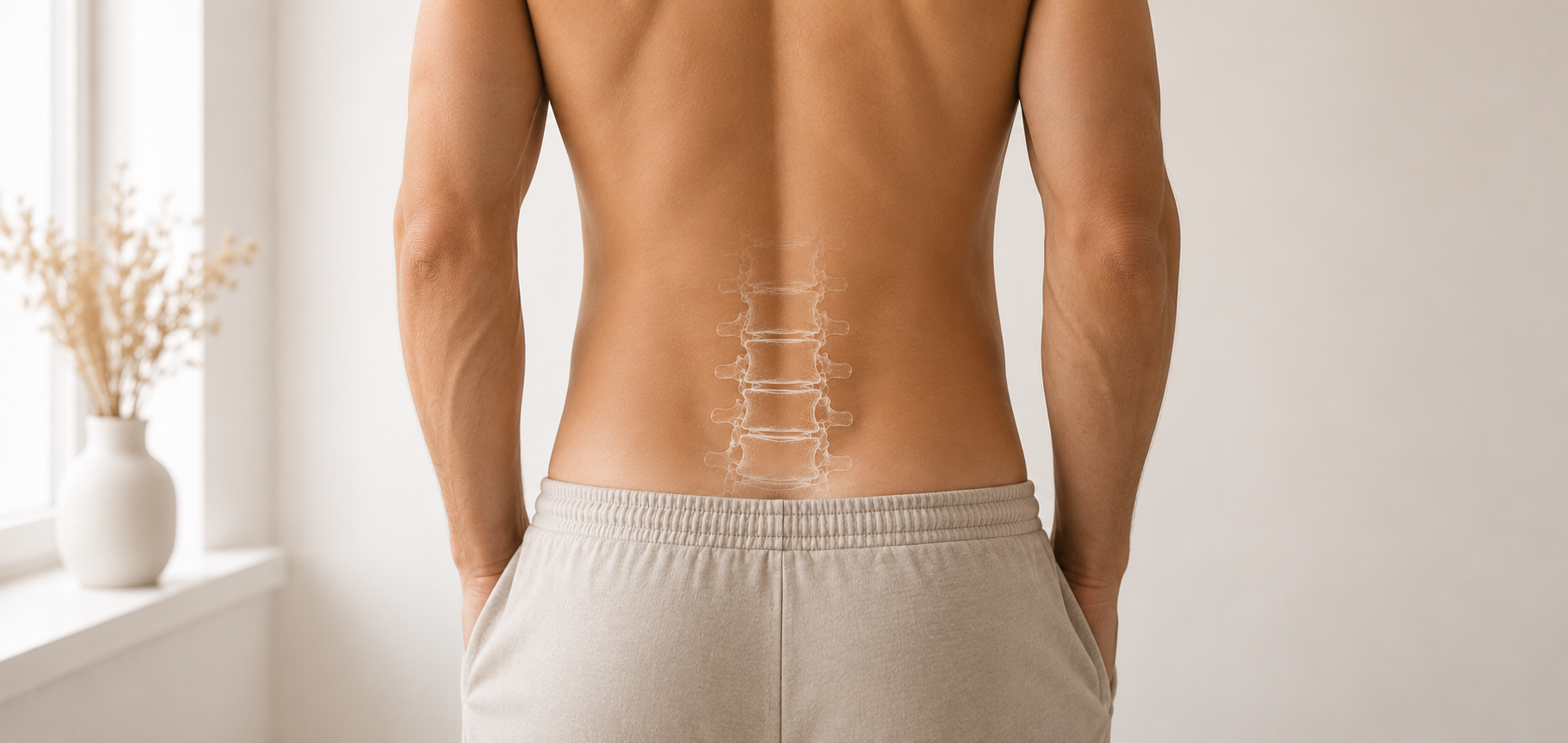
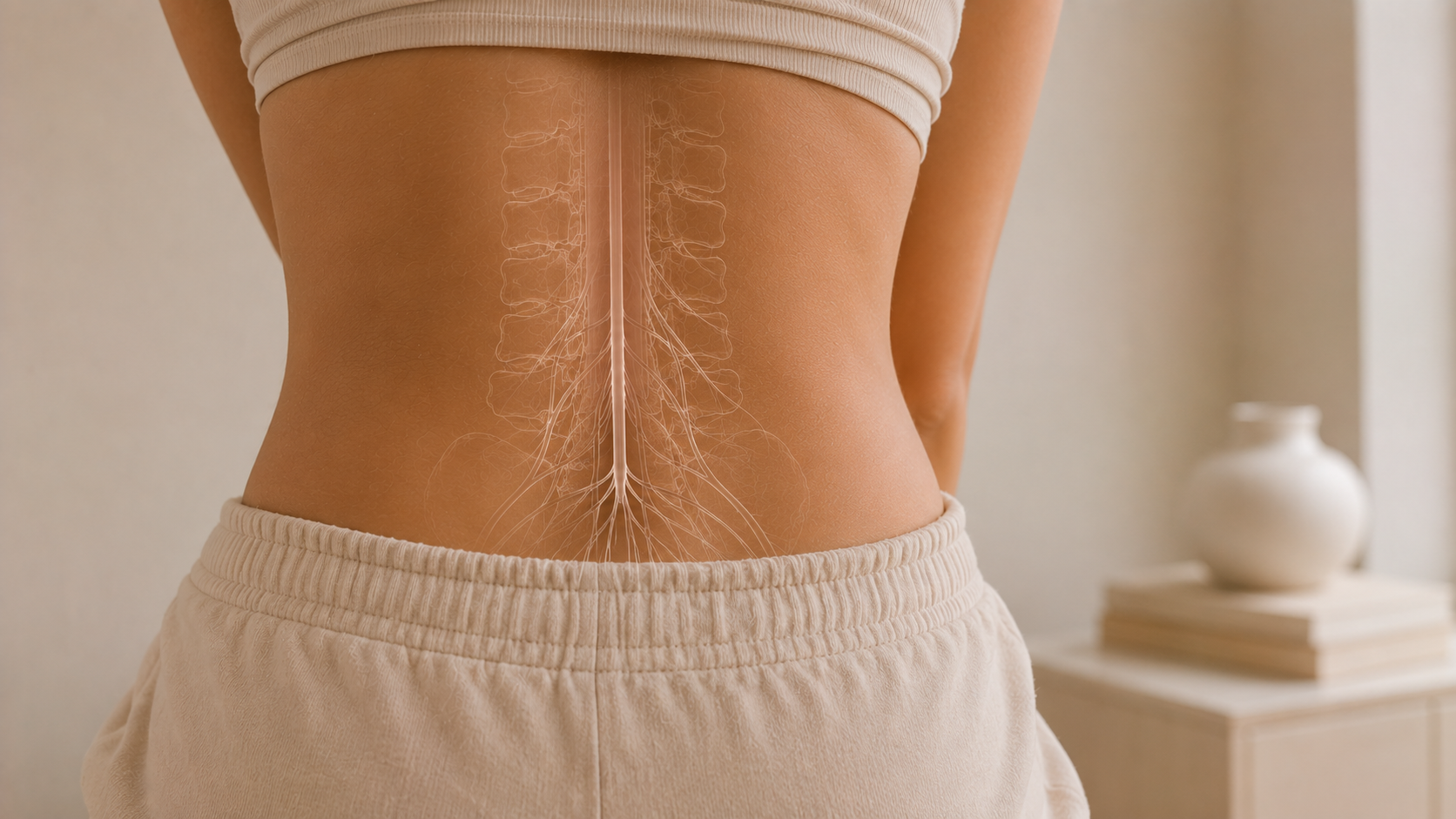
A disc herniation occurs when the inner portion of a spinal disc pushes outward through the outer disc layer. Spinal discs sit between the vertebrae and help absorb load, support movement, and create spacing between the bones of the spine. When disc material herniates, it may irritate nearby nerve roots and cause radiating pain.
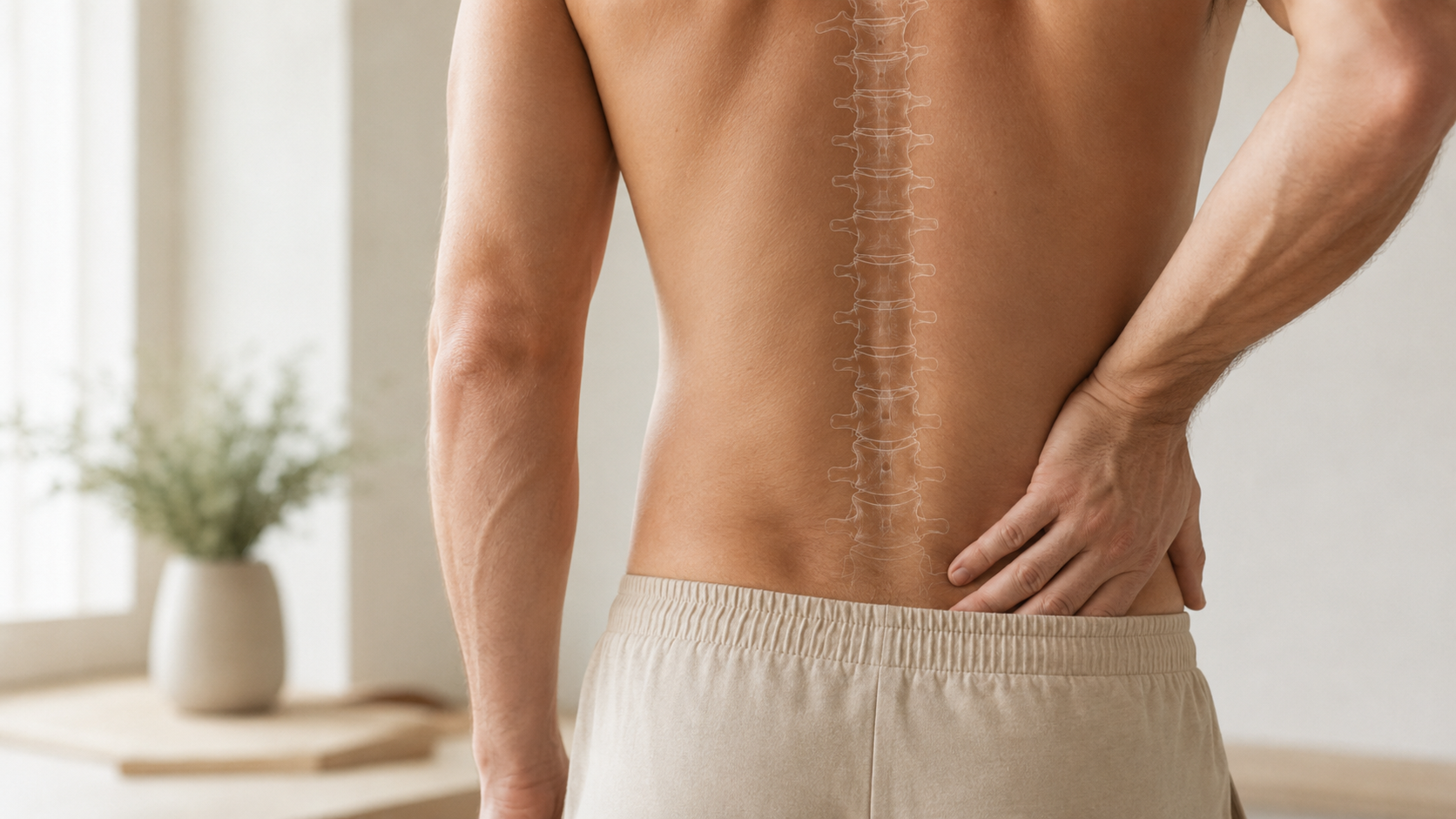
Disc herniations most often affect the lumbar spine in the lower back or the cervical spine in the neck. A lumbar disc herniation may cause lower back pain, buttock pain, sciatica, leg pain, foot pain, numbness, tingling, burning, or weakness. A cervical disc herniation may cause neck pain, shoulder pain, arm pain, hand symptoms, numbness, tingling, or weakness.
Not every disc herniation is painful. Some disc herniations are found on MRI in patients whose symptoms come from another source. This is why MPM evaluates disc herniations through a diagnosis-first model rather than treating the MRI report alone.
Herniated Disc vs Bulging Disc vs Degenerative Disc Disease
A herniated disc usually refers to disc material pushing outward through a weakened or torn area of the outer disc. A bulging disc usually refers to a broader outward extension of the disc. Degenerative disc disease refers to age-related or wear-related changes in the disc, including disc height loss, dehydration, or structural change.
These terms can sound alarming, but they are not always the same as a pain diagnosis. A bulging disc, herniated disc, or degenerative disc finding may be clinically important when it matches the patient’s symptoms and exam. It may be less important when the finding does not match the pain pattern.
Common Symptoms of a Herniated Disc
Symptoms depend on the location of the herniation and whether a nerve root is irritated or compressed. Some patients have localized neck or back pain. Others have radiating pain into the arm or leg.
Lumbar disc herniations may cause sciatica, buttock pain, leg pain, foot pain, numbness, tingling, burning, pins and needles, or weakness. Cervical disc herniations may cause neck pain, shoulder pain, arm pain, hand symptoms, numbness, tingling, grip changes, or weakness.
Pain may worsen with sitting, bending, lifting, coughing, sneezing, twisting, or certain positions. Some patients feel better when standing or lying down. Others have symptoms that change throughout the day.
Disc Herniation and Sciatica
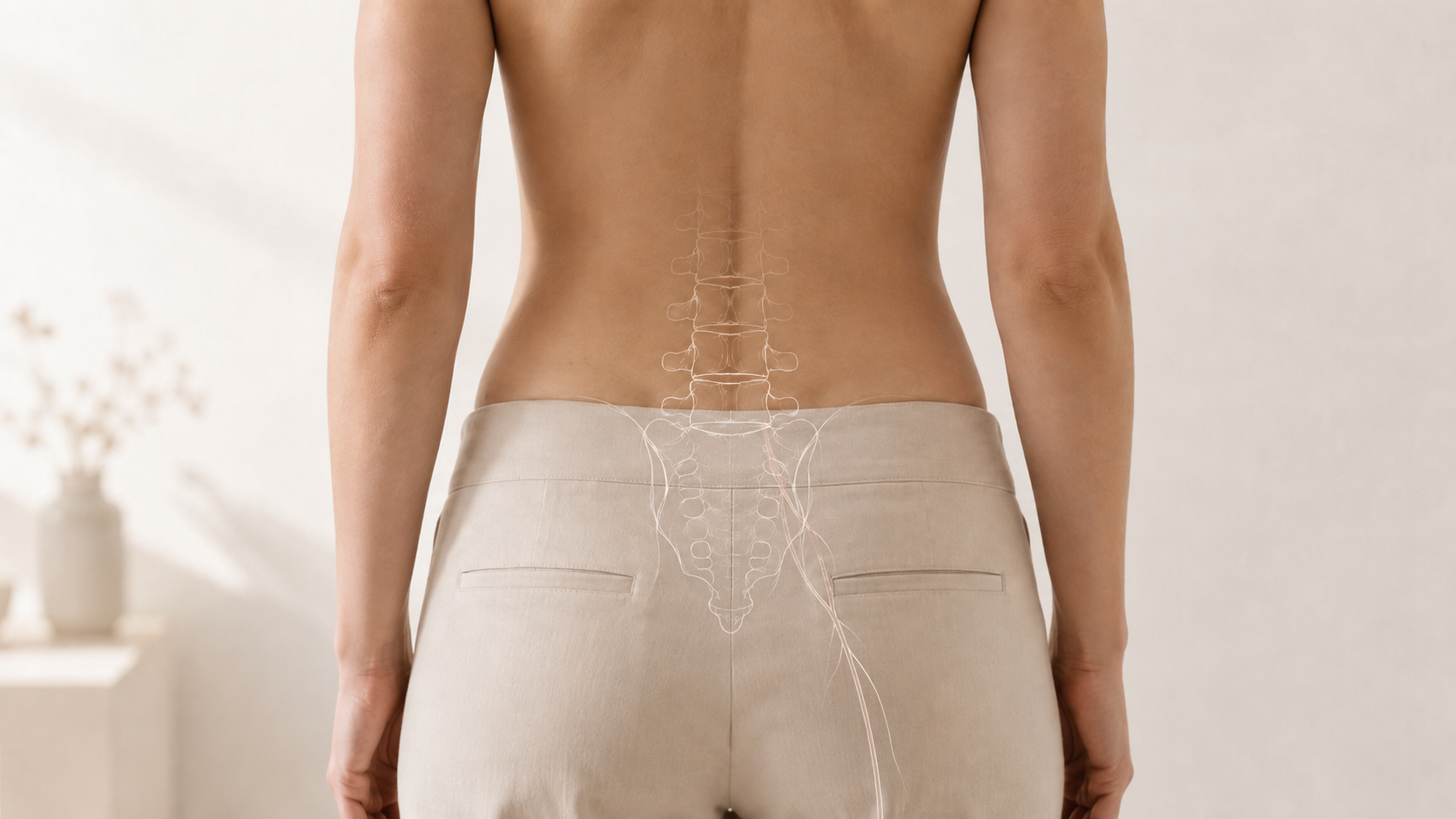
Sciatica is a symptom pattern, not a diagnosis by itself. It usually refers to pain that travels from the lower back or buttock down the leg. A lumbar disc herniation is one common cause of sciatica, especially when disc material irritates a nerve root.
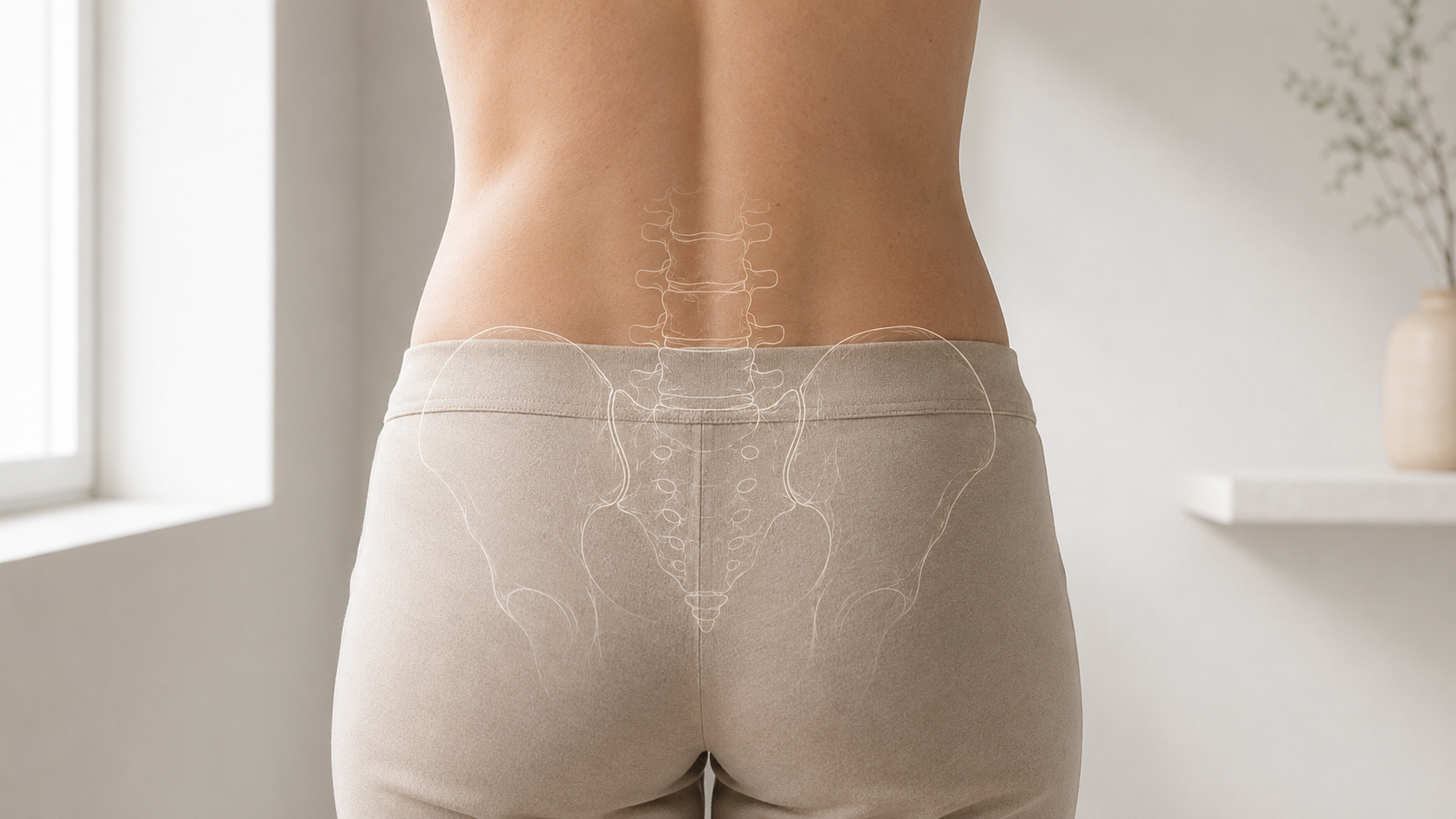
Sciatica-like pain can also come from spinal stenosis, spondylolisthesis, sacroiliac joint dysfunction, piriformis-region irritation, hip pathology, peripheral nerve entrapment, pelvic nerve irritation, inflammatory spine disease, or chronic pain sensitization.
This distinction matters because the best treatment depends on the actual pain generator.
Lumbar Disc Herniation and Leg Pain
A lumbar disc herniation may affect nerve roots that travel into the buttock, thigh, calf, foot, or toes. Symptoms may follow a nerve distribution and may include sharp pain, burning pain, electric pain, numbness, tingling, or weakness.
A careful neurologic exam helps determine whether the symptoms match the disc level seen on MRI. MPM evaluates strength, sensation, reflexes, pain location, movement triggers, and imaging findings to determine whether the disc herniation is likely responsible.
Cervical Disc Herniation and Arm Pain
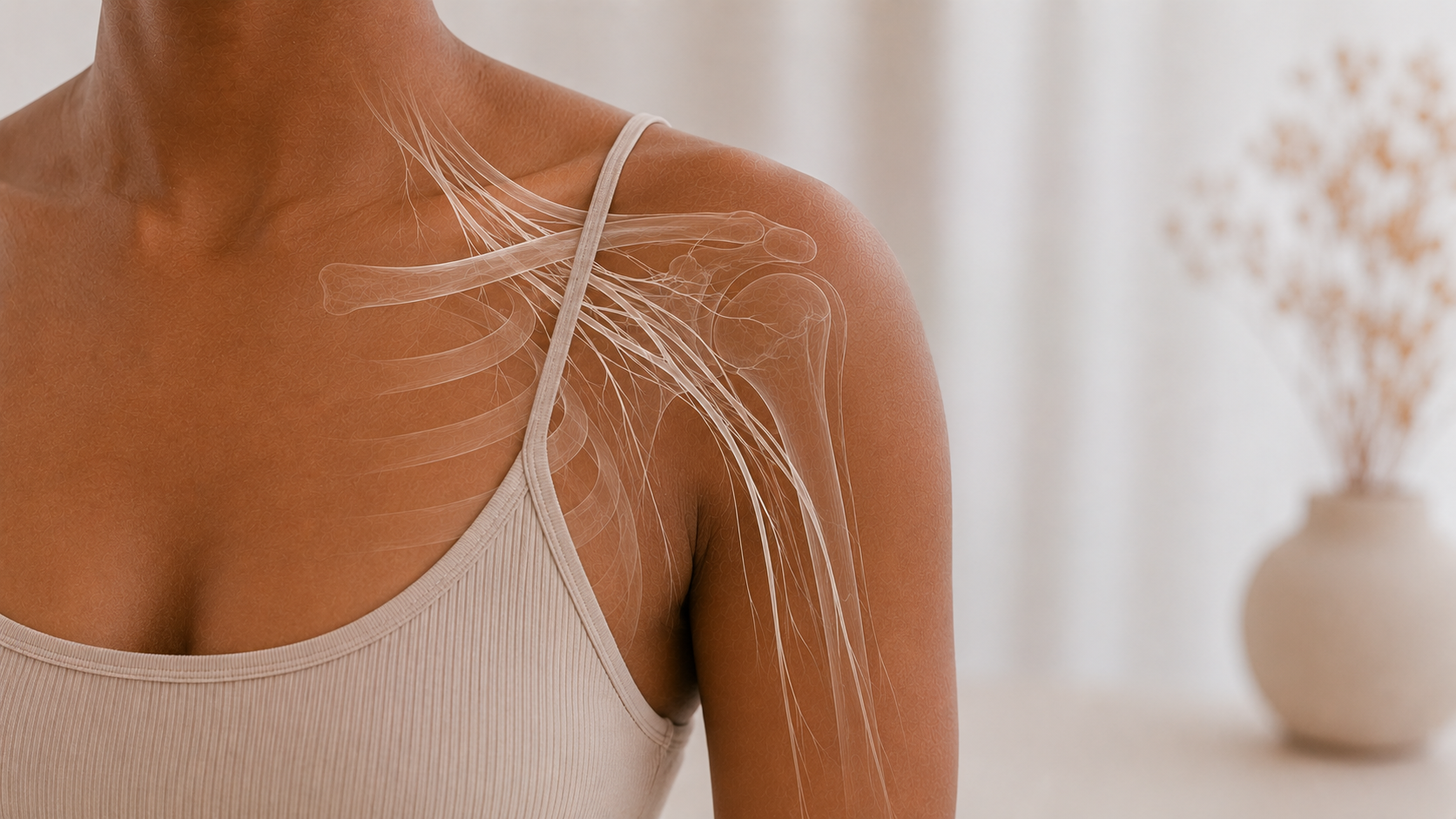
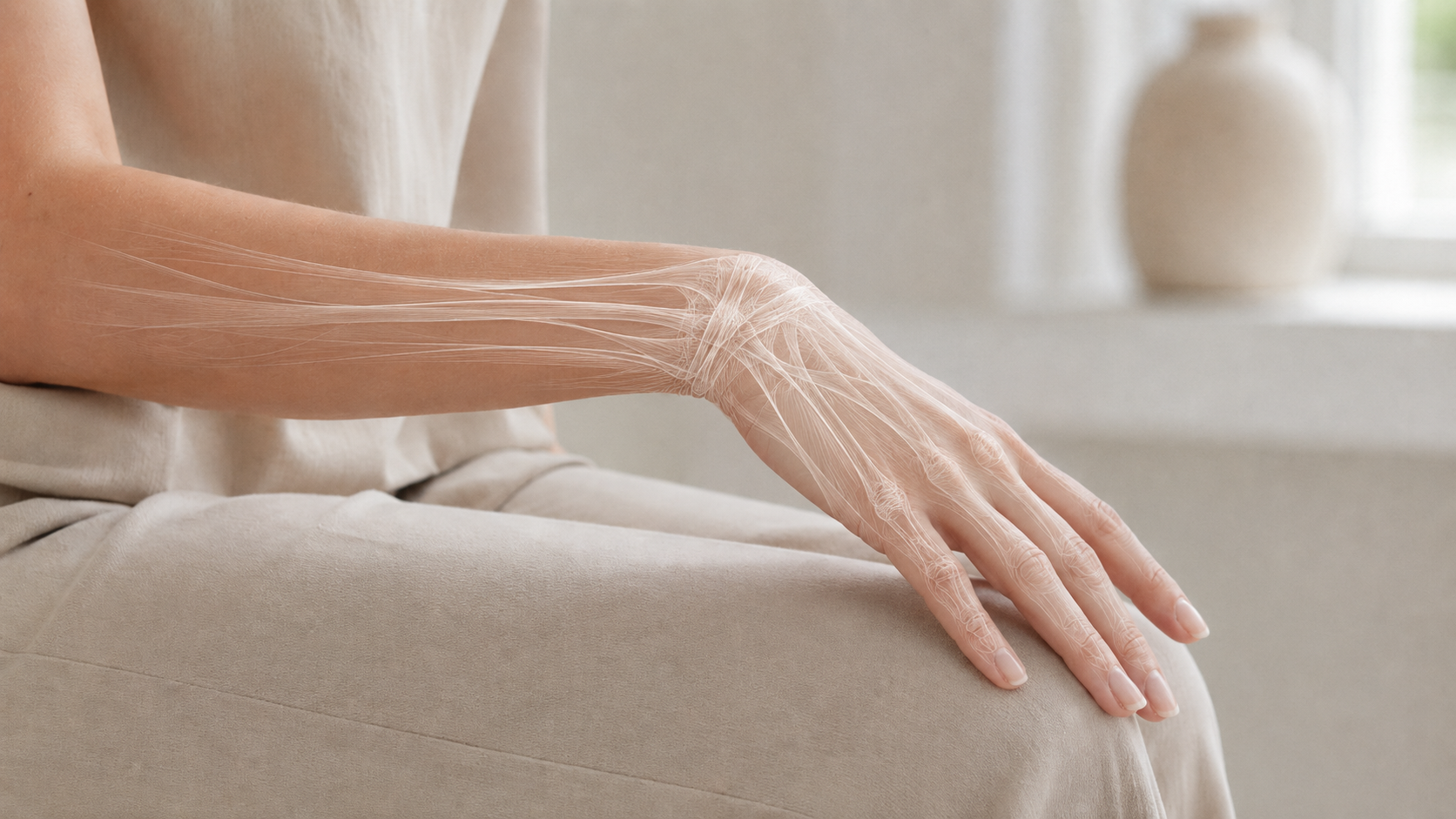
A cervical disc herniation may irritate a nerve root in the neck and cause symptoms into the shoulder, arm, hand, or fingers. Patients may describe radiating pain, pins and needles, numbness, tingling, weakness, or changes in hand function.
Neck pain with arm symptoms may also overlap with cervical facet pain, shoulder disorders, thoracic outlet syndrome, peripheral nerve entrapment, cervical dystonia, inflammatory disease, or complex pain mechanisms. MPM evaluates these possibilities when symptoms do not point clearly to one source.
When a Disc Herniation Is an MRI Finding, Not the Pain Source
MRI is useful, but it is only one part of the diagnostic process. A disc herniation may be incidental if it does not match the patient’s symptoms, neurologic exam, or pain distribution.
For example, a patient may have a lumbar disc herniation on MRI but pain that is actually coming from the SI joint, facet joints, hip, peripheral nerve, or inflammatory arthritis. Another patient may have a cervical disc herniation but symptoms more consistent with shoulder pathology or thoracic outlet syndrome.
MPM’s approach is to ask whether the imaging finding explains the patient’s actual lived symptoms.
Disc Herniations, Hypermobility, and EDS
In patients with hypermobility or Ehlers-Danlos syndrome, spine pain can be more layered. Joint instability, ligamentous laxity, muscle guarding, recurrent sprains, SI joint dysfunction, facet irritation, altered mechanics, and nerve sensitivity may all contribute.
A disc herniation may still be relevant, but it may not be the only driver. Patients with hypermobility may need care that considers stabilization, movement patterns, joint protection, myofascial guarding, and overlapping pain generators.
MPM evaluates disc herniations in this broader context, especially when pain is recurrent, multi-site, or not fully explained by imaging.
Disc Herniations and Inflammatory Back Pain Mimics
Inflammatory back pain can sometimes be mistaken for mechanical disc pain. Conditions such as seronegative spondyloarthropathy, autoimmune-related pain, enthesitis, rheumatoid arthritis, Sjogren’s, and inflammatory arthritis may contribute to back, neck, SI joint, tendon, or joint pain.
Features that may raise suspicion include prolonged morning stiffness, pain that improves with movement, pain that worsens with rest, SI joint inflammation, tendon attachment pain, fatigue, eye inflammation, psoriasis, bowel symptoms, or a personal or family history of inflammatory disease.
MPM evaluates whether symptoms appear mechanical, inflammatory, nerve-root-related, instability-related, centrally amplified, or mixed.
How MPM Diagnoses the True Pain Generator
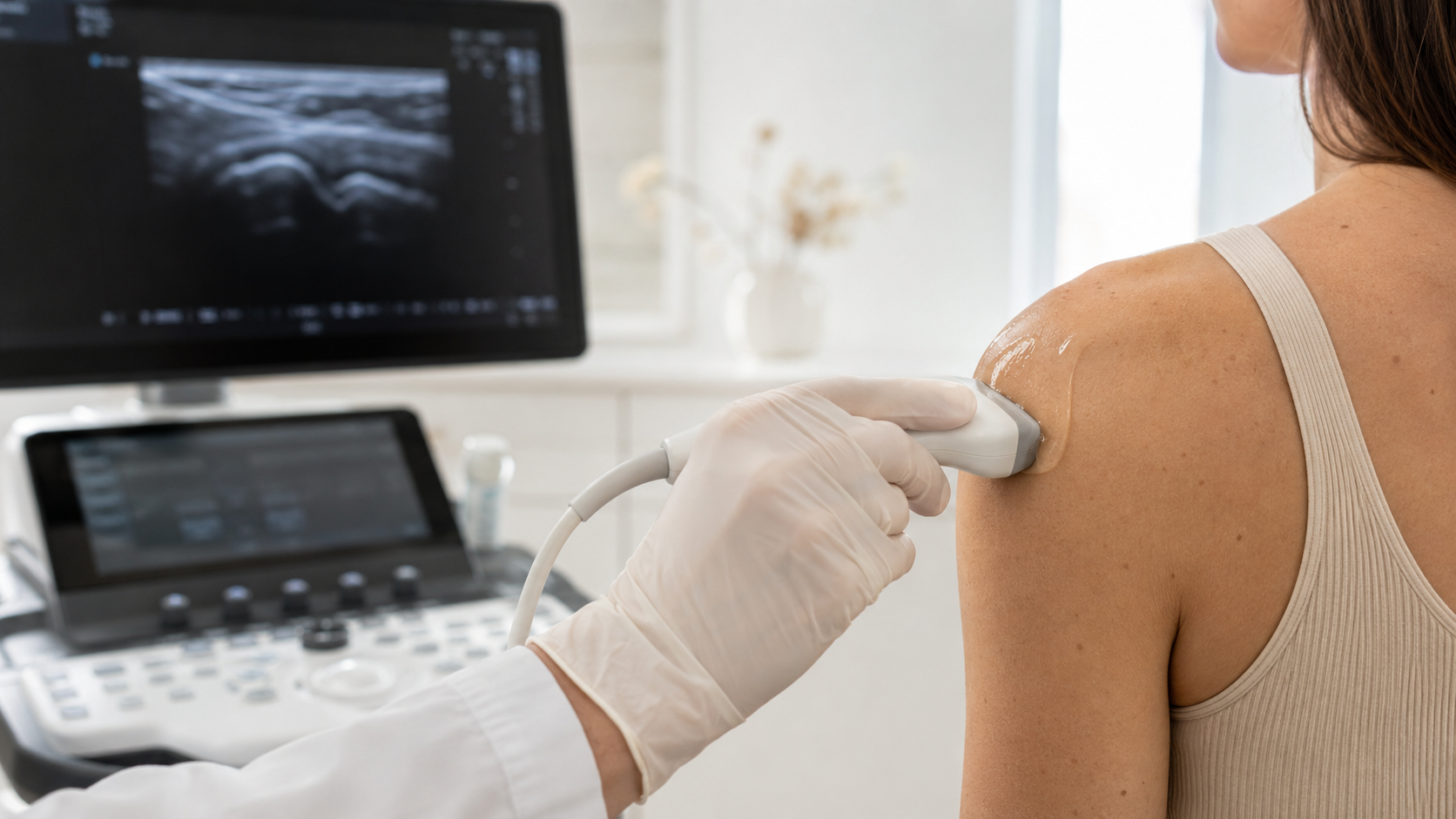
MPM’s evaluation includes symptom mapping, physical exam, neurologic screening, imaging review, prior treatment review, and assessment of overlapping musculoskeletal or inflammatory contributors.
The goal is to determine whether the patient’s symptoms are most consistent with disc-related nerve irritation, facet-mediated pain, SI joint dysfunction, spinal stenosis, spondylolisthesis, inflammatory back pain, hypermobility-related instability, myofascial pain, peripheral nerve irritation, or chronic pain sensitization.
This process helps avoid unnecessary procedures and helps select treatments that match the actual clinical pattern.
Non-Surgical Treatment Options for Disc Herniations
Many disc herniation symptoms can be managed without surgery when there is no urgent neurologic concern. Treatment may include activity modification, rehabilitation coordination, medication management, acupuncture, Feldenkrais, biofeedback, pain psychology, and carefully selected interventional options.
The plan depends on pain severity, nerve symptoms, neurologic findings, functional limitation, prior treatment response, and patient goals.
Epidural Injections and Spine Procedures for Disc-Related Nerve Pain
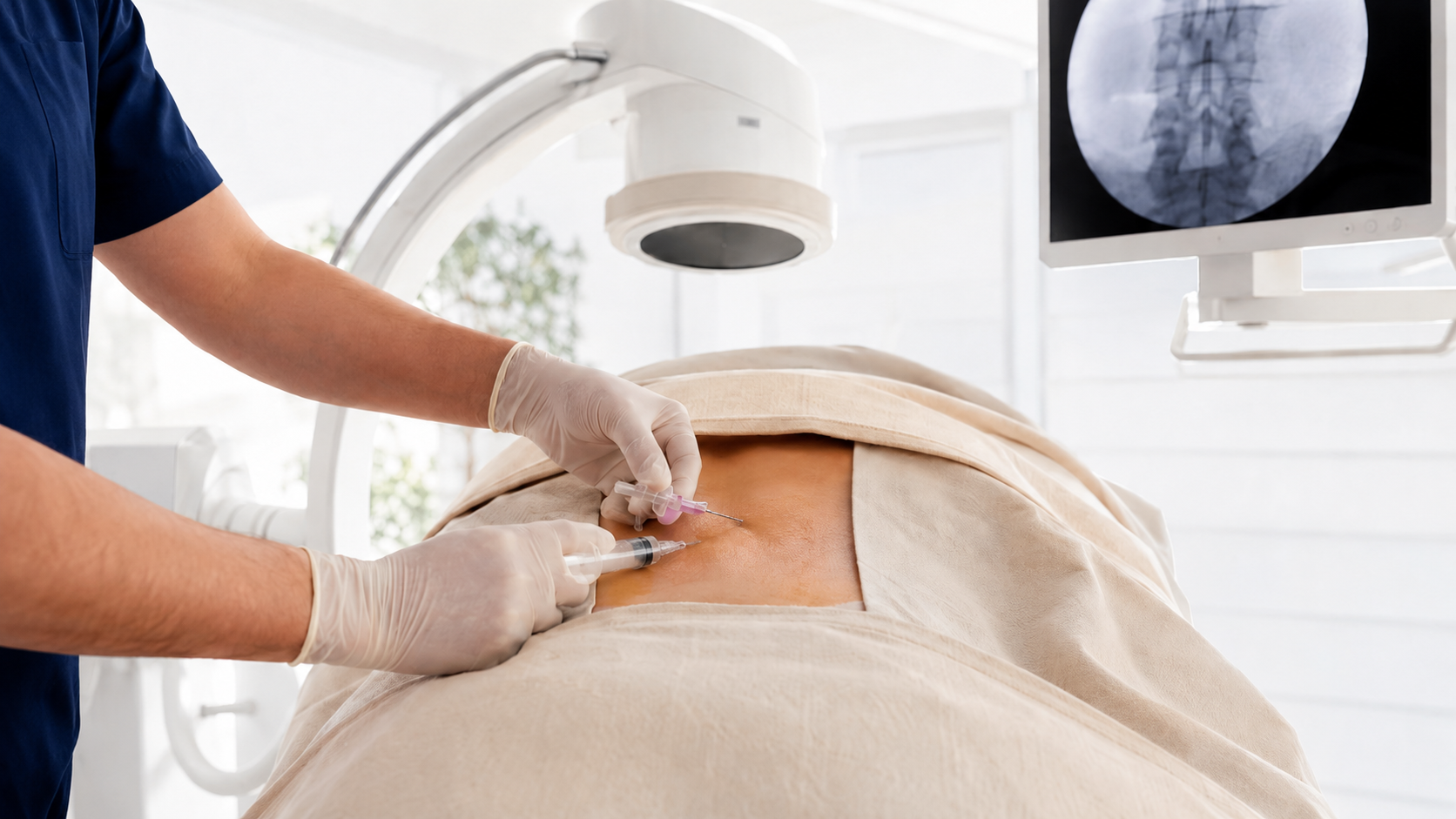
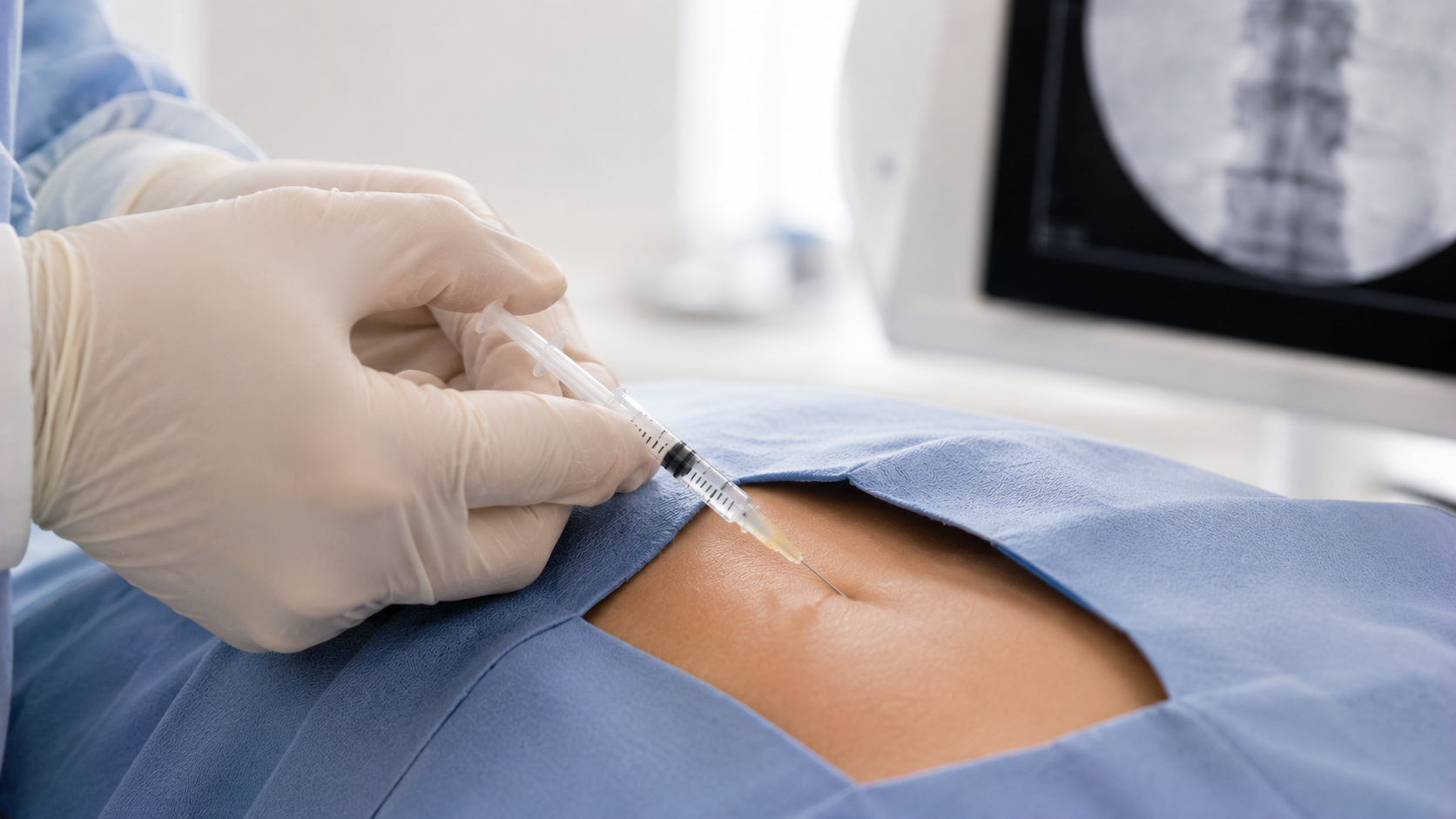
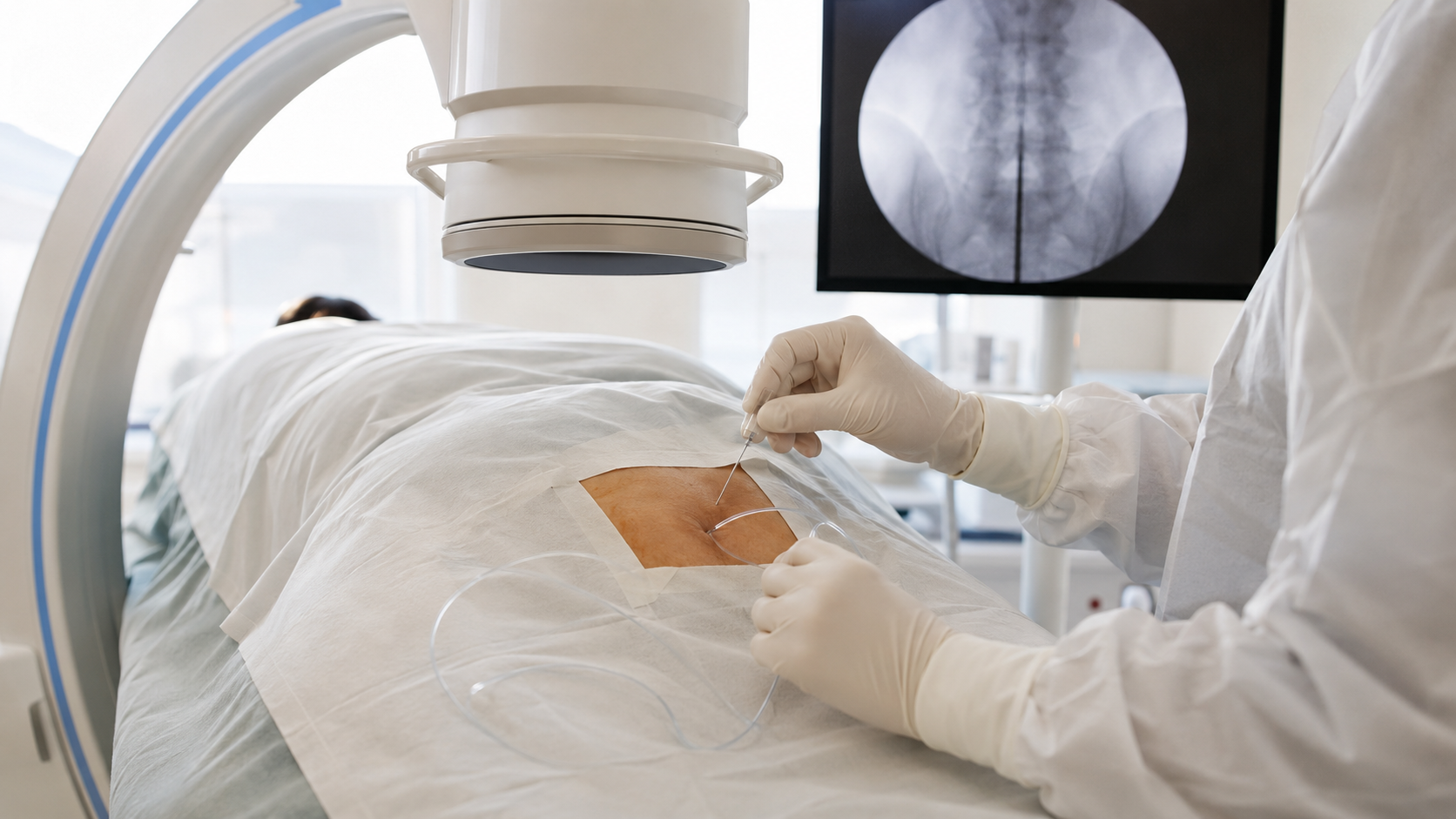
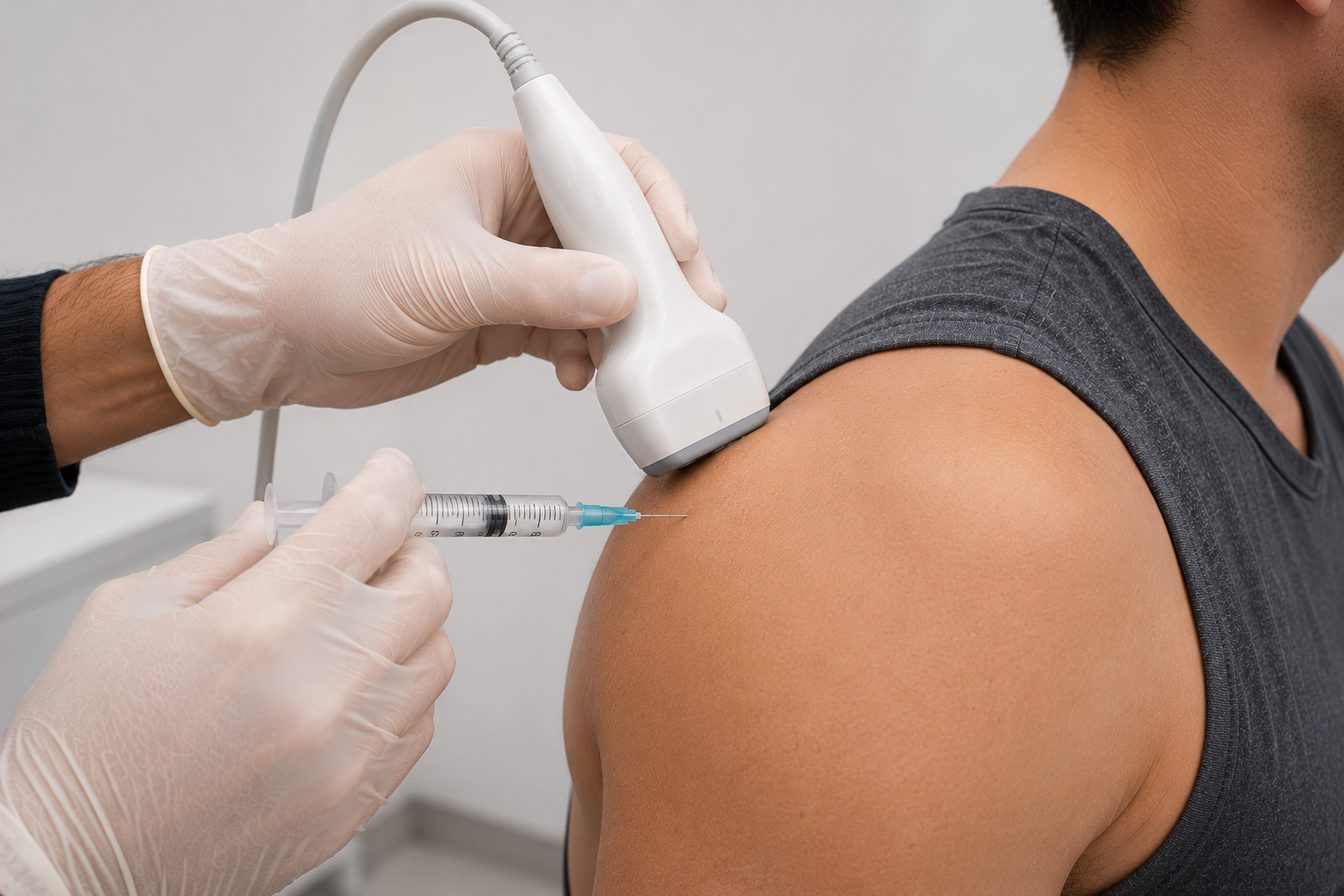
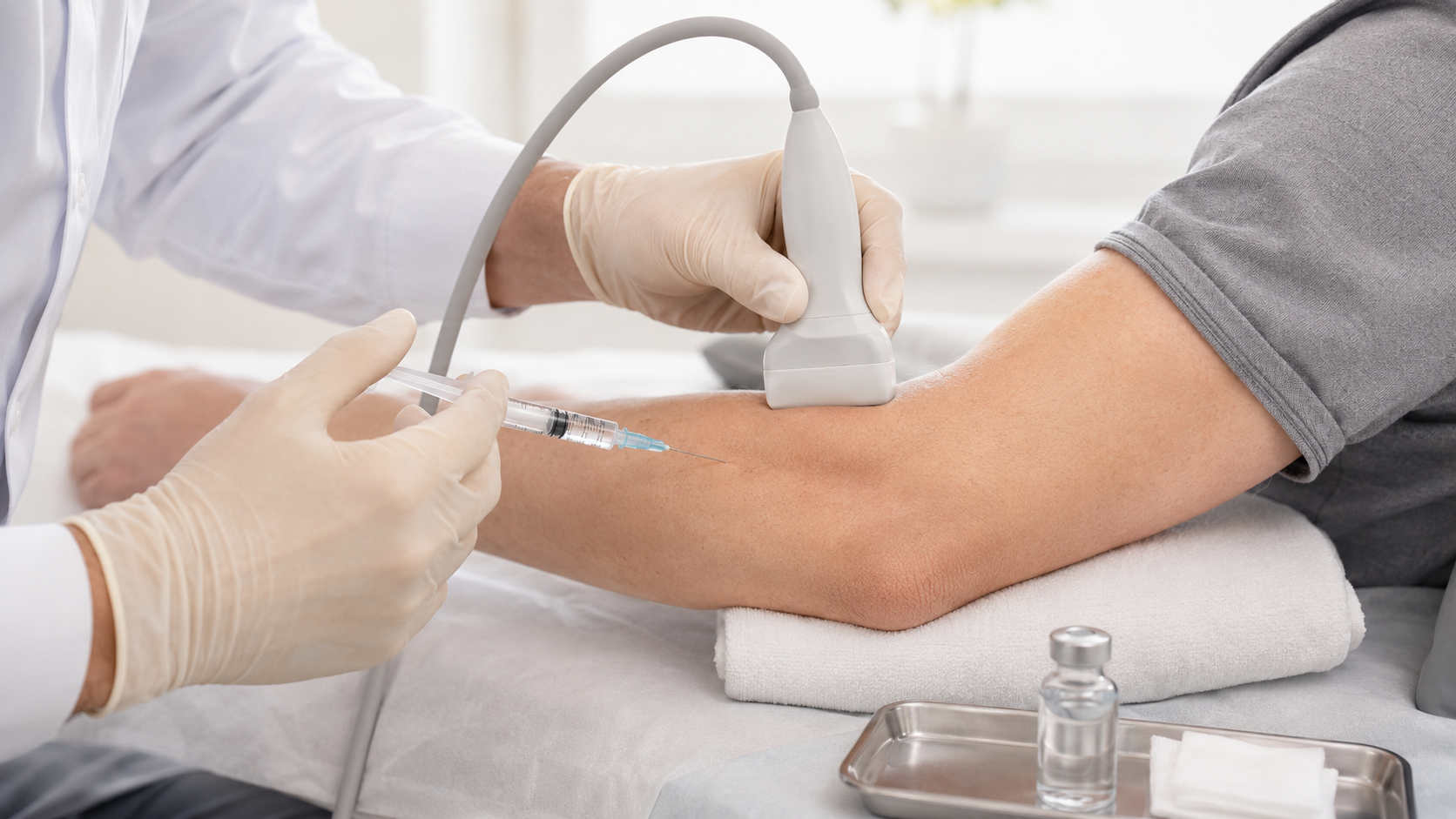
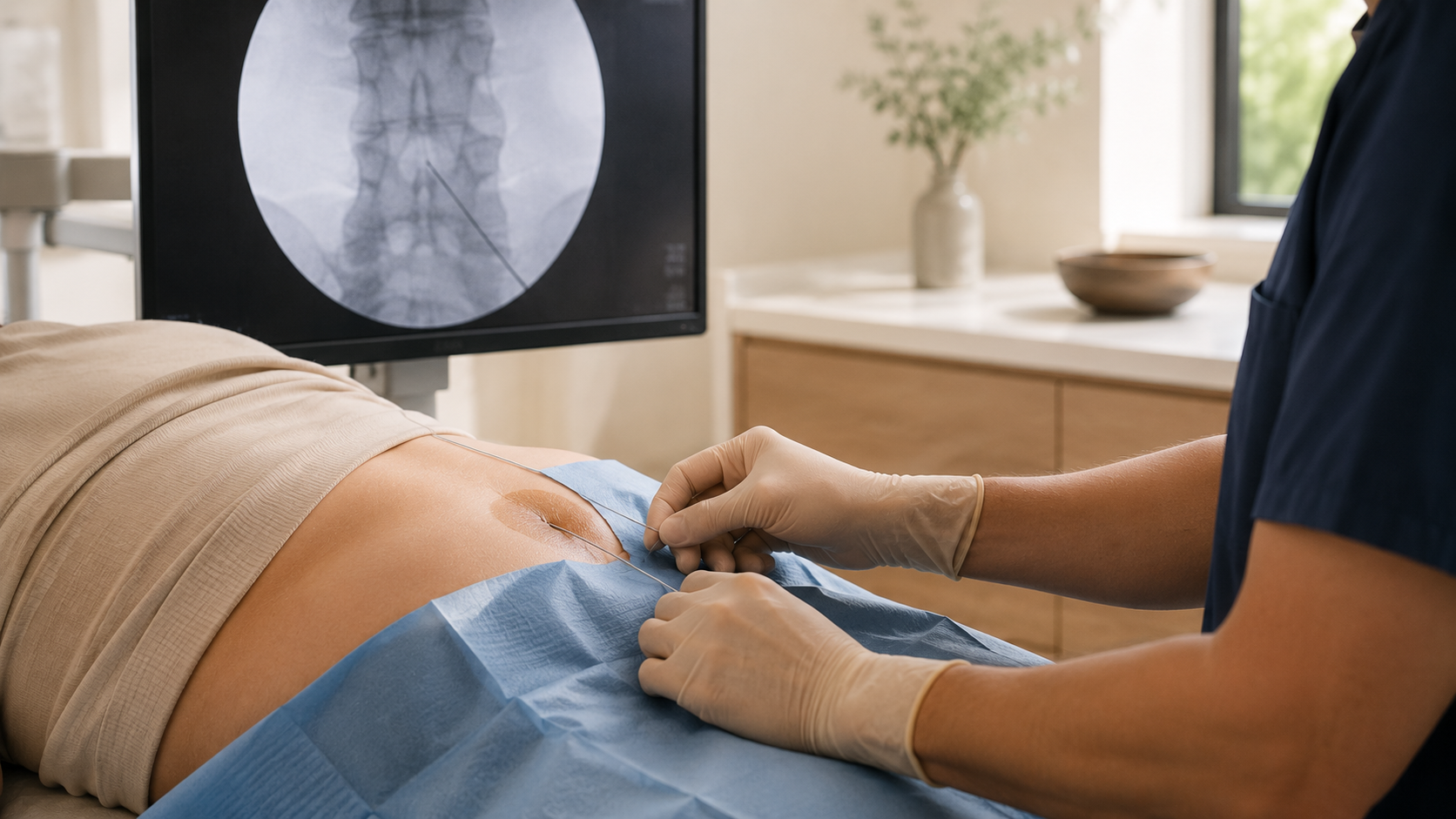
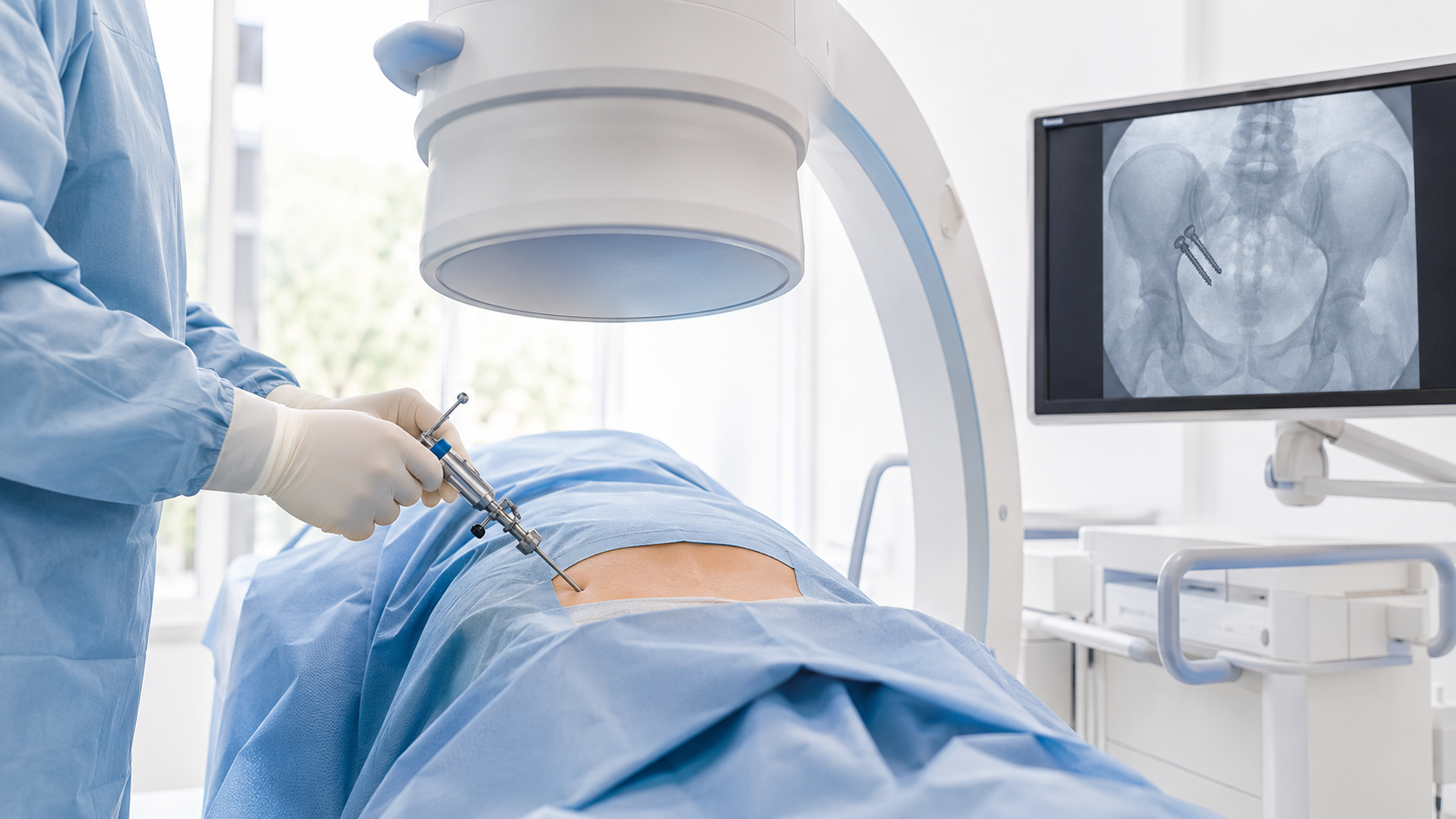
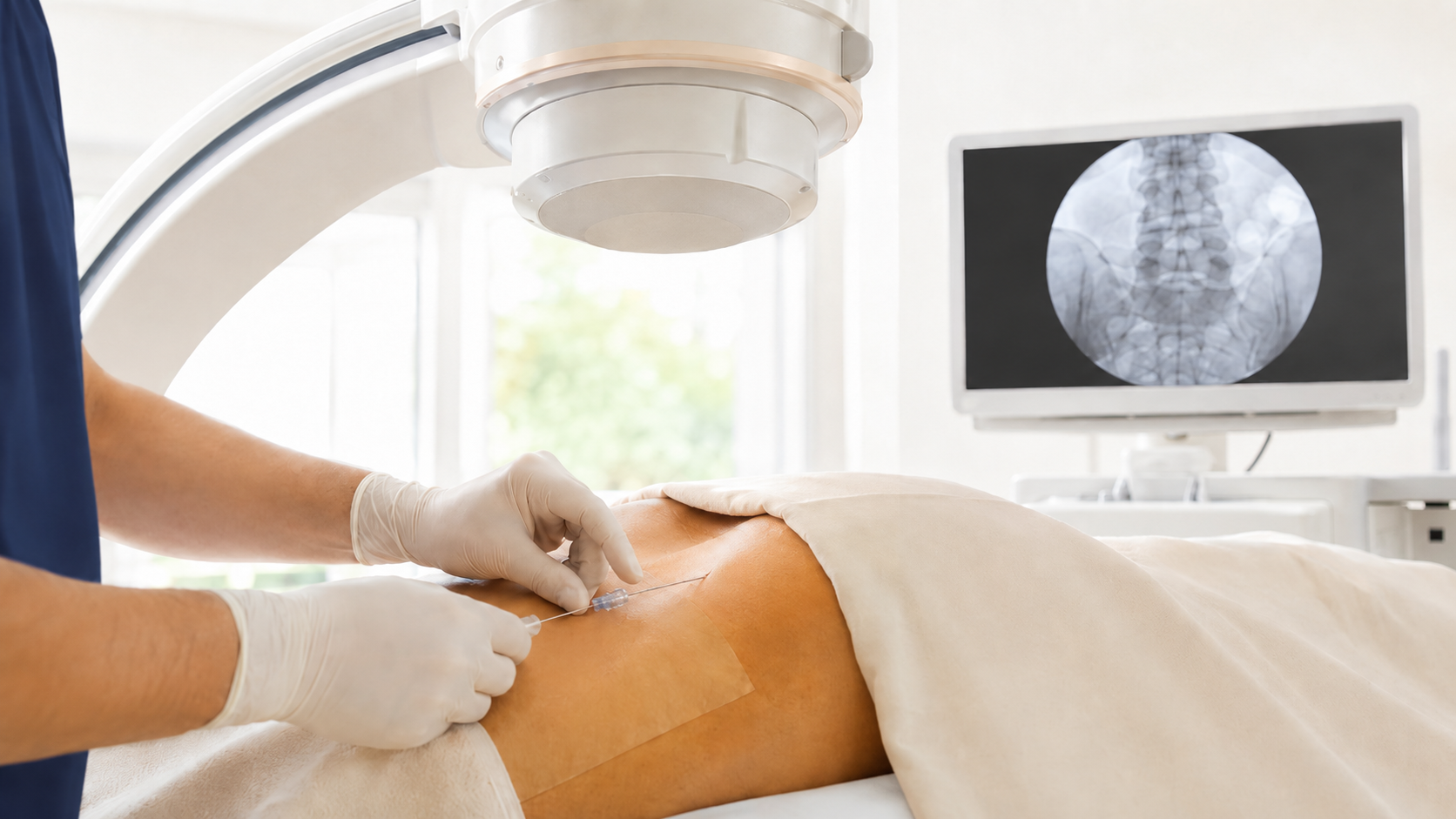
Epidural injections may be considered when a disc herniation is causing nerve root irritation, sciatica, cervical radicular pain, or persistent radiating symptoms. These injections are intended to reduce inflammation around irritated nerve roots and may also help clarify the pain generator in selected cases.
Other spine procedures, such as epidural lysis of adhesions, may be considered in selected patients with persistent radicular pain, prior procedures, scarring, or complex spine pain patterns. These options require careful diagnosis, imaging review, risk discussion, and clinician supervision.
When Neuromodulation May Be Considered
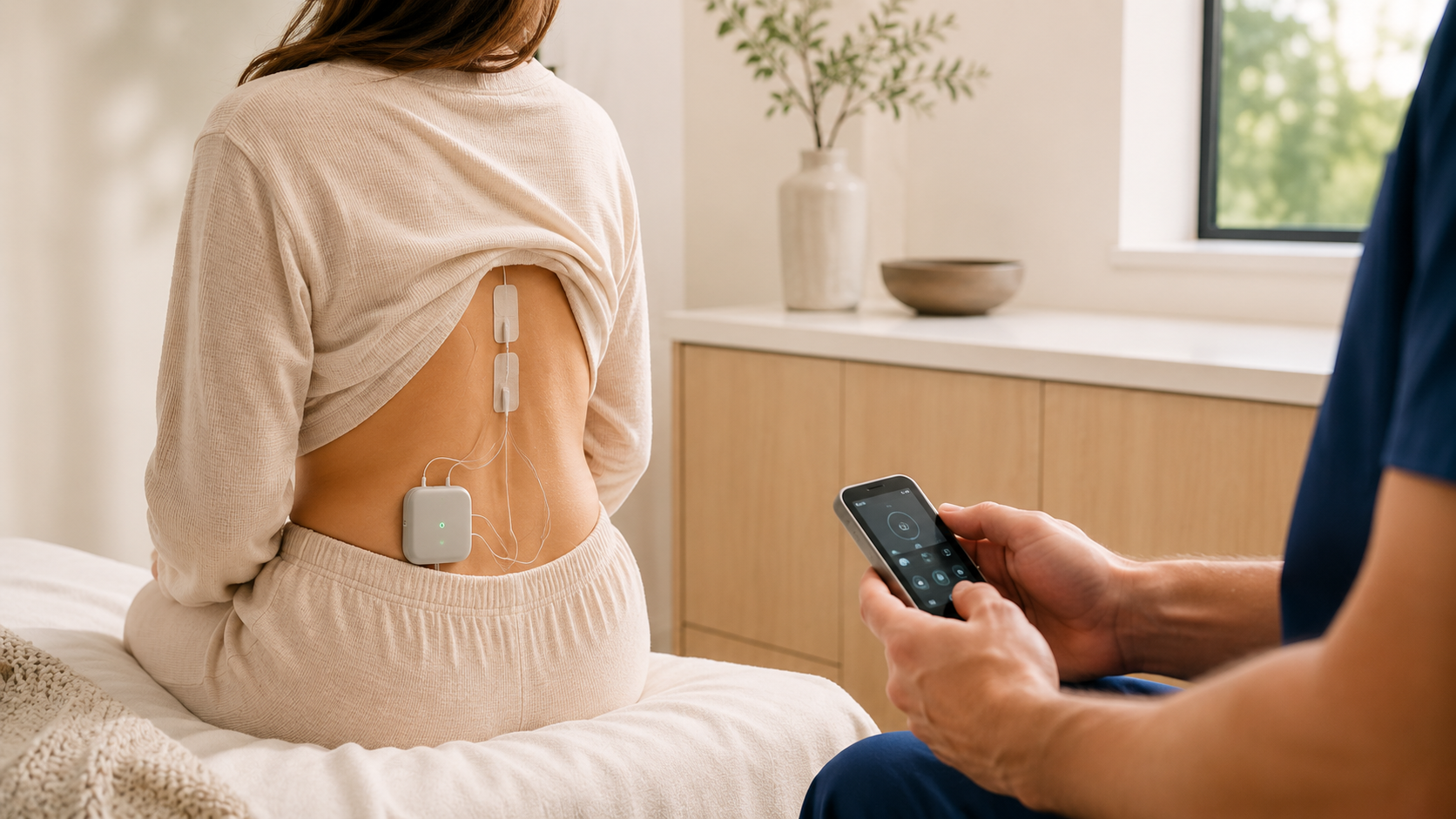
Spinal cord stimulation or dorsal root ganglion stimulation may be considered for selected patients with persistent neuropathic pain that has not improved despite appropriate conservative, interventional, or surgical evaluation. These treatments are not routine for every herniated disc and are typically considered only after careful assessment.
Neuromodulation does not remove a disc herniation. It is considered for selected chronic nerve pain patterns when the treatment goal is pain modulation and functional improvement.
When Surgery or Urgent Evaluation May Be Needed
Surgical evaluation may be needed when there is progressive weakness, severe nerve compression, disabling pain that does not improve with appropriate non-surgical care, or neurologic compromise.
Urgent medical evaluation is needed for new or worsening weakness, foot drop, loss of bowel or bladder control, saddle anesthesia, progressive numbness, severe trauma-related back pain, fever, unexplained weight loss, cancer-related red flags, severe unrelenting night pain, infection risk, or rapidly worsening neurologic symptoms.
These symptoms may indicate serious neurologic, infectious, inflammatory, traumatic, or structural conditions that require timely care.
How MPM Approaches Disc Herniation Care
MPM approaches disc herniations with clinical restraint and diagnostic precision. A herniated disc is not automatically a surgical problem, and it is not always the pain source. But when a disc herniation does match the patient’s symptoms and neurologic findings, it deserves careful, structured treatment planning.
For patients searching for herniated disc treatment in NYC, MPM evaluates the full pain picture: MRI findings, symptoms, exam findings, nerve involvement, spine mechanics, hypermobility, inflammatory back pain risk, SI joint and facet overlap, prior treatment response, and chronic pain mechanisms.
The result is a staged care plan designed around the actual pain generator rather than the imaging label alone.