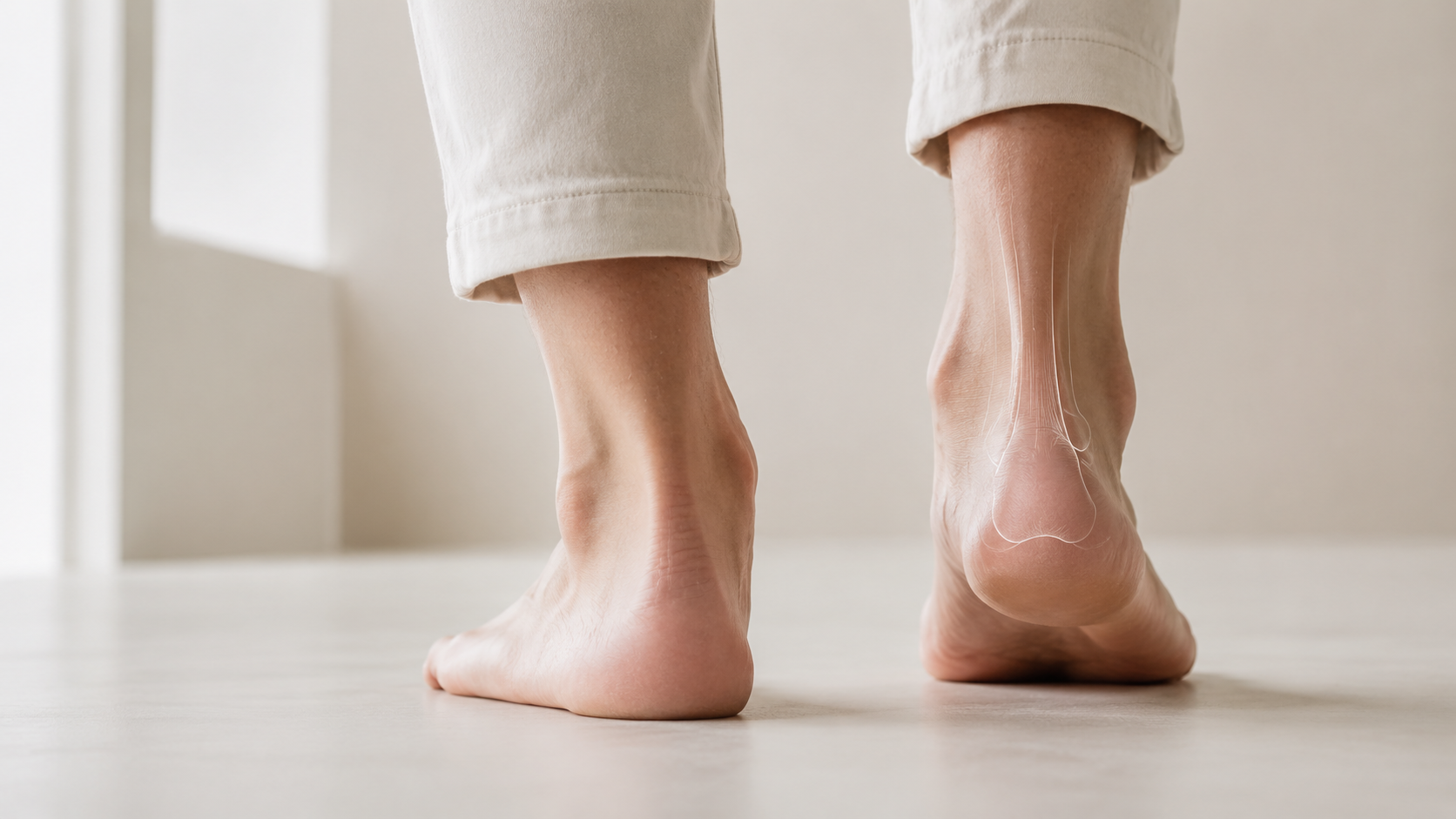
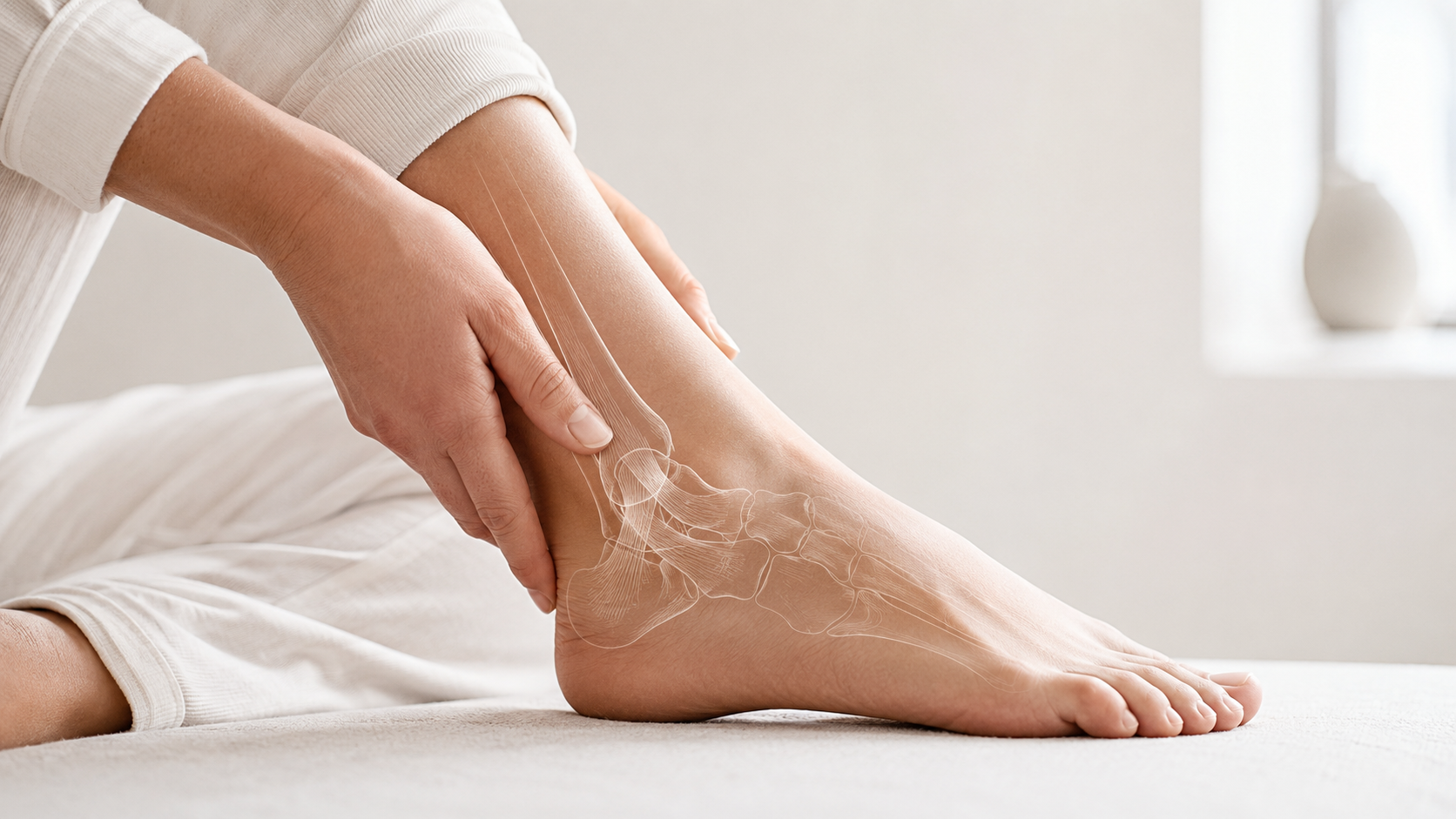
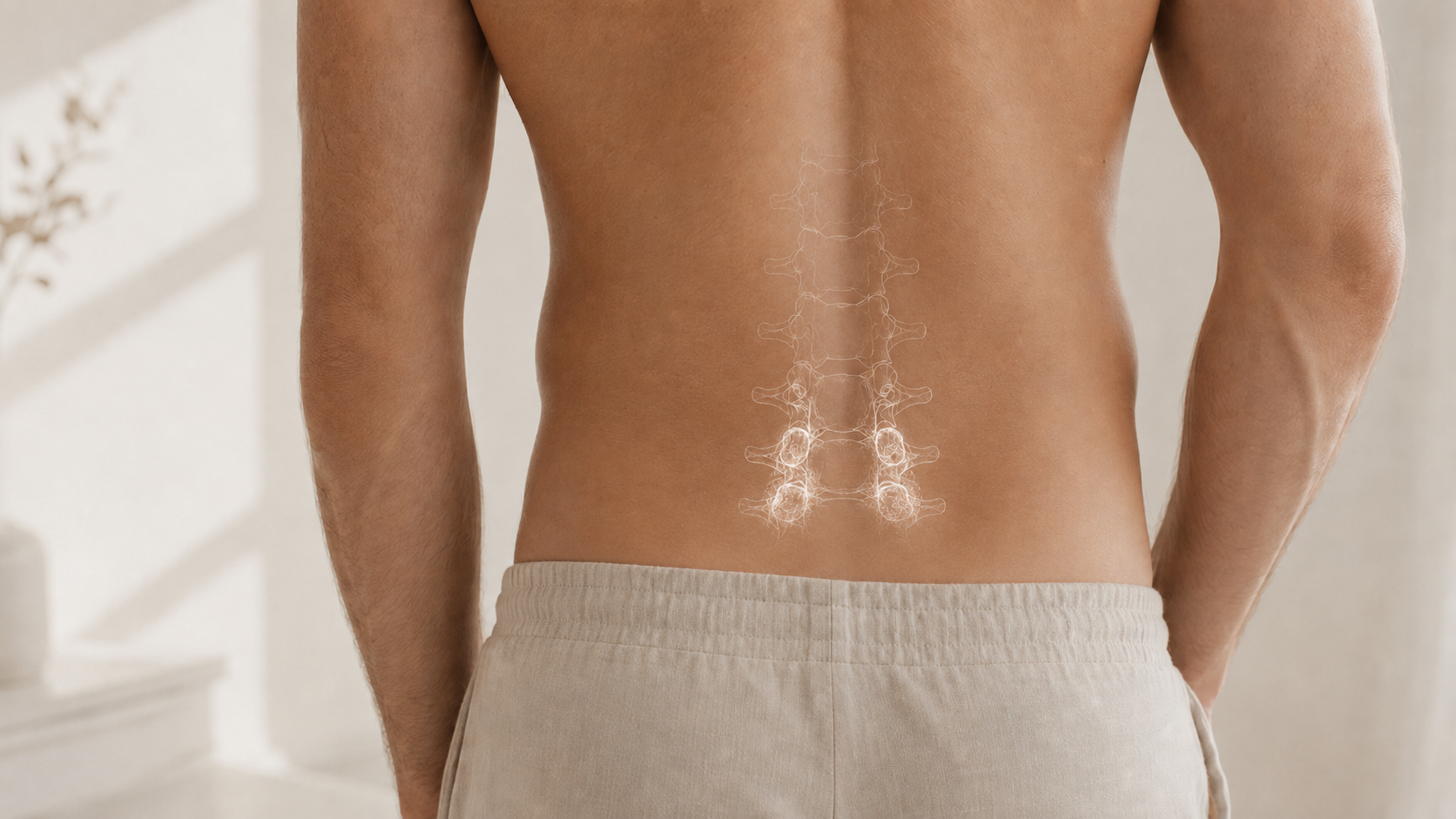
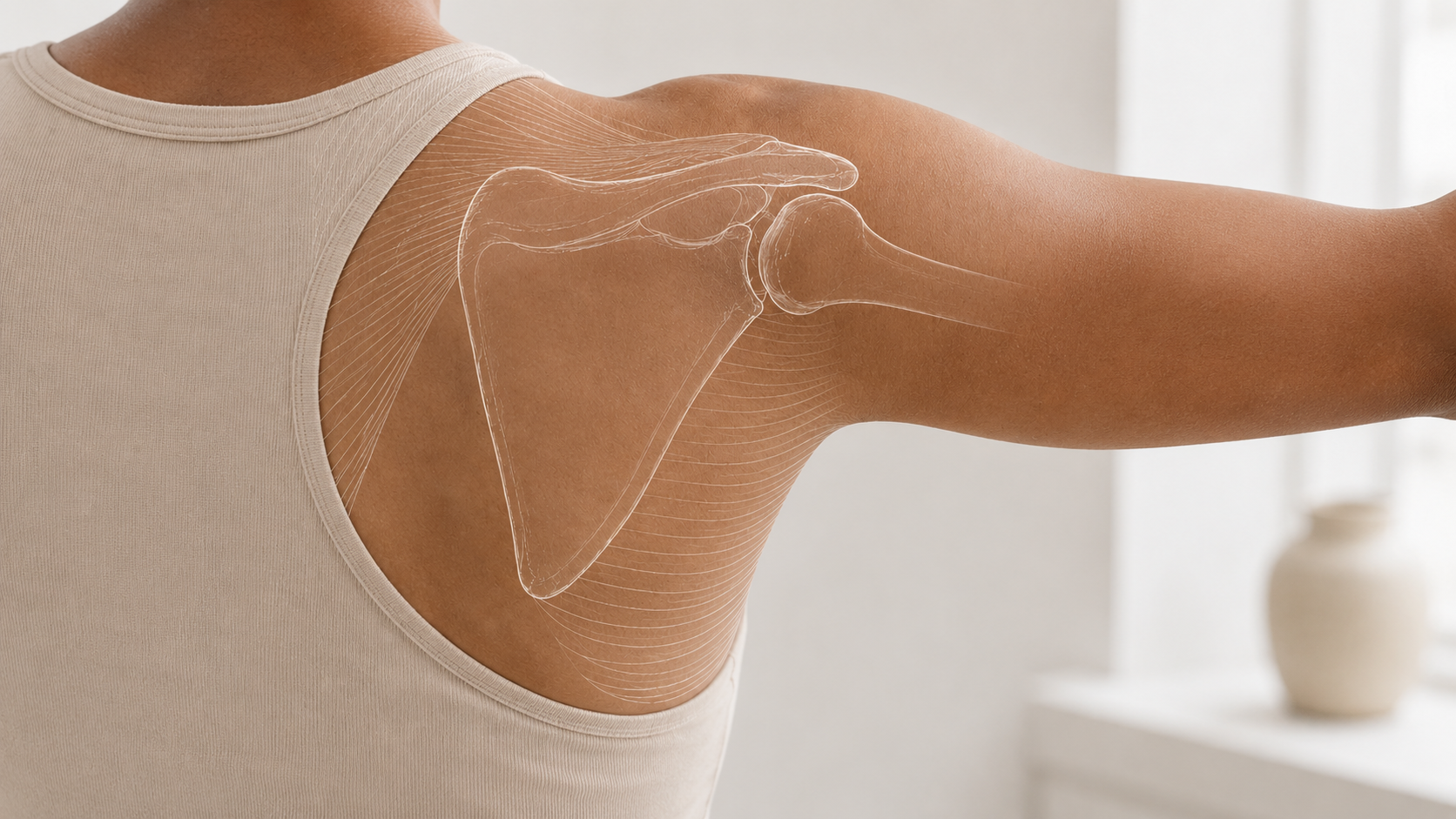
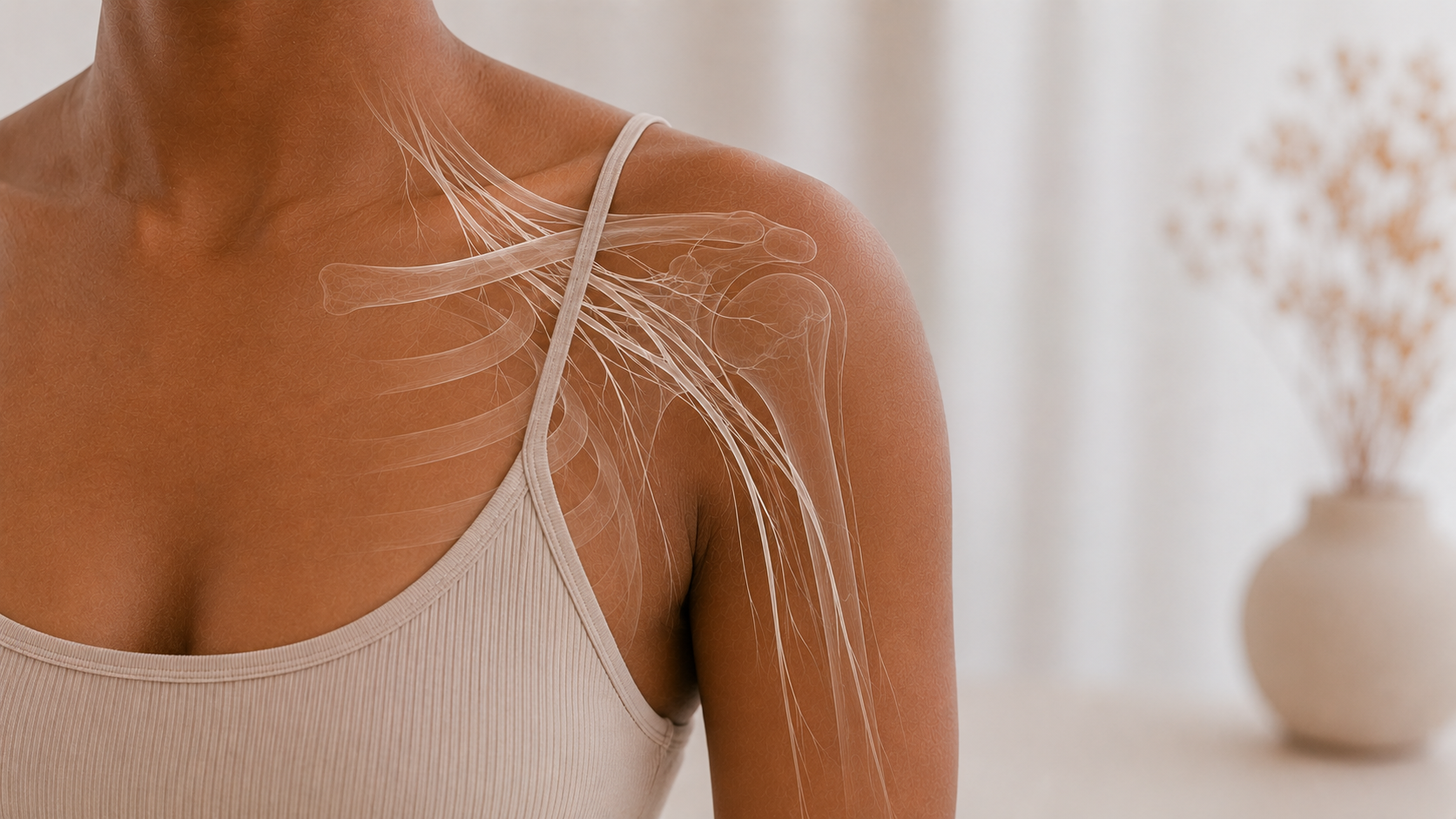
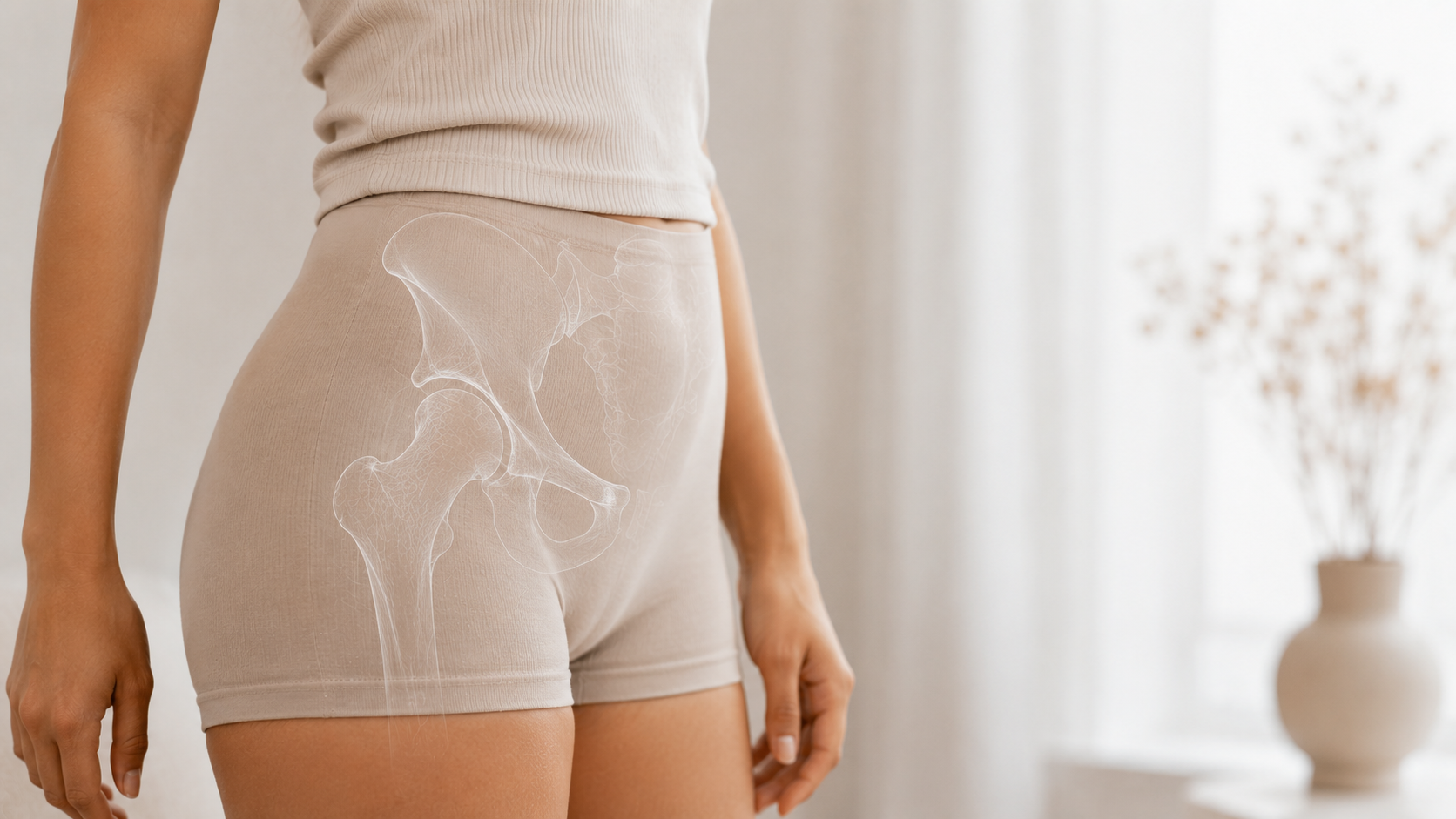
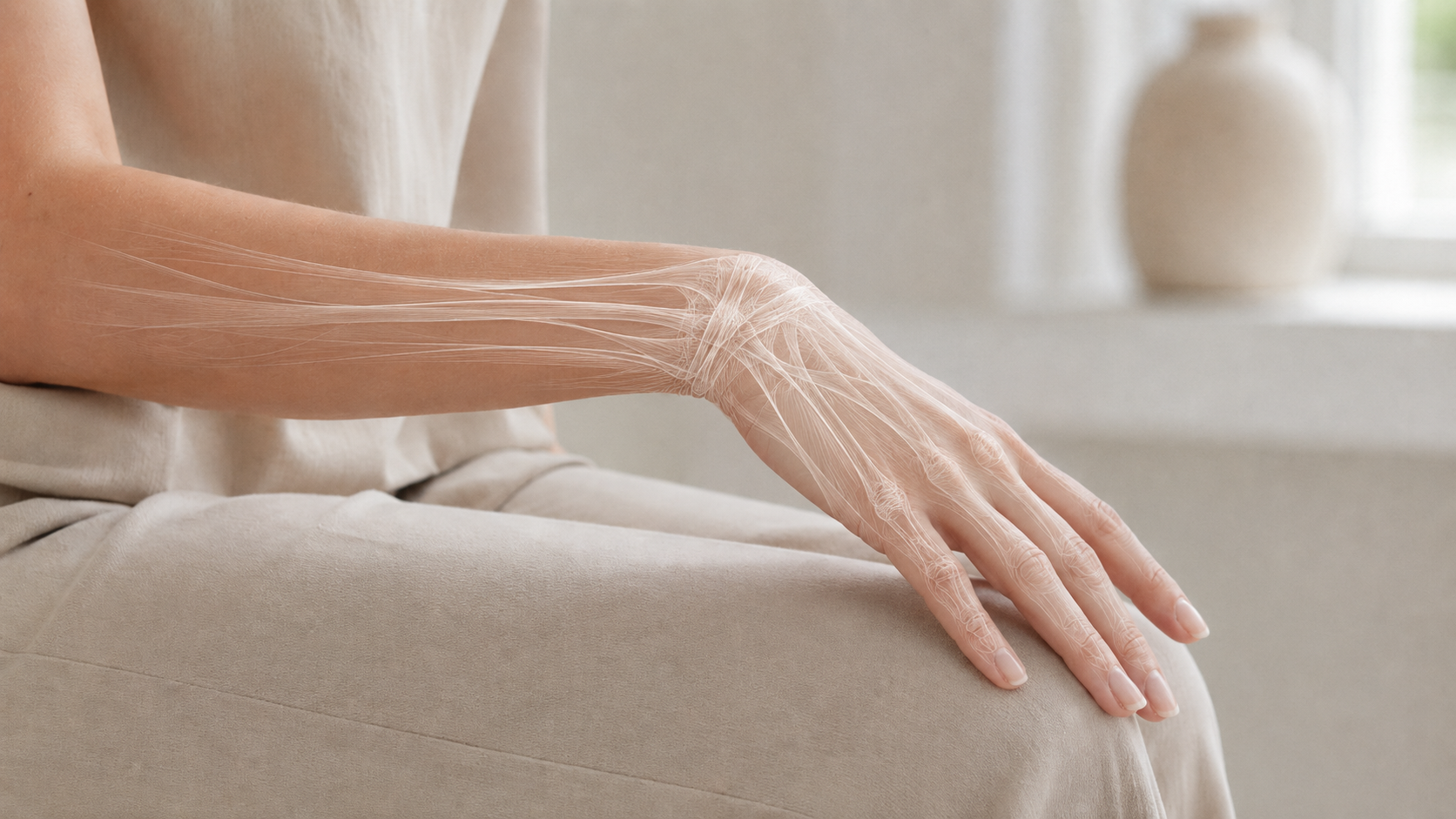
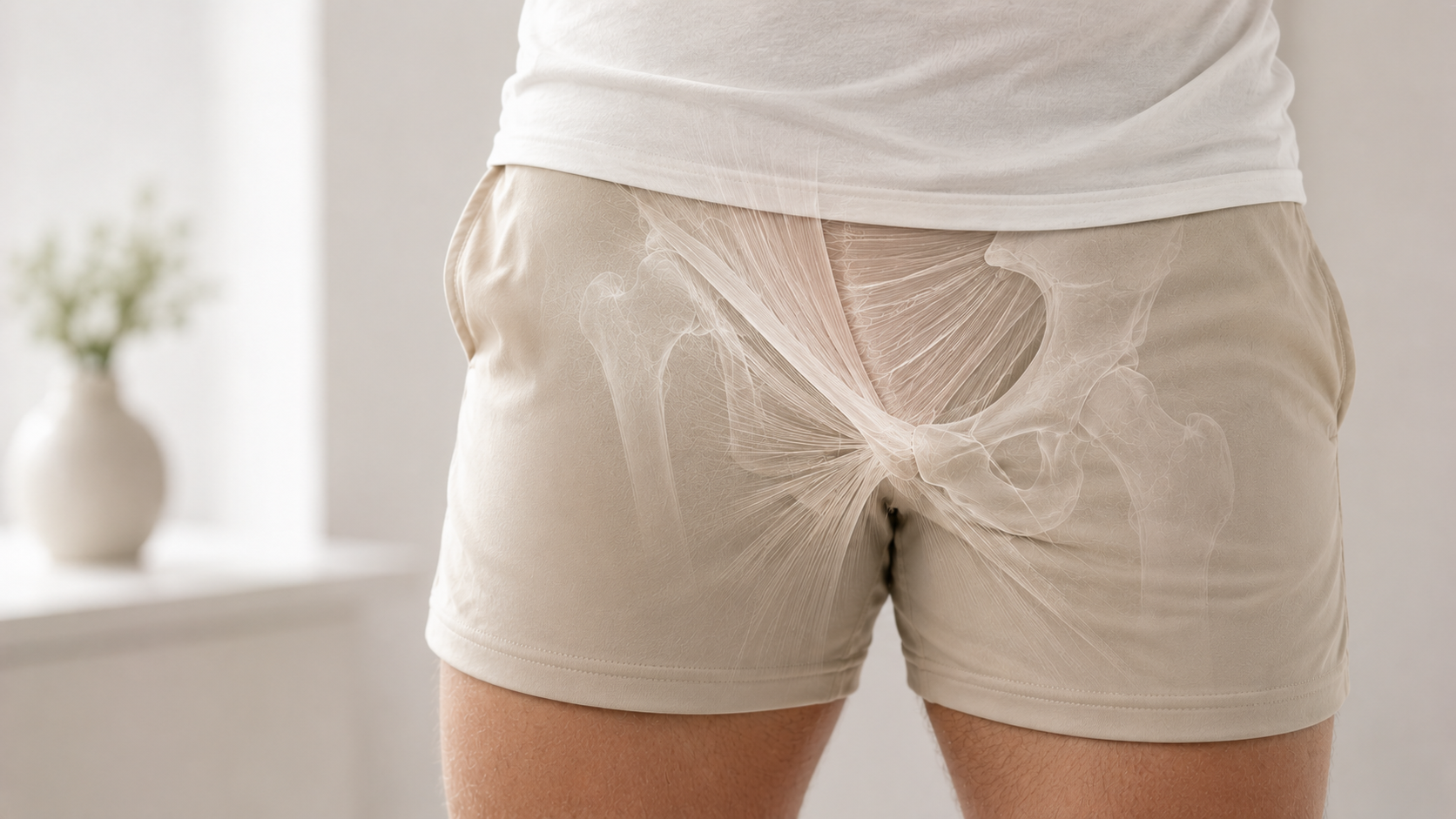
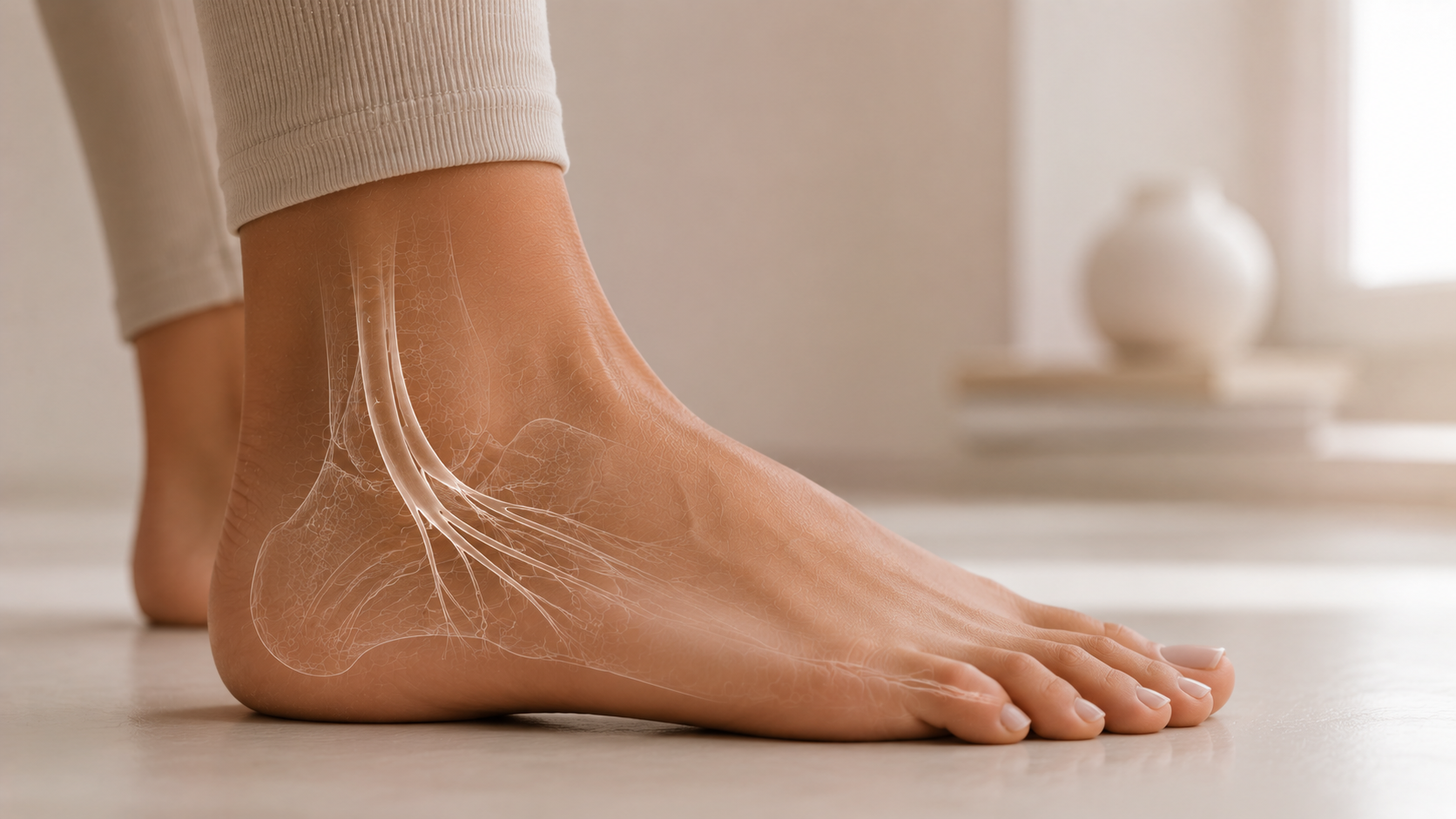
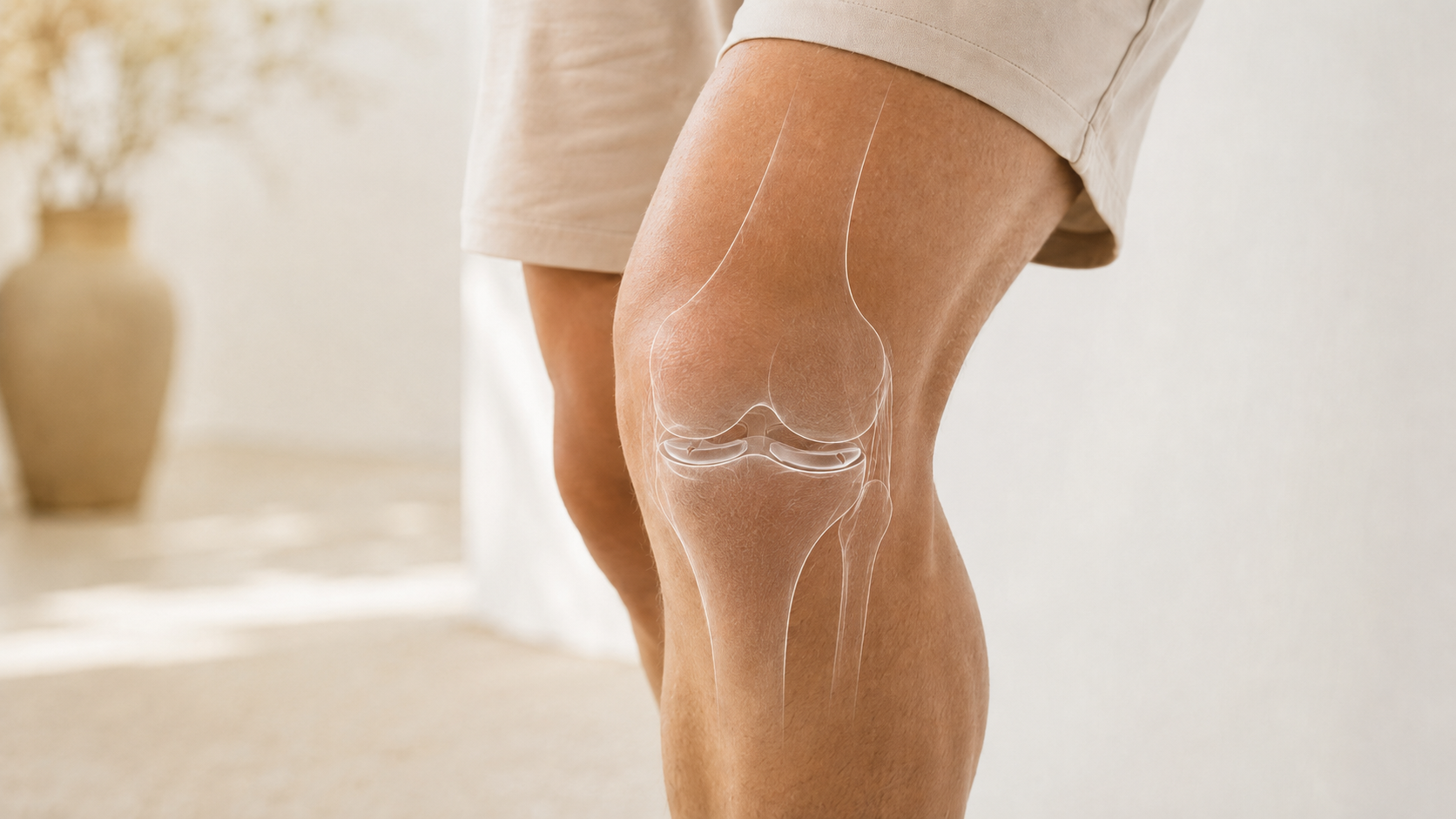
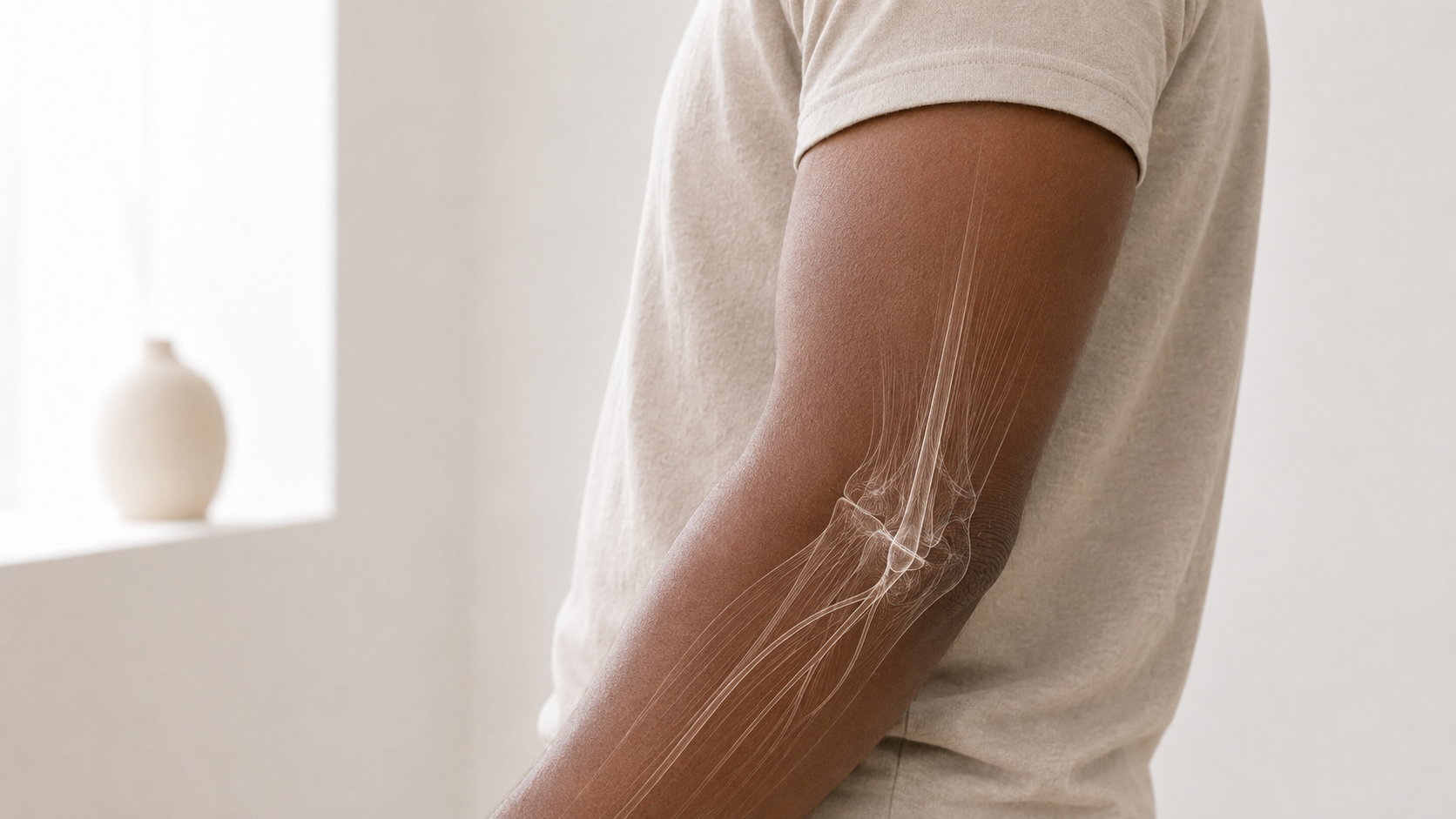
Musculoskeletal dysfunction includes pain arising from muscles, joints, tendons, ligaments, discs, bones, and nerves. It is a broad zone because the musculoskeletal system is how the body bears weight, moves through space, absorbs force, protects itself, and adapts to injury.
At Manhattan Pain Medicine, we view mechanical pain as pain with a reason. A joint may be arthritic, a tendon may be overloaded, a disc may be sensitized, a nerve may be compressed, or a muscle may be guarding. But the deeper question is why that structure became painful and what pattern is keeping it from getting better.
The Mechanical Cascade
Musculoskeletal pain often develops through a cascade. One structure becomes injured, irritated, unstable, or overloaded. The body then changes how it moves to protect that area. Posture shifts, muscles guard, joints take on new stress, and previously healthy structures may begin to hurt.
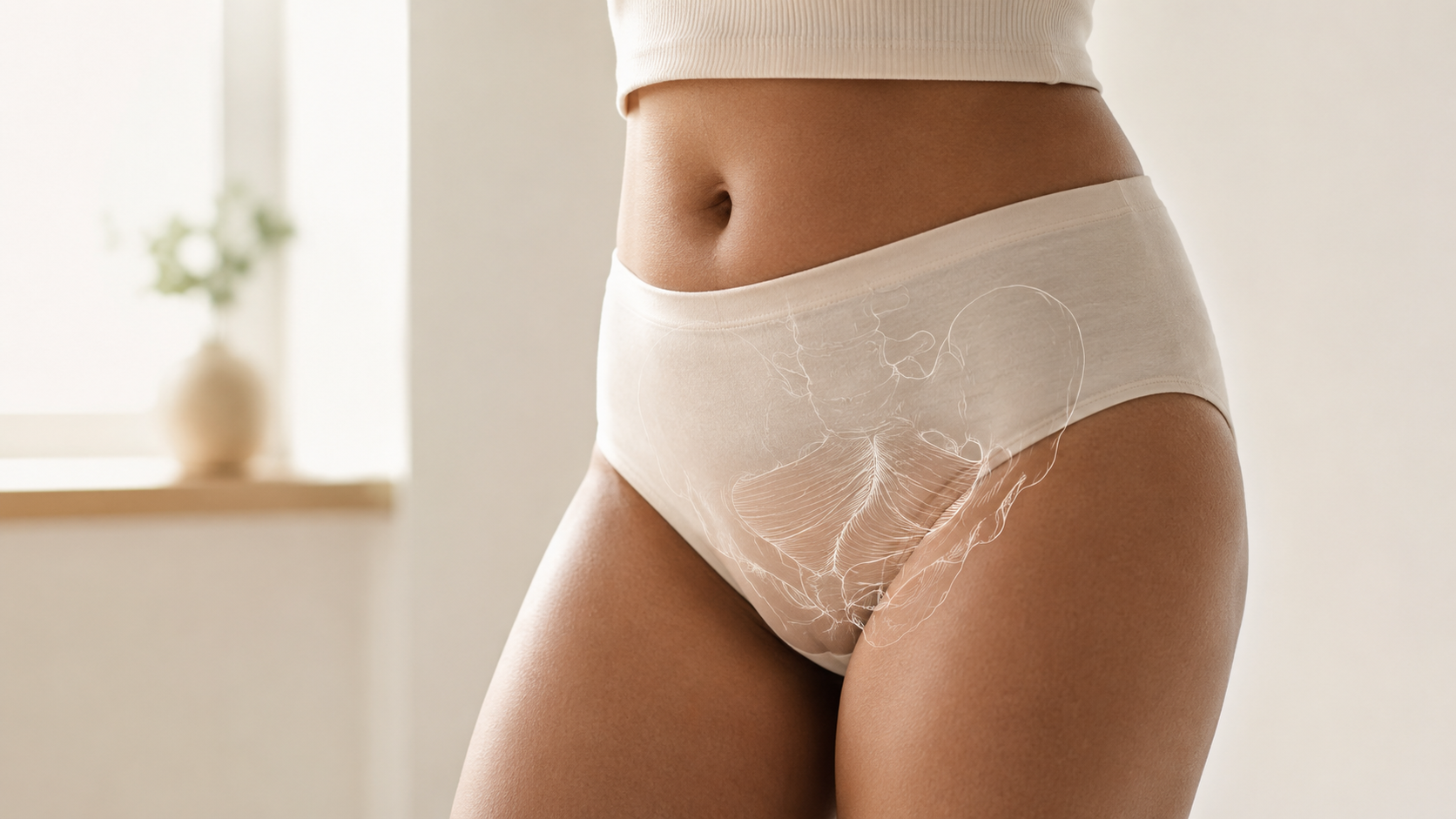
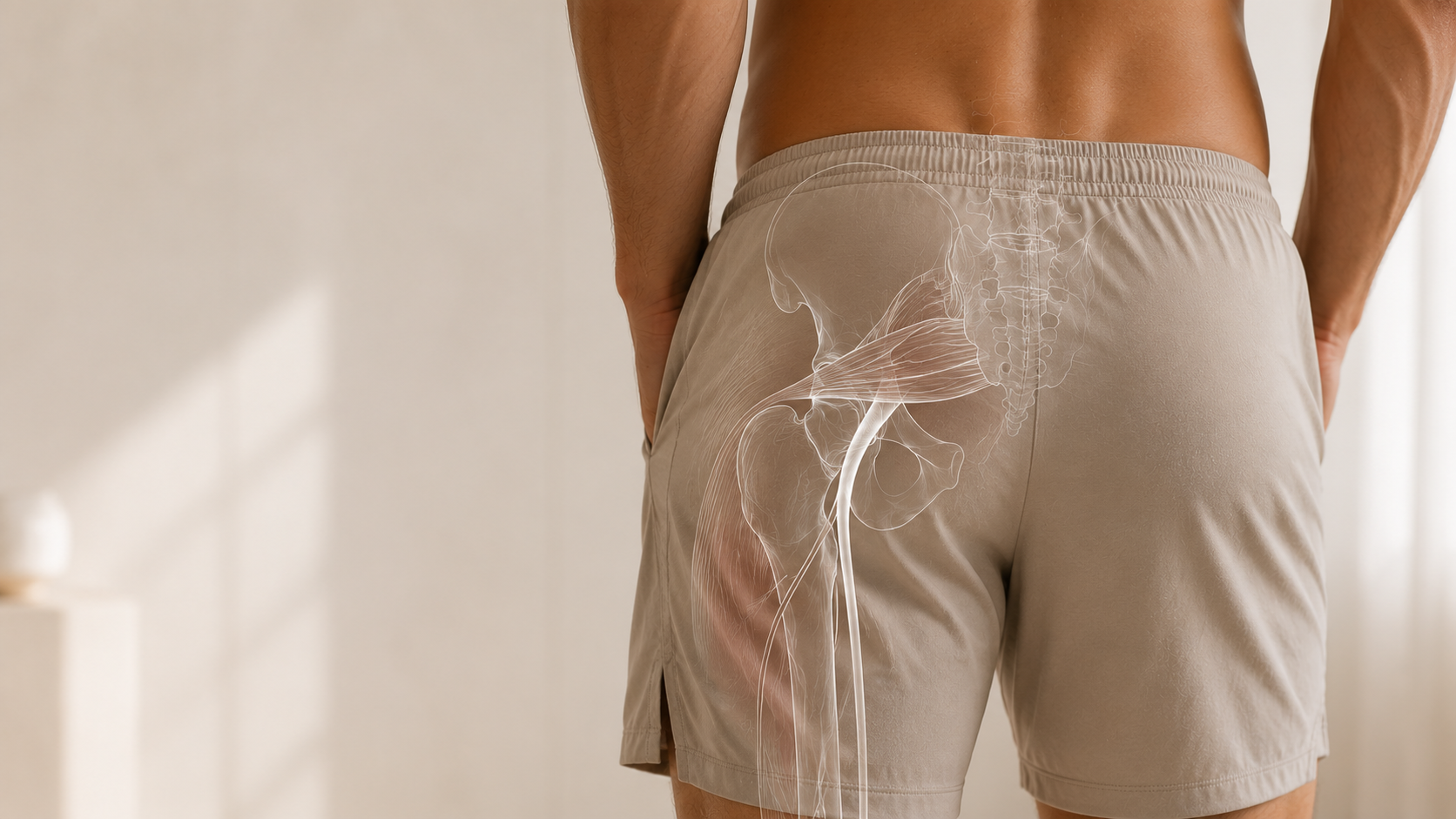
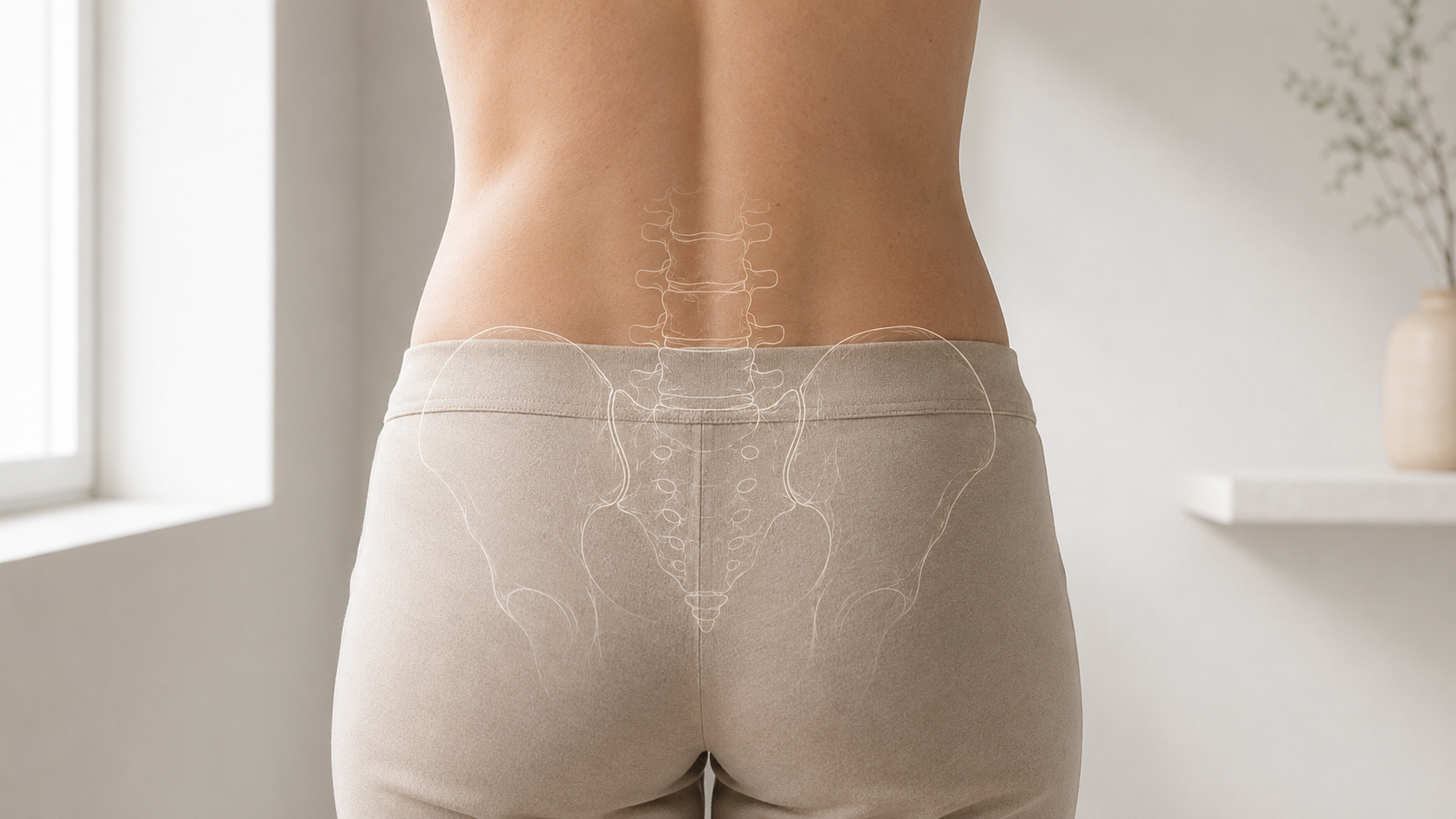
This is why the area that hurts is not always the whole explanation. A patient may come in with back pain, but the back may be reacting to hip mechanics, pelvic position, gait, core weakness, disc irritation, or a pattern of compensation that has been building for years.
Suboptimal Biomechanics and Trickle-Down Stress
Gravity and repetitive movement place ongoing stress on the body. When alignment, strength, mobility, or joint stability is altered, that stress may concentrate in specific structures. A disc, facet joint, tendon, ligament, bursa, or nerve may be forced to absorb more load than it can tolerate.
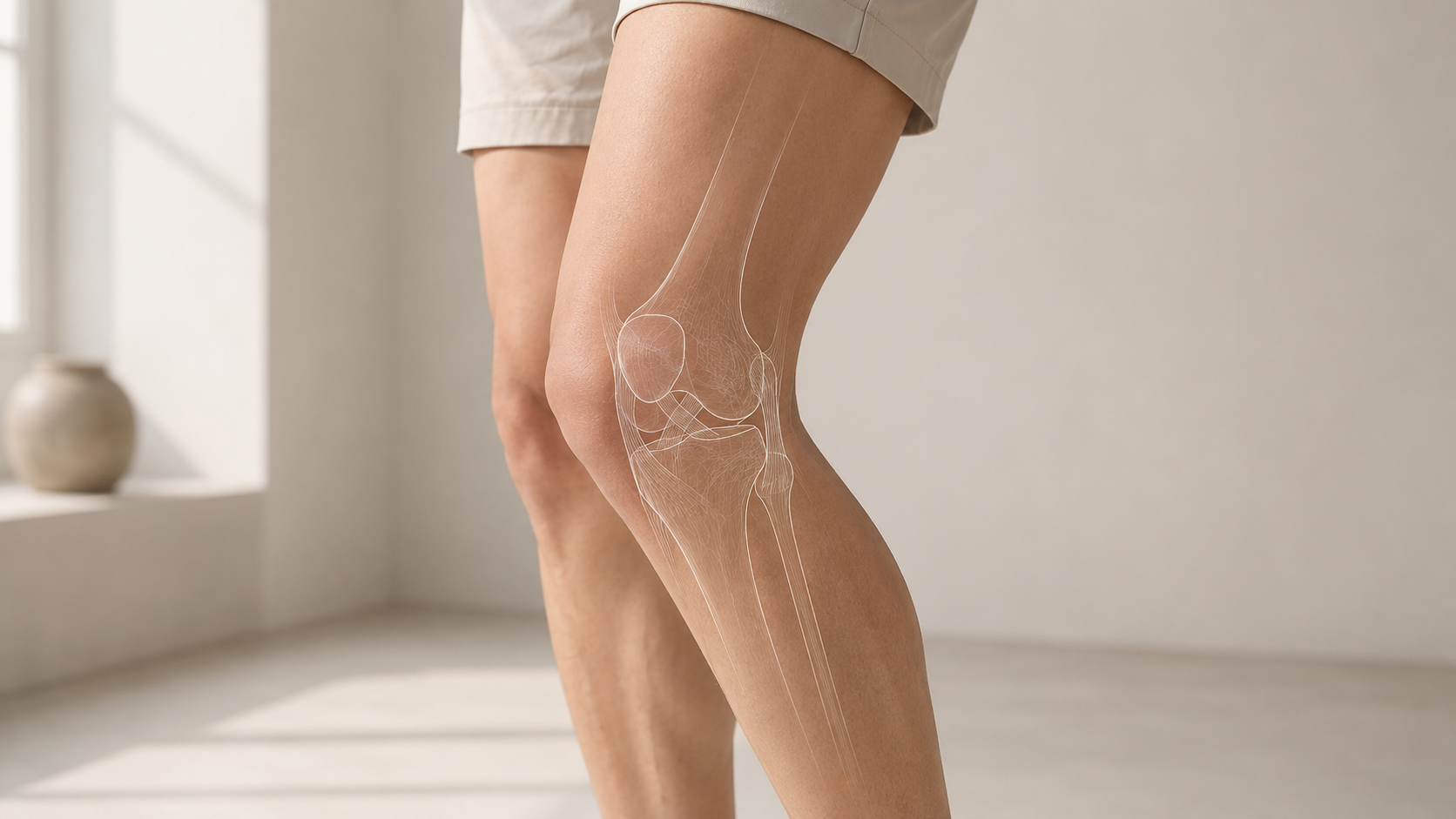
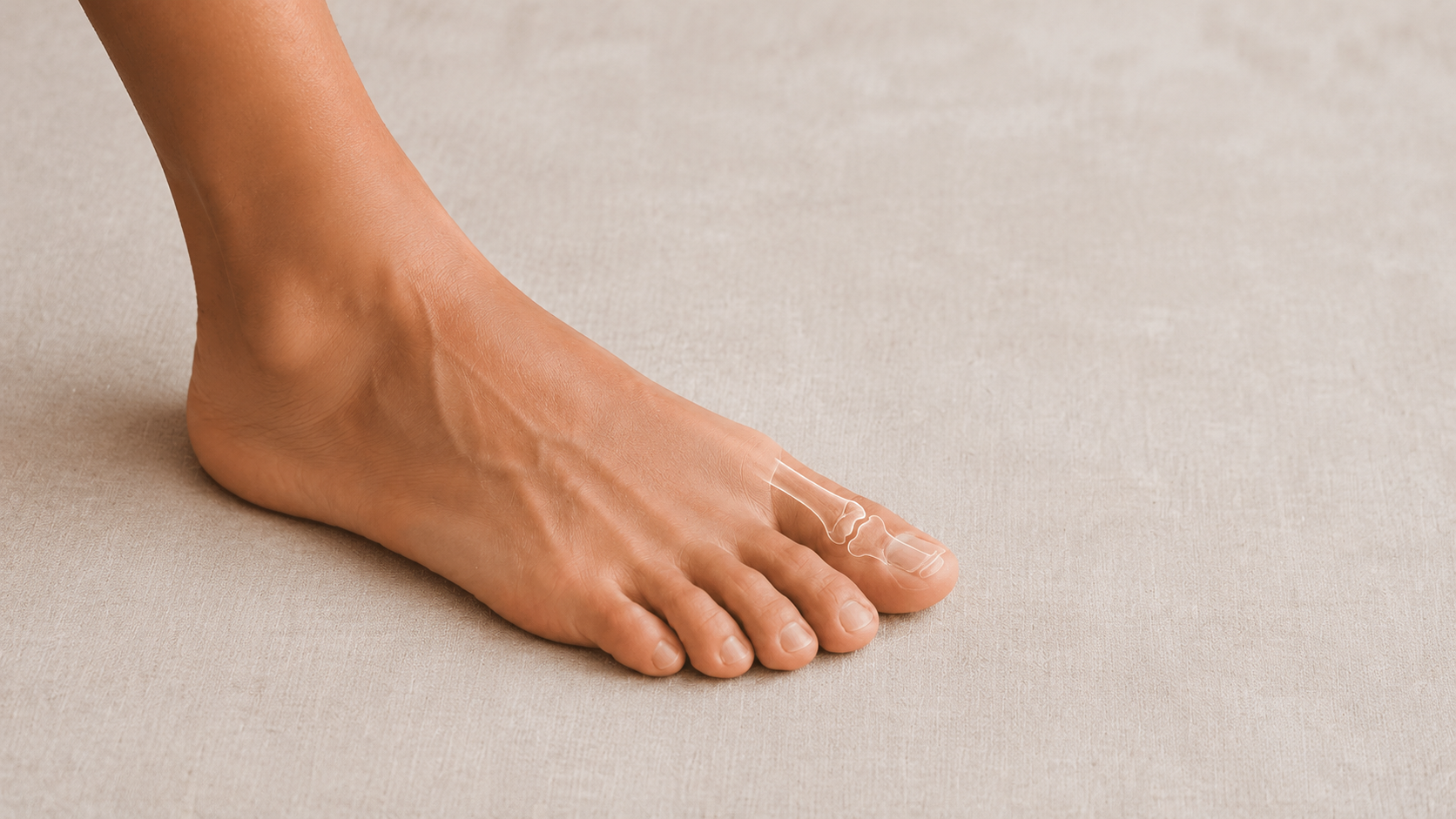
Over time, this can create a trickle-down effect. A painful hip may change the low back. A shoulder injury may alter the neck. A knee injury may affect the ankle, pelvis, or spine. Treating only the most painful structure may help temporarily, but durable progress often requires identifying the mechanical sequence behind the pain.
Muscle Guarding and Trigger Points
Muscles often tighten to protect vulnerable or painful structures. This guarding can act like a temporary splint, helping the body avoid motion that feels unsafe. When guarding becomes chronic, the muscles may become painful, stiff, and overworked.
Trigger points can develop when clusters of muscle fibers remain contracted. These areas may lose normal blood flow, become metabolically irritated, and refer pain to other regions. A trigger point in one muscle may feel like joint pain, nerve pain, headache, pelvic pain, or spine pain depending on the pattern.
Tendinopathy and Impaired Healing
Not every tendon problem is simple inflammation. Many chronic tendon problems are tendinopathies, meaning the tendon has become overloaded, irritated, or structurally weakened over time. The problem is often impaired healing rather than a short-term inflammatory episode.
Tendinopathy commonly occurs where tendons attach to bone, known as the enthesis. Repetitive microtrauma, poor mechanics, instability, or inflammatory disease may all contribute. Treatment may need to focus on load management, tissue healing, regenerative strategies, and movement retraining.
Nerve Irritation and Double Crush Patterns
Nerves may become painful when they are compressed, stretched, inflamed, adhered, or irritated along their path. Sometimes there is one clear compression point. Other times, the nerve is stressed in more than one location, creating a double crush pattern.
For example, a cervical disc herniation may combine with carpal tunnel symptoms, or a lumbar disc problem may overlap with a peripheral nerve entrapment in the pelvis or leg. When multiple sites contribute, the pain may be more intense, more confusing, and more resistant to isolated treatment.
Common Clinical Patterns
Focal Mechanical Pain
Mechanical pain often has a predictable relationship to load, posture, or movement. Patients may be able to identify the exact motion, position, or activity that brings it on. This predictability helps guide the examination and diagnostic testing.
Discogenic Pain
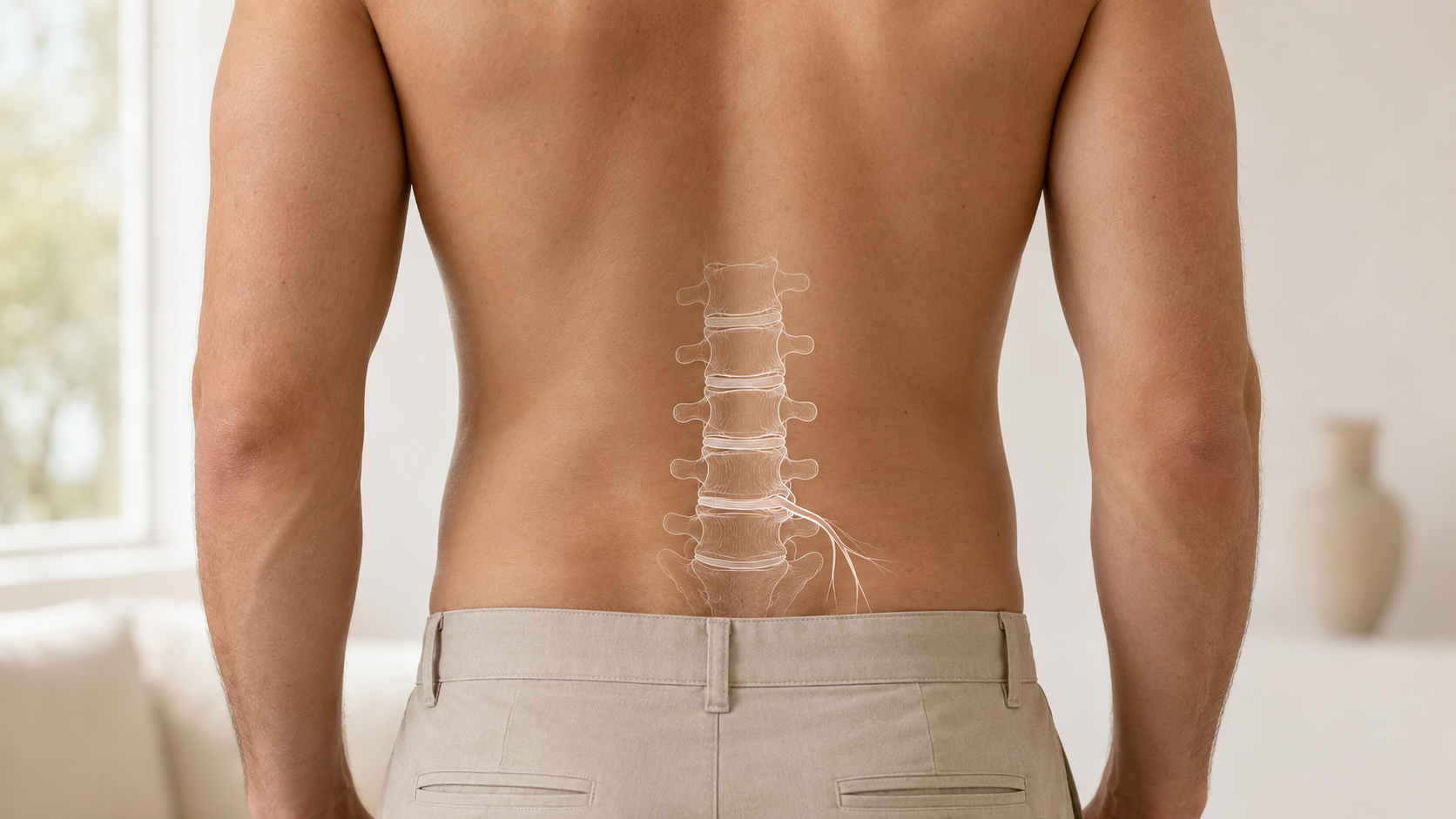
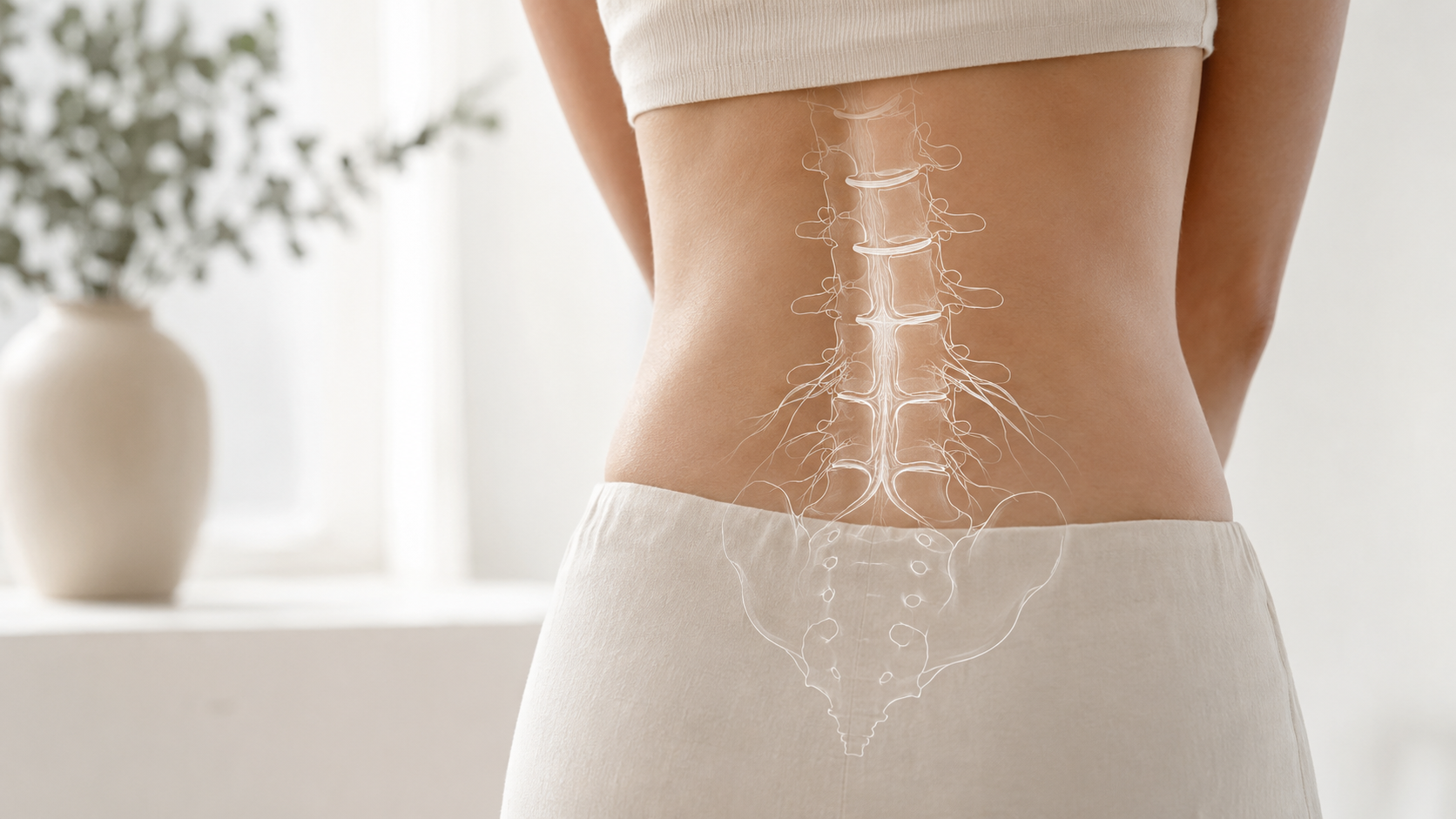
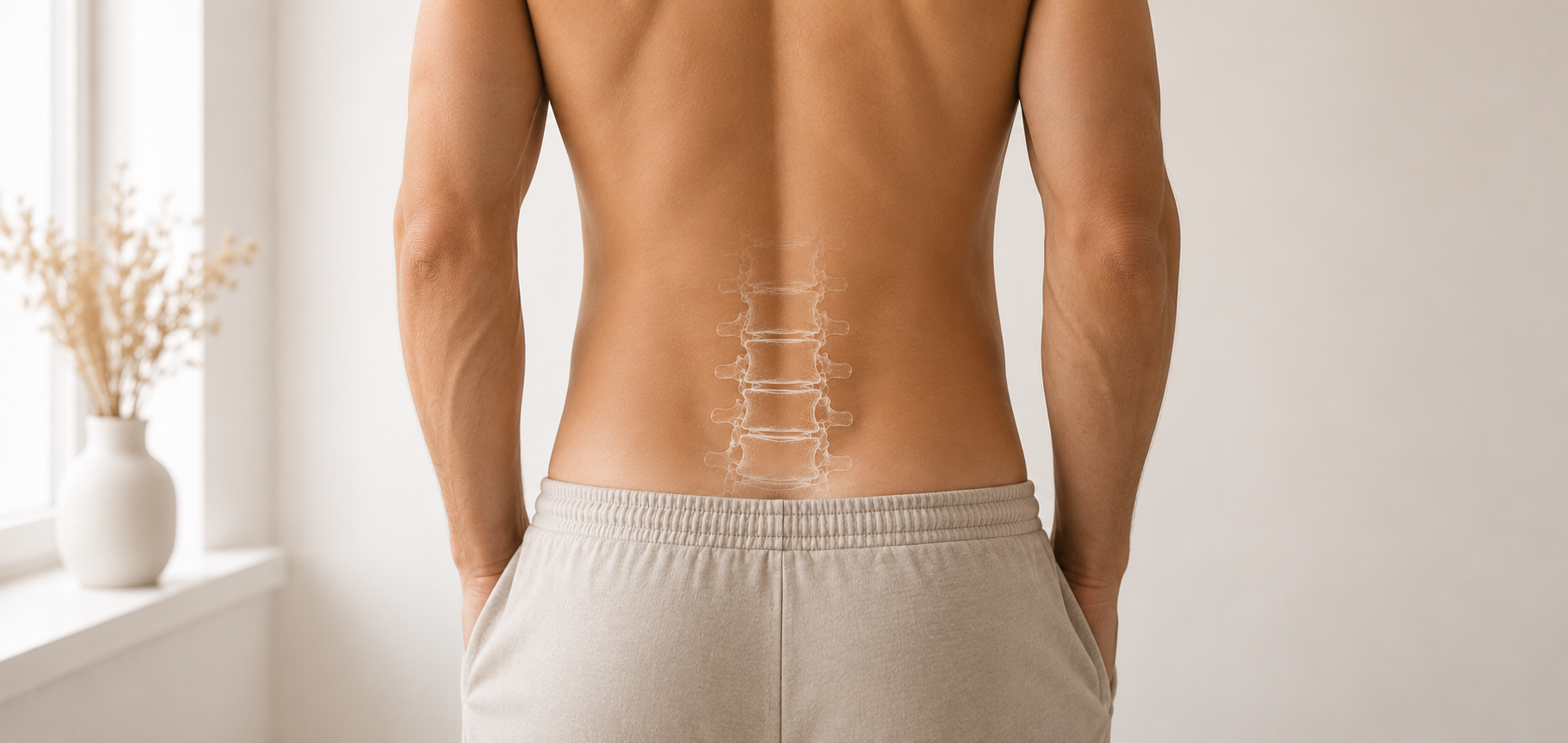
Discogenic pain comes from the disc itself. It may cause deep back or neck pain, stiffness after prolonged positioning, and difficulty tolerating sitting or standing. It may not always travel down the arm or leg, because the disc itself can be the source of pain.
Radicular Pain and Sciatica
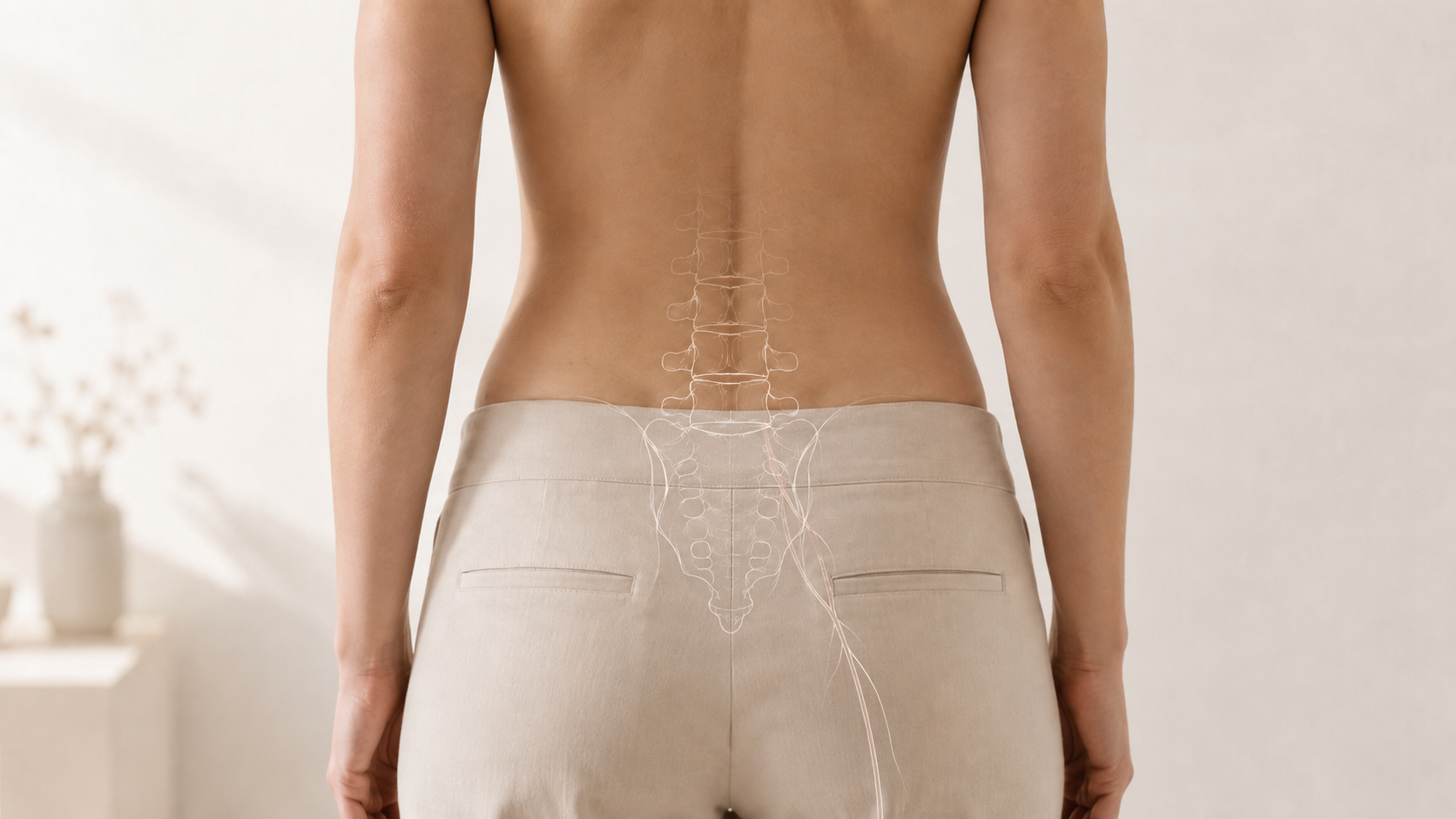
Radicular pain occurs when a spinal nerve is irritated by inflammation, compression, narrowing, or disc material. Patients may feel sharp, electric, burning, zapping, or radiating pain down an arm or leg. Sciatica is one common form of radicular pain.
Peripheral Nerve Entrapment
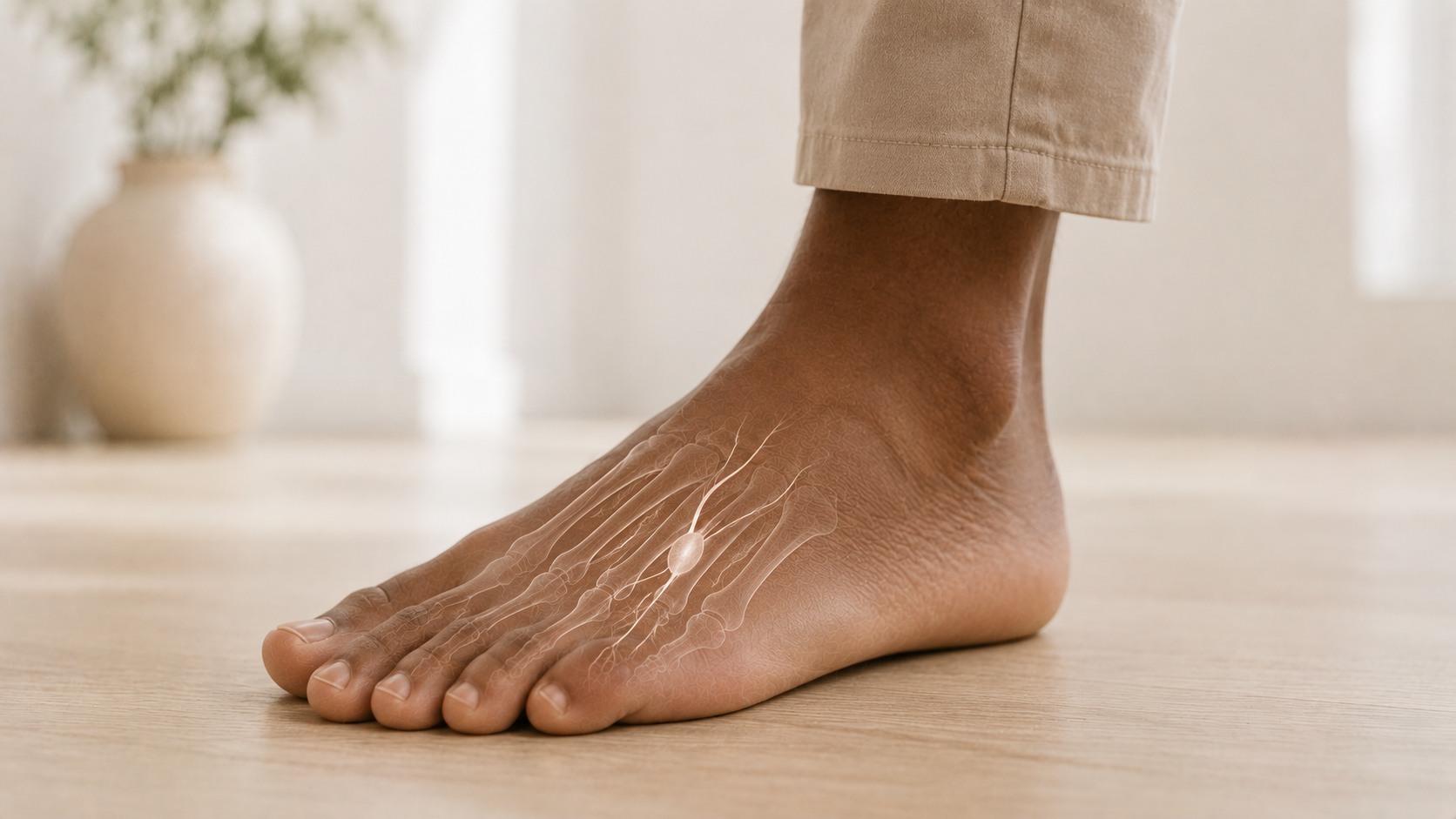
Peripheral nerves may become compressed or irritated as they pass through muscles, fascial planes, tunnels, or tight anatomical spaces. This can contribute to conditions such as thoracic outlet syndrome, cubital tunnel syndrome, carpal tunnel syndrome, meralgia paresthetica, tarsal tunnel syndrome, or pelvic nerve entrapment patterns.
Discovery
Discovery begins with the mechanics. We ask where the pain is located, what movement triggers it, what position relieves it, how it started, what changed afterward, and what other areas began compensating.
The physical examination is central. The team may assess joint stability, range of motion, muscle tone, posture, gait, strength, nerve tension, trigger points, and the relationship between one painful region and another.
Dynamic ultrasound may be used to evaluate tendons, ligaments, bursae, soft tissues, and nerves during movement. Dynamic imaging may be considered when symptoms suggest instability that standard supine imaging may miss.
When multiple pain generators are possible, sequential diagnostic blocks can help isolate the source. By temporarily numbing a specific joint, nerve, fascial plane, or pain pathway, we can learn whether that structure is truly part of the patient’s familiar pain.
Treatment
Treatment targets the structural deficit, pain generator, or biomechanical pattern identified during discovery. The goal is to reduce pain while also addressing the reason the tissue became painful.
- Medication support: Medications may provide comfort while the team diagnoses and treats the primary driver, but they are rarely the full solution for mechanical pain.
- Trigger point injections and dry needling: These treatments may help release guarding muscle knots, improve blood flow, and reduce referred pain when trigger points are part of the pattern.
- Regenerative medicine: Dextrose prolotherapy or platelet-rich plasma may be used in selected cases to support healing in lax ligaments, injured tendons, joint capsules, or soft tissues.
- Epidural procedures and hydrodissection: When a spinal nerve is irritated by inflammation, disc material, or scar tissue, epidural approaches may be used to reduce irritation, improve nerve mobility, or separate adhesions when appropriate.
- Viscosupplementation: Hyaluronic acid may be used in selected degenerative joints to improve lubrication, cushioning, and mechanical tolerance.
- Botulinum toxin: Botox or similar medications may be considered when chronically overactive muscles are compressing nerves or maintaining severe guarding patterns.
- Radiofrequency ablation: When facet joint pain is confirmed and the joint cannot be restored through other means, radiofrequency ablation may reduce pain by quieting the small sensory nerves that supply the joint.
- Rehabilitation: Physical therapy, Pilates-based strengthening, closed-chain exercise, posture retraining, and movement retraining help correct the mechanical pattern so pain is less likely to return.
- Pain psychology: Chronic musculoskeletal pain can affect confidence, identity, work, sleep, and decision-making. Pain psychology can help patients stay engaged in care and rebuild trust in movement.
Why Treatment Order Matters
Musculoskeletal dysfunction often involves more than one structure. A trigger point may be guarding a joint. A nerve may be irritated because a muscle is overactive. A disc may be painful because the pelvis or hip is altering load. Treating the loudest symptom first may not always address the driver.
MPM works to identify the order of care: what needs to be quieted, what needs to be repaired, what needs to be retrained, and what needs to be monitored. This helps treatment become more precise and less reactive.
Maintenance
Maintenance begins when the main pain generator has been identified, treatment has improved stability or comfort, and the patient understands the mechanical pattern behind the pain.
The goal is to help patients recognize early warning signs, adjust movement before a flare builds, continue strengthening, avoid repeated overload, and understand how to prevent the same cascade from returning. Musculoskeletal care is not only about reducing pain. It is about helping patients understand what went wrong and how to keep it from progressing.