Pelvic Dystonia
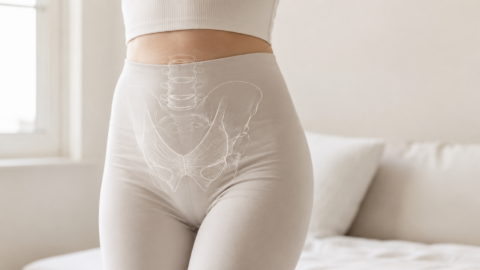
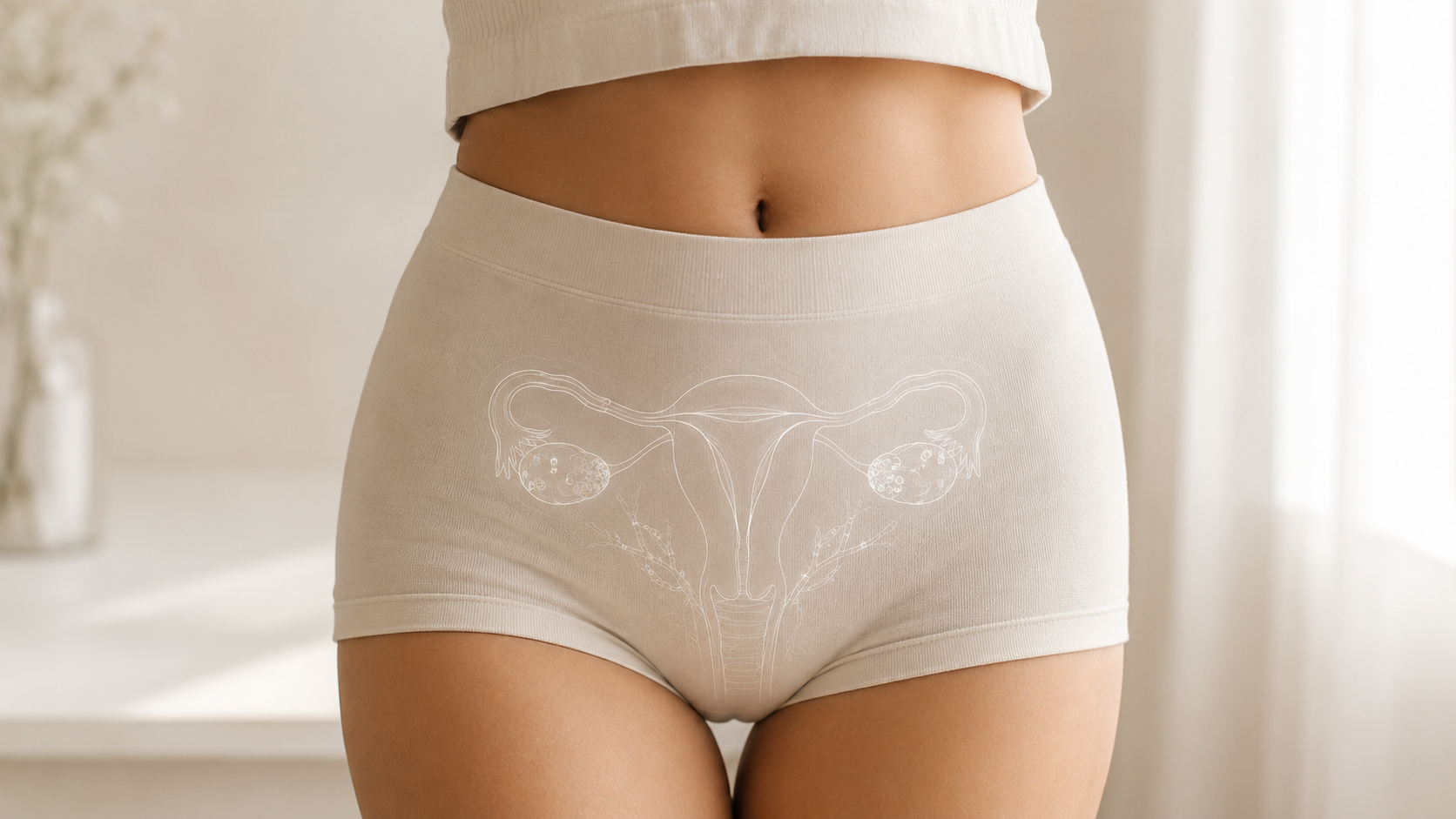
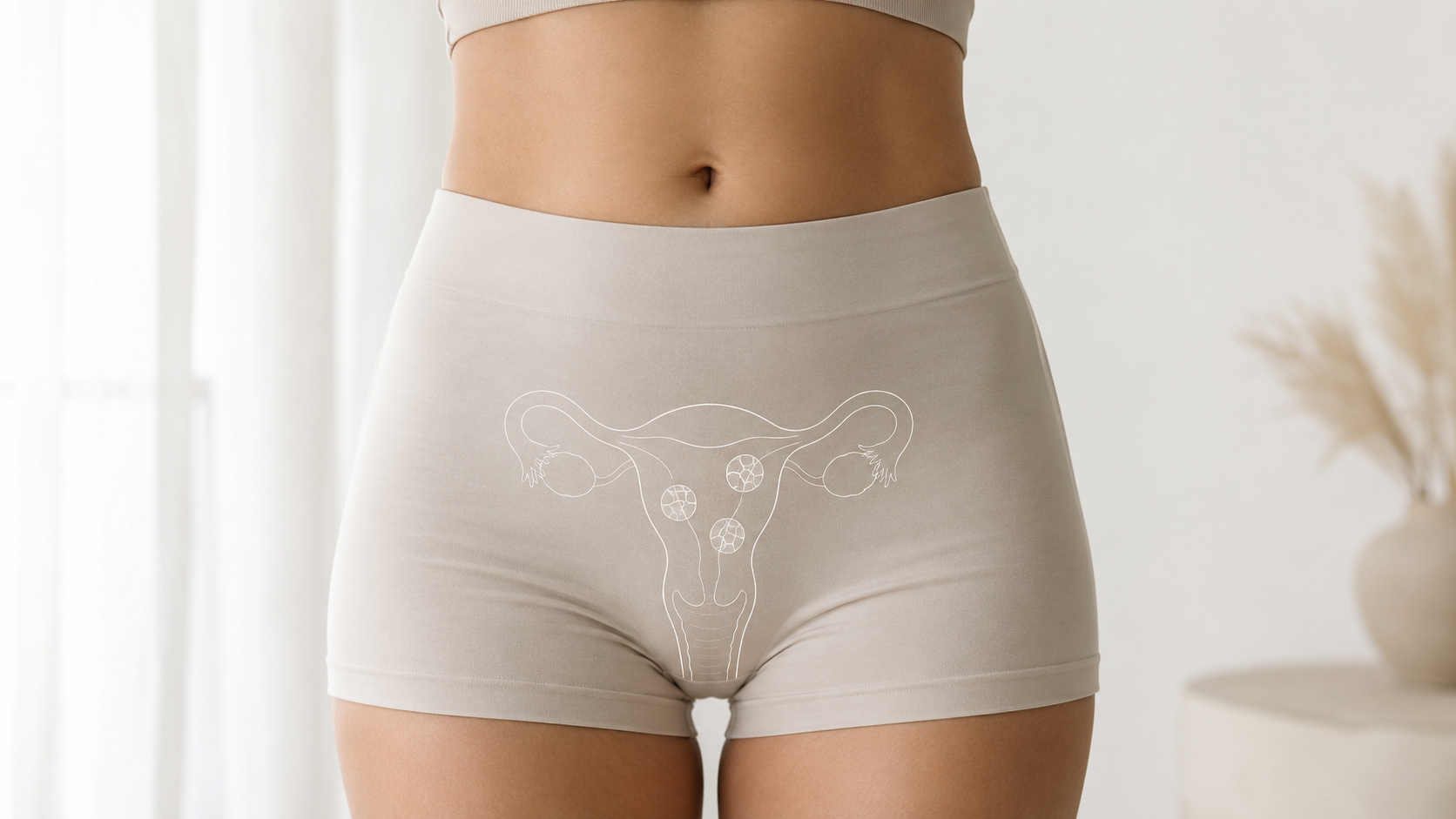
Pelvic dystonia is a complex pelvic pain pattern involving involuntary or dystonia-like overactivity of the pelvic floor muscles. Patients may describe pelvic tightness, pressure, burning, deep aching, spasms, cramping, or the feeling that the pelvic muscles cannot relax.
Symptoms may involve the pelvis, rectum, vagina, penis, scrotum, perineum, bladder, bowel, hips, SI joints, low back, or tailbone region. Some patients have pain with sitting, intercourse, bowel movements, urination, exercise, walking, or prolonged standing. Others primarily notice constipation, urinary urgency, bladder discomfort, or a deep pelvic muscle spasm pattern.
Pelvic Dystonia vs Pelvic Floor Dysfunction
Pelvic floor dysfunction is a broad term. It can involve pelvic floor muscles that are weak, tight, poorly coordinated, overactive, or unable to relax properly. Pelvic dystonia is more specific and often refers to involuntary pelvic muscle contraction, dystonia-like spasm, or persistent pelvic floor overactivity.
The two can overlap. A patient may have pelvic floor dysfunction with dystonia-like spasm, pelvic trigger points, nerve irritation, pelvic floor guarding, and chronic pelvic pain. The exact pattern matters because treatment should be selected based on the driver of symptoms.
Why Pelvic Dystonia Can Be Difficult to Diagnose
Pelvic dystonia can be difficult to identify because symptoms may resemble pudendal neuralgia, pelvic floor dysfunction, endometriosis, fibroids, bladder pain, bowel dysfunction, hip pain, SI joint dysfunction, sciatica, disc herniation, prostatitis-like symptoms, vulvodynia, rectal pain, or nonspecific chronic pelvic pain.
Many patients have normal imaging or several findings that do not fully explain the symptoms. Some have tried pelvic floor therapy and improved partially, but still have persistent muscle spasm, pressure, burning, bowel symptoms, urinary symptoms, or pain with intercourse.
MPM evaluates pelvic dystonia by asking whether the pelvic muscles are the main pain generator, reacting to another condition, or contributing to a broader multi-source pelvic pain pattern.
Pelvic Dystonia and Constipation
Pelvic floor muscle overactivity can interfere with bowel function. If the pelvic floor muscles do not relax properly during bowel movements, patients may experience constipation, straining, incomplete evacuation, rectal pressure, or painful bowel movements.
Constipation can also worsen pelvic floor guarding. Repeated straining may increase pressure through the pelvis, irritate nerves, and make muscle spasm more persistent. In these cases, care may require coordination with GI, colorectal specialists, pelvic floor therapy, and pain medicine.
Pelvic Dystonia and Urinary Symptoms
Pelvic muscle overactivity may contribute to urinary urgency, frequency, hesitancy, bladder discomfort, or difficulty relaxing during urination. These symptoms can be distressing and may be mistaken for bladder infection, interstitial cystitis, urologic disease, or nonspecific pelvic pain.
MPM does not replace urology evaluation when urinary symptoms require it. Instead, MPM evaluates whether pelvic muscle overactivity, nerve irritation, pelvic floor dysfunction, or overlapping pain mechanisms may be contributing.
Pelvic Dystonia and Sexual Pain
Pelvic dystonia may contribute to pain with intercourse, penetration, orgasm, pelvic exams, or sexual activity. Muscle spasm, trigger points, nerve irritation, fear of pain, and chronic pelvic guarding can all influence sexual pain.
Sexual pain may also involve endometriosis, fibroids, pudendal neuralgia, pelvic floor dysfunction, vulvodynia, prostatitis-like symptoms, bladder pain, surgical scar tissue, trauma history, or hormonal factors. A careful evaluation helps determine which contributors need to be addressed.
Pelvic Dystonia and Pudendal Neuralgia
Pelvic dystonia and pudendal neuralgia often overlap. Pelvic floor muscle spasm can increase pressure or irritation around pelvic nerves. Pudendal nerve pain can also cause protective pelvic floor contraction, making the muscles tighter and more reactive.
Patients may describe burning, electric, stabbing, rectal, genital, perineal, or sitting-related pain. These symptoms may suggest pudendal nerve involvement, but they do not prove pudendal neuralgia by themselves. MPM evaluates both the nerve pattern and the pelvic muscle pattern before recommending treatment.
Pelvic Dystonia, Hip Pain, SI Joint Pain, and Low Back Pain
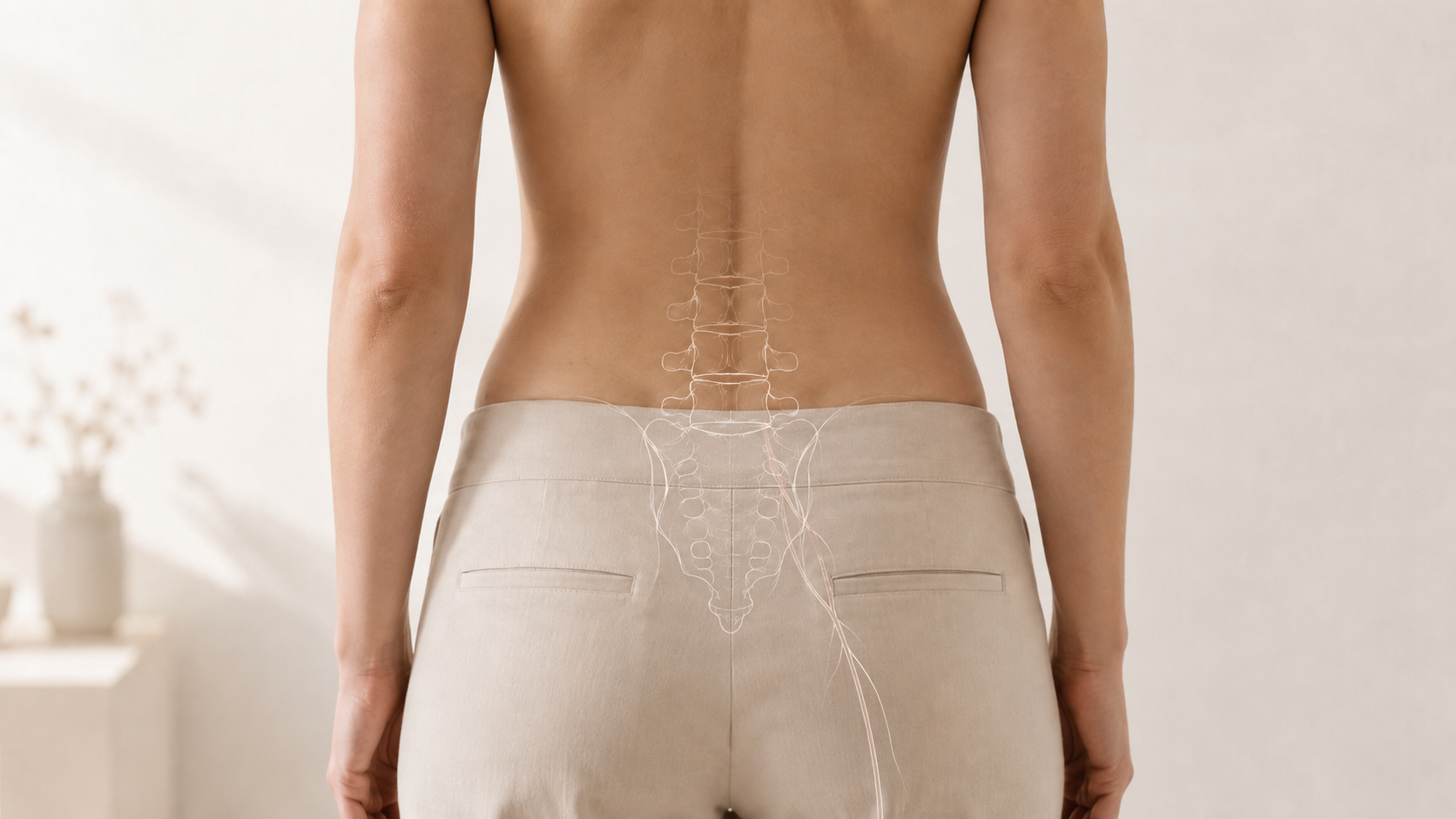
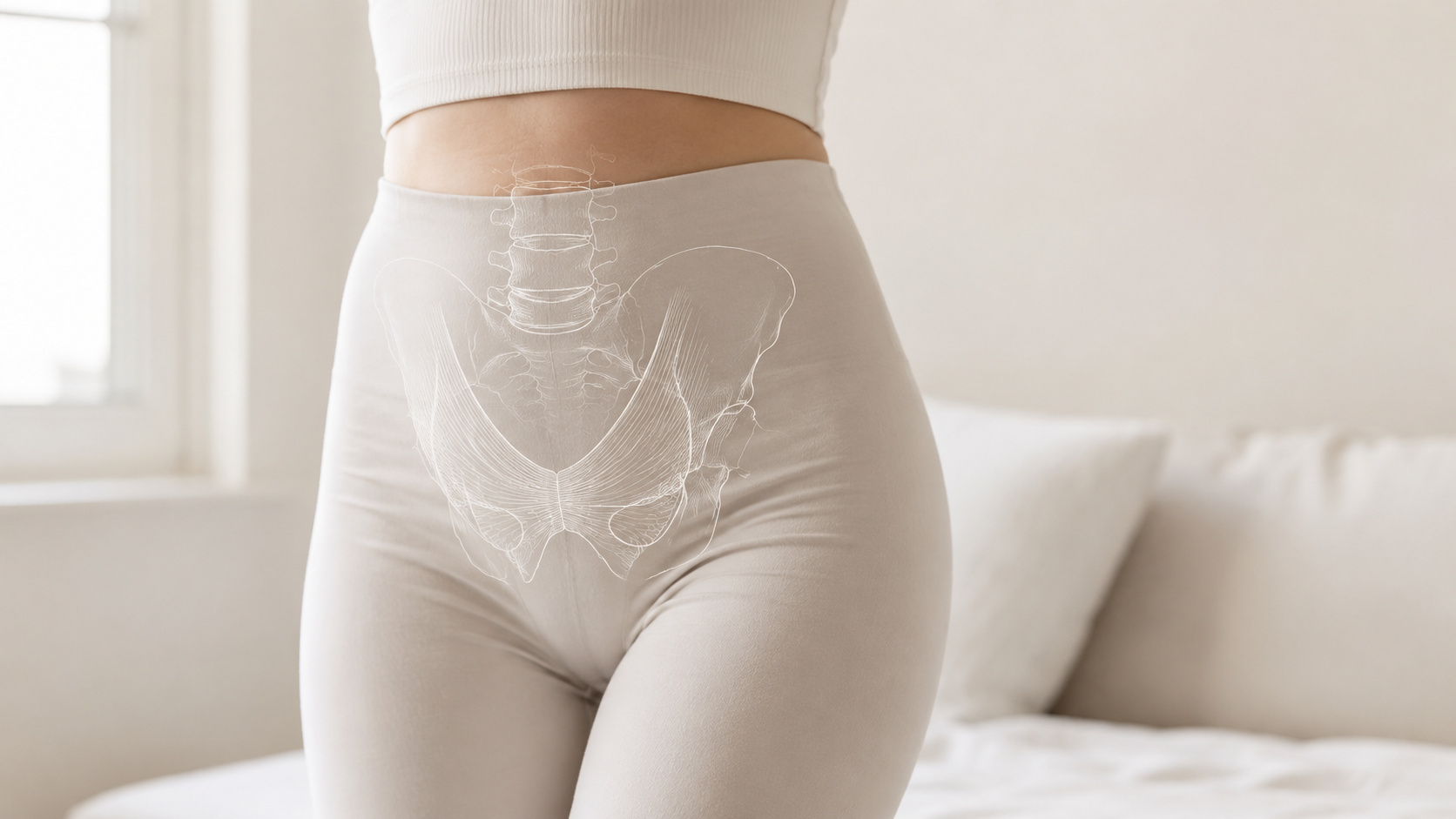
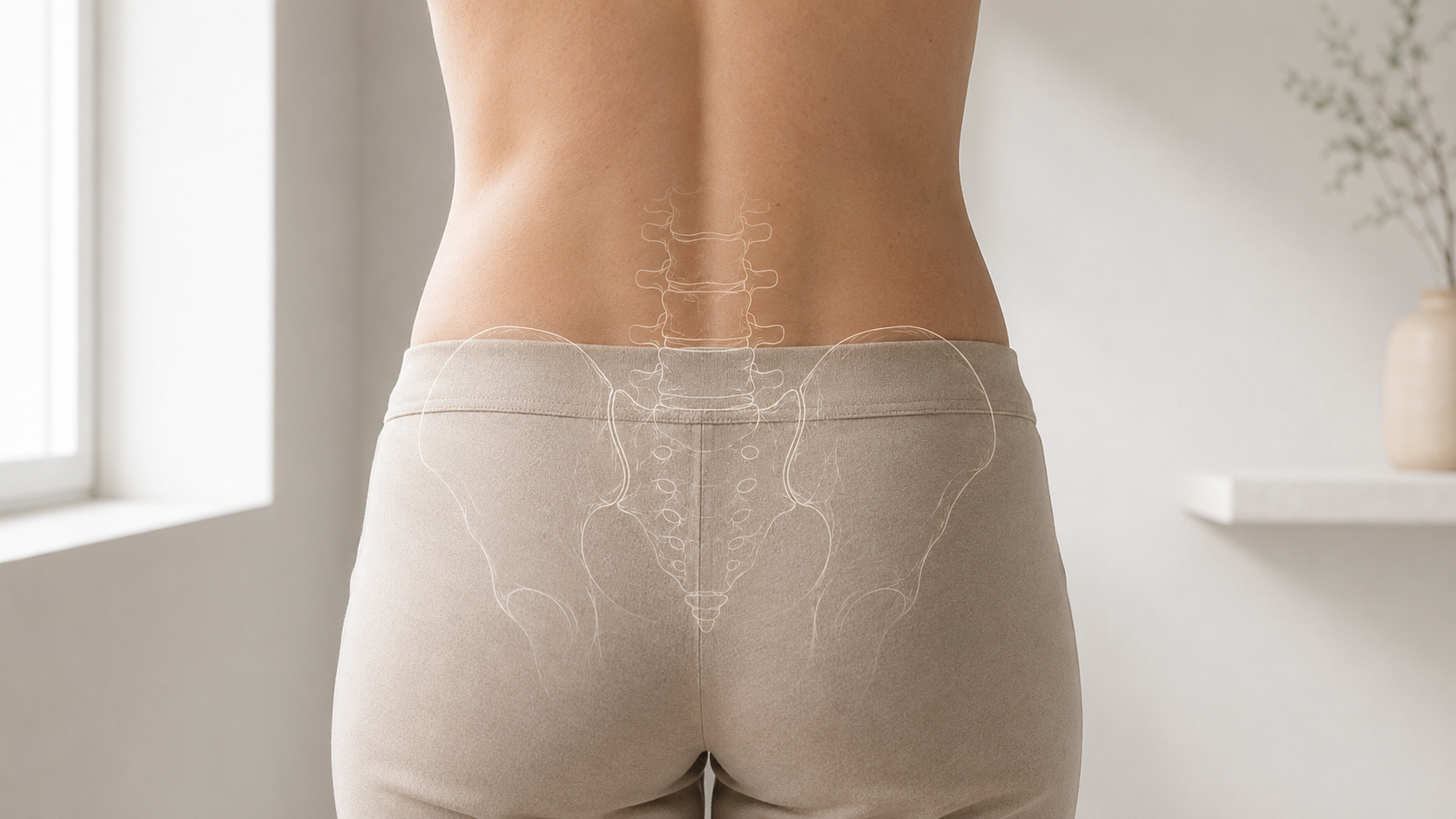
The pelvic floor does not function in isolation. It works within a system that includes the hips, sacroiliac joints, lumbar spine, abdominal wall, pelvic ligaments, deep stabilizing muscles, and gait mechanics.
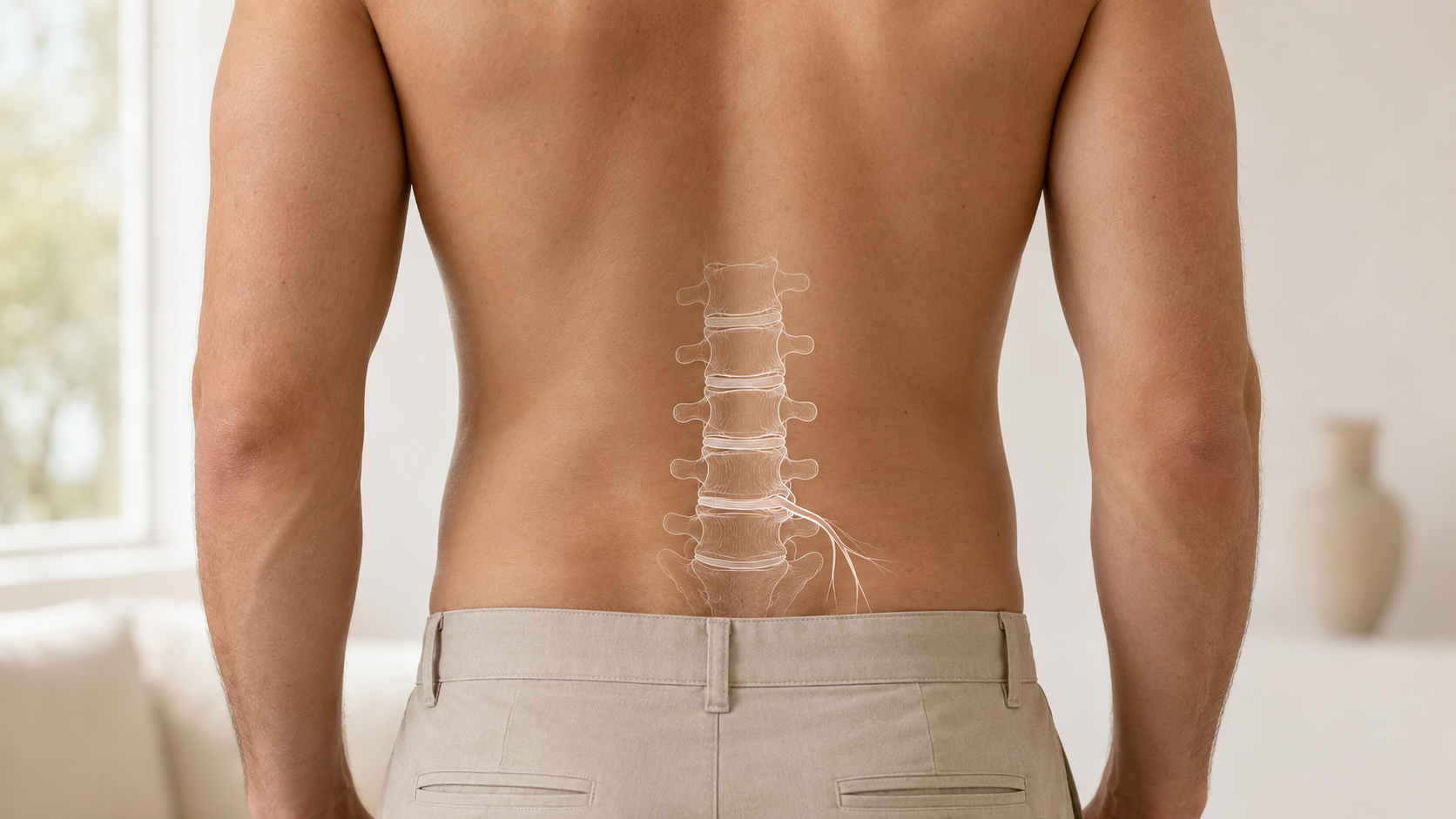
Hip impingement, anterior pelvic tilt, sacroiliac joint dysfunction, low back pain, disc herniations, sciatica-like pain, and altered movement patterns can all contribute to pelvic floor guarding or muscle overactivity. In some patients, pelvic dystonia is part of a larger musculoskeletal compensation pattern.
Pelvic Dystonia, Endometriosis, and Fibroids
Endometriosis and fibroids can overlap with pelvic floor muscle overactivity. Chronic gynecologic pain may cause protective pelvic floor guarding, trigger points, painful intercourse, bowel symptoms, bladder symptoms, and nerve sensitization.
MPM does not replace gynecology or gynecologic treatment. Instead, MPM evaluates pain generators that may coexist with gynecologic conditions, including pelvic dystonia, pelvic floor dysfunction, pudendal nerve irritation, abdominal wall pain, SI joint dysfunction, hip pain, and chronic pain sensitization.
Pelvic Dystonia, Vascular Compression Syndromes, and Pelvic Pain
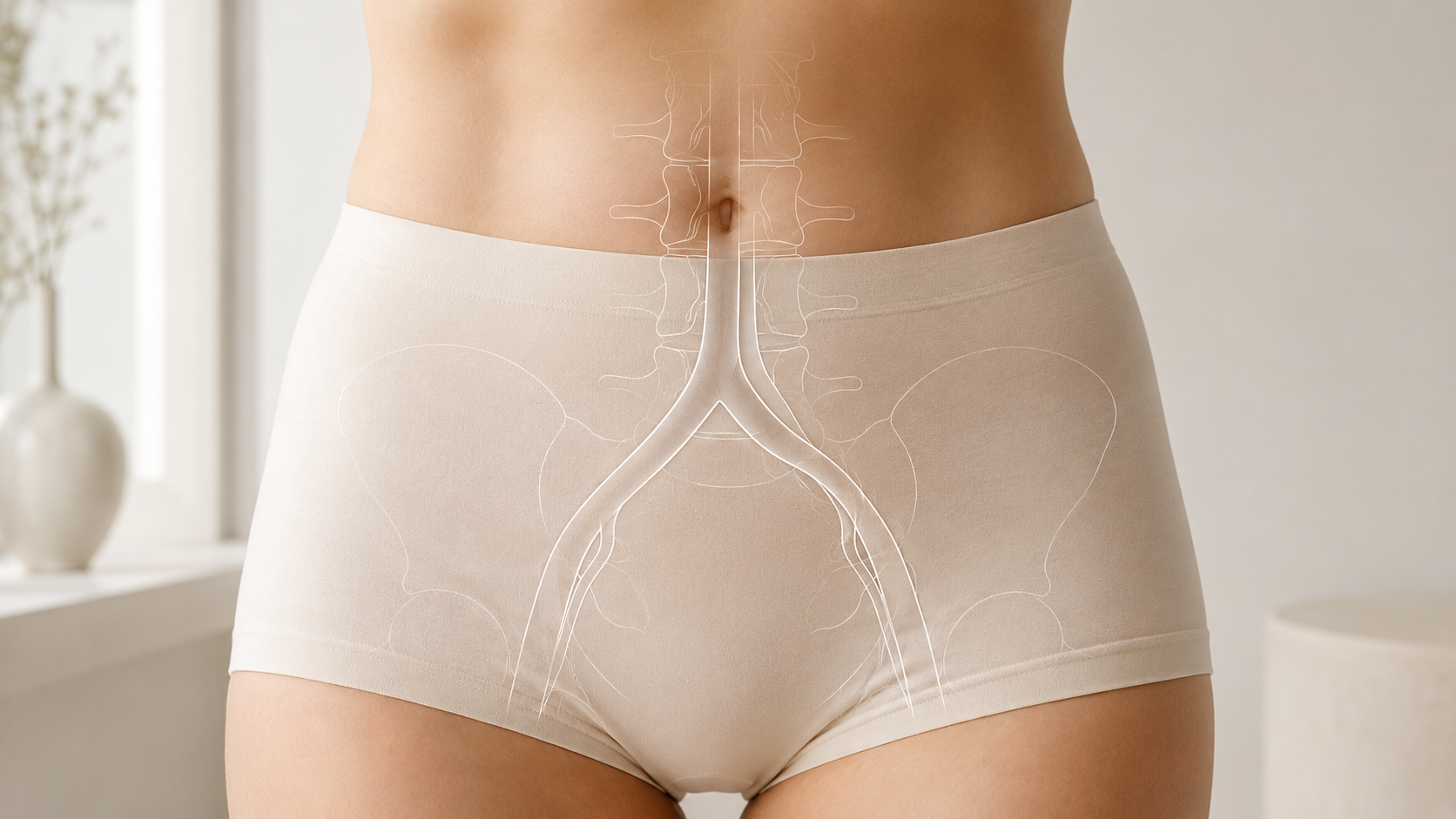
May Thurner Syndrome and Nutcracker Syndrome are vascular compression conditions that may overlap with pelvic pain in selected patients. These are not pelvic dystonia diagnoses, but they may be considered when symptoms include pelvic heaviness, leg swelling, flank pain, blood in urine, vascular findings, or pelvic congestion-type symptoms.
MPM does not replace vascular, urology, nephrology, or surgical evaluation for vascular compression conditions. MPM may help evaluate whether persistent pain is vascular, muscular, nerve-related, musculoskeletal, pelvic floor-related, or mixed.
Pelvic Dystonia, Hypermobility, and EDS
In selected patients, hypermobility spectrum disorder or Ehlers-Danlos syndrome may contribute to pelvic floor muscle overactivity through altered pelvic mechanics, SI joint instability, hip instability, ligamentous laxity, and protective muscle guarding.
When joints feel unstable, muscles may overwork to create stability. In the pelvis, this can contribute to tightness, spasm, trigger points, or pain. This does not mean that every patient with pelvic dystonia has hypermobility or EDS, but these factors should be considered when symptoms and history suggest them.
How MPM Evaluates Pelvic Dystonia
MPM begins with a detailed symptom map. This includes pelvic pain location, muscle tightness, spasm pattern, bowel symptoms, bladder symptoms, sexual pain, sitting tolerance, pelvic floor therapy history, childbirth history, pelvic surgery history, endometriosis or fibroid history, constipation history, hip symptoms, SI joint symptoms, spine symptoms, prior imaging, prior procedures, and treatment response.
The evaluation also considers pelvic floor dysfunction, pudendal neuralgia, pelvic dystonia-like spasm, anterior pelvic tilt, sacroiliac joint dysfunction, hip impingement, May Thurner Syndrome, Nutcracker Syndrome, chronic constipation, enthesitis, EDS, hypermobility spectrum disorder, sciatica, disc herniations, endometriosis, fibroids, and chronic pain sensitization.
Treatment Options for Pelvic Dystonia
Treatment depends on the diagnosed pain generators. Some patients benefit from pelvic floor therapy coordination, medication management, pain psychology, biofeedback, acupuncture, Feldenkrais, bowel and bladder coordination, movement retraining, and treatment of contributing hip, SI joint, spine, gynecologic, or musculoskeletal drivers.
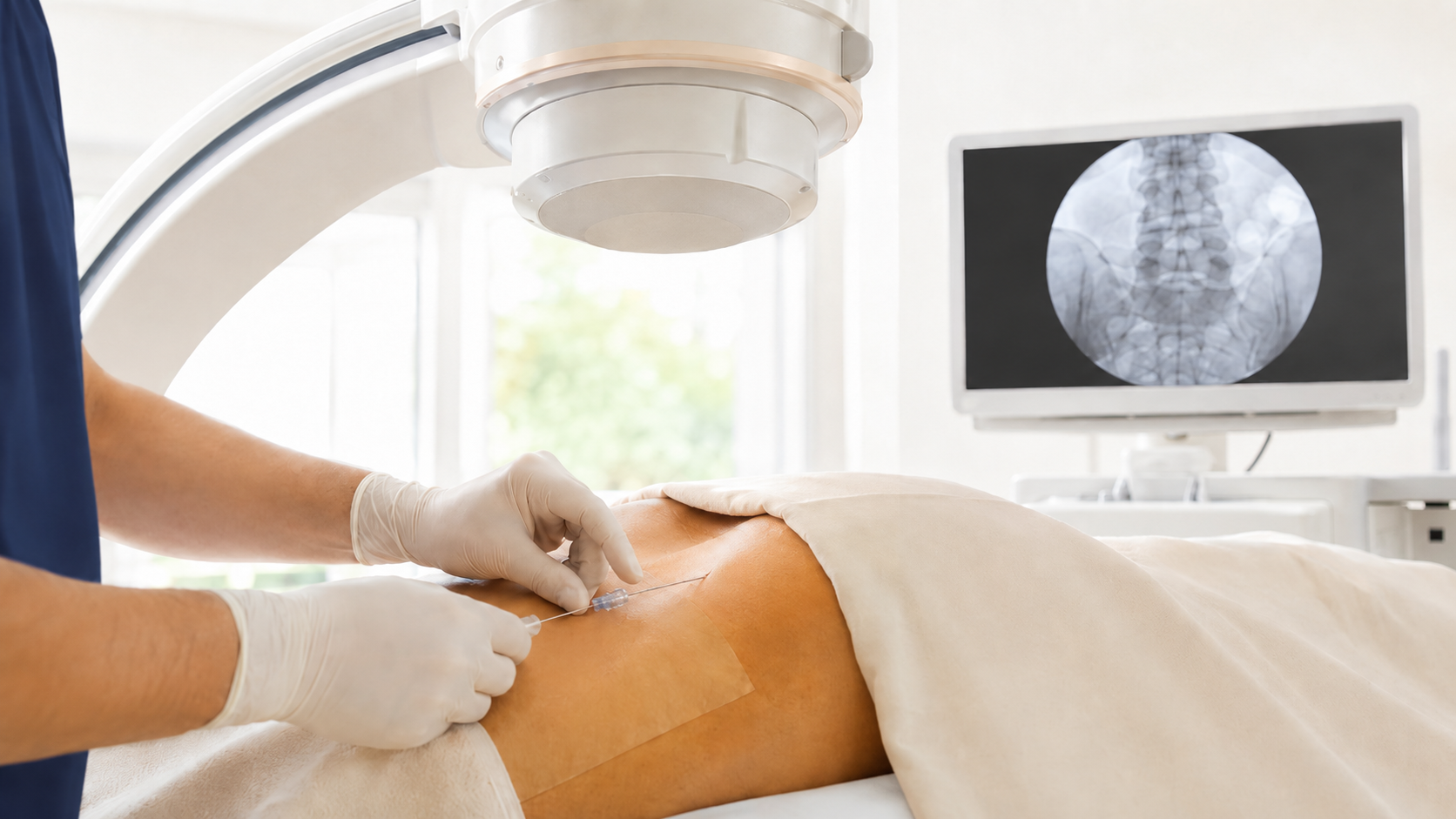
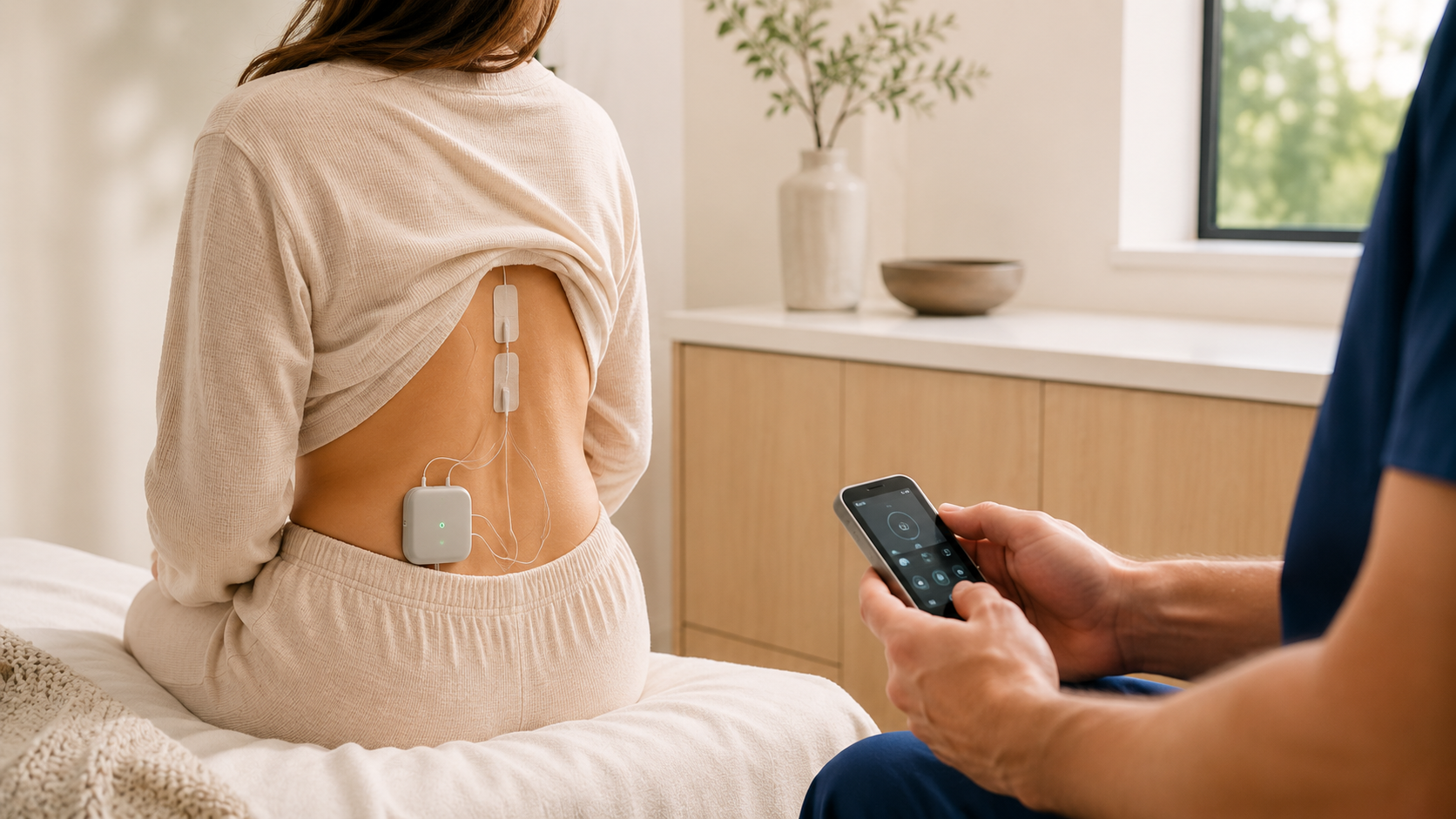
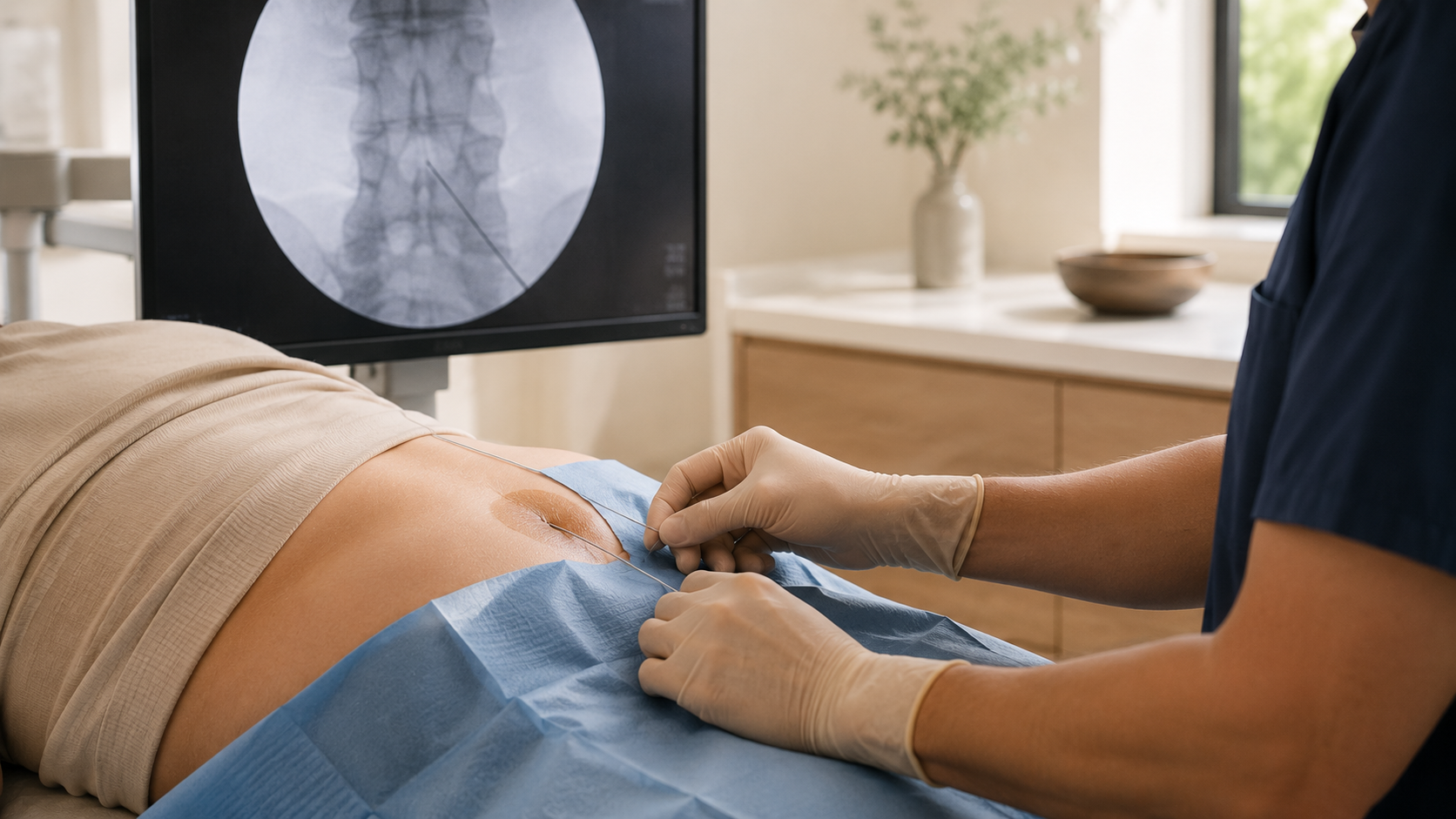
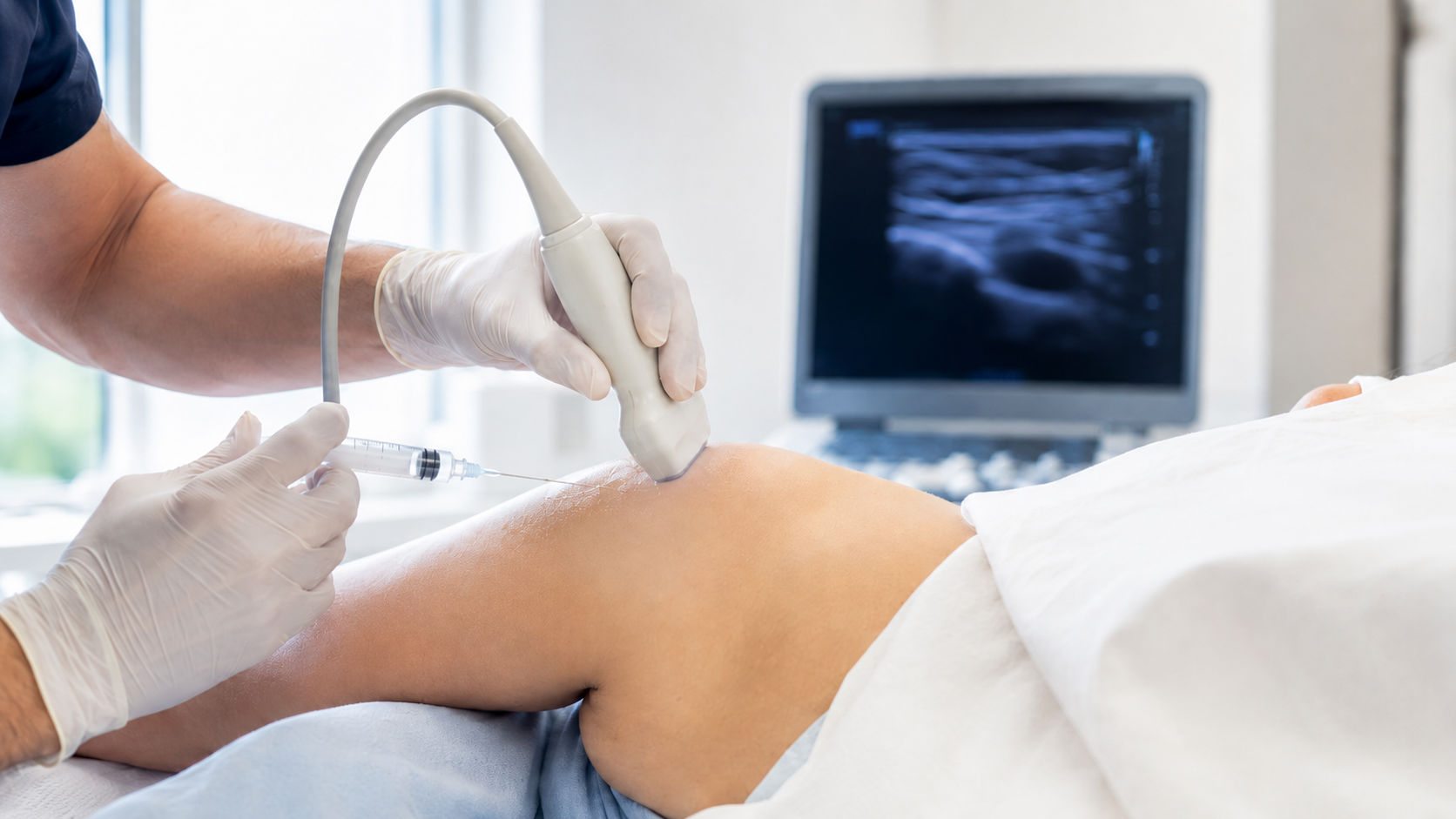
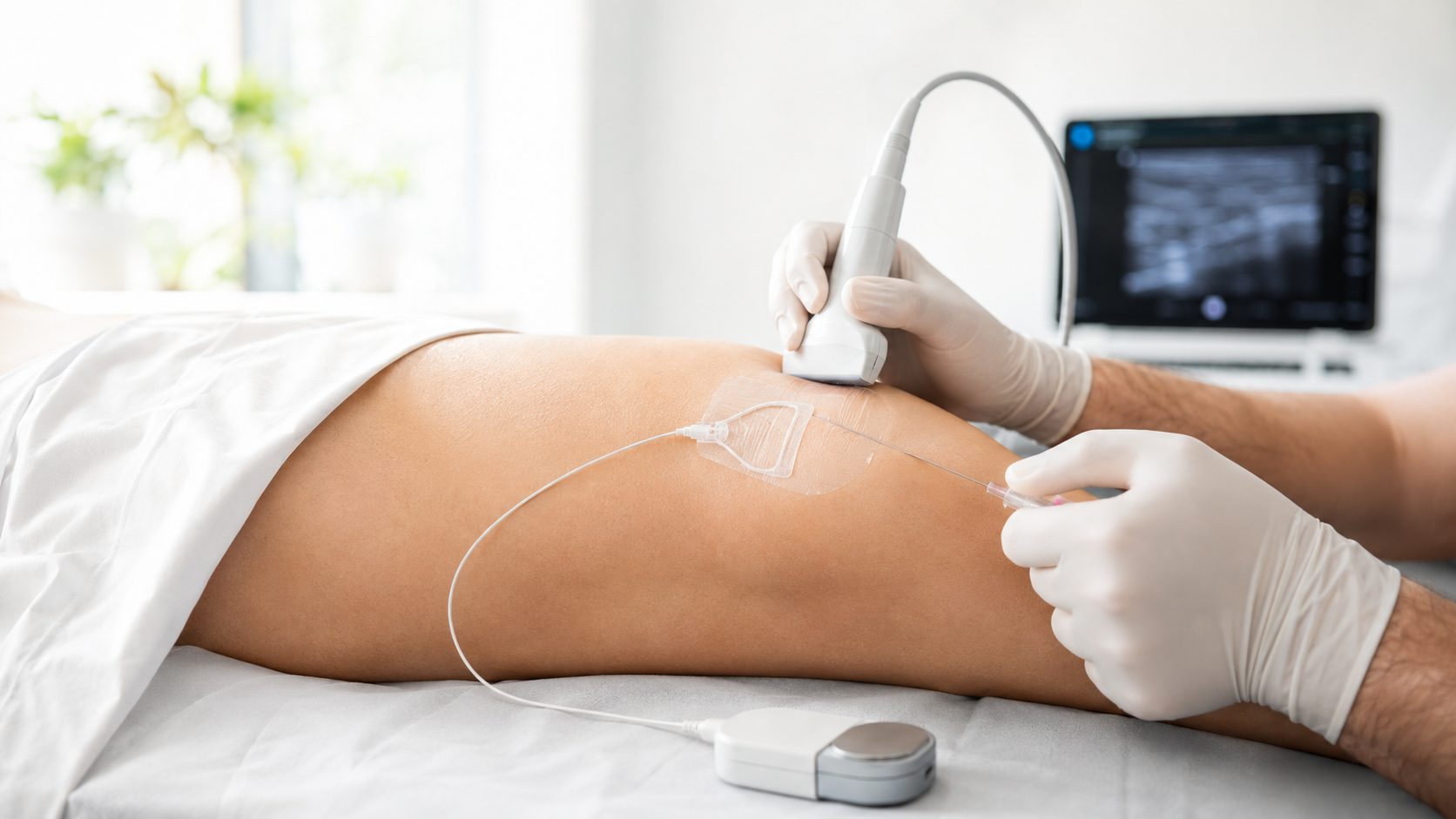
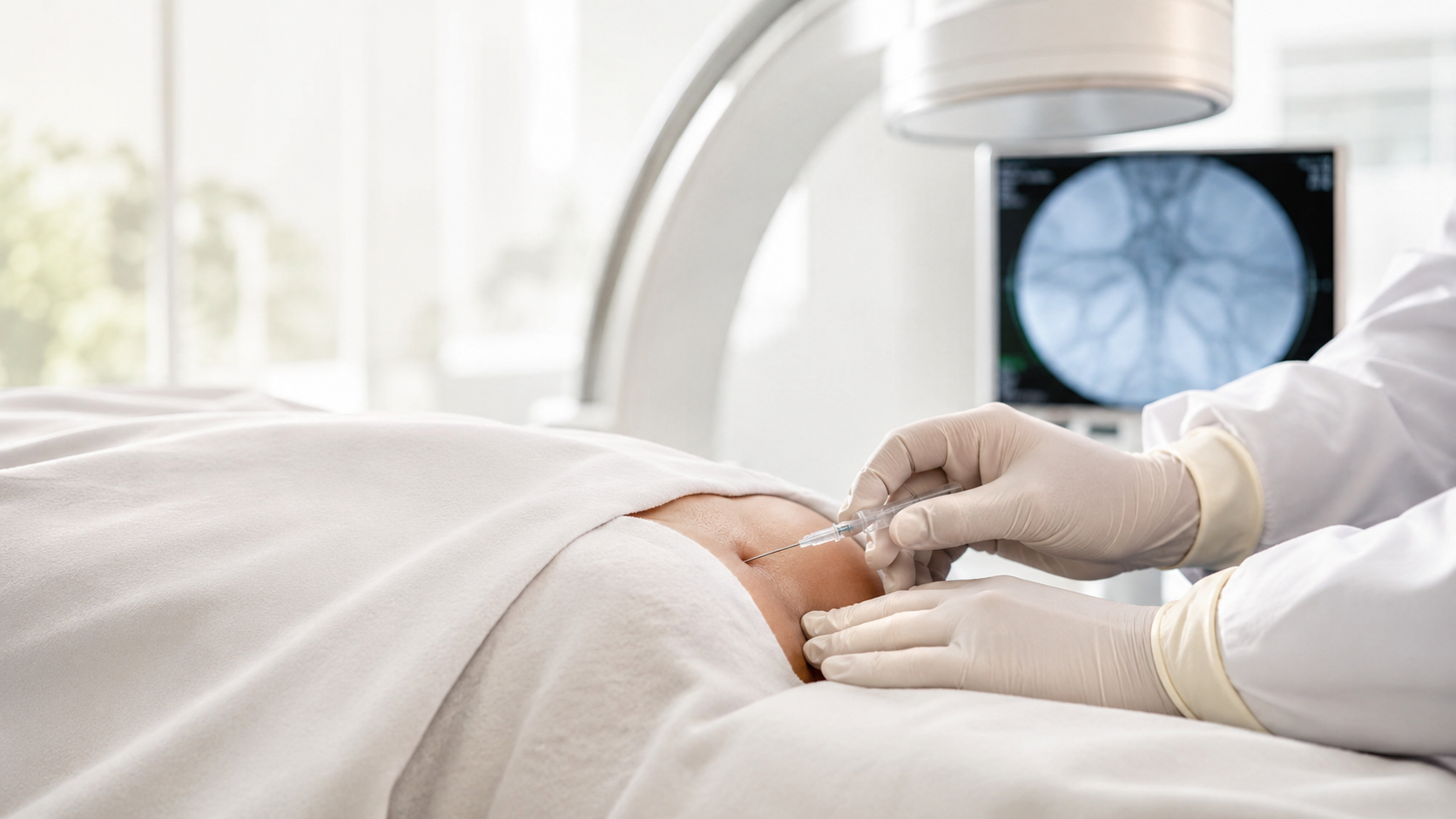
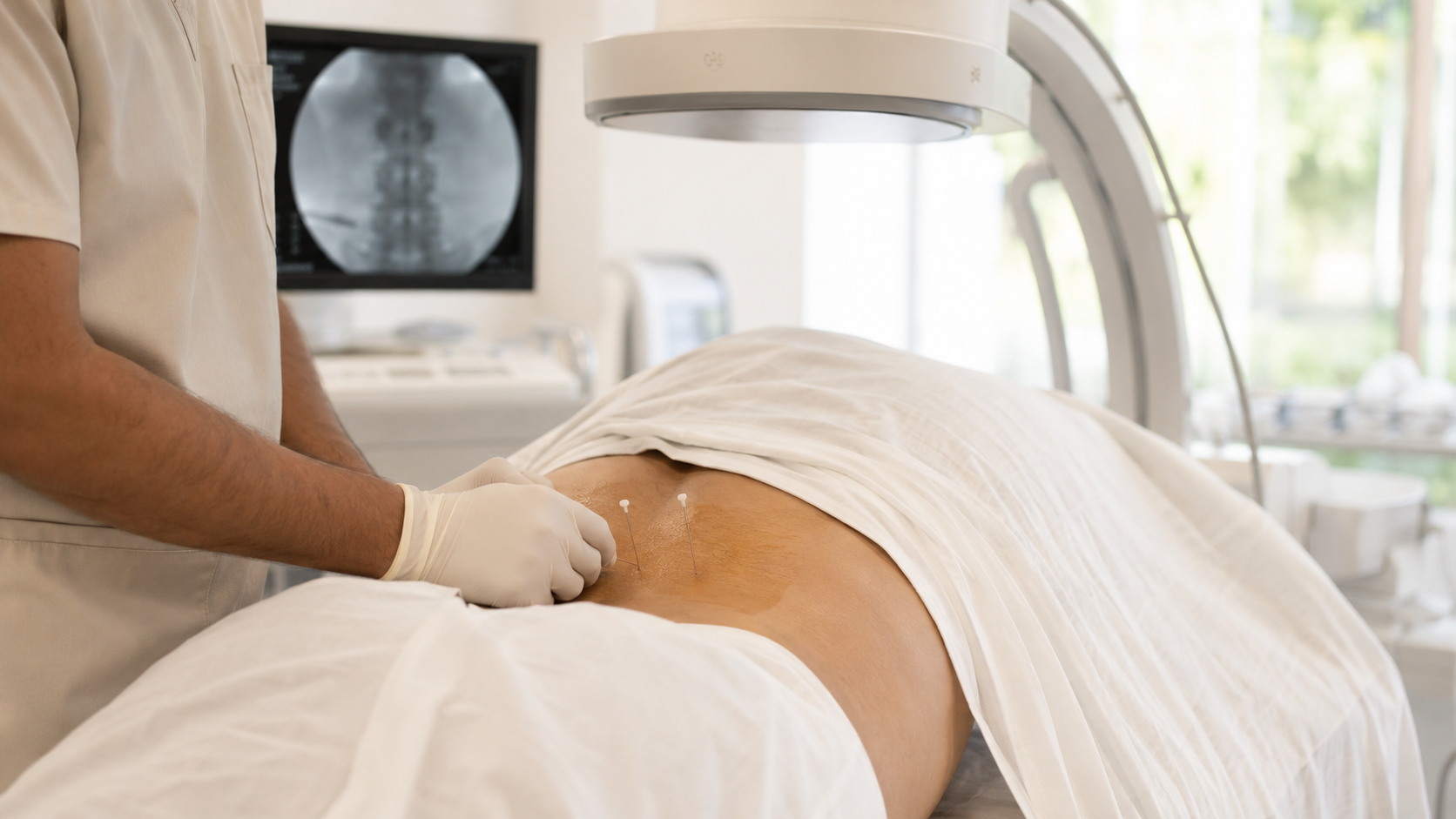
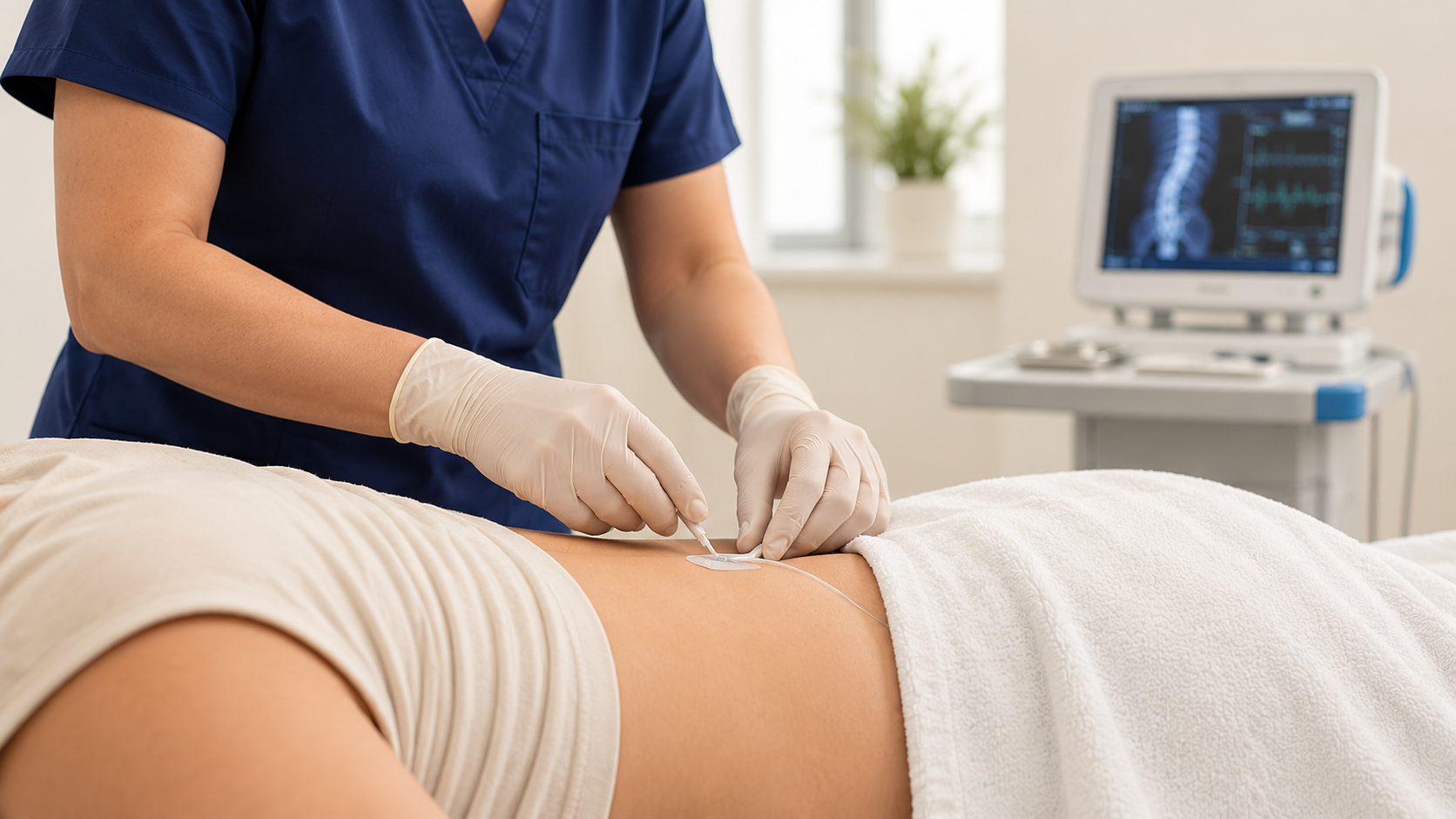
Selected patients may be considered for pelvic floor trigger point injections, botulinum toxin injections, pudendal nerve block, peripheral nerve blocks, nerve hydrodissection, ganglion impar block, superior hypogastric plexus block, lumbar sympathetic blocks, sympathetic blocks, lidocaine or ketamine-related treatments, peripheral nerve stimulation, dorsal root ganglion stimulation, spinal cord stimulation, or other neuromodulation approaches. These treatments are not routine for every patient.
When Pelvic Floor Trigger Point Injections May Be Considered
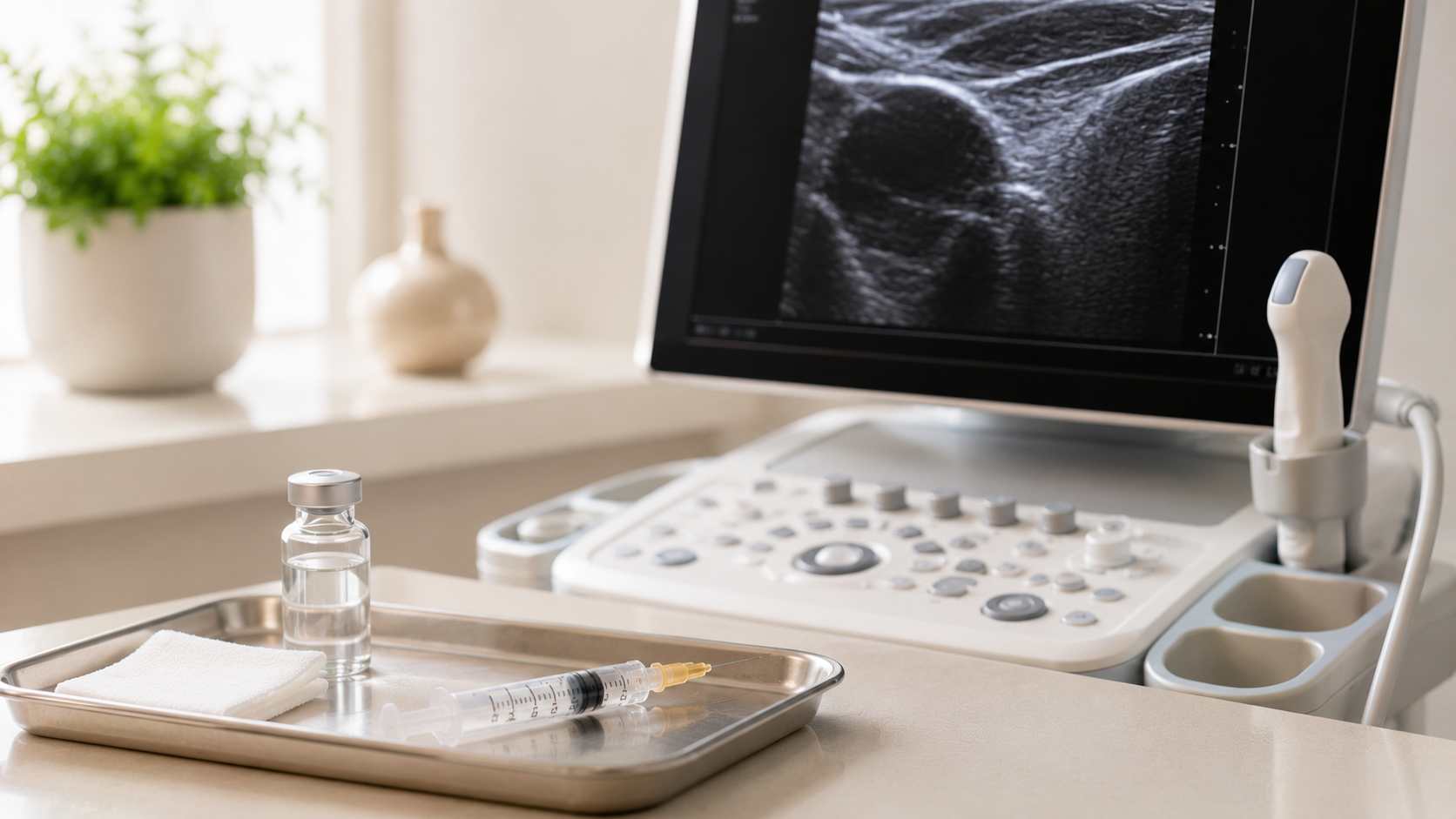
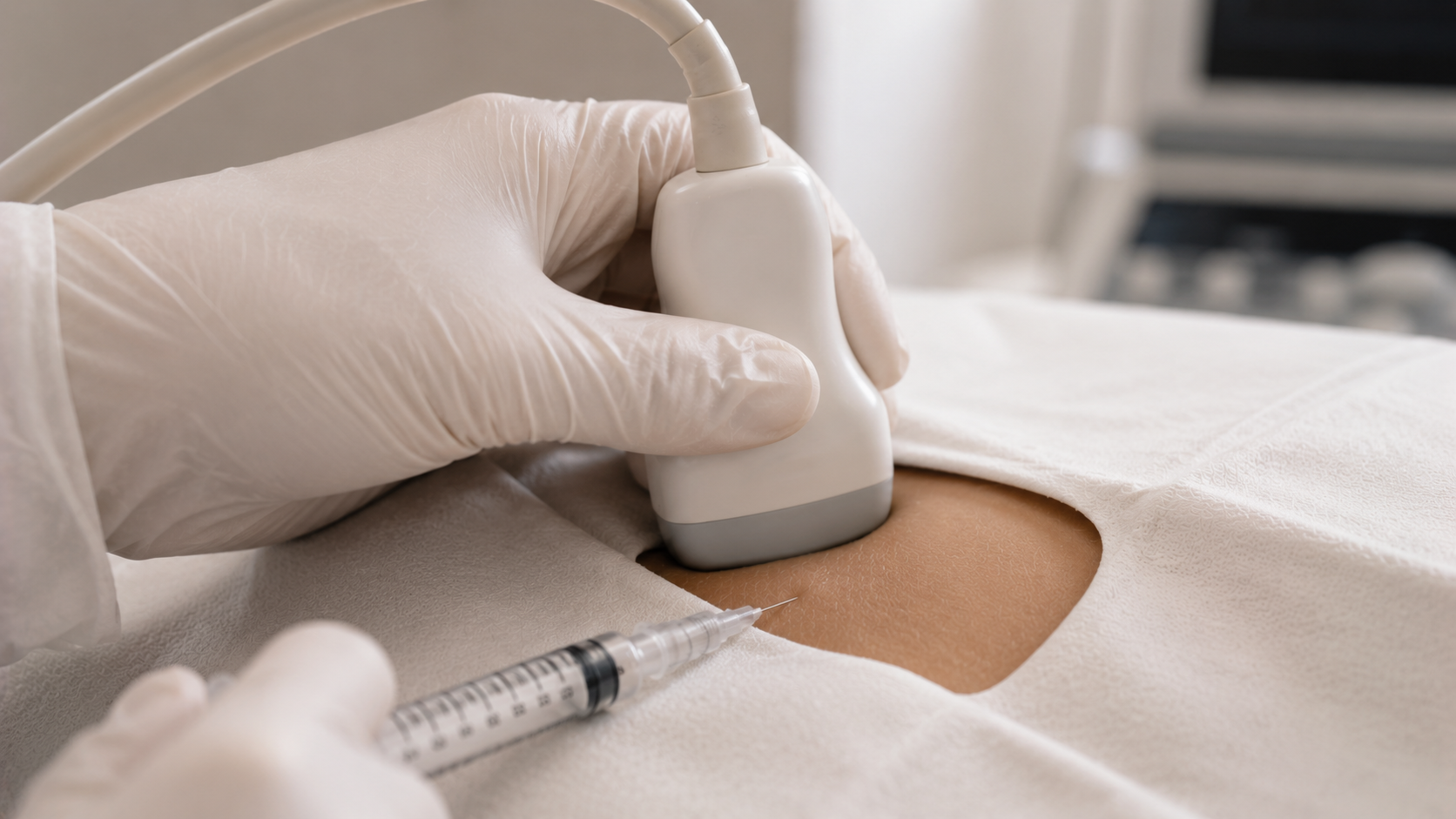
Pelvic floor trigger point injections may be considered when focal pelvic muscle trigger points are contributing to pain. These injections may help identify and treat specific muscle-related pain generators in selected patients.
They are not a general treatment for all pelvic pain and should be considered only after a careful evaluation of the pelvic floor, pain pattern, nerve symptoms, musculoskeletal contributors, and prior therapy response.
When Botulinum Toxin May Be Considered
Botulinum toxin may be considered for selected patients with pelvic floor muscle overactivity, spasm, or dystonia-like patterns. The goal is to reduce excessive muscle contraction in carefully selected muscles when the clinical picture supports that approach.
Botulinum toxin is not appropriate for every case of pelvic pain or pelvic tightness. Evidence is mixed, response varies by patient, and treatment requires careful muscle selection, dosing, risk discussion, and coordination with the broader care plan.
When Nerve Blocks or Neuromodulation May Be Considered
If pelvic dystonia overlaps with pudendal neuralgia, pelvic nerve pain, sympathetically mediated pain, or chronic refractory pelvic pain, selected patients may be considered for pudendal nerve block, peripheral nerve block, ganglion impar block, superior hypogastric plexus block, sympathetic blocks, peripheral nerve stimulation, dorsal root ganglion stimulation, spinal cord stimulation, or other neuromodulation options.
These are not first-line treatments for most patients. They are considered only when the evaluation supports a specific target and when risks, benefits, alternatives, and treatment goals have been reviewed.
When Urgent Evaluation Is Needed
Pelvic dystonia-like symptoms should not automatically be assumed to be muscular. Patients should seek urgent evaluation for fever, severe or sudden pelvic or abdominal pain, heavy bleeding, pregnancy-related pain, fainting, blood in urine or stool, inability to urinate, new bowel or bladder dysfunction, saddle anesthesia, new leg weakness, unexplained weight loss, severe testicular pain, signs of infection, chest pain, shortness of breath, or rapidly worsening symptoms.
These symptoms may indicate conditions that require emergency, gynecologic, urologic, gastrointestinal, vascular, neurologic, or surgical evaluation.
How MPM Approaches Pelvic Dystonia Care
MPM approaches pelvic dystonia through a diagnosis-first, coordinated model. The goal is to determine whether symptoms are driven by pelvic floor muscle overactivity, pudendal nerve irritation, pelvic floor dysfunction, hip impingement, SI joint dysfunction, anterior pelvic tilt, endometriosis, fibroids, constipation, vascular compression syndromes, hypermobility, EDS, spine-related nerve pain, or chronic pain sensitization.
For patients looking for pelvic dystonia treatment in Manhattan or NYC, MPM offers a careful pain medicine perspective focused on pelvic floor muscle evaluation, pelvic nerve assessment, musculoskeletal contributors, pelvic floor therapy collaboration, symptom mapping, image-guided procedures when appropriate, and coordination with the right specialists. Treatment is individualized and selected only after the likely pain generators are better understood.