Ehlers-Danlos Syndrome Evaluation and Treatment in Manhattan and NYC

Ehlers-Danlos syndrome can affect joints, connective tissue, pain sensitivity, headaches, autonomic symptoms, digestion, pelvic health, and daily function.

Learn how Dr. S explains Ehlers-Danlos syndrome (EDS), its connection to chronic pain and hypermobility, and personalized treatment strategies to improve function and quality of life.

Understanding Ehlers-Danlos Syndrome and Chronic Pain

Ehlers-Danlos syndrome, often called EDS, refers to a group of connective tissue conditions that can affect the joints, skin, blood vessels, and other body systems. Hypermobile Ehlers-Danlos syndrome, or hEDS, is commonly associated with joint hypermobility, joint instability, recurrent sprains or injuries, muscle pain, fatigue, headaches, dizziness, gastrointestinal symptoms, pelvic pain, and complex chronic pain patterns.

For many patients, EDS-related pain is not limited to one joint or one diagnosis. Symptoms may involve musculoskeletal instability, nerve irritation, autonomic dysfunction, POTS, MCAS-like symptoms, headaches, GI symptoms, pelvic pain, central sensitization, or overlapping inflammatory and post-viral conditions.

At Manhattan Pain Medicine (MPM), evaluation begins with a diagnosis-first approach. The goal is to understand which pain generators are active, how symptoms interact across systems, and what type of coordinated care plan is appropriate.

Specialist Care for EDS-Related Pain and Hypermobility

For patients looking for Ehlers-Danlos syndrome treatment in NYC or EDS pain management in Manhattan, MPM evaluates pain through a full-body, systems-aware lens. The team considers joint instability, recurrent injuries, muscle guarding, nerve irritation, headache patterns, autonomic symptoms, pelvic pain, GI-related pain, and chronic pain sensitization.

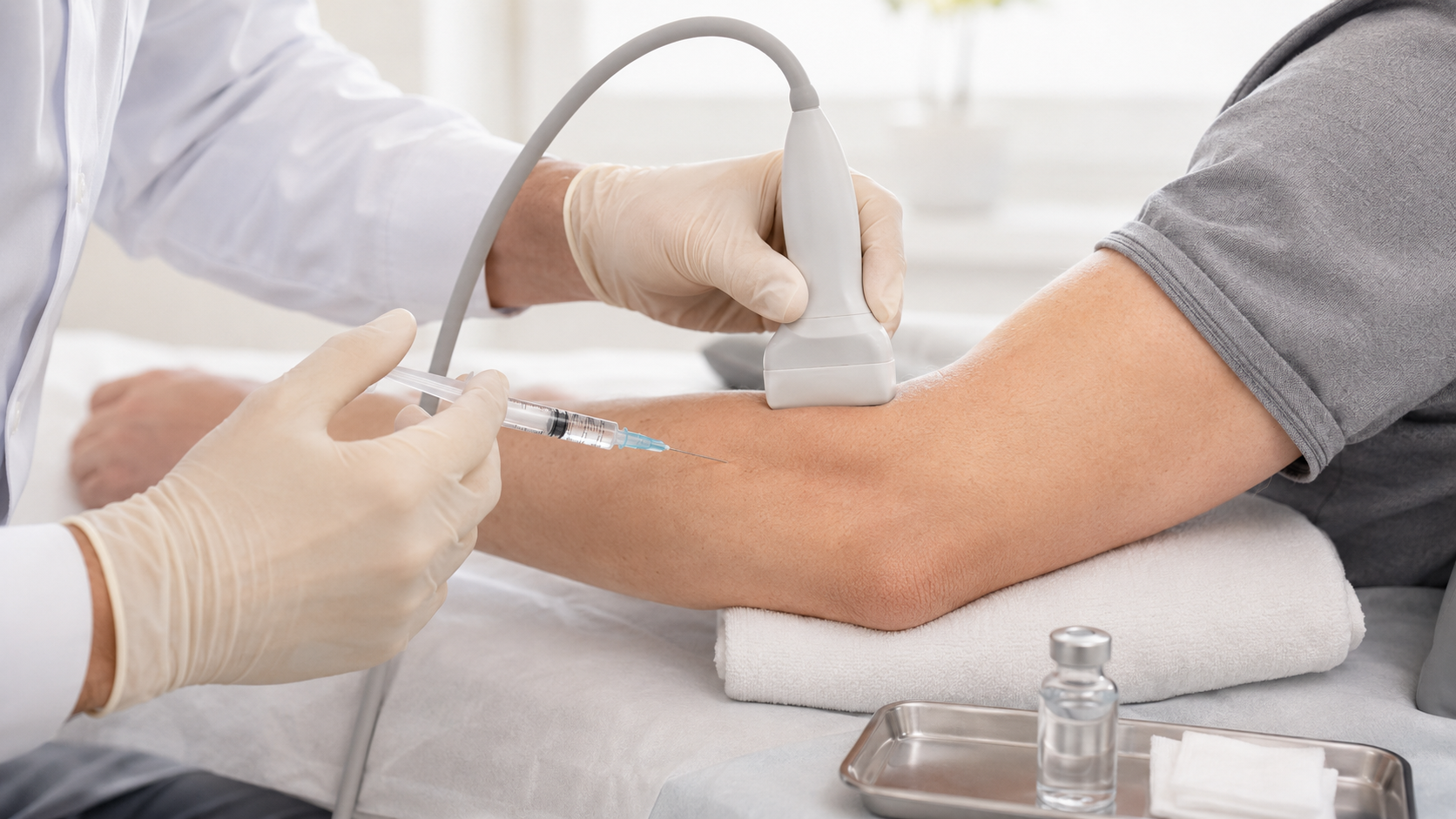
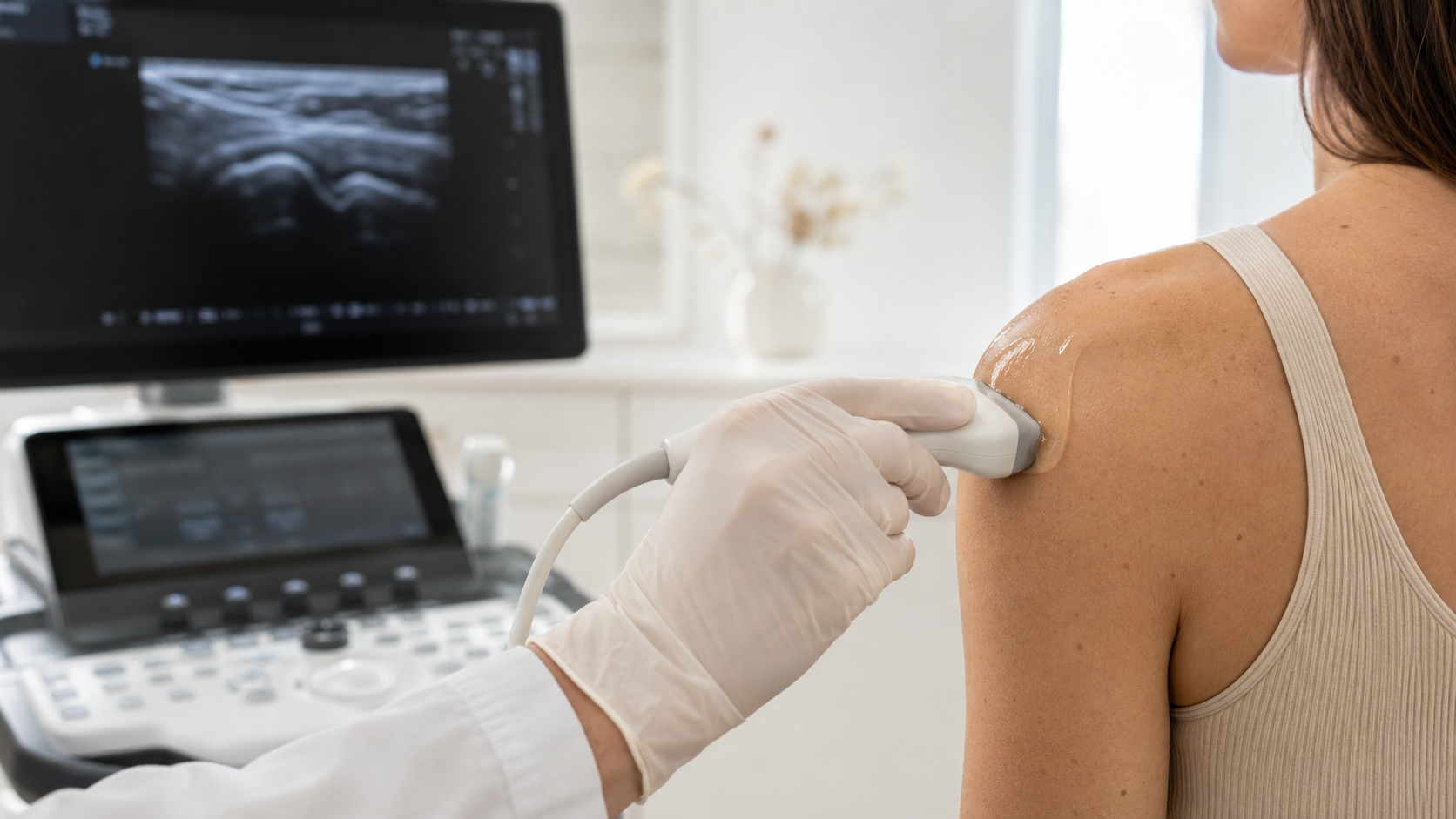
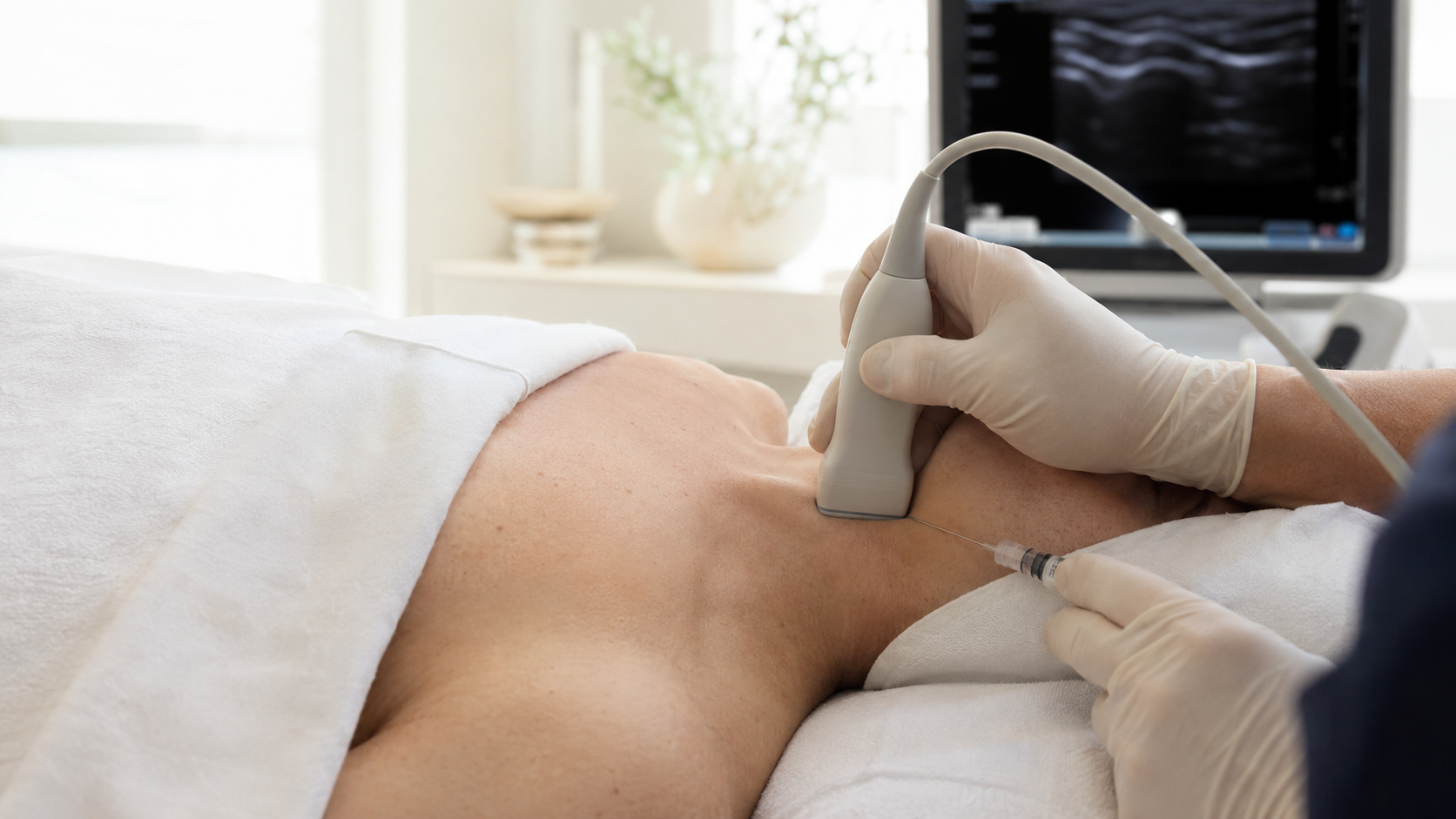
MPM does not reduce EDS care to one symptom or one painful joint. Evaluation may include movement assessment, joint stability review, diagnostic ultrasound when appropriate, pain generator mapping, review of prior imaging or specialist workups, and coordination with genetics, rheumatology, cardiology, neurology, gastroenterology, gynecology, pelvic floor therapy, physical therapy, or other specialists when needed.

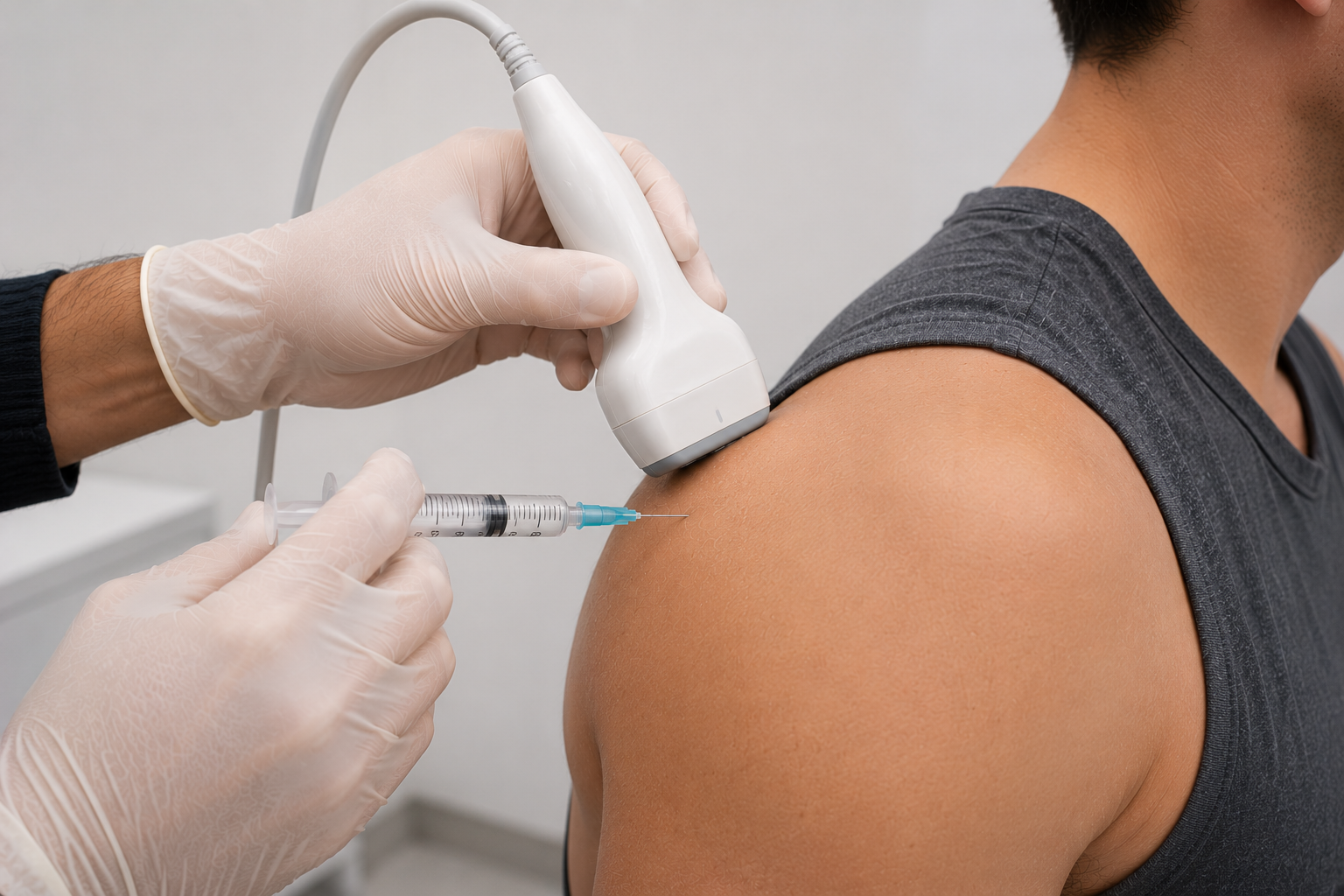
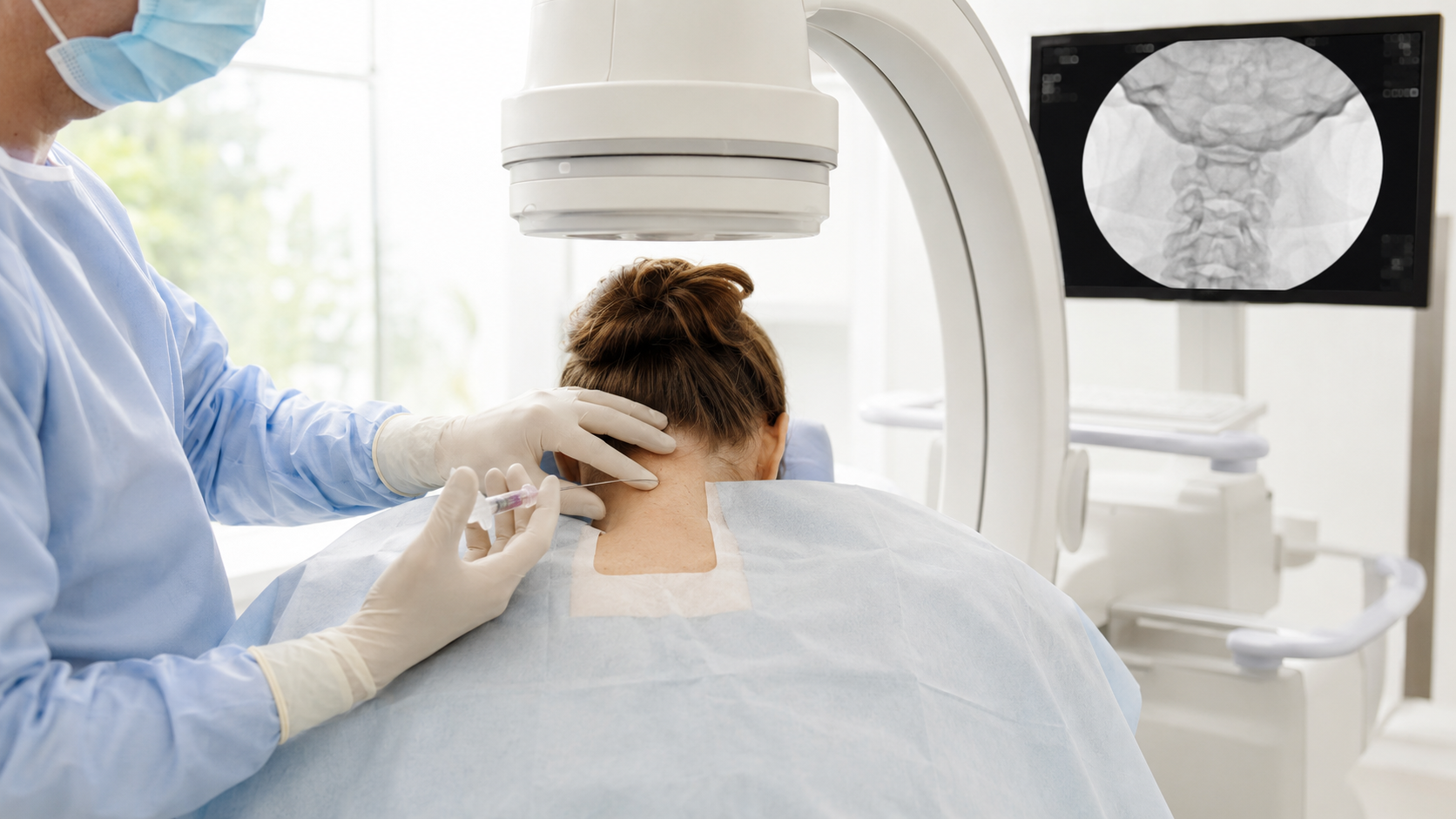
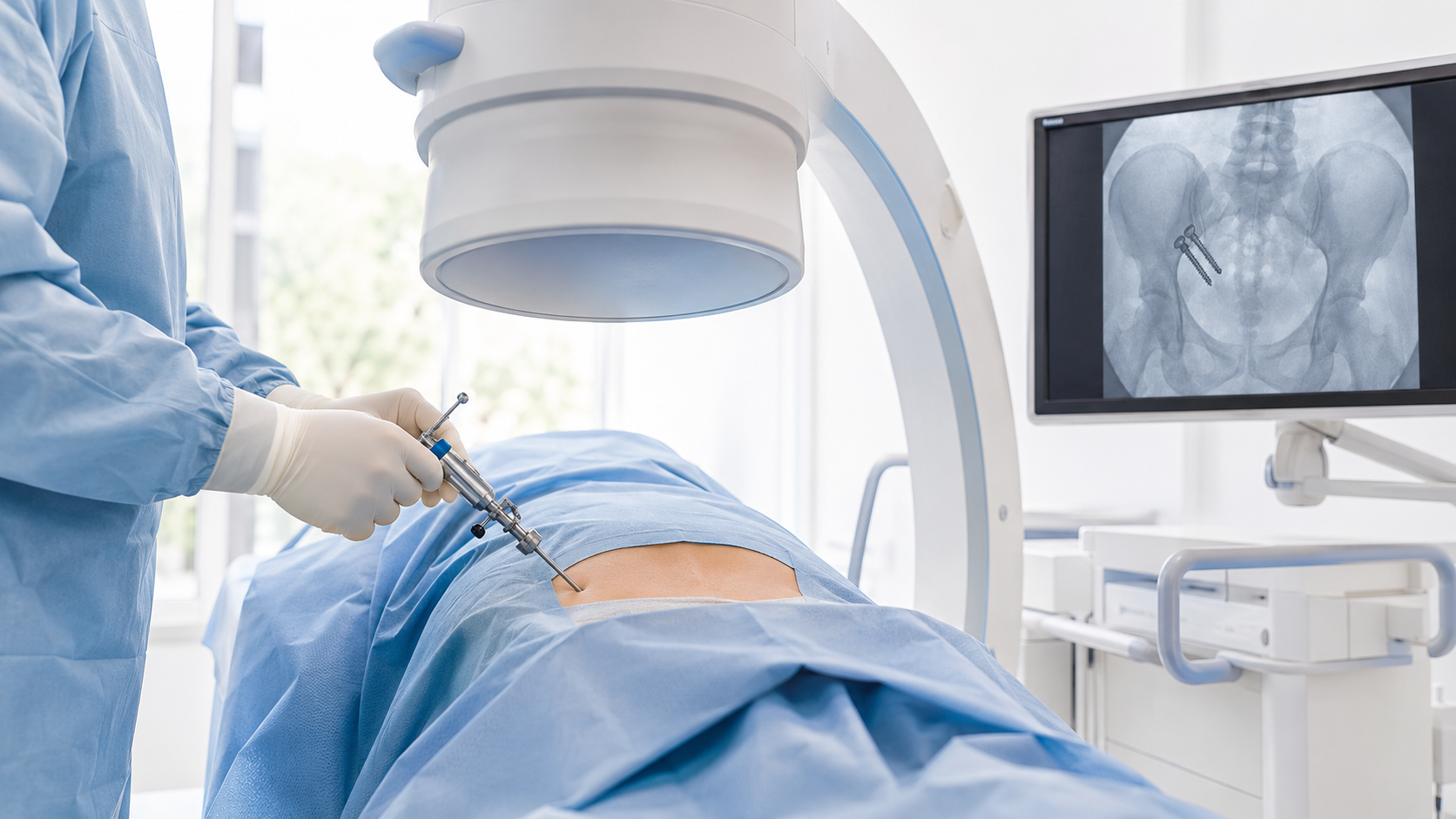
Treatment may include acupuncture, Feldenkrais, biofeedback, pain psychology, diagnostic ultrasound, ultrasound-guided injections, trigger point injections, prolotherapy, PRP, BMAC, peripheral joint injections, stellate ganglion blocks, C1/2 facet injections for selected CCI-related pain patterns, or sacroiliac joint stabilization procedures only when clinically appropriate.

Why EDS Is Often Missed or Misdiagnosed

Many patients with EDS or hypermobility spend years being treated for isolated symptoms before the broader pattern is recognized. A patient may be evaluated separately for joint pain, migraines, dizziness, abdominal pain, constipation, pelvic pain, fatigue, sprains, nerve symptoms, or anxiety around medical care without anyone connecting the full picture.

EDS-related pain can be difficult to identify because imaging may not always explain the severity of symptoms. Joint laxity, soft tissue strain, muscle guarding, nerve irritation, dysautonomia, GI symptoms, and central pain sensitization can all contribute to pain even when standard tests are unrevealing.

MPM’s diagnosis-first model is designed to help identify treatable pain generators while coordinating with the right specialists for conditions that require broader medical management.

Request an Appointment

Diagnosis-first care

How MPM Approaches EDS-Related Pain Evaluation

MPM evaluates EDS-related pain by mapping symptoms across joints, nerves, autonomic function, headache, GI symptoms, pelvic health, and functional impact.
  • 1

    Map the Full Symptom Pattern

    MPM begins by reviewing pain location, joint instability, recurrent sprains, headaches, dizziness, GI symptoms, pelvic pain, fatigue, nerve symptoms, prior injuries, medical history, and prior specialist evaluations. This helps identify whether symptoms appear isolated or part of a broader hypermobility-related pattern.
  • 2

    Identify Pain Generators

    EDS-related pain may come from joint instability, muscle overuse, myofascial trigger points, peripheral nerve irritation, tendon or ligament strain, sacroiliac dysfunction, cervical instability, headache pathways, pelvic floor dysfunction, abdominal pain, or central pain sensitization. MPM evaluates which drivers are most relevant before recommending treatment.
  • 3

    Assess Overlapping Conditions

    Many patients with EDS also report symptoms related to POTS, MCAS-like flares, chronic constipation, gastroparesis, migraine, post-COVID pain, fibromyalgia, endometriosis, pelvic pain, CCI, Chiari malformation, intracranial hypertension, CSF outflow concerns, Tarlov cysts, tethered cord, or peripheral nerve entrapment. MPM considers these overlaps while coordinating with appropriate specialists.
  • 4

    Build a Coordinated Treatment Plan

    Treatment is individualized and may include movement-based care, stabilization strategies, pain psychology, biofeedback, acupuncture, Feldenkrais, diagnostic ultrasound, ultrasound-guided injections, trigger point injections, regenerative options, or referral coordination. Procedures are considered only when the diagnosis, anatomy, goals, and risk profile support them.

EDS Across MPM’s Zones of Expertise

Ehlers-Danlos syndrome can intersect with all of MPM’s Zones of Expertise. In Musculoskeletal issues and Hypermobility, EDS may contribute to joint instability, sprains, tendon pain, muscle guarding, SI joint pain, and orthopedic symptoms. In Headache, it may overlap with chronic migraine, CCI, Chiari malformation, intracranial hypertension, CSF outflow concerns, and neck-related headache patterns.

In Autonomic dysfunction, EDS may overlap with POTS, dizziness, orthostatic intolerance, fatigue, temperature sensitivity, GI symptoms, and autonomic instability. In Pelvic Pain, it may overlap with pelvic floor dysfunction, endometriosis-related pain, pudendal neuralgia, abdominal pain, and sacroiliac dysfunction. In Complex Chronic Pain and Psychology of Pain, EDS may overlap with central sensitization, fibromyalgia, medical PTSD, post-viral pain, and the emotional burden of prolonged diagnostic uncertainty.

MPM evaluates these relationships carefully so treatment is based on the patient’s specific pain pattern, not a generic EDS protocol.

Treatments Related to EDS-Related Pain

Treatment depends on the pain generator, joint stability, nerve involvement, headache pattern, autonomic symptoms, pelvic symptoms, prior injuries, and overall medical complexity.
PATIENT STORIES

Real Patients. Real Progress.

Hear from patients who came to Manhattan Pain Medicine looking for answers, clarity, and a more thoughtful path forward.
  • Michael O.

    5 star review

    These guys are the best. I've been going here for over 6 years and their familiarity with my Schwannomatosis (most ppl have never even heard of it - its rather rare) and their ability to diagnose my CRPS quickly and accurately and then treat it like I was merely getting a flu shot is just incredible...

    Google

  • John A.

    5 star review

    Highly recommended for those who need Pain Management. Everyone at Manhattan Pain Medicine is extremely nice and helpful. I have had very good interactions with both Dr. Siefferman and Dr. Louis. All of the staff is very responsive. 5 stars.

    Google

  • Rakhee K.

    5 star review

    The providers at Manhattan Pain Medicine are exceptional. I wish I had found them 30 years ago!

    Google

  • Annie R.

    5 star review

    I genuinely can’t say enough good things about the team at Manhattan Pain Medicine. I have MCAS, EDS, and an inflammatory autoimmune disease, and I’ve basically been searching for answers since I was a kid. I had years of unexplained inflammation markers, chronic pain, and allergic reactions despite...

    Google

  • Karine S.

    5 star review

    I have a complex medical history and have seen a lot of doctors over the years. Dr. Mikaberidze and Dr. Siefferman each took the time to really listen and understand everything I had been dealing with. I also appreciated how they work together and communicated about my care. I left with a plan that...

    Google

  • Edwin F-S.

    5 star review

    Sharing my gratitude for the pleasant experience last week during my visit, the medical team provided great care and also treated my session as a learning experience, I left my session with a wealth of knowledge. A big thank you to the kind, and professional staff who welcomed me to the office as a...

    Google

  • Madaline. M

    5 star review

    I cannot say enough good things about Manhattan Pain Medicine. From the moment I walked in, I felt truly cared for and taken seriously. Dr. Nino Mikaberidze, Director of Rheumatology, is exceptional — knowledgeable, compassionate, and incredibly thorough. She takes the time to listen, explains every...

    Google

  • Lauren W.

    5 star review

    Dr Siefferman is the most thorough, patient doctor I have even been to. Currently I travel from miami to nyc to see him because his bed side manner and desire to help is incomparable.

    ZocDoc

  • Dana S.

    5 star review

    This practice is wonderful. I have been a patient of Dr. Siefferman’s since 2019 and he’s extremely helpful and kind. He has brought in a Rheumatologist who is also great. They handle very complex pain issues and always try to find new ways to help me.

    Google

  • Frans M.

    5 star review

    Dr. Siefferman is an incredible doctor! He is extremely diligent and knowledgeable. It feels like you are his only patient. He invests a lot of time and effort into your injuries and concerns. I did not find these wonderful qualities with other pain specialists before, who were always rushed and som...

    ZocDoc

  • Gregory S.

    5 star review

    Dr. Siefferman is a doctor who combines the old world bedside manner of doctors from my childhood (60 years ago) with a sta te of the art embrace of modern technology. It is always a pleasure to have an appointment with him...always has options and solutions to my medical issues. He is truly the doc...

    ZocDoc

  • Judith R.

    5 star review

    Dr. Siefferman is a genius. He is very informed and listens attentively.

    ZocDoc

  • Joshua M.

    5 star review

    Dr. Siefferman and his entire team continue to be efficient, dedicated, and driven by precision and a genuine desire to give fantastic care. Will always recommend.

    ZocDoc

  • Michael W. S

    5 star review

    Doctor Siefferman is fantastic. Have been seeing him for 5 years. Couldn’t recommend more.

    ZocDoc

  • Stephanie G.

    5 star review

    Dr. Siefferman is the ONLY doctor who has ever been able to diagnose my pain and treat it. He is hands down the best

    ZocDoc

Ehlers-Danlos Syndrome FAQs

Understanding Insurance Before You Begin

Before care begins, our team helps patients understand the practical side of treatment, including insurance verification, out-of-network benefits, cost-share estimates, self-pay options, and billing questions. We believe patients should have as much clarity as possible before moving forward.

Insurance & Billing

Request an EDS-Related Pain Evaluation

If Ehlers-Danlos syndrome, hypermobility, joint instability, headaches, POTS symptoms, GI symptoms, pelvic pain, or complex chronic pain is affecting your life, MPM can help evaluate what may be contributing. Our diagnosis-first approach looks beyond one painful joint to understand the full pattern of pain, function, and overlapping conditions. Request an appointment to discuss your symptoms and care options.

Request An Appointment

Patient education

A Deeper Look at Ehlers-Danlos Syndrome and Complex Pain

EDS-related pain can involve joints, muscles, nerves, the autonomic nervous system, headaches, digestion, pelvic health, and chronic pain processing.

Ehlers-Danlos Syndrome

Ehlers-Danlos syndrome is a group of connective tissue conditions that can affect the way the body supports joints, skin, blood vessels, and other tissues. Hypermobile Ehlers-Danlos syndrome is the subtype most often associated with generalized joint hypermobility, joint instability, recurrent sprains, soft tissue injuries, muscle pain, fatigue, headaches, GI symptoms, pelvic symptoms, and chronic pain.

For many patients, EDS symptoms do not appear in one clean category. A person may have neck pain, migraines, dizziness when standing, abdominal pain, constipation, pelvic pain, frequent sprains, nerve symptoms, and fatigue. When these symptoms are evaluated separately, the larger pattern can be missed.

Why EDS Can Cause Pain

EDS-related pain can develop through several mechanisms. Joint laxity can place extra stress on ligaments, tendons, muscles, and joint capsules. Muscles may tighten or guard to stabilize joints that feel unstable. Recurrent sprains, subluxations, tendon irritation, myofascial trigger points, and peripheral nerve irritation can all contribute to pain.

Some patients also develop central sensitization, where the nervous system becomes more reactive over time. This does not mean pain is imagined. It means the pain system may become easier to trigger and harder to calm, especially after repeated injuries, prolonged symptoms, poor sleep, medical trauma, or overlapping inflammatory and autonomic conditions.

EDS and Joint Instability

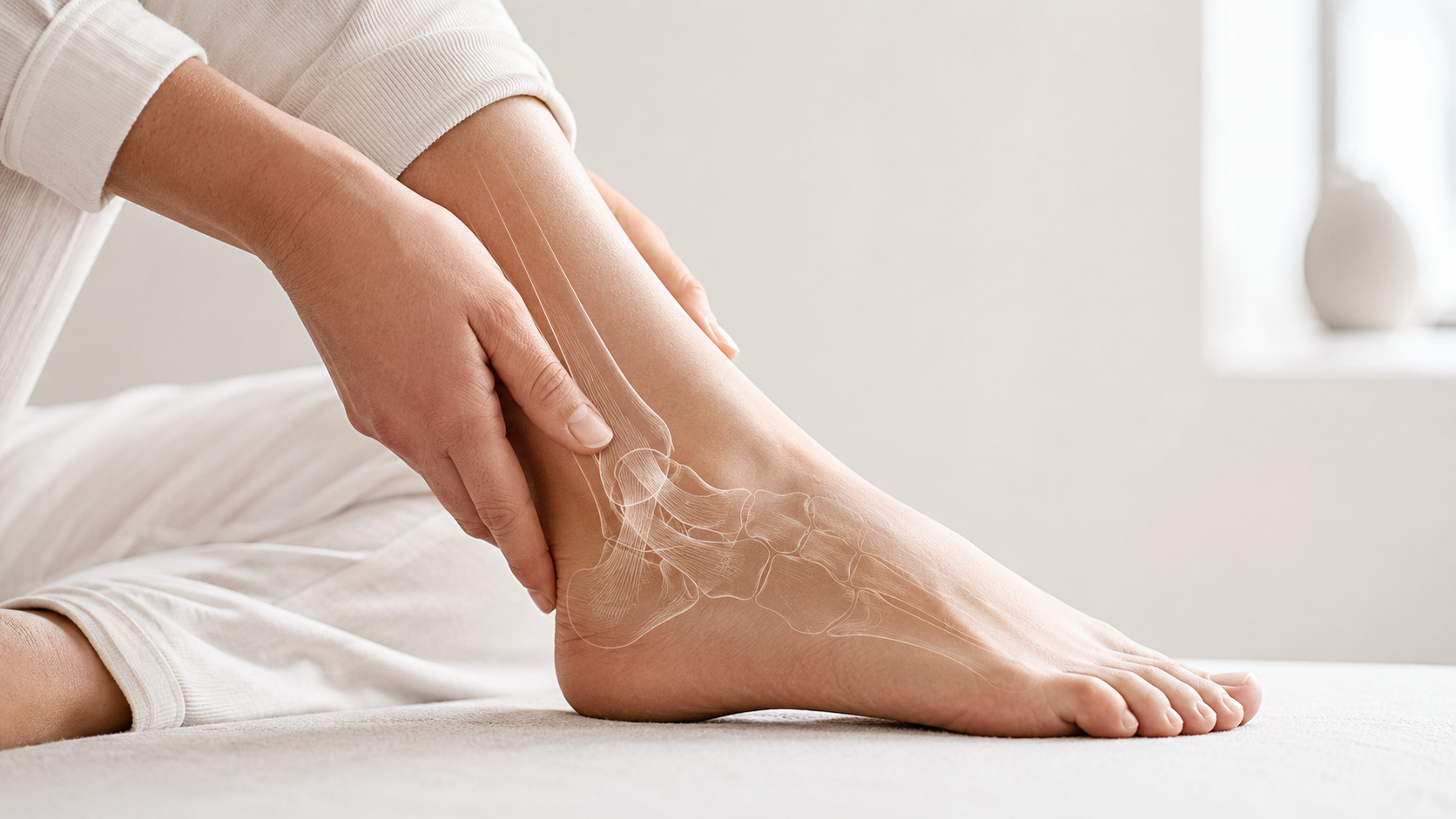
Joint instability is one of the most common pain drivers in EDS and hypermobility spectrum disorder. Patients may report frequent sprains, joints that slip or feel unstable, pain after small movements, recurring tendon pain, or difficulty building strength without flaring symptoms.

Common areas of concern may include the neck, shoulders, wrists, hips, knees, ankles, sacroiliac joints, ribs, jaw, and pelvis. Conditions such as chronic sprain, anterior pelvic tilt, shoulder instability, TMJ dysfunction, cubital tunnel syndrome, and peripheral nerve entrapment may overlap with hypermobility-related mechanics.

MPM evaluates whether pain is coming from instability, muscle compensation, joint irritation, nerve compression, tendon overload, or a separate pain generator.

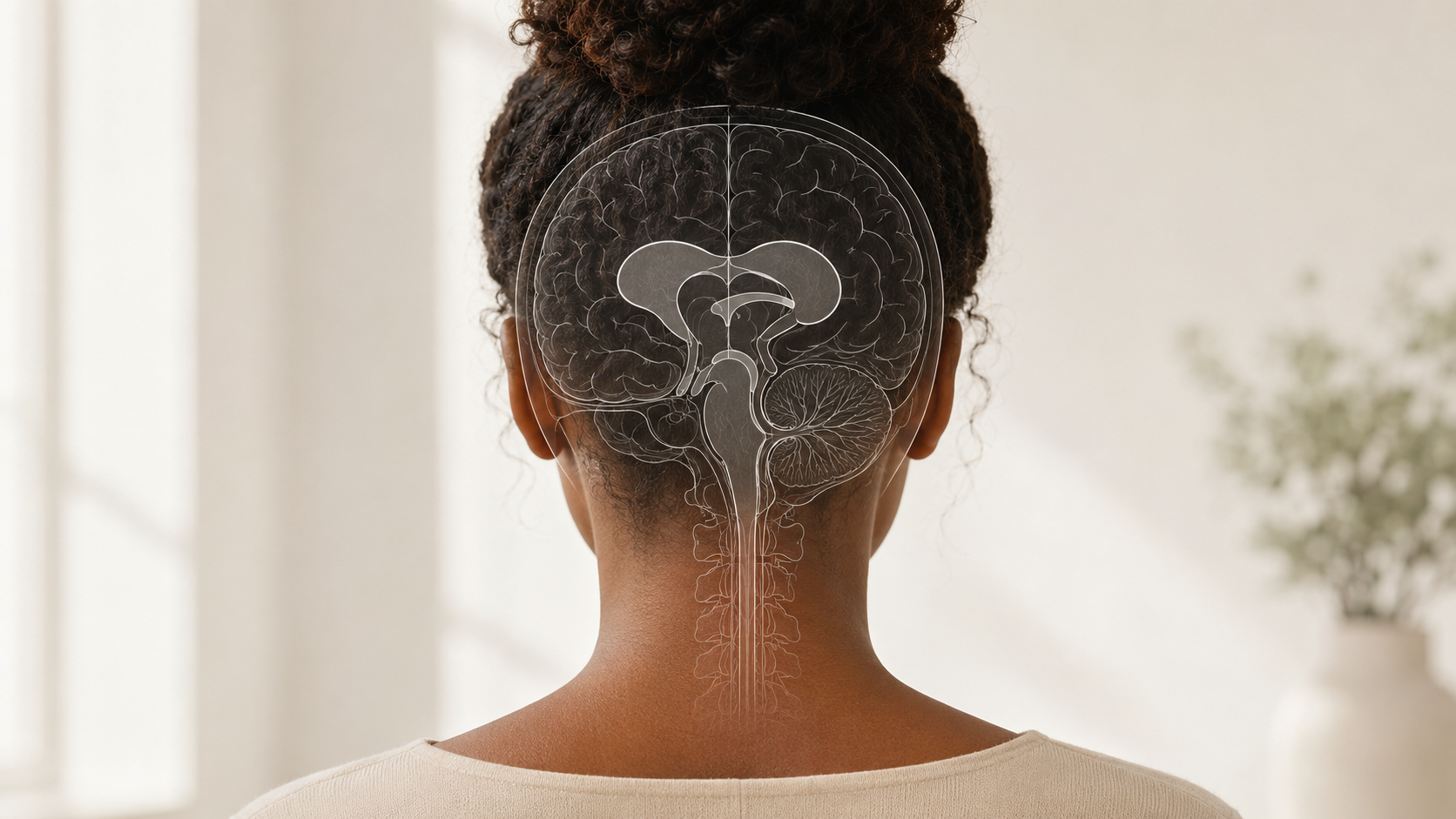
EDS, Headache, Neck Pain, and CCI

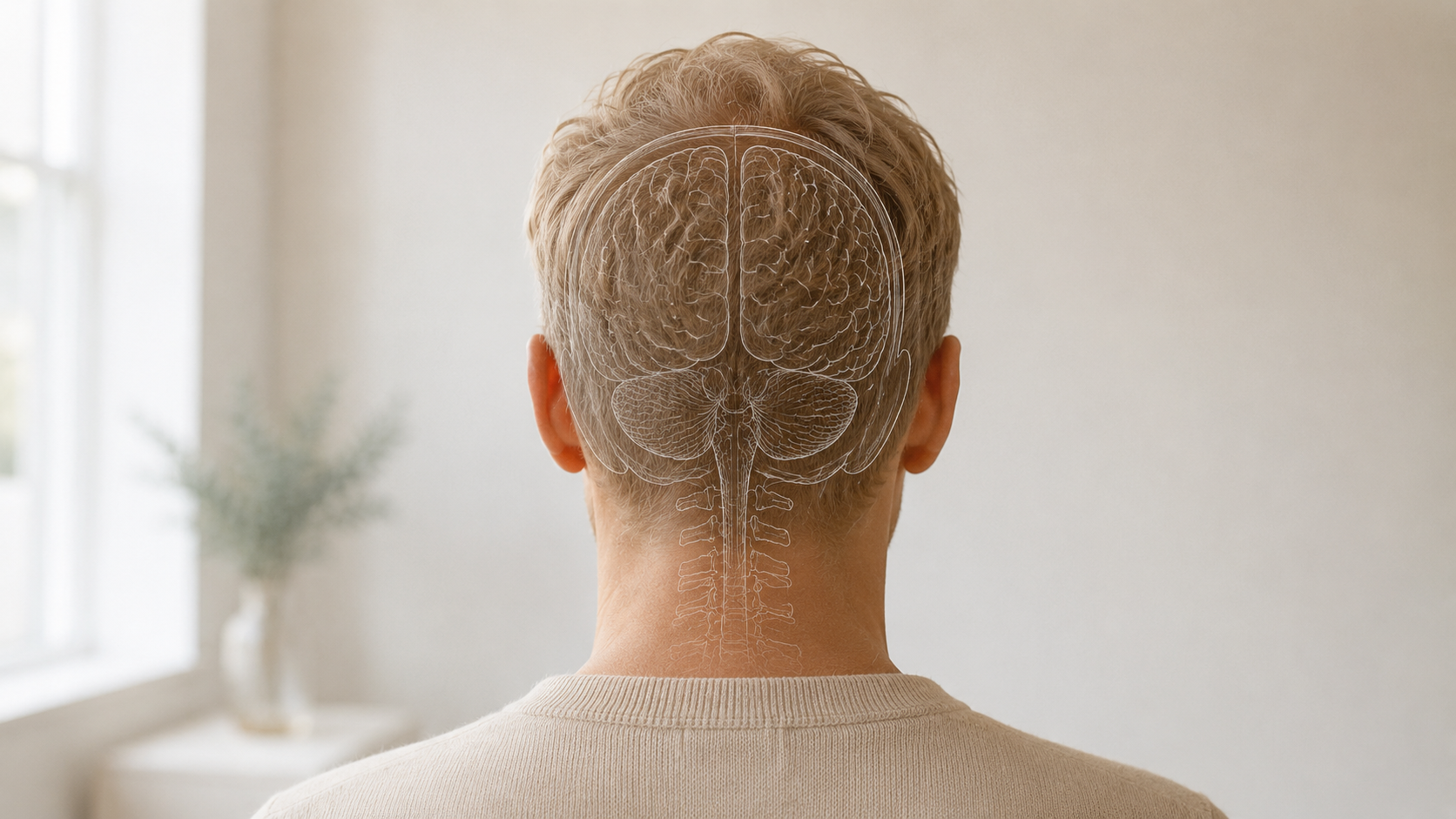
Headache and neck pain are common concerns among patients with EDS. Some patients have chronic migraine, tension headache, TMJ-related headache, cervical dystonia, trigeminal neuralgia, or trigeminal autonomic headache patterns. Others are concerned about craniocervical instability, Chiari malformation, CSF outflow obstruction, intracranial hypertension, or other structural contributors.

MPM evaluates headache and neck pain through a careful clinical lens. The goal is not to assume that every headache in an EDS patient is caused by instability. Instead, the evaluation considers headache type, neurologic symptoms, neck mechanics, jaw function, autonomic symptoms, prior imaging, and red flags that may require neurology, neurosurgery, ophthalmology, or other specialty input.

EDS, POTS, MCAS, and Autonomic Symptoms

Many patients with EDS report symptoms of autonomic dysfunction, including dizziness, palpitations, fatigue, heat intolerance, nausea, brain fog, weakness, or symptoms that worsen when standing. POTS, or postural orthostatic tachycardia syndrome, may coexist with hypermobility in some patients.

Patients may also report MCAS-like symptoms, including flushing, allergic-type reactions, GI symptoms, itching, swelling, or symptom flares. These symptoms require careful evaluation and should not be assumed based on EDS alone.

MPM’s role is to evaluate how autonomic symptoms may interact with pain, function, headache, GI symptoms, and chronic pain sensitization while coordinating with cardiology, neurology, allergy or immunology, rheumatology, gastroenterology, or primary care when needed.

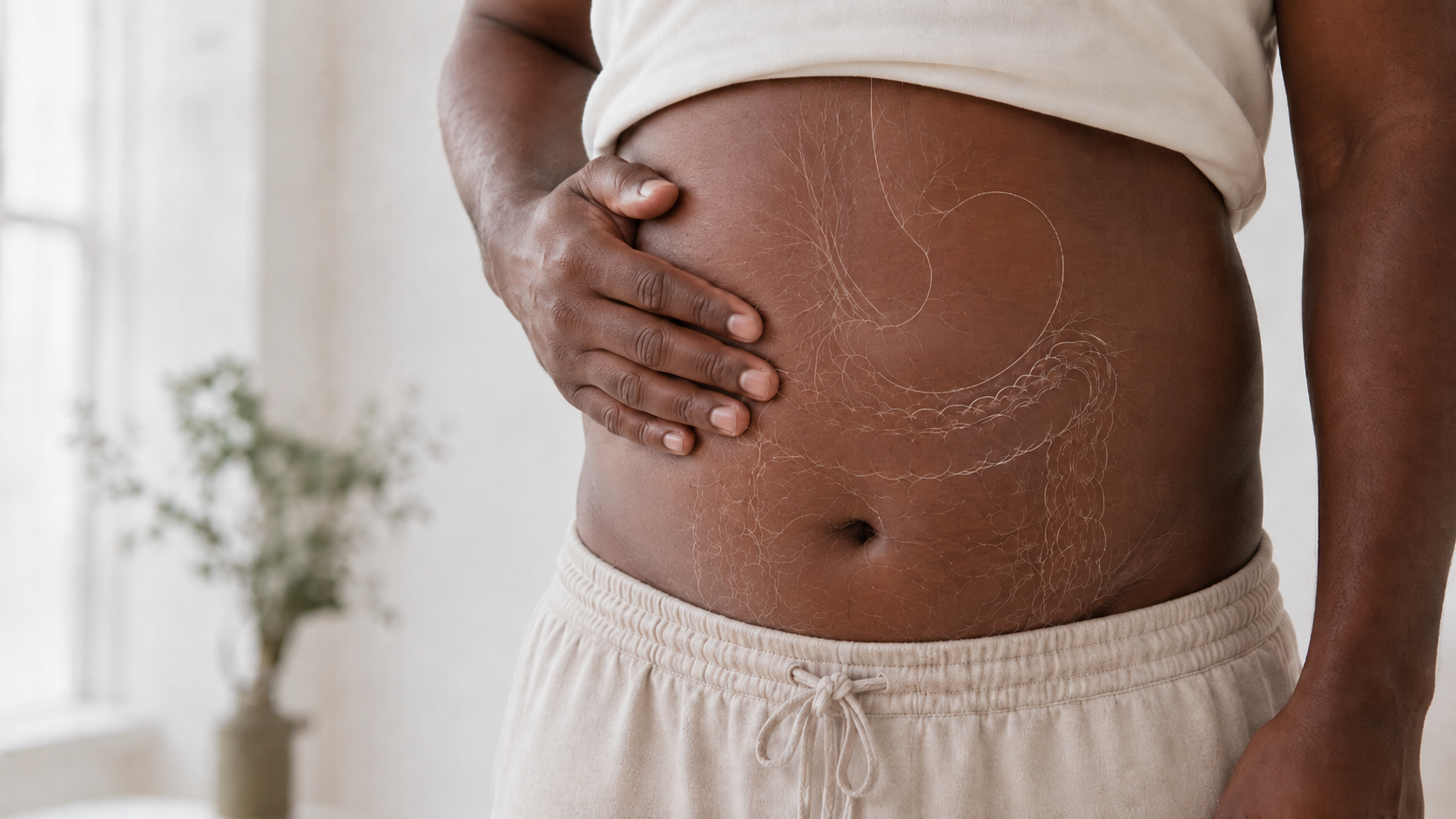
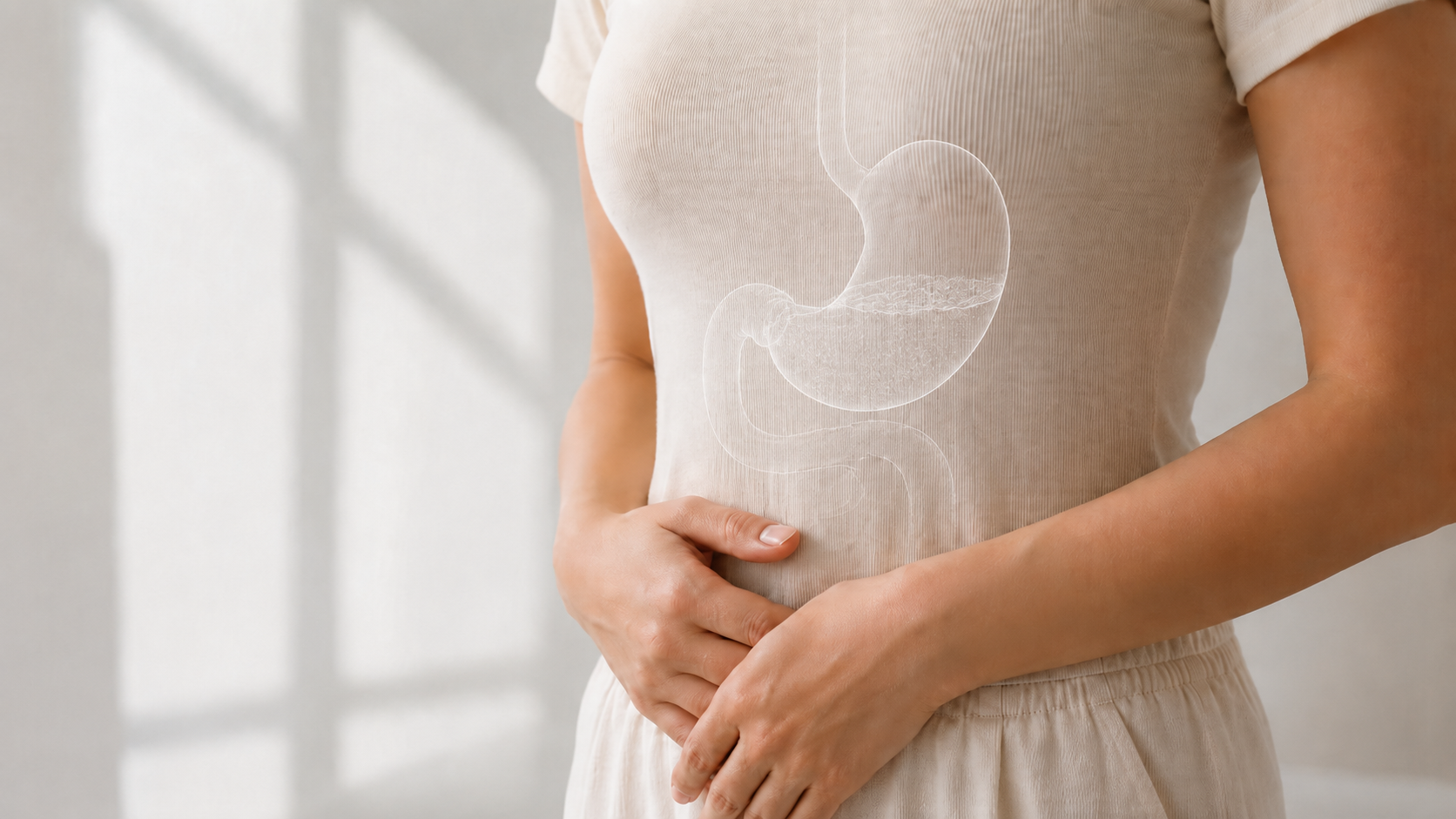
EDS and GI Symptoms

EDS can overlap with gastrointestinal symptoms such as abdominal pain, chronic constipation, gastroparesis, bloating, nausea, reflux, early fullness, or bowel motility concerns. These symptoms may involve autonomic dysfunction, connective tissue differences, pelvic floor coordination, medication effects, visceral sensitivity, or overlapping GI conditions.

MPM does not replace gastroenterology care. For patients with EDS and abdominal or GI-related pain, MPM evaluates pain contributors that may coexist with digestive symptoms, including abdominal wall pain, nerve irritation, pelvic floor dysfunction, autonomic symptoms, medication effects, and central sensitization.

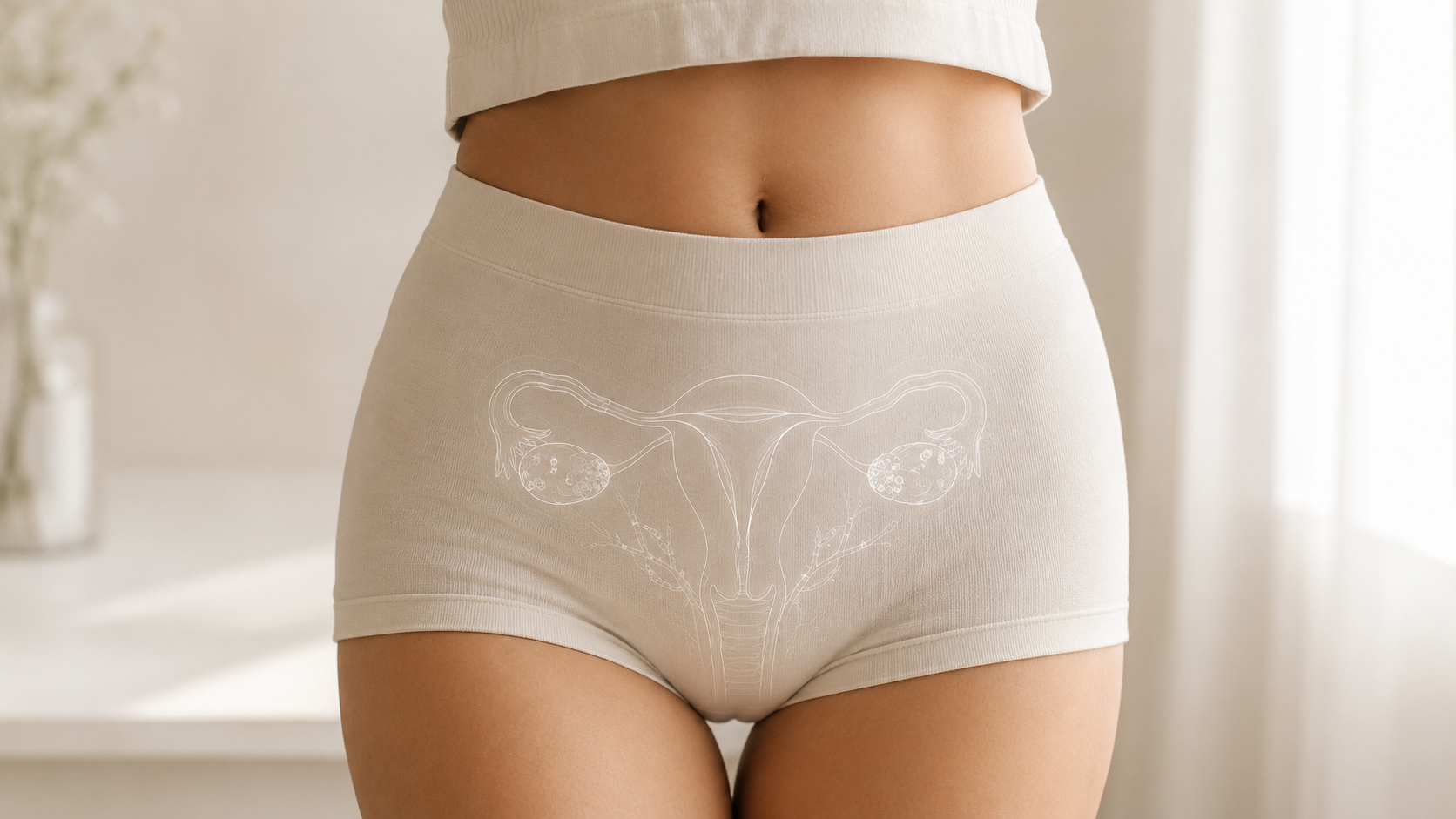
EDS and Pelvic Pain

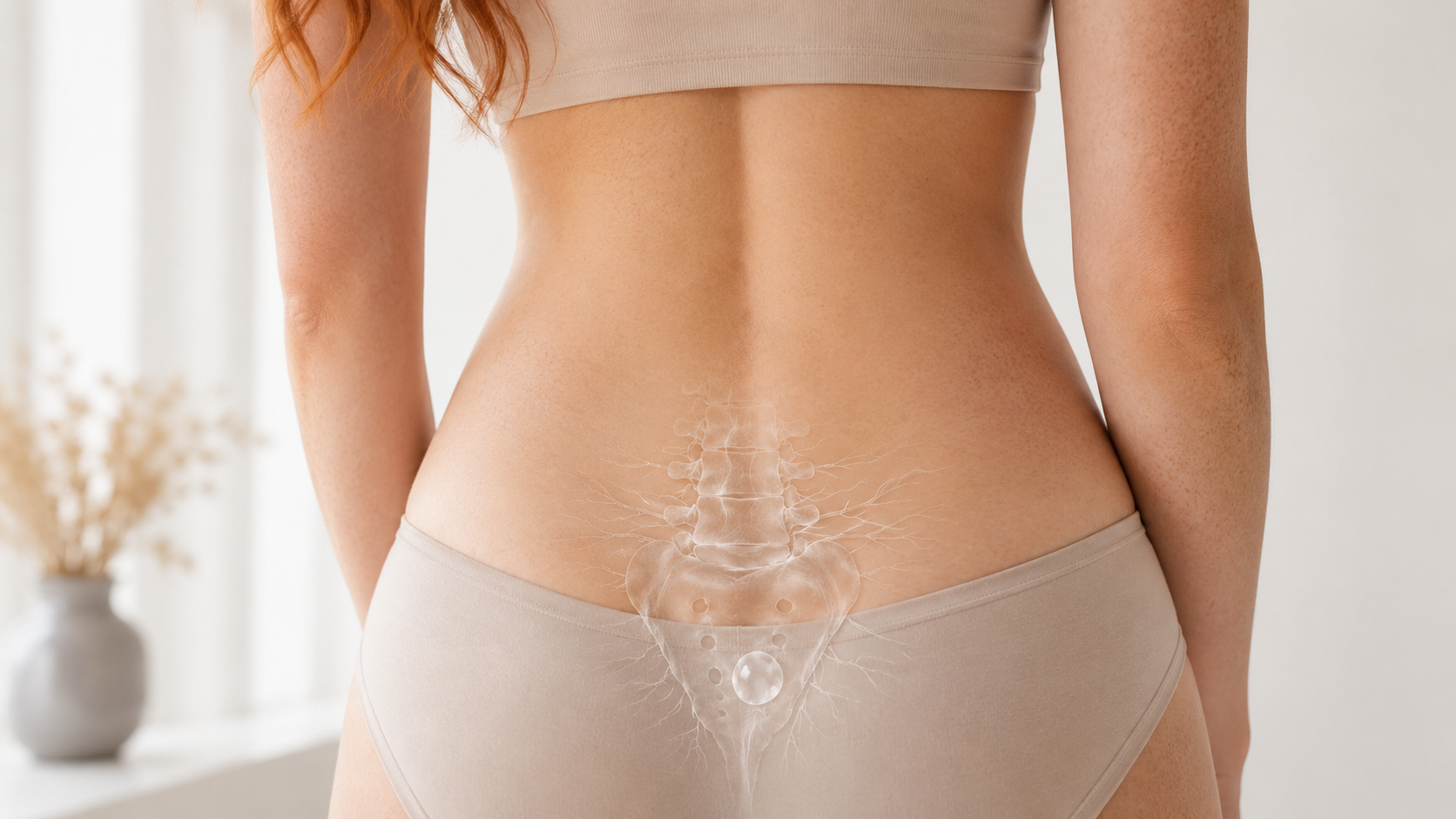
Pelvic pain in patients with EDS can be complex. It may involve pelvic floor dysfunction, pudendal neuralgia, endometriosis-related pain, abdominal wall pain, hip impingement, labral tears, sacroiliac joint dysfunction, piriformis syndrome, anterior pelvic tilt, or central pain syndromes.

Hypermobility may affect pelvic stability, hip mechanics, SI joint loading, and pelvic floor muscle guarding. Chronic pelvic pain may also overlap with bowel, bladder, sexual, gynecologic, neurologic, and musculoskeletal symptoms.

MPM evaluates pelvic pain through a coordinated model, working alongside gynecology, urology, GI, pelvic floor therapy, orthopedics, rheumatology, neurology, and other specialists when needed.

EDS and Nerve Pain

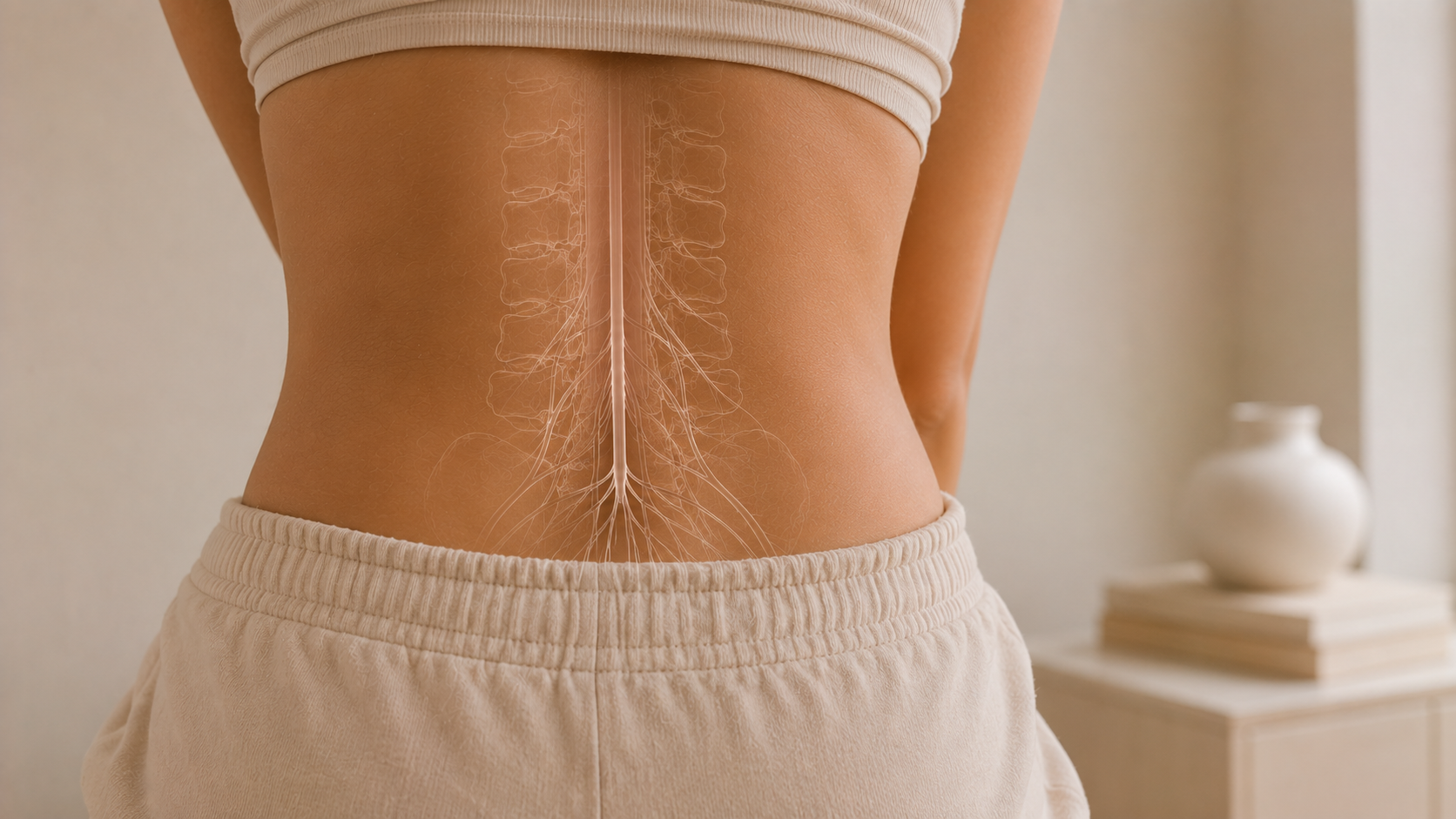
Some patients with EDS experience nerve-related symptoms such as burning, tingling, numbness, electric pain, weakness, radiating pain, or positional nerve symptoms. These may reflect peripheral nerve entrapment, cubital tunnel syndrome, peroneal nerve irritation, cervical or lumbar radiculopathy, small fiber neuropathy, autonomic neuropathy, or other neurologic conditions.

Joint laxity, altered mechanics, repetitive compression, and tissue sensitivity may increase nerve vulnerability in selected patients. MPM evaluates the full nerve pathway rather than assuming symptoms come from one location. Diagnostic ultrasound, ultrasound-guided injections, or nerve hydrodissection may be considered only when anatomy and findings support that plan.

Why Imaging and Labs May Be Normal

Many patients with EDS-related pain are told that imaging is normal or that lab results do not explain their symptoms. This can be frustrating, but it does not mean the pain is not real. Pain can come from instability, soft tissue strain, muscle guarding, nerve irritation, dysautonomia, pelvic floor dysfunction, or sensitized pain pathways that may not be obvious on routine imaging.

MPM evaluates the clinical pattern, not just the imaging report. Prior imaging, labs, specialist notes, and treatment responses can be useful, but they must be interpreted alongside the patient’s symptoms, exam findings, function, and goals.

Treatment Options for EDS-Related Pain

Treatment for EDS-related pain should be individualized and stepwise. Many patients benefit from stabilization-focused physical therapy, pacing, activity modification, movement retraining, bracing when appropriate, sleep support, and symptom-specific care.

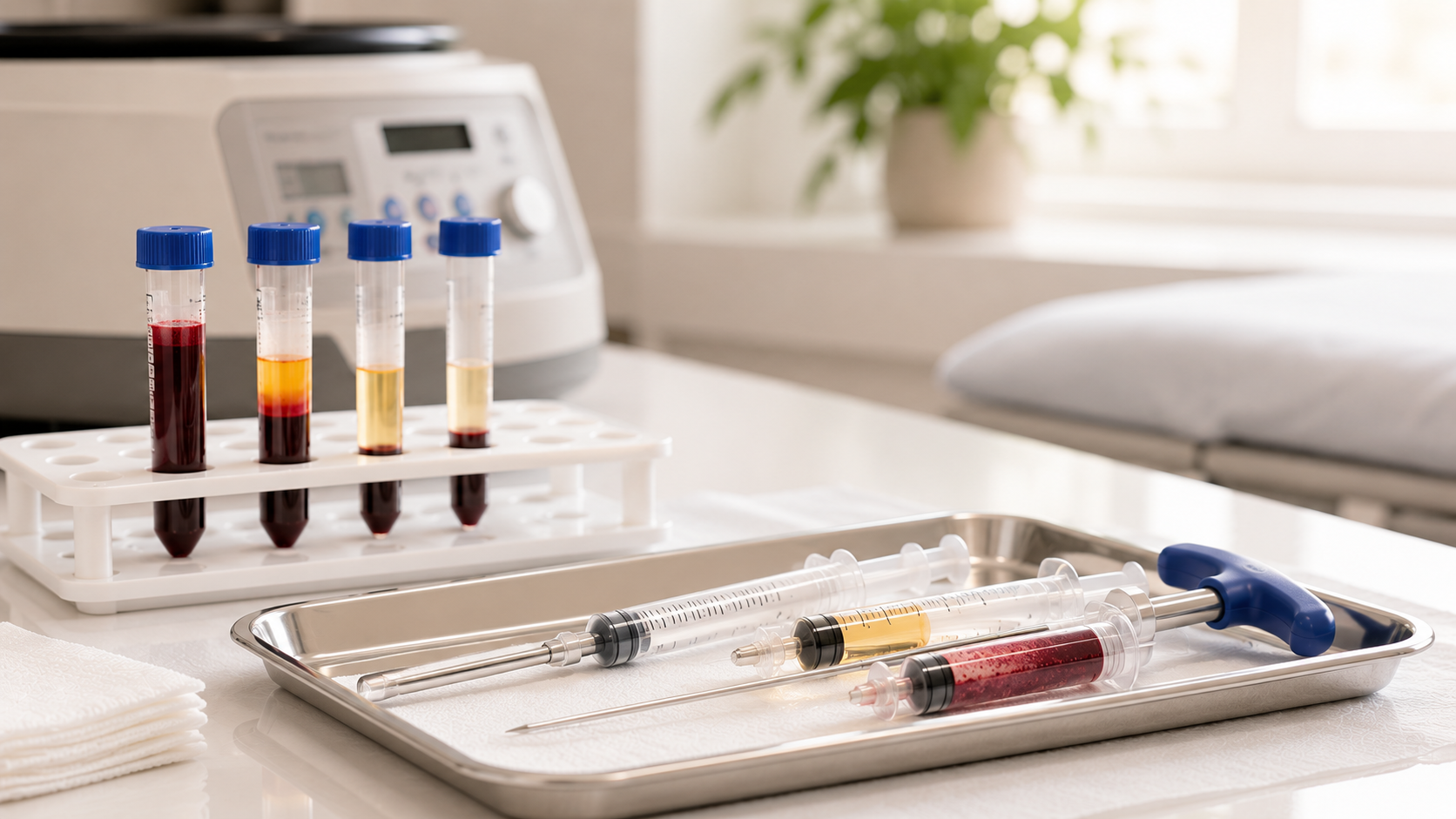
MPM may consider acupuncture, Feldenkrais, biofeedback, pain psychology, medication management coordination, diagnostic ultrasound, ultrasound-guided injections, peripheral joint injections, trigger point injections, prolotherapy, PRP, BMAC, C1/2 facet injections for selected CCI-related pain patterns, stellate ganglion blocks for selected autonomic or pain patterns, or sacroiliac joint procedures when supported by the diagnosis.

These treatments are not automatic and are not appropriate for every patient with EDS. Procedures require careful diagnosis, risk discussion, anatomy review, and clinician supervision.

Regenerative Medicine and EDS

Patients with EDS often ask whether regenerative medicine can help unstable or painful joints. Options such as prolotherapy, PRP, or BMAC may be considered in selected cases when there is a specific ligament, tendon, joint, or instability-related pain generator.

These treatments should not be described as curing EDS, repairing all connective tissue, or permanently stabilizing every joint. They are considered only after careful review of diagnosis, anatomy, severity, evidence, prior care, and goals.
The Importance of Trauma-Informed Care

Many patients with EDS have experienced years of dismissal, delayed diagnosis, painful procedures, unclear explanations, or repeated medical encounters. This can contribute to medical PTSD, fear of movement, anxiety around appointments, and increased nervous system threat response.


Pain psychology, biofeedback, and trauma-informed care can help support coping, nervous system regulation, sleep, pacing, and function. These tools do not mean pain is psychological or imagined. They are part of a broader strategy to reduce threat, improve predictability, and help patients reengage with care safely.

When EDS Symptoms Require Urgent Evaluation

EDS symptoms should be evaluated urgently when there is sudden severe headache, new weakness or numbness, fainting, chest pain, shortness of breath, sudden severe abdominal pain, signs of vascular emergency, bowel or bladder changes, fever, major trauma, rapidly worsening neurologic symptoms, or severe unexplained pain.

Some EDS subtypes, especially vascular EDS, may carry serious vascular, organ, or pregnancy-related risks. Patients with suspected vascular EDS or concerning vascular symptoms may need genetics, cardiology, vascular, emergency, or specialty evaluation.

How MPM Approaches EDS-Related Care

MPM approaches EDS-related pain through a diagnosis-first, coordinated model. The goal is to understand the patient’s full symptom pattern, identify active pain generators, avoid overly simplistic explanations, and coordinate care across the right specialties.

For patients looking for EDS treatment in NYC, hypermobile EDS care in Manhattan, or EDS pain management, MPM offers a structured pain medicine perspective focused on joint instability, headache, autonomic symptoms, pelvic pain, nerve pain, GI overlap, and complex chronic pain.

The goal is not to cure EDS or treat every symptom with a procedure. The goal is to clarify what is driving pain, support function, and build a coordinated plan that reflects the patient’s actual condition, risks, and goals.