Ultrasound-Guided Injections
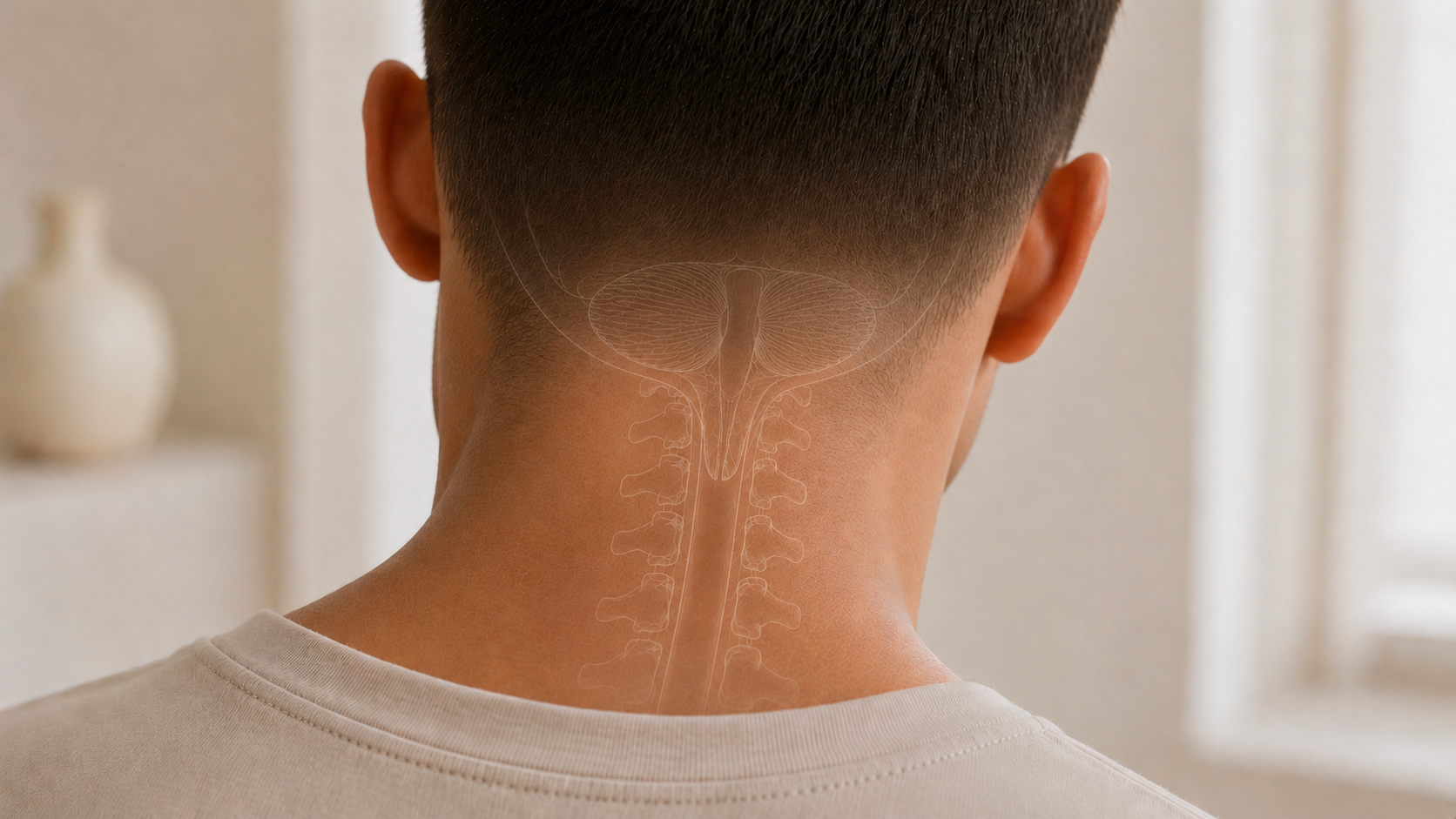
Ultrasound-guided injections are targeted pain procedures performed with real-time imaging. Instead of relying only on surface landmarks, the clinician uses ultrasound to view selected anatomy while guiding the needle toward a specific target. This may include a joint, tendon region, ligament, muscle, bursa, peripheral nerve, soft tissue structure, abdominal wall area, hernia-related region, foot or ankle target, or superficial pelvic-region structure.
At Manhattan Pain Medicine (MPM), ultrasound-guided injections NYC care is part of a diagnosis-first model. The procedure is only as useful as the clinical reasoning behind it. MPM first evaluates whether the patient’s symptoms, exam findings, prior imaging, and treatment history point toward a specific structure that can be safely and meaningfully targeted.
How Ultrasound Guidance May Improve Precision
Ultrasound provides real-time visualization of certain soft tissues, nerves, blood vessels, and musculoskeletal structures. This can help the clinician place the needle more precisely during selected injections and avoid nearby anatomy when possible. Ultrasound can also allow dynamic assessment, meaning the clinician may observe certain structures during movement or positioning when relevant.
Precision does not guarantee pain relief. Pain may come from more than one source, and not every structure visible on ultrasound is the primary pain generator. MPM uses ultrasound guidance when it improves diagnostic confidence, procedural accuracy, or safety for a specific clinical question.
Diagnostic Versus Therapeutic Injections
Some ultrasound-guided injections are diagnostic. For example, a targeted local anesthetic injection may help determine whether a joint, nerve, tendon sheath, or soft tissue region is contributing to pain. If pain improves temporarily, that response may help guide the care plan. If pain does not improve, MPM may reconsider the diagnosis or evaluate another pain source.
Other injections are therapeutic. These may involve medication intended to reduce inflammation, irritation, or pain in a targeted area. In some cases, one injection may be both diagnostic and therapeutic. The goal should be clear before treatment begins.
Conditions Where Ultrasound-Guided Injections May Be Considered
Ultrasound-guided joint injections in Manhattan may be considered for selected shoulder, hip, knee, ankle, wrist, or small joint pain patterns. Ultrasound-guided injections for tendon pain may be considered for tendinopathy, chronic sprain, bursitis, soft tissue irritation, or ligament-related symptoms. Ultrasound-guided injections for nerve entrapment may be considered for selected cases of peripheral nerve entrapment, cluneal neuralgia, Morton’s neuroma, tarsal tunnel syndrome, peroneal nerve entrapment, or cubital tunnel syndrome.
For abdominal wall pain, hernia-related pain, sports hernia patterns, or groin pain, ultrasound guidance may help target selected superficial structures or nerves when clinically appropriate. For pelvic pain, pudendal neuralgia, pelvic floor dysfunction, pelvic dystonia, or PGAD, ultrasound-guided injections may be considered only when a specific target is identified and the broader pelvic pain evaluation supports the procedure.
Patients with hypermobility, EDS, joint instability, chronic sprains, or complex pain may also benefit from careful evaluation of whether an ultrasound-guided injection fits their treatment plan. These patients often require coordinated care, because pain may involve instability, muscle compensation, nerve sensitivity, inflammation, or central sensitization.
When Ultrasound Is Not the Right Tool
Ultrasound is useful for many superficial and soft tissue targets, but it is not appropriate for every injection or every pain condition. Some spine procedures may require fluoroscopy or CT guidance. Some deep pelvic, vascular, intracranial, or spinal conditions require MRI, CT, MRV, EMG, lab work, vascular imaging, or specialist evaluation. Ultrasound-guided injections do not replace diagnosis, rehabilitation, medication management, surgery, rheumatology care, neurology care, vascular evaluation, pelvic specialty care, or emergency care when needed.
Risks and Safety Considerations
Risks of ultrasound-guided injections may include pain, bruising, bleeding, infection, allergic reaction, temporary numbness or weakness, nerve irritation, vascular injury, incomplete relief, temporary relief, or symptom flare. If corticosteroid is used, steroid-related side effects may occur. Risk depends on the target, medication, patient health, and clinical context.
Patients should seek urgent evaluation for fever, spreading redness, severe swelling, new weakness, new numbness, bowel or bladder dysfunction, saddle anesthesia, chest pain, shortness of breath, sudden severe headache, severe abdominal or pelvic pain, loss of pulses, limb discoloration, suspected infection, major trauma, or rapidly worsening symptoms.
For selected patients, ultrasound-guided injections may be a valuable part of targeted pain care. MPM’s role is to determine whether the procedure fits the diagnosis, whether ultrasound is the right guidance tool, and how the injection should connect to the broader care plan.